AISI 1040 Steel, normalized
Product Code : STI-CSTI-1361-CU
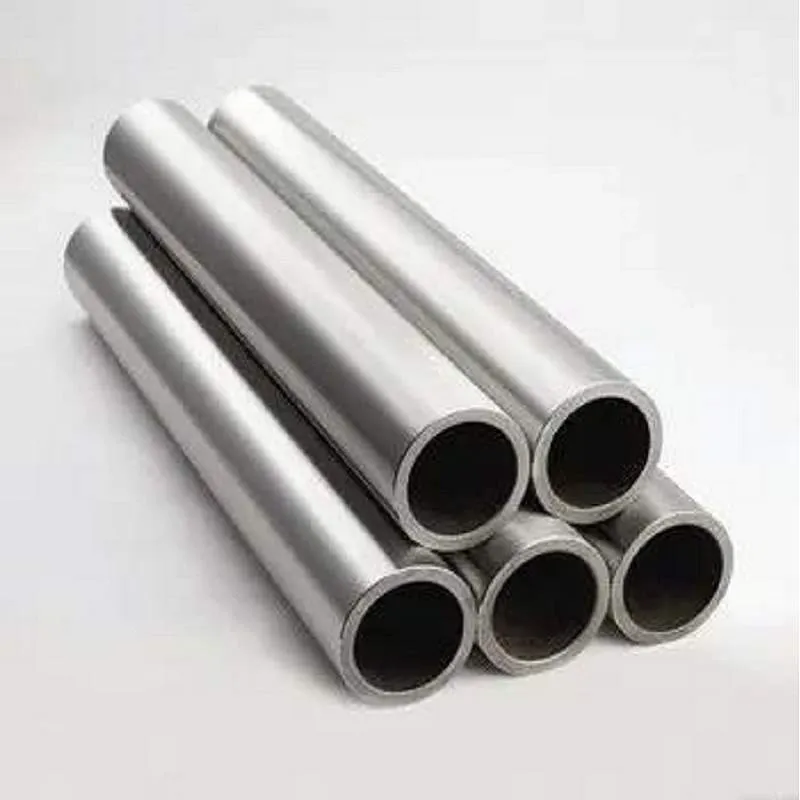
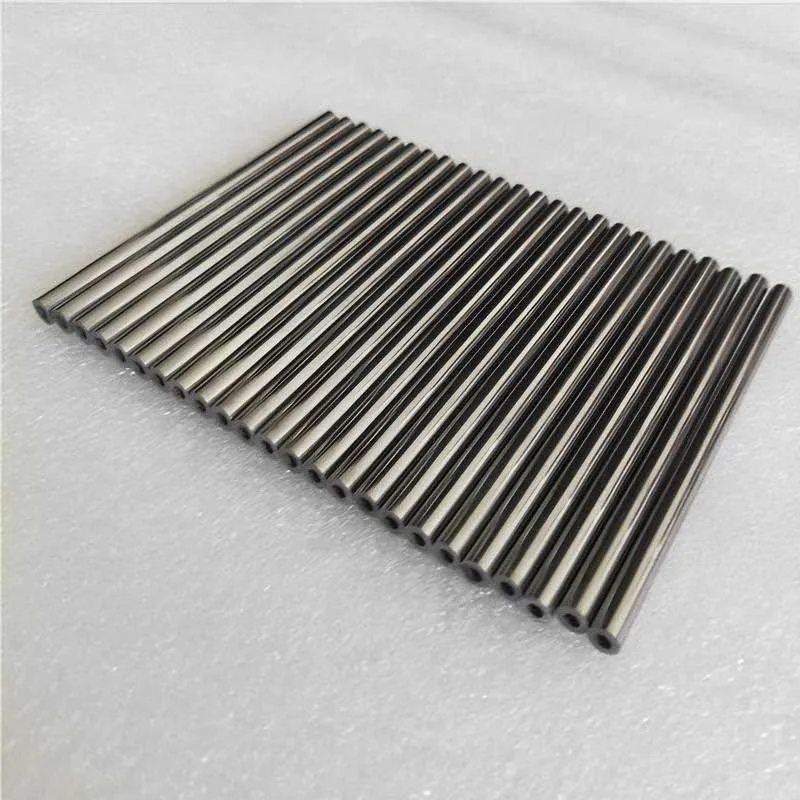
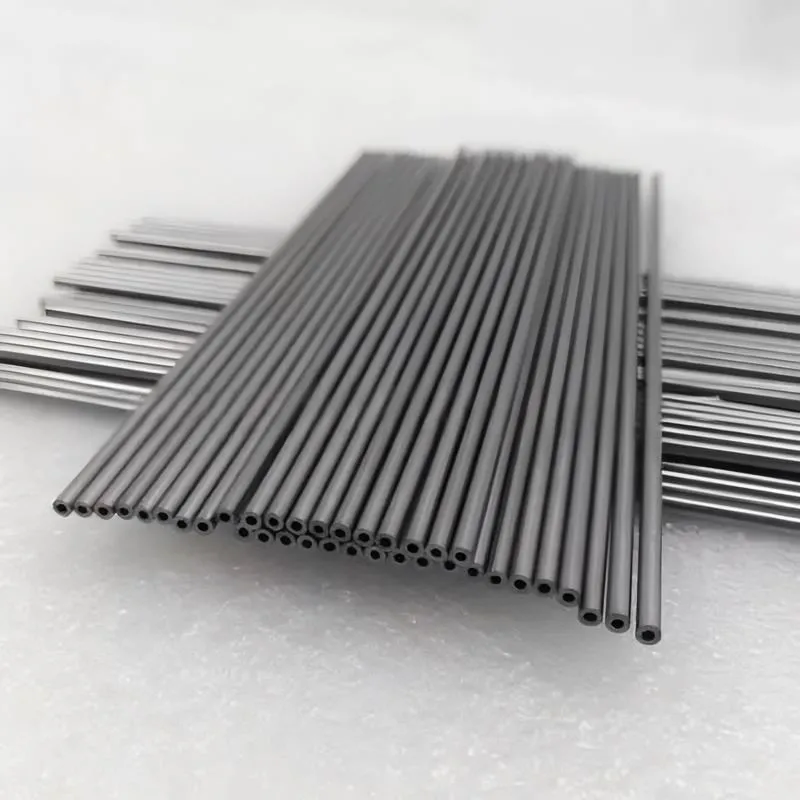
We provide AISI 1040 Steel, normalized at 900°C (1650°F) is available in Bar (Round bar, Flat bar), Ribbon, Wire, Rods, Tube,Seamless Tube,Pipe, Ingots, Plate, Sheet, Strip and Forging Stock.,Purity, chemical composition, size, etc. can all be customized to meet specific requirements.
Please contact us if you need customized services. We will contact you with the price and availability in 24 hours.
AISI 1040 Steel, normalized at 900°C (1650°F) Product Information
-:-
For detailed product information, please contact sales.
-:
AISI 1040 Steel, normalized at 900°C (1650°F) Synonyms
-:-
For detailed product information, please contact sales.
-:
AISI 1040 Steel, normalized at 900°C (1650°F) Product Information
-:-
For detailed product information, please contact sales.
-:
### **Product Introduction: AISI 1040 Steel, Normalized at 900°C (1650°F)**
**Overview**
AISI 1040 steel that has undergone a normalizing heat treatment at 900°C (1650°F) represents a standardized, refined, and improved version of the standard as-rolled material. Normalization is a critical thermal process that refines the grain structure, homogenizes the microstructure, and relieves internal stresses. This treatment results in a material with more consistent and predictable mechanical properties, enhanced toughness, improved machinability, and superior dimensional stability compared to the as-rolled condition. It serves as an optimal pre-processed state for components requiring reliable performance or further manufacturing operations.
---
#### **1. Chemical Composition (Nominal, Weight %)**
The composition remains within the standard AISI/SAE 1040 specification, providing a consistent foundation for the normalizing response.
| Element | Carbon (C) | Manganese (Mn) | Phosphorus (P) max | Sulfur (S) max | Silicon (Si) | Iron (Fe) |
| :--- | :--- | :--- | :--- | :--- | :--- | :--- |
| **Content (%)** | 0.37 - 0.44 | 0.60 - 0.90 | 0.040 | 0.050 | 0.15 - 0.35 | Balance |
* **Primary Role of Elements:**
* **Carbon (0.37-0.44%):** Defines the potential hardness and strength. During normalization, it allows for the complete formation of austenite, which upon air cooling transforms into a fine, uniform mixture of ferrite and pearlite.
* **Manganese (0.60-0.90%):** Moderates the transformation rate during cooling, helping to achieve a finer pearlitic structure and contributing to a more uniform hardness profile, especially in varying section thicknesses.
* **Silicon (0.15-0.35%):** As a deoxidizer, it promotes a clean steel, which is essential for achieving a sound and uniform normalized microstructure.
---
#### **2. Physical & Mechanical Properties (Typical, Normalized at 900°C / 1650°F)**
*Normalization produces a more homogeneous and finer-grained structure than the as-rolled state, leading to improved overall properties.*
* **Hardness:** **~170-210 HB** (Approximately 84-94 HRB). Slightly higher and more uniform than as-rolled due to grain refinement.
* **Tensile Strength (Ultimate):** 540 - 660 MPa (78 - 96 ksi)
* **Yield Strength (0.2% Offset):** 340 - 450 MPa (49 - 65 ksi)
* **Elongation (in 50mm / 2in):** 20% - 28% *(Typically improved over as-rolled)*
* **Impact Toughness (Charpy V-Notch):** **Significantly improved.** Normalization refines the grain size, which is a key factor in enhancing fracture toughness and ductile-to-brittle transition behavior.
* **Machinability:** **~70-75%** (Compared to 100% for AISI 1212). *Superior to the as-rolled condition.* The uniform, fine-grained structure allows for more consistent tool wear, better chip breakage, and an improved surface finish on machined parts.
* **Microstructure:** Consists of a **fine, uniform mixture of ferrite and pearlite** with a refined, equiaxed grain structure. This eliminates the banded or non-uniform structure often seen in as-rolled material.
* **Dimensional Stability:** Internal stresses from rolling are effectively relieved, reducing the risk of distortion during subsequent machining.
---
#### **3. Heat Treatment Process: Normalization**
Normalization is a homogeneous heat treatment process with two key stages:
1. **Austenitizing:** The steel is heated uniformly to approximately **900°C (1650°F)**, which is safely above its upper critical temperature (Ac₃). At this temperature, the entire microstructure transforms into a single phase called austenite, with a homogeneous distribution of carbon.
2. **Air Cooling:** The steel is then removed from the furnace and allowed to cool in still air. This moderate cooling rate (faster than furnace cooling used for annealing) promotes the formation of a finer pearlite and a more refined ferrite grain structure than found in the as-rolled state.
* **Objective:** The primary goals are to **refine grain size, improve uniformity, relieve stresses, and enhance mechanical properties** to a consistent, predictable level.
---
#### **4. Product Applications**
Normalized AISI 1040 is specified for applications that benefit from a more reliable, tougher, and more machinable base material than standard as-rolled stock.
* **Critical Machined Components:** Gears, shafts, pins, and levers that require good dimensional stability and surface finish during machining. It is often the preferred starting condition for parts that will later be surface hardened.
* **Forgings (Post-Forging Treatment):** Applied to forgings to refine the coarse grain structure resulting from high forging temperatures, thereby restoring toughness and uniformity.
* **Weldment Normalization:** Used as a post-weld heat treatment to refine the coarse-grained heat-affected zone (HAZ) next to a weld, improving its toughness and relieving residual stresses.
* **Preparatory Treatment for Further Hardening:** Serves as an ideal baseline microstructure prior to processes like induction hardening or carburizing, as the uniform structure ensures a consistent and predictable hardened case depth.
* **General Engineering Parts:** Used for components where property consistency and reliability are more critical than achieving the absolute minimum cost (as-rolled).
---
#### **5. Relevant International Standards**
This material condition is typically specified by referencing the base material standard and adding the normalizing requirement.
* **ASTM (USA):**
* **ASTM A29/A29M:** Standard Specification for Steel Bars, Carbon and Alloy, Hot-Wrought and Cold-Finished. The condition is specified as "Normalized" (N).
* ASTM A576: May also include normalizing requirements for special quality bars.
* **SAE (USA - Automotive):** **SAE J403, J412** (Grade 1040). The thermal condition is a supplementary requirement.
* **UNS (Unified Numbering System):** **G10400**
* **ISO (International):**
* **ISO 683-1:** Heat-treatable steels... Part 1: Non-alloy steels for quenching and tempering. Normalizing is a standard delivery condition.
* **DIN (Germany):** **DIN EN 10083-2:** Steels for quenching and tempering (Material **C40E / 1.1186**). Supplied in condition **+N** (Normalized).
* **JIS (Japan):** JIS G4051 (S40C). Often available in normalized condition.
---
#### **6. Key Advantages & Considerations**
* **Advantages:**
* **Improved Property Uniformity:** Eliminates the property variations inherent in as-rolled material, providing more consistent performance in finished parts.
* **Enhanced Toughness and Ductility:** Grain refinement directly translates to better impact resistance and formability.
* **Superior Machinability:** The uniform, fine-grained structure is less abrasive on tools and produces a better surface finish.
* **Excellent Preparatory Structure:** Creates the ideal, consistent starting point for any subsequent heat treatment processes.
* **Stress Relief:** Effectively removes internal stresses from prior processing (rolling, forging), reducing machining distortion.
* **Considerations:**
* **Increased Cost:** Adds a processing step compared to as-rolled material, resulting in a higher price.
* **Not the Final High-Strength State:** While stronger and tougher than as-rolled, it does not achieve the high strength levels of quenched and tempered (hardened) steel. Its purpose is refinement and preparation.
* **Scale Formation:** The high-temperature air cooling results in a new layer of oxide scale that must be removed (e.g., by shot blasting) prior to many finishing operations.
**In summary, AISI 1040 normalized at 900°C (1650°F) is a refined engineering material chosen when consistency, reliability, and enhanced manufacturability are prioritized. It bridges the gap between low-cost as-rolled stock and high-performance hardened states, offering an optimal balance of properties for critical component manufacturing.**
-:-
For detailed product information, please contact sales.
-:
AISI 1040 Steel, normalized at 900°C (1650°F) Specification
Dimensions
Size:
Diameter 20-1000 mm Length <6093 mm
Size:We can customized as required
Standard:
Per your request or drawing
We can customized as required
Properties(Theoretical)
Chemical Composition
-:-
For detailed product information, please contact sales.
-:
AISI 1040 Steel, normalized at 900°C (1650°F) Properties
-:-
For detailed product information, please contact sales.
-:
Applications of AISI 1040 Steel, normalized at 900°C (1650°F)
-:-
For detailed product information, please contact sales.
-:
Chemical Identifiers AISI 1040 Steel, normalized at 900°C (1650°F)
-:-
For detailed product information, please contact sales.
-:
Packing of AISI 1040 Steel, normalized at 900°C (1650°F)
-:-
For detailed product information, please contact sales.
-:
Standard Packing:
-:-
For detailed product information, please contact sales.
-:
Typical bulk packaging includes palletized plastic 5 gallon/25 kg. pails, fiber and steel drums to 1 ton super sacks in full container (FCL) or truck load (T/L) quantities. Research and sample quantities and hygroscopic, oxidizing or other air sensitive materials may be packaged under argon or vacuum. Solutions are packaged in polypropylene, plastic or glass jars up to palletized 2564 gallon liquid totes Special package is available on request. E FORUs’ is carefully handled to minimize damage during storage and transportation and to preserve the quality of our products in their original condition