AISI 1040 Steel, cold drawn
Product Code : STI-CSTI-1359-CU
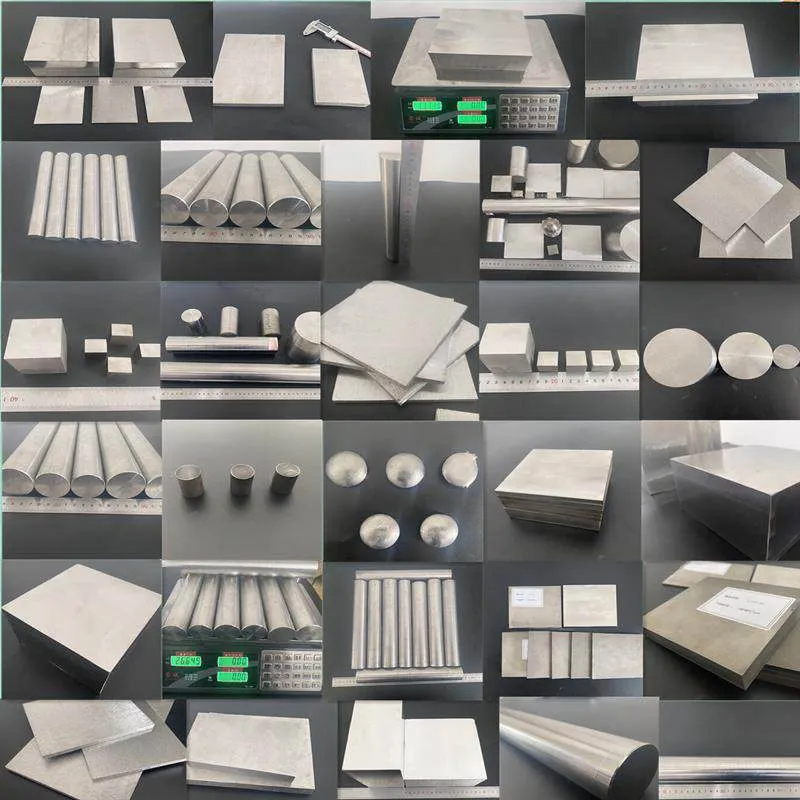
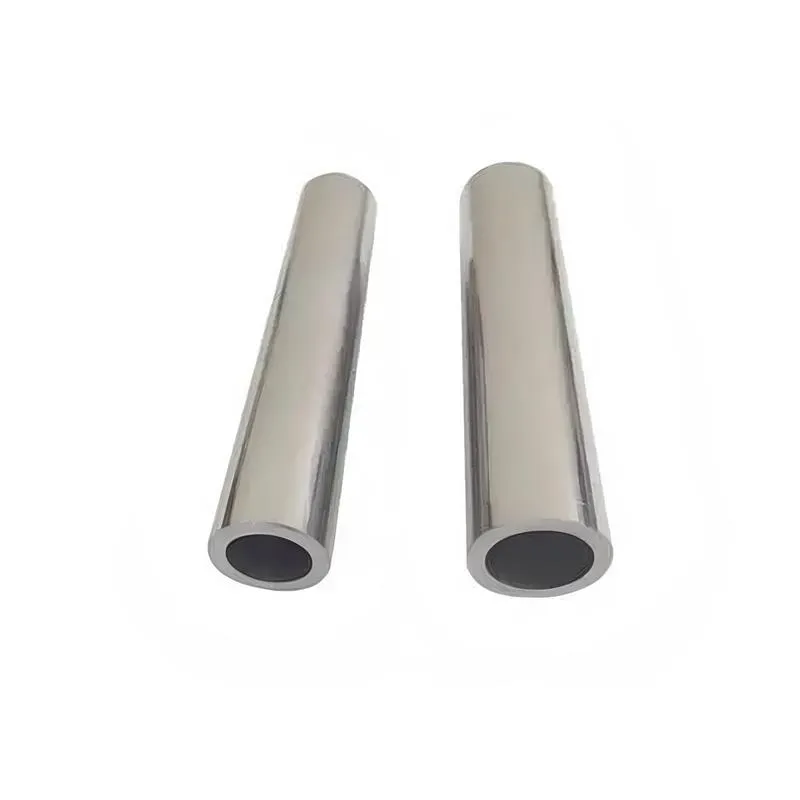
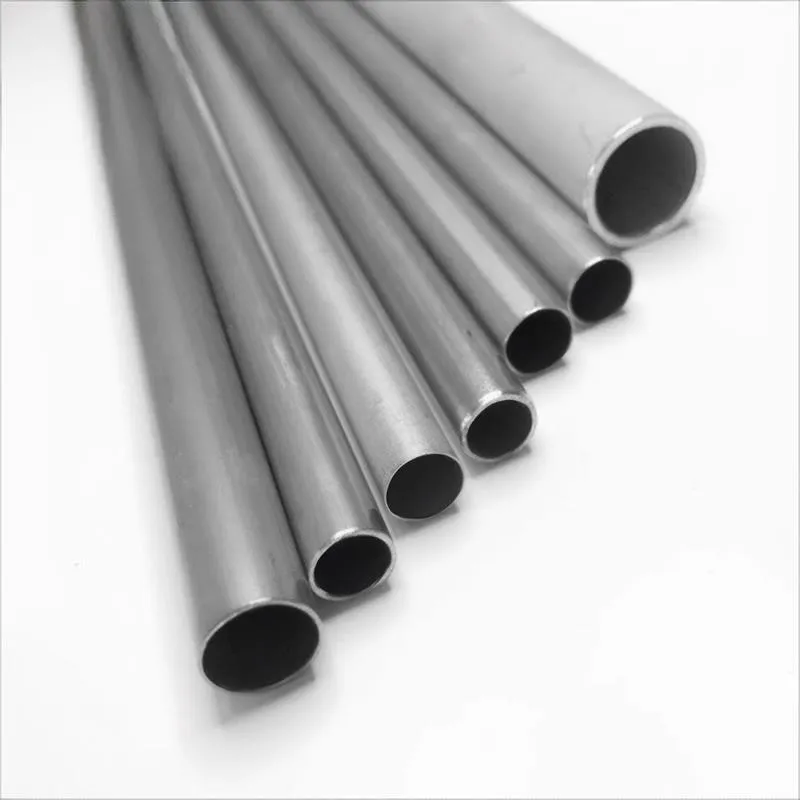
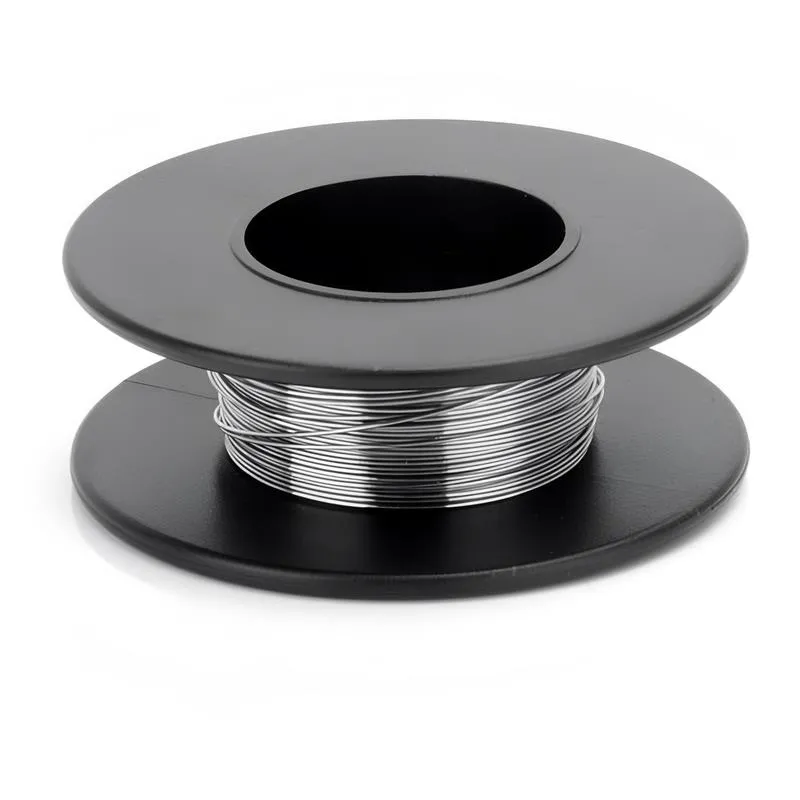
We provide AISI 1040 Steel, cold drawn, low temperature, stress relieved is available in Bar (Round bar, Flat bar), Ribbon, Wire, Rods, Tube,Seamless Tube,Pipe, Ingots, Plate, Sheet, Strip and Forging Stock.,Purity, chemical composition, size, etc. can all be customized to meet specific requirements.
Please contact us if you need customized services. We will contact you with the price and availability in 24 hours.
AISI 1040 Steel, cold drawn, low temperature, stress relieved Product Information
-:-
For detailed product information, please contact sales.
-:
AISI 1040 Steel, cold drawn, low temperature, stress relieved Synonyms
-:-
For detailed product information, please contact sales.
-:
AISI 1040 Steel, cold drawn, low temperature, stress relieved Product Information
-:-
For detailed product information, please contact sales.
-:
### **Product Introduction: AISI 1040 Steel, Cold Drawn, Low Temperature Stress Relieved**
**Overview**
AISI 1040 steel, processed through cold drawing followed by a controlled low temperature stress relief treatment, represents a specialized high-performance material condition. This precise thermomechanical processing sequence transforms standard medium-carbon steel into a product with an exceptional combination of high yield strength, dimensional stability, and superior machinability. The low temperature stress relief (LTSR) is a critical step that stabilizes the cold-worked microstructure without significantly softening it, making this product ideal for precision components requiring tight tolerances, minimal distortion during machining, and reliable mechanical performance in the as-supplied state.
---
#### **1. Chemical Composition (Nominal, Weight %)**
The composition adheres to the standard AISI/SAE 1040 specification, with tight controls to ensure consistent response to cold working and stress relief.
| Element | Carbon (C) | Manganese (Mn) | Phosphorus (P) max | Sulfur (S) max | Silicon (Si) | Iron (Fe) |
| :--- | :--- | :--- | :--- | :--- | :--- | :--- |
| **Content (%)** | 0.37 - 0.44 | 0.60 - 0.90 | 0.040 | 0.050 | 0.15 - 0.35 | Balance |
* **Primary Role of Elements:**
* **Carbon (0.37-0.44%):** Provides the fundamental capacity for strengthening via cold work. This carbon content is high enough to benefit significantly from strain hardening while maintaining sufficient ductility for the drawing process.
* **Manganese (0.60-0.90%):** Enhances the strain hardening response and contributes to the final strength level after cold working. It also ensures good through-thickness properties.
* **Silicon (0.15-0.35%):** As a deoxidizer, it produces a clean, uniform microstructure that responds predictably to both cold deformation and subsequent thermal treatment.
---
#### **2. Physical & Mechanical Properties (Cold Drawn + Low Temperature Stress Relieved)**
*This specific condition preserves most of the strength from cold working while dramatically improving dimensional stability and machinability.*
* **Hardness:** **~180-220 HB** (Approximately 86-96 HRB). Maintains 85-95% of the as-drawn hardness.
* **Tensile Strength (Ultimate):** 580 - 720 MPa (84 - 105 ksi)
* **Yield Strength (0.2% Offset):** **480 - 620 MPa (70 - 90 ksi)**. This is the key benefit—retaining a very high yield strength while being stabilized for machining.
* **Elongation (in 50mm):** 12% - 18% (Improved from the as-drawn state due to stress relief).
* **Machinability:** **~75-80%** (Compared to 100% for AISI 1212). *Significantly better than as-drawn material.* The stress relief treatment reduces work hardening during cutting, leading to better chip breakage, longer tool life, improved surface finish, and lower cutting forces.
* **Dimensional Stability:** Excellent. Residual stresses are reduced by typically 60-80%, minimizing the risk of part distortion during and after machining.
* **Surface Finish:** Bright, smooth, and scale-free from the cold drawing process.
* **Microstructural State:** A heavily worked, elongated grain structure with reduced internal lattice strains (dislocation density) due to recovery processes during stress relief. No phase transformation occurs.
---
#### **3. Manufacturing Process & Metallurgical Condition**
1. **Cold Drawing:** The hot-rolled bar is drawn at room temperature through a die, achieving precise dimensions and inducing severe plastic deformation (strain hardening). This dramatically increases strength but introduces high internal (residual) stresses.
2. **Low Temperature Stress Relief:** The cold drawn bar is heated to a temperature **below its lower transformation temperature (A1)**, typically in the range of **250-400°C (480-750°F)** for a controlled time. This critical step:
* **Promotes "Recovery":** Allows dislocations to rearrange and annihilate, relieving internal stresses without recrystallizing the grains or significantly reducing strength.
* **Stabilizes Dimensions:** Prevents subsequent distortion during machining or in service.
* **Optimizes Machinability:** Reduces the tendency for the material to work-harden further during cutting.
* **Final Condition:** **Cold Drawn and Low Temperature Stress Relieved (CD-LTSR).** This is distinct from annealing, which softens the material.
---
#### **4. Product Applications**
This material is specified for high-precision, high-strength components where dimensional stability during and after machining is as critical as the mechanical properties.
* **Precision Shafts and Axles:** Hydraulic piston rods, precision guide rods, pump shafts, and drive shafts where straightness and tolerance holding are paramount.
* **Automotive Safety Components:** Anti-lock brake system (ABS) sensor rings, transmission shafts, and steering column components.
* **Fasteners:** High-strength bolts, studs, and dowel pins (e.g., meeting SAE Grade 8 or similar specifications after final threading).
* **Gearing and Bearing Components:** Gear blanks and bearing races that require stable, precise machining prior to final heat treatment (carburizing or through-hardening).
* **Tooling and Fixtures:** Jig and fixture components, gauge pins, and wear plates that must remain dimensionally stable.
* **Fluid Power Components:** Spool valves, actuator shafts, and manifold blocks requiring precise bores and grooves.
---
#### **5. Relevant International Standards**
This product condition is often specified by referencing base material standards and adding the thermal treatment requirement.
* **ASTM (USA):**
* **ASTM A108:** Standard Specification for Steel Bar, Carbon and Alloy, Cold-Finished. The condition is specified as "Stress Relieved" (SR).
* **SAE (USA - Automotive):** **SAE J403, J412** (Grade 1040). The condition is a supplementary requirement.
* **UNS (Unified Numbering System):** **G10400**
* **ISO (International):**
* **ISO 683-18:** Heat-treatable steels... Part 18: Bright products. Condition designation typically includes stress relief.
* **DIN (Germany):** **DIN EN 10083-2:** Steels for quenching and tempering (Material **C40E / 1.1186**). Supplied in condition **+SR** (Stress Relieved).
* **Customer-Specific Specifications:** Often governed by detailed internal procurement specifications that define the exact stress relief temperature range, time, and allowable residual stress levels.
---
#### **6. Key Advantages & Considerations**
* **Advantages:**
* **Optimal Strength-Stability Balance:** Uniquely combines very high yield strength with excellent dimensional stability, a combination not found in annealed or as-drawn conditions.
* **Superior Machinability for its Strength Class:** Offers one of the best machining performances available for steel with >550 MPa yield strength.
* **Reduced Manufacturing Risk:** Minimizes scrap and rework due to part distortion, improving production yield and predictability.
* **Improved Fatigue Performance:** The reduction of tensile residual surface stresses can enhance fatigue life in some applications.
* **Considerations:**
* **Not a High-Temperature Material:** The stress relief temperature defines its maximum safe service temperature. Exposure above ~400°C (750°F) will cause further softening.
* **Directional Properties:** Retains anisotropic mechanical properties from cold drawing (higher longitudinal strength and ductility).
* **Limited Further Cold Work:** The material is not intended for significant secondary cold forming operations.
* **Weldability:** Remains poor. The stress relief treatment does not improve weldability; preheating and post-weld heat treatment are still essential and complex.
**In summary, AISI 1040 in the Cold Drawn, Low Temperature Stress Relieved condition is a process-engineered material optimized for modern precision manufacturing. It is the strategic choice when component design demands the simultaneous fulfillment of high strength, tight tolerances, and efficient machinability.**
-:-
For detailed product information, please contact sales.
-:
AISI 1040 Steel, cold drawn, low temperature, stress relieved Specification
Dimensions
Size:
Diameter 20-1000 mm Length <6091 mm
Size:We can customized as required
Standard:
Per your request or drawing
We can customized as required
Properties(Theoretical)
Chemical Composition
-:-
For detailed product information, please contact sales.
-:
AISI 1040 Steel, cold drawn, low temperature, stress relieved Properties
-:-
For detailed product information, please contact sales.
-:
Applications of AISI 1040 Steel, cold drawn, low temperature, stress relieved
-:-
For detailed product information, please contact sales.
-:
Chemical Identifiers AISI 1040 Steel, cold drawn, low temperature, stress relieved
-:-
For detailed product information, please contact sales.
-:
Packing of AISI 1040 Steel, cold drawn, low temperature, stress relieved
-:-
For detailed product information, please contact sales.
-:
Standard Packing:
-:-
For detailed product information, please contact sales.
-:
Typical bulk packaging includes palletized plastic 5 gallon/25 kg. pails, fiber and steel drums to 1 ton super sacks in full container (FCL) or truck load (T/L) quantities. Research and sample quantities and hygroscopic, oxidizing or other air sensitive materials may be packaged under argon or vacuum. Solutions are packaged in polypropylene, plastic or glass jars up to palletized 2562 gallon liquid totes Special package is available on request. E FORUs’ is carefully handled to minimize damage during storage and transportation and to preserve the quality of our products in their original condition