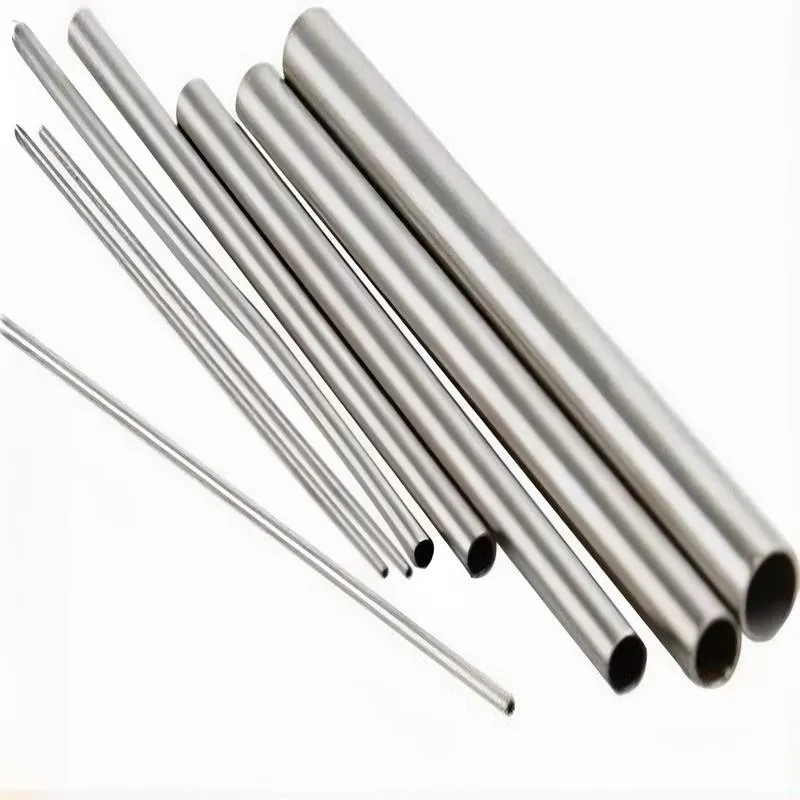
AISI 1045 Steel, Quenched
Product Code : STI-CSTI-1345-CU
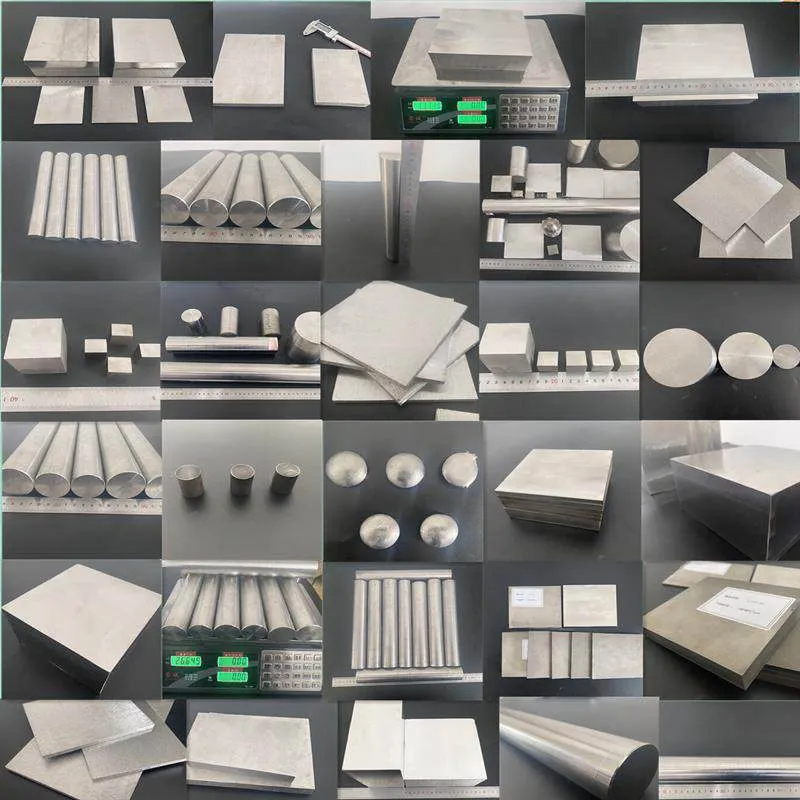
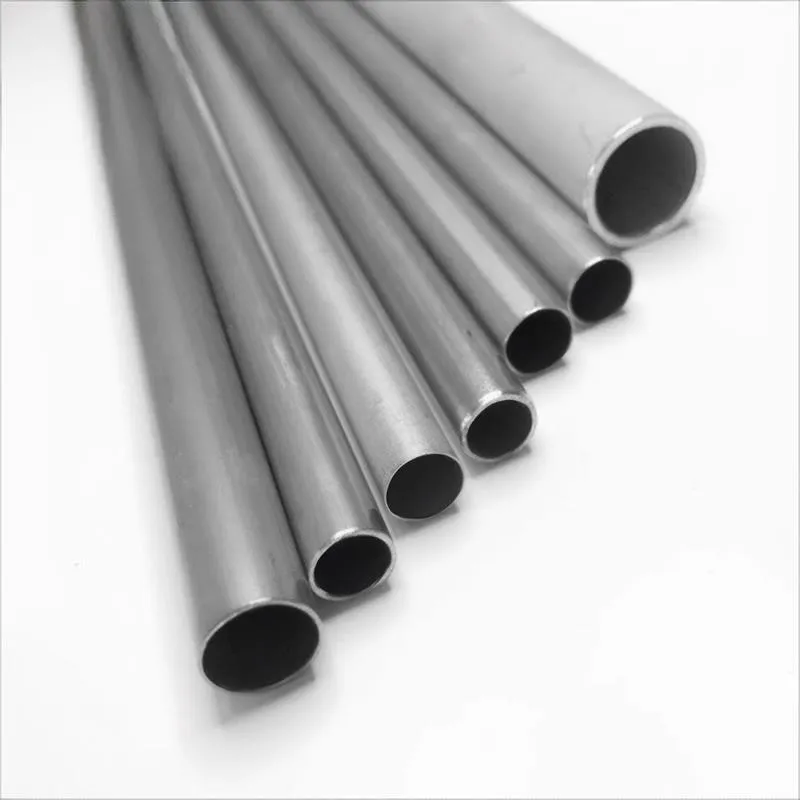
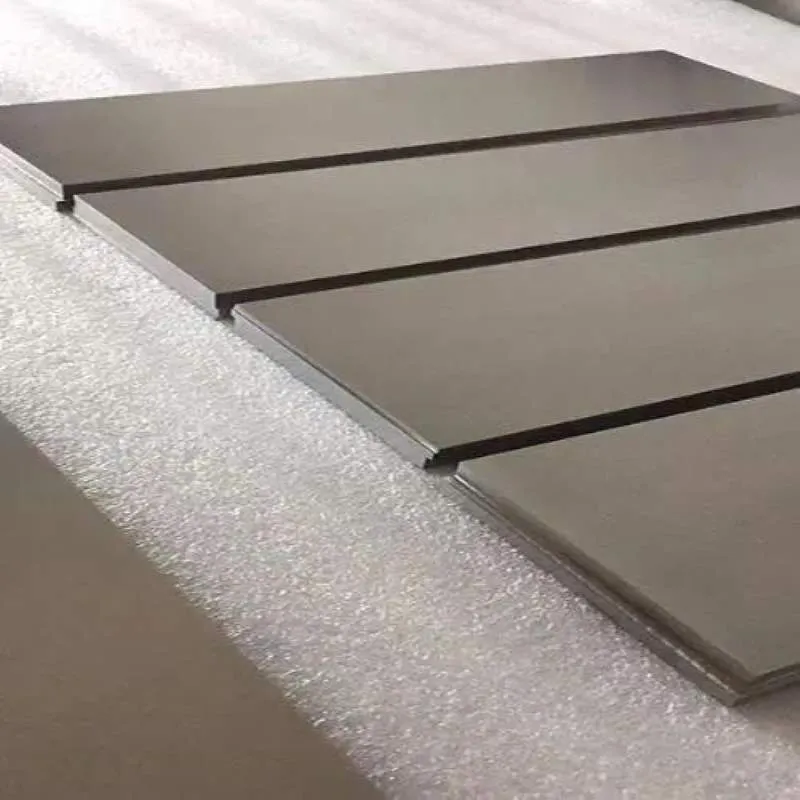
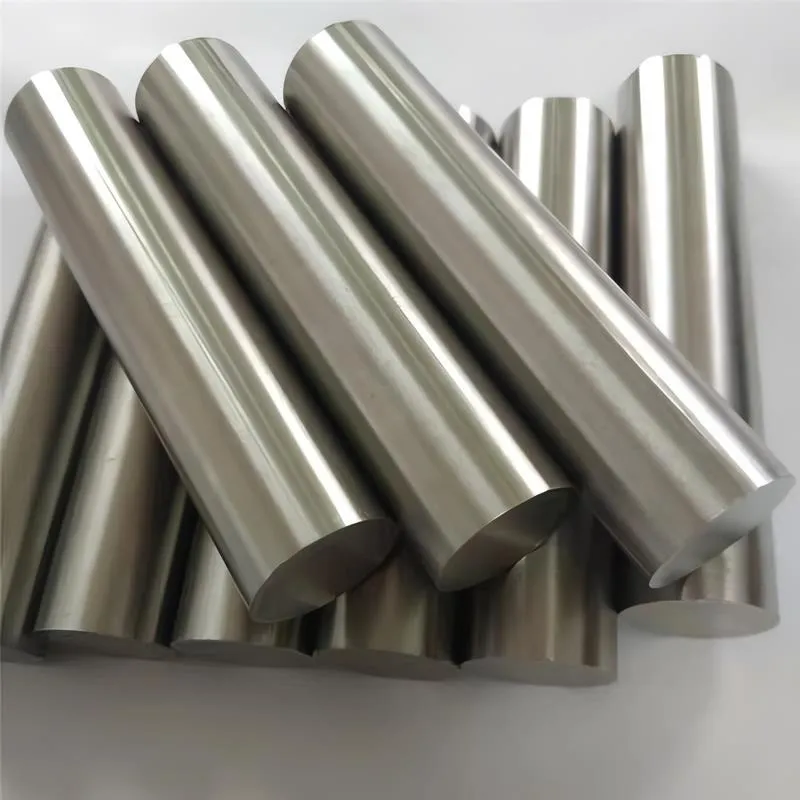
We provide AISI 1045 Steel, Quenched and Tempered to 390 HB is available in Bar (Round bar, Flat bar), Ribbon, Wire, Rods, Tube,Seamless Tube,Pipe, Ingots, Plate, Sheet, Strip and Forging Stock.,Purity, chemical composition, size, etc. can all be customized to meet specific requirements.
Please contact us if you need customized services. We will contact you with the price and availability in 24 hours.
AISI 1045 Steel, Quenched and Tempered to 390 HB Product Information
-:-
For detailed product information, please contact sales.
-:
AISI 1045 Steel, Quenched and Tempered to 390 HB Synonyms
-:-
For detailed product information, please contact sales.
-:
AISI 1045 Steel, Quenched and Tempered to 390 HB Product Information
-:-
For detailed product information, please contact sales.
-:
# **AISI 1045 Steel, Quenched and Tempered to 390 HB**
## **1. Product Overview**
AISI 1045 steel that has been **quenched and tempered to achieve 390 HB** (approximately 41-42 HRC) represents a high-strength, heat-treated condition of this versatile medium-carbon steel. This specific hardness level is achieved through a controlled sequence of austenitizing, rapid quenching, and tempering heat treatments, resulting in a tempered martensitic microstructure. The 390 HB (Brinell Hardness) specification provides an optimal balance of high strength, good toughness, and adequate ductility for demanding engineering applications where wear resistance, load-bearing capacity, and durability are critical requirements.
## **2. Chemical Composition**
The composition adheres to standard AISI 1045 specifications, with enhanced controls to ensure consistent hardenability and tempering response to achieve the target 390 HB hardness.
| Element | Composition (%) (Typical) | Specification Range (%) | Role in Achieving 390 HB |
|---------|--------------------------|------------------------|--------------------------|
| Carbon (C) | 0.45 | 0.43 - 0.50 | **Primary element** controlling maximum attainable hardness; at 0.45%, theoretical maximum hardness is ~55 HRC; 390 HB (~42 HRC) represents optimal balance of hardness and toughness |
| Manganese (Mn) | 0.75 | 0.60 - 0.90 | Enhances hardenability, allowing through-hardening of moderate sections; enables uniform hardness to greater depths |
| Phosphorus (P) | 0.020 max | ≤ 0.040 | Strictly controlled to prevent temper embrittlement during tempering |
| Sulfur (S) | 0.025 max | ≤ 0.050 | Minimized to prevent hot shortness and ensure good transverse properties |
| Silicon (Si) | 0.25 | 0.15 - 0.35 | Provides solid solution strengthening; contributes to temper resistance |
| Iron (Fe) | Balance | Balance | Base element with controlled residuals |
**Hardenability Consideration:** The carbon and manganese content provides sufficient hardenability to achieve 390 HB in sections up to approximately 50 mm (2 inches) diameter when quenched in oil, and smaller sections with water quenching.
## **3. Heat Treatment Process to Achieve 390 HB**
### **Standard Heat Treatment Sequence:**
1. **Austenitizing:**
- Temperature: 830-850°C (1525-1560°F)
- Time: 30-60 minutes per inch of thickness
- Atmosphere: Controlled to prevent decarburization and oxidation
2. **Quenching:**
- Medium: **Oil quenching** preferred for 390 HB target (minimizes distortion/cracking)
- Alternative: Water quenching for maximum hardness in small sections (<25 mm)
- Agitation: Moderate to ensure uniform cooling
3. **Tempering:**
- Temperature Range: **450-550°C (840-1020°F)** to achieve 390 HB
- Time: 1-2 hours per inch of thickness
- Cooling: Air cooling after tempering
### **Microstructural Evolution:**
- **As-Quenched:** Lath martensite with some retained austenite (5-10%)
- **After Tempering:** **Tempered martensite** with fine ε-carbide precipitation
- **Transformation:** Martensite → Tempered martensite with optimal carbide dispersion
- **Grain Size:** Typically ASTM 7-8 (fine)
### **Hardness Control:**
- **As-Quenched Hardness:** ~55 HRC (for 0.45% C)
- **Tempering Temperature:** Adjusted to achieve target 390 HB
- **Hardness Tolerance:** Typically ±15 HB (or as specified)
- **Through-Hardness:** Uniform within ±10 HB for sections up to 50 mm diameter
## **4. Physical & Mechanical Properties**
### **Physical Properties**
| Property | Typical Value | Notes |
|----------|--------------|-------|
| Density | 7.85 g/cm³ (0.284 lb/in³) | Unchanged by heat treatment |
| Modulus of Elasticity | 200 GPa (29 × 10⁶ psi) | Slight reduction (<5%) compared to annealed state |
| Poisson's Ratio | 0.29 | Unchanged |
| Thermal Conductivity | 46-48 W/m·K | Reduced due to martensitic structure |
| Coefficient of Thermal Expansion | 11.5 × 10⁻⁶/°C (20-100°C) | Similar to non-heat-treated |
| Electrical Resistivity | 0.20-0.22 μΩ·m | Increased due to lattice strain |
### **Mechanical Properties at 390 HB**
*Properties are typical for properly quenched and tempered AISI 1045 at 390 HB hardness.*
| Property | Typical Value Range | Equivalent Measures | Technical Significance |
|----------|-------------------|-------------------|------------------------|
| **Hardness** | **390 HB** | **41-42 HRC, 400-410 HV** | **Primary specified property; indicates strength and wear resistance** |
| **Tensile Strength** | **1300-1400 MPa (188-203 ksi)** | **Ultimate strength** | **Exceptionally high for carbon steel** |
| **Yield Strength (0.2% offset)** | **1150-1250 MPa (167-181 ksi)** | **Proof strength** | **Excellent for high-stress applications** |
| **Elongation (in 50mm)** | **10-14%** | **Ductility measure** | **Good ductility for this hardness level** |
| **Reduction of Area** | **35-45%** | **True ductility** | **Adequate for many engineering applications** |
| **Fatigue Strength (Rotating Bending)** | **500-600 MPa** | **Endurance limit** | **Good fatigue resistance** |
| **Impact Energy (Charpy V-notch)** | **25-40 J (18-30 ft-lb)** | **Toughness at room temperature** | **Acceptable toughness for hardened steel** |
| **Fracture Toughness (K₁C)** | **50-65 MPa√m** | **Crack resistance** | **Moderate for quenched and tempered steel** |
| **Machinability** | **~40% (relative to annealed 1045)** | **Cutting difficulty** | **Requires carbide tooling; grinding often preferred** |
### **Section Size Limitations:**
- **Maximum Through-Hardened Diameter:** ~50 mm (2 in) for 390 HB with oil quenching
- **Surface Hardness vs. Core:** For larger diameters, surface may be 390 HB while core is softer
- **Recommendation:** For diameters >50 mm, consider alloy steels or case hardening
## **5. Microstructural Characteristics**
### **Tempered Martensite at 390 HB:**
1. **Matrix Structure:**
- **Ferrite:** Highly dislocated, tempered martensite laths
- **Carbides:** Fine ε-carbides and transition carbides (Fe₂.₄C) uniformly dispersed
- **Prior Austenite Grains:** Typically fine (ASTM 7-8)
2. **Carbide Characteristics:**
- Size: 10-50 nm (extremely fine)
- Distribution: Uniform throughout matrix
- Type: Transition carbides (not yet cementite)
- Volume Fraction: ~6-7% (calculated from carbon content)
3. **Defect Structure:**
- Dislocation density: High but reduced from as-quenched state
- Lath boundaries: Still visible but less distinct
- Retained austenite: <2% (most transformed during tempering)
### **Microstructural Advantages at 390 HB:**
- **Optimal Strength-Toughness Balance:** Tempering at 450-550°C provides best combination
- **Good Wear Resistance:** Hard martensite matrix with fine carbides
- **Residual Stress:** Typically compressive at surface (beneficial for fatigue)
- **Uniformity:** Consistent microstructure when properly heat treated
## **6. Product Applications**
### **Primary Application Areas:**
1. **High-Strength Fasteners & Components:**
- Grade 10.9 bolts and studs (equivalent to 390 HB)
- High-strength pins, dowels, and connectors
- Hydraulic fitting components
- Mining and construction fastener systems
2. **Power Transmission Components:**
- Medium-duty gear teeth (after finish grinding)
- Sprockets and chain wheels
- Coupling components
- Shafts requiring high torsional strength
3. **Tooling & Wear Components:**
- Jigs and fixtures requiring high rigidity
- Wear plates and liners
- Guide rails and ways
- Machine tool components (non-cutting)
4. **Automotive & Transportation:**
- Suspension components (pins, brackets)
- Steering linkage parts
- Transmission shafts and gears
- Heavy vehicle components
5. **Hydraulic & Fluid Power:**
- High-pressure cylinder rods
- Valve bodies for severe service
- Pump components
- Actuator parts
6. **Agricultural & Construction Equipment:**
- Implement components
- Pivot pins and bushings
- Tillage tool components
- Loader attachment points
### **Specific Applications for 390 HB Hardness:**
- **Components requiring high contact stress resistance**
- **Parts subject to abrasive wear without impact**
- **Applications where hardness must be maintained at elevated temperatures (<250°C)**
- **Components needing high strength with moderate toughness**
## **7. Processing Considerations**
### **Machining Guidelines (in 390 HB condition):**
- **Not recommended** for conventional machining; **grinding** is primary method
- **If machining necessary:**
- Tooling: Carbide or ceramic only
- Speeds: Low to moderate (30-60 m/min for turning)
- Feeds: Light (0.05-0.15 mm/rev)
- Coolant: Essential for heat control
- **Best Practice:** Machine in annealed condition, then heat treat to 390 HB
### **Grinding Recommendations:**
- **Wheel Selection:** Aluminum oxide or CBN wheels
- **Parameters:** Light passes to prevent grinding burns
- **Coolant:** Copious flow to prevent thermal damage
- **Inspection:** Regular hardness checks after grinding
### **Additional Processing:**
- **Welding:** Generally **not recommended** due to high hardness and carbon content
- **Plating/Coating:** Possible with proper pre- and post-treatment
- **Straightening:** Possible with local heating and careful technique
### **Quality Control in Manufacturing:**
- **Hardness Verification:** Multiple points, especially after grinding
- **Non-Destructive Testing:** Magnetic particle or dye penetrant for cracks
- **Dimensional Control:** Account for size changes during heat treatment
- **Microstructural Verification:** Ensure proper tempering
## **8. International Standards & Specifications**
### **Material & Heat Treatment Standards:**
| Country/Region | Standard | Grade Designation | Hardness Specification |
|----------------|----------|-------------------|------------------------|
| **USA** | **ASTM A29/A29M** | **1045, QT** | **Quenched and tempered condition** |
| USA | ASTM A322 | Grade 1045 | Alloy steel bars subject to heat treatment |
| USA | SAE J410 | 1045, HT | Heat treated carbon steels |
| **European Union** | **EN 10083-2** | **C45E (1.1191) quenched & tempered** | **Typically supplied hardened and tempered** |
| Germany | DIN 17200 | Ck45, vergütet | Quenched and tempered condition |
| **Japan** | **JIS G4051** | **S45C, hardened** | **Machine structural carbon steel** |
| **International** | **ISO 683-1** | **Type 1.1191, hardened** | **Heat-treatable steels** |
### **Specific Hardness Standards:**
- **ISO 6506:** Brinell hardness test
- **ASTM E10:** Standard test method for Brinell hardness
- **SAE J417:** Hardness tests and hardness number conversions
### **Application-Specific Standards:**
- **Fasteners:** ISO 898-1 (Class 10.9 corresponds to ~390 HB)
- **Gears:** AGMA 2001 (material quality specifications)
- **Structural Components:** Various industry-specific standards
## **9. Comparative Analysis**
### **Hardness Level Comparison:**
| Property | 300-350 HB | **390 HB** | 400-450 HB |
|----------|------------|------------|------------|
| **Tensile Strength** | 1000-1150 MPa | **1300-1400 MPa** | 1400-1550 MPa |
| **Yield Strength** | 850-1000 MPa | **1150-1250 MPa** | 1250-1400 MPa |
| **Elongation** | 12-16% | **10-14%** | 8-12% |
| **Impact Toughness** | 35-50 J | **25-40 J** | 15-30 J |
| **Machinability** | Difficult | **Very Difficult** | Grinding only |
| **Wear Resistance** | Good | **Very Good** | Excellent |
| **Applications** | General high-strength | **Optimal balance** | Maximum wear resistance |
### **Advantages of 390 HB for AISI 1045:**
- **Optimal Property Balance:** Best combination of strength and toughness for this grade
- **Achievable:** Reliably obtainable with proper heat treatment
- **Serviceable:** Good performance in many demanding applications
- **Standardized:** Commonly specified in industry standards
### **Limitations:**
- **Hardenability:** Limited section size for through-hardening
- **Toughness:** Lower than alloy steels at same hardness
- **Weldability:** Poor due to high carbon content
- **Machinability:** Very difficult in hardened state
## **10. Design & Engineering Considerations**
### **When to Specify 390 HB:**
1. **High Static Loading:** Applications requiring high yield strength
2. **Moderate Wear:** Components subject to abrasive or adhesive wear
3. **Fatigue Resistance:** Parts undergoing cyclic loading
4. **Dimensional Stability:** Components requiring rigidity under load
### **Design Guidelines:**
- **Avoid sharp corners** (minimum radius = 2-3 mm)
- **Gradual section changes** to prevent stress concentration
- **Consider grinding allowances** for precision dimensions
- **Account for possible distortion** during heat treatment
### **Safety Factors:**
- **Static Loading:** 2.0-2.5 typically
- **Fatigue Loading:** 3.0-4.0 recommended
- **Impact Loading:** 4.0-5.0 due to reduced toughness
### **Failure Mode Considerations:**
- **Primary Risk:** Brittle fracture under impact or at stress concentrators
- **Secondary Risk:** Fatigue failure from surface defects
- **Prevention:** Good surface finish, proper design, adequate inspection
## **11. Quality Control & Testing**
### **Standard Testing Requirements:**
1. **Hardness Testing:**
- Method: Brinell (preferred for 390 HB range)
- Locations: Multiple across section and length
- Frequency: Per heat treatment batch
2. **Tensile Testing:**
- Samples: Representative of actual parts
- Requirements: Often from separate test bars
3. **Microstructural Examination:**
- Grain size: ASTM 7-8 typical
- Structure: Tempered martensite verification
- Decarburization: Check depth (<0.1 mm acceptable)
4. **Non-Destructive Testing:**
- Magnetic particle or dye penetrant for surface defects
- Ultrasonic for internal defects in critical applications
### **Certification Requirements:**
- **Heat Treatment Record:** Times, temperatures, quench medium
- **Mechanical Test Reports:** Hardness, tensile data
- **Chemical Analysis:** Verification of composition
- **Compliance Statement:** To specified standards
## **12. Summary**
AISI 1045 steel quenched and tempered to 390 HB represents a **high-performance heat-treated condition** that maximizes the potential of this economical medium-carbon steel. Achieving this specific hardness level (approximately 41-42 HRC) provides an excellent balance of high strength, moderate toughness, and good wear resistance that is suitable for numerous demanding engineering applications.
### **Key Advantages:**
1. **Exceptional Strength:** 1300-1400 MPa tensile strength offers excellent load capacity
2. **Good Wear Resistance:** 390 HB provides substantial resistance to abrasive wear
3. **Cost-Effectiveness:** Achieves high performance without expensive alloying elements
4. **Predictable Performance:** Well-established heat treatment parameters
5. **Standardization:** Recognized in multiple international standards
### **Optimal Applications Include:**
- **High-strength fasteners** and connectors
- **Power transmission components** subject to wear
- **Tooling and fixtures** requiring rigidity
- **Hydraulic components** for high-pressure systems
- **Automotive and machinery** structural components
### **Critical Considerations:**
- **Section Size Limitations:** Maximum ~50 mm diameter for through-hardening
- **Machining Difficulty:** Best machined before heat treatment
- **Weldability:** Generally not recommended in hardened condition
- **Toughness Balance:** Acceptable but lower than alloy steels
### **Technical Implementation:**
The 390 HB hardness is typically achieved through oil quenching from 830-850°C followed by tempering at 450-550°C. This heat treatment transforms the microstructure to tempered martensite, providing the optimal combination of properties for this carbon content.
### **Economic Justification:**
While requiring proper heat treatment facilities and controls, quenched and tempered AISI 1045 at 390 HB offers superior performance compared to non-heat-treated conditions, often justifying the additional processing cost through extended service life, reduced maintenance, and improved reliability.
For engineers and designers seeking high strength from an economical carbon steel, AISI 1045 at 390 HB provides a proven, reliable solution that balances performance requirements with manufacturing economics. Its widespread standardization and predictable behavior make it a preferred choice for numerous industrial applications where high strength and moderate toughness are paramount requirements.
-:-
For detailed product information, please contact sales.
-:
AISI 1045 Steel, Quenched and Tempered to 390 HB Specification
Dimensions
Size:
Diameter 20-1000 mm Length <6077 mm
Size:We can customized as required
Standard:
Per your request or drawing
We can customized as required
Properties(Theoretical)
Chemical Composition
-:-
For detailed product information, please contact sales.
-:
AISI 1045 Steel, Quenched and Tempered to 390 HB Properties
-:-
For detailed product information, please contact sales.
-:
Applications of AISI 1045 Steel, Quenched and Tempered to 390 HB
-:-
For detailed product information, please contact sales.
-:
Chemical Identifiers AISI 1045 Steel, Quenched and Tempered to 390 HB
-:-
For detailed product information, please contact sales.
-:
Packing of AISI 1045 Steel, Quenched and Tempered to 390 HB
-:-
For detailed product information, please contact sales.
-:
Standard Packing:
-:-
For detailed product information, please contact sales.
-:
Typical bulk packaging includes palletized plastic 5 gallon/25 kg. pails, fiber and steel drums to 1 ton super sacks in full container (FCL) or truck load (T/L) quantities. Research and sample quantities and hygroscopic, oxidizing or other air sensitive materials may be packaged under argon or vacuum. Solutions are packaged in polypropylene, plastic or glass jars up to palletized 2548 gallon liquid totes Special package is available on request. E FORUs’ is carefully handled to minimize damage during storage and transportation and to preserve the quality of our products in their original condition