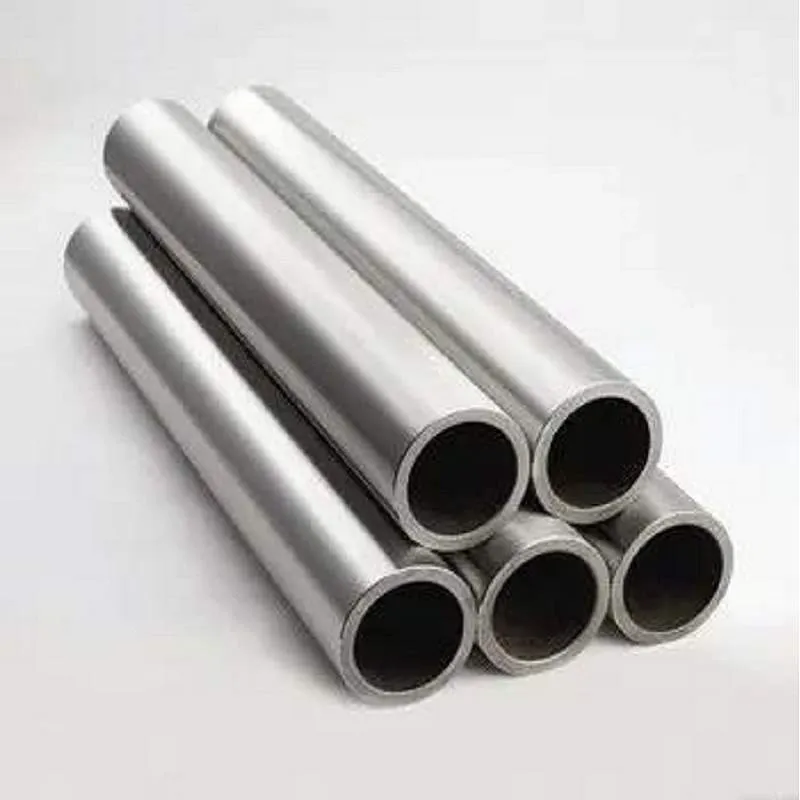
AISI 1040 Steel, oil quenched
Product Code : STI-CSTI-1365-CU
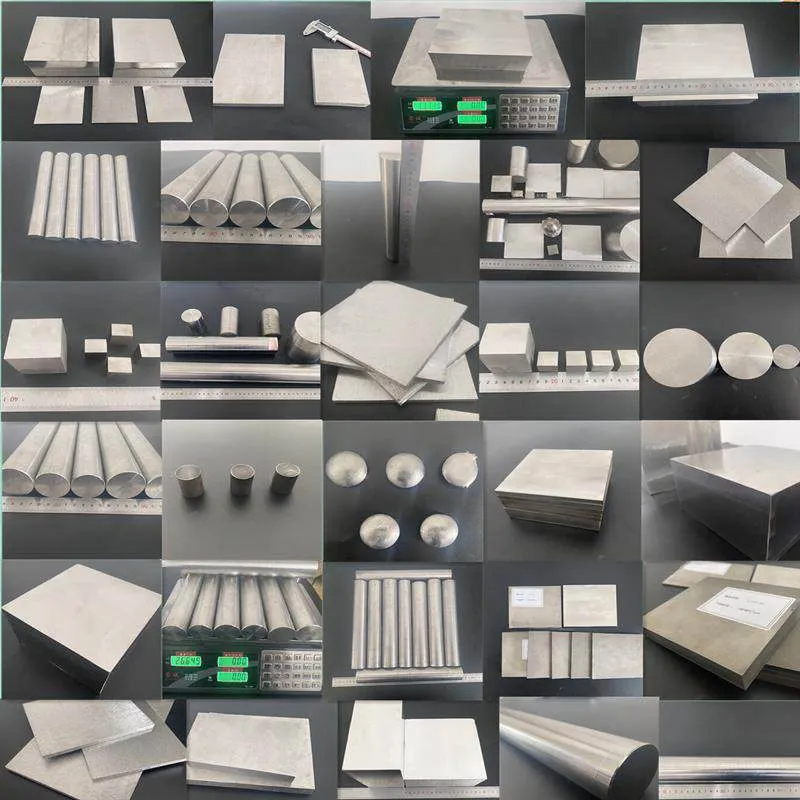
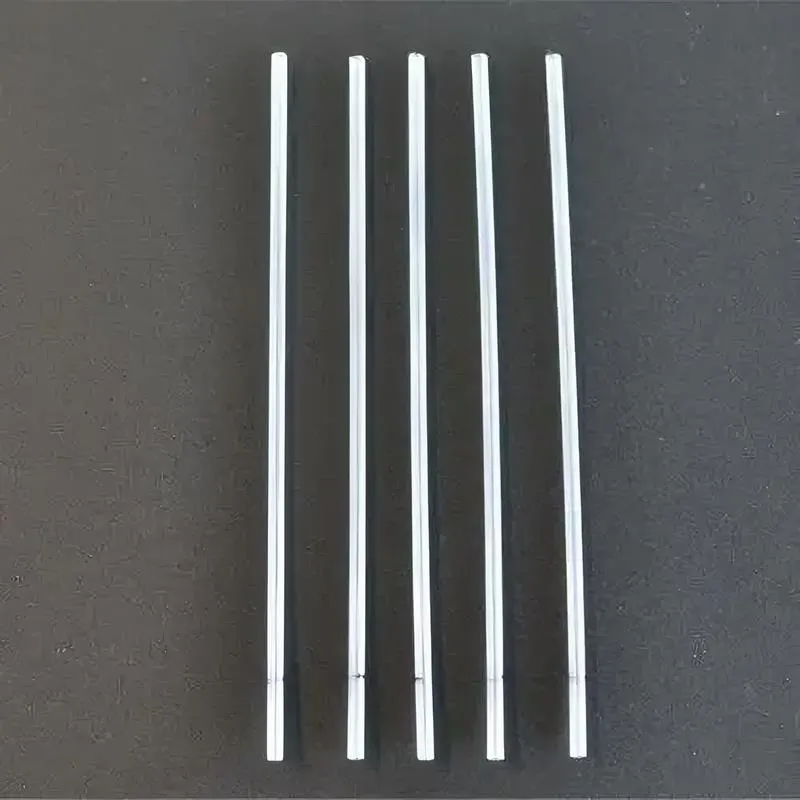
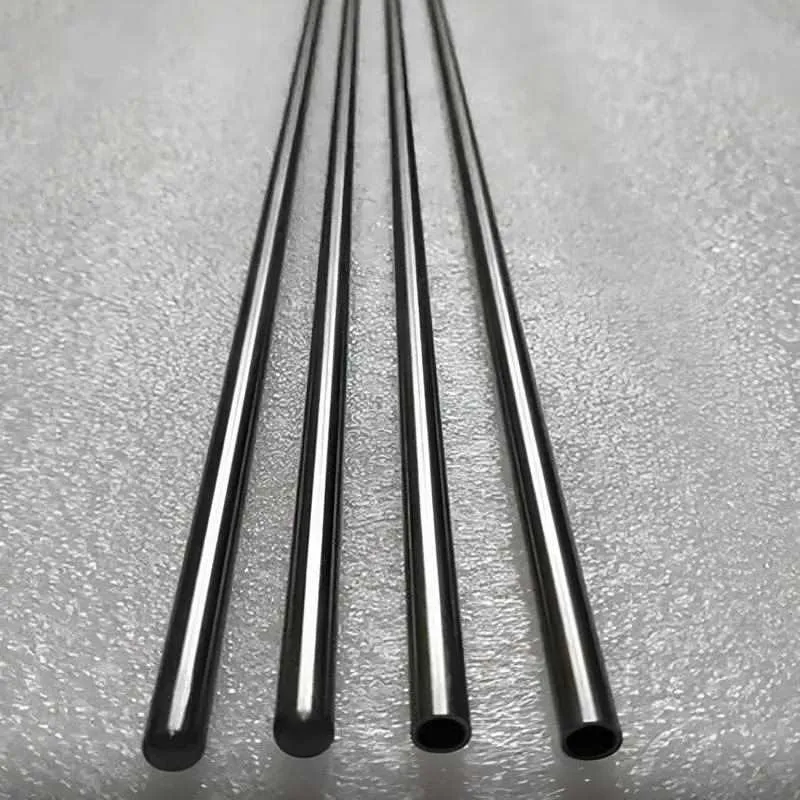
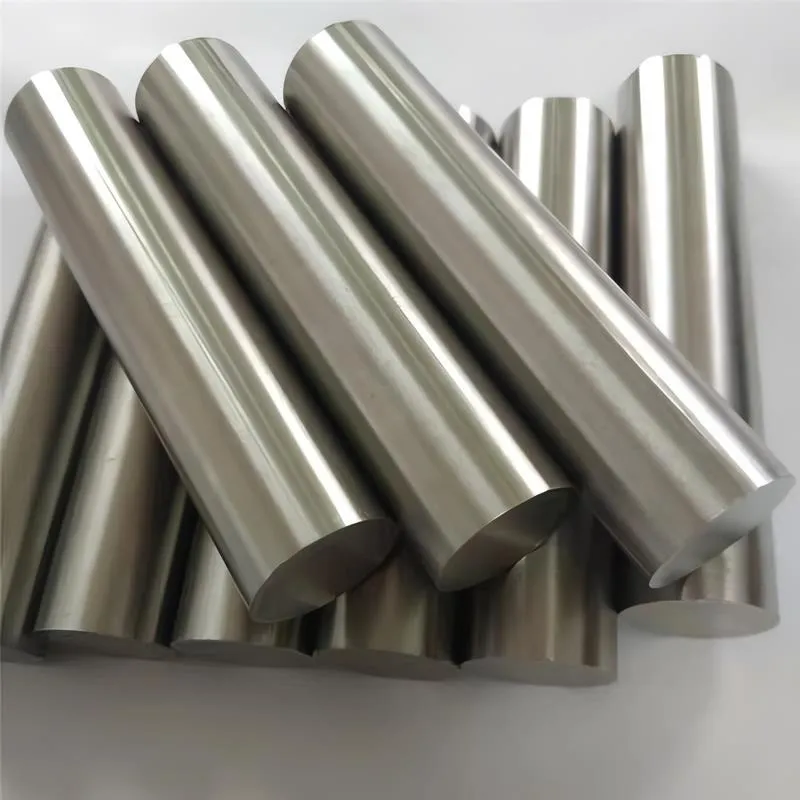
We provide AISI 1040 Steel, oil quenched from 855°C (1570°F), 540°C (1000°F) temper is available in Bar (Round bar, Flat bar), Ribbon, Wire, Rods, Tube,Seamless Tube,Pipe, Ingots, Plate, Sheet, Strip and Forging Stock.,Purity, chemical composition, size, etc. can all be customized to meet specific requirements.
Please contact us if you need customized services. We will contact you with the price and availability in 24 hours.
AISI 1040 Steel, oil quenched from 855°C (1570°F), 540°C (1000°F) temper Product Information
-:-
For detailed product information, please contact sales.
-:
AISI 1040 Steel, oil quenched from 855°C (1570°F), 540°C (1000°F) temper Synonyms
-:-
For detailed product information, please contact sales.
-:
AISI 1040 Steel, oil quenched from 855°C (1570°F), 540°C (1000°F) temper Product Information
-:-
For detailed product information, please contact sales.
-:
### **Product Introduction: AISI 1040 Steel, Oil Quenched & Tempered (855°C/540°C)**
**Overview**
AISI 1040 steel subjected to oil quenching from 855°C (1570°F) followed by tempering at 540°C (1000°F) represents a precisely engineered, high-strength condition achieved through classical quenching and tempering (Q&T) heat treatment. This specific thermal processing transforms the medium-carbon steel from its soft, ductile state into a robust material characterized by an optimal balance of strength, toughness, and wear resistance. The treatment develops a tempered martensitic microstructure, positioning the material for demanding applications where both load-bearing capacity and resistance to impact are critical.
---
#### **1. Chemical Composition (Nominal, Weight %)**
The composition adheres to the AISI/SAE 1040 specification, with controlled elements to ensure successful through-hardening in moderate sections.
| Element | Carbon (C) | Manganese (Mn) | Phosphorus (P) max | Sulfur (S) max | Silicon (Si) | Iron (Fe) |
| :--- | :--- | :--- | :--- | :--- | :--- | :--- |
| **Content (%)** | 0.37 - 0.44 | 0.60 - 0.90 | 0.040 | 0.050 | 0.15 - 0.35 | Balance |
* **Metallurgical Significance for Q&T:**
* **Carbon (0.37-0.44%):** This is the critical element for martensite formation. It provides substantial solid solution strengthening in martensite, dictating the maximum achievable hardness (~45-50 HRC as-quenched) and contributing significantly to final strength after tempering. The level is sufficient for good hardness while retaining reasonable toughness.
* **Manganese (0.60-0.90%):** **Crucially enhances hardenability**, allowing the 1040 grade to form martensite through a greater depth during oil quenching, especially important for the specified tempering temperature which requires a fully martensitic starting structure. It also aids in toughness.
* **Silicon (0.15-0.35%):** Provides solid solution strengthening and improves tempering resistance slightly.
---
#### **2. Physical & Mechanical Properties (Typical, Q&T 855°C / 540°C)**
*This specific Q&T cycle produces a strong, tough, and somewhat ductile condition suitable for many structural applications.*
* **Hardness:** **~250-310 HB** (Approximately **24-32 HRC**)
* **Tensile Strength (Ultimate):** **850-1050 MPa** (123-152 ksi)
* **Yield Strength (0.2% Offset):** **700-900 MPa** (102-130 ksi)
* **Elongation (in 50mm / 2in):** **15-22%**
* **Reduction of Area:** **40-55%**
* **Impact Toughness (Charpy V-notch):** **40-80 J** (30-60 ft-lbf) - *Good toughness for this strength level.*
* **Microstructure:** **Fine Tempered Martensite (Troostite/Sorbite).** The 540°C temper causes significant precipitation and coalescence of fine carbides within a ferrite matrix, relieving quenching stresses and optimizing the strength-toughness balance.
* **Fatigue Strength:** **High.** The tempered martensitic structure provides excellent resistance to cyclic loading.
* **Machinability:** **Fair (50-60%).** Requires robust tools, positive rake angles, and adequate cooling.
---
#### **3. Heat Treatment Process: Quenching & Tempering (855°C / 540°C)**
This is a two-stage transformation heat treatment:
1. **Austenitizing & Quenching:**
* Heat uniformly to **855°C (1570°F)**, held to fully transform to austenite and dissolve carbides.
* **Oil Quench:** Rapidly cooled in oil. This intermediate quenchant (between water and air) minimizes distortion and cracking risk while providing sufficient cooling to form martensite in moderate sections of AISI 1040. The result is very hard, brittle **untempered martensite**.
2. **Tempering:**
* Reheat to **540°C (1000°F)** and hold. This is a **high-temperature temper**.
* **Metallurgical Effect:** Drives the "tempering" reactions: carbon diffuses from supersaturated martensite, forming finely dispersed carbide particles (Fe₃C). This dramatically **increases toughness and ductility** while **reducing hardness and strength** from the as-quenched state. The structure becomes **Tempered Martensite**.
* **Cooling:** Typically air cooled from tempering temperature.
---
#### **4. Product Applications**
This Q&T condition is specified for high-stress components requiring a reliable combination of strength and toughness.
* **High-Stress Shafts and Axles:** Drive shafts, torsion bars, axle shafts, and propeller shafts in automotive and general machinery.
* **Gears and Sprockets:** Medium-duty gears, pinions, and sprockets requiring good core strength and resistance to tooth bending fatigue.
* **Fasteners:** High-strength bolts, studs, and pins (e.g., meeting ASTM A449 or similar specifications).
* **Hydraulic Components:** Piston rods, cylinder barrels, and components in high-pressure hydraulic systems.
* **Tooling and Machine Parts:** Jigs, fixtures, die holders, and press components requiring high strength and good toughness.
* **Agricultural and Construction Equipment:** Pins, linkages, bucket teeth adapters, and other high-wear, high-impact components.
* **Connecting Rods and Crankthrows:** For medium-duty engines and compressors.
---
#### **5. Relevant International Standards**
This heat-treated condition is often specified by performance requirements rather than a single standard.
* **ASTM (USA):**
* **ASTM A29/A29M:** Allows specification of heat-treated bars to required hardness or mechanical properties.
* **ASTM A322:** Standard Specification for Steel Bars, Alloy, Standard Grades (may be referenced for Q&T properties).
* **ASTM A449:** Specification for Quenched and Tempered Steel Bolts and Studs - this specific temper (~540°C) aligns with properties for certain diameter ranges of Grade 8.2 fasteners.
* **SAE (USA - Automotive):** **SAE J403, J412** (Grade 1040). The thermal treatment is a supplementary requirement.
* **UNS (Unified Numbering System):** **G10400**
* **ISO (International):**
* **ISO 683-1:** Heat-treatable steels... Part 1. Condition "-QT" for quenched and tempered, with properties to be specified.
* **DIN (Germany):** **DIN EN 10083-2:** Steels for quenching and tempering. Material **C40E / 1.1186** would be supplied in condition **+QT** with specified hardness/strength.
* **JIS (Japan):** JIS G4051 (S40C). Can be supplied quenched and tempered to specified hardness.
* **Common Procurement Practice:** Often ordered to a required hardness range (e.g., 28-32 HRC) or minimum mechanical properties (YS, UTS, %El).
---
#### **6. Key Advantages & Considerations**
* **Advantages:**
* **Excellent Strength-Toughness Balance:** The high tempering temperature (540°C) prioritizes toughness and ductility while retaining high strength. This is often referred to as a "tough" temper.
* **Good Fatigue Resistance:** The fine tempered martensitic structure resists crack initiation and propagation.
* **Moderate Wear Resistance:** Suitable for applications with moderate abrasive or adhesive wear.
* **Relief of Quenching Stresses:** The tempering process eliminates the dangerous internal stresses from quenching, ensuring dimensional stability in service.
* **Considerations:**
* **Limited Hardenability:** As a plain carbon steel, the depth of full hardening is limited. Core properties in thick sections (>~25mm / 1in) will be lower than surface properties.
* **Dimensional Changes:** Quenching causes distortion that must be accounted for, often requiring straightening or grinding after heat treatment.
* **Surface Decarburization:** If not protected during austenitizing, surface decarb can significantly reduce fatigue strength and wear resistance; machining after heat treatment is often required.
* **Welding is Not Recommended:** The high-carbon martensitic structure in the HAZ is extremely crack-sensitive. If welding is unavoidable, extensive pre/post-weld procedures are mandatory.
---
#### **7. Comparison with Other Tempering Temperatures for AISI 1040**
| Tempering Temp. | Approx. Hardness (HRC) | Primary Characteristic | Typical Application Focus |
| :--- | :--- | :--- | :--- |
| **200°C (400°F)** | 40-45 | Maximum Hardness/Wear Resistance | Wear surfaces, cutting edges (low impact) |
| **425°C (800°F)** | 32-38 | Balanced Strength & Toughness | General high-strength components |
| **540°C (1000°F)** | **24-32** | **Maximum Toughness** | **High-impact, shock-loading components** |
| **650°C (1200°F)** | <20 | High Ductility (Spring Temper) | Springs, clips, high-flexibility parts |
**Summary:** AISI 1040 oil quenched from 855°C and tempered at 540°C is a robust, engineering-grade material condition optimized for **toughness under high stress**. It sacrifices some hardness and wear resistance for significantly improved impact resistance and ductility. This makes it an ideal choice for dynamically loaded components in automotive, machinery, and heavy equipment where failure through brittle fracture must be prevented.
-:-
For detailed product information, please contact sales.
-:
AISI 1040 Steel, oil quenched from 855°C (1570°F), 540°C (1000°F) temper Specification
Dimensions
Size:
Diameter 20-1000 mm Length <6097 mm
Size:We can customized as required
Standard:
Per your request or drawing
We can customized as required
Properties(Theoretical)
Chemical Composition
-:-
For detailed product information, please contact sales.
-:
AISI 1040 Steel, oil quenched from 855°C (1570°F), 540°C (1000°F) temper Properties
-:-
For detailed product information, please contact sales.
-:
Applications of AISI 1040 Steel, oil quenched from 855°C (1570°F), 540°C (1000°F) temper
-:-
For detailed product information, please contact sales.
-:
Chemical Identifiers AISI 1040 Steel, oil quenched from 855°C (1570°F), 540°C (1000°F) temper
-:-
For detailed product information, please contact sales.
-:
Packing of AISI 1040 Steel, oil quenched from 855°C (1570°F), 540°C (1000°F) temper
-:-
For detailed product information, please contact sales.
-:
Standard Packing:
-:-
For detailed product information, please contact sales.
-:
Typical bulk packaging includes palletized plastic 5 gallon/25 kg. pails, fiber and steel drums to 1 ton super sacks in full container (FCL) or truck load (T/L) quantities. Research and sample quantities and hygroscopic, oxidizing or other air sensitive materials may be packaged under argon or vacuum. Solutions are packaged in polypropylene, plastic or glass jars up to palletized 2568 gallon liquid totes Special package is available on request. E FORUs’ is carefully handled to minimize damage during storage and transportation and to preserve the quality of our products in their original condition