AISI 1050 Steel, annealed
Product Code : STI-CSTI-094-CU
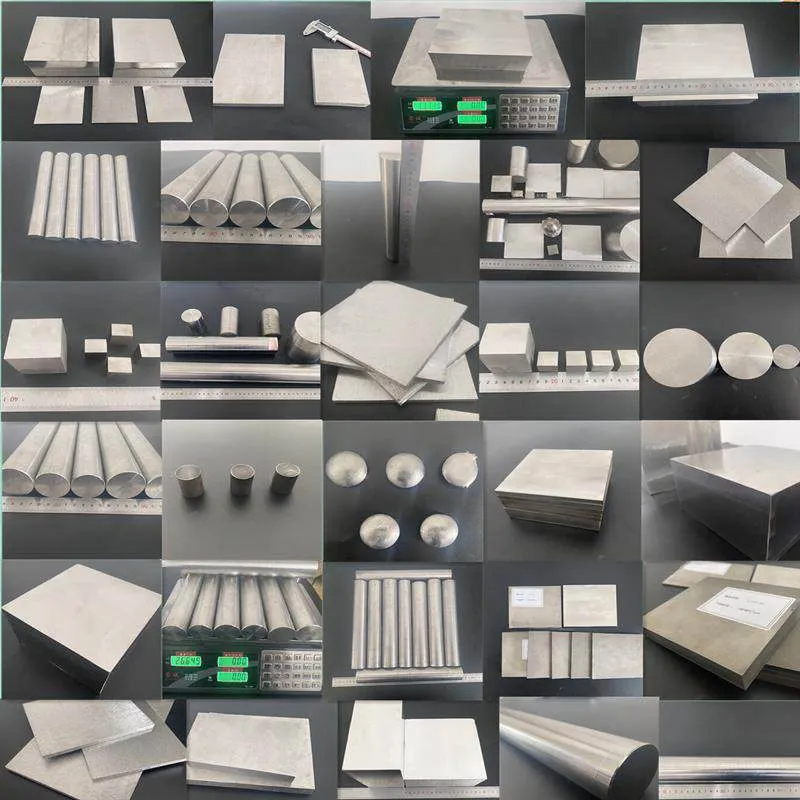
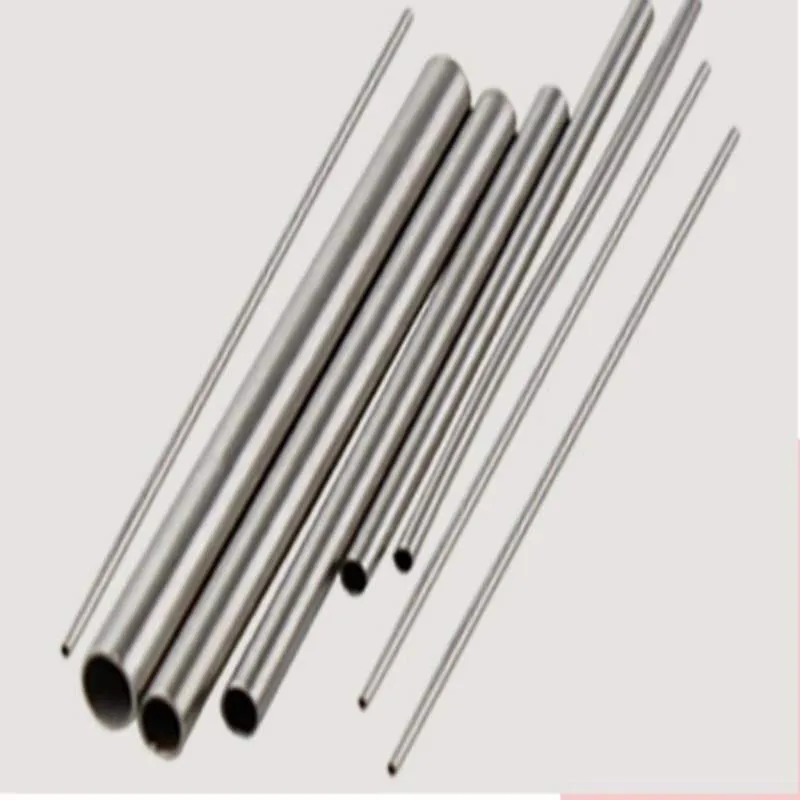
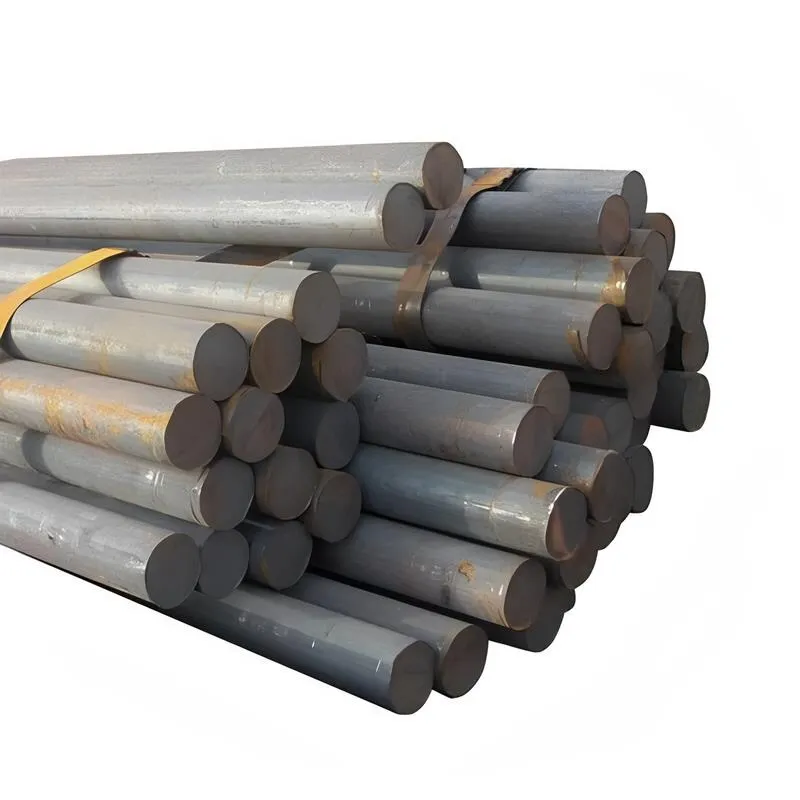
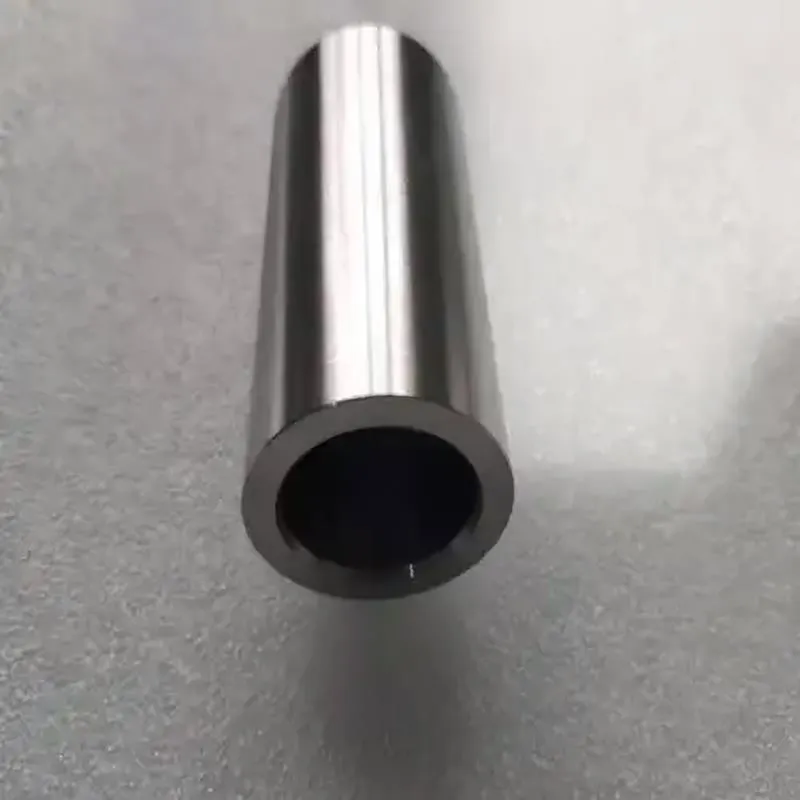
We provide AISI 1050 Steel, annealed at 790°C (1450°F) is available in Bar (Round bar, Flat bar), Ribbon, Wire, Rods, Tube,Seamless Tube,Pipe, Ingots, Plate, Sheet, Strip and Forging Stock.,Purity, chemical composition, size, etc. can all be customized to meet specific requirements.
Please contact us if you need customized services. We will contact you with the price and availability in 24 hours.
AISI 1050 Steel, annealed at 790°C (1450°F) Product Information
-:-
For detailed product information, please contact sales.
-:
AISI 1050 Steel, annealed at 790°C (1450°F) Synonyms
-:-
For detailed product information, please contact sales.
-:
AISI 1050 Steel, annealed at 790°C (1450°F) Product Information
-:-
For detailed product information, please contact sales.
-:
# **Technical Datasheet: AISI 1050 Steel - Annealed at 790°C (1450°F)**
---
## **1. Product Overview**
AISI 1050 steel annealed at 790°C (1450°F) is a high-carbon steel that has undergone a full annealing heat treatment to achieve maximum softness, optimal machinability, and complete stress relief. This annealing process involves heating the steel to approximately 20-30°C above its lower critical temperature (Ac₁), followed by slow controlled cooling in the furnace. The resulting microstructure consists of coarse pearlite in a ferrite matrix, providing the softest possible condition for this steel grade while maintaining chemical homogeneity. This condition represents the ideal starting point for complex machining operations prior to final hardening treatments.
---
## **2. Key Characteristics & Benefits**
- **Maximum Softness**: Lowest achievable hardness for AISI 1050 (149-187 HB)
- **Optimal Machinability**: Best possible cutting characteristics for high-carbon steel
- **Complete Stress Relief**: Elimination of residual stresses from prior processing
- **Uniform Microstructure**: Homogenized structure with coarse pearlite morphology
- **Dimensional Stability**: Minimal distortion during subsequent machining
- **Predictable Response**: Consistent behavior during further heat treatment
- **Improved Tool Life**: Extended cutting tool longevity during machining
---
## **3. Chemical Composition**
| Element | Composition Range (%) | Standard Reference |
|---------|----------------------|-------------------|
| **Carbon (C)** | 0.48 - 0.55 | SAE J403 / ASTM A29 |
| **Manganese (Mn)** | 0.60 - 0.90 | SAE J403 / ASTM A29 |
| **Phosphorus (P)** | ≤ 0.040 | SAE J403 / ASTM A29 |
| **Sulfur (S)** | ≤ 0.050 | SAE J403 / ASTM A29 |
| **Silicon (Si)** | 0.15 - 0.35 | SAE J403 / ASTM A29 |
| **Iron (Fe)** | Balance | - |
*Note: The 790°C annealing temperature is carefully selected to be above Ac₁ (~725°C) but below Ac₃ (~790°C), allowing partial austenitization and spheroidization during cooling.*
---
## **4. Annealing Process Details**
### **Heat Treatment Cycle Parameters**
| Process Stage | Temperature | Time | Rate | Purpose |
|--------------|-------------|------|------|---------|
| **Heating** | Room temp → 790°C | 2-3 hr | 100-150°C/hr | Prevent thermal shock |
| **Soaking** | 790°C ± 10°C | 1-2 hr/inch | - | Complete transformation |
| **Cooling** | 790°C → 650°C | 4-6 hr | ≤25°C/hr | Pearlite formation |
| **Furnace Cool** | 650°C → 500°C | 3-4 hr | ≤30°C/hr | Stress relief |
| **Air Cool** | 500°C → Room temp | - | - | Complete cycle |
### **Metallurgical Transformations**
1. **Heating to 790°C**: Partial austenitization (ferrite + cementite → austenite)
2. **Soaking**: Carbon redistribution in austenite
3. **Slow Cooling (790-650°C)**: Austenite → coarse pearlite + ferrite
4. **Further Cooling**: Stress relief and microstructure stabilization
### **Critical Temperature Reference**
- **Ac₁ (Lower Critical)**: ~725°C (1337°F)
- **Ac₃ (Upper Critical)**: ~790°C (1454°F)
- **Annealing Temperature**: 790°C (1450°F) - just at Ac₃
- **Optimal Range**: 780-800°C (1436-1472°F)
---
## **5. Microstructural Characteristics**
### **Microstructure Analysis**
- **Primary Structure**: Coarse lamellar pearlite (70-80%) with proeutectoid ferrite (20-30%)
- **Pearlite Characteristics**:
- Interlamellar spacing: 0.3-0.5 µm (coarse)
- Colony size: 20-40 µm
- Cementite lamellae thickness: 0.05-0.10 µm
- **Ferrite Distribution**:
- Grain size: ASTM 5-7
- Network at prior austenite boundaries
- Equiaxed grain structure
- **Carbide Morphology**: Primarily lamellar with some spheroidization initiation
### **Phase Volume Fractions**
| Phase | Percentage | Hardness (HV) | Characteristics |
|-------|------------|---------------|-----------------|
| **Pearlite** | 70-80% | 200-250 HV | Coarse lamellar structure |
| **Ferrite** | 20-30% | 100-150 HV | Soft, ductile matrix |
| **Cementite** | 11-13% | 800-1000 HV | Lamellar within pearlite |
### **Grain Structure Assessment**
- **Prior Austenite Grain Size**: ASTM 6-8 (medium)
- **Ferrite Grain Size**: ASTM 5-7 (medium-coarse)
- **Pearlite Colony Size**: 15-30 µm average
- **Banding**: Significantly reduced compared to as-rolled condition
---
## **6. Mechanical Properties (After Annealing)**
### **Tensile Properties**
| Property | Value Range | Test Standard | Notes |
|----------|-------------|---------------|-------|
| **Tensile Strength** | 550 - 690 MPa (80 - 100 ksi) | ASTM A370 | Minimum for machining |
| **Yield Strength (0.2%)** | 310 - 450 MPa (45 - 65 ksi) | ASTM A370 | Low yield for easy forming |
| **Elongation (50 mm)** | 20% - 28% | ASTM A370 | Maximum ductility |
| **Reduction of Area** | 50% - 65% | ASTM A370 | Excellent formability |
| **Yield Ratio (YS/UTS)** | 0.55 - 0.65 | - | Low for good formability |
### **Hardness Properties**
| Test Method | Value Range | Equivalent Hardness |
|-------------|-------------|-------------------|
| **Brinell Hardness (HB)** | 149 - 187 HB | - |
| **Rockwell B Scale** | 80 - 92 HRB | - |
| **Rockwell C Scale** | 10 - 18 HRC | - |
| **Vickers Hardness (HV)** | 155 - 195 HV | - |
| **Shore Scleroscope** | 25 - 35 HS | - |
### **Impact & Toughness Properties**
| Property | Value Range | Test Standard | Conditions |
|----------|-------------|---------------|-----------|
| **Charpy V-notch (20°C)** | 40 - 60 J (30 - 44 ft-lb) | ASTM A370 | Room temperature |
| **Charpy V-notch (0°C)** | 35 - 55 J (26 - 41 ft-lb) | ASTM A370 | Chilled |
| **Charpy V-notch (-20°C)** | 25 - 45 J (18 - 33 ft-lb) | ASTM A370 | Sub-zero |
| **Fracture Toughness (KIC)** | 70 - 90 MPa√m | ASTM E1820 | Estimated |
### **Additional Mechanical Properties**
| Property | Value | Test Standard | Significance |
|----------|-------|---------------|--------------|
| **Modulus of Elasticity** | 200 GPa (29,000 ksi) | ASTM E111 | Stiffness |
| **Shear Modulus** | 80 GPa (11,600 ksi) | ASTM E143 | Torsional stiffness |
| **Poisson's Ratio** | 0.29 | ASTM E132 | Lateral contraction |
| **Fatigue Strength** | 250 - 320 MPa | Rotating bending | 10⁷ cycles |
| **Endurance Limit** | 0.45 - 0.50 × UTS | - | Fatigue ratio |
### **Property Comparison: Different Conditions**
| Property | As-Rolled | Annealed (790°C) | Normalized (900°C) |
|----------|-----------|------------------|-------------------|
| **Tensile Strength** | 655-795 MPa | 550-690 MPa | 700-850 MPa |
| **Yield Strength** | 450-590 MPa | 310-450 MPa | 450-600 MPa |
| **Hardness (HB)** | 179-235 | 149-187 | 201-255 |
| **Elongation** | 13-18% | 20-28% | 15-20% |
| **Machinability** | 35% | 60% | 40% |
---
## **7. Physical Properties**
| Property | Value | Test Standard | Conditions |
|----------|-------|---------------|-----------|
| **Density** | 7.87 g/cm³ (0.284 lb/in³) | - | 20°C |
| **Thermal Conductivity** | 48.6 W/m·K (33.7 BTU·in/hr·ft²·°F) | ASTM E1461 | 20°C |
| **Specific Heat Capacity** | 486 J/kg·K (0.116 BTU/lb·°F) | ASTM E1269 | 20°C |
| **Coefficient of Thermal Expansion** | 11.3 µm/m·°C (6.3 µin/in·°F) | ASTM E228 | 20-100°C |
| **Electrical Resistivity** | 0.240 µΩ·m | ASTM B193 | 20°C |
| **Magnetic Properties** | Ferromagnetic | - | All temperatures |
| **Acoustic Velocity** | 5850 m/s (19,200 ft/s) | - | Longitudinal |
| **Damping Capacity** | Low to moderate | - | - |
---
## **8. International Standard Equivalents**
| Standard System | Designation | Annealed Condition Reference |
|----------------|-------------|-----------------------------|
| **UNS** | G10500 | Annealed per specification |
| **SAE/AISI** | 1050 | SAE J403, annealed condition |
| **ASTM** | Grade 1050 | ASTM A29, annealed |
| **EN (Europe)** | 1.1206 (C53E) | EN 10083-2, annealed (A) |
| **ISO** | C53E | ISO 683-18, soft condition |
| **JIS (Japan)** | S50C/S53C | JIS G4051, 焼きなまし (annealed) |
| **GB (China)** | 50# (50钢) | GB/T 699, 退火状态 |
| **DIN (Germany)** | 1.1206, Ck53 | DIN 17200, weichgeglüht (soft annealed) |
| **BS (UK)** | 080M50 | BS 970, annealed condition |
---
## **9. Machinability Characteristics**
### **Machinability Assessment**
- **Relative Machinability Rating**: 60% (vs. 100% for 1212 steel)
- **Tool Life Expectancy**: 150-200% of as-rolled condition
- **Surface Finish Achievable**: 1.6-3.2 µm Ra (63-125 µin Ra) routinely
- **Chip Formation**: Discontinuous chips, good breakability
- **Built-up Edge Tendency**: Low to moderate
- **Power Consumption**: Reduced compared to harder conditions
### **Recommended Machining Parameters**
| Operation | Cutting Speed | Feed Rate | Depth of Cut | Tool Recommendation |
|-----------|---------------|-----------|--------------|---------------------|
| **Turning** | 40-60 m/min (130-200 ft/min) | 0.20-0.40 mm/rev (0.008-0.016 in/rev) | 2-5 mm (0.08-0.20 in) | Carbide C2-C4 or HSS |
| **Milling** | 35-50 m/min (115-165 ft/min) | 0.15-0.25 mm/tooth (0.006-0.010 in/tooth) | 1-3 mm (0.04-0.12 in) | Carbide, P10-P20 grade |
| **Drilling** | 25-35 m/min (80-115 ft/min) | 0.15-0.30 mm/rev (0.006-0.012 in/rev) | Full depth | HSS or carbide tipped |
| **Tapping** | 8-12 m/min (26-39 ft/min) | Pitch dependent | - | HSS, TiN coated |
| **Sawing** | 40-60 m/min (130-200 ft/min) | - | - | Bi-metal blades |
### **Cutting Tool Recommendations**
- **Insert Grades**: Carbide ISO P10-P20 for roughing, P01-P10 for finishing
- **Tool Geometry**: Positive rake angles (5-10°), sharp cutting edges
- **Coolant Requirements**: Soluble oil or semi-synthetic recommended
- **Tool Life Monitoring**: Regular inspection for edge wear
---
## **10. Forming & Fabrication Characteristics**
### **Cold Forming Capability**
- **Bendability**: Excellent for simple bends
- **Minimum Bend Radius**: 1.5-2.0 × thickness for 90° bends
- **Stretch Forming**: Good, with proper tooling
- **Deep Drawing**: Fair to good with proper die design
- **Springback**: Moderate (10-15% of bend angle)
### **Hot Working Properties**
- **Hot Forging Temperature**: 1150-850°C (2100-1560°F)
- **Hot Working Range**: 1050-900°C (1920-1650°F) optimal
- **Scale Formation**: Moderate (1-2% weight loss)
- **Recrystallization**: Complete during hot working
### **Welding Considerations**
- **Pre-heating Required**: 200-300°C (400-570°F)
- **Post-Weld Heat Treatment**: 600-650°C (1110-1200°F) recommended
- **Electrode Types**: E7018, E8018 low-hydrogen
- **Weldability Rating**: Poor (not recommended for structural welding)
- **Best Practice**: Weld before final heat treatment cycle
---
## **11. Response to Further Heat Treatment**
### **As a Starting Condition for Hardening**
- **Ideal Pretreatment**: Annealed structure provides consistent starting point
- **Hardenability**: Full hardenability potential maintained
- **Distortion Control**: Minimal and predictable during quenching
- **Property Uniformity**: Excellent throughout cross-section
### **Subsequent Heat Treatment Options**
| Process | Temperature | Cooling | Purpose | Resulting Hardness |
|---------|-------------|---------|---------|-------------------|
| **Normalizing** | 870-925°C | Air cool | Refine grain | 201-255 HB |
| **Quenching** | 830-855°C | Oil/water | Maximum hardness | 62-66 HRC (as-quenched) |
| **Tempering** | 200-650°C | Air cool | Desired properties | 25-55 HRC |
| **Spheroidizing** | 700-750°C | Slow cool | Maximum softness | 149-179 HB |
### **Quenching & Tempering Results**
| Tempering Temp | Hardness (HRC) | Tensile Strength | Application |
|----------------|----------------|-----------------|-------------|
| **150-200°C** | 55-60 | 1800-2000 MPa | Cutting tools |
| **300-400°C** | 45-50 | 1400-1600 MPa | High-strength parts |
| **500-600°C** | 35-40 | 1000-1200 MPa | General engineering |
---
## **12. Primary Applications**
### **Machining Blanks & Preforms**
- Complex gear blanks requiring extensive machining
- Intricate tool and die components
- Precision instrument parts
- Prototype development components
- Custom fastener blanks
### **Tool & Die Industry**
- Mold base components
- Die inserts and cavities
- Cutting tool blanks
- Jig and fixture components
- Press tool elements
### **Automotive Components**
- Transmission gear blanks
- Engine component preforms
- Suspension part blanks
- Steering system components
- Brake system parts
### **General Engineering**
- Machine tool components
- Shaft and spindle blanks
- Bearing race blanks
- Valve body preforms
- Pump and compressor parts
### **Special Applications**
- Surgical instrument blanks
- Dental tool components
- Precision measuring instruments
- Optical equipment parts
- Scientific instrument components
---
## **13. Quality Assurance & Testing**
### **Standard Testing Requirements**
| Test | Frequency | Standard | Acceptance Criteria |
|------|-----------|----------|-------------------|
| **Chemical Analysis** | Per heat | ASTM E415 | Within specified limits |
| **Hardness Test** | Per bundle | ASTM E10 | 149-187 HB |
| **Tensile Test** | Per lot | ASTM A370 | Meet annealed properties |
| **Microstructure** | Per heat | ASTM E112 | Coarse pearlite structure |
| **Surface Inspection** | 100% | Visual | Scale-free, no defects |
### **Optional Quality Services**
- **Charpy Impact Testing**: For toughness verification
- **Machinability Testing**: Tool life and cutting force measurement
- **Residual Stress Analysis**: X-ray diffraction
- **Non-Destructive Testing**: UT, MT, PT as required
- **Dimensional Inspection**: CMM or optical measurement
### **Certification Requirements**
- Complete annealing cycle documentation
- Temperature-time records
- Cooling rate verification
- Microstructure certification
- Full material traceability
---
## **14. Storage & Handling**
### **Storage Conditions**
- **Environment**: Dry, temperature-controlled area
- **Relative Humidity**: <60% recommended
- **Temperature**: 15-25°C (59-77°F) stable
- **Protection**: VCI paper or light oil coating
- **Stacking**: Proper supports to prevent bending
- **Shelf Life**: 12 months with proper protection
### **Special Handling Requirements**
- **Surface Sensitivity**: Annealed surface softer, more prone to damage
- **Corrosion Protection**: More susceptible to rust than harder conditions
- **Identification**: Clear marking of annealed condition
- **Inventory Rotation**: FIFO system recommended
---
## **15. Economic Considerations**
### **Cost Analysis**
- **Material Cost**: Base cost + annealing premium (20-30%)
- **Machining Savings**: 30-40% reduction in machining time/cost
- **Tooling Savings**: 50-100% longer tool life
- **Scrap Reduction**: Lower scrap rates due to easier machining
- **Overall Value**: Cost-effective for complex machined components
### **Cost-Benefit Comparison**
| Factor | As-Rolled | Annealed | Benefit |
|--------|-----------|----------|---------|
| **Material Cost** | 100% | 120-130% | - |
| **Machining Time** | 100% | 60-70% | 30-40% faster |
| **Tool Cost** | 100% | 50-60% | 40-50% savings |
| **Scrap Rate** | 5-8% | 2-4% | 3-4% reduction |
| **Overall Cost** | 100% | 85-95% | 5-15% savings |
---
## **16. Technical Limitations & Considerations**
### **Limitations**
1. **Not for Direct Service**: Too soft for most structural applications
2. **Surface Sensitivity**: More prone to handling damage
3. **Corrosion Susceptibility**: Higher than harder conditions
4. **Size Limitations**: Annealing effectiveness decreases above 100 mm diameter
### **Special Considerations**
- **Must be Heat Treated**: Requires final hardening for service use
- **Machining Allowance**: Include extra for decarburization removal
- **Handling Care**: Protect soft surfaces during transportation
- **Storage Time**: Limit storage to prevent surface degradation
---
**Disclaimer**: This technical data sheet provides comprehensive information about AISI 1050 steel annealed at 790°C (1450°F). This condition is specifically designed as a soft starting condition for machining operations and must undergo final heat treatment for service applications. Actual properties may vary based on exact chemical composition, section size, and specific annealing parameters. For critical applications, conduct appropriate testing and consult with qualified metallurgical engineers.
---
**Revision**: 1.0
**Date**: November 2023
**Status**: Current Specification
**Note**: The 790°C annealing temperature provides optimal softness while maintaining chemical homogeneity. This condition represents the softest practical state for AISI 1050 steel while preserving its full hardenability potential for subsequent heat treatment.
-:-
For detailed product information, please contact sales.
-:
AISI 1050 Steel, annealed at 790°C (1450°F) Specification
Dimensions
Size:
Diameter 20-1000 mm Length <4826 mm
Size:We can customized as required
Standard:
Per your request or drawing
We can customized as required
Properties(Theoretical)
Chemical Composition
-:-
For detailed product information, please contact sales.
-:
AISI 1050 Steel, annealed at 790°C (1450°F) Properties
-:-
For detailed product information, please contact sales.
-:
Applications of AISI 1050 Steel, annealed at 790°C (1450°F)
-:-
For detailed product information, please contact sales.
-:
Chemical Identifiers AISI 1050 Steel, annealed at 790°C (1450°F)
-:-
For detailed product information, please contact sales.
-:
Packing of AISI 1050 Steel, annealed at 790°C (1450°F)
-:-
For detailed product information, please contact sales.
-:
Standard Packing:
-:-
For detailed product information, please contact sales.
-:
Typical bulk packaging includes palletized plastic 5 gallon/25 kg. pails, fiber and steel drums to 1 ton super sacks in full container (FCL) or truck load (T/L) quantities. Research and sample quantities and hygroscopic, oxidizing or other air sensitive materials may be packaged under argon or vacuum. Solutions are packaged in polypropylene, plastic or glass jars up to palletized 1297 gallon liquid totes Special package is available on request. E FORUs’ is carefully handled to minimize damage during storage and transportation and to preserve the quality of our products in their original condition