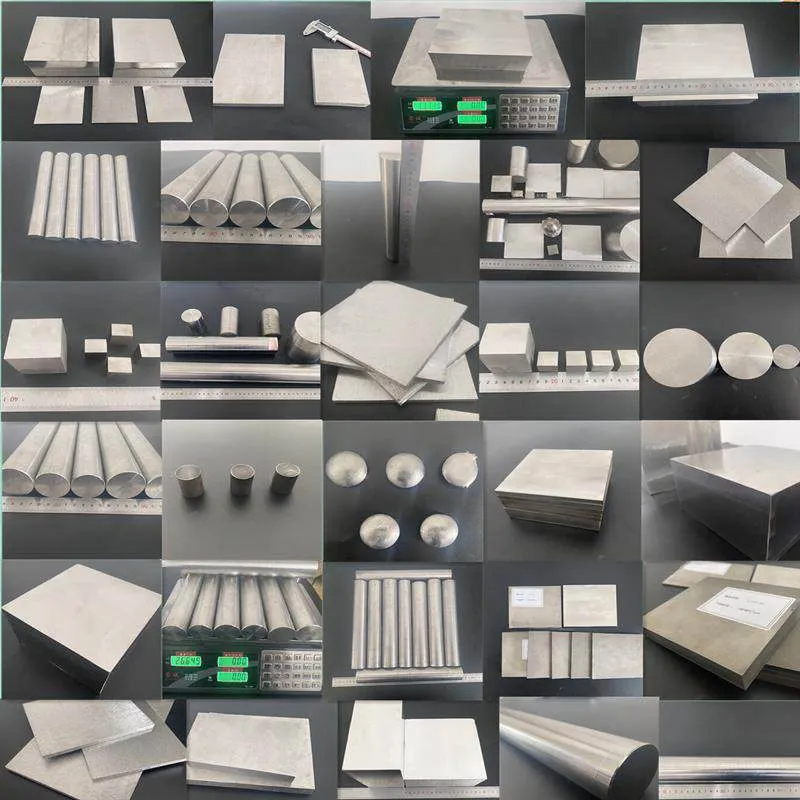
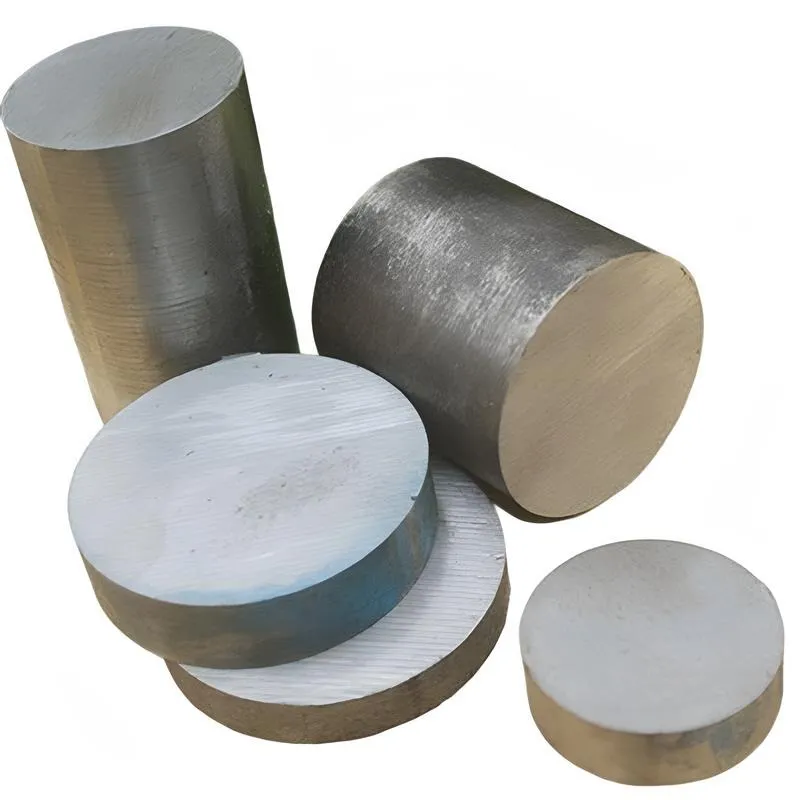
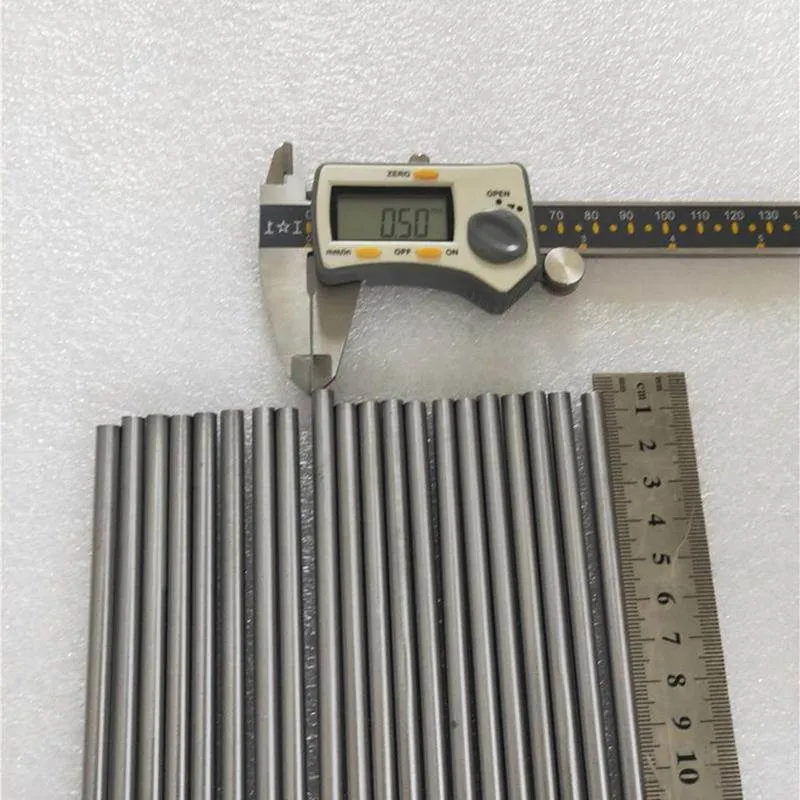
AISI 1050 Steel, normalized
Product Code : STI-CSTI-093-CU
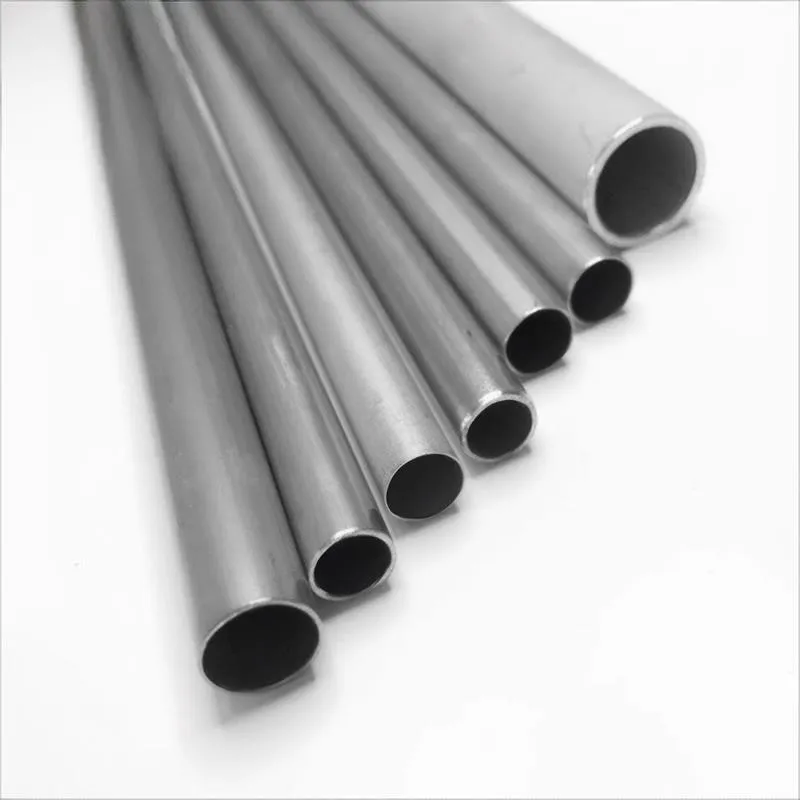
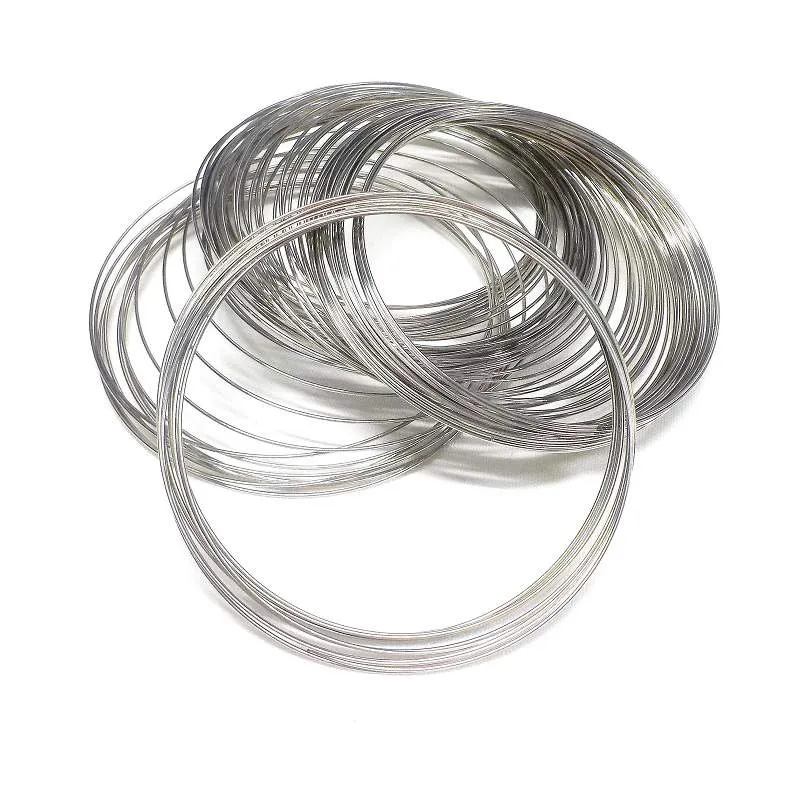
We provide AISI 1050 Steel, normalized at 900°C (1650°F) is available in Bar (Round bar, Flat bar), Ribbon, Wire, Rods, Tube,Seamless Tube,Pipe, Ingots, Plate, Sheet, Strip and Forging Stock.,Purity, chemical composition, size, etc. can all be customized to meet specific requirements.
Please contact us if you need customized services. We will contact you with the price and availability in 24 hours.
AISI 1050 Steel, normalized at 900°C (1650°F) Product Information
-:-
For detailed product information, please contact sales.
-:
AISI 1050 Steel, normalized at 900°C (1650°F) Synonyms
-:-
For detailed product information, please contact sales.
-:
AISI 1050 Steel, normalized at 900°C (1650°F) Product Information
-:-
For detailed product information, please contact sales.
-:
# **Technical Datasheet: AISI 1050 Steel - Normalized at 900°C (1650°F)**
---
## **1. Product Overview**
AISI 1050 steel normalized at 900°C (1650°F) is a high-carbon, non-alloy steel that has undergone a specific heat treatment process to refine its grain structure, homogenize its microstructure, and optimize its mechanical properties. Normalization involves heating the steel to approximately 30-50°C above its upper critical temperature (Ac₃), followed by air cooling. This process transforms the as-rolled structure into a uniform fine-grained ferrite-pearlite microstructure, providing improved strength, toughness, and machinability compared to the as-rolled condition. The 900°C normalizing temperature is ideal for AISI 1050, ensuring complete austenitization while preventing excessive grain growth.
---
## **2. Key Characteristics & Benefits**
- **Refined Grain Structure**: Produces uniform ASTM 7-9 grain size for consistent properties
- **Improved Mechanical Properties**: Enhanced strength and toughness compared to as-rolled condition
- **Homogenized Microstructure**: Eliminates banding and segregation from rolling
- **Stress Relief**: Reduces residual stresses from previous processing
- **Optimized Machinability**: Balanced hardness for improved cutting performance
- **Enhanced Response to Further Heat Treatment**: Ideal pretreatment for quenching operations
- **Dimensional Stability**: More predictable behavior during subsequent processing
---
## **3. Chemical Composition**
| Element | Composition Range (%) | Standard Reference |
|---------|----------------------|-------------------|
| **Carbon (C)** | 0.48 - 0.55 | SAE J403 / ASTM A29 |
| **Manganese (Mn)** | 0.60 - 0.90 | SAE J403 / ASTM A29 |
| **Phosphorus (P)** | ≤ 0.040 | SAE J403 / ASTM A29 |
| **Sulfur (S)** | ≤ 0.050 | SAE J403 / ASTM A29 |
| **Silicon (Si)** | 0.15 - 0.35 | SAE J403 / ASTM A29 |
| **Iron (Fe)** | Balance | - |
*Note: The high carbon content (0.48-0.55%) provides the foundation for excellent hardenability after normalization.*
---
## **4. Normalizing Process Details**
### **Heat Treatment Parameters**
| Parameter | Specification | Purpose |
|-----------|---------------|---------|
| **Heating Rate** | 100-200°C/hr (180-360°F/hr) | Prevent thermal stress and distortion |
| **Normalizing Temperature** | 900°C ± 10°C (1650°F ± 20°F) | Complete austenitization without grain coarsening |
| **Soaking Time** | 30-45 minutes per inch of thickness | Ensure uniform temperature throughout |
| **Cooling Method** | Still air or forced air cooling | Produce fine pearlitic structure |
| **Cooling Rate** | 20-40°C/min (36-72°F/min) in still air | Optimal transformation kinetics |
### **Metallurgical Transformations**
1. **Heating Phase**: Ferrite + pearlite → Austenite (complete at ~770°C)
2. **Soaking Phase**: Carbon homogenization in austenite
3. **Cooling Phase**: Austenite → Fine pearlite + proeutectoid ferrite
4. **Final Structure**: Uniform mixture of ~80% fine pearlite + 20% ferrite
---
## **5. Microstructural Characteristics**
### **Microstructure Analysis**
- **Primary Structure**: Fine lamellar pearlite with grain boundary ferrite
- **Pearlite Interlamellar Spacing**: 0.15-0.25 µm (fine pearlite range)
- **Ferrite Distribution**: Continuous network at prior austenite grain boundaries
- **Grain Size**: ASTM 7-9 (fine to very fine)
- **Prior Austenite Grain Size**: ASTM 6-8
- **Banding**: Eliminated or significantly reduced compared to as-rolled condition
### **Phase Analysis**
| Phase | Volume Fraction (%) | Morphology | Hardness (HV) |
|-------|---------------------|------------|---------------|
| **Pearlite** | 75-85 | Fine lamellar | 250-350 HV |
| **Ferrite** | 15-25 | Grain boundary network | 120-180 HV |
| **Cementite** | 11-13 | Lamellar within pearlite | 800-1000 HV |
### **Inclusion Assessment**
- **Type**: Primarily MnS stringers, some silicates
- **Rating**: ASTM E45 Method A, ≤ 2.0 (thin series)
- **Distribution**: More uniform after normalization
---
## **6. Mechanical Properties (After Normalizing)**
### **Tensile Properties**
| Property | Value Range | Test Standard |
|----------|-------------|---------------|
| **Tensile Strength** | 700 - 850 MPa (102 - 123 ksi) | ASTM A370 |
| **Yield Strength (0.2% offset)** | 450 - 600 MPa (65 - 87 ksi) | ASTM A370 |
| **Elongation in 50 mm (2")** | 15% - 20% | ASTM A370 |
| **Reduction of Area** | 45% - 55% | ASTM A370 |
| **Yield Ratio (YS/UTS)** | 0.65 - 0.70 | - |
### **Hardness & Impact Properties**
| Property | Value Range | Test Standard |
|----------|-------------|---------------|
| **Brinell Hardness** | 201 - 255 HB | ASTM E10 |
| **Rockwell Hardness** | 95-105 HRB / 18-25 HRC | ASTM E18 |
| **Charpy V-notch Impact (20°C)** | 25 - 40 J (18 - 30 ft-lb) | ASTM A370 |
| **Charpy V-notch Impact (0°C)** | 20 - 35 J (15 - 26 ft-lb) | ASTM A370 |
| **Fatigue Strength (10⁷ cycles)** | 320 - 400 MPa | Rotating bending |
### **Additional Mechanical Properties**
| Property | Value | Test Standard |
|----------|-------|---------------|
| **Modulus of Elasticity** | 200 GPa (29,000 ksi) | ASTM E111 |
| **Shear Modulus** | 80 GPa (11,600 ksi) | ASTM E143 |
| **Poisson's Ratio** | 0.29 | ASTM E132 |
| **Fracture Toughness (KIC)** | 60 - 80 MPa√m | ASTM E1820 |
| **True Fracture Strength** | 1100 - 1300 MPa | - |
### **Property Comparison: As-Rolled vs. Normalized**
| Property | As-Rolled | Normalized at 900°C | Improvement |
|----------|-----------|---------------------|-------------|
| **Tensile Strength** | 655-795 MPa | 700-850 MPa | +7-10% |
| **Yield Strength** | 450-590 MPa | 450-600 MPa | Comparable |
| **Elongation** | 13-18% | 15-20% | +15-20% |
| **Impact Energy** | 15-30 J | 25-40 J | +40-60% |
| **Hardness Uniformity** | ±20 HB | ±10 HB | 50% better |
---
## **7. Physical Properties**
| Property | Value | Conditions |
|----------|-------|------------|
| **Density** | 7.87 g/cm³ (0.284 lb/in³) | 20°C |
| **Thermal Conductivity** | 48.2 W/m·K (33.4 BTU·in/hr·ft²·°F) | 20°C |
| **Specific Heat Capacity** | 486 J/kg·K (0.116 BTU/lb·°F) | 20°C |
| **Coefficient of Thermal Expansion** | 11.3 µm/m·°C (6.3 µin/in·°F) | 20-100°C |
| **Electrical Resistivity** | 0.240 µΩ·m | 20°C |
| **Magnetic Properties** | Ferromagnetic | - |
| **Acoustic Velocity** | 5900 m/s (19,400 ft/s) | Longitudinal |
| **Damping Capacity** | Low | - |
---
## **8. International Standard Equivalents**
| Standard System | Designation | Normalized Condition Reference |
|----------------|-------------|-------------------------------|
| **UNS** | G10500 | Normalized per specification |
| **SAE/AISI** | 1050 | SAE J403 with normalization |
| **ASTM** | Grade 1050 | ASTM A29, normalized condition |
| **EN (Europe)** | 1.1206 (C53E) | EN 10083-2, normalized |
| **ISO** | C53E | ISO 683-18, Type N |
| **JIS (Japan)** | S50C/S53C | JIS G4051, 焼きならし (normalized) |
| **GB (China)** | 50# (50钢) | GB/T 699, 正火处理 |
| **DIN (Germany)** | 1.1206, Ck53 | DIN 17200, vergütet (normalized) |
---
## **9. Response to Further Heat Treatment**
### **As a Pretreatment for Hardening**
- **Optimal Condition**: Normalized structure provides ideal starting point for quenching
- **Hardenability Enhancement**: Fine austenite grains from normalization improve hardenability
- **Distortion Reduction**: More predictable dimensional changes during quenching
- **Property Uniformity**: Consistent results throughout cross-section
### **Subsequent Heat Treatment Options**
| Process | Recommended Parameters | Purpose |
|---------|------------------------|---------|
| **Quenching** | 830-855°C, oil/water quench | Maximum hardness (62-66 HRC) |
| **Tempering** | 200-650°C after quenching | Desired strength-toughness balance |
| **Annealing** | 790-815°C, furnace cool | Further softening for machining |
| **Stress Relieving** | 550-650°C | Reduce machining stresses |
### **Expected Results After Quenching & Tempering**
| Tempering Temperature | Hardness (HRC) | Tensile Strength | Impact Energy |
|----------------------|----------------|-----------------|---------------|
| **200°C** | 52-56 | 1600-1800 MPa | 10-20 J |
| **400°C** | 44-48 | 1300-1500 MPa | 20-30 J |
| **600°C** | 32-36 | 900-1100 MPa | 35-45 J |
---
## **10. Machinability & Fabrication Characteristics**
### **Machinability Assessment**
- **Relative Machinability**: 40% (vs. 100% for 1212 steel)
- **Tool Life**: Good with proper tool selection and parameters
- **Surface Finish**: Capable of 1.6-3.2 µm Ra with standard machining
- **Chip Formation**: Continuous chips with built-up edge tendency
### **Recommended Machining Parameters**
| Operation | Cutting Speed | Feed Rate | Depth of Cut | Tool Material |
|-----------|---------------|-----------|--------------|---------------|
| **Turning** | 30-45 m/min | 0.15-0.30 mm/rev | 1-3 mm | Carbide, C2-C6 grade |
| **Milling** | 25-40 m/min | 0.10-0.20 mm/tooth | 1-2 mm | Carbide, P10-P30 |
| **Drilling** | 20-30 m/min | 0.10-0.25 mm/rev | Full depth | HSS or carbide |
| **Tapping** | 5-10 m/min | - | - | HSS, coated |
### **Welding Considerations**
- **Pre-heating**: 200-300°C (400-570°F) required
- **Post-heating**: 600-650°C (1110-1200°F) stress relief recommended
- **Electrodes**: E10018, E11018 low-hydrogen
- **Weldability Rating**: Poor - not recommended for critical applications
- **Alternative**: Normalize entire assembly after welding if possible
### **Forming Characteristics**
- **Cold Forming**: Limited; annealing recommended for significant deformation
- **Hot Forming**: Excellent at 1050-850°C (1920-1560°F)
- **Bend Radius**: Minimum 3× thickness for 90° cold bends
- **Springback**: Moderate; account for in tool design
---
## **11. Primary Applications**
### **General Engineering Components**
- Gear blanks for subsequent hardening
- Shaft and spindle stock requiring uniform properties
- Machine tool components needing predictable heat treatment response
- Bearing race and roller blanks
- General machinery parts requiring good strength and toughness
### **Automotive & Transportation**
- Transmission component blanks
- Axle shaft stock (before final hardening)
- Steering system components
- Suspension parts requiring uniform properties
- Brake system component blanks
### **Tool & Die Industry**
- Tool holder blanks
- Die block stock for plastic molds
- Cutting tool shanks
- Fixture and jig components
- Press tool components
### **Agricultural & Construction**
- Implement component blanks
- Tractor transmission part stock
- Excavator bucket tooth adapters
- Wear component blanks requiring further hardening
### **Industrial Equipment**
- Pump and compressor component blanks
- Valve body and stem stock
- Conveyor system components
- Material handling equipment parts
---
## **12. Quality Assurance & Testing**
### **Mandatory Testing Requirements**
| Test | Frequency | Standard | Acceptance Criteria |
|------|-----------|----------|-------------------|
| **Chemical Analysis** | Per heat | ASTM E415 | Within specification limits |
| **Tensile Test** | Per lot | ASTM A370 | Meet minimum normalized properties |
| **Hardness Test** | Per bundle | ASTM E10 | 201-255 HB range |
| **Microstructure** | Per heat | ASTM E112 | ASTM 7-9 grain size |
| **Surface Inspection** | 100% | Visual | Free of scale, cracks, defects |
### **Optional Testing Services**
- **Charpy Impact Testing**: At various temperatures
- **Jominy Hardenability Test**: For hardenability verification
- **Non-Destructive Testing**: UT, MT, PT as required
- **Residual Stress Analysis**: X-ray diffraction
- **Fatigue Testing**: For dynamic applications
### **Certification Requirements**
- Heat treatment temperature-time records
- Cooling rate verification
- Microstructure photographs
- Full mechanical property reports
- Traceability documentation
---
## **13. Storage & Handling**
### **Storage Recommendations**
- **Environment**: Dry, controlled conditions (<60% RH)
- **Temperature**: Stable ambient temperature
- **Protection**: Light oil or VCI paper for corrosion protection
- **Stacking**: Proper supports to prevent bending
- **Identification**: Clear marking of heat number and condition
### **Special Considerations**
- **Surface Condition**: Scale-free after normalization
- **Stress State**: Low residual stress condition
- **Dimensional Stability**: Good for precision applications
- **Shelf Life**: 12 months with proper protection
---
## **14. Technical Advantages & Limitations**
### **Advantages Over As-Rolled Condition**
1. **Improved Toughness**: 40-60% higher impact energy
2. **Better Uniformity**: Reduced property variation
3. **Enhanced Machinability**: More consistent cutting performance
4. **Superior Hardenability**: Better response to quenching
5. **Reduced Distortion**: More predictable during further processing
### **Limitations**
1. **Not a Final Condition**: Typically requires further heat treatment
2. **Cost**: Additional processing cost compared to as-rolled
3. **Size Limitations**: Effectiveness decreases with very large sections
4. **Not for Direct Use**: Generally not used as final condition for high-stress applications
---
## **15. Economic Considerations**
### **Cost Factors**
- **Material Cost**: Base AISI 1050 cost plus normalization premium
- **Processing Cost**: 15-25% additional for normalization
- **Value Added**: Improved properties justify cost for many applications
- **Total Cost**: 1.15-1.25× as-rolled material cost
### **Cost-Benefit Analysis**
| Factor | As-Rolled | Normalized | Benefit |
|--------|-----------|------------|---------|
| **Material Cost** | 100% | 115-125% | - |
| **Machining Cost** | 100% | 90-95% | 5-10% savings |
| **Heat Treatment Yield** | 85-90% | 95-98% | 5-10% improvement |
| **Component Reliability** | Standard | Enhanced | Reduced failure risk |
| **Overall Value** | Good | Better | Justified for critical parts |
---
**Disclaimer**: This technical data sheet provides detailed information about AISI 1050 steel normalized at 900°C (1650°F). Actual properties may vary based on exact chemical composition, section size, cooling conditions, and specific normalizing parameters. For critical applications, conduct appropriate testing and consult with qualified metallurgical engineers. Normalization is typically an intermediate processing step, and final properties will depend on subsequent heat treatment operations.
---
**Revision**: 1.0
**Date**: November 2023
**Status**: Current Specification
**Note**: Normalizing at 900°C provides optimal properties for AISI 1050. Higher temperatures may cause grain coarsening, while lower temperatures may result in incomplete austenitization.
-:-
For detailed product information, please contact sales.
-:
AISI 1050 Steel, normalized at 900°C (1650°F) Specification
Dimensions
Size:
Diameter 20-1000 mm Length <4825 mm
Size:We can customized as required
Standard:
Per your request or drawing
We can customized as required
Properties(Theoretical)
Chemical Composition
-:-
For detailed product information, please contact sales.
-:
AISI 1050 Steel, normalized at 900°C (1650°F) Properties
-:-
For detailed product information, please contact sales.
-:
Applications of AISI 1050 Steel, normalized at 900°C (1650°F)
-:-
For detailed product information, please contact sales.
-:
Chemical Identifiers AISI 1050 Steel, normalized at 900°C (1650°F)
-:-
For detailed product information, please contact sales.
-:
Packing of AISI 1050 Steel, normalized at 900°C (1650°F)
-:-
For detailed product information, please contact sales.
-:
Standard Packing:
-:-
For detailed product information, please contact sales.
-:
Typical bulk packaging includes palletized plastic 5 gallon/25 kg. pails, fiber and steel drums to 1 ton super sacks in full container (FCL) or truck load (T/L) quantities. Research and sample quantities and hygroscopic, oxidizing or other air sensitive materials may be packaged under argon or vacuum. Solutions are packaged in polypropylene, plastic or glass jars up to palletized 1296 gallon liquid totes Special package is available on request. E FORUs’ is carefully handled to minimize damage during storage and transportation and to preserve the quality of our products in their original condition