AISI 1050 Steel, water quenched
Product Code : STI-CSTI-1383-CU
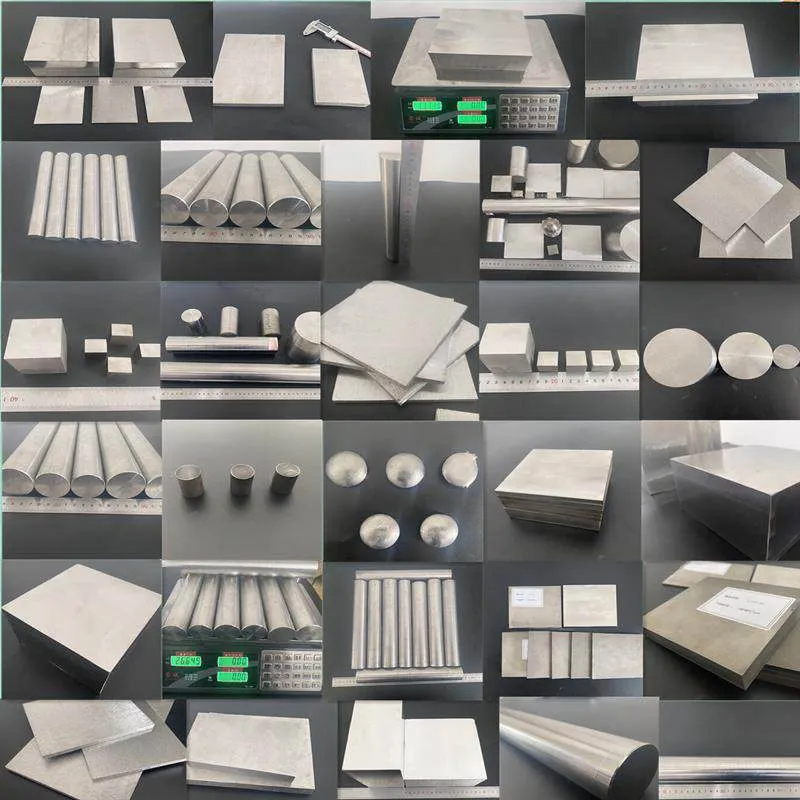
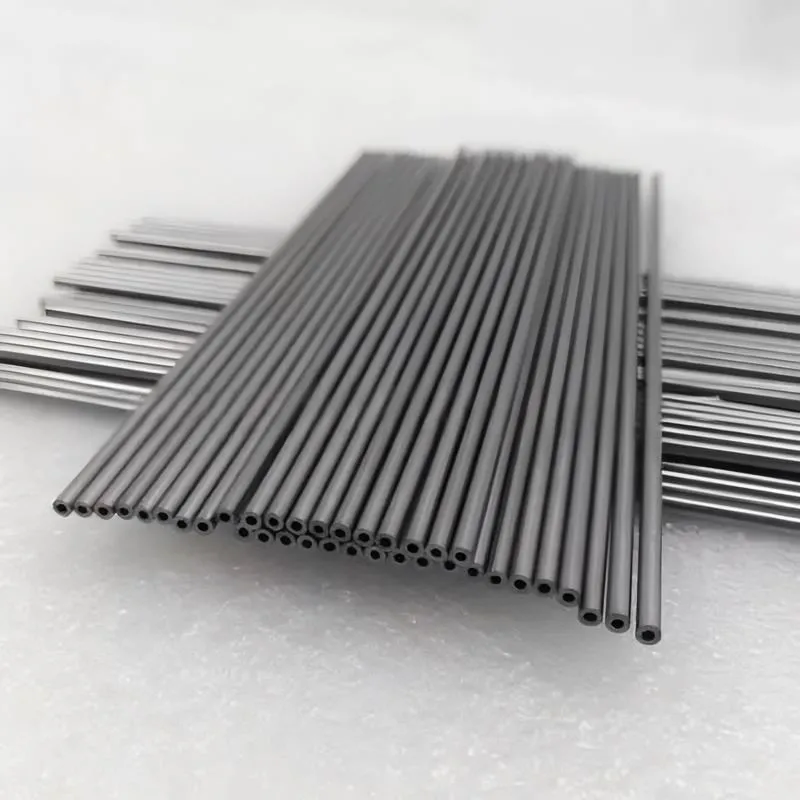
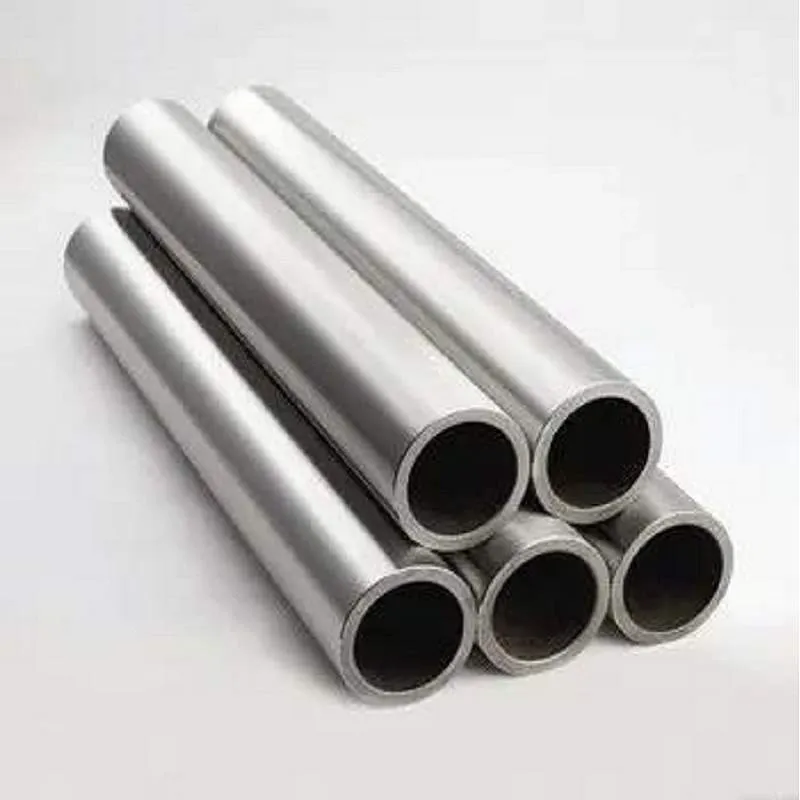
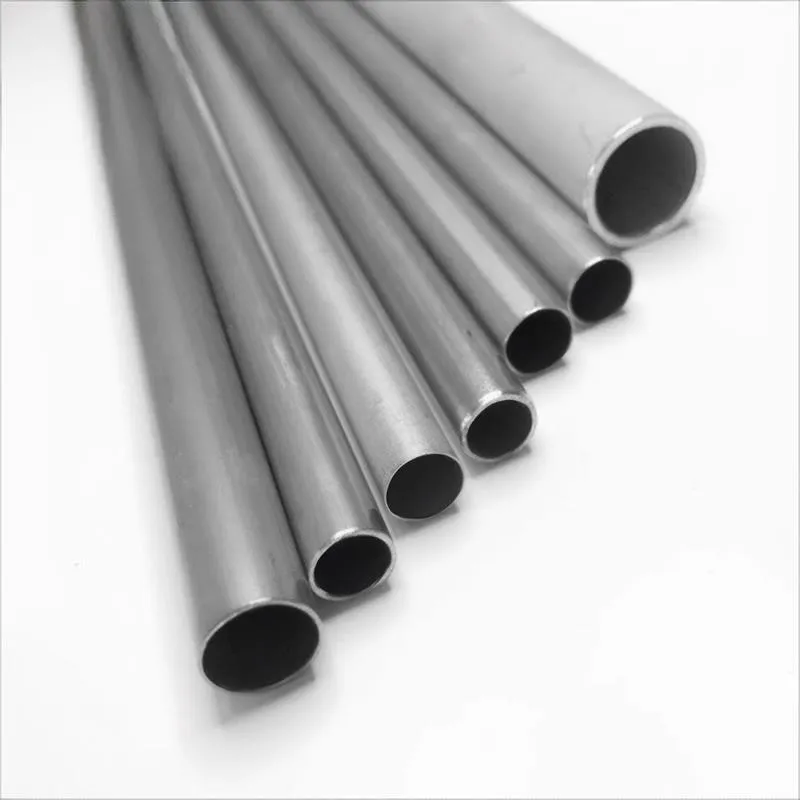
We provide AISI 1050 Steel, water quenched from 830°C (1525°F), 540°C (1000°F) temper is available in Bar (Round bar, Flat bar), Ribbon, Wire, Rods, Tube,Seamless Tube,Pipe, Ingots, Plate, Sheet, Strip and Forging Stock.,Purity, chemical composition, size, etc. can all be customized to meet specific requirements.
Please contact us if you need customized services. We will contact you with the price and availability in 24 hours.
AISI 1050 Steel, water quenched from 830°C (1525°F), 540°C (1000°F) temper Product Information
-:-
For detailed product information, please contact sales.
-:
AISI 1050 Steel, water quenched from 830°C (1525°F), 540°C (1000°F) temper Synonyms
-:-
For detailed product information, please contact sales.
-:
AISI 1050 Steel, water quenched from 830°C (1525°F), 540°C (1000°F) temper Product Information
-:-
For detailed product information, please contact sales.
-:
### **Product Introduction: AISI 1050 Steel, Water Quenched & Tempered (830°C/540°C)**
**Overview**
AISI 1050 steel subjected to water quenching from 830°C (1525°F) followed by tempering at 540°C (1000°F) represents a rigorous and high-performance heat treatment path for this medium-high carbon steel. This specific process utilizes the severe cooling of a water quench to maximize martensite formation, followed by a high-temperature temper to optimize toughness. The result is a material with exceptionally high core strength, good toughness, and excellent wear resistance, making it suitable for demanding applications where maximum hardness penetration and resistance to heavy loading are required, albeit with careful attention to quench cracking risks.
---
#### **1. Chemical Composition (Nominal, Weight %)**
The composition adheres to AISI/SAE 1050 specifications, with the carbon and manganese content being crucial for this aggressive quench.
| Element | Carbon (C) | Manganese (Mn) | Phosphorus (P) max | Sulfur (S) max | Silicon (Si) | Iron (Fe) |
| :--- | :--- | :--- | :--- | :--- | :--- | :--- |
| **Content (%)** | 0.48 - 0.55 | 0.60 - 0.90 | 0.040 | 0.050 | 0.15 - 0.35 | Balance |
* **Metallurgical Significance for This Q&T Cycle:**
* **Carbon (0.48-0.55%):** Provides the necessary carbon for high-hardenability martensite. This level is near the upper limit for safe water quenching of simple shapes; it ensures high as-quenched hardness but significantly increases the risk of cracking. The 540°C temper is essential to relieve these stresses and recover toughness.
* **Manganese (0.60-0.90%):** Enhances hardenability, aiding in achieving full martensite formation even at the core of moderately thick sections during the rapid water quench. This is critical for obtaining uniform high strength.
* **Silicon (0.15-0.35%):** Provides solid solution strengthening in the final tempered martensite.
---
#### **2. Physical & Mechanical Properties (Typical, WQ & Tempered 830°C / 540°C)**
*This treatment achieves near-maximum strength for the grade while recovering useful toughness through the high temper.*
* **Hardness:** **~300-360 HB** (Approximately **30-38 HRC**). Higher than the oil-quenched equivalent due to greater martensite formation, especially in thicker sections.
* **Tensile Strength (Ultimate):** **1000-1200 MPa** (145-174 ksi)
* **Yield Strength (0.2% Offset):** **850-1050 MPa** (123-152 ksi)
* **Elongation (in 50mm / 2in):** **10-15%**
* **Reduction of Area:** **30-45%**
* **Impact Toughness (Charpy V-notch):** **25-45 J** (18-33 ft-lbf). Lower than oil-quenched at the same temper due to potentially greater quench severity and retained stress, but adequate for many high-strength applications.
* **Fatigue Strength:** Very high due to the high strength and refined martensitic structure.
* **Microstructure:** **Fine Tempered Martensite.** The water quench promotes a finer prior austenite grain size and a more complete martensitic transformation than oil, resulting in a finer final tempered structure.
* **Machinability:** **Poor (30-40%).** Requires very robust tooling (carbide or ceramic), low speeds, and high-pressure coolant.
---
#### **3. Heat Treatment Process: Water Quenching & Tempering (830°C / 540°C)**
This process involves high risk but offers high reward in terms of achieved properties.
1. **Austenitizing & Quenching:**
* Heat to **830°C (1525°F)**. This temperature is at the lower end of the austenitizing range, which helps limit austenite grain growth and reduce thermal stress and distortion.
* **Water Quench:** Rapid cooling in water or brine. This is the most severe common industrial quenchant. It maximizes the cooling rate to ensure martensite forms to the greatest possible depth, even in the core of sections up to ~40mm. **This step carries a very high risk of distortion and quench cracking**, especially in parts with non-uniform sections or sharp corners.
* **Result:** Very hard (up to ~55-60 HRC), extremely brittle, untempered martensite with very high internal stress.
2. **High-Temperature Tempering:**
* Reheat to **540°C (1000°F)**. This high temper is **essential** to relieve the extreme stresses from water quenching and restore ductility and toughness.
* **Metallurgical Effect:** Similar to the oil-quench process but starting from a harder, more stressed state. The temperature allows for significant tempering, transforming the brittle martensite into tough tempered martensite (sorbite).
---
#### **4. Product Applications**
This condition is specified for heavy-duty components where maximum strength and hardness penetration are critical, and the design can accommodate the quench risks.
* **Heavy-Duty Shafts and Axles:** Drive shafts and axle shafts for heavy trucks, mining, and agricultural equipment where high torsional strength is paramount.
* **Wear-Resistant Components:** Bucket teeth, scraper blades, crusher jaws, and other high-abrasion parts where deep hardness is needed.
* **Large, Simple-Section Forgings:** Components like large wrenches, pry bars, or simple levers that can be water-quenched safely due to their robust geometry.
* **High-Strength Fasteners for Critical Service:** Very high-grade bolts and pins (beyond Grade 8) where core strength is as important as surface strength.
* **Tooling for Non-Impact Applications:** Dies, mandrels, and wear plates where extreme hardness and resistance to deformation are required, and chipping is not a concern.
* **Rail and Transportation Components:** Certain high-wear rail components or couplers.
---
#### **5. Relevant International Standards**
This specific, aggressive treatment is often governed by end-use or proprietary specifications due to its specialized nature and risks.
* **ASTM (USA):**
* **ASTM A29/A29M:** Allows for specification of heat-treated bars.
* **ASTM A322:** May be referenced.
* **Proprietary/Military Standards:** Often detailed in internal company or defense specifications (e.g., some MIL-S specifications for high-strength components).
* **SAE (USA - Automotive):** **SAE J403, J412** (Grade 1050). Treatment is a supplementary, detailed requirement.
* **UNS (Unified Numbering System):** **G10500**
* **ISO (International):**
* **ISO 683-1:** Condition "-QT" with specific, high property requirements.
* **Common Specification:** Typically defined on engineering drawings as "Water quench and temper to 32-36 HRC" with notes on acceptable distortion and prohibited geometries.
---
#### **6. Key Advantages & Considerations**
* **Advantages:**
* **Maximum Achievable Strength & Hardness Penetration:** For a given section size, water quenching achieves higher strength at the core than oil quenching for AISI 1050.
* **Superior Wear Resistance:** The higher as-quenched hardness translates to better wear resistance after tempering.
* **Cost-Effective for Simple Shapes:** For robust, symmetrical parts, it can be a lower-cost alternative to using alloy steels with oil quenching to achieve similar core properties.
* **Considerations (CRITICAL):**
* **Very High Risk of Quench Cracking and Distortion:** This is the primary limitation. Part design **must** avoid sharp corners, sudden section changes, and holes. Scrap rates can be high.
* **Lower Toughness:** The combination of a severe quench and the inherent carbon content generally results in lower impact toughness compared to an oil-quenched sample tempered to the same hardness.
* **Limited to Suitable Geometries:** Only applicable to parts with simple, thick, and uniform cross-sections.
* **Requires Stringent Process Control:** Quenchant temperature, agitation, and transfer time from furnace to quench must be tightly controlled.
* **Welding is Extremely Dangerous:** Essentially prohibited. The HAZ will be ultra-high carbon martensite almost guaranteed to crack.
---
#### **7. Comparison with Oil Quench for AISI 1050 (540°C Temper)**
| Quench Medium | Core Hardness in 30mm dia | Risk of Cracking | Typical Application |
| :--- | :--- | :--- | :--- |
| **Oil Quench** | Good (Martensite to ~12-15mm) | Low to Moderate | General high-strength components, complex shapes. |
| **Water Quench** | **Excellent (Full or near-full martensite)** | **Very High** | **Heavy sections, simple shapes, max strength/wear.** |
**Summary:** AISI 1050 water quenched from 830°C and tempered at 540°C is a **high-risk, high-reward processing route** reserved for **specific, robust components** where the design can tolerate the quench stresses and where **maximizing core strength and hardness depth is the primary engineering goal**. It is a traditional method for achieving very high strength in plain carbon steel but has largely been supplanted by the use of more forgiving alloy steels (like 4140) with oil quenching for critical applications. Its use requires careful design for manufacturability and acceptance of higher production risk.
-:-
For detailed product information, please contact sales.
-:
AISI 1050 Steel, water quenched from 830°C (1525°F), 540°C (1000°F) temper Specification
Dimensions
Size:
Diameter 20-1000 mm Length <6115 mm
Size:We can customized as required
Standard:
Per your request or drawing
We can customized as required
Properties(Theoretical)
Chemical Composition
-:-
For detailed product information, please contact sales.
-:
AISI 1050 Steel, water quenched from 830°C (1525°F), 540°C (1000°F) temper Properties
-:-
For detailed product information, please contact sales.
-:
Applications of AISI 1050 Steel, water quenched from 830°C (1525°F), 540°C (1000°F) temper
-:-
For detailed product information, please contact sales.
-:
Chemical Identifiers AISI 1050 Steel, water quenched from 830°C (1525°F), 540°C (1000°F) temper
-:-
For detailed product information, please contact sales.
-:
Packing of AISI 1050 Steel, water quenched from 830°C (1525°F), 540°C (1000°F) temper
-:-
For detailed product information, please contact sales.
-:
Standard Packing:
-:-
For detailed product information, please contact sales.
-:
Typical bulk packaging includes palletized plastic 5 gallon/25 kg. pails, fiber and steel drums to 1 ton super sacks in full container (FCL) or truck load (T/L) quantities. Research and sample quantities and hygroscopic, oxidizing or other air sensitive materials may be packaged under argon or vacuum. Solutions are packaged in polypropylene, plastic or glass jars up to palletized 2586 gallon liquid totes Special package is available on request. E FORUs’ is carefully handled to minimize damage during storage and transportation and to preserve the quality of our products in their original condition