AISI 1095 Steel, annealed
Product Code : STI-CSTI-170-CU
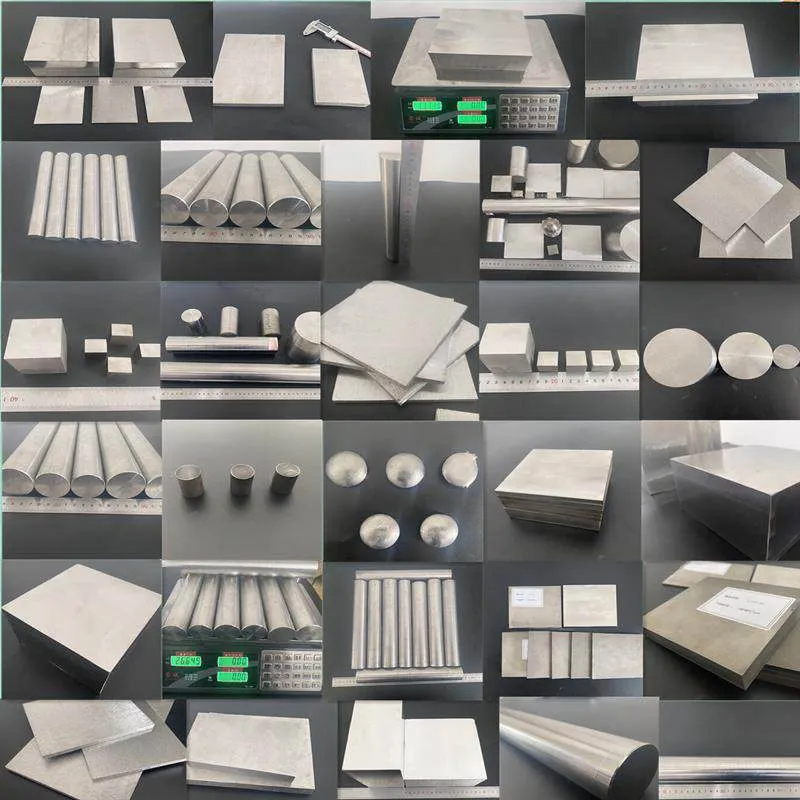
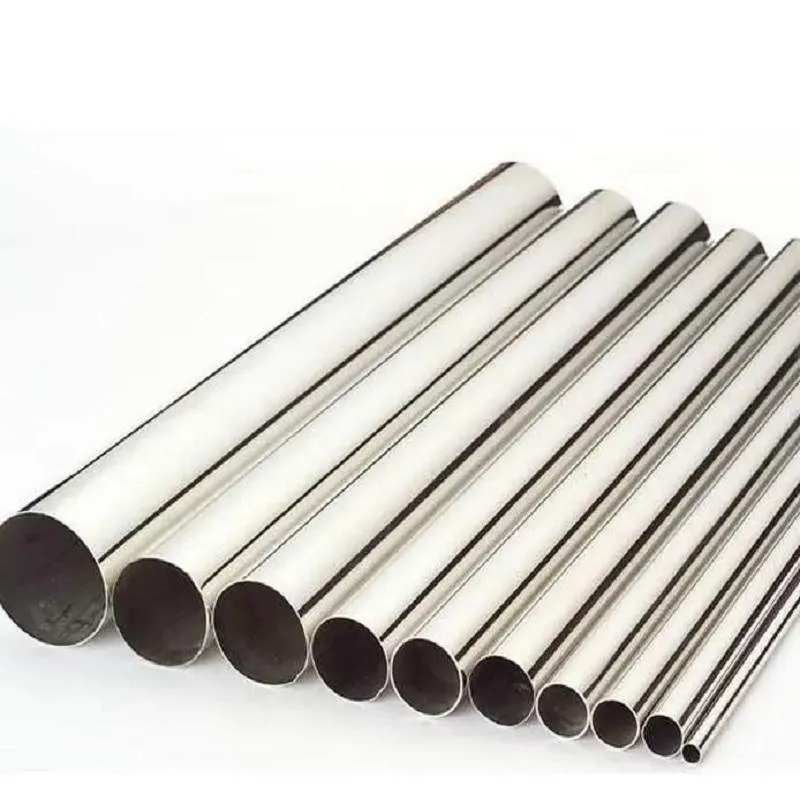
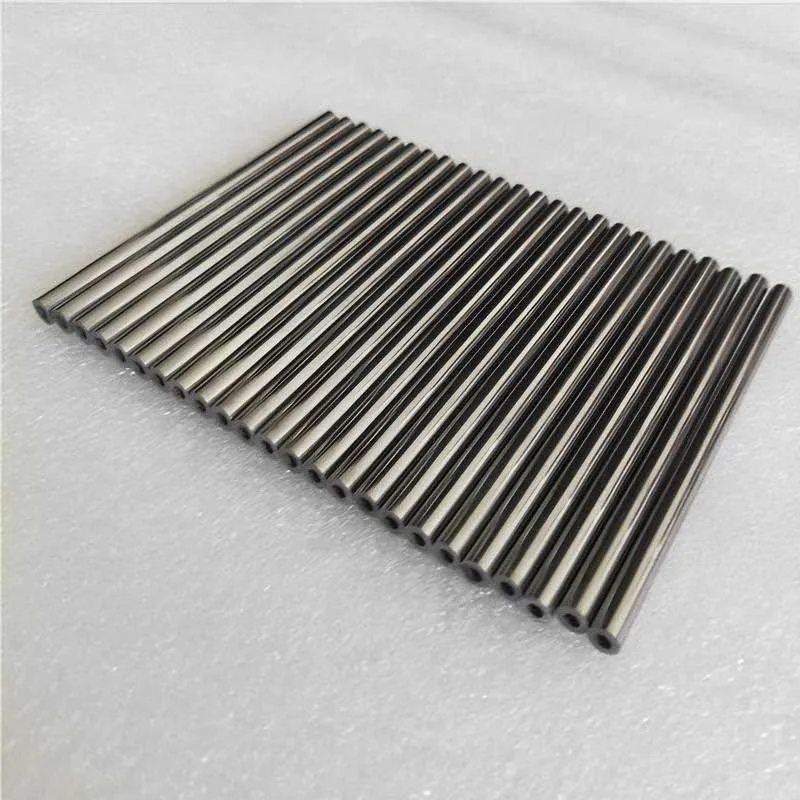
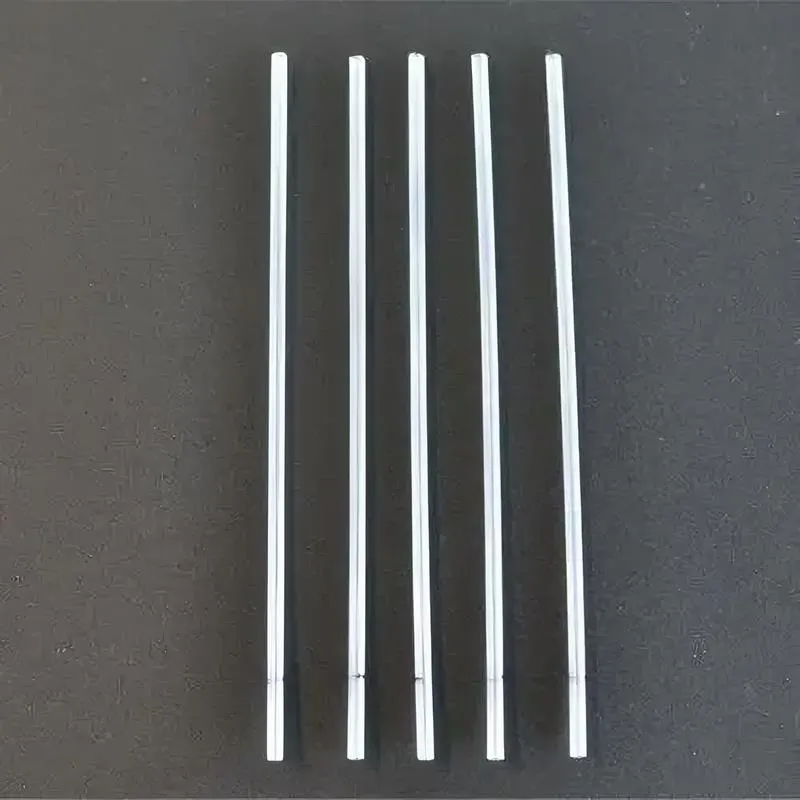
We provide AISI 1095 Steel, annealed at 790°C (1450°F) is available in Bar (Round bar, Flat bar), Ribbon, Wire, Rods, Tube,Seamless Tube,Pipe, Ingots, Plate, Sheet, Strip and Forging Stock.,Purity, chemical composition, size, etc. can all be customized to meet specific requirements.
Please contact us if you need customized services. We will contact you with the price and availability in 24 hours.
AISI 1095 Steel, annealed at 790°C (1450°F) Product Information
-:-
For detailed product information, please contact sales.
-:
AISI 1095 Steel, annealed at 790°C (1450°F) Synonyms
-:-
For detailed product information, please contact sales.
-:
AISI 1095 Steel, annealed at 790°C (1450°F) Product Information
-:-
For detailed product information, please contact sales.
-:
### **Product Data Sheet: AISI 1095 Steel - Annealed at 790°C (1450°F)**
#### **1. Overview: The Essential Softened State for Fabrication**
This datasheet describes **AISI 1095 ultra-high-carbon steel in a fully annealed condition**, achieved by heating to 790°C (1450°F) followed by slow furnace cooling. For this grade, which possesses the highest carbon content in the standard AISI 10xx series, annealing is a **critical preparatory process**. It transforms the steel into its **softest, most ductile, and most machinable state**, essential for any significant machining, forming, or as a controlled starting point for subsequent heat treatment. The 790°C temperature ensures complete austenitization, allowing the formation of a stable, coarse microstructure ideal for material removal operations.
**Heat Treatment Rationale:**
* **Heating to 790°C (1450°F):** This temperature is above the upper critical temperature (Acm) for AISI 1095, ensuring the dissolution of cementite networks and the formation of homogeneous austenite.
* **Furnace Cooling:** The controlled, very slow cooling (typically ≤ 20°C per hour through the critical range) promotes the formation of coarse pearlite and spheroidized carbides, minimizing hardness and internal stress.
---
#### **2. Base Material Chemical Composition (AISI/SAE 1095)**
| Element | Content (%) |
| :--- | :--- |
| **Carbon (C)** | **0.90 - 1.03** |
| **Manganese (Mn)** | 0.30 - 0.50 |
| **Phosphorus (P)** | ≤ 0.040 |
| **Sulfur (S)** | ≤ 0.050 |
| **Silicon (Si)** | 0.15 - 0.35 |
| **Iron (Fe)** | Balance |
---
#### **3. Typical Physical & Mechanical Properties (Annealed Condition)**
| Property | Typical Value / Description |
| :--- | :--- |
| **Condition** | Full Anneal (Furnace Cooled from 790°C) |
| **Microstructure** | **Coarse Lamellar Pearlite** with a significant amount of **proeutectoid cementite**, often forming a semi-continuous network at grain boundaries. This is the softest stable microstructure for this composition. |
| **Hardness** | **183 - 217 HB** (Brinell) / **~88-96 HRB** |
| **Tensile Strength** | **610 - 750 MPa (88 - 109 ksi)** |
| **Yield Strength (0.2% Offset)** | **345 - 450 MPa (50 - 65 ksi)** |
| **Elongation (in 50 mm)** | **~ 10 - 15%** |
| **Reduction in Area** | **~ 20 - 30%** |
| **Machinability** | **Fair.** The coarse pearlitic structure provides reasonably good chip formation. However, the high volume of hard carbides (both pearlitic and proeutectoid) makes it abrasive to cutting tools. Machinability is **superior to the as-rolled state** but **inferior to a true spheroidized anneal**. |
| **Cold Formability** | **Poor.** While softer than normalized material, the presence of the brittle cementite network and pearlitic structure makes it unsuitable for severe cold forming operations (e.g., cold heading) without risk of cracking. |
| **Internal Stress** | Very Low. The slow cooling effectively relieves residual stresses from prior processing. |
| **Hardenability Response** | **Predictable but requires caution.** The coarse carbides require sufficient time at the austenitizing temperature during hardening to fully dissolve. The cementite network can act as nucleation sites for martensite, but if not fully dissolved, can lead to inhomogeneous hardness. |
---
#### **4. Key Characteristics & Metallurgical Purpose**
* **Maximum Practical Softness:** The primary goal is to reduce hardness to a minimum for this chemistry, facilitating metal removal and reducing tool wear during machining.
* **Homogenization & Stress Relief:** Eliminates chemical banding and relieves stresses from rolling or forging, ensuring dimensional stability for precision machining.
* **Foundation for Hardening:** Provides a consistent, stress-free starting condition. However, the coarse cementite network means the subsequent hardening cycle must be carefully designed to achieve full solution and uniform properties.
* **Not Optimal for Severe Cold Work:** For applications requiring bending, punching, or cold heading of AISI 1095, a **spheroidized anneal** (a longer, more specialized treatment at a lower temperature, e.g., 740°C) is strongly recommended to produce globular carbides and better ductility.
---
#### **5. Primary Applications**
**1. As a Pre-Processing Condition (Most Common Use):**
* **Machining Stock:** The standard supplied condition for bars and billets destined for extensive machining into knives, tools, blades, or precision components prior to final hardening.
* **Preparatory Step for Toolmakers:** Allows knifemakers and toolmakers to easily profile, drill, and grind the steel into its final shape before the critical hardening quench.
**2. As a Final Condition (Very Limited):**
* **Non-Critical, Low-Stress Components:** Where the moderate strength of annealed 1095 is sufficient and no wear resistance is required.
* **Base Material for Further Processing:** Occasionally used as a core for components that might be case hardened, though this is not typical for 1095.
---
#### **6. Relevant Standards & Specifications**
| Standard / Aspect | Relevance |
| :--- | :--- |
| **Base Material Standard** | **AISI 1095 / SAE J403 / UNS G10950** |
| **Heat Treatment Specification** | Commonly specified as: "Annealed: Heat to 790°C (1450°F), furnace cool." |
| **ASTM A29/A29M** | Specification for steel bars. Annealing is a standard option for delivery. |
| **SAE J416** | Standard heat treatment practices for steel. |
| **DIN / EN Equivalent** | **1.1545 / C100W2 (+A)** where +A denotes annealed condition per EN 10083. |
---
### **Critical Processing & Selection Considerations**
1. **Decarburization:** The prolonged time at high temperature will cause significant surface decarburization. For critical parts like blades, an allowance of **1-2 mm per side** must be made for subsequent removal, or a controlled atmosphere furnace should be used.
2. **Cooling Rate is Critical:** True "furnace cooling" means cooling with the furnace shut off. Faster cooling will result in higher hardness and less complete stress relief.
3. **Alternative: Spheroidize Anneal for Forming:** If the part requires any cold bending or forming, or if optimal machinability is desired, specify a **spheroidize anneal**. This will produce a softer, tougher microstructure with globular carbides.
4. **Hardening After Annealing:** When hardening annealed 1095, ensure the austenitizing temperature (typically 790-815°C) is held long enough to dissolve the coarse carbides, but not so long as to cause excessive grain growth.
**Summary:** **AISI 1095 annealed at 790°C represents the standardized softened state of this premier high-carbon steel.** It is the **essential and practical starting point for manufacturing**, transforming an extremely hardenable but brittle material into a workable one. Its value lies in enabling the **accurate and efficient machining of components** that will later be heat-treated to achieve legendary hardness and edge retention. For the knifemaker or toolmaker, this condition is the blank canvas—soft, stable, and ready to be shaped before the final, transformative act of quenching and tempering that defines AISI 1095's renowned performance.
-:-
For detailed product information, please contact sales.
-:
AISI 1095 Steel, annealed at 790°C (1450°F) Specification
Dimensions
Size:
Diameter 20-1000 mm Length <4902 mm
Size:We can customized as required
Standard:
Per your request or drawing
We can customized as required
Properties(Theoretical)
Chemical Composition
-:-
For detailed product information, please contact sales.
-:
AISI 1095 Steel, annealed at 790°C (1450°F) Properties
-:-
For detailed product information, please contact sales.
-:
Applications of AISI 1095 Steel, annealed at 790°C (1450°F)
-:-
For detailed product information, please contact sales.
-:
Chemical Identifiers AISI 1095 Steel, annealed at 790°C (1450°F)
-:-
For detailed product information, please contact sales.
-:
Packing of AISI 1095 Steel, annealed at 790°C (1450°F)
-:-
For detailed product information, please contact sales.
-:
Standard Packing:
-:-
For detailed product information, please contact sales.
-:
Typical bulk packaging includes palletized plastic 5 gallon/25 kg. pails, fiber and steel drums to 1 ton super sacks in full container (FCL) or truck load (T/L) quantities. Research and sample quantities and hygroscopic, oxidizing or other air sensitive materials may be packaged under argon or vacuum. Solutions are packaged in polypropylene, plastic or glass jars up to palletized 1373 gallon liquid totes Special package is available on request. E FORUs’ is carefully handled to minimize damage during storage and transportation and to preserve the quality of our products in their original condition