AISI 1095 Steel, normalized
Product Code : STI-CSTI-169-CU
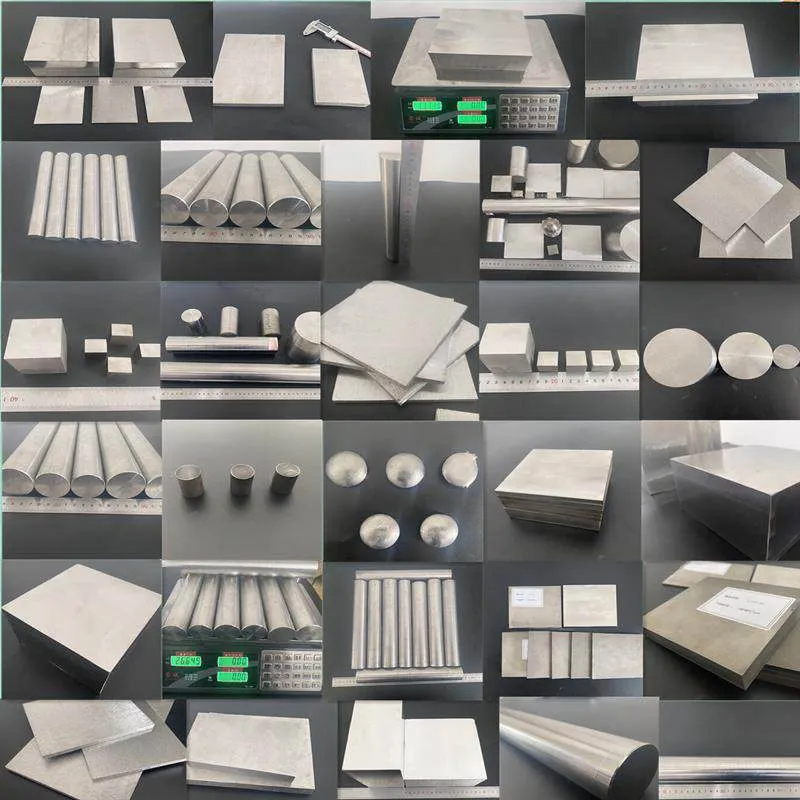
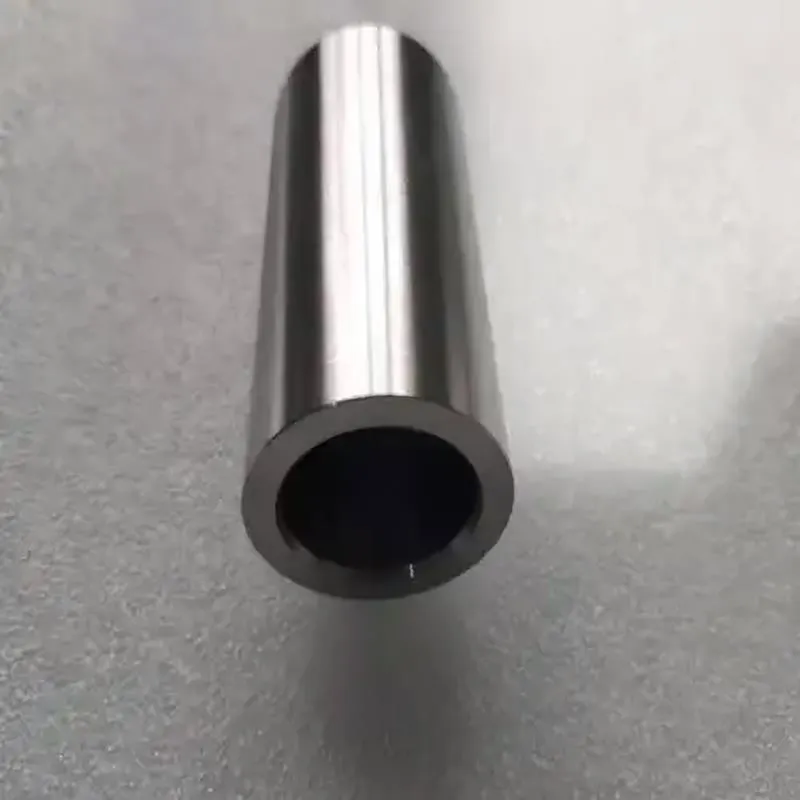
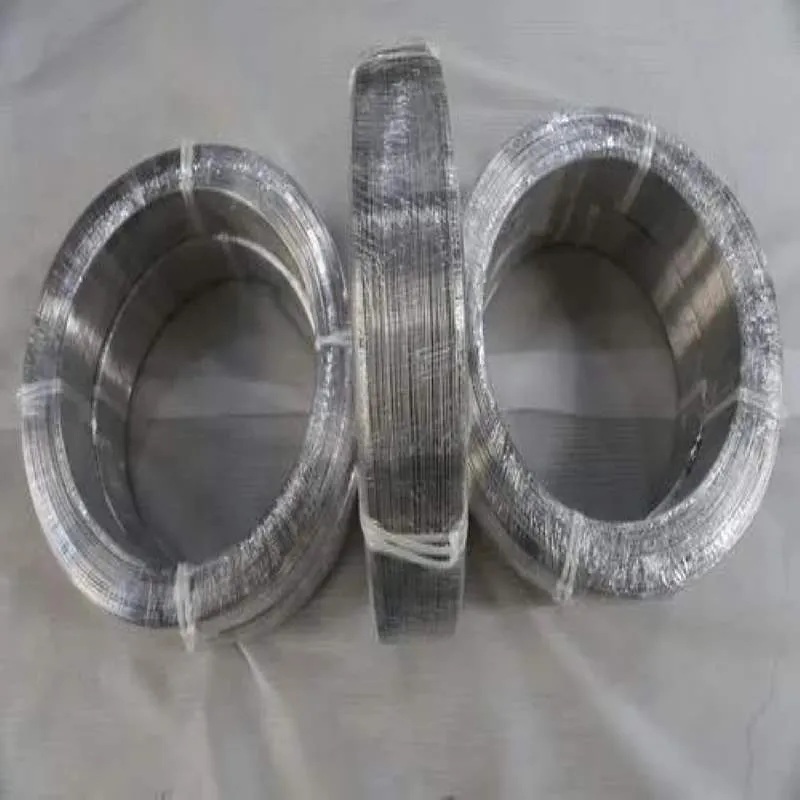
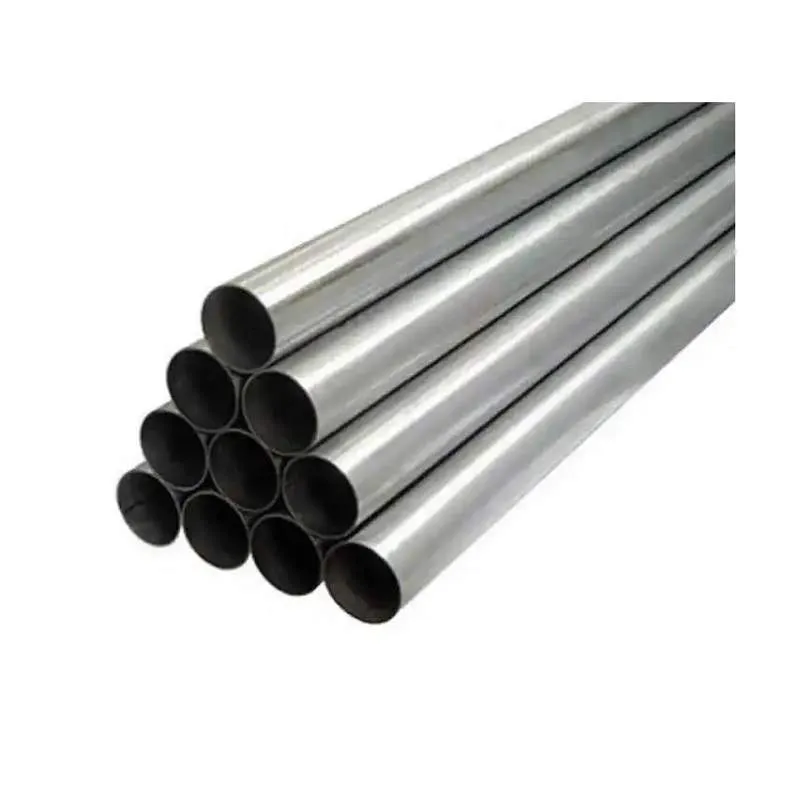
We provide AISI 1095 Steel, normalized at 900°C (1650°F) is available in Bar (Round bar, Flat bar), Ribbon, Wire, Rods, Tube,Seamless Tube,Pipe, Ingots, Plate, Sheet, Strip and Forging Stock.,Purity, chemical composition, size, etc. can all be customized to meet specific requirements.
Please contact us if you need customized services. We will contact you with the price and availability in 24 hours.
AISI 1095 Steel, normalized at 900°C (1650°F) Product Information
-:-
For detailed product information, please contact sales.
-:
AISI 1095 Steel, normalized at 900°C (1650°F) Synonyms
-:-
For detailed product information, please contact sales.
-:
AISI 1095 Steel, normalized at 900°C (1650°F) Product Information
-:-
For detailed product information, please contact sales.
-:
### **Product Data Sheet: AISI 1095 Steel - Normalized at 900°C (1650°F)**
#### **1. Overview**
This datasheet describes **AISI 1095 ultra-high-carbon steel in a normalized condition**. The material has been subjected to a specific heat treatment: heated to 900°C (1650°F) and subsequently cooled in still air. This process refines the coarse, segregated microstructure of the as-rolled state, producing a more uniform and finer pearlitic structure. Normalization serves as a critical intermediate or preparatory treatment for AISI 1095, enhancing its machinability, relieving internal stresses, and most importantly, creating a consistent and responsive starting condition for the final hardening process. It is a necessary step to ensure predictable and optimal results when this steel is quenched to achieve its maximum hardness.
---
#### **2. Chemical Composition (AISI/SAE Standard)**
| Element | Content (%) |
| :--- | :--- |
| **Carbon (C)** | **0.90 - 1.03** |
| **Manganese (Mn)** | 0.30 - 0.50 |
| **Phosphorus (P)** | ≤ 0.040 |
| **Sulfur (S)** | ≤ 0.050 |
| **Silicon (Si)** | 0.15 - 0.35 |
| **Iron (Fe)** | Balance |
---
#### **3. Physical & Mechanical Properties (Normalized Condition)**
*Properties are for the material after normalization and air cooling. Section size significantly affects results; data is typical for moderate sections (e.g., 10-25 mm).*
| Property | Typical Value / Description |
| :--- | :--- |
| **Condition** | Normalized (Austenitized at 900°C, Air Cooled) |
| **Microstructure** | **Fine to Medium Pearlite** + **Discontinuous Network of Proeutectoid Cementite**. The normalization breaks up the continuous as-rolled cementite network, improving toughness. |
| **Hardness** | **241 - 302 HB** (Brinell) / **~22-32 HRC** |
| **Tensile Strength** | **760 - 930 MPa (110 - 135 ksi)** |
| **Yield Strength (0.2% Offset)** | **415 - 550 MPa (60 - 80 ksi)** |
| **Elongation (in 50 mm)** | **~ 10 - 14%** |
| **Reduction in Area** | **~ 20 - 30%** |
| **Grain Size** | **Refined** compared to as-rolled. Austenite grain size is typically ASTM 6-8. |
| **Machinability** | **Improved over as-rolled state.** The finer, more uniform pearlite allows for more consistent cutting and better surface finish, though it remains abrasive. |
| **Internal Stress** | Significantly reduced. The thermal cycle relieves most rolling stresses. |
| **Hardenability Response** | **Excellent and More Predictable.** The homogeneous, fine-grained structure provides a uniform foundation. It allows for more consistent austenitization, leading to uniform hardness, less distortion, and reduced risk of quench cracking compared to starting from an as-rolled state. |
---
#### **4. Key Characteristics & Metallurgical Rationale**
* **Microstructure Homogenization:** Heating above the Acm temperature ensures all carbides dissolve into austenite. Upon air cooling, a new, more uniform pearlitic structure forms, eliminating the chemical banding and coarse structure from rolling.
* **Cementite Network Refinement:** A key benefit for AISI 1095. The process interrupts the continuous, brittle cementite network at grain boundaries, converting it into a more isolated, discontinuous form. This measurably improves toughness and reduces notch sensitivity.
* **Ideal Pre-Condition for Hardening:** This is the **primary purpose** of normalizing AISI 1095. For parts destined for quenching (e.g., knives, tools), normalization is highly recommended. It creates a clean, consistent starting structure that leads to:
* More uniform response to austenitizing.
* More consistent as-quenched hardness.
* Reduced risk of distortion and cracking.
* Improved toughness in the final hardened part.
* **Not a Final High-Performance State:** The hardness and strength, while improved, are far below the steel's potential. This is a processing step, not an end-use condition for demanding applications.
---
#### **5. Typical Applications**
**Overwhelmingly as a Preparatory Condition (for subsequent hardening):**
* **Pre-Machining Treatment for Blades and Tools:** Standard practice for **knife blanks, cutting tools, and tooling components** that will be profiled, ground, or machined before final quench and temper.
* **Spring Stock Preparation:** For **flat spring stock or wire** that will be formed and then hardened, normalization ensures uniform response.
* **Post-Forging Treatment:** Used to refine the grain structure of **forged components** (e.g., hammer heads, tool blanks) before machining and hardening.
**As a Final Condition (Limited, Non-Critical Uses):**
* **Low-stress, wear-resistant components** where moderate hardness is sufficient (e.g., some non-precision guides, spacers).
* **Components destined for further surface hardening** (e.g., carburizing is not typical for 1095, but induction hardening could be applied).
---
#### **6. Relevant International Standards & Specifications**
| Standard / Aspect | Relevance |
| :--- | :--- |
| **Base Material Standard** | **AISI 1095 / SAE J403 / UNS G10950** |
| **Heat Treatment Specification** | Commonly specified on drawings as: "Normalize: Heat to 900°C (1650°F), air cool." |
| **ASTM A29/A29M** | Covers the base hot-rolled bar stock prior to normalization. |
| **SAE J416** | Standard for heat treatment of steel, providing foundational procedures. |
| **DIN / EN Equivalent** | **1.1545 / C100W2**. Normalizing is a standard option under EN 10083. |
---
### **Critical Processing & Design Considerations**
1. **Section Size Sensitivity:** The cooling rate in air depends heavily on part mass. **Thin sections will be harder and finer**; **thick sections will be softer and coarser**. The 900°C temperature is appropriate for moderate sections; for very thin stock, a slightly lower temperature (e.g., 870°C) may be used to prevent excessive grain growth.
2. **Decarburization:** Heating to 900°C in an oxidizing atmosphere will cause **significant surface decarburization**. For critical applications like blades, this layer must be removed by subsequent grinding/machining, or the process should be done in a protective/controlled atmosphere.
3. **Immediate Next Steps:** After normalization, parts are typically machined to near-final dimensions and then hardened. It is not recommended to let normalized parts sit for long periods under stress before hardening.
4. **Not a Substitute for Annealing:** For maximum machinability or cold formability, a **full anneal or spheroidize anneal** is required. Normalization is for refining structure prior to hardening.
**Summary: AISI 1095 normalized at 900°C represents a refined and optimized intermediate state of this ultra-high-carbon steel.** It delivers a **more uniform microstructure, improved toughness, and excellent preparedness for the final hardening operation.** For manufacturers of high-performance blades, tools, and springs, normalization is a **critical quality control step** that ensures consistency, reliability, and safety in the subsequent quench, unlocking the steel's full potential for extreme hardness and performance. It is the responsible and professional precursor to making the most of this demanding grade.
-:-
For detailed product information, please contact sales.
-:
AISI 1095 Steel, normalized at 900°C (1650°F) Specification
Dimensions
Size:
Diameter 20-1000 mm Length <4901 mm
Size:We can customized as required
Standard:
Per your request or drawing
We can customized as required
Properties(Theoretical)
Chemical Composition
-:-
For detailed product information, please contact sales.
-:
AISI 1095 Steel, normalized at 900°C (1650°F) Properties
-:-
For detailed product information, please contact sales.
-:
Applications of AISI 1095 Steel, normalized at 900°C (1650°F)
-:-
For detailed product information, please contact sales.
-:
Chemical Identifiers AISI 1095 Steel, normalized at 900°C (1650°F)
-:-
For detailed product information, please contact sales.
-:
Packing of AISI 1095 Steel, normalized at 900°C (1650°F)
-:-
For detailed product information, please contact sales.
-:
Standard Packing:
-:-
For detailed product information, please contact sales.
-:
Typical bulk packaging includes palletized plastic 5 gallon/25 kg. pails, fiber and steel drums to 1 ton super sacks in full container (FCL) or truck load (T/L) quantities. Research and sample quantities and hygroscopic, oxidizing or other air sensitive materials may be packaged under argon or vacuum. Solutions are packaged in polypropylene, plastic or glass jars up to palletized 1372 gallon liquid totes Special package is available on request. E FORUs’ is carefully handled to minimize damage during storage and transportation and to preserve the quality of our products in their original condition