AISI 1095 Steel, as rolled
Product Code : STI-CSTI-168-CU
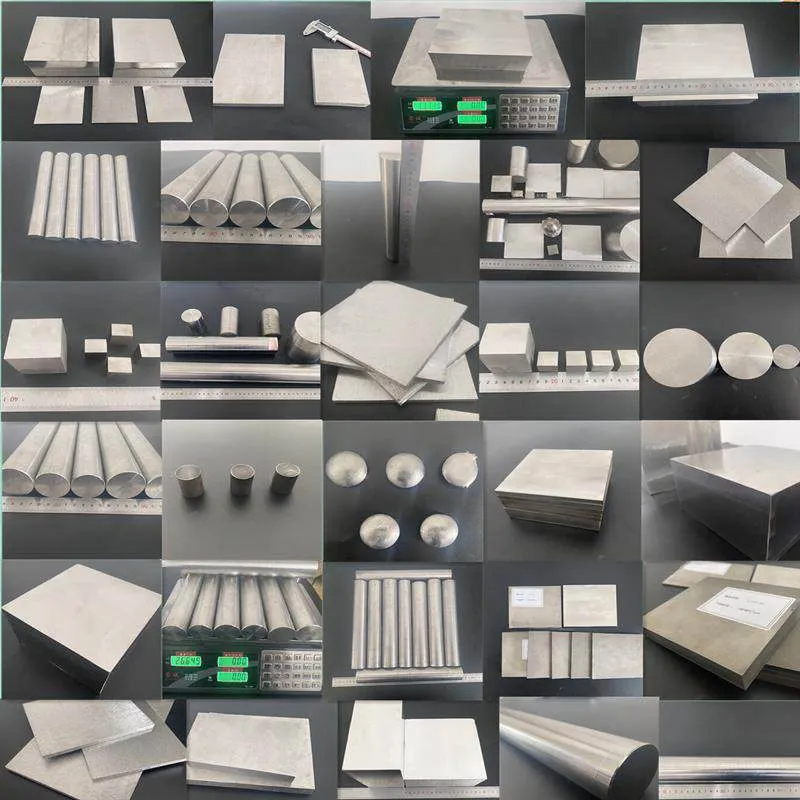
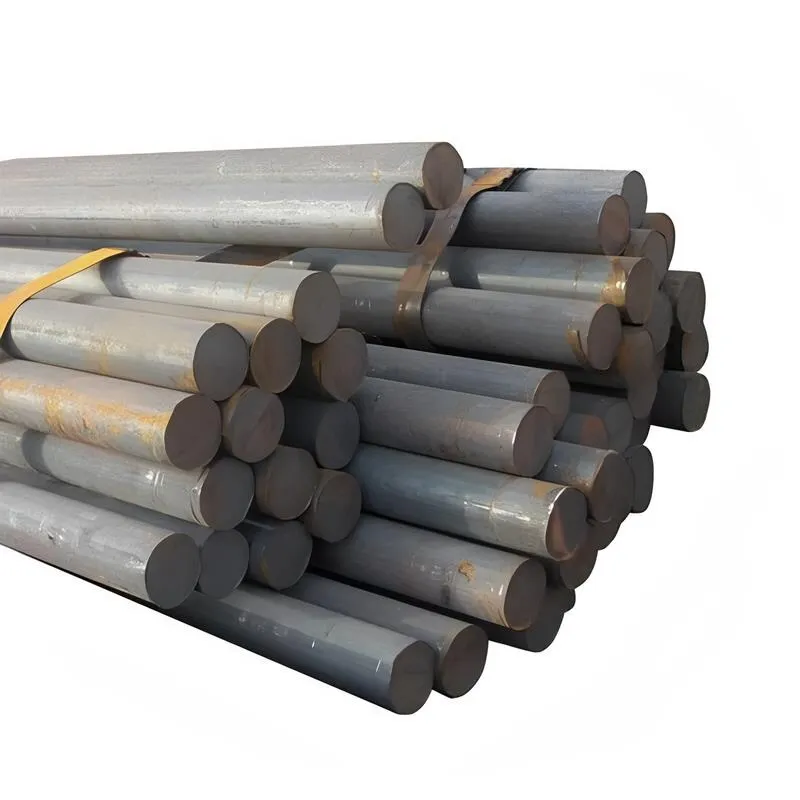
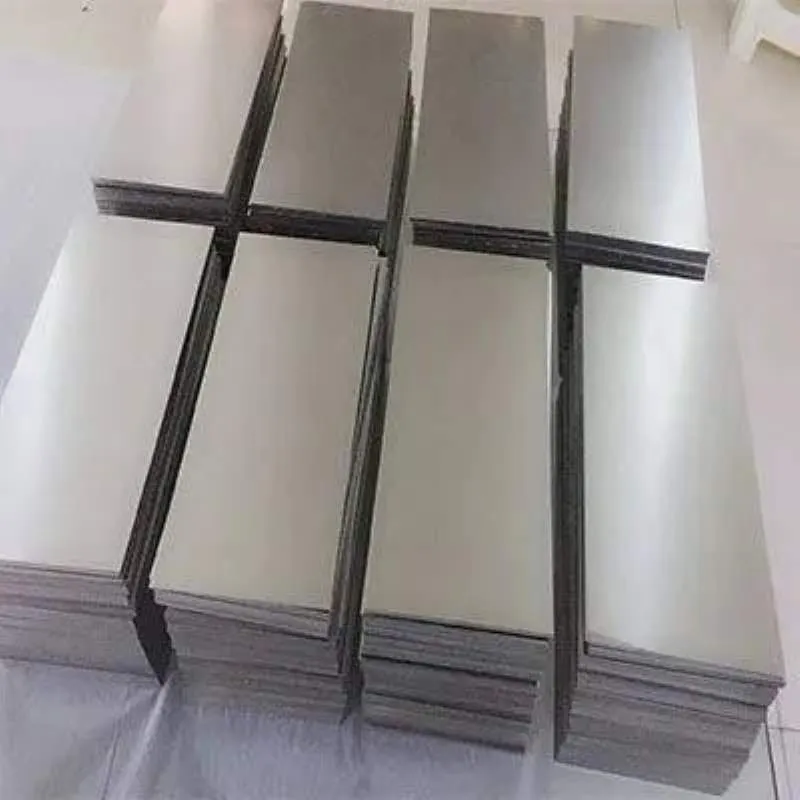
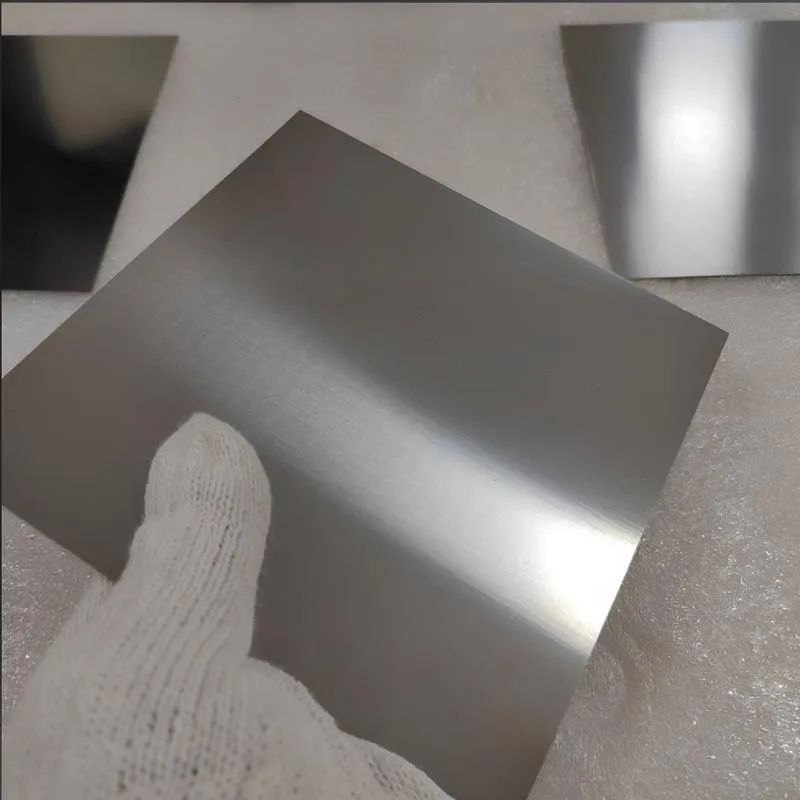
We provide AISI 1095 Steel, as rolled is available in Bar (Round bar, Flat bar), Ribbon, Wire, Rods, Tube,Seamless Tube,Pipe, Ingots, Plate, Sheet, Strip and Forging Stock.,Purity, chemical composition, size, etc. can all be customized to meet specific requirements.
Please contact us if you need customized services. We will contact you with the price and availability in 24 hours.
AISI 1095 Steel, as rolled Product Information
-:-
For detailed product information, please contact sales.
-:
AISI 1095 Steel, as rolled Synonyms
-:-
For detailed product information, please contact sales.
-:
AISI 1095 Steel, as rolled Product Information
-:-
For detailed product information, please contact sales.
-:
### **Product Data Sheet: AISI 1095 Steel, As-Rolled Condition**
#### **1. Overview**
AISI 1095 (UNS G10950) in the **as-rolled condition** refers to the standard, unprocessed state of this ultra-high-carbon steel directly after hot-rolling and air-cooling. As the highest standard grade in the AISI 10xx series, it features a carbon content approaching the eutectoid point, making it the benchmark for maximum achievable hardness in plain carbon steel. In this state, it possesses a characteristic dark, scaled surface and a predominantly pearlitic microstructure, often with visible proeutectoid cementite networks. The as-rolled condition provides a foundation of moderate strength and fair machinability, serving as the essential, economical raw material for components destined for forging, machining, and—most critically—expert-level heat treatment to achieve legendary performance in hardness and wear resistance.
---
#### **2. Chemical Composition (AISI/SAE Standard)**
| Element | Content (%) |
| :--- | :--- |
| **Carbon (C)** | **0.90 - 1.03** |
| **Manganese (Mn)** | 0.30 - 0.50 |
| **Phosphorus (P)** | ≤ 0.040 |
| **Sulfur (S)** | ≤ 0.050 |
| **Silicon (Si)** | 0.15 - 0.35 |
| **Iron (Fe)** | Balance |
**Note:** The carbon content (0.90-1.03%) defines this grade. The relatively low manganese range (0.30-0.50%) distinguishes it from similar high-carbon grades like 1084/1085, slightly reducing its hardenability depth but maximizing achievable surface hardness. This is the quintessential "simple steel" for maximum hardness.
---
#### **3. Typical Physical & Mechanical Properties (As-Rolled)**
*Properties are for the material after hot rolling and natural cooling, with no subsequent thermal treatment.*
| Property | Typical Value / Description |
| :--- | :--- |
| **Condition** | Hot-Rolled & Air-Cooled (Mill Condition) |
| **Microstructure** | **Coarse Pearlite + Proeutectoid Cementite Network** at grain boundaries. The cementite network can be pronounced and contributes to brittleness. |
| **Density** | 7.85 g/cm³ (0.284 lb/in³) |
| **Modulus of Elasticity** | 190-210 GPa (27.5-30.5 x 10⁶ psi) |
| **Tensile Strength** | **710 - 900 MPa (103 - 131 ksi)** |
| **Yield Strength (0.2% Offset)** | **400 - 520 MPa (58 - 75 ksi)** |
| **Elongation (in 50 mm / 2 in)** | **~ 8 - 11%** |
| **Reduction in Area** | **~ 15 - 20%** |
| **Hardness** | **212 - 269 HB** (Brinell) |
| **Machinability** | **Poor (~40% of AISI 1212).** The hard, abrasive pearlite and cementite structure rapidly wears cutting tools. Machinability improves significantly if the material is first annealed or normalized. |
| **Surface Finish** | Characteristic black oxide mill scale. A decarburized surface layer is typically present and must be removed for critical applications. |
| **Internal Stress** | May contain residual thermal stresses from uneven cooling after rolling. |
---
#### **4. Key Characteristics & Metallurgical Behavior**
* **Foundation for Maximum Hardness:** The as-rolled state is merely the starting point. Its very high carbon content in a pearlitic form provides the chemical potential for extreme hardness (up to 66-68 HRC) but offers only a fraction of that performance in this condition.
* **Moderate As-Supplied Strength:** Provides sufficient strength for handling, transportation, and initial fabrication steps like cutting or rough machining.
* **Low Ductility & High Brittleness:** The pearlitic structure combined with a continuous grain boundary cementite network makes it relatively brittle. It is **not suitable for any significant cold forming** without risk of cracking.
* **Scale and Decarburization:** The hot-rolling process results in surface scale and a measurable decarburized layer, which must be accounted for in final machining allowances (typically 0.5-1.5 mm per side to be removed).
* **Extremely Poor Weldability:** **Not recommended under any circumstances.** The high carbon content, combined with the as-rolled structure and residual stresses, creates an extreme risk of cracking in the heat-affected zone. Repair welding is exceptionally difficult.
* **Performance is Entirely Heat-Treatment Dependent:** The true value and reputation of AISI 1095—exceptional edge retention, wear resistance, and spring properties—are achieved **only** through precise and skilled quenching and tempering.
---
#### **5. Primary Product Applications (As a Raw Material)**
As-rolled AISI 1095 is used almost exclusively as feedstock for manufacturing components that will undergo further processing.
* **Forging Stock:** The primary application. Used as billets or bars for **hot forging** into knives, tools (chisels, punches), and other implements where the final shape is formed hot.
* **Machined Parts:** For components that will be **machined and then heat-treated**, such as blades, cutters, and non-precision wear parts.
* **Spring Material:** Purchased as-rolled for subsequent **hot forming or coiling of springs** (e.g., leaf springs, torsion bars), followed by hardening and tempering.
* **Tool & Blade Blanks:** The standard starting material for knifemakers and toolmakers who will profile, grind, and then heat-treat the final product.
---
#### **6. Relevant International & Industry Standards**
As-rolled product is typically supplied to general material standards.
| Standard System | Standard Designation | Title / Scope |
| :--- | :--- | :--- |
| **AISI / SAE / UNS (USA)** | **1095, SAE J403, UNS G10950** | Standard Grade Designation |
| **ASTM (USA)** | **ASTM A29/A29M** | Standard Specification for Steel Bars, Carbon and Alloy, Hot-Wrought (Common procurement standard) |
| **ASTM (USA)** | **ASTM A576** | Specification for Steel Bars, Carbon, Hot-Wrought, Special Quality (For more stringent requirements) |
| **DIN / EN (Germany/EU)** | **1.1545 / C100W2** | EN 10083-2: Steels for quenching and tempering. Specifies the grade, with condition to be agreed. |
| **JIS (Japan)** | **SWRH95A / SWRH100A** | High Carbon Steel Wire Rods. As-rolled is a common supply condition. |
| **GB (China)** | **T10(A) / 95#** | Tool Steel (GB/T 1298) or Quality Carbon Structural Steel (GB/T 699). |
---
### **Typical Manufacturing Sequence**
1. **Procurement:** Purchase AISI 1095 in as-rolled bars or flats.
2. **Pre-Processing:** Remove scale via shot blasting, grinding, or pickling. For critical parts (e.g., knives), normalization or annealing is often performed first to refine grain structure and improve machinability.
3. **Forming:** Shape the component via **hot forging, hot bending, or machining**.
4. **Heat Treatment (The Critical Step):** Perform **precise austenitizing, quenching (typically in warm oil), and tempering** to achieve final properties.
5. **Finishing:** Final grinding, polishing, or surface coating.
**Summary:** **AISI 1095 in the as-rolled condition is the fundamental, high-potential form of the hardest standard carbon steel.** It is a commodity material chosen for its **low initial cost and exceptional transformational potential**. Its value lies not in its delivered state, but entirely through the skilled application of downstream thermal processes. It is the raw material of choice for blacksmiths, bladesmiths, and spring manufacturers who possess the expertise to heat-treat it into a product renowned for its extreme hardness and performance. This condition represents pure potential, demanding respect and skill to unlock.
-:-
For detailed product information, please contact sales.
-:
AISI 1095 Steel, as rolled Specification
Dimensions
Size:
Diameter 20-1000 mm Length <4900 mm
Size:We can customized as required
Standard:
Per your request or drawing
We can customized as required
Properties(Theoretical)
Chemical Composition
-:-
For detailed product information, please contact sales.
-:
AISI 1095 Steel, as rolled Properties
-:-
For detailed product information, please contact sales.
-:
Applications of AISI 1095 Steel, as rolled
-:-
For detailed product information, please contact sales.
-:
Chemical Identifiers AISI 1095 Steel, as rolled
-:-
For detailed product information, please contact sales.
-:
Packing of AISI 1095 Steel, as rolled
-:-
For detailed product information, please contact sales.
-:
Standard Packing:
-:-
For detailed product information, please contact sales.
-:
Typical bulk packaging includes palletized plastic 5 gallon/25 kg. pails, fiber and steel drums to 1 ton super sacks in full container (FCL) or truck load (T/L) quantities. Research and sample quantities and hygroscopic, oxidizing or other air sensitive materials may be packaged under argon or vacuum. Solutions are packaged in polypropylene, plastic or glass jars up to palletized 1371 gallon liquid totes Special package is available on request. E FORUs’ is carefully handled to minimize damage during storage and transportation and to preserve the quality of our products in their original condition