AISI 1137 Steel, oil quenched
Product Code : STI-CSTI-228-CU
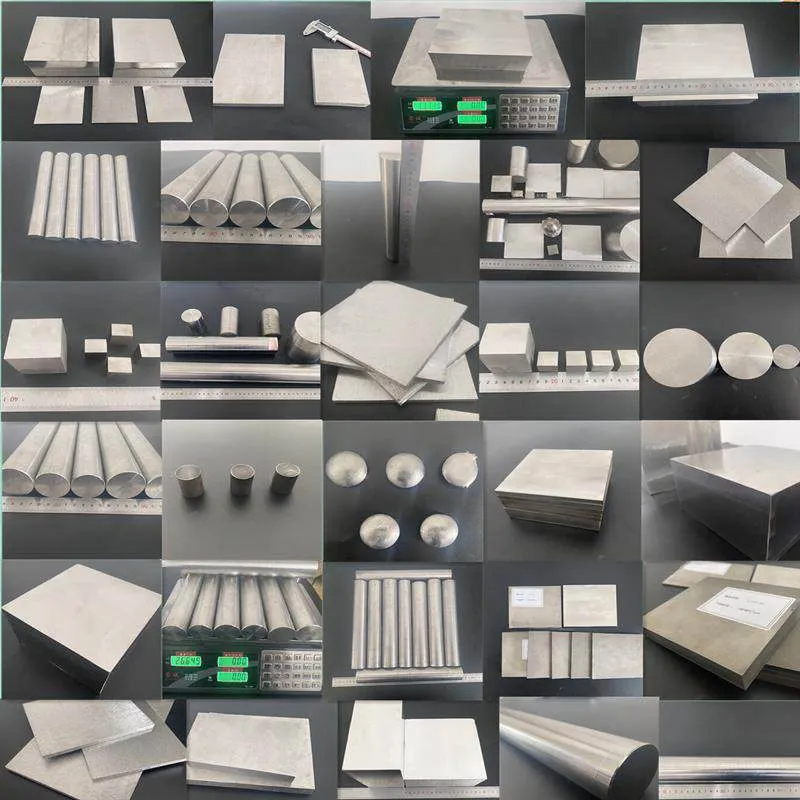
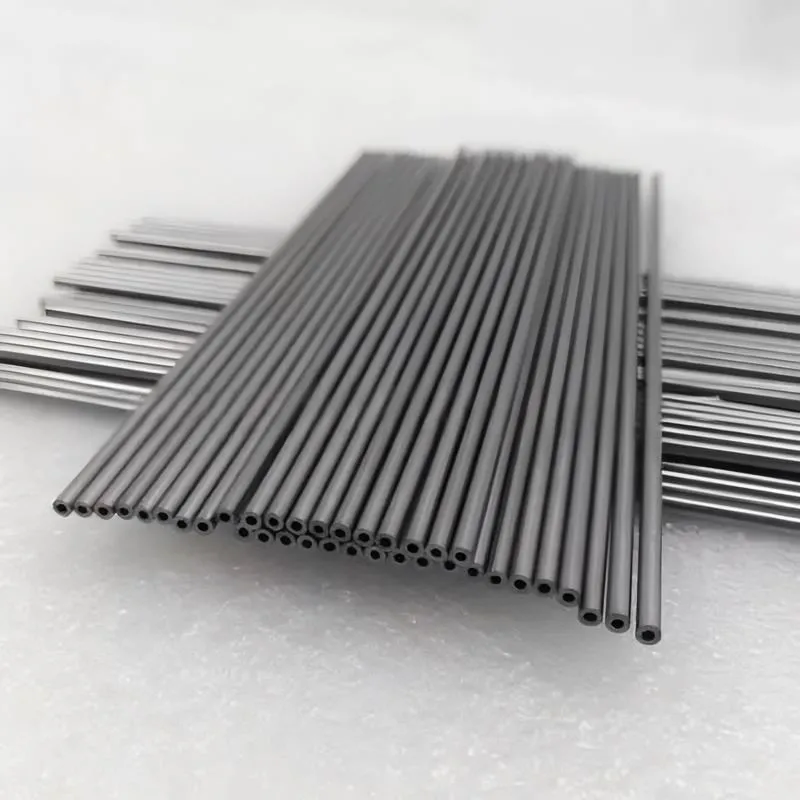
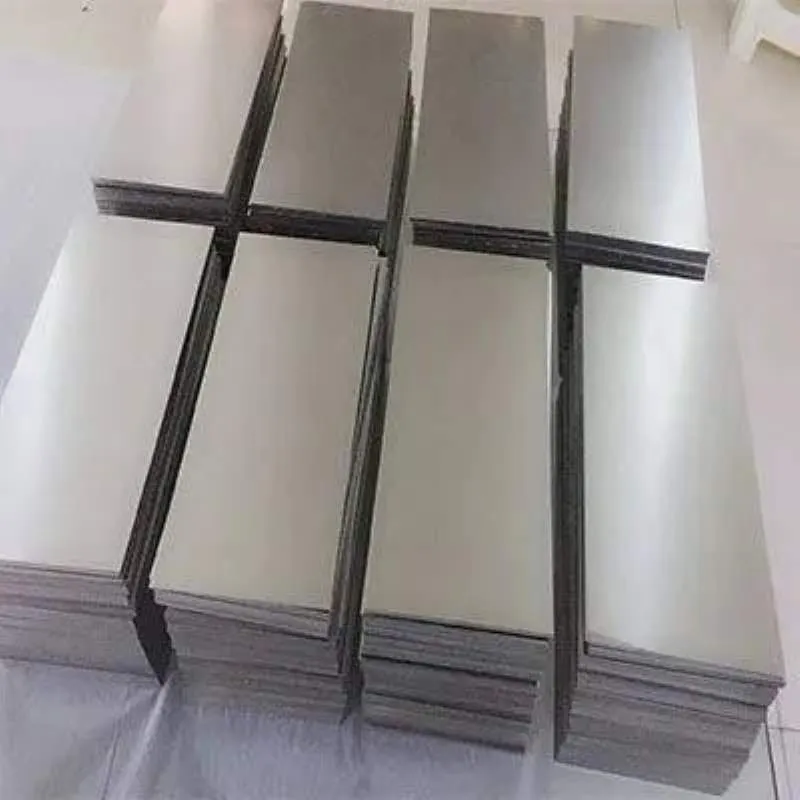
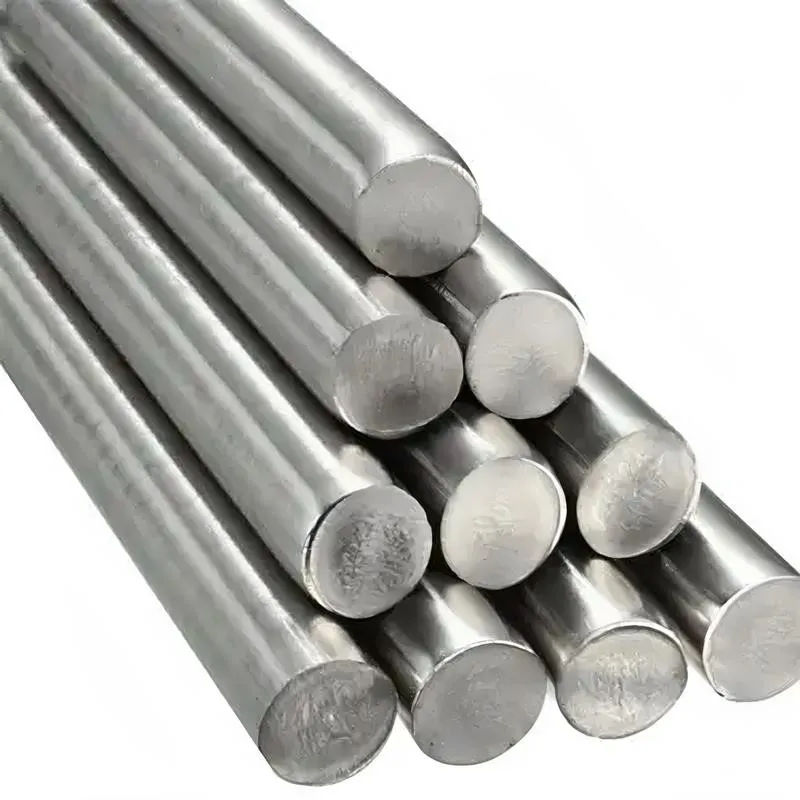
We provide AISI 1137 Steel, oil quenched from 855°C (1570°F), 540°C (1000°F) temper, round is available in Bar (Round bar, Flat bar), Ribbon, Wire, Rods, Tube,Seamless Tube,Pipe, Ingots, Plate, Sheet, Strip and Forging Stock.,Purity, chemical composition, size, etc. can all be customized to meet specific requirements.
Please contact us if you need customized services. We will contact you with the price and availability in 24 hours.
AISI 1137 Steel, oil quenched from 855°C (1570°F), 540°C (1000°F) temper, round Product Information
-:-
For detailed product information, please contact sales.
-:
AISI 1137 Steel, oil quenched from 855°C (1570°F), 540°C (1000°F) temper, round Synonyms
-:-
For detailed product information, please contact sales.
-:
AISI 1137 Steel, oil quenched from 855°C (1570°F), 540°C (1000°F) temper, round Product Information
-:-
For detailed product information, please contact sales.
-:
## **Product Data Sheet: AISI 1137 Steel - Quenched & Tempered Condition**
**Product Designation:** AISI 1137 Steel, Oil Quenched from 855°C (1570°F), Tempered at 540°C (1000°F), Round Bar
---
### **1. Product Overview**
**AISI 1137** is a medium-carbon, **resulfurized free-machining steel** that, in its annealed state, offers excellent machinability. This datasheet defines material that has undergone a **quenching and tempering (Q&T) heat treatment** to achieve significantly enhanced mechanical properties:
- **Austenitizing:** 855°C (1570°F)
- **Quenching Medium:** Oil
- **Tempering:** 540°C (1000°F)
This specific heat treatment cycle transforms the material into a **strong, wear-resistant, and tough engineering steel** suitable for demanding applications. The oil quench provides a less severe cooling rate than water, reducing the risk of distortion and quench cracking, particularly for parts with complex geometries or moderate cross-sections. The 540°C tempering temperature produces a **tempered martensite structure** that balances high strength with good toughness.
**Key Characteristics of this Heat Treated Condition:**
* **High Strength & Good Toughness:** The Q&T process significantly increases tensile and yield strength while maintaining substantial impact resistance, making it suitable for dynamically loaded components.
* **Good Wear Resistance:** The resulting hardness provides excellent resistance to abrasion and surface wear.
* **Reduced Processing Risk:** Oil quenching minimizes the thermal shock associated with water quenching, leading to lower residual stresses, less distortion, and a dramatically reduced risk of cracking.
* **Favorable Pre-Hardening Machinability:** In its annealed or normalized state (prior to Q&T), the sulfur content provides superior free-machining characteristics, allowing complex parts to be economically produced before final hardening.
---
### **2. Chemical Composition (Standard % by Weight)**
The composition provides the necessary hardenability for oil quenching and a foundation for strength.
| Element | Content (%) | Role in Heat Treatment |
| :--- | :--- | :--- |
| **Carbon (C)** | 0.32 - 0.39 | **Primary hardening element.** Enables the formation of high-strength martensite upon quenching. |
| **Manganese (Mn)** | 1.35 - 1.65 | **Critical for Hardenability.** Ensures sufficient depth of hardening with an oil quench, allowing through-hardening of moderate sections. |
| **Phosphorus (P)** | ≤ 0.040 | Residual element; kept low to prevent embrittlement. |
| **Sulfur (S)** | 0.08 - 0.13 | **Machinability enhancer.** Forms beneficial MnS inclusions for chip breaking in the pre-hardened state. Contributes to directional (anisotropic) properties. |
| **Iron (Fe)** | Balance | Base metal. |
---
### **3. Heat Treatment Parameters & Resulting Mechanical Properties**
*Properties are typical for round bars in the 25-50 mm (1-2 inch) diameter range. The oil quench provides a good balance of hardness and low distortion.*
| **Heat Treatment Cycle** | **Parameters** | **Objective** |
| :--- | :--- | :--- |
| **Austenitizing** | 855°C (1570°F) | Achieve complete austenitization with a fine grain size. |
| **Quenching** | Fast Oil, Agitated | Transform austenite to martensite with minimal risk of cracking. |
| **Tempering** | 540°C (1000°F) | Relieve quenching stresses, optimize toughness and ductility while retaining high strength. |
| **Mechanical Property** | **Typical Range** | **Notes** |
| :--- | :--- | :--- |
| **Tensile Strength** | 900 - 1050 MPa (130,000 - 152,000 psi) | High strength level. |
| **Yield Strength (0.2% Offset)** | 750 - 900 MPa (109,000 - 130,000 psi) | Excellent yield strength. |
| **Elongation (in 50 mm)** | 14% - 18% | Moderate ductility. |
| **Reduction of Area** | 40% - 55% | Good ductility for a hardened steel. |
| **Hardness** | 28 - 34 HRC (285 - 320 HB) | Provides good wear resistance. |
| **Charpy V-Notch Impact** | 25 - 40 J (18 - 30 ft-lb) | Good toughness for this strength level. |
---
### **4. International Standards & Cross-References**
| Standard System | Equivalent Designation | Base Material Specification | Note |
| :--- | :--- | :--- | :--- |
| **ASTM / AISI (USA)** | AISI 1137 | ASTM A108 | Heat treatment is a customer-specific requirement. |
| **SAE (USA)** | SAE 1137 | SAE J403, J412 | |
| **UNS (USA)** | G11370 | - | |
| **DIN (Germany)** | **1.0735** (40S20) | DIN EN 10277 | Functionally similar resulfurized grade. |
| **BS (UK)** | **216M36** | BS 970 | Similar free-cutting manganese steel. |
---
### **5. Primary Applications**
This oil-quenched and tempered condition of AISI 1137 is selected for components that require high strength, good wear resistance, and moderate toughness, and where parts can be machined economically before hardening.
* **High-Strength Fasteners & Studs:** Bolts, studs, and pins for critical assemblies in automotive, machinery, and construction.
* **Automotive & Truck Components:** Gears, shafts, axle components, and transmission parts.
* **Hydraulic & Pneumatic Components:** Cylinder rods, piston rods, and high-pressure valve parts requiring strength and wear resistance.
* **Agricultural & Earthmoving Equipment:** Cutting edges, pivot pins, and linkage components subject to abrasion and impact.
* **General Machinery Parts:** Shafts, spindles, rollers, and cam followers operating under high stress.
---
### **6. Processing & Fabrication Notes**
* **Pre-Hardening Machining:** **Must be completed before heat treatment.** The annealed/normalized material offers excellent machinability. All complex geometry, holes, and threads should be finished at this stage.
* **Heat Treatment Specifics:** The **oil quench** is critical for minimizing distortion. For very large diameters (>75mm), hardness may not fully penetrate to the core. Stress relieving after rough machining and before final hardening is recommended for complex parts.
* **Post-Hardening Machining:** Extremely limited. Only grinding, honing, or hard turning with appropriate (CBN/ceramic) tooling is practical.
* **Weldability:** **Very Poor.** The high sulfur content makes it prone to hot cracking. **Welding in the heat-treated condition is prohibited.** Any repair welding requires complete annealing, specialized welding procedures, and re-heat treatment.
* **Cold Forming:** Not possible after heat treatment.
---
### **7. Critical Design & Specification Considerations**
1. **Section Size Limitation:** The effectiveness of through-hardening with an oil quench is governed by the material's hardenability. For larger diameters, specify the required minimum *surface* hardness or consider a steel with higher hardenability (e.g., 4140).
2. **Anisotropy:** Mechanical properties are **anisotropic**. Impact toughness and ductility are significantly lower in the transverse direction (perpendicular to the rolling direction) due to the alignment of MnS inclusions.
3. **Stress Relief:** For parts with complex shapes or sharp section changes, a **stress relief anneal** after rough machining and before the final Q&T cycle is highly recommended to prevent distortion or cracking.
4. **Oil Quench Advantage:** This specification is preferred over water quenching for most parts due to its much lower risk profile, despite a slight potential reduction in maximum achievable hardness.
---
**Disclaimer:** The properties listed are typical for this specific heat treatment. Actual properties depend on section size, exact chemistry, and precise heat treatment control. Prototype testing is essential for critical applications. This heat treatment should be specified and executed under the guidance of a qualified metallurgist or heat treater.
-:-
For detailed product information, please contact sales.
-:
AISI 1137 Steel, oil quenched from 855°C (1570°F), 540°C (1000°F) temper, round Specification
Dimensions
Size:
Diameter 20-1000 mm Length <4960 mm
Size:We can customized as required
Standard:
Per your request or drawing
We can customized as required
Properties(Theoretical)
Chemical Composition
-:-
For detailed product information, please contact sales.
-:
AISI 1137 Steel, oil quenched from 855°C (1570°F), 540°C (1000°F) temper, round Properties
-:-
For detailed product information, please contact sales.
-:
Applications of AISI 1137 Steel, oil quenched from 855°C (1570°F), 540°C (1000°F) temper, round
-:-
For detailed product information, please contact sales.
-:
Chemical Identifiers AISI 1137 Steel, oil quenched from 855°C (1570°F), 540°C (1000°F) temper, round
-:-
For detailed product information, please contact sales.
-:
Packing of AISI 1137 Steel, oil quenched from 855°C (1570°F), 540°C (1000°F) temper, round
-:-
For detailed product information, please contact sales.
-:
Standard Packing:
-:-
For detailed product information, please contact sales.
-:
Typical bulk packaging includes palletized plastic 5 gallon/25 kg. pails, fiber and steel drums to 1 ton super sacks in full container (FCL) or truck load (T/L) quantities. Research and sample quantities and hygroscopic, oxidizing or other air sensitive materials may be packaged under argon or vacuum. Solutions are packaged in polypropylene, plastic or glass jars up to palletized 1431 gallon liquid totes Special package is available on request. E FORUs’ is carefully handled to minimize damage during storage and transportation and to preserve the quality of our products in their original condition