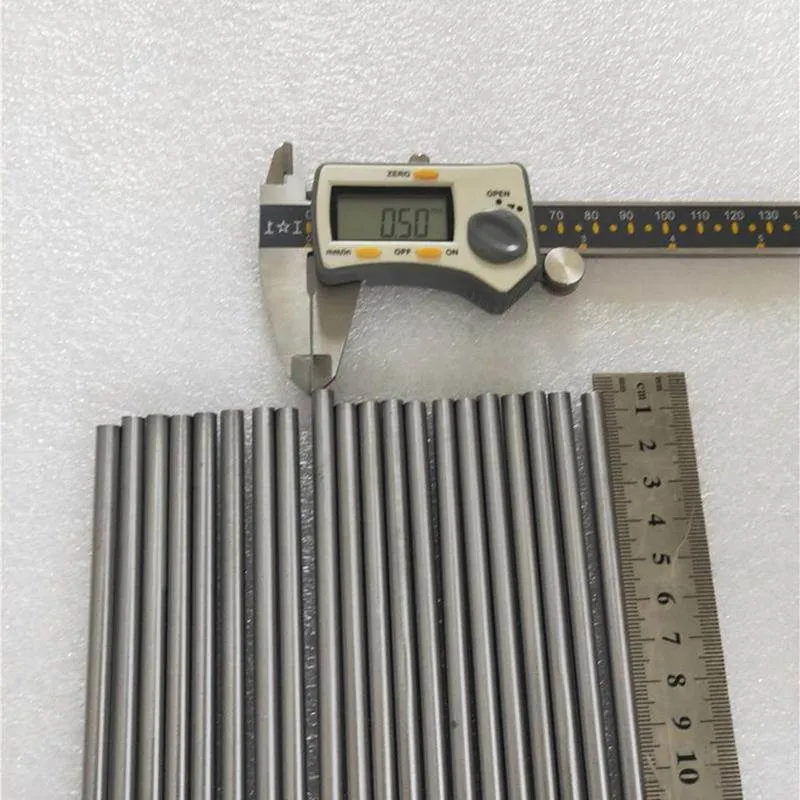
AISI 1144 Steel, oil quenched
Product Code : STI-CSTI-1420-CU
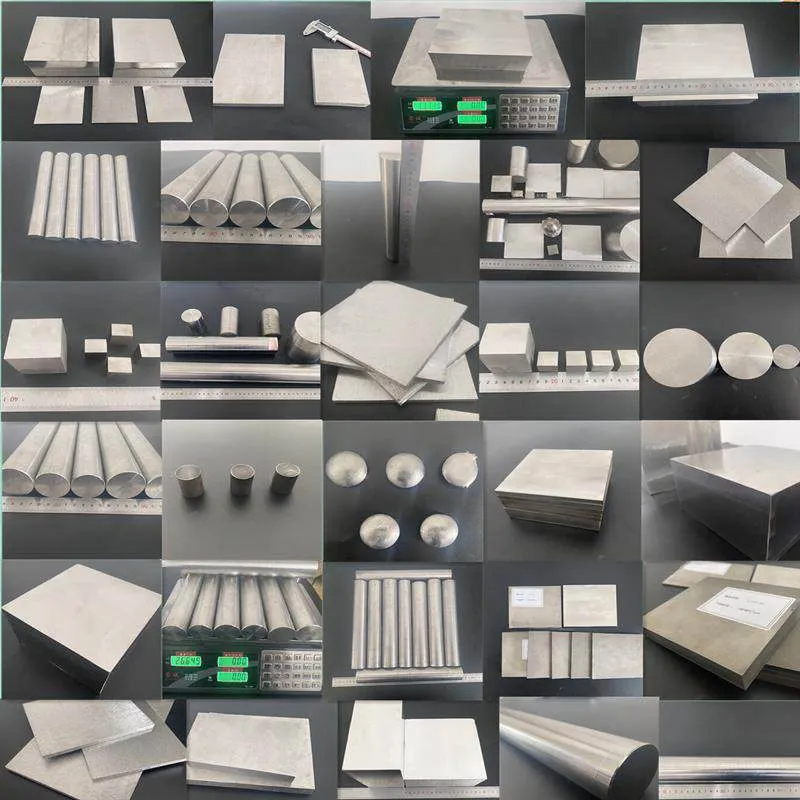
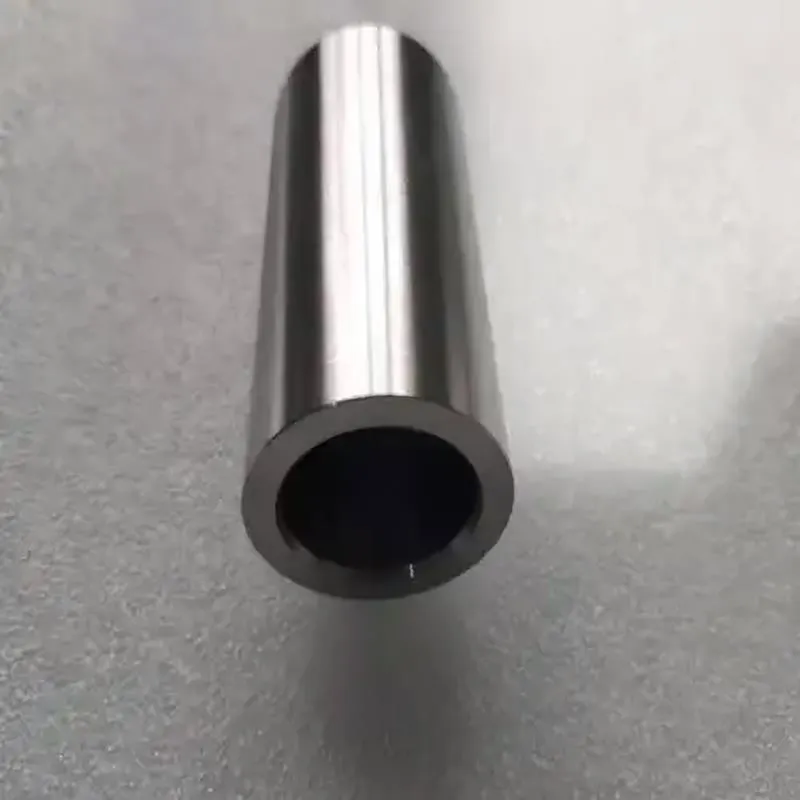
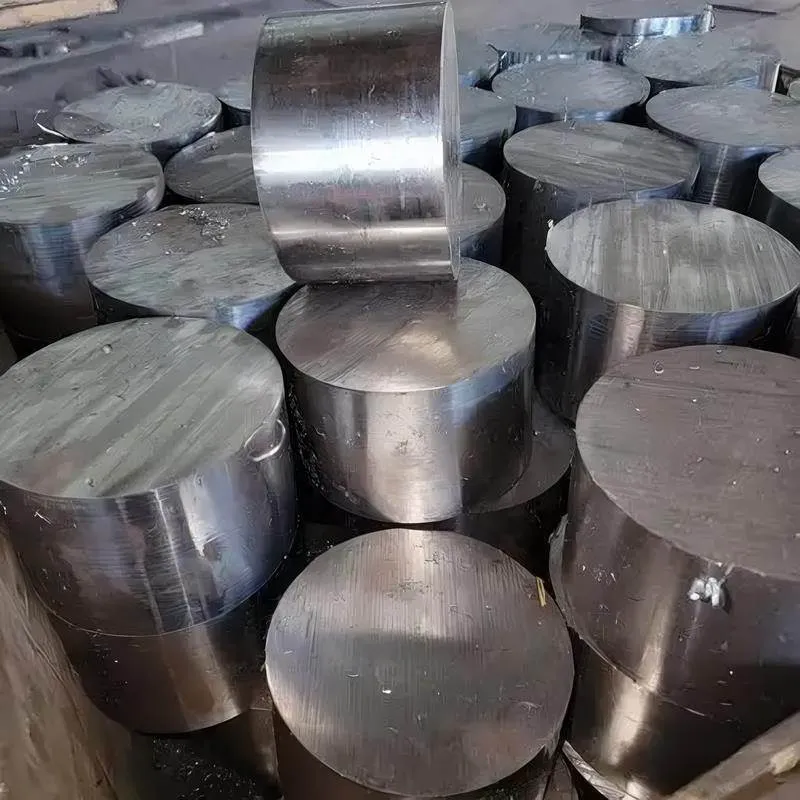
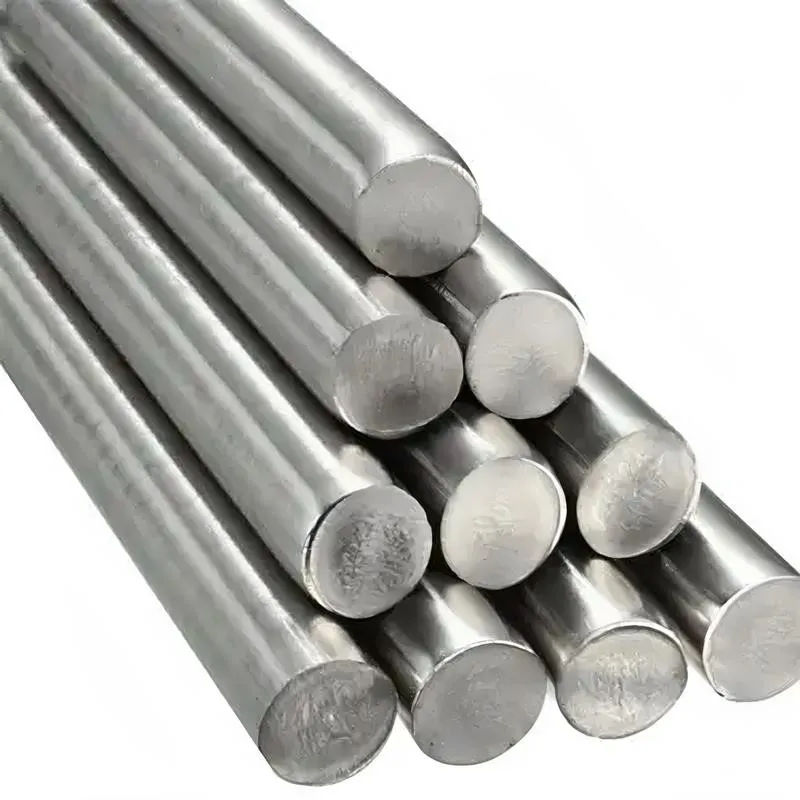
We provide AISI 1144 Steel, oil quenched 845°C (1550°F), 540°C (1000°F) temper is available in Bar (Round bar, Flat bar), Ribbon, Wire, Rods, Tube,Seamless Tube,Pipe, Ingots, Plate, Sheet, Strip and Forging Stock.,Purity, chemical composition, size, etc. can all be customized to meet specific requirements.
Please contact us if you need customized services. We will contact you with the price and availability in 24 hours.
AISI 1144 Steel, oil quenched 845°C (1550°F), 540°C (1000°F) temper Product Information
-:-
For detailed product information, please contact sales.
-:
AISI 1144 Steel, oil quenched 845°C (1550°F), 540°C (1000°F) temper Synonyms
-:-
For detailed product information, please contact sales.
-:
AISI 1144 Steel, oil quenched 845°C (1550°F), 540°C (1000°F) temper Product Information
-:-
For detailed product information, please contact sales.
-:
# **Product Technical Data Sheet: AISI 1144 Quenched & Tempered Steel**
**Product Designation:** AISI 1144 / SAE 1144 Stressproof® Steel
**Heat Treatment:** Oil Quenched at 845°C (1550°F), Tempered at 540°C (1000°F)
**Condition:** Through-Hardened and Tempered to High Strength
**Common Trade Names:** Stressproof, 1144 QT
---
## **1. Overview**
AISI 1144 is a **medium-carbon, resulfurized steel** specifically engineered for applications requiring high strength, good machinability, and dimensional stability. The **heat treatment process** involving oil quenching from 845°C followed by tempering at 540°C produces a tempered martensite microstructure that achieves an optimal balance of strength and toughness. Unlike conventional low-alloy steels, 1144 contains elevated sulfur (0.24-0.33%) which forms manganese sulfide inclusions that significantly improve machinability while the heat treatment provides substantial strength increases. This combination makes it particularly valuable for **high-strength components that require extensive machining**, as it offers excellent mechanical properties in the as-heat-treated condition without sacrificing manufacturability.
## **2. Chemical Composition (Weight %)**
*Unique composition optimized for machinability and response to heat treatment.*
| Element | Content Range (%) | Target Value (%) | Metallurgical Function |
|---------|------------------|-----------------|------------------------|
| **Carbon (C)** | 0.40 - 0.48 | 0.44 | Primary strengthening element, forms martensite during quenching |
| **Manganese (Mn)** | 1.35 - 1.65 | 1.50 | Enhances hardenability, combines with sulfur to form MnS inclusions |
| **Silicon (Si)** | 0.15 - 0.35 | 0.25 | Deoxidizer, provides solid solution strengthening |
| **Phosphorus (P)** | ≤ 0.040 | 0.025 | Residual element (controlled) |
| **Sulfur (S)** | 0.24 - 0.33 | 0.28 | **Key element:** Forms MnS inclusions for improved machinability and chip breaking |
| **Iron (Fe)** | Balance | Balance | Matrix element |
**Critical Composition Features:**
- **High Sulfur Content:** Intentional addition for machinability enhancement (20-30 times higher than standard steels)
- **High Manganese:** Required to combine with sulfur, prevents iron sulfide formation which causes hot shortness
- **Carbon Level:** Optimized for good hardenability while maintaining reasonable ductility after tempering
- **Low Alloy Content:** No chromium, nickel, or molybdenum - cost-effective alternative to alloy steels
## **3. Physical Properties (Quenched & Tempered Condition)**
| Property | Value | Unit | Condition/Notes |
|----------|-------|------|-----------------|
| **Density** | 7.87 | g/cm³ | At 20°C |
| **Melting Range** | 1425 - 1510 | °C | Solidus to liquidus |
| **Modulus of Elasticity** | 200 - 205 | GPa | 29.0 - 29.7 × 10⁶ psi |
| **Shear Modulus** | 78 - 80 | GPa | 11.3 - 11.6 × 10⁶ psi |
| **Poisson's Ratio** | 0.29 | - | Typical for carbon steels |
| **Thermal Conductivity** | 46.0 | W/m·K | At 100°C |
| **Specific Heat Capacity** | 475 | J/kg·K | At 20°C |
| **Coefficient of Thermal Expansion** | 11.5 × 10⁻⁶ | /°C | 20-100°C range |
| **Electrical Resistivity** | 0.20 | μΩ·m | At 20°C |
| **Magnetic Properties** | Ferromagnetic | - | - |
## **4. Mechanical Properties (Q&T, 540°C Temper)**
*Properties shown are typical for medium sections (25-50mm diameter)*
| Property | Value Range | Typical | Test Standard | Notes |
|----------|-------------|---------|---------------|-------|
| **Tensile Strength** | 850 - 1000 MPa | 920 MPa | ASTM E8/E8M | 123-145 ksi |
| **Yield Strength (0.2%)** | 700 - 850 MPa | 780 MPa | ASTM E8/E8M | 102-123 ksi |
| **Elongation (in 50mm)** | 12 - 18% | 15% | ASTM E8/E8M | Good ductility for strength level |
| **Reduction of Area** | 35 - 50% | 42% | ASTM E8/E8M | - |
| **Hardness** | 25 - 32 HRC | 28 HRC | ASTM E18 | Brinell: 255-302 HBW |
| **Impact Energy (Charpy V)** | 25 - 40 J | 32 J | ASTM E23 | At 20°C |
| **Fatigue Strength** | 380 - 450 MPa | 410 MPa | Rotating bending | 10⁷ cycles, R=-1 |
| **Endurance Ratio** | 0.45 - 0.50 | 0.47 | Fatigue/UTS | - |
| **Machinability Rating** | 80 - 85% | 82% | vs. 1212 steel as 100% | **Excellent for strength level** |
## **5. Heat Treatment Process**
### **Quenching & Tempering Cycle:**
1. **Austenitizing:** Heat to **845°C (1550°F)** for 30-45 minutes per inch of thickness
- Complete austenitization ensures uniform microstructure
2. **Quenching:** Oil quench (ISO VG 68-100) with moderate agitation
- Oil temperature: 40-60°C (105-140°F)
- Cooling rate sufficient to form martensite in moderate sections
3. **Tempering:** Heat to **540°C (1000°F)** for 60-90 minutes per inch
- Tempering time allows complete stress relief and carbide precipitation
4. **Cooling:** Air cool after tempering
### **Microstructural Evolution:**
- **As-Quenched:** Lath martensite with minimal retained austenite
- **After 540°C Temper:** Tempered martensite with finely dispersed carbides
- **Inclusion Structure:** Elongated MnS stringers aligned with rolling direction
- **Prior Austenite Grain Size:** ASTM 6-8 (refined by proper heat treatment)
## **6. Key Characteristics & Advantages**
### **Unique Combination of Properties:**
1. **Excellent Machinability:** Sulfur inclusions act as chip breakers, significantly improving tool life
2. **High Strength-to-Cost Ratio:** Achieves alloy steel strength at carbon steel cost
3. **Good Dimensional Stability:** Temper temperature provides effective stress relief
4. **Consistent Properties:** Through-hardening provides uniform properties
5. **No Decarburization Issues:** Typically supplied with decarb-free surface when specified
### **Comparison with Alternative Materials:**
| Property | AISI 1144 Q&T | AISI 4140 Q&T | AISI 1045 Q&T |
|----------|---------------|---------------|---------------|
| **Tensile Strength** | 850-1000 MPa | 850-1000 MPa | 700-850 MPa |
| **Machinability** | **80-85%** | 65-70% | 60-65% |
| **Cost** | **Lowest** | Higher | Slightly lower |
| **Hardenability** | Moderate | High | Low |
| **Typical Applications** | Machined shafts, fasteners | Gears, high-stress parts | General hardware |
## **7. Applications**
### **Primary Applications:**
**Automotive & Transportation:**
- High-strength bolts and studs
- Axle shafts and drive shafts
- Steering components
- Transmission shafts
**Industrial Machinery:**
- Power transmission shafts
- Lead screws and feed rods
- Hydraulic cylinder rods
- Machine tool components
**Fastener & Hardware:**
- Grade 8.8 and higher bolts
- Special high-strength fasteners
- Pins and dowels
- Agricultural equipment parts
**General Manufacturing:**
- Rollers and guides
- Spindles and mandrels
- Structural components requiring machining
- Tool holders and fixtures
### **Component Size Recommendations:**
- **Optimal Diameter:** 15-75 mm (0.6-3.0 inches)
- **Maximum Practical Hardening:** ~50 mm (2 inches) for through-hardening
- **Section Sensitivity:** Properties decrease significantly beyond 75mm diameter
## **8. International Standards & Equivalents**
### **Material Standards:**
| Standard System | Designation | Specification/Equivalent |
|----------------|-------------|-------------------------|
| **AISI/SAE (USA)** | 1144 | SAE J403, J404 |
| **UNS (USA)** | G11440 | Unified Numbering System |
| **ASTM (USA)** | A29/A29M | Grade 1144 |
| **ISO** | ISO 683-18 | 44SMn28 (similar composition) |
| **DIN (Germany)** | 1.0762 | 9SMn28 (similar) |
| **JIS (Japan)** | SUM43 | Japanese free-cutting steel equivalent |
| **GB (China)** | Y40Mn | Chinese free-cutting steel |
### **Heat Treatment Standards:**
- **AMS 2759:** Pyrometry requirements for heat treatment
- **ASTM A255:** Standard test method for end-quench hardenability
- **ISO 4885:** Heat treatment vocabulary
## **9. Quality Assurance & Testing**
### **Standard Testing Requirements:**
1. **Chemical Analysis:** Verify sulfur and manganese content specifically
2. **Mechanical Testing:** Tensile and hardness tests
3. **Microstructural Examination:** Verify tempered martensite structure
4. **Inclusion Rating:** ASTM E45 for MnS inclusion assessment
5. **Decarburization Check:** Particularly important for this application
### **Special Considerations for 1144:**
- **Inclusion Control:** MnS inclusions should be Type II, well-dispersed
- **Transverse Properties:** Typically 60-70% of longitudinal properties due to inclusions
- **Surface Quality:** Often supplied with special surface finish for machining
## **10. Design & Manufacturing Guidelines**
### **Design Considerations:**
- **Directional Properties:** Account for anisotropic behavior due to inclusions
- **Stress Concentrations:** Avoid sharp corners in highly stressed areas
- **Section Size Limits:** Design within effective hardening depth
- **Surface Finish Requirements:** Specify based on application needs
### **Machining Advantages:**
1. **Superior Chip Breaking:** MnS inclusions promote short, broken chips
2. **Extended Tool Life:** Typically 20-30% longer than equivalent strength alloy steels
3. **Higher Machining Speeds:** Can often run at higher speeds than alloy steels
4. **Better Surface Finish:** Often achievable compared to cleaner steels
### **Welding Considerations:**
- **Generally Not Recommended:** Due to high sulfur content causing hot cracking
- **If Required:** Use low-hydrogen electrodes with high preheat (200-300°C)
- **Limited Applications:** Only for non-critical repairs or fabrications
### **Economic Advantages:**
- **Material Cost:** 30-40% lower than equivalent strength alloy steels
- **Machining Cost:** 15-25% lower due to improved machinability
- **Total Cost:** Often 20-35% lower than alloy steel alternatives
- **Value Proposition:** Excellent for high-volume machined components
---
**Technical Summary:**
AISI 1144 quenched and tempered at 540°C represents a cost-effective solution for components requiring the mechanical properties of alloy steels but with significantly better machinability. The high sulfur content (0.24-0.33%) is a deliberate alloying addition that transforms this medium-carbon steel into a free-machining grade capable of achieving tensile strengths over 850 MPa. While it exhibits some anisotropy due to manganese sulfide inclusions, its combination of strength, machinability, and cost makes it uniquely valuable for high-volume production of machined components.
**Application Selection Guidelines:**
1. **Ideal for:** High-volume machined components requiring 850-1000 MPa tensile strength
2. **Avoid for:** Highly stressed components in all directions (due to anisotropy)
3. **Consider alternatives for:** Heavy sections (>75mm) requiring through-hardening
4. **Perfect for:** Automotive and industrial components where machining cost is significant
**Limitations and Considerations:**
- **Anisotropic Properties:** Transverse properties significantly lower than longitudinal
- **Limited Hardenability:** Not suitable for very large sections
- **Weldability:** Poor due to sulfur content
- **Fatigue in Transverse Direction:** Reduced compared to cleaner steels
**Industry Adoption:**
Widely used in automotive, agricultural equipment, and general manufacturing where the combination of strength and machinability provides compelling economic advantages. Particularly popular for shafting applications where loads are primarily unidirectional.
**Disclaimer:** This technical data sheet provides typical values for AISI 1144 quenched and tempered at 540°C. Actual properties may vary based on section size, specific heat treatment parameters, and material history. The anisotropic nature of this material requires special consideration in design. For critical applications, prototype testing and process validation are recommended.
-:-
For detailed product information, please contact sales.
-:
AISI 1144 Steel, oil quenched 845°C (1550°F), 540°C (1000°F) temper Specification
Dimensions
Size:
Diameter 20-1000 mm Length <6152 mm
Size:We can customized as required
Standard:
Per your request or drawing
We can customized as required
Properties(Theoretical)
Chemical Composition
-:-
For detailed product information, please contact sales.
-:
AISI 1144 Steel, oil quenched 845°C (1550°F), 540°C (1000°F) temper Properties
-:-
For detailed product information, please contact sales.
-:
Applications of AISI 1144 Steel, oil quenched 845°C (1550°F), 540°C (1000°F) temper
-:-
For detailed product information, please contact sales.
-:
Chemical Identifiers AISI 1144 Steel, oil quenched 845°C (1550°F), 540°C (1000°F) temper
-:-
For detailed product information, please contact sales.
-:
Packing of AISI 1144 Steel, oil quenched 845°C (1550°F), 540°C (1000°F) temper
-:-
For detailed product information, please contact sales.
-:
Standard Packing:
-:-
For detailed product information, please contact sales.
-:
Typical bulk packaging includes palletized plastic 5 gallon/25 kg. pails, fiber and steel drums to 1 ton super sacks in full container (FCL) or truck load (T/L) quantities. Research and sample quantities and hygroscopic, oxidizing or other air sensitive materials may be packaged under argon or vacuum. Solutions are packaged in polypropylene, plastic or glass jars up to palletized 2623 gallon liquid totes Special package is available on request. E FORUs’ is carefully handled to minimize damage during storage and transportation and to preserve the quality of our products in their original condition