AISI 1340 Steel, oil quenched
Product Code : STI-CSTI-1435-CU
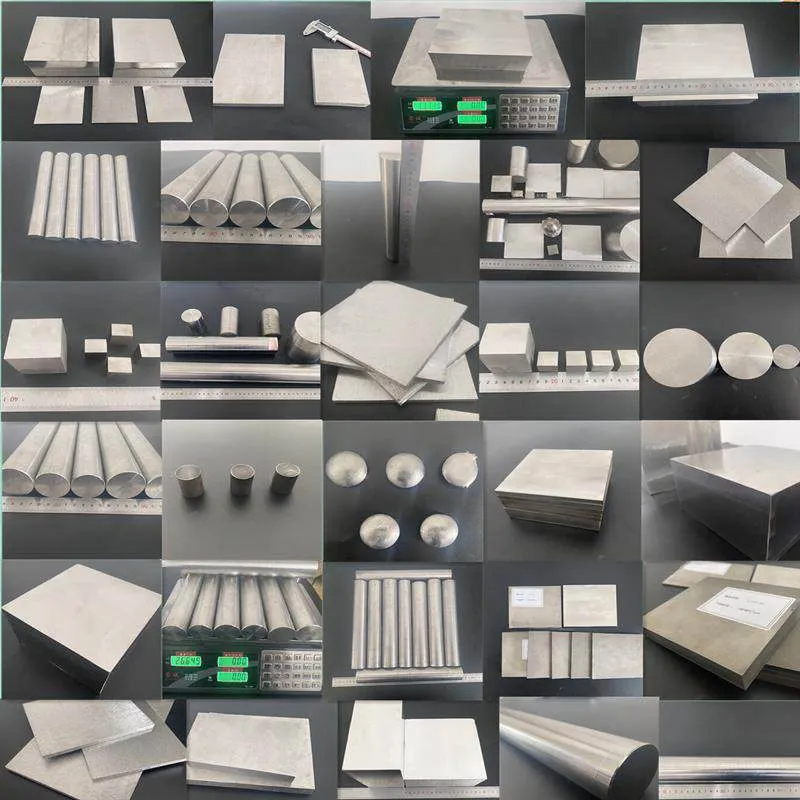
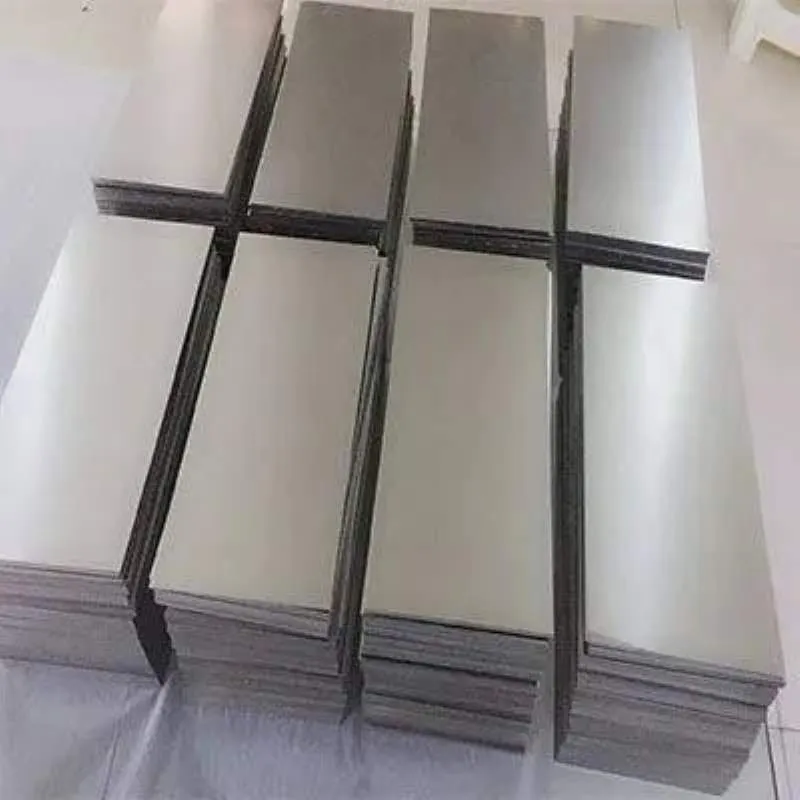
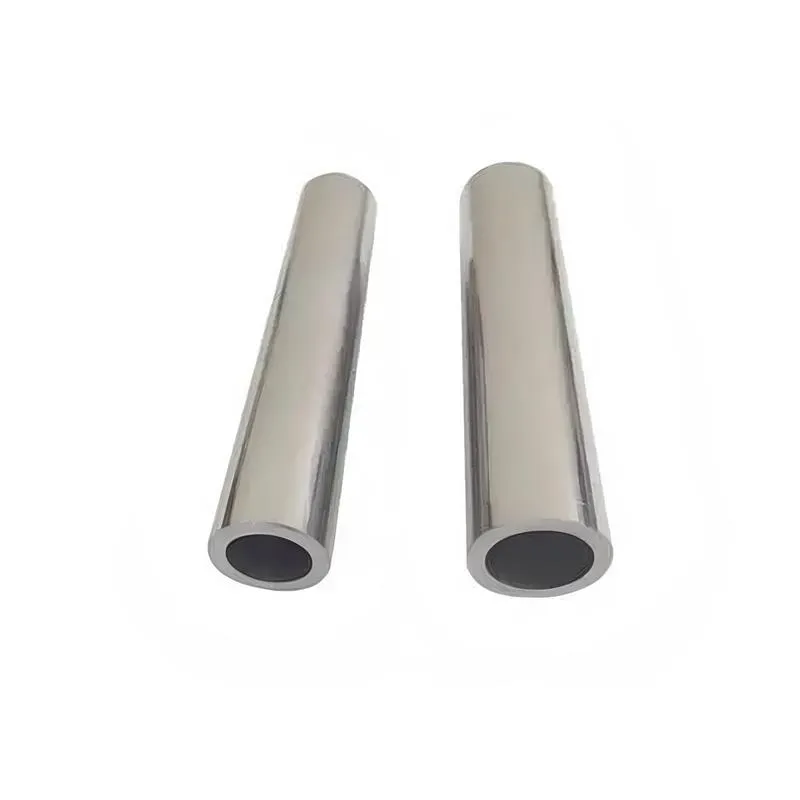
We provide AISI 1340 Steel, oil quenched from 830°C (1525°F), 540°C (1000°F) temper is available in Bar (Round bar, Flat bar), Ribbon, Wire, Rods, Tube,Seamless Tube,Pipe, Ingots, Plate, Sheet, Strip and Forging Stock.,Purity, chemical composition, size, etc. can all be customized to meet specific requirements.
Please contact us if you need customized services. We will contact you with the price and availability in 24 hours.
AISI 1340 Steel, oil quenched from 830°C (1525°F), 540°C (1000°F) temper Product Information
-:-
For detailed product information, please contact sales.
-:
AISI 1340 Steel, oil quenched from 830°C (1525°F), 540°C (1000°F) temper Synonyms
-:-
For detailed product information, please contact sales.
-:
AISI 1340 Steel, oil quenched from 830°C (1525°F), 540°C (1000°F) temper Product Information
-:-
For detailed product information, please contact sales.
-:
# **Product Technical Data Sheet: AISI 1340 Quenched & Tempered Steel**
**Product Designation:** AISI 1340 / SAE 1340 Oil Quenched & Tempered Steel
**Heat Treatment:** Austenitized at 830°C (1525°F), Oil Quenched, Tempered at 540°C (1000°F)
**Condition:** Through-Hardened and Tempered to High Strength-Toughness Balance
**Metallurgical State:** Tempered Martensite with Fine Carbide Precipitation
**Key Characteristic:** Optimal Balance of Strength, Toughness, and Dimensional Stability
---
## **1. Overview**
AISI 1340 oil quenched from 830°C and tempered at 540°C represents a **high-performance heat-treated condition** that maximizes the material's potential for demanding mechanical applications. This specific heat treatment protocol transforms the medium-carbon manganese steel into a fine-grained tempered martensite structure, achieving an exceptional balance of **high strength, good toughness, and excellent fatigue resistance**. The 540°C tempering temperature is strategically selected to optimize the trade-off between hardness and ductility, producing a material ideally suited for **high-stress components, gears, shafts, and structural parts** requiring reliable performance under dynamic loading conditions. This condition leverages the material's inherent manganese-enhanced hardenability to achieve uniform through-hardening while maintaining dimensional stability through controlled tempering.
## **2. Chemical Composition (Weight %)**
*Per SAE J403 specifications for AISI 1340*
| Element | Content Range (%) | Target Value (%) | Role in Quenched & Tempered Condition |
|---------|------------------|-----------------|---------------------------------------|
| **Carbon (C)** | 0.38 - 0.43 | 0.405 | **Primary Strengthener:** Forms martensite during quenching, determines maximum hardness potential |
| **Manganese (Mn)** | 1.60 - 1.90 | 1.75 | **Critical Enhancer:** Provides deep hardenability for uniform through-hardening, retards temper softening |
| **Silicon (Si)** | 0.15 - 0.35 | 0.25 | Increases tempering resistance, provides solid solution strengthening |
| **Phosphorus (P)** | ≤ 0.035 | 0.020 | Strictly controlled to prevent temper embrittlement |
| **Sulfur (S)** | 0.04 - 0.055 | 0.047 | Controlled for balanced machinability and transverse properties |
| **Iron (Fe)** | Balance | Balance | Matrix element |
**Heat Treatment Chemistry Optimization:**
- **Carbon Content:** Optimal for achieving 50-55 HRC as-quenched while maintaining reasonable toughness after tempering
- **Manganese Level:** Ensures adequate hardenability for oil quenching of moderate sections
- **Silicon Effect:** Enhances resistance to softening at 540°C tempering temperature
## **3. Physical Properties (Q&T Condition)**
| Property | Value | Unit | Condition/Notes |
|----------|-------|------|-----------------|
| **Density** | 7.85 | g/cm³ | At 20°C |
| **Melting Range** | 1415 - 1480 | °C | Solidus to liquidus |
| **Modulus of Elasticity** | 205 - 210 | GPa | 29.7 - 30.5 × 10⁶ psi (increased due to tempered martensite) |
| **Shear Modulus** | 80 - 82 | GPa | 11.6 - 11.9 × 10⁶ psi |
| **Poisson's Ratio** | 0.29 | - | - |
| **Thermal Conductivity** | 43.0 - 45.0 | W/m·K | At 100°C (reduced due to tempered martensite structure) |
| **Specific Heat Capacity** | 480 - 500 | J/kg·K | At 20°C |
| **Coefficient of Thermal Expansion** | 11.5 × 10⁻⁶ | /°C | 20-100°C range |
| **Electrical Resistivity** | 0.25 - 0.27 | μΩ·m | At 20°C (increased due to tempered martensite) |
| **Magnetic Properties** | Ferromagnetic | - | - |
## **4. Mechanical Properties (Q&T at 540°C Temper)**
*Properties are for oil quenched and tempered condition, typical for sections up to 50mm diameter*
| Property | Value Range | Typical | Test Standard | Notes |
|----------|-------------|---------|---------------|-------|
| **Tensile Strength** | 900 - 1050 MPa | 975 MPa | ASTM E8/E8M | 131-152 ksi |
| **Yield Strength (0.2%)** | 750 - 900 MPa | 825 MPa | ASTM E8/E8M | 109-131 ksi |
| **Elongation (in 50mm)** | 14 - 18% | 16% | ASTM E8/E8M | Good ductility for strength level |
| **Reduction of Area** | 40 - 50% | 45% | ASTM E8/E8M | - |
| **Hardness** | **30 - 35 HRC** | **32 HRC** | ASTM E18 | Brinell: 285-335 HBW |
| **Impact Energy (CVN)** | 40 - 60 J | 50 J | ASTM E23 | At 20°C (excellent toughness) |
| **Fatigue Strength** | 420 - 480 MPa | 450 MPa | Rotating bending | 10⁷ cycles, R=-1 |
| **Endurance Ratio** | 0.47 - 0.52 | 0.50 | Fatigue/UTS | Excellent fatigue performance |
| **Machinability Rating** | 45 - 50% | 48% | vs. 1212 steel as 100% | Hard machining condition |
**Property Advantages of 540°C Temper:**
- **Optimal Strength-Toughness Balance:** Maximum toughness for given strength level
- **Good Dimensional Stability:** Tempering relieves quenching stresses while maintaining strength
- **Excellent Fatigue Resistance:** Favorable microstructure for cyclic loading
- **Uniform Properties:** Consistent through moderate sections due to oil quenching
## **5. Heat Treatment Process Details**
### **Complete Heat Treatment Cycle:**
1. **Austenitizing:** Heat to **830°C (1525°F)** for 20-30 minutes per inch of thickness
- Complete austenitization with controlled grain growth
2. **Quenching:** Oil quench (ISO VG 68-100) at 40-60°C with moderate agitation
- Cooling rate: ~25-35°C/second at 700°C (sufficient for martensite formation)
3. **Tempering:** Heat to **540°C (1000°F)** for 60-90 minutes per inch
- Extended time for complete carbide precipitation and stress relief
4. **Cooling:** Air cool after tempering (controlled to prevent re-tempering effects)
### **Microstructural Evolution:**
- **As-Quenched:** Lath martensite with minimal retained austenite (<5%)
- **During Tempering:** Carbide precipitation (ε-carbide → cementite), dislocation recovery
- **Final Structure:** Tempered martensite with fine, dispersed carbides
- **Carbide Size:** 10-50 nm (extremely fine due to manganese retardation)
- **Prior Austenite Grain Size:** ASTM 7-9 (fine due to controlled austenitizing)
### **830°C/540°C Temperature Rationale:**
- **Austenitizing (830°C):** ~60°C above Ac₃, ensures complete transformation without excessive grain growth
- **Tempering (540°C):** Secondary hardening range for manganese steels, optimal toughness development
- **Process Optimization:** Balances hardness retention with maximum ductility and toughness
## **6. Key Characteristics & Advantages**
### **Heat Treatment Specific Advantages:**
1. **Superior Toughness:** 540°C temper maximizes impact resistance for given hardness
2. **Excellent Fatigue Performance:** Favorable for components under cyclic loading
3. **Good Wear Resistance:** Adequate hardness with supporting toughness
4. **Dimensional Stability:** Tempering relieves 80-90% of quenching stresses
5. **Uniform Properties:** Oil quenching provides consistent through-section hardening
### **Comparison with Alternative Temper Temperatures:**
| Property | 200°C Temper | **540°C Temper** | 650°C Temper |
|----------|--------------|------------------|--------------|
| **Hardness (HRC)** | 48-53 | **30-35** | 22-27 |
| **Tensile Strength** | 1400-1600 MPa | **900-1050 MPa** | 700-850 MPa |
| **Impact Energy** | 15-25 J | **40-60 J** | 50-70 J |
| **Fatigue Strength** | 450-550 MPa | **420-480 MPa** | 350-420 MPa |
| **Primary Application** | Maximum hardness | **Optimal balance** | Maximum toughness |
### **Economic & Performance Value:**
- **Cost-Effectiveness:** Achieves properties approaching alloy steels at lower cost
- **Processing Reliability:** Oil quenching reduces distortion and cracking risks
- **Service Life:** Excellent fatigue resistance extends component life
- **Versatility:** Suitable for wide range of mechanical applications
## **7. Applications**
### **Primary Application Areas:**
**High-Strength Shafts & Axles:**
- Power transmission shafts
- Automotive axle shafts
- Pump and compressor shafts
- Machine tool spindles
**Gears & Power Transmission:**
- Medium-duty gear sets
- Sprockets and chain wheels
- Differential gears
- Transmission components
**Structural & Mechanical Components:**
- Connecting rods and links
- Hydraulic cylinder rods
- Press frames and components
- Heavy-duty fasteners
**Automotive & Transportation:**
- Suspension components
- Steering system parts
- Brake components
- Engine mounting brackets
### **Specific Component Recommendations:**
| Component Type | Section Size | Why This Treatment? | Expected Life Improvement |
|----------------|--------------|---------------------|--------------------------|
| **Transmission Gears** | 20-40 mm teeth | Optimal pitting resistance | 2-3× over normalized |
| **Drive Shafts** | 25-50 mm diameter | Good torsional strength | 3-4× over as-rolled |
| **Hydraulic Rods** | 15-40 mm diameter | Wear resistance with toughness | 5-7× over mild steel |
| **Structural Bolts** | M12-M24 | High clamping force reliability | 2× over quench & low temper |
## **8. International Standards & Equivalents**
### **Global Standards:**
| Standard System | Designation | Specification |
|----------------|-------------|---------------|
| **AISI/SAE (USA)** | 1340 | SAE J403, J404 |
| **UNS (USA)** | G13400 | Unified Numbering System |
| **ASTM (USA)** | **A29/A29M** | General Requirements for Steel Bars |
| **ASTM (USA)** | A322 | Alloy Steel Bars |
| **ISO** | **ISO 683-1** | 38Mn6 |
| **DIN (Germany)** | 1.1167 | 38Mn6 |
| **EN (Europe)** | **EN 10083-2** | 38Mn6 |
| **JIS (Japan)** | SMn438 | Japanese equivalent |
| **GB (China)** | 40Mn2 | Chinese standard |
### **Heat Treatment Standards:**
- **AMS 2759:** Pyrometry Requirements for Heat Treatment
- **ASTM A255:** Standard Test Method for Determining Hardenability
- **ISO 4885:** Heat Treatment Vocabulary
- **SAE J406:** Methods of Determining Hardenability of Steels
## **9. Manufacturing & Processing Guidelines**
### **Machining Considerations:**
- **Pre-machining:** Complete rough machining before heat treatment
- **Post-HT Machining:** Hard turning or grinding required
- **Cutting Speeds:** 20-35 m/min (65-115 SFM) for turning
- **Tool Materials:** Carbide or CBN tools essential
- **Coolant:** High-pressure coolant for heat dissipation
### **Recommended Machining Parameters:**
| Operation | Speed (m/min) | Feed (mm/rev) | Depth of Cut (mm) | Tool Recommendation |
|-----------|--------------|---------------|-------------------|---------------------|
| **Hard Turning** | 25-40 | 0.10-0.20 | 0.5-2.0 | CBN or coated carbide |
| **Grinding** | 25-35 m/s wheel speed | - | 0.01-0.05/pass | Aluminum oxide wheel |
| **Drilling** | 15-25 | 0.05-0.15 | - | Solid carbide drills |
| **Milling** | 30-45 | 0.05-0.15/tooth | 0.5-2.0 | Coated carbide end mills |
### **Welding Considerations:**
- **Preheat:** 200-250°C (400-480°F) mandatory
- **Interpass Temperature:** 200-300°C (400-570°F)
- **Post-Weld Heat Treatment:** Retemper at 540°C minimum
- **Electrodes:** Low-hydrogen type exclusively
- **Restrictions:** Not recommended for highly stressed welds
### **Quality Control in Heat Treatment:**
1. **Temperature Uniformity:** ±10°C in furnace
2. **Quench Control:** Oil temperature and agitation monitoring
3. **Tempering Verification:** Time-temperature documentation
4. **Hardness Testing:** Multiple location verification
5. **Microstructural Check:** Tempered martensite confirmation
## **10. Quality Assurance & Testing**
### **Mandatory Testing Requirements:**
1. **Mechanical Testing:** Tensile and impact tests from each heat treat lot
2. **Hardness Verification:** Multiple point testing (surface and core)
3. **Microstructural Examination:** Tempered martensite confirmation
4. **Case Depth Measurement:** For through-hardened components
5. **Non-Destructive Testing:** MPI or UT as required
### **Acceptance Criteria for 540°C Temper:**
| Parameter | Specification | Test Method | Frequency |
|-----------|---------------|-------------|-----------|
| **Hardness Range** | 30-35 HRC | Rockwell C | Each component batch |
| **Tensile Strength** | ≥ 900 MPa | ASTM E8 | Each heat treat lot |
| **Yield Strength** | ≥ 750 MPa | ASTM E8 | Each heat treat lot |
| **Impact Energy** | ≥ 40 J | ASTM E23 | Each heat treat lot |
| **Microstructure** | Tempered martensite | Metallographic | Sample basis |
### **Heat Treatment Documentation:**
- **Complete Cycle Record:** Time-temperature charts for austenitizing and tempering
- **Quench Medium Analysis:** Oil viscosity and cooling curve data
- **Furnace Certification:** Temperature uniformity survey
- **Material Traceability:** Heat-to-component tracking
### **Commercial Quality Levels:**
| Quality Level | Testing Requirements | Typical Applications | Documentation |
|--------------|---------------------|---------------------|---------------|
| **Standard** | Hardness, tensile | General machinery | Standard certs |
| **Premium** | Plus impact, microstructure | Automotive, aerospace | Extended testing |
| **Critical** | Plus NDT, case depth | Safety components | Full pedigree |
---
**Technical Summary:**
AISI 1340 oil quenched from 830°C and tempered at 540°C represents an optimal heat treatment condition that balances high strength with excellent toughness and fatigue resistance. The 540°C tempering temperature specifically targets the secondary hardening range where manganese steels exhibit maximum toughness development while retaining substantial strength. This condition produces a tempered martensite microstructure with fine carbide precipitation that provides exceptional mechanical properties for demanding applications. The oil quenching process ensures uniform through-hardening with minimal distortion, making this treatment ideal for precision components requiring reliable performance under dynamic loading conditions.
**Application Selection Guidelines:**
- **Choose this treatment for:** Components requiring optimal strength-toughness balance, fatigue resistance, and dimensional stability
- **Consider lower tempering (200-400°C) for:** Maximum hardness and wear resistance
- **Consider higher tempering (550-650°C) for:** Maximum toughness with lower strength
- **Optimal for:** Shafts, gears, and structural components in 15-50 mm sections
**Design Considerations:**
1. **Section Size Limitations:** Optimal for sections up to 50mm diameter for through-hardening
2. **Stress Concentrations:** Design with adequate fillet radii (minimum 2-3mm)
3. **Surface Finish Requirements:** Specify based on fatigue considerations
4. **Dimensional Tolerances:** Account for potential distortion during heat treatment
**Industry Best Practices:**
1. **Prototype Testing:** Validate heat treatment response for new designs
2. **Process Control:** Implement statistical process control for heat treatment
3. **Quality Verification:** Regular testing of mechanical properties
4. **Supplier Qualification:** Verify heat treat facility capabilities
**Technical Note on 540°C Temper Benefits:**
The 540°C temper provides unique advantages for AISI 1340:
1. **Toughness Maximization:** Optimal temperature for impact resistance in manganese steels
2. **Stress Relief:** Effective reduction of quenching stresses (80-90%)
3. **Dimensional Stability:** Minimizes subsequent dimensional changes
4. **Fatigue Optimization:** Creates microstructure resistant to crack initiation and propagation
**Future Processing Options:**
- **Surface Enhancement:** Nitriding or shot peening for improved fatigue life
- **Precision Machining:** Hard turning or grinding for final dimensions
- **Quality Verification:** Advanced NDT methods for critical components
- **Performance Monitoring:** In-service monitoring for life extension
**Disclaimer:** This technical data sheet provides typical values for AISI 1340 oil quenched and tempered at 540°C. Actual properties depend on specific section size, quench conditions, tempering parameters, and prior material condition. The heat treatment process must be carefully controlled to achieve specified properties. For critical applications, prototype testing and process validation are essential. Oil quenching provides more consistent results than water quenching but requires proper agitation and temperature control. Always consult with qualified metallurgists when designing components for severe service conditions or when exceptional reliability is required.
-:-
For detailed product information, please contact sales.
-:
AISI 1340 Steel, oil quenched from 830°C (1525°F), 540°C (1000°F) temper Specification
Dimensions
Size:
Diameter 20-1000 mm Length <6167 mm
Size:We can customized as required
Standard:
Per your request or drawing
We can customized as required
Properties(Theoretical)
Chemical Composition
-:-
For detailed product information, please contact sales.
-:
AISI 1340 Steel, oil quenched from 830°C (1525°F), 540°C (1000°F) temper Properties
-:-
For detailed product information, please contact sales.
-:
Applications of AISI 1340 Steel, oil quenched from 830°C (1525°F), 540°C (1000°F) temper
-:-
For detailed product information, please contact sales.
-:
Chemical Identifiers AISI 1340 Steel, oil quenched from 830°C (1525°F), 540°C (1000°F) temper
-:-
For detailed product information, please contact sales.
-:
Packing of AISI 1340 Steel, oil quenched from 830°C (1525°F), 540°C (1000°F) temper
-:-
For detailed product information, please contact sales.
-:
Standard Packing:
-:-
For detailed product information, please contact sales.
-:
Typical bulk packaging includes palletized plastic 5 gallon/25 kg. pails, fiber and steel drums to 1 ton super sacks in full container (FCL) or truck load (T/L) quantities. Research and sample quantities and hygroscopic, oxidizing or other air sensitive materials may be packaged under argon or vacuum. Solutions are packaged in polypropylene, plastic or glass jars up to palletized 2638 gallon liquid totes Special package is available on request. E FORUs’ is carefully handled to minimize damage during storage and transportation and to preserve the quality of our products in their original condition