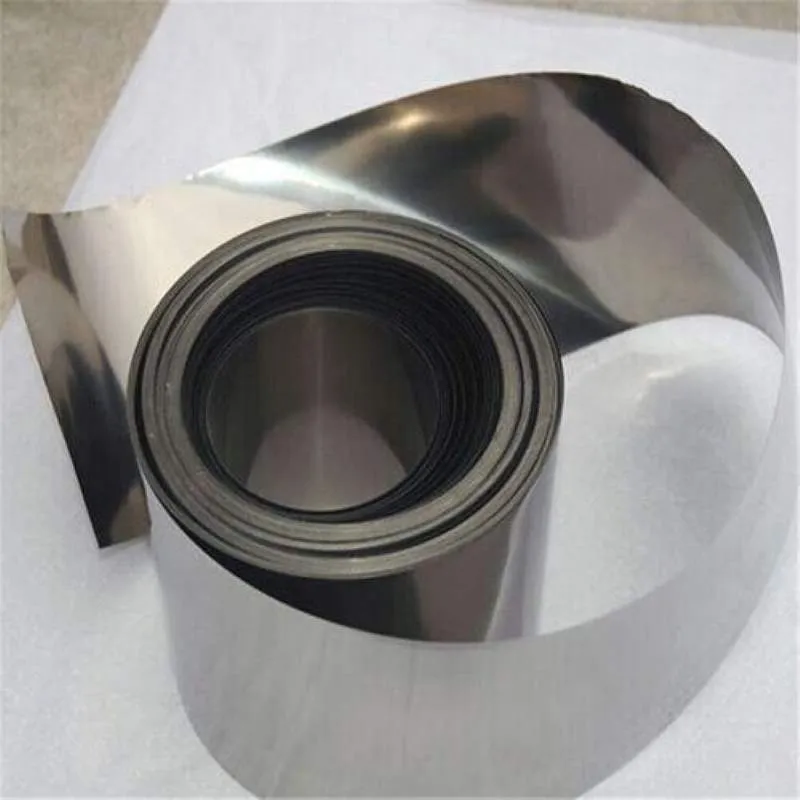
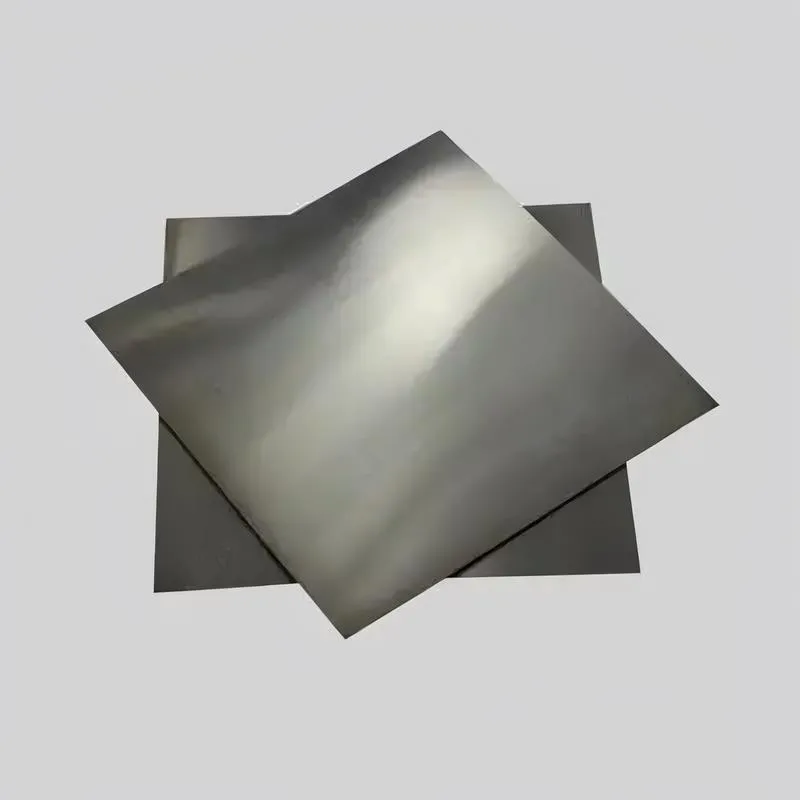
AISI 4145 Steel Foil/Strip
Product Code : STI-CSTI-1484-CU
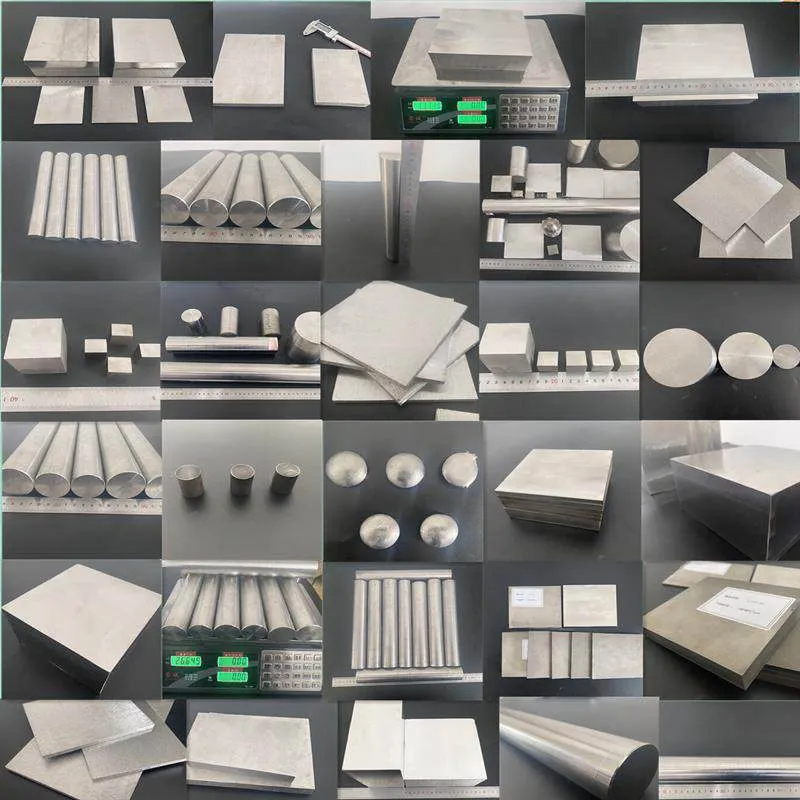
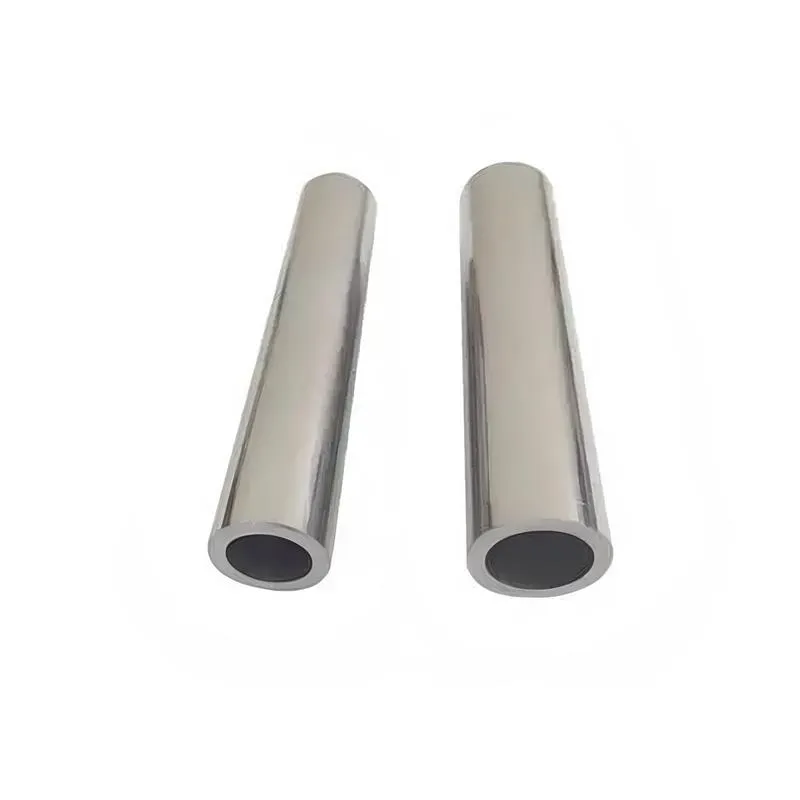
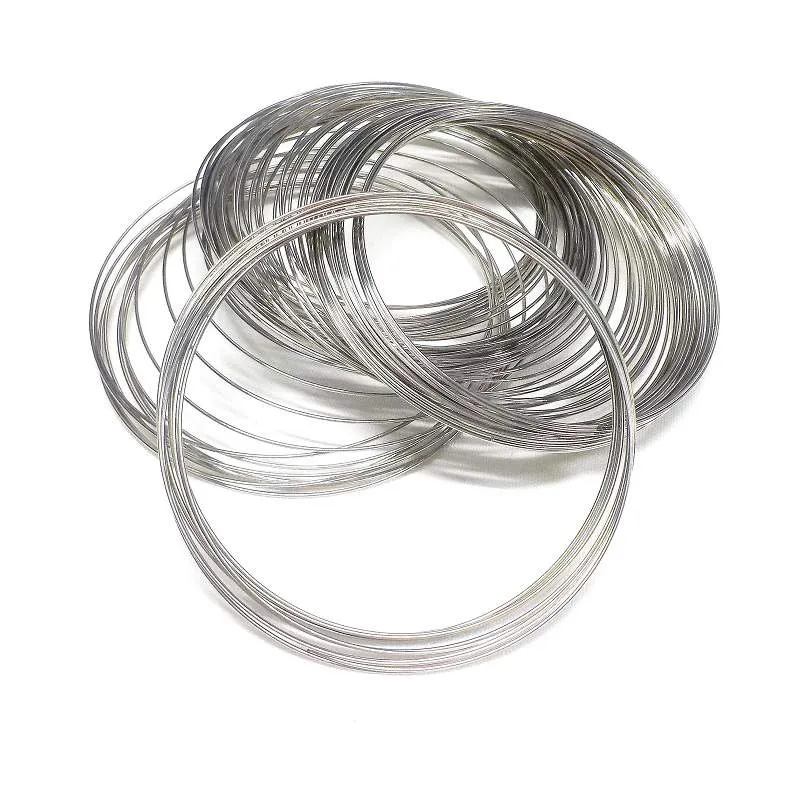
We provide AISI 4145 Steel Foil/Strip is available in Bar (Round bar, Flat bar), Ribbon, Wire, Rods, Tube,Seamless Tube,Pipe, Ingots, Plate, Sheet, Strip and Forging Stock.,Purity, chemical composition, size, etc. can all be customized to meet specific requirements.
Please contact us if you need customized services. We will contact you with the price and availability in 24 hours.
AISI 4145 Steel Foil Product Information
-:-
For detailed product information, please contact sales.
-:
AISI 4145 Steel Foil Synonyms
-:-
For detailed product information, please contact sales.
-:
AISI 4145 Steel Product Information
-:-
For detailed product information, please contact sales.
-:
# **AISI 4145 Steel: Comprehensive Product Overview**
## **1. Introduction**
**AISI 4145 Steel** is a medium to high-carbon, chromium-molybdenum (Cr-Mo) alloy steel renowned for its **exceptional strength, high hardenability, and superior wear resistance**. As a member of the 4100 series, it distinguishes itself with a carbon content (0.43-0.48%) that exceeds that of 4140 and 4142, positioning it as one of the highest-strength, through-hardening grades within this family. It is particularly valued for applications demanding maximum load-bearing capacity, durability under heavy stress, and resistance to abrasive wear in large cross-sections.
## **2. Chemical Composition**
The elevated carbon content is the defining feature of AISI 4145, providing enhanced hardenability and as-quenched hardness.
| Element | Composition Range (% by weight) | Metallurgical Function |
| :--- | :--- | :--- |
| **Carbon (C)** | **0.43 - 0.48** | **Primary differentiator.** Significantly increases attainable hardness, tensile strength, and wear resistance. Forms a high-carbon martensitic matrix upon quenching and fine alloy carbides during tempering. |
| **Manganese (Mn)** | 0.75 - 1.00 | Enhances hardenability, ensures full martensitic transformation in thick sections, and contributes to solid solution strengthening. |
| **Phosphorus (P)** | ≤ 0.035 | Residual impurity, kept low to preserve ductility and impact toughness. |
| **Sulfur (S)** | ≤ 0.040 | Residual impurity, kept low for good transverse properties. |
| **Silicon (Si)** | 0.15 - 0.35 | Deoxidizer during steelmaking; provides solid solution strengthening and improves tempering resistance. |
| **Chromium (Cr)** | 0.80 - 1.10 | Provides substantial hardenability, forms stable chromium carbides for wear resistance, and improves tempering stability. |
| **Molybdenum (Mo)** | 0.15 - 0.25 | Critical for deep hardenability, suppresses temper embrittlement, and contributes to high-temperature strength and toughness. |
## **3. Typical Physical & Mechanical Properties**
*Properties are highly dependent on heat treatment. The following are typical for a quenched and tempered condition.*
* **Physical Properties:**
* **Density:** 7.85 g/cm³ (0.284 lb/in³)
* **Melting Point:** ~1410°C (2570°F)
* **Modulus of Elasticity:** 205 GPa (29,700 ksi)
* **Poisson's Ratio:** 0.29
* **Thermal Conductivity:** ~41.0 W/m·K @ 100°C
* **Coefficient of Thermal Expansion:** 11.3 µm/m·°C (20-100°C)
* **Mechanical Properties (After Quenching & Tempering at 540°C / 1000°F):**
* **Tensile Strength:** 1150 - 1400 MPa (167,000 - 203,000 psi)
* **Yield Strength (0.2% Offset):** 1000 - 1250 MPa (145,000 - 181,000 psi)
* **Elongation (in 50mm):** 12% - 16%
* **Reduction of Area:** 40% - 50%
* **Hardness:** 35 - 42 HRC (~330 - 400 HB)
* **Charpy V-Notch Impact:** 20 - 35 J (15 - 26 ft-lb) at room temperature.
* **Hardenability (Jominy DI):** Very high. Capable of through-hardening in oil for diameters exceeding 125mm (5 inches).
## **4. Product Applications**
AISI 4145 is engineered for the most demanding, high-stress applications where component size, load, and wear are critical factors.
* **Oil & Gas Industry:**
* **Extra-heavy-weight drill collars**, **large-diameter tool joints**, and **reamer bodies**.
* **Sucker rods** and **polished rods** for high-volume pumping units.
* **Valve stems and bodies** in high-pressure service.
* **Heavy-Duty Power Transmission:**
* **Large gear blanks** for mining, cement, and marine propulsion gearboxes.
* **Heavy shafts and axles** for locomotives, rolling mills, and large off-highway vehicles.
* **Sprockets and track rollers** for heavy excavators and crawlers.
* **Forging & Tooling:**
* **Die blocks** for hot and cold forging.
* **Plastic injection mold bases** for large molds requiring high rigidity and wear resistance.
* **Mandrels** and **extrusion tooling**.
* **General Heavy Machinery:**
* **Crusher rolls and hammers**, **mill liners**, and other components in mineral processing.
* **High-strength bolts and fasteners** for structural applications (ASTM A193 B7).
* **Press frames** and **machine tool components** requiring high stiffness.
## **5. International Standards & Equivalent Grades**
| Standard / Country | Designation | Note / Status |
| :--- | :--- | :--- |
| **AISI / SAE (USA)** | **4145** | The primary reference standard. |
| **ASTM (USA)** | A29 / A322 (Grade 4145) | Standard specification for alloy steel bars. |
| **UNS** | G41450 | Unified Numbering System. |
| **DIN (Germany)** | 42CrMo4 / 1.7225 | *Note: The DIN 42CrMo4 designation covers a carbon range that includes 4140, 4142, and 4145. Specification for 4145 requires a minimum carbon content callout.* |
| **EN (Europe)** | 1.7225 / 42CrMo4 | Same note as DIN applies. |
| **JIS (Japan)** | **SCM445** | A closer match than SCM440 due to its higher carbon range (0.42-0.48%C). |
| **GB (China)** | 42CrMoA / 45CrMo | **45CrMo** (0.42-0.50%C) is often the preferred equivalent for 4145. |
| **ISO** | **ISO 683-18: Type 42CrMo4** | International standard. |
## **6. Heat Treatment Guidelines**
* **Annealing:** Heat to ~815-845°C (1500-1550°F), slow furnace cool. Produces maximum softness (~180-220 HB) for machining.
* **Normalizing:** Heat to 870-900°C (1600-1650°F), air cool. Refines grain structure after forging.
* **Hardening (Quenching):**
* **Austenitizing Temperature:** 830-850°C (1525-1560°F).
* **Quenching Medium:** **Oil quench** is standard and effective for very large sections due to the steel's high hardenability. Water or polymer quenching may be used for extreme sizes but with increased risk of distortion/cracking.
* **Tempering:** **Mandatory and must be performed immediately after quenching.** Typical range: **425-650°C (800-1200°F)**. Higher tempering temperatures improve toughness but reduce hardness and strength. **Double tempering** is recommended to ensure complete transformation and stress relief.
## **7. Machinability & Weldability**
* **Machinability:** **Fair** in the annealed condition (~60% of a 1% carbon steel standard). The higher carbon and alloy content increase cutting resistance compared to 4140. Use positive rake carbide tooling with adequate coolant.
* **Weldability:** **Poor.** The high carbon equivalent significantly increases the risk of hardening and cracking in the heat-affected zone (HAZ). If welding is unavoidable:
* **Preheat** to 260-315°C (500-600°F).
* Use **low-hydrogen electrodes** exclusively.
* **Post-weld heat treatment** (stress relief at 595-650°C or full re-heat treatment) is **essential**.
## **8. Conclusion**
**AISI 4145 steel** is a **premium, high-performance alloy** designed for applications where the highest levels of strength, hardenability, and wear resistance are required in **large cross-sectional components**. Its elevated carbon content provides a distinct advantage over 4140 and 4142 in terms of achievable hardness and load capacity, making it the material of choice for critical components in the energy, mining, and heavy equipment sectors. However, this capability comes with trade-offs: reduced weldability, lower impact toughness at equivalent hardness levels, and greater sensitivity to quench cracking. Successful application requires careful design, controlled heat treatment, and an understanding that it is best suited for components that are machined prior to final hardening and are not intended for field modification or repair by welding.
-:-
For detailed product information, please contact sales.
-:
AISI 4145 Steel Specification
Dimensions
Size:
Diameter 20-1000 mm Length <6216 mm
Size:We can customized as required
Standard:
Per your request or drawing
We can customized as required
Properties(Theoretical)
Chemical Composition
-:-
For detailed product information, please contact sales.
-:
AISI 4145 Steel Properties
-:-
For detailed product information, please contact sales.
-:
Applications of AISI 4145 Steel Foil
-:-
For detailed product information, please contact sales.
-:
Chemical Identifiers AISI 4145 Steel Foil
-:-
For detailed product information, please contact sales.
-:
Packing of AISI 4145 Steel Foil/Strip
-:-
For detailed product information, please contact sales.
-:
Standard Packing:
-:-
For detailed product information, please contact sales.
-:
Typical bulk packaging includes palletized plastic 5 gallon/25 kg. pails, fiber and Steel Foil/Strip drums to 1 ton super sacks in full container (FCL) or truck load (T/L) quantities. Research and sample quantities and hygroscopic, oxidizing or other air sensitive materials may be packaged under argon or vacuum. Solutions are packaged in polypropylene, plastic or glass jars up to palletized 2687 gallon liquid totes Special package is available on request. E FORUs’ is carefully handled to minimize damage during storage and transportation and to preserve the quality of our products in their original condition