AISI 4320H Steel, normalized
Product Code : STI-CSTI-896-CU
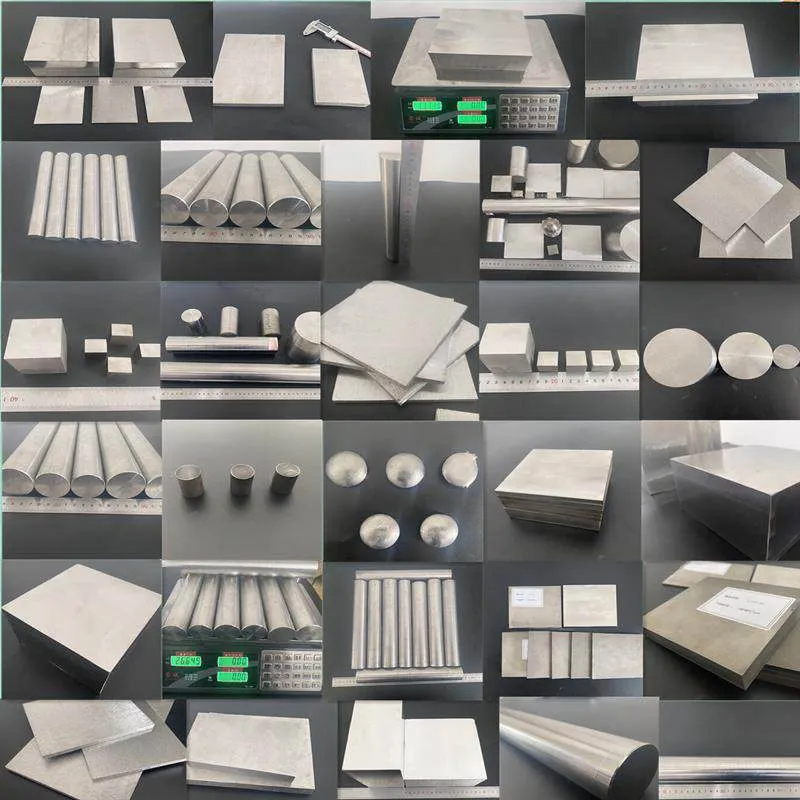
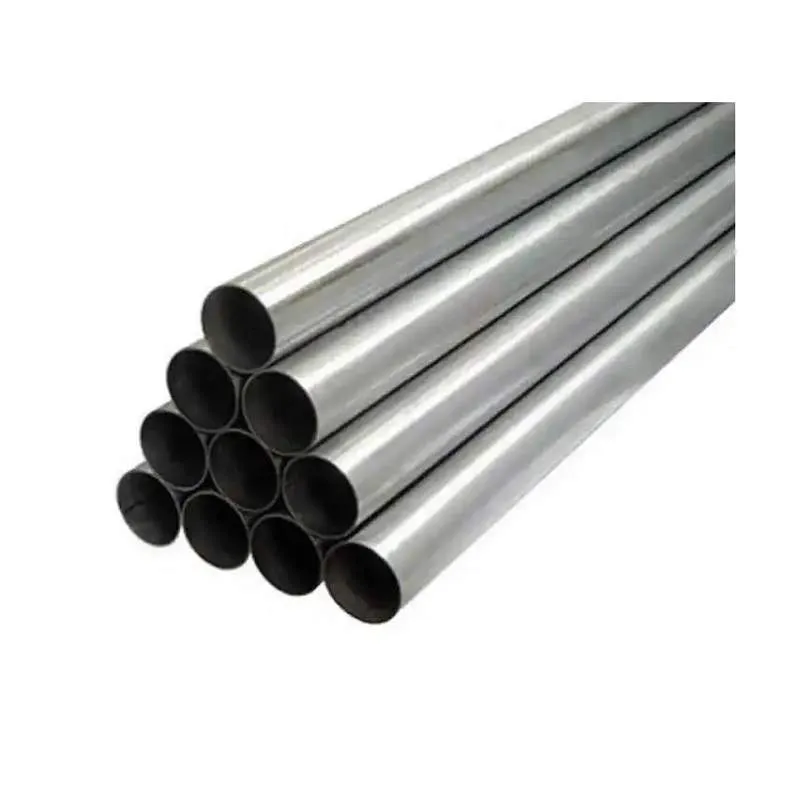
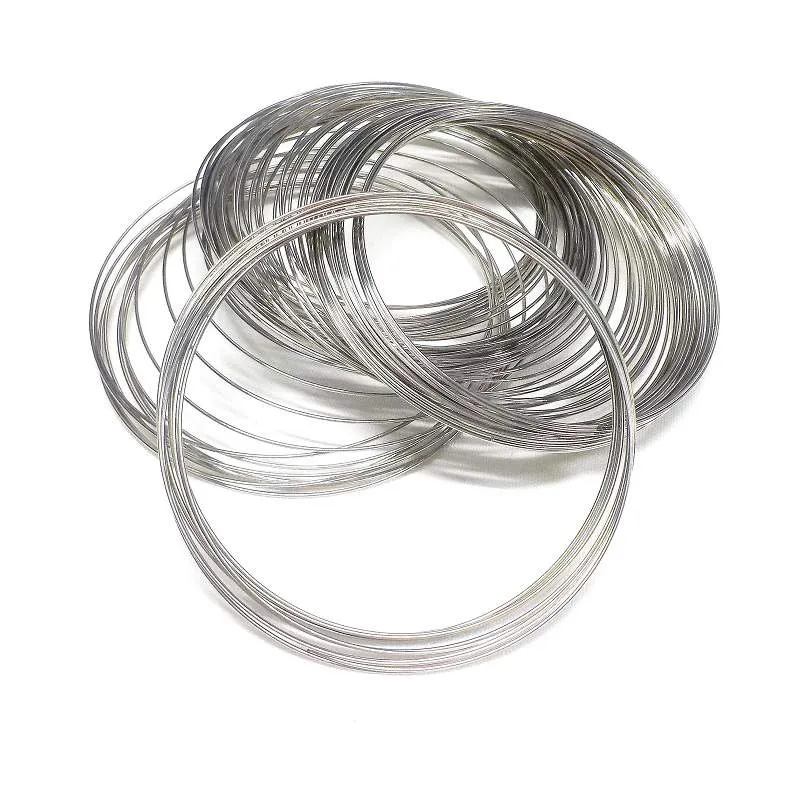
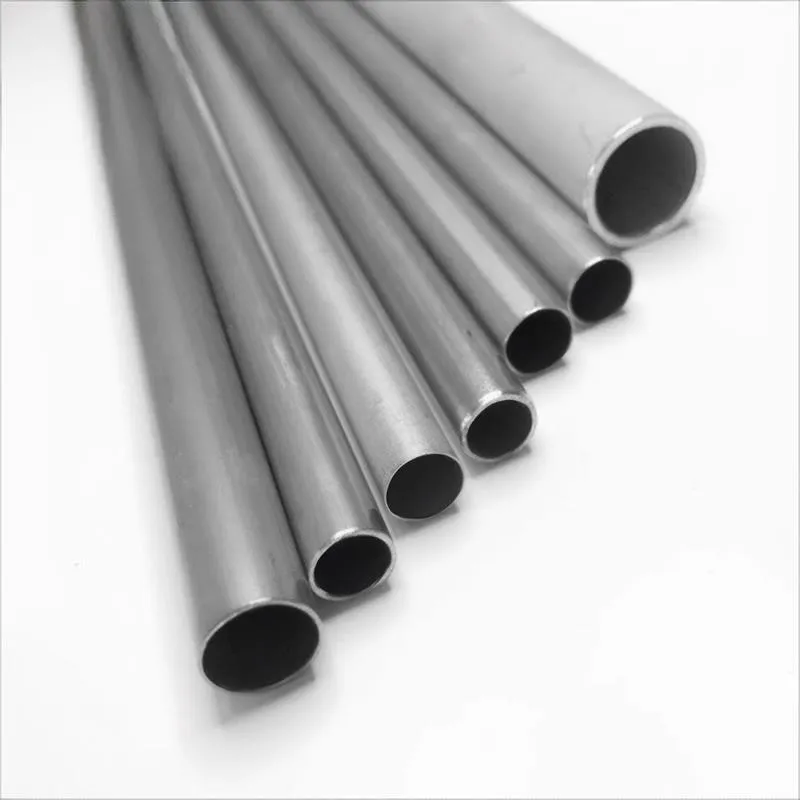
We provide AISI 4320H Steel, normalized at 895°C (1640°F) is available in Bar (Round bar, Flat bar), Ribbon, Wire, Rods, Tube,Seamless Tube,Pipe, Ingots, Plate, Sheet, Strip and Forging Stock.,Purity, chemical composition, size, etc. can all be customized to meet specific requirements.
Please contact us if you need customized services. We will contact you with the price and availability in 24 hours.
AISI 4320H Steel, normalized at 895°C (1640°F) Product Information
-:-
For detailed product information, please contact sales.
-:
AISI 4320H Steel, normalized at 895°C (1640°F) Synonyms
-:-
For detailed product information, please contact sales.
-:
AISI 4320H Steel, normalized at 895°C (1640°F) Product Information
-:-
For detailed product information, please contact sales.
-:
# Technical Specification: AISI 4320H Steel, Normalized at 895°C (1640°F)
## 1. PRODUCT OVERVIEW
AISI 4320H steel processed through **normalizing at 895°C (1640°F)** represents a **hardenability-controlled** nickel-chromium-molybdenum alloy steel in a standardized thermal condition. The "H" designation indicates controlled chemical composition ranges specifically designed to ensure predictable and consistent hardenability response. This normalizing treatment refines the grain structure, homogenizes the microstructure, and establishes a uniform foundation for subsequent heat treatment operations, making it particularly suitable for critical components requiring reliable case hardening (carburizing) performance.
## 2. MATERIAL SPECIFICATIONS & STANDARDS
| Parameter | Specification | Governing Standards |
|-----------|---------------|---------------------|
| Material Designation | AISI 4320H / SAE 4320H | SAE J1268 |
| UNS Number | H43200 | ASTM A304 |
| International Equivalents | — | ISO 683-11:2021 |
| Heat Treatment Condition | Normalized | ASTM A29/A29M |
| Normalizing Temperature | 895°C ± 15°C (1640°F ± 25°F) | AMS 2759 |
| Hardenability Band | Standard H-band per SAE J1268 | SAE J1268 |
| Cooling Method | Still air or controlled air cooling | — |
| Typical Condition | Hot-rolled or forged, normalized | — |
## 3. CHEMICAL COMPOSITION (H-STEEL CONTROLLED RANGES)
### 3.1 SAE J1268 H-Steel Composition Limits
| Element | Min (%) | Max (%) | Typical (%) | Metallurgical Function |
|---------|---------|---------|-------------|------------------------|
| Carbon (C) | 0.17 | 0.22 | 0.20 | Case hardness, core strength |
| Manganese (Mn) | 0.45 | 0.65 | 0.55 | Hardenability control |
| Phosphorus (P) | — | 0.035 | 0.015 | Residual element |
| Sulfur (S) | — | 0.040 | 0.025 | Machinability |
| Silicon (Si) | 0.15 | 0.35 | 0.25 | Deoxidizer, solid solution strengthening |
| Nickel (Ni) | 1.65 | 2.00 | 1.82 | Core toughness, hardenability |
| Chromium (Cr) | 0.40 | 0.60 | 0.50 | Hardenability, wear resistance |
| Molybdenum (Mo) | 0.20 | 0.30 | 0.25 | Grain refinement, tempering resistance |
| Copper (Cu) | — | 0.35 | 0.20 | Residual element |
| Iron (Fe) | Balance | Balance | Balance | Matrix element |
### 3.2 Hardenability Control Parameters
- **Hardenability Band:** Standard H-band per end-quench test
- **Ideal Critical Diameter (DI):** ~100 mm (4.0 in.) at 50% martensite
- **Carbon Equivalent (CE):** 0.55-0.65
- **Jominy Curve Control Points:** Guaranteed within SAE J1268 limits
## 4. NORMALIZING PROCESS
### 4.1 Thermal Cycle for H-Steel
```
Heating → Austenitizing at 895°C → Air Cooling → Room Temperature
```
**Process Parameters:**
- **Heating Rate:** 150-200°C/hour to prevent thermal shock
- **Austenitizing Temperature:** 880-910°C (1615-1670°F) range
- **Soaking Time:** 60-90 minutes per inch of thickness
- **Atmosphere:** Air or slightly protective to minimize decarburization
- **Cooling Method:** Still air on refractory or rack
- **Cooling Rate:** 5-15°C/minute through transformation
- **Final Microstructure:** Fine ferrite-pearlite, ASTM grain size 7-9
- **H-Steel Specific:** Uniform structure ensuring consistent hardenability
### 4.2 Microstructural Characteristics
| Feature | Description | Importance for H-Steel |
|---------|-------------|------------------------|
| Matrix Structure | Fine ferrite with pearlite colonies | Consistent transformation behavior |
| Grain Size | ASTM 7-9 (20-30 μm) | Predictable austenite grain growth during carburizing |
| Prior Austenite Grain | Refined, uniform | Better fatigue properties in final component |
| Inclusion Content | Controlled (ASTM E45 ≤ 2.0 total) | Improved fatigue and fracture resistance |
| Banding | Minimized through homogenization | Uniform case depth in carburizing |
## 5. MECHANICAL PROPERTIES (NORMALIZED CONDITION)
### 5.1 Standard Mechanical Properties
| Property | Value Range | Test Standard | Notes |
|----------|-------------|---------------|-------|
| Hardness | 187-229 HB (93-99 HRB) | ASTM E10/E18 | Section dependent |
| Ultimate Tensile Strength | 580-690 MPa (84-100 ksi) | ASTM E8/E8M | Longitudinal direction |
| Yield Strength (0.2% offset) | 345-485 MPa (50-70 ksi) | ASTM E8/E8M | Longitudinal |
| Elongation (in 50 mm) | 22-28% | ASTM E8/E8M | 2 inch gauge length |
| Reduction of Area | 50-60% | ASTM E8/E8M | Longitudinal |
| Modulus of Elasticity | 205 GPa (29,700 ksi) | ASTM E111 | At room temperature |
| Poisson's Ratio | 0.29 | ASTM E132 | — |
### 5.2 Hardenability Performance (Jominy End-Quench)
| Distance from Quenched End | Hardness Range (HRC) | SAE J1268 H-Band Control |
|----------------------------|----------------------|---------------------------|
| 1.5 mm (J1) | 36-45 | Within specified band |
| 3.0 mm (J2) | 35-44 | Within specified band |
| 6.0 mm (J4) | 33-42 | Within specified band |
| 9.5 mm (J6) | 31-40 | Within specified band |
| 12.7 mm (J8) | 29-38 | Within specified band |
| 19.0 mm (J12) | 26-35 | Within specified band |
| 25.4 mm (J16) | 24-33 | Within specified band |
### 5.3 Toughness Properties
| Property | Test Temperature | Value Range | Test Standard |
|----------|-----------------|-------------|---------------|
| Charpy V-Notch Impact | 20°C (68°F) | 40-60 J (30-44 ft·lb) | ASTM E23 |
| Charpy V-Notch Impact | 0°C (32°F) | 30-50 J (22-37 ft·lb) | ASTM E23 |
| Charpy V-Notch Impact | -20°C (-4°F) | 20-40 J (15-30 ft·lb) | ASTM E23 |
| Ductile-Brittle Transition | 50% FATT | -15°C to +5°C | Derived from CVN |
## 6. PHYSICAL PROPERTIES
### 6.1 As-Normalized Properties
| Property | Value | Unit | Test Standard |
|----------|-------|------|---------------|
| Density | 7.85 | g/cm³ | ASTM B311 |
| Thermal Conductivity (20°C) | 46.0 | W/m·K | ASTM E1225 |
| Specific Heat Capacity (20°C) | 475 | J/kg·K | ASTM E1269 |
| Mean CTE (20-100°C) | 12.1 × 10⁻⁶ | /K | ASTM E228 |
| Mean CTE (20-200°C) | 12.6 × 10⁻⁶ | /K | ASTM E228 |
| Electrical Resistivity (20°C) | 0.22 | μΩ·m | ASTM B193 |
| Magnetic Properties | Ferromagnetic | — | ASTM A342 |
### 6.2 Transformation Temperatures
| Transformation | Temperature Range | Notes for H-Steel |
|---------------|------------------|-------------------|
| Ac1 | 730-750°C (1345-1380°F) | Start of austenitization |
| Ac3 | 800-820°C (1470-1510°F) | Complete austenitization |
| Normalizing Temperature | 895°C (1640°F) | 75-95°C above Ac3 |
## 7. APPLICATIONS
### 7.1 Target Industries & Components
| Industry | Typical Applications | H-Steel Advantages |
|----------|---------------------|-------------------|
| Automotive | Transmission gears, differential gears, drive shafts | Consistent case depth, reliable core properties |
| Aerospace | Gears, shafts, landing gear components | Predictable hardenability for safety-critical parts |
| Heavy Equipment | Large gears, pinions, track components | Uniform properties in large sections |
| Industrial Gearboxes | High-speed pinions, planet gears | Reduced heat treat variability |
| Energy | Wind turbine gears, power transmission components | Long-term reliability in demanding service |
### 7.2 H-Steel Specific Benefits for Carburizing Applications
- **Consistent Case Depth:** Uniform hardenability ensures predictable effective case depth
- **Core Property Control:** Reliable core hardness and strength after quenching
- **Distortion Prediction:** More consistent dimensional changes during heat treatment
- **Batch-to-Batch Consistency:** Reduced variability in production lots
- **Quality Assurance:** Jominy test certification provides hardenability verification
### 7.3 Recommended Subsequent Heat Treatments
| Process | Typical Parameters | Expected Results |
|---------|-------------------|------------------|
| Carburizing | 925-950°C, oil quench, 150-200°C temper | Case: 58-63 HRC, Core: 35-45 HRC |
| Through-Hardening | 850-870°C, oil quench, temper to required hardness | 40-50 HRC depending on section |
| Carbonitriding | 815-850°C, oil quench, temper | Case: 55-62 HRC, improved wear |
## 8. PROCESSING CHARACTERISTICS
### 8.1 Machinability (Normalized Condition)
| Operation | Relative Rating | Optimum Parameters | Tool Recommendations |
|-----------|----------------|-------------------|---------------------|
| Turning | 65-70% (vs. 1212 steel) | Vc=120-150 m/min, f=0.20-0.35 mm/rev | Coated carbide (TiCN/TiAlN) |
| Milling | 60-65% | Vc=100-130 m/min, fz=0.15-0.25 mm/tooth | Carbide end mills |
| Drilling | 55-60% | Vc=25-35 m/min, f=0.15-0.25 mm/rev | HSS-Co or carbide drills |
| Tapping | 60-65% | 60-70% of drilling speed | TiN-coated HSS taps |
### 8.2 Weldability Assessment
| Parameter | Rating/Value | Recommendations for H-Steel |
|-----------|--------------|----------------------------|
| Carbon Equivalent | 0.55-0.60 | Moderate hardenability |
| Preheat Requirement | 150-200°C for >25mm thickness | Essential to prevent HAZ cracking |
| Post-Weld Heat Treatment | 590-650°C stress relief recommended | Especially for carburized parts |
| Filler Material | AWS ER80S-D2 or equivalent | Matching strength |
| Weldability Classification | Class II (Good) | With proper procedures |
## 9. QUALITY ASSURANCE & TESTING
### 9.1 Mandatory H-Steel Testing
| Test | Frequency | Standard | Acceptance Criteria |
|------|-----------|----------|-------------------|
| Chemical Analysis | Per heat | ASTM E415 | Within SAE J1268 H-limits |
| Hardenability Test | Per heat | ASTM A255 | Within specified H-band |
| Hardness Testing | Per batch | ASTM E10/E18 | 187-229 HB |
| Microstructural Examination | Per heat treat lot | ASTM E3/E112 | ASTM 7-9 grain size |
| Inclusion Rating | Per heat | ASTM E45 | ≤ 2.0 total |
### 9.2 H-Steel Certification Requirements
- **Hardenability Certificate:** Jominy curve data with heat number
- **Chemical Analysis Report:** Showing compliance with H-steel limits
- **Heat Treatment Records:** Normalizing cycle documentation
- **Traceability:** Complete chain from melt to final product
- **Mill Certification:** Per ASTM A304 requirements
### 9.3 Statistical Process Control for H-Steel
- **Composition Control:** Tighter than standard grade requirements
- **Hardenability Monitoring:** Regular verification testing
- **Microstructural Consistency:** Batch-to-batch uniformity checks
- **Dimensional Control:** For forged or hot-rolled products
## 10. DESIGN & ENGINEERING GUIDELINES
### 10.1 Section Size Considerations for H-Steel
| Section Thickness | Expected Core Hardness After Carburizing* | Notes |
|-------------------|------------------------------------------|-------|
| 25 mm (1 inch) | 38-42 HRC | Optimal for most gear applications |
| 50 mm (2 inches) | 36-40 HRC | Good core strength |
| 75 mm (3 inches) | 34-38 HRC | Maintains adequate core properties |
| 100 mm (4 inches) | 32-36 HRC | Near hardenability limit |
*After carburizing at 925°C, oil quenching, and tempering at 150-200°C
### 10.2 Case Depth Design Recommendations
| Module/Tooth Size | Recommended Case Depth | Effective Depth (CHD 550 HV) |
|-------------------|------------------------|------------------------------|
| Module 3-5 | 0.6-1.0 mm | For small, high-speed gears |
| Module 5-8 | 0.8-1.2 mm | General purpose gearing |
| Module 8-12 | 1.0-1.5 mm | Heavy-duty gears |
| Module 12+ | 1.2-1.8 mm | Large industrial gears |
## 11. COMPARATIVE ANALYSIS
### 11.1 AISI 4320H vs. Standard 4320
| Aspect | 4320H Steel | Standard 4320 | Advantage |
|--------|-------------|---------------|-----------|
| Composition Control | Tighter ranges | Standard ranges | Consistent hardenability |
| Hardenability | Guaranteed band | Typical values only | Predictable performance |
| Quality Assurance | Mandatory Jominy testing | Optional | Certified properties |
| Cost | Slightly higher | Standard | Justified for critical parts |
| Application | Critical, high-volume | General purpose | Reliability focus |
### 11.2 Normalized vs. Annealed for H-Steel
| Property | Normalized 895°C | Annealed | Advantage for Carburizing |
|----------|------------------|----------|--------------------------|
| Machinability | Good | Better | Annealed preferred for complex parts |
| Core Refinement | Excellent | Good | Normalized better for fatigue |
| Grain Size | Fine (ASTM 7-9) | Coarse (ASTM 5-7) | Normalized for better properties |
| Distortion Control | Better | Good | Normalized more predictable |
| Cost | Similar | Similar | Application dependent |
## 12. TECHNICAL ADVANTAGES OF H-STEEL NORMALIZATION
### 12.1 Key Benefits
1. **Predictable Hardenability:** Certified Jominy curve ensures consistent heat treatment response
2. **Reduced Variability:** Tighter composition control minimizes batch-to-batch differences
3. **Improved Fatigue Life:** Refined normalized structure enhances final component performance
4. **Better Distortion Control:** Uniform starting structure leads to more predictable dimensional changes
5. **Quality Assurance:** Mandatory testing provides documented material properties
6. **Optimized for Carburizing:** Specifically designed for case hardening applications
### 12.2 Economic Advantages
- **Reduced Scrap:** More predictable heat treatment reduces rejects
- **Lower Inspection Costs:** Consistent properties require less testing
- **Improved Productivity:** Less process adjustment needed between batches
- **Longer Tool Life:** Consistent machinability characteristics
- **Warranty Reduction:** Fewer field failures due to material variability
## 13. LIMITATIONS & CONSIDERATIONS
### 13.1 Process Limitations
| Limitation | Cause | Mitigation Strategy |
|------------|-------|-------------------|
| Higher Initial Cost | Additional testing and control | Justified by reduced downstream costs |
| Limited Availability | Fewer suppliers produce H-steel | Plan procurement in advance |
| Testing Lead Time | Jominy testing required | Include in production planning |
| Size Limitations | Hardenability testing for specific sizes | Consult with supplier for large sections |
### 13.2 Application-Specific Considerations
- **Not for Through-Hardening Only:** H-steel premium may not be justified
- **Over-Engineering Risk:** Standard grade may suffice for non-critical parts
- **Supply Chain Complexity:** Requires certified suppliers
- **Documentation Requirements:** More extensive paperwork and traceability
## 14. STORAGE & HANDLING
### 14.1 Storage Requirements
- **Environment:** Dry, covered storage preferred
- **Identification:** Clear marking of heat number and H-steel designation
- **Segregation:** Separate from non-H-grade material
- **Documentation:** Maintain certificates with material
- **Shelf Life:** Essentially unlimited with proper storage
### 14.2 Traceability Maintenance
- **Heat Number Preservation:** Protect stamped or tagged identification
- **Certificate Matching:** Ensure material matches supplied documentation
- **Usage Records:** Track material through manufacturing process
- **Final Component Marking:** Consider permanent marking of heat number on critical parts
## 15. INDUSTRY BEST PRACTICES
### 15.1 Procurement Recommendations
- Specify SAE J1268 H-grade requirements clearly
- Request Jominy curve certification with shipment
- Audit supplier's H-steel production and testing capabilities
- Consider dual sourcing for critical applications
- Establish material approval process for new heats
### 15.2 Manufacturing Implementation
- Train personnel on H-steel handling and identification
- Update process sheets to reference H-steel requirements
- Implement statistical tracking of heat treat results
- Correlate material properties with component performance
- Establish feedback loop with material supplier
---
**TECHNICAL NOTES:**
1. The "H" designation in AISI 4320H specifically refers to hardenability-controlled composition per SAE J1268
2. Normalizing at 895°C provides optimal grain refinement for subsequent carburizing
3. H-steel certification provides the Jominy end-quench hardenability curve for each heat
4. This condition is primarily intended as a superior starting material for critical carburized components
5. The additional cost of H-steel is typically justified by reduced variability in heat treatment and improved component reliability
**CERTIFICATION:**
- Hardenability certificate per SAE J1268
- Chemical analysis report showing H-steel compliance
- Normalizing heat treatment records
- Mill certification per ASTM A304
- Full traceability documentation
**REVISION:** 1.0 | **EFFECTIVE DATE:** October 2024 | **STATUS:** Released for Production
---
*This specification details AISI 4320H steel in the normalized condition, representing the premium grade of this alloy with guaranteed hardenability characteristics. The H-steel designation ensures consistent and predictable performance in critical applications, particularly for components that will undergo case hardening. While the normalized condition itself provides good machinability and consistent properties, its primary value lies in establishing the optimal foundation for subsequent heat treatment operations that will develop the final service properties required for demanding applications.*
-:-
For detailed product information, please contact sales.
-:
AISI 4320H Steel, normalized at 895°C (1640°F) Specification
Dimensions
Size:
Diameter 20-1000 mm Length <5628 mm
Size:We can customized as required
Standard:
Per your request or drawing
We can customized as required
Properties(Theoretical)
Chemical Composition
-:-
For detailed product information, please contact sales.
-:
AISI 4320H Steel, normalized at 895°C (1640°F) Properties
-:-
For detailed product information, please contact sales.
-:
Applications of AISI 4320H Steel, normalized at 895°C (1640°F)
-:-
For detailed product information, please contact sales.
-:
Chemical Identifiers AISI 4320H Steel, normalized at 895°C (1640°F)
-:-
For detailed product information, please contact sales.
-:
Packing of AISI 4320H Steel, normalized at 895°C (1640°F)
-:-
For detailed product information, please contact sales.
-:
Standard Packing:
-:-
For detailed product information, please contact sales.
-:
Typical bulk packaging includes palletized plastic 5 gallon/25 kg. pails, fiber and steel drums to 1 ton super sacks in full container (FCL) or truck load (T/L) quantities. Research and sample quantities and hygroscopic, oxidizing or other air sensitive materials may be packaged under argon or vacuum. Solutions are packaged in polypropylene, plastic or glass jars up to palletized 2099 gallon liquid totes Special package is available on request. E FORUs’ is carefully handled to minimize damage during storage and transportation and to preserve the quality of our products in their original condition