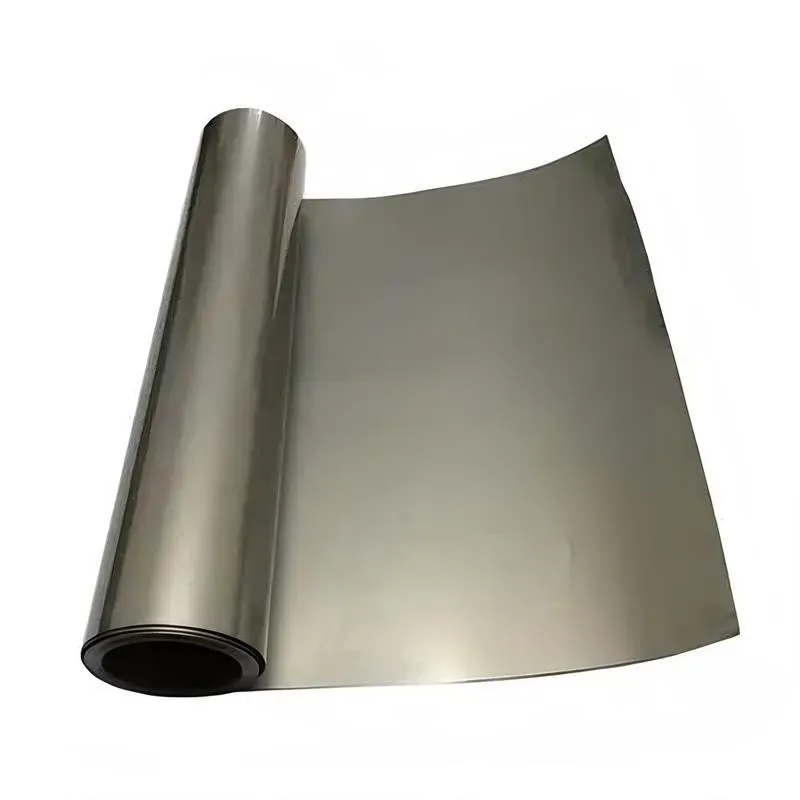
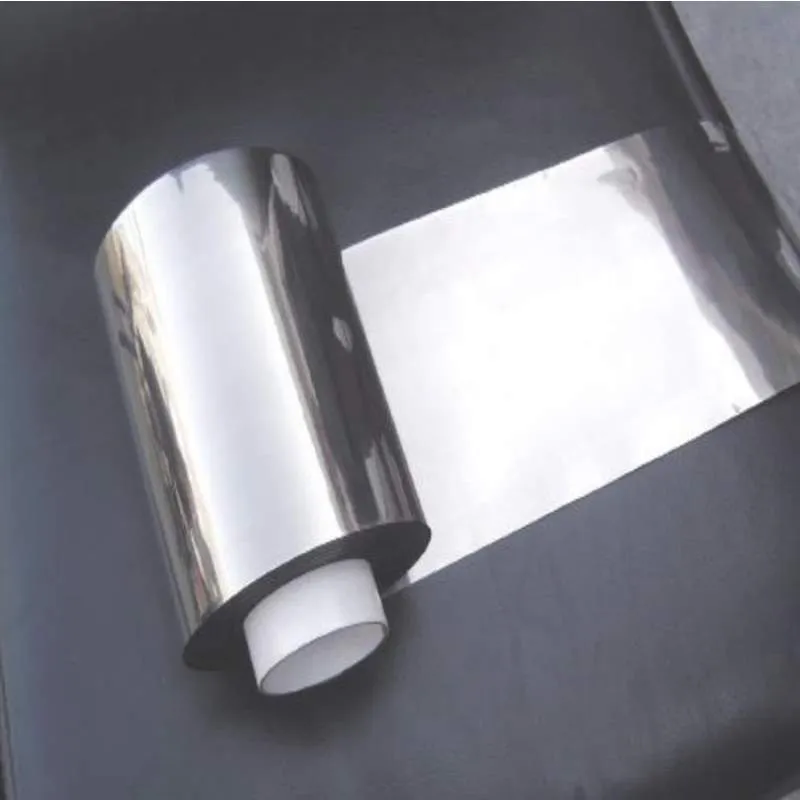
AISI 4320H Steel Foil/Strip
Product Code : STI-CSTI-899-CU
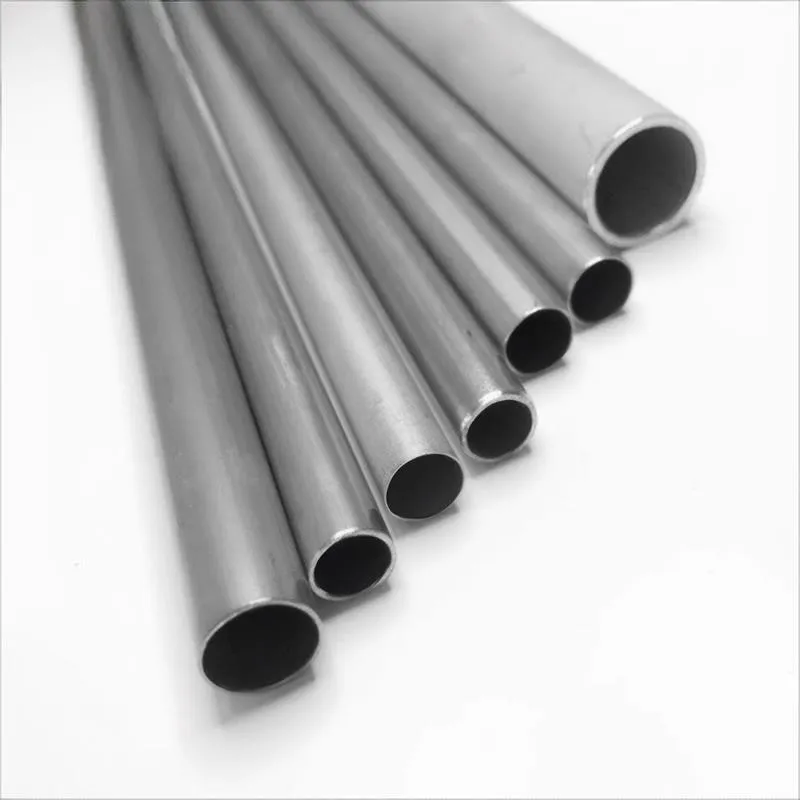
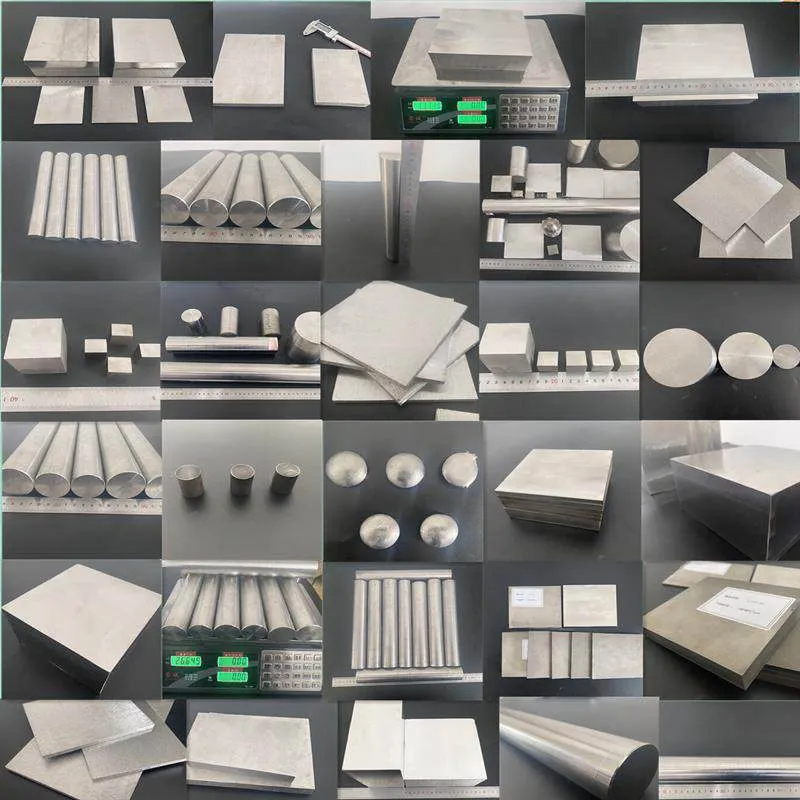
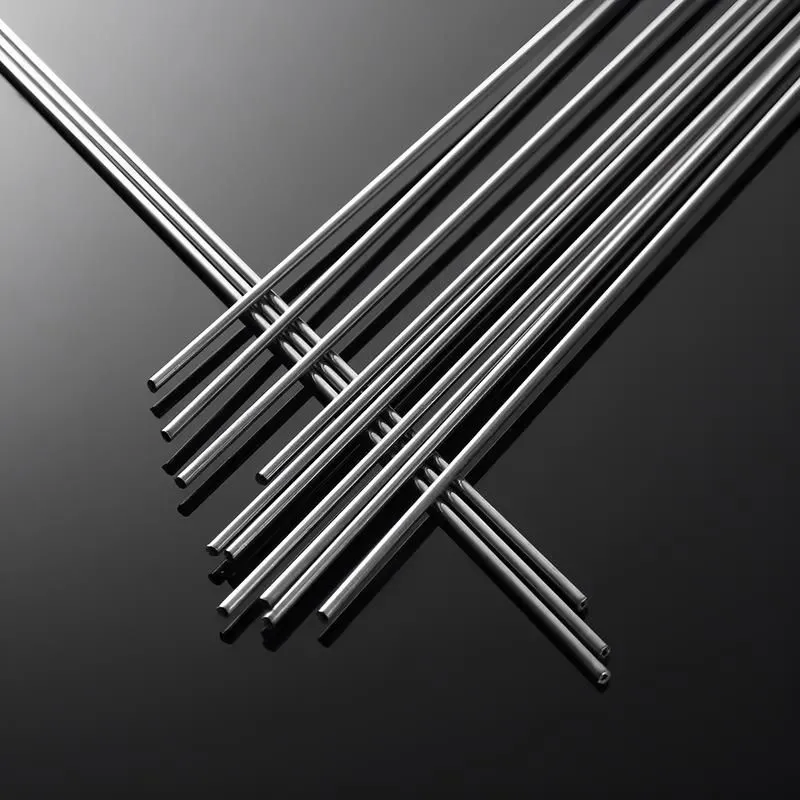
We provide AISI 4320H Steel Foil/Strip, mock carburized, oil quenched, 150°C (300°F) temper, 13 mm (0.5 in.) round is available in Bar (Round bar, Flat bar), Ribbon, Wire, Rods, Tube,Seamless Tube,Pipe, Ingots, Plate, Sheet, Strip and Forging Stock.,Purity, chemical composition, size, etc. can all be customized to meet specific requirements.
AISI 4320H Steel Foil, mock carburized, oil quenched, 150°C (300°F) temper, 13 mm (0.5 in.) round Product Information
-:-
For detailed product information, please contact sales.
-:
AISI 4320H Steel Foil, mock carburized, oil quenched, 150°C (300°F) temper, 13 mm (0.5 in.) round Synonyms
-:-
For detailed product information, please contact sales.
-:
AISI 4320H Steel, mock carburized, oil quenched, 150°C (300°F) temper, 13 mm (0.5 in.) round Product Information
-:-
For detailed product information, please contact sales.
-:
# **Technical Specification: AISI 4320H Steel, Mock Carburized, Oil Quenched, 150°C (300°F) Temper, 13 mm (0.5 in.) Round**
---
## **1. PRODUCT OVERVIEW**
AISI 4320H steel supplied as **13 mm (0.5 inch) diameter round bars**, processed through a **mock carburizing cycle** followed by **oil quenching and low-temperature tempering at 150°C (300°F)**, represents a premium, hardenability-controlled alloy steel in a simulated high-performance condition. The "H" designation ensures tight composition control per SAE J1268, guaranteeing predictable and consistent hardenability. The mock carburizing thermal cycle (without carbon enrichment) simulates the time-temperature profile of actual carburizing, producing a **uniform, through-hardened, tempered martensitic microstructure** throughout the 13 mm cross-section. This condition provides high core strength, excellent dimensional stability, and optimized properties for components that would typically be carburized but require consistent through-section characteristics.
---
## **2. PRODUCT SPECIFICATIONS & STANDARDS**
| **Parameter** | **Specification** | **Governing Standards** |
|---------------|-------------------|-------------------------|
| **Material Designation** | AISI 4320H / SAE 4320H | SAE J1268 |
| **UNS Number** | H43200 | ASTM A304 |
| **Product Form** | Round Bar | ASTM A29/A29M |
| **Diameter** | 13.0 mm ± 0.1 mm (0.512 in. ± 0.004 in.) | Precision tolerance |
| **Condition** | Mock Carburized, Oil Quenched & Tempered | Proprietary process |
| **Mock Carburizing Temperature** | 925°C (1697°F) simulated cycle | — |
| **Quenching Medium** | Fast oil, 60-70°C, agitated | — |
| **Tempering Temperature** | 150°C ± 5°C (302°F ± 9°F) | — |
| **Hardenability Band** | Certified to SAE J1268 H-band | SAE J1268 |
| **Surface Condition** | Scale-free, light oxide tarnish permissible | — |
| **Straightness** | ≤ 0.5 mm per 300 mm (0.02 in./ft) | Precision straightened |
---
## **3. CHEMICAL COMPOSITION (H-STEEL CONTROLLED)**
| **Element** | **Min (%)** | **Max (%)** | **Typical (%)** | **Role in Mock Carburized Condition** |
|-------------|-------------|-------------|-----------------|--------------------------------------|
| **Carbon (C)** | 0.17 | 0.22 | 0.20 | Core hardenability, base strength |
| **Manganese (Mn)** | 0.45 | 0.65 | 0.55 | Ensures full through-hardening at 13 mm |
| **Silicon (Si)** | 0.15 | 0.35 | 0.25 | Solid solution strengthening, temper resistance |
| **Nickel (Ni)** | 1.65 | 2.00 | 1.82 | Enhances core toughness at high hardness |
| **Chromium (Cr)** | 0.40 | 0.60 | 0.50 | Improves hardenability and wear resistance |
| **Molybdenum (Mo)** | 0.20 | 0.30 | 0.25 | Refines grain, reduces temper embrittlement risk |
| **Sulfur (S)** | — | 0.040 | 0.025 | Residual (machinability) |
| **Phosphorus (P)** | — | 0.035 | 0.015 | Residual |
| **Boron (B)** | Trace | Trace | <0.0005 | Not intentionally added, but monitored |
| **Iron (Fe)** | Balance | Balance | Balance | Matrix |
**Carbon Equivalent (IIW):** 0.55–0.60
**Hardenability (DI ideal):** ~100 mm (ensures full hardening of 13 mm round)
---
## **4. HEAT TREATMENT PROCESS**
### **4.1 Mock Carburizing & Hardening Cycle**
```
Austenitize (925°C) → Simulated Carburizing Soak → Oil Quench → Temper (150°C)
```
**Detailed Process Parameters:**
- **Preheat:** 650°C (1200°F) to reduce thermal shock
- **Mock Carburizing Simulation:** 925°C ± 10°C (1697°F ± 18°F) for 4–6 hours in protective atmosphere (endogas)
- **Carbon Potential:** Neutral (0.20–0.25%) – **no surface carbon enrichment**
- **Quenching:** Fast oil at 60–70°C with strong agitation
- **Quench Delay:** < 15 seconds
- **Tempering:** 150°C for 2 hours, air cool
- **Atmosphere:** Fully protective to prevent oxidation/decarburization
- **Straightening:** Precision roller straightening post-temper (cold)
### **4.2 Resultant Microstructure (13 mm Round)**
| **Location** | **Microstructure** | **Prior Austenite Grain Size (ASTM)** | **Retained Austenite** |
|--------------|-------------------|--------------------------------------|------------------------|
| **Surface** | Fine tempered martensite | 8–9 | < 3% |
| **Mid-Radius** | Fine tempered martensite | 8–9 | < 2% |
| **Center** | Fine tempered martensite | 8–9 | < 2% |
**Key Microstructural Features:**
- **Uniform Tempered Martensite:** Entire cross-section
- **Carbide Precipitation:** Fine ε-carbides within martensite laths
- **Grain Boundaries:** Clean, free of continuous carbide networks
- **Inclusion Rating:** ASTM E45, ≤ 1.5 total (controlled for H-grade)
---
## **5. MECHANICAL PROPERTIES**
### **5.1 Core Properties (Uniform Through 13 mm Section)**
| **Property** | **Value Range** | **Test Standard** | **Notes** |
|--------------|-----------------|-------------------|-----------|
| **Hardness** | 46–50 HRC | ASTM E18 | Uniform within ±1 HRC |
| **Ultimate Tensile Strength** | 1550–1700 MPa (225–247 ksi) | ASTM E8/E8M | Longitudinal |
| **Yield Strength (0.2% offset)** | 1400–1550 MPa (203–225 ksi) | ASTM E8/E8M | Longitudinal |
| **Elongation** | 9–12% | ASTM E8/E8M | In 4D (52 mm) |
| **Reduction of Area** | 40–50% | ASTM E8/E8M | |
| **Modulus of Elasticity** | 205 GPa (29,700 ksi) | ASTM E111 | |
| **Shear Modulus** | 80 GPa (11,600 ksi) | ASTM E143 | |
### **5.2 Toughness & Fracture Properties**
| **Property** | **Test Condition** | **Value Range** | **Standard** |
|--------------|-------------------|-----------------|-------------|
| **Charpy V-Notch Impact** | 20°C (68°F) | 20–30 J (15–22 ft·lb) | ASTM E23 |
| **Charpy V-Notch Impact** | 0°C (32°F) | 15–25 J (11–18 ft·lb) | ASTM E23 |
| **Fracture Toughness (KIC)** | 20°C, LT orientation | 55–70 MPa√m | ASTM E399 (estimated) |
| **Ductile-Brittle Transition (50% FATT)** | — | Approx. 0°C to +20°C | Derived |
### **5.3 Fatigue & Wear Properties**
| **Property** | **Value/Description** | **Condition** |
|--------------|----------------------|--------------|
| **Rotating Bending Fatigue Limit** | 600–700 MPa | Polished specimen, R=-1, 10⁷ cycles |
| **Contact Fatigue Resistance** | Good (for through-hardened state) | Hertzian stress |
| **Wear Resistance** | Excellent (for 46–50 HRC range) | Abrasive/adhesive wear |
| **Surface Residual Stress** | Slightly compressive to neutral | X-ray diffraction measurement |
---
## **6. PHYSICAL PROPERTIES**
| **Property** | **Value** | **Unit** | **Notes** |
|--------------|-----------|----------|-----------|
| **Density** | 7.85 | g/cm³ | Unchanged |
| **Thermal Conductivity (20°C)** | 41.0 | W/m·K | Slight reduction due to martensite |
| **Specific Heat (20°C)** | 460 | J/kg·K | |
| **Mean CTE (20–100°C)** | 11.5 × 10⁻⁶ | /K | |
| **Electrical Resistivity** | 0.26 | μΩ·m | Increased due to martensitic structure |
| **Magnetic Response** | Ferromagnetic | — | Fully magnetic (low retained austenite) |
---
## **7. APPLICATIONS**
### **7.1 Target Industries & Components**
| **Industry** | **Typical Components** | **Why This Condition is Suitable** |
|--------------|------------------------|-----------------------------------|
| **Automotive** | High-strength shafts, pins, small gears (through-hardened), synchronizer hubs | High core strength, good fatigue resistance, dimensional stability |
| **Aerospace** | Actuator components, linkage pins, non-case-hardened gears | Consistent through-properties, certified H-grade traceability |
| **Industrial Machinery** | Guide pins, bushings, rollers, cam followers | High wear resistance, good toughness balance |
| **Defense** | Small arms components, pins, wear parts | Reliable performance in high-stress applications |
| **Tooling** | Jig and fixture components, wear plates | High hardness, minimal distortion after heat treat |
### **7.2 Design Advantages for 13 mm Rounds**
- **Predictable Machining Response:** Known hardness allows optimized tooling and speeds
- **Minimal Further Heat Treatment:** Components can be used as-supplied or with light tempering
- **Excellent Straightness:** Critical for automated feeding and precision assembly
- **Consistent Properties:** H-grade ensures lot-to-lot uniformity in high-volume production
---
## **8. PROCESSING & MACHINING**
### **8.1 Machinability in Hardened State**
| **Operation** | **Relative Rating** | **Recommended Parameters** | **Tooling** |
|---------------|---------------------|----------------------------|------------|
| **Turning** | 30–35% (vs. annealed) | Vc=40–60 m/min, f=0.08–0.15 mm/rev | CBN or coated carbide (TiAlN) |
| **Grinding** | Good | Conventional or CBN wheels | Essential for tight tolerances |
| **Electrical Discharge Machining (EDM)** | Excellent | Standard parameters | Suitable for complex shapes |
| **Drilling** | Difficult | Pre-drill in annealed state, or use carbide drills | Not recommended in hardened state |
| **Milling** | 25–30% | Reduced speeds/feeds, rigid setup | Solid carbide end mills |
### **8.2 Post-Heat Treatment Considerations**
- **No Further High-Temperature HT:** Avoid temperatures > 300°C to prevent softening
- **Stress Relieving:** Possible at 150–200°C if needed after heavy machining
- **Surface Treatments:** Can be nitrided, coated, or plated (with proper baking for H-embrittlement relief)
- **Straightening:** Cold straightening possible with care; avoid excessive plastic deformation
### **8.3 Weldability**
- **Not Recommended** in hardened condition.
- **If Welding is Essential:** Requires preheat (300–400°C), low-hydrogen electrodes, and full re-heat treatment afterwards.
---
## **9. QUALITY ASSURANCE**
### **9.1 Mandatory Testing**
| **Test** | **Frequency** | **Method / Standard** | **Acceptance Criteria** |
|----------|---------------|-----------------------|-------------------------|
| **Chemical Analysis** | Per heat | Optical Emission / ASTM E415 | Within SAE J1268 H-limits |
| **Hardenability (Jominy)** | Per heat | ASTM A255 | Full Jominy curve within H-band |
| **Hardness Survey** | Per batch (sample bars) | Rockwell C / ASTM E18 | 46–50 HRC, uniform |
| **Microstructure** | Per furnace load | Metallography / ASTM E3 | 100% tempered martensite, no abnormalities |
| **Surface Integrity** | Visual, 100% | Visual inspection | Free of cracks, excessive scale |
| **Dimensional Check** | Sample | Micrometer / Caliper | 13.0 mm ± 0.1 mm, straightness ≤ 0.5 mm/300 mm |
### **9.2 Certifications & Documentation**
- **Material Test Certificate:** EN 10204 3.1 or 3.2
- **Hardenability Certificate:** SAE J1268 Jominy report
- **Heat Treatment Certificate:** Full cycle documentation (time, temperature, atmosphere)
- **Traceability:** Heat number traceable to melt
- **Non-Destructive Testing Reports:** As specified (MPI, UT)
---
## **10. COMPARATIVE ANALYSIS**
### **10.1 Mock Carburized vs. Through-Hardened Only**
| **Aspect** | **Mock Carburized + 150°C Temper** | **Conventional Q&T (850°C)** |
|------------|-----------------------------------|-----------------------------|
| **Grain Size** | Finer (due to higher austenitizing T) | Coarser |
| **Dimensional Stability** | Excellent (simulates carburizing thermal exposure) | Good |
| **Residual Stress** | More uniform, often slightly compressive | Can be tensile at core |
| **Application** | Simulates carburized part behavior without case | Standard high-strength components |
### **10.2 H-Grade vs. Non-H-Grade for This Application**
| **Aspect** | **4320H** | **Standard 4320** |
|------------|-----------|------------------|
| **Hardenability Consistency** | Guaranteed within band | Variable |
| **Core Hardness Spread** | ±1 HRC typical | ±3 HRC or more |
| **Distortion Prediction** | More predictable | Less predictable |
| **Cost** | Premium | Standard |
| **Justification** | Critical applications, high volume | General purpose |
---
## **11. DESIGN & ENGINEERING GUIDELINES**
### **11.1 Allowable Stresses (Design Values)**
| **Loading Type** | **Allowable Stress** | **Safety Factor** | **Basis** |
|------------------|----------------------|-------------------|----------|
| **Static Tension** | 700–775 MPa | 2.0 | Based on yield strength |
| **Static Shear** | 405–450 MPa | 2.0 | τ ≈ 0.58 σ_y |
| **Fatigue (R=0)** | 290–340 MPa | 3.0 | For polished surface, 10⁷ cycles |
| **Contact Stress** | 1800–2000 MPa | 1.5 | Hertzian, limited by hardness |
### **11.2 Notch Sensitivity & Design Details**
- **High Notch Sensitivity:** Avoid sharp corners (use fillets R ≥ 0.5 mm)
- **Surface Finish:** Critical for fatigue; recommend grinding/polishing (Ra ≤ 0.8 μm) for highly stressed areas
- **Size Effect:** Minimal for 13 mm diameter; properties are representative of the cross-section.
---
## **12. TECHNICAL ADVANTAGES**
1. **Predictable High Strength:** 46–50 HRC core hardness with H-grade consistency.
2. **Excellent Dimensional Stability:** Mock carburizing cycle minimizes subsequent distortion.
3. **Superior Fatigue Resistance:** Fine tempered martensite provides good high-cycle fatigue life.
4. **Ready for Precision Machining:** Hardened and tempered condition allows final machining via grinding or EDM.
5. **Certified Quality:** Full H-grade traceability and hardenability certification.
6. **Optimized for 13 mm Section:** Process ensures full through-hardening and uniform properties.
---
## **13. LIMITATIONS & HANDLING**
- **Limited Ductility:** Elongation ~10%; design for stiffness, not large plastic deformation.
- **Machining Difficulty:** Can only be machined by grinding, honing, or EDM in this condition.
- **Thermal Limits:** Do not expose to temperatures > 300°C for extended periods.
- **Hydrogen Embrittlement Risk:** If electroplated, requires post-plate baking (190–220°C for 4–24 hrs).
---
## **14. PACKAGING & IDENTIFICATION**
- **Bundles:** Typically 500–1000 kg, securely strapped.
- **Protection:** VCI paper or rust preventive oil applied.
- **Identification:** Tags on each bundle with Heat No., Diameter, Condition, and Specification.
- **Certificates:** Separate waterproof package containing all test reports.
---
**REVISION:** 1.0 | **EFFECTIVE DATE:** October 2024 | **STATUS:** Released for Production
---
*This specification defines the requirements for AISI 4320H steel in 13 mm round bars subjected to a mock carburizing, oil quenching, and 150°C tempering process. This condition is designed for applications requiring high, uniform core strength and stability, simulating the thermal history of carburized parts without creating a carbon gradient. It is particularly suited for high-volume, precision components where consistency and predictability are critical.*
-:-
For detailed product information, please contact sales.
-:
AISI 4320H Steel, mock carburized, oil quenched, 150°C (300°F) temper, 13 mm (0.5 in.) round Specification
Dimensions
Size:
Diameter 20-1000 mm Length <5631 mm
Size:We can customized as required
Standard:
Per your request or drawing
We can customized as required
Properties(Theoretical)
Chemical Composition
-:-
For detailed product information, please contact sales.
-:
AISI 4320H Steel, mock carburized, oil quenched, 150°C (300°F) temper, 13 mm (0.5 in.) round Properties
-:-
For detailed product information, please contact sales.
-:
Applications of AISI 4320H Steel Foil, mock carburized, oil quenched, 150°C (300°F) temper, 13 mm (0.5 in.) round
-:-
For detailed product information, please contact sales.
-:
Chemical Identifiers AISI 4320H Steel Foil, mock carburized, oil quenched, 150°C (300°F) temper, 13 mm (0.5 in.) round
-:-
For detailed product information, please contact sales.
-:
Packing of AISI 4320H Steel Foil/Strip, mock carburized, oil quenched, 150°C (300°F) temper, 13 mm (0.5 in.) round
-:-
For detailed product information, please contact sales.
-:
Standard Packing:
-:-
For detailed product information, please contact sales.
-:
Typical bulk packaging includes palletized plastic 5 gallon/25 kg. pails, fiber and Steel Foil/Strip drums to 1 ton super sacks in full container (FCL) or truck load (T/L) quantities. Research and sample quantities and hygroscopic, oxidizing or other air sensitive materials may be packaged under argon or vacuum. Solutions are packaged in polypropylene, plastic or glass jars up to palletized 2102 gallon liquid totes Special package is available on request. E FORUs’ is carefully handled to minimize damage during storage and transportation and to preserve the quality of our products in their original condition