AISI 4419H Steel, direct quenched from pot and tempered
Product Code : STI-CSTI-886-CU
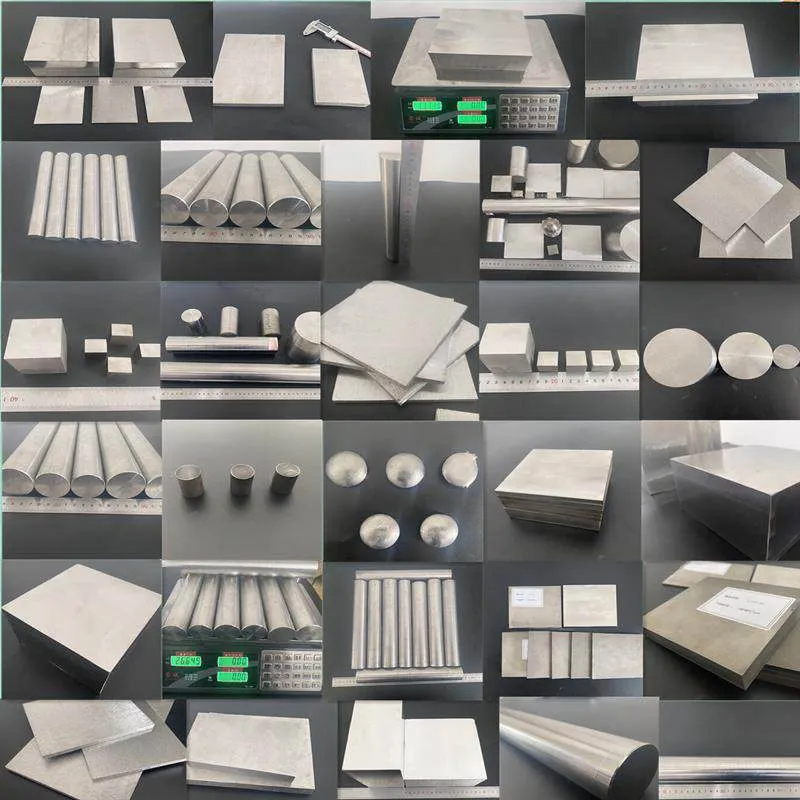
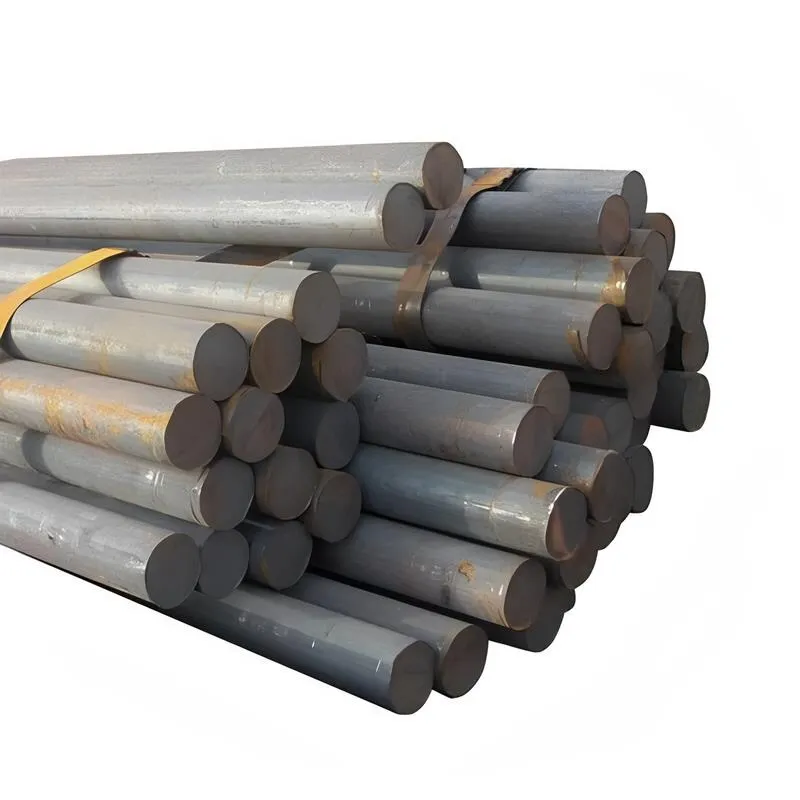
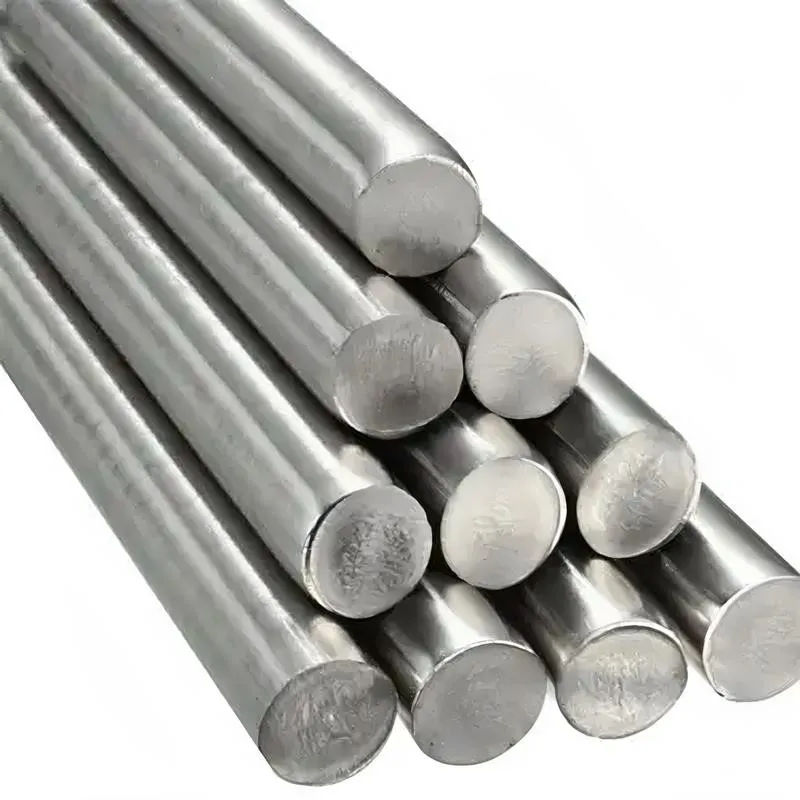
We provide AISI 4419H Steel, direct quenched from pot and tempered, 150°C (300°F) is available in Bar (Round bar, Flat bar), Ribbon, Wire, Rods, Tube,Seamless Tube,Pipe, Ingots, Plate, Sheet, Strip and Forging Stock.,Purity, chemical composition, size, etc. can all be customized to meet specific requirements.
Please contact us if you need customized services. We will contact you with the price and availability in 24 hours.
AISI 4419H Steel, direct quenched from pot and tempered, 150°C (300°F) Product Information
-:-
For detailed product information, please contact sales.
-:
AISI 4419H Steel, direct quenched from pot and tempered, 150°C (300°F) Synonyms
-:-
For detailed product information, please contact sales.
-:
AISI 4419H Steel, direct quenched from pot and tempered, 150°C (300°F) Product Information
-:-
For detailed product information, please contact sales.
-:
### **Product Data Sheet: AISI 4419H Steel, Direct Quenched from Carburizing Pot & Tempered at 150°C (300°F)**
**1. Product Overview**
This product refers to AISI 4419H alloy steel components processed through a specialized **high-pressure gas carburizing** cycle, followed by **direct quenching** from the carburizing furnace (pot) into oil, and a subsequent **low-temperature temper at 150°C (300°F)**. This advanced thermochemical treatment is designed to produce ultra-high surface hardness and exceptional compressive residual stresses, resulting in supreme wear resistance, very high fatigue strength (especially bending and contact fatigue), and good core toughness. It is a premium-grade process for critically stressed components.
**2. Key Specifications & International Standards**
* **Material Designation:** AISI 4419H / SAE 4419H
* **Condition:** Carburized, Direct Quenched (DQ), & Low-Temperature Tempered.
* **Carburizing Standard:** Typically in accordance with **AMS 2759/7** (Carburizing and Hardening of Steel Parts) or similar proprietary furnace specifications.
* **Material Standards:** **SAE J1268** (H-Steel Hardenability), **ASTM A304** (H-Steel Bars), **ISO 683-11** (Case-hardening steels).
* **Tempering Temperature:** 150°C ± 10°C (300°F ± 20°F).
**3. Chemical Composition (Weight %, AISI/SAE Specification Range)**
The “H” grade ensures consistent hardenability for predictable case depth and core properties.
| Element | Min. (%) | Max. (%) | Key Function |
| :--- | :--- | :--- | :--- |
| Carbon (C) | 0.17 | 0.23 | Provides core strength; basis for carburizing. |
| Manganese (Mn) | 0.45 | 0.65 | Enhances hardenability of both case and core. |
| Silicon (Si) | 0.15 | 0.35 | Deoxidizer, strengthens core. |
| Chromium (Cr) | 0.35 | 0.55 | Promotes hardenability, improves case properties. |
| Molybdenum (Mo) | 0.08 | 0.15 | Refines grain, improves hardenability and core strength. |
| Boron (B) | 0.0005 | 0.003 | Significantly boosts core hardenability efficiently. |
| Phosphorus (P) | - | 0.035 | Residual. |
| Sulfur (S) | - | 0.040 | Residual. |
**4. Resultant Properties After DQ & 150°C Temper**
*Note: Properties are highly dependent on the specific carburizing parameters (carbon potential, time, temperature).*
**4.1 Case (Surface) Properties:**
* **Surface Hardness:** 58-63 HRC (converted from HV) / 700-800 HV
* **Effective Case Depth (CHD 550 HV):** Typically 0.5 mm to 2.0 mm (0.020” to 0.080”), as specified.
* **Surface Carbon Content:** 0.70% - 0.90% (controlled to avoid excessive retained austenite or carbides).
* **Microstructure:** Fine, high-carbon martensite with a controlled amount of retained austenite (typically 10-20%) and finely dispersed carbides. Direct quenching helps minimize intergranular oxidation.
* **Residual Stress:** High compressive residual stresses at the surface, crucial for fatigue performance.
**4.2 Core Properties (at component centerline):**
* **Core Hardness:** 35-42 HRC (provides strong support for the hard case).
* **Microstructure:** Low-carbon tempered martensite/bainite, with good toughness.
* **Ultimate Tensile Strength:** ~1200 - 1400 MPa (174,000 - 203,000 psi)
* **Yield Strength:** ~1000 - 1200 MPa (145,000 - 174,000 psi)
**4.3 Overall Component Performance:**
* **Bending Fatigue Strength:** Extremely high due to hard case and compressive stresses.
* **Contact Fatigue (Pitting) Resistance:** Excellent.
* **Wear & Abrasion Resistance:** Outstanding.
* **Impact Toughness:** Good (dependent on core properties).
* **Dimensional Stability:** Good with proper fixturing during quenching. Low-temperature tempering minimizes further distortion.
**5. Product Advantages & Application Notes**
* **Performance Superiority:** Direct quenching from carburizing temperature maximizes surface compressive stresses and often results in a finer prior austenite grain size compared to a reheat-and-quench process, leading to better fatigue life.
* **Process Efficiency:** Eliminates the need for a separate re-austenitization step, reducing energy consumption and potential for distortion.
* **Applications:** Reserved for high-performance, safety-critical components where fatigue life and reliability are paramount.
* **Automotive & Truck:** High-load transmission gears (e.g., pinions, planet gears), bearing races, CV joints, fuel injection components.
* **Aerospace:** Critical gearing and transmission components (to specs like AMS2759).
* **Heavy Machinery & Racing:** Gears and bearings subjected to extreme cyclic stresses.
**6. Important Considerations**
* **Retained Austenite:** The low tempering temperature stabilizes a portion of retained austenite, which can be beneficial for fatigue and contact properties but may reduce apparent hardness slightly. Deep cryogenic treatment can be added to transform more austenite if required.
* **Grinding & Finishing:** Post-heat-treatment grinding must be performed carefully to avoid grinding burns which can relieve beneficial compressive stresses. Controlled processes like gentle grinding or superfinishing are recommended.
* **Not for Welding:** Components in this condition are **NOT weldable**. Any welding must be completed prior to carburizing.
* **Process Control:** This is a high-precision process requiring strict control of furnace atmosphere, temperature uniformity, and quenching parameters to ensure consistency.
---
**Disclaimer:** This data sheet describes typical characteristics of AISI 4419H steel processed under specific conditions. Actual properties are a function of component geometry, furnace characteristics, and precise process parameters. Prototype testing under simulated service conditions is strongly recommended for critical applications.
-:-
For detailed product information, please contact sales.
-:
AISI 4419H Steel, direct quenched from pot and tempered, 150°C (300°F) Specification
Dimensions
Size:
Diameter 20-1000 mm Length <5618 mm
Size:We can customized as required
Standard:
Per your request or drawing
We can customized as required
Properties(Theoretical)
Chemical Composition
-:-
For detailed product information, please contact sales.
-:
AISI 4419H Steel, direct quenched from pot and tempered, 150°C (300°F) Properties
-:-
For detailed product information, please contact sales.
-:
Applications of AISI 4419H Steel, direct quenched from pot and tempered, 150°C (300°F)
-:-
For detailed product information, please contact sales.
-:
Chemical Identifiers AISI 4419H Steel, direct quenched from pot and tempered, 150°C (300°F)
-:-
For detailed product information, please contact sales.
-:
Packing of AISI 4419H Steel, direct quenched from pot and tempered, 150°C (300°F)
-:-
For detailed product information, please contact sales.
-:
Standard Packing:
-:-
For detailed product information, please contact sales.
-:
Typical bulk packaging includes palletized plastic 5 gallon/25 kg. pails, fiber and steel drums to 1 ton super sacks in full container (FCL) or truck load (T/L) quantities. Research and sample quantities and hygroscopic, oxidizing or other air sensitive materials may be packaged under argon or vacuum. Solutions are packaged in polypropylene, plastic or glass jars up to palletized 2089 gallon liquid totes Special package is available on request. E FORUs’ is carefully handled to minimize damage during storage and transportation and to preserve the quality of our products in their original condition