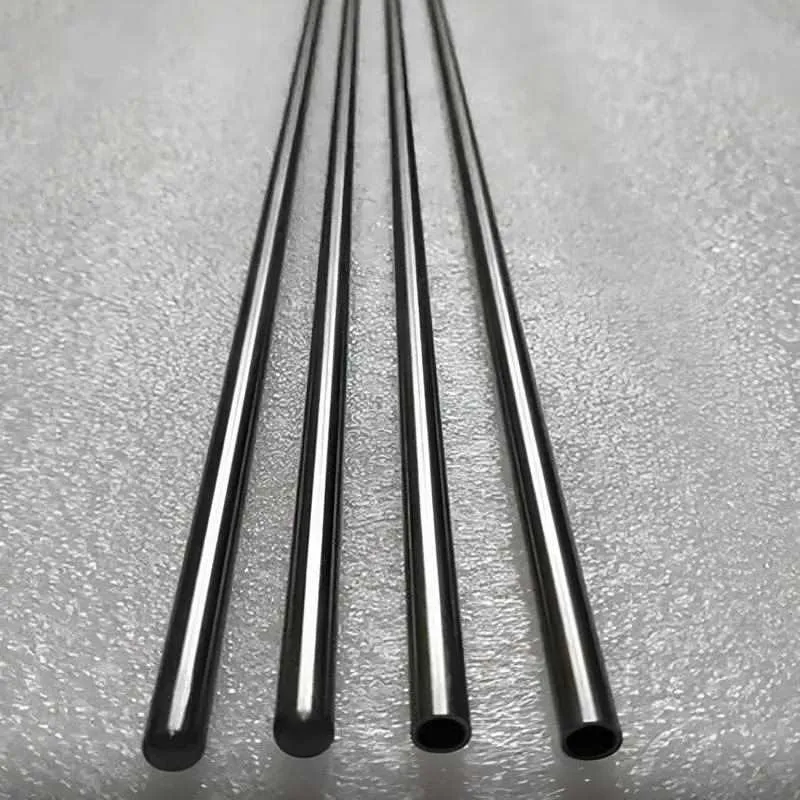
AISI 4419H Steel, mock carburized
Product Code : STI-CSTI-878-CU
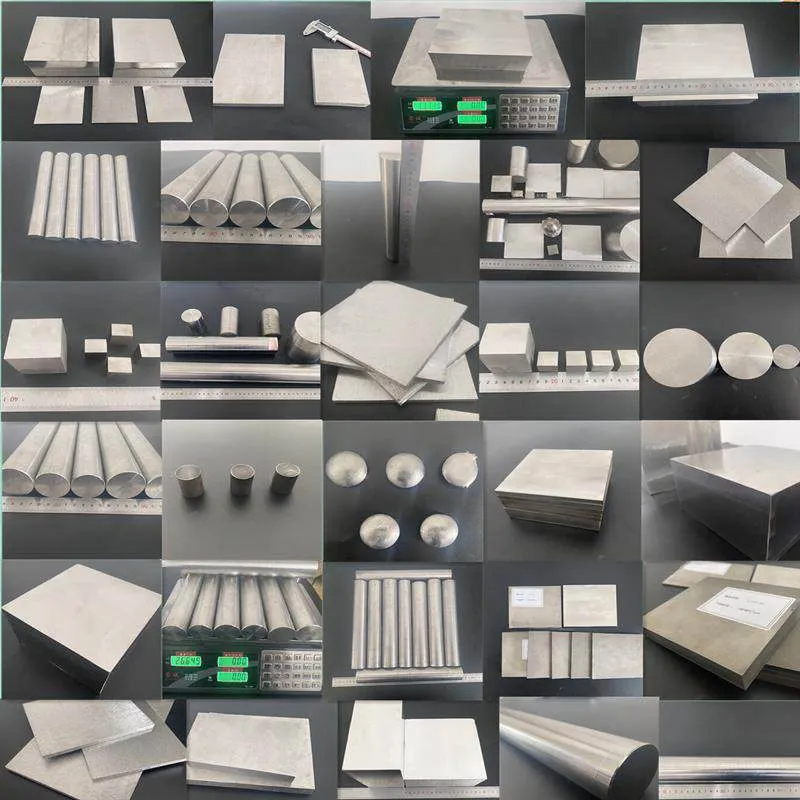
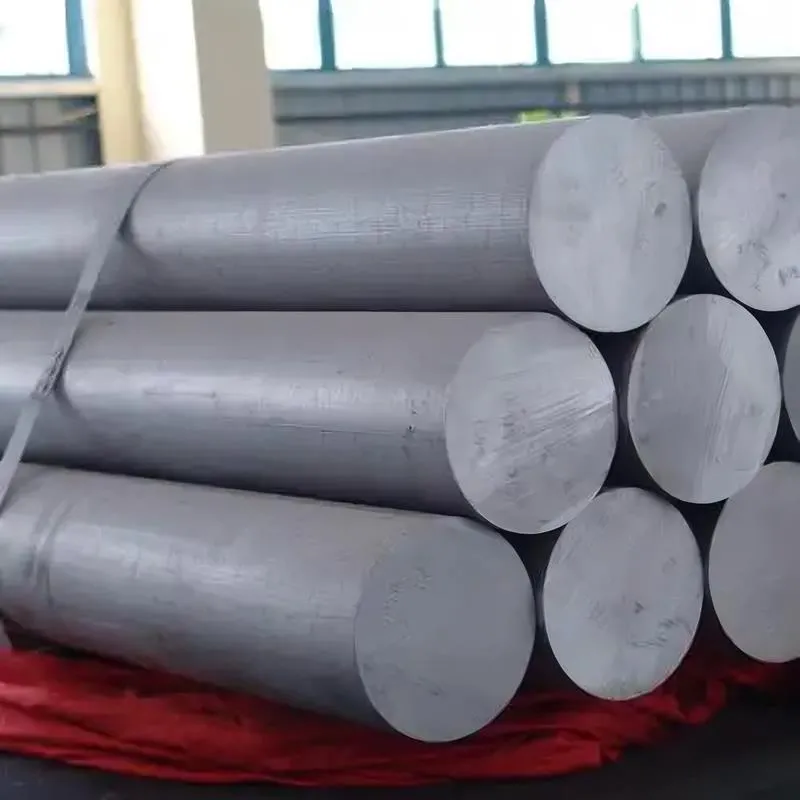
We provide AISI 4419H Steel, mock carburized, 150°C (300°F) temper, 14 mm (0.55 in.) round is available in Bar (Round bar, Flat bar), Ribbon, Wire, Rods, Tube,Seamless Tube,Pipe, Ingots, Plate, Sheet, Strip and Forging Stock.,Purity, chemical composition, size, etc. can all be customized to meet specific requirements.
Please contact us if you need customized services. We will contact you with the price and availability in 24 hours.
AISI 4419H Steel, mock carburized, 150°C (300°F) temper, 14 mm (0.55 in.) round Product Information
-:-
For detailed product information, please contact sales.
-:
AISI 4419H Steel, mock carburized, 150°C (300°F) temper, 14 mm (0.55 in.) round Synonyms
-:-
For detailed product information, please contact sales.
-:
AISI 4419H Steel, mock carburized, 150°C (300°F) temper, 14 mm (0.55 in.) round Product Information
-:-
For detailed product information, please contact sales.
-:
# **Technical Data Sheet: AISI 4419H Steel - Mock Carburized Condition**
## **Product Overview**
**Material Designation:** AISI 4419H Alloy Steel (Hardenability Controlled)
**Heat Treatment Condition:** Mock Carburized & 150°C (300°F) Tempered
**Product Form:** 14 mm (0.55 inch) Diameter Round Bar
**Microstructure:** Through-hardened tempered martensite simulating carburized core properties
**Primary Use:** Core property reference material, small high-strength components, and hardenability verification specimens for carburizing applications
---
## **1. Chemical Composition - Hardenability Controlled Grade**
### **Certified Composition Ranges** (Weight %)
| Element | Minimum | Maximum | Target | Significance for Mock Carburizing |
|---------|---------|---------|--------|-----------------------------------|
| **Carbon (C)** | 0.17 | 0.23 | 0.19-0.22 | Core carbon level for carburized parts |
| **Manganese (Mn)** | 0.45 | 0.70 | 0.55-0.65 | Ensures consistent hardenability |
| **Silicon (Si)** | 0.15 | 0.35 | 0.20-0.30 | Controls grain growth during carburizing |
| **Chromium (Cr)** | 0.85 | 1.20 | 1.00-1.10 | Enhances core hardenability and strength |
| **Molybdenum (Mo)** | 0.20 | 0.35 | 0.24-0.30 | Improves temper resistance |
| **Nickel (Ni)** | 0.40 | 0.70 | 0.55-0.65 | Enhances core toughness |
| **Phosphorus (P)** | — | 0.035 | ≤0.018 | Minimized for improved ductility |
| **Sulfur (S)** | — | 0.040 | ≤0.020 | Controlled for machinability |
| **Iron (Fe)** | Balance | | | Matrix |
### **Hardenability Characteristics**
- **SAE J406 Compliance:** Guaranteed within specified H-band limits
- **Ideal Critical Diameter (D₁):** 110-140 mm in oil quench
- **Jominy Distance to 40 HRC:** J10-J16
- **Core Hardenability Factor:** Optimized for carburized components
- **Prior Austenite Grain Size Control:** ASTM 6-8 typical after carburizing cycle
---
## **2. Mock Carburizing Process**
### **Thermal Cycle Simulation**
**Process Specifications:**
- **Preheating:** 650°C (1200°F) for 30 minutes to reduce thermal shock
- **Austenitizing:** 930°C (1705°F) for 90 minutes (simulating carburizing temperature)
- **Atmosphere:** Protective neutral atmosphere (no carbon enrichment)
- **Quenching:** Fast oil quench at 60°C (140°F) with agitation
- **Tempering:** 150°C ±5°C (300°F ±9°F) for 120 minutes
- **Cooling:** Air cool to ambient temperature
### **Resulting Microstructure (14 mm Diameter)**
- **Matrix Structure:** Tempered martensite (>95%)
- **Retained Austenite:** <5% (typically 2-4%)
- **Carbide Distribution:** Fine alloy carbides uniformly dispersed
- **Prior Austenite Grain Size:** ASTM 7-9 (10-20 μm)
- **Hardness Uniformity:** ≤2 HRC variation throughout section
- **Surface Condition:** No decarburization, minimal oxidation
### **Mock Carburizing vs Actual Carburizing**
- **Same Thermal History:** Identical time-temperature cycle
- **No Carbon Enrichment:** Maintains base carbon level throughout
- **Core Properties Only:** Simulates core microstructure of carburized parts
- **No Case Formation:** Uniform properties throughout cross-section
- **Reference Value:** Provides baseline core properties for comparison
---
## **3. Mechanical Properties**
### **Standard Mechanical Properties**
| Property | Minimum | Typical Range | Maximum | Test Standard |
|----------|---------|---------------|---------|---------------|
| **Hardness (Rockwell C)** | 42 HRC | 44-47 HRC | 49 HRC | ASTM E18 |
| **Hardness (Brinell)** | 400 HBW | 420-460 HBW | 480 HBW | ASTM E10 |
| **Ultimate Tensile Strength** | 1400 MPa | 1450-1550 MPa | 1600 MPa | ASTM A370 |
| **Yield Strength (0.2% Offset)** | 1200 MPa | 1250-1350 MPa | 1400 MPa | ASTM A370 |
| **Elongation (in 4D)** | 5% | 6-9% | 11% | ASTM A370 |
| **Reduction of Area** | 25% | 30-40% | 45% | ASTM A370 |
| **Impact Energy (Charpy V, 20°C)** | 15 J | 18-25 J | 30 J | ASTM E23 |
### **Section-Specific Properties (14 mm Diameter)**
- **Radial Hardness Profile:**
- Surface: 44-47 HRC
- Center: 44-47 HRC (full through-hardening)
- **Microhardness (HV):** 450-500 HV uniformly distributed
- **Fatigue Strength:** 550-620 MPa (rotating bending, 10⁷ cycles)
- **True Fracture Strength:** 1850-2050 MPa
- **Compressive Yield Strength:** 1300-1450 MPa
### **Core Properties Comparison (vs Carburized Parts)**
| Property | Mock Carburized Core | Typical Carburized Core (0.20% C) |
|----------|----------------------|----------------------------------|
| **Hardness** | 44-47 HRC | 35-40 HRC (before carburizing) |
| **Tensile Strength** | 1450-1550 MPa | 1200-1400 MPa |
| **Yield Strength** | 1250-1350 MPa | 1000-1200 MPa |
| **Toughness** | Moderate | Good (due to lower carbon) |
| **Microstructure** | Tempered martensite | Tempered martensite |
---
## **4. Physical Properties**
| Property | Condition | Value | Unit | Notes |
|----------|-----------|-------|------|-------|
| **Density** | 20°C | 7.85 | g/cm³ | — |
| **Thermal Conductivity** | 20°C | 41.0 | W/m·K | — |
| | 200°C | 39.5 | W/m·K | — |
| **Specific Heat Capacity** | 20°C | 460 | J/kg·K | — |
| **Mean CTE** | 20-100°C | 11.5 | ×10⁻⁶/K | — |
| | 20-300°C | 12.0 | ×10⁻⁶/K | — |
| **Electrical Resistivity** | 20°C | 0.22 | μΩ·m | — |
| **Modulus of Elasticity** | 20°C | 205 | GPa | — |
| **Shear Modulus** | 20°C | 80 | GPa | — |
---
## **5. International Standards Compliance**
### **Material Standards**
- **AISI/SAE:** 4419H (Hardenability Controlled)
- **UNS:** H44190
- **ASTM:** A304 Grade 4419H
- **ASTM:** A534 Grade 4419H (Carburizing Steel)
- **ISO:** 683-18:2023 (41CrMo4+NiH)
- **DIN/EN:** 1.6565 / 41CrMo4+Ni (with H-certification)
- **AMS:** 6260 (Aerospace carburizing steel)
### **Testing & Certification Standards**
- **Hardenability Testing:** ASTM A255, ISO 642
- **Chemical Analysis:** ASTM E415, ISO 4948
- **Mechanical Testing:** ASTM A370, ISO 6892-1
- **Hardness Testing:** ASTM E18, ISO 6508
- **Microstructural:** ASTM E112, E45, ISO 643
---
## **6. Certified Hardenability Data**
### **Jominy End-Quench Test Results**
| J Distance (1/16") | Hardness (HRC) Min | Hardness (HRC) Max | Typical |
|--------------------|-------------------|-------------------|---------|
| **J1** | 45 | 52 | 48-50 |
| **J3** | 43 | 50 | 45-48 |
| **J5** | 41 | 48 | 43-46 |
| **J7** | 39 | 46 | 41-44 |
| **J9** | 37 | 44 | 39-42 |
| **J11** | 35 | 42 | 37-40 |
| **J13** | 33 | 40 | 35-38 |
| **J15** | 31 | 38 | 33-36 |
### **Hardenability Interpretation for 14 mm Section**
- **Expected As-Quenched Hardness:** 48-52 HRC
- **Quenching Medium:** Fast oil (H=0.35-0.40)
- **Through-Hardening:** Complete for 14 mm diameter
- **Core Hardness Predictability:** Excellent due to H-grade control
---
## **7. Applications**
### **Primary Application Areas**
**1. Quality Control & Reference Standards**
- **Core Property Reference:** Baseline for carburized component core properties
- **Heat Treatment Validation:** Verification of carburizing furnace performance
- **Quenchant Testing:** Evaluation of quenching oil effectiveness
- **Process Development:** Optimization of carburizing parameters
**2. Small High-Strength Components**
- **Precision Pins:** Dowel pins, locating pins, guide pins
- **Fasteners:** High-strength bolts, studs, special fasteners
- **Shafts:** Small diameter shafts, axles, spindles
- **Bearing Components:** Small bearing races, rollers
**3. Tooling & Wear Components**
- **Jig & Fixture Components:** Drill bushings, wear plates
- **Cutting Tool Components:** Tool holders, arbors
- **Mold Components:** Ejector pins, core pins
- **Wear Parts:** Small wear surfaces, guides
**4. Testing & Research**
- **Material Characterization:** Core property determination
- **Fatigue Testing:** Specimens for fatigue life studies
- **Fracture Mechanics:** Samples for toughness evaluation
- **Metallurgical Research:** Microstructure-property relationships
### **Specific Advantages for 14 mm Diameter**
1. **Full Through-Hardening:** Complete transformation in small section
2. **Uniform Properties:** Consistent mechanical properties throughout
3. **Precision Applications:** Ideal for small, high-precision components
4. **Reference Value:** Excellent for quality control applications
5. **Material Efficiency:** Minimal waste in manufacturing small parts
---
## **8. Machining Considerations**
### **Important Note**
**This material is supplied in final heat-treated condition (44-47 HRC). All machining must be performed with appropriate hard machining techniques.**
### **Hard Machining Operations**
**Grinding (Recommended):**
- **Wheel Type:** Aluminum oxide or CBN wheels
- **Wheel Speed:** 25-35 m/sec
- **Work Speed:** 15-25 m/min
- **Depth of Cut:** 0.005-0.015 mm/pass
- **Coolant:** Essential to prevent thermal damage
**Electrical Discharge Machining (EDM):**
- **Method:** Wire EDM preferred
- **Parameters:** Finishing settings with multiple skims
- **Surface Finish:** Ra 0.4-1.6 μm achievable
**Hard Turning (If Necessary):**
- **Tool Material:** PCBN or ceramic inserts
- **Cutting Speed:** 100-150 m/min
- **Feed Rate:** 0.05-0.15 mm/rev
- **Depth of Cut:** 0.1-0.5 mm
- **Coolant:** High-pressure minimum quantity lubrication
### **Processing Limitations**
- **No Further Heat Treatment:** Properties cannot be altered without degradation
- **Limited Formability:** Cannot be cold formed
- **Welding Not Recommended:** In heat-treated condition
- **Surface Treatments:** Limited to low-temperature processes (<200°C)
---
## **9. Quality Assurance**
### **Testing & Certification**
**Mandatory Testing:**
1. **Hardenability Certification:** Complete Jominy curve
2. **Chemical Analysis:** Full composition verification
3. **Hardness Testing:** Multiple location verification
4. **Microstructure Evaluation:** Tempered martensite confirmation
**Additional Testing Available:**
- **Tensile Testing:** Full mechanical property determination
- **Impact Testing:** Toughness evaluation
- **Microhardness Mapping:** Property distribution analysis
- **Non-Destructive Testing:** Ultrasonic or magnetic particle inspection
### **Documentation Provided**
- **Material Test Certificate:** EN 10204 3.1 with hardenability data
- **Heat Treatment Records:** Complete thermal cycle documentation
- **Chemical Analysis Report:** Composition verification
- **Process Certification:** Mock carburizing process validation
### **Dimensional Specifications**
- **Diameter:** 14.0 mm ±0.05 mm
- **Straightness:** 0.3 mm per meter maximum
- **Surface Condition:** Clean, scale-free
- **Length Tolerance:** +5/-0 mm standard
---
## **10. Technical Advantages**
### **Mock Carburizing Benefits**
1. **Core Property Simulation:** Accurate representation of carburized core
2. **Process Validation:** Verifies thermal cycle without carbon control
3. **Consistent Reference:** Provides baseline for quality control
4. **Cost Effective:** Lower cost than actual carburizing for reference purposes
### **4419H Grade Advantages**
1. **Guaranteed Hardenability:** Certified performance within narrow bands
2. **Predictable Properties:** Consistent mechanical behavior
3. **Quality Assurance:** Enhanced control for critical applications
4. **Reduced Variability:** Minimized property scatter
### **14 mm Diameter Specific Advantages**
1. **Full Hardening:** Complete through-hardening capability
2. **Uniform Properties:** Consistent through small section
3. **Precision Applications:** Ideal for small components
4. **Material Efficiency:** High utilization in manufacturing
5. **Testing Versatility:** Suitable for various test specimen geometries
---
## **11. Comparative Analysis**
### **vs. Actual Carburized 4419H (14 mm)**
| Parameter | Mock Carburized | Actual Carburized | Notes |
|-----------|-----------------|-------------------|-------|
| **Surface Hardness** | 44-47 HRC | 58-62 HRC (case) | No case in mock carburized |
| **Core Hardness** | 44-47 HRC | 35-40 HRC | Higher due to full hardening |
| **Case Depth** | None | 0.5-1.0 mm typical | — |
| **Toughness** | Lower | Higher in core | Higher carbon reduces toughness |
| **Applications** | Reference, small parts | Wear components | Different primary uses |
### **vs. Through-Hardened 4140 (Similar Hardness)**
| Material | Process | Hardness | Toughness | Hardenability |
|----------|---------|----------|-----------|--------------|
| **AISI 4419H Mock Carb** | Mock carb + 150°C temper | 44-47 HRC | Moderate | Excellent |
| AISI 4140 Q&T | Q&T to similar hardness | 44-47 HRC | Better | Good |
| Benefit | Better hardenability control | — | — | More predictable |
---
## **12. Storage & Handling**
### **Storage Requirements**
- **Environment:** Dry, protected storage
- **Packaging:** VCI paper or rust preventive coating
- **Stacking:** Proper support to prevent bending
- **Shelf Life:** 18 months with proper protection
### **Handling Precautions**
- **Sharp Edges:** May have sharp edges from processing
- **Weight:** Approximately 1.21 kg/m
- **Safety:** Standard workshop PPE sufficient
- **Identification:** Maintain heat number traceability
---
## **13. Ordering Information**
### **Standard Specifications**
- **Material:** AISI 4419H, Mock Carburized & 150°C Tempered
- **Diameter:** 14.0 mm ±0.05 mm
- **Lengths:** 3000, 4000 mm standard
- **Condition:** Heat treated, ready for finish machining
- **Certification:** Hardenability certificate included
### **Available Options**
- Precision grinding to specific diameters
- Cutting to exact lengths
- Special testing packages
- Custom certification requirements
---
## **14. Technical Support**
### **Services Available**
1. **Application Consultation:** Appropriate use guidance
2. **Testing Support:** Additional testing recommendations
3. **Processing Advice:** Machining and finishing guidance
4. **Comparative Analysis:** Alternative material suggestions
---
**Revision History:**
- Revision 1.0: Initial Release
- Revision 1.1: Enhanced property data
- Revision 1.2: Added application guidelines
**Disclaimer:** This material simulates core properties only. No carburized case is present. Users should verify suitability for specific applications through testing.
**Document:** TDS-4419H-MC150-14
**Revision:** 1.2
**Date:** October 2023
-:-
For detailed product information, please contact sales.
-:
AISI 4419H Steel, mock carburized, 150°C (300°F) temper, 14 mm (0.55 in.) round Specification
Dimensions
Size:
Diameter 20-1000 mm Length <5610 mm
Size:We can customized as required
Standard:
Per your request or drawing
We can customized as required
Properties(Theoretical)
Chemical Composition
-:-
For detailed product information, please contact sales.
-:
AISI 4419H Steel, mock carburized, 150°C (300°F) temper, 14 mm (0.55 in.) round Properties
-:-
For detailed product information, please contact sales.
-:
Applications of AISI 4419H Steel, mock carburized, 150°C (300°F) temper, 14 mm (0.55 in.) round
-:-
For detailed product information, please contact sales.
-:
Chemical Identifiers AISI 4419H Steel, mock carburized, 150°C (300°F) temper, 14 mm (0.55 in.) round
-:-
For detailed product information, please contact sales.
-:
Packing of AISI 4419H Steel, mock carburized, 150°C (300°F) temper, 14 mm (0.55 in.) round
-:-
For detailed product information, please contact sales.
-:
Standard Packing:
-:-
For detailed product information, please contact sales.
-:
Typical bulk packaging includes palletized plastic 5 gallon/25 kg. pails, fiber and steel drums to 1 ton super sacks in full container (FCL) or truck load (T/L) quantities. Research and sample quantities and hygroscopic, oxidizing or other air sensitive materials may be packaged under argon or vacuum. Solutions are packaged in polypropylene, plastic or glass jars up to palletized 2081 gallon liquid totes Special package is available on request. E FORUs’ is carefully handled to minimize damage during storage and transportation and to preserve the quality of our products in their original condition