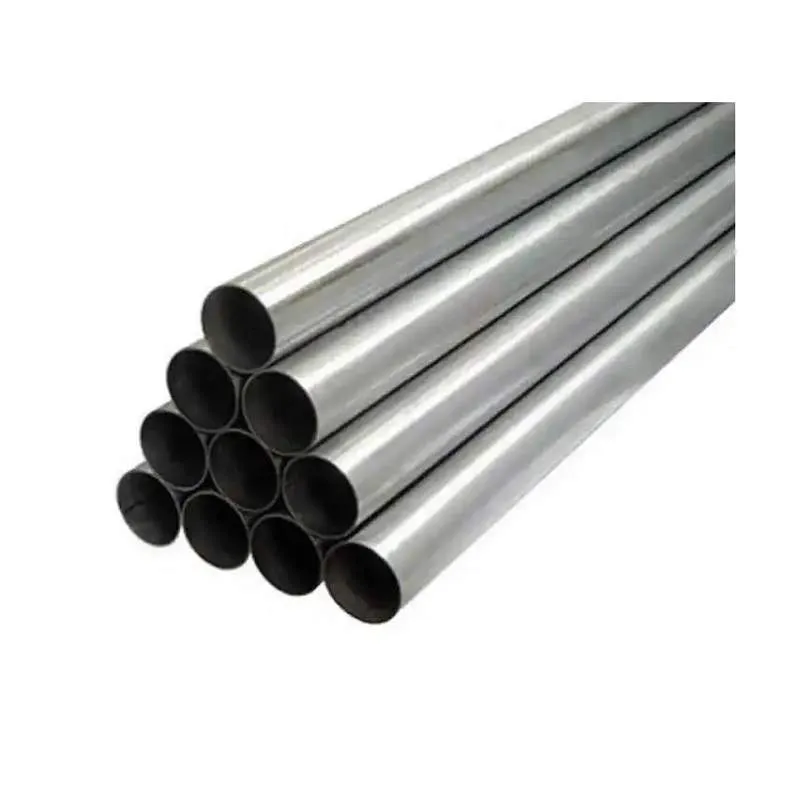
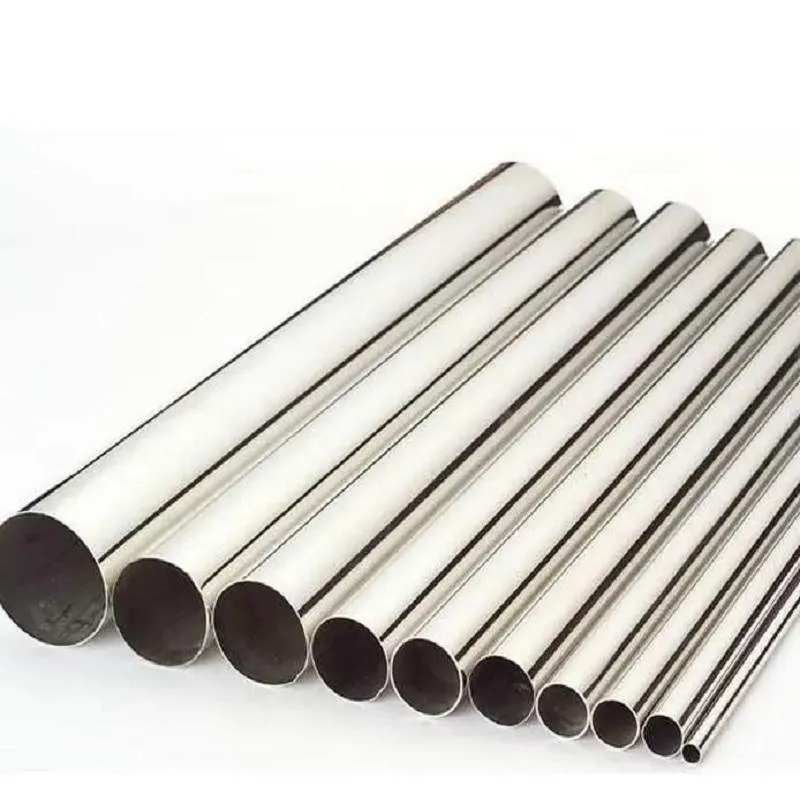
AISI 4720 Steel Tube,Pipe
Product Code : STI-CSTI-929-CU
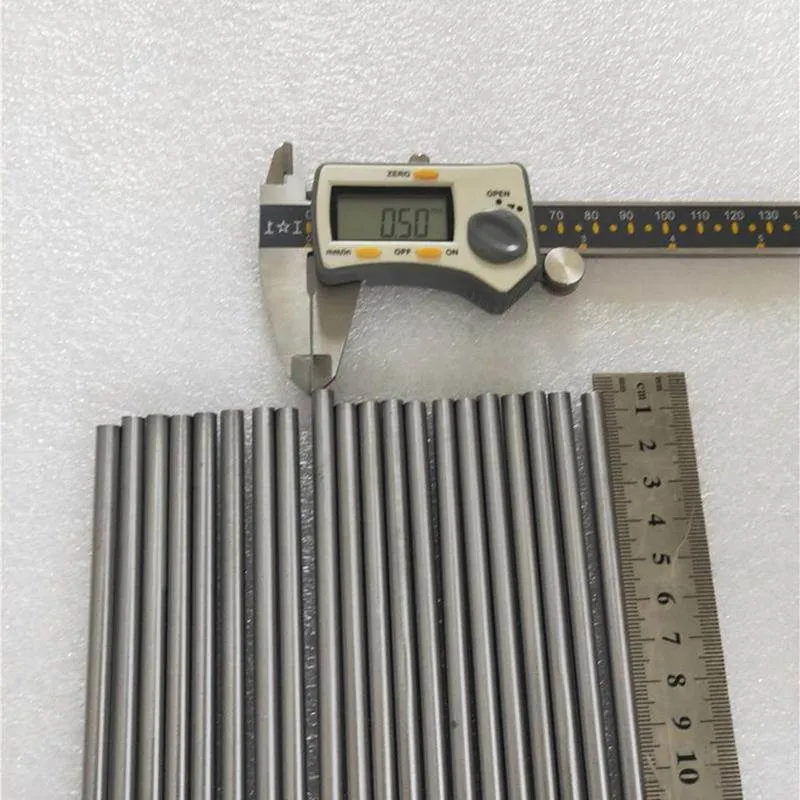
We provide AISI 4720 Steel Tube is available in Bar (Round bar, Flat bar), Ribbon, Wire, Rods, Tube,Seamless Tube,Pipe, Ingots, Plate, Sheet, Strip and Forging Stock.,Purity, chemical composition, size, etc. can all be customized to meet specific requirements.AISI 4720 Steel Pipe
Please contact us if you need customized services. We will contact you with the price and availability in 24 hours.
AISI 4720 Steel Tube Product Information
-:-
For detailed product information, please contact sales.
-:
AISI 4720 Steel Tube Synonyms
-:-
For detailed product information, please contact sales.
-:
AISI 4720 Steel Product Information
-:-
For detailed product information, please contact sales.
-:
# Technical Data Sheet: AISI 4720 Steel
## 1. Product Overview
**AISI 4720** is a nickel-chromium-molybdenum alloy steel specifically designed for **case hardening through carburizing**. Characterized by its balanced composition of nickel (0.90-1.20%), chromium (0.35-0.55%), and molybdenum (0.15-0.25%), this grade offers an excellent combination of core toughness, hardenability, and wear-resistant surface properties when properly heat treated. Its moderate alloy content positions it between lower-cost carburizing steels (like 8620) and premium grades (like 9310), making it a versatile choice for components requiring good strength, impact resistance, and durability under demanding service conditions.
## 2. Material Specifications & Standards
* **UNS Designation:** G47200
* **AISI / SAE:** 4720
* **Primary Standards:**
* **SAE J404:** Chemical Compositions of SAE Alloy Steels
* **ASTM A322:** Standard Specification for Steel Bars, Alloy, Standard Grades
* **ASTM A534:** Standard Specification for Carburizing Steels for Anti-Friction Bearings (may be specified for bearing applications)
* **Common Heat Treatment Standards:**
* **SAE J1268:** Heat Treatment of Steel
* **AMS 2759/7:** Carburizing and Carbonitriding (Aerospace)
* **International Equivalents:**
* **EN/DIN:** 20NiCrMoS2-2 / 1.6523+ (Note: The European designation is very close to that for 4620/4620H due to similar Ni-Cr-Mo levels)
* **JIS:** SNCM220 (Note: Japanese standard often groups 4620 and 4720 types together)
* **GB:** 20CrNiMo (China)
## 3. Chemical Composition (SAE J404 Standard)
The composition is balanced to provide good hardenability for a strong core, while the nickel content ensures superior toughness.
| Element | Content Range (%) | Metallurgical Function |
| :--- | :---: | :--- |
| **Carbon (C)** | 0.17 – 0.22 | Provides base hardenability and core strength. Low enough to ensure good core toughness after carburizing. |
| **Manganese (Mn)** | 0.50 – 0.70 | Enhances hardenability and strength. |
| **Phosphorus (P)** | ≤ 0.035 | Residual element (impurity), kept low. |
| **Sulfur (S)** | ≤ 0.040 | Residual element (impurity), kept low. Can be specified as "Free-Machining" grade with higher Sulfur (e.g., 4720H). |
| **Silicon (Si)** | 0.15 – 0.35 | Deoxidizer during steelmaking; provides solid solution strengthening. |
| **Nickel (Ni)** | 0.90 – 1.20 | **Primary alloying element.** Significantly improves core toughness and ductility; increases hardenability. |
| **Chromium (Cr)** | 0.35 – 0.55 | Increases hardenability; promotes the formation of hard, wear-resistant carbides in the case during carburizing. |
| **Molybdenum (Mo)** | 0.15 – 0.25 | **Key alloying element.** Refines grain structure, increases hardenability (particularly in heavier sections), improves strength at elevated temperatures, and reduces susceptibility to temper embrittlement. |
## 4. Typical Physical & Mechanical Properties
Properties are highly dependent on heat treatment condition. The following are representative values.
### 4.1 Properties in Annealed Condition (Typical for Machining):
* **Hardness:** 170 – 212 HB (Approx. 86 – 95 HRB)
* **Tensile Strength:** 550 – 690 MPa (80 – 100 ksi)
* **Yield Strength:** 340 – 515 MPa (49 – 75 ksi)
* **Elongation:** 25% – 30%
* **Machinability:** Good (approx. 60% of 1212 steel standard)
### 4.2 Properties After Carburizing, Quenching & Tempering (Typical):
AISI 4720 is almost always used in a case-hardened state.
* **Case (Surface) Properties:**
* **Hardness:** 58 – 63 HRC (after carburizing, quenching, and low-temperature tempering).
* **Effective Case Depth:** Variable (typically 0.5 – 2.0 mm to 550 HV / 50 HRC).
* **Microstructure:** Hard, high-carbon martensite with fine alloy carbides.
* **Core Properties (after full heat treat):**
* **Hardness:** 30 – 40 HRC (dependent on section size and quench severity).
* **Tensile Strength:** 900 – 1200 MPa (130 – 175 ksi)
* **Yield Strength:** 700 – 1000 MPa (100 – 145 ksi)
* **Elongation:** 10% – 15%
* **Impact Toughness (Charpy V-notch):** Good to Very Good (typically 30 – 50 J at room temperature), a key benefit from the nickel content.
## 5. Key Characteristics & Advantages
* **Excellent Core Toughness:** The significant nickel content (0.9-1.2%) provides superior impact resistance and fracture toughness compared to many other carburizing steels, making it ideal for components subject to shock loads.
* **Good Hardenability:** The combination of Ni, Cr, and Mo allows for effective through-hardening of moderate section sizes, ensuring a strong, martensitic core to support the hard case.
* **Good Wear & Fatigue Resistance:** When carburized, it develops a hard, wear-resistant surface with good resistance to contact fatigue (pitting) and bending fatigue.
* **Good Dimensional Stability:** Responds well to heat treatment with manageable distortion, especially when processes like press quenching or reheat quenching are employed.
* **Versatility:** Can be used for a wide range of component sizes and applications, from automotive to heavy industrial.
## 6. Typical Applications
AISI 4720 is selected for components that require a durable, wear-resistant surface combined with a tough, shock-resistant core.
* **Automotive & Truck:** Gears (transmission, differential), pinions, axle shafts, steering components, crankshafts (for some medium-duty applications), and high-strength fasteners.
* **Heavy Equipment & Off-Road Machinery:** Gears and pinions for transmissions and final drives, track rollers, idlers, and pivot shafts for construction and agricultural equipment.
* **Industrial Machinery:** Gearing for gearboxes, heavy-duty bearing races and rollers, camshafts, and high-load pins and bushings.
* **Oil & Gas:** Components for drilling equipment, valve parts, and tool joints requiring good toughness.
* **General Engineering:** High-strength bolts, studs, and other dynamically loaded fasteners.
## 7. Heat Treatment Guidelines
* **Forging:** 1150°C – 900°C (2100°F – 1650°F). Reheat as necessary. Anneal after forging to relieve stresses and soften for machining.
* **Annealing:** Full anneal at ~870°C (1600°F), slow cool. Process anneal at ~650-700°C (1200-1300°F) for stress relief.
* **Carburizing:** Typically performed at 900 – 930°C (1650 – 1705°F) in a carbon-rich atmosphere.
* **Hardening (Core):** Austenitize at 830 – 860°C (1525 – 1580°F), then quench in oil.
* **Tempering:** After quenching, temper immediately. Temperature depends on desired hardness/toughness balance: 150 – 200°C (300 – 400°F) for high hardness, 230 – 300°C (450 – 570°F) for increased toughness with good strength.
* **Surface Hardening:** Also suitable for processes like induction or flame hardening, where a tough core is required.
## 8. Machining & Welding
* **Machinability:** Good in the annealed condition. Pre-hardened material requires appropriate tooling (carbide) and parameters.
* **Welding:** Can be welded with precautions. Pre-heating (150-260°C / 300-500°F) and post-weld stress relieving or full heat treatment are generally recommended to restore properties in the heat-affected zone (HAZ). Not typically welded after carburizing.
## 9. Available Forms
* Round, square, and flat bar stock
* Forging billets
* Wire (for fasteners)
* Tubing (mechanical)
---
**Disclaimer:** This data sheet provides general information and typical values. The properties of AISI 4720 are highly dependent on the specific manufacturing process, heat treatment parameters, and final part geometry. For critical applications, consultation with a metallurgist or material supplier is essential to specify the exact grade, condition, and required properties.
-:-
For detailed product information, please contact sales.
-:
AISI 4720 Steel Specification
Dimensions
Size:
Diameter 20-1000 mm Length <5661 mm
Size:We can customized as required
Standard:
Per your request or drawing
We can customized as required
Properties(Theoretical)
Chemical Composition
-:-
For detailed product information, please contact sales.
-:
AISI 4720 Steel Properties
-:-
For detailed product information, please contact sales.
-:
Applications of AISI 4720 Steel Tube
-:-
For detailed product information, please contact sales.
-:
Chemical Identifiers AISI 4720 Steel Tube
-:-
For detailed product information, please contact sales.
-:
Packing of AISI 4720 Steel Tube
-:-
For detailed product information, please contact sales.
-:
Standard Packing:
-:-
For detailed product information, please contact sales.
-:
Typical bulk packaging includes palletized plastic 5 gallon/25 kg. pails, fiber and Steel Tube drums to 1 ton super sacks in full container (FCL) or truck load (T/L) quantities. Research and sample quantities and hygroscopic, oxidizing or other air sensitive materials may be packaged under argon or vacuum. Solutions are packaged in polypropylene, plastic or glass jars up to palletized 2132 gallon liquid totes Special package is available on request. E FORUs’ is carefully handled to minimize damage during storage and transportation and to preserve the quality of our products in their original condition