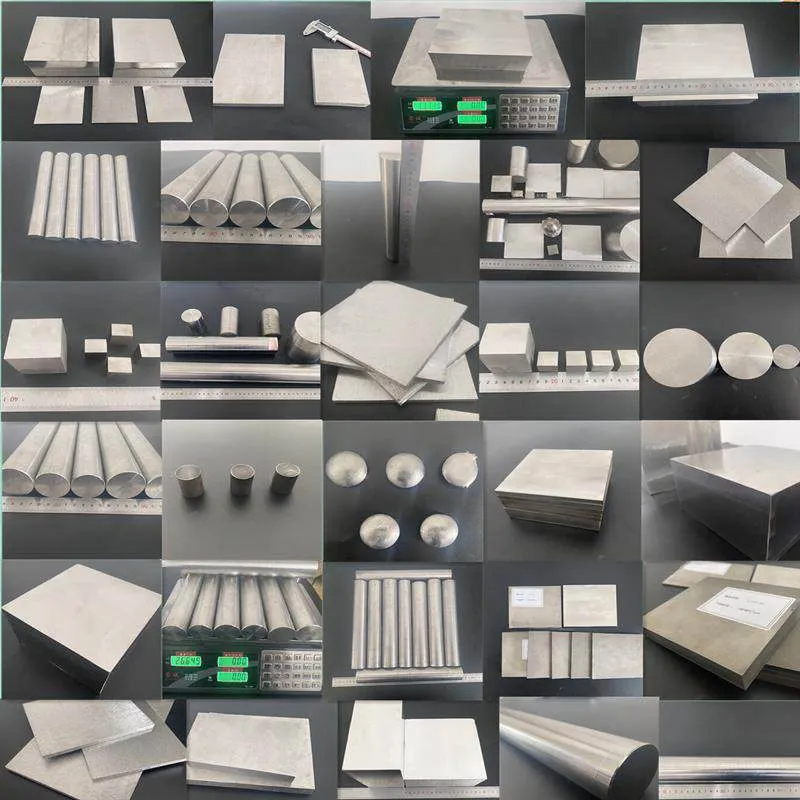
AISI 50B44 Steel Sheet,Plate
Product Code : STI-CSTI-1538-CU
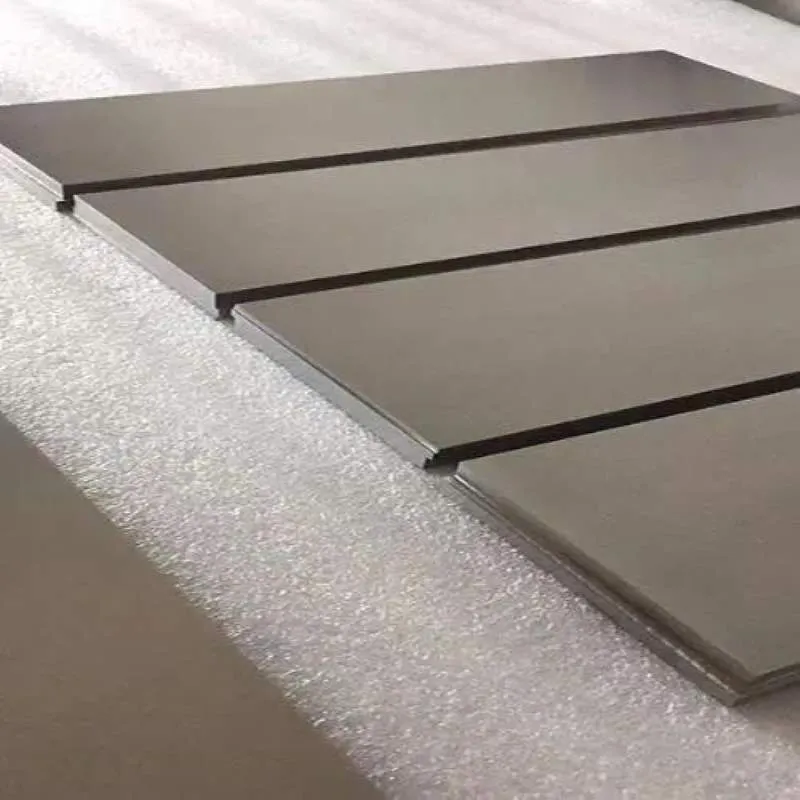
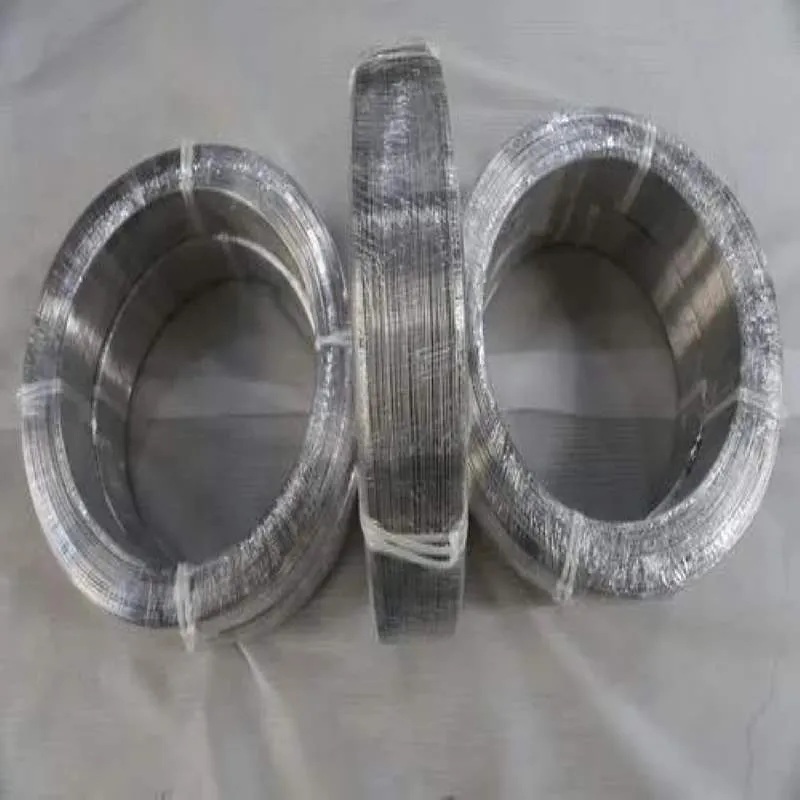
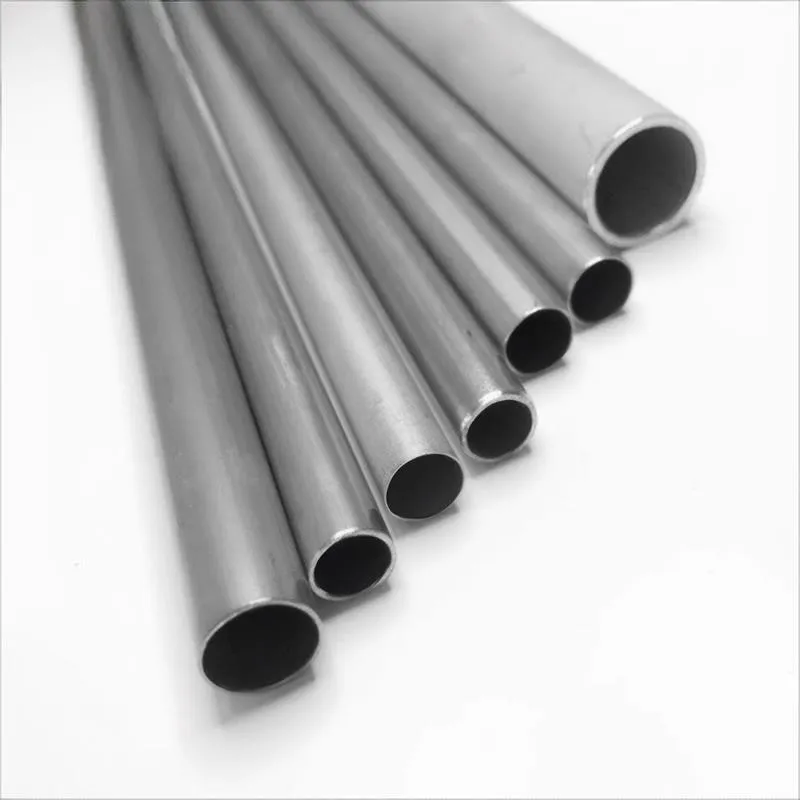
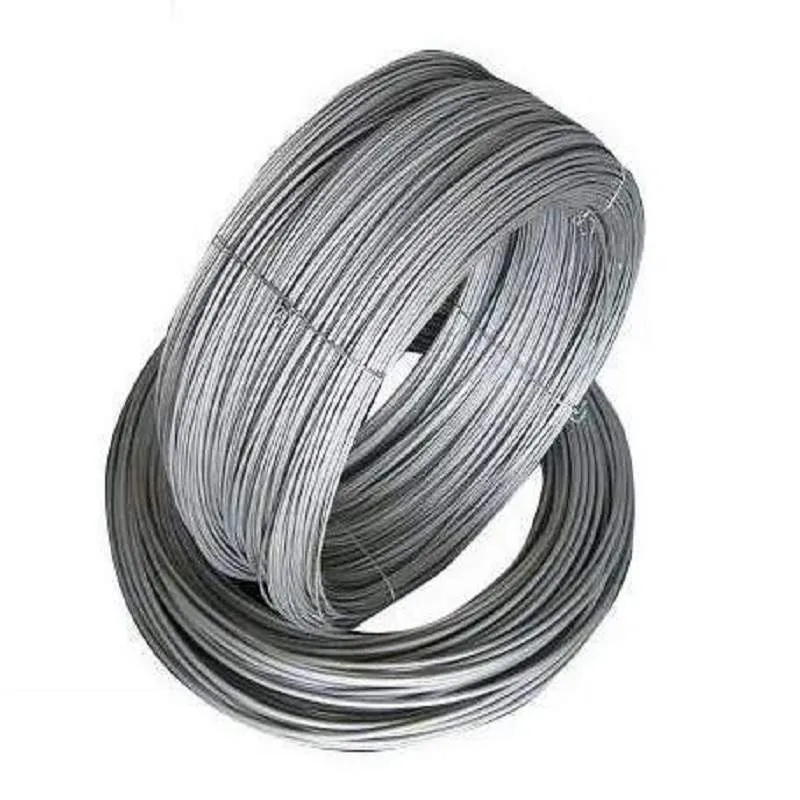
We provide AISI 50B44 Steel Sheet/Plate is available in Bar (Round bar, Flat bar), Ribbon, Wire, Rods, Tube,Seamless Tube,Pipe, Ingots, Plate, Sheet/Plate, Strip and Forging Stock.,Purity, chemical composition, size, etc. can all be customized to meet specific requirements.
Please contact us if you need customized services. We will contact you with the price and availability in 24 hours.
AISI 50B44 Steel Sheet/Plate Product Information
-:-
For detailed product information, please contact sales.
-:
AISI 50B44 Steel Sheet/Plate Synonyms
-:-
For detailed product information, please contact sales.
-:
AISI 50B44 Steel Product Information
-:-
For detailed product information, please contact sales.
-:
## **Technical Specification: AISI 50B44 (UNS G50441) Steel - High Carbon Boron-Treated Alloy Steel**
### **1. Product Overview**
**AISI 50B44** is a **high-carbon, boron-treated alloy steel** designed for applications requiring **superior surface hardness and wear resistance** combined with good hardenability. As part of the "B-steel" family, it utilizes a small but critical boron addition (0.0005-0.003%) to significantly enhance hardenability without the high alloy costs associated with grades like 5140 or 8640. The designation "50B44" indicates a **nominal carbon content of 0.48-0.53%** (higher than standard 4140/4340), **boron addition**, and **specific chromium content**. This steel is engineered to provide **excellent through-hardening characteristics** with the ability to achieve higher hardness levels than lower-carbon boron steels, making it ideal for components subjected to **abrasion, rolling contact fatigue, and high surface loading**.
**Key Characteristics:**
- **High Surface Hardness Capability:** Carbon content enables attainment of 55-60 HRC in the as-quenched state
- **Cost-Effective Hardenability:** Boron multiplier effect allows deep hardening with minimal alloy content
- **Good Wear Resistance:** High carbon content provides excellent abrasion resistance when properly heat treated
- **Moderate Toughness:** While not as tough as lower-carbon grades, it offers adequate impact resistance for many applications
- **Economical Alternative:** Replaces more expensive grades like 5160H or 6150 in suitable applications
---
### **2. Standard Chemical Composition (Weight %)**
| Element | Content Range (%) | Metallurgical Role |
| :--- | :--- | :--- |
| **Iron (Fe)** | Balance | Base Element |
| **Carbon (C)** | **0.48 - 0.53** | **Primary element** for maximum hardness and wear resistance |
| **Manganese (Mn)** | 0.75 - 1.00 | Enhances hardenability, strength, and hardenability response to boron |
| **Silicon (Si)** | 0.15 - 0.35 | Deoxidizer, strengthens ferrite matrix |
| **Boron (B)** | **0.0005 - 0.003** | **Critical:** Segregates to austenite grain boundaries, dramatically increasing hardenability at minimal cost |
| **Chromium (Cr)** | 0.40 - 0.60 | Improves hardenability, wear resistance, and corrosion resistance |
| **Sulfur (S)** | ≤ 0.040 (Typically 0.020-0.035) | Improves machinability through chip breaking |
| **Phosphorus (P)** | ≤ 0.035 | Residual, kept low for toughness |
| **Protective Elements** | Ti or Al (trace, ~0.02-0.05%) | Often added to protect boron from nitrogen, forming nitrides instead of boron nitride |
**Boron Effectiveness:** The boron must remain in solid solution to be effective. Over-austenitizing (>900°C/1650°F) or improper deoxidation can precipitate boron as ineffective compounds.
---
### **3. Typical Mechanical & Physical Properties**
*Properties in heat treated condition (oil quenched from 830°C/1525°F, tempered at various temperatures):*
| Property / Condition | Low Temp Temper (205°C/400°F) | Medium Temp Temper (425°C/800°F) | High Temp Temper (540°C/1000°F) |
| :--- | :--- | :--- | :--- |
| **Hardness** | 52-56 HRC | 44-48 HRC | 34-38 HRC |
| **Tensile Strength** | 1750-1950 MPa | 1450-1650 MPa | 1100-1250 MPa |
| **Yield Strength** | 1550-1750 MPa | 1300-1500 MPa | 950-1100 MPa |
| **Elongation** | 8-12% | 10-14% | 14-18% |
| **Reduction of Area** | 25-35% | 35-45% | 45-55% |
| **Charpy Impact** | 15-25 J | 25-40 J | 40-60 J |
| **Annealed Hardness** | 190-230 HB (Machining condition) | | |
**Physical Properties:**
- Density: 7.85 g/cm³
- Modulus of Elasticity: 205 GPa (29.7 × 10⁶ psi)
- Thermal Conductivity: 46 W/m·K (at 100°C)
- Specific Heat: 460 J/kg·K
**Hardenability (Jominy Test Typical):**
- J₁ (1/16"): 55-60 HRC
- J₁₀ (10/16"): 45-50 HRC
- J₂₀ (20/16"): 35-40 HRC
---
### **4. Heat Treatment Response**
**Annealing:** 790-815°C (1450-1500°F), slow furnace cool to 480°C (900°F), then air cool. Produces spheroidized structure for machining.
**Normalizing:** 870-900°C (1600-1650°F), air cool. Refines grain structure after forging.
**Austenitizing for Hardening:** 815-845°C (1500-1550°F). **Critical:** Higher temperatures reduce boron effectiveness.
**Quenching:** Oil quench recommended for sections >12mm; water quench possible for simple shapes with caution.
**Tempering:** Must be tempered immediately after quenching. Temperature selection depends on application:
- **Wear parts:** 150-260°C (300-500°F)
- **General purpose:** 425-540°C (800-1000°F)
- **High toughness:** 540-650°C (1000-1200°F)
**Caution:** Higher carbon content increases susceptibility to quench cracking. Use agitated oil rather than water for complex shapes.
---
### **5. Primary Applications**
**50B44 excels in applications requiring high surface hardness and good core properties:**
| Industry | Specific Applications | Why 50B44 is Suitable |
| :--- | :--- | :--- |
| **Agriculture** | Plow shares, cultivator teeth, harrow discs, tillage tools | High wear resistance, economical replacement for more expensive steels |
| **Construction** | Bucket teeth, cutting edges, grader blades, ripper tips | Withstands abrasive soils and impacts |
| **Mining** | Crusher rolls, shovel teeth, conveyor scrapers | Good compromise between wear resistance and toughness |
| **Automotive** | Leaf springs, torsion bars, clutch components, heavy-duty shafts | High strength with good fatigue resistance |
| **Railroad** | Brake shoes, wear plates, coupling components | Resists abrasion and impact |
| **Manufacturing** | Cutting dies, forming tools, machine tool wear parts | Achieves high hardness for tooling applications |
| **Forestry** | Chipper knives, sawmill equipment, logging tools | Maintains edge sharpness under abrasive conditions |
---
### **6. International Standards & Equivalents**
| Standard System | Designation | Equivalent / Notes |
| :--- | :--- | :--- |
| **USA (Primary)** | **AISI 50B44** / **SAE J404** | **UNS G50441** |
| **USA (Product)** | **ASTM A29/A29M** | Grade 50B44 |
| **ISO** | **ISO 683-1** | **Type 1.5517** (Similar boron steel with varying carbon) |
| **Europe** | **EN 10083-3** | Similar to **46B2** (lower Cr) or **50B2** |
| **Germany** | **DIN 17200** | **50B3** (50MnB3 with similar characteristics) |
| **Japan** | **JIS G4106** | **S48CB** or **S53CB** (Boron-treated carbon steels) |
| **China** | **GB/T 3077** | **50B** (Part of boron steel series) |
| **India** | **IS 5517** | **50B4** (Similar specification) |
**Note on "H" Variant:** **50B44H** exists as a hardenability-guaranteed version meeting SAE J1268 bands. This requires additional certification and testing.
---
### **7. Comparison with Similar Steels**
| Property | 50B44 | 5160 | 4140 | 1045 |
| :--- | :--- | :--- | :--- | :--- |
| **Carbon Content** | **0.48-0.53%** | 0.56-0.64% | 0.38-0.43% | 0.43-0.50% |
| **Key Alloying** | Cr + B | Cr, Si, Mn | Cr, Mo | None |
| **Max Hardness** | **58-60 HRC** | 60-62 HRC | 55-58 HRC | 52-55 HRC |
| **Hardenability** | **High (Boron effect)** | Moderate | High | Low |
| **Cost Factor** | **1.0 (Baseline)** | 1.2-1.4 | 1.3-1.5 | 0.7-0.8 |
| **Primary Advantage** | Cost/hardenability balance | Superior wear resistance | Good all-around properties | Low cost, weldable |
**Advantages of 50B44:**
1. **Lower alloy cost** than 5160 or 4140
2. **Better hardenability** than 1045 or 1144
3. **Higher hardness capability** than 4140
4. **Good balance** of wear resistance and moderate toughness
**Limitations:**
1. **Lower toughness** than lower-carbon grades
2. **More prone to quench cracking** than 4140
3. **Limited high-temp stability** (no molybdenum)
4. **Weldability** requires careful procedures
---
### **8. Processing Guidelines**
**Machining:**
- **Best in annealed condition** (190-230 HB)
- **Tools:** Use carbide or high-speed steel with positive rake angles
- **Speeds/Feeds:** Moderate speeds (40-80 m/min for turning), moderate feeds
- **Chip Control:** Higher sulfur content (0.020-0.035%) improves chip breaking
**Forging:**
- **Temperature:** 1150-1200°C (2100-2200°F) start, finish above 850°C (1560°F)
- **Cooling:** Slow cool after forging (in furnace or insulating material) to prevent cracking
- **Scale Removal:** Descale before final forging operations
**Welding:**
- **Not generally recommended** for critical applications
- If welding is necessary:
- Preheat to 200-260°C (400-500°F)
- Use low-hydrogen electrodes exclusively
- Post-weld heat treat immediately (temper at 595-650°C)
- Consider buttering technique for highly restrained joints
**Grinding:**
- Use proper wheel selection (aluminum oxide preferred)
- Avoid excessive heat generation to prevent grinding burns
- Use ample coolant to prevent thermal damage
---
### **9. Quality Assurance & Procurement**
**Typical Purchase Specification:**
```plaintext
Material: AISI 50B44 per ASTM A29
Condition: Annealed, max hardness 230 HB
Size: [Specify dimensions and tolerances]
Chemistry: Conform to AISI 50B44 ranges
Certification: Mill test report required
```
**Enhanced Requirements (for critical applications):**
- **Hardenability test:** Jominy test to verify boron effectiveness
- **Grain size:** ASTM 5 or finer (per ASTM E112)
- **Microcleanliness:** Inclusion rating per ASTM E45 (typically A≤B1, C≤1)
- **Decarburization:** Maximum depth specified
- **NDT:** Ultrasonic or magnetic particle inspection for internal defects
**Economic Considerations:**
50B44 typically offers **15-30% cost savings** over equivalent 5160 or 4140 while providing comparable or better wear resistance in many applications. It is particularly cost-effective for:
- High-volume production of wear components
- Applications where part replacement is more economical than using premium materials
- Situations where the boron hardenability advantage can reduce section sizes
---
### **10. Failure Analysis & Troubleshooting**
| Common Issue | Likely Cause | Prevention/Solution |
| :--- | :--- | :--- |
| **Quench cracks** | Too fast quench, sharp corners, delayed tempering | Use oil quench, design generous radii, temper immediately |
| **Low hardness** | Ineffective boron, under-austenitizing, decarburization | Verify boron protection, ensure proper temperature, protect from decarb |
| **Poor toughness** | Over-austenitizing, insufficient tempering, high P content | Control grain growth, use adequate tempering temperature, specify low P |
| **Warpage** | Non-uniform heating/cooling, residual stresses | Use fixtures during heat treat, stress relieve before hardening |
| **Early wear** | Insufficient hardness, improper microstructure | Verify heat treatment, ensure martensitic transformation |
**Service Recommendations:**
- For severe abrasion: Use lower tempering temperatures (205-315°C)
- For impact + wear: Use medium tempering temperatures (425-540°C)
- For bending fatigue: Shot peening after heat treatment significantly improves life
- For corrosion environments: Consider plating or coating as 50B44 has only modest corrosion resistance
**Replacement Considerations:**
50B44 can often replace:
- **5160** in non-critical spring applications
- **4140** when higher wear resistance is needed
- **1045** when deeper hardening is required
- **6150** in some tooling applications
However, it is NOT suitable for replacing:
- **4340** in high-toughness applications
- **8620** for carburizing
- **52100** for precision bearing applications
---
### **Summary**
**AISI 50B44** represents an **optimized balance of performance and economics** in the boron steel family. Its **higher carbon content** distinguishes it from other boron grades, providing **enhanced wear resistance and hardness capability** while maintaining the **cost advantages** of boron-enhanced hardenability. When properly specified and processed, it delivers **excellent value** for a wide range of industrial wear applications, particularly where **abrasion resistance and moderate impact loading** coexist. Its predictable performance and lower alloy cost make it a **preferred choice for volume production** of components where premium alloy properties are unnecessary but consistent quality is essential.
-:-
For detailed product information, please contact sales.
-:
AISI 50B44 Steel Specification
Dimensions
Size:
Diameter 20-1000 mm Length <6270 mm
Size:We can customized as required
Standard:
Per your request or drawing
We can customized as required
Properties(Theoretical)
Chemical Composition
-:-
For detailed product information, please contact sales.
-:
AISI 50B44 Steel Properties
-:-
For detailed product information, please contact sales.
-:
Applications of AISI 50B44 Steel Sheet,Plate
-:-
For detailed product information, please contact sales.
-:
Chemical Identifiers AISI 50B44 Steel Sheet,Plate
-:-
For detailed product information, please contact sales.
-:
Packing of AISI 50B44 Steel Sheet/Plate
-:-
For detailed product information, please contact sales.
-:
Standard Packing:
-:-
For detailed product information, please contact sales.
-:
Typical bulk packaging includes palletized plastic 5 gallon/25 kg. pails, fiber and Steel Sheet/Plate drums to 1 ton super sacks in full container (FCL) or truck load (T/L) quantities. Research and sample quantities and hygroscopic, oxidizing or other air sensitive materials may be packaged under argon or vacuum. Solutions are packaged in polypropylene, plastic or glass jars up to palletized 2741 gallon liquid totes Special package is available on request. E FORUs’ is carefully handled to minimize damage during storage and transportation and to preserve the quality of our products in their original condition