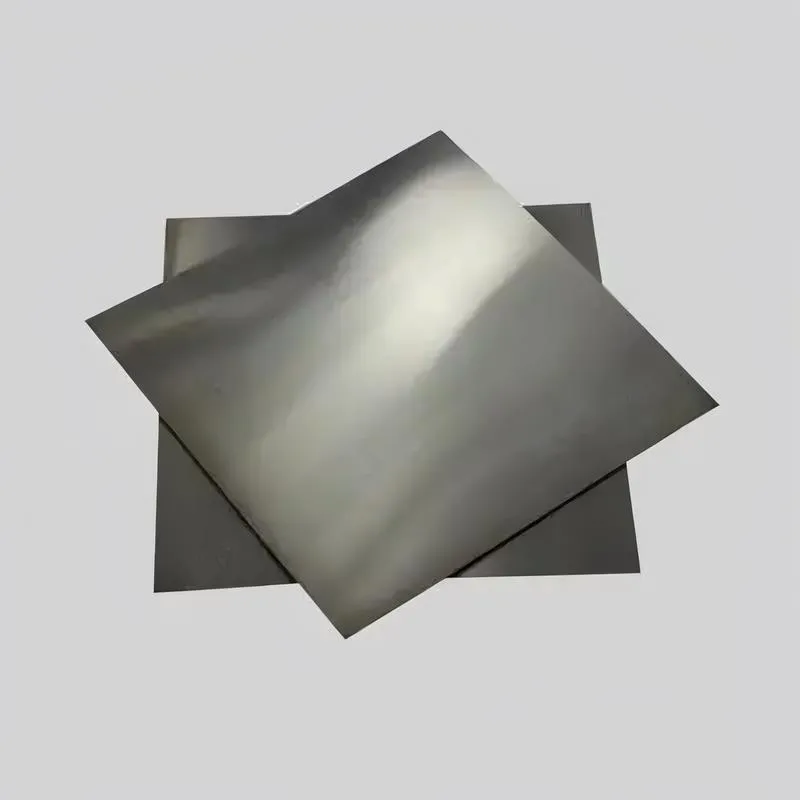
AISI 8620 Steel, double quenched
Product Code : STI-CSTI-984-CU
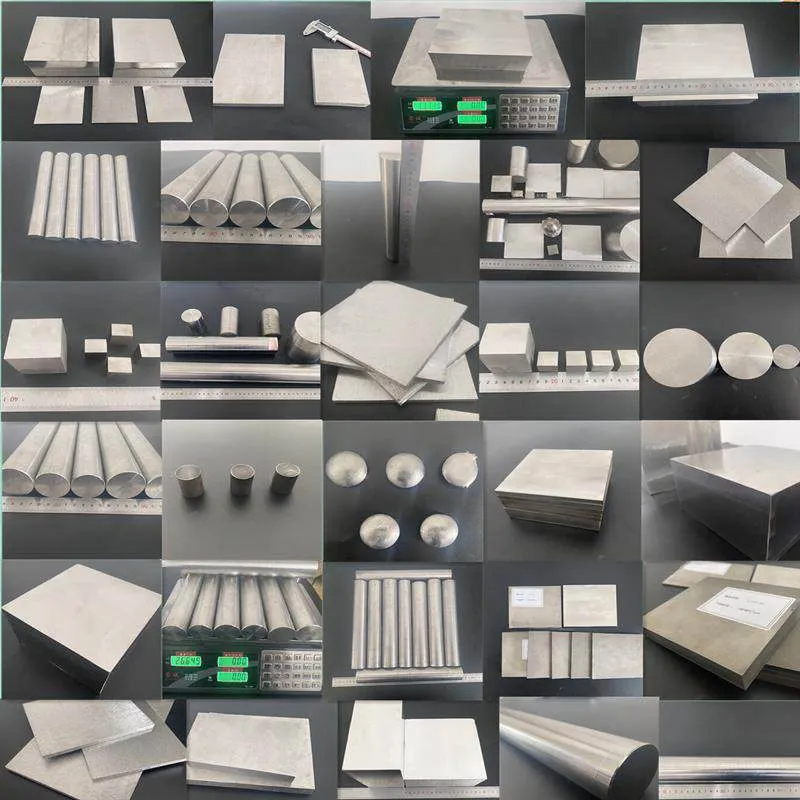
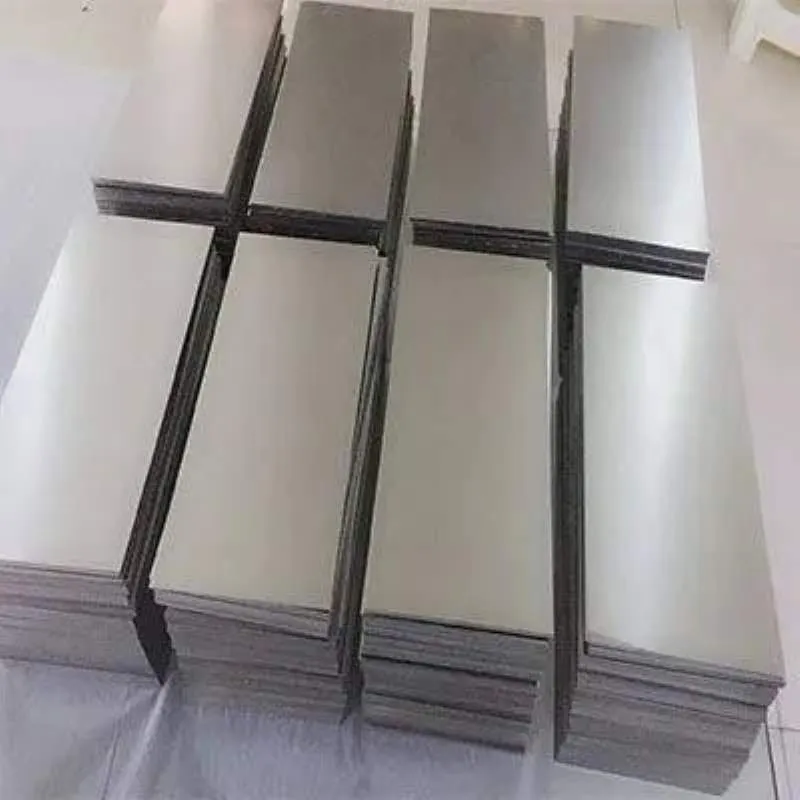
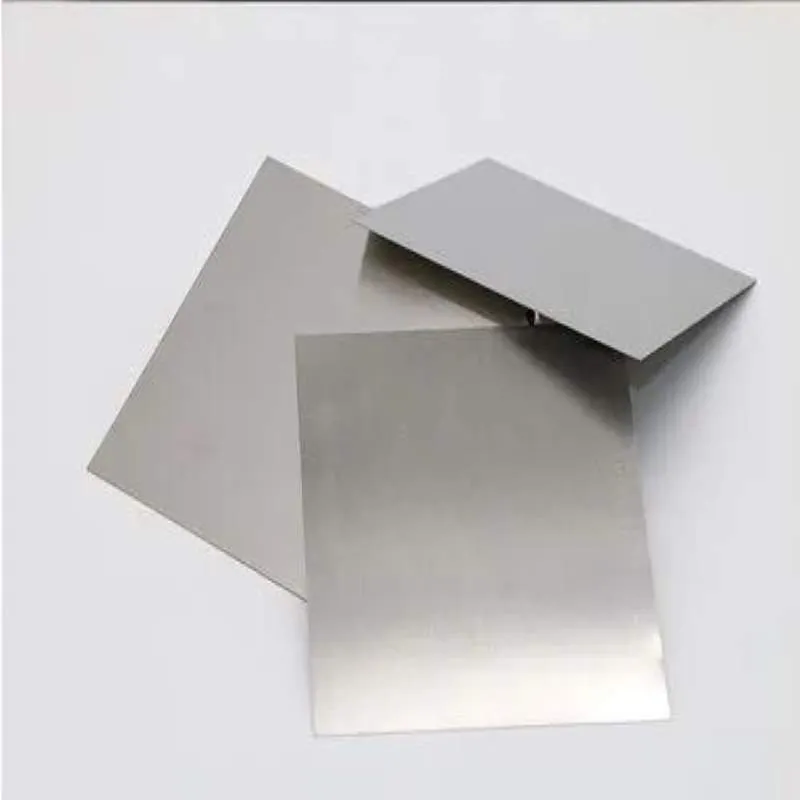
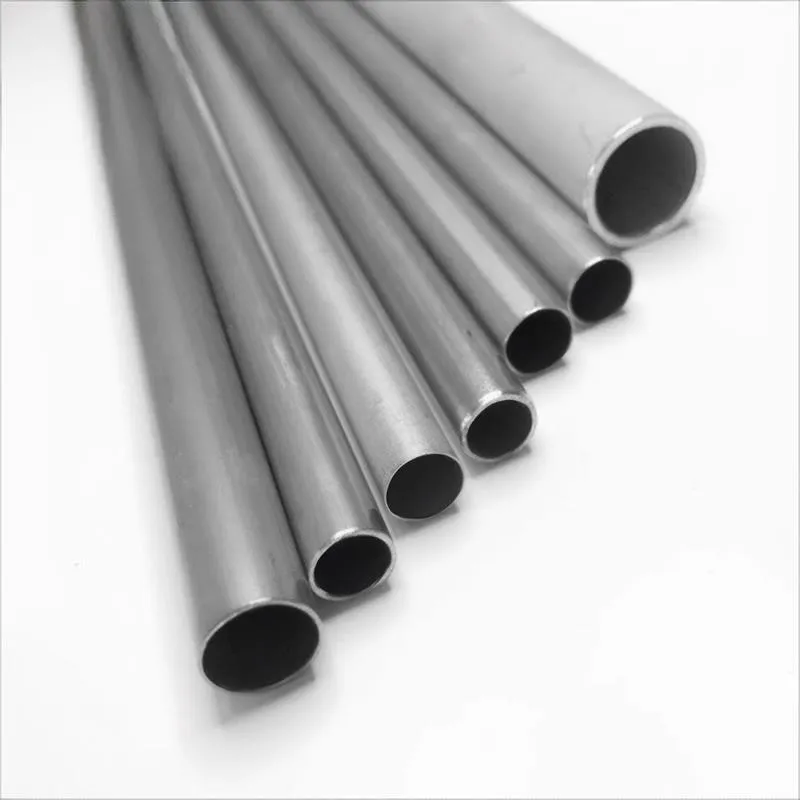
We provide AISI 8620 Steel, double quenched and tempered (150°C (300°F)), carburized is available in Bar (Round bar, Flat bar), Ribbon, Wire, Rods, Tube,Seamless Tube,Pipe, Ingots, Plate, Sheet, Strip and Forging Stock.,Purity, chemical composition, size, etc. can all be customized to meet specific requirements.
Please contact us if you need customized services. We will contact you with the price and availability in 24 hours.
AISI 8620 Steel, double quenched and tempered (150°C (300°F)), carburized Product Information
-:-
For detailed product information, please contact sales.
-:
AISI 8620 Steel, double quenched and tempered (150°C (300°F)), carburized Synonyms
-:-
For detailed product information, please contact sales.
-:
AISI 8620 Steel, double quenched and tempered (150°C (300°F)), carburized Product Information
-:-
For detailed product information, please contact sales.
-:
### **Product Introduction: AISI 8620 Steel, Double Quenched and Tempered (150°C/300°F), Carburized**
#### **1. Overview**
This specification defines AISI 8620 nickel-chromium-molybdenum alloy steel subjected to a **precision multi-stage heat treatment process** that represents the highest standard for critical carburized components. The complete manufacturing sequence comprises:
1. **Carburizing**: Components are heated in a controlled carbon-rich atmosphere (typically 910-940°C/1670-1725°F) to achieve specified case depth and surface carbon concentration.
2. **First Quench (from carburizing temperature)**: Rapid cooling in oil to produce initial martensitic transformation.
3. **Second Quench (reheat and quench)**: Components are reheated to a lower austenitizing temperature (800-850°C/1475-1560°F) and quenched again to refine the microstructure.
4. **Low-Temperature Tempering**: Final tempering at **150°C (300°F)** to relieve stresses while maximizing hardness retention.
This advanced thermal processing produces components with **exceptional microstructural refinement**, resulting in superior combinations of **surface hardness, core toughness, fatigue resistance, and dimensional stability** compared to single-quench methods.
#### **2. International Standards & Designations**
This premium material condition complies with exacting international standards for both base material and specialized heat treatment.
| Region/System | Standard Designation | Title / Purpose |
| :--- | :--- | :--- |
| **Material Standard** | **AISI 8620, SAE J404** | Standard Chemical Composition |
| **Material Specification** | **ASTM A322** | Steel Bars, Alloy, Standard Grades |
| **Aerospace Material** | **AMS 2300** | Premium Aircraft-Quality Steel Cleanliness |
| **UNS Number** | **G86200** | Unified Numbering System |
| **Heat Treatment Process** | **AMS 2759/3** | Carburizing and Carbonitriding of Steel |
| **Case Depth Measurement** | **ISO 2639** | Determination of Carburized Case Depth |
| **Aerospace Heat Treatment** | **AMS-H-6875** | Heat Treatment of Steel (Aerospace) |
| **Europe (EN)** | **1.6523 (20NiCrMo2-2)** | Equivalent Material Designation |
| **Japan (JIS)** | **SNCM220** | Equivalent Material Standard |
#### **3. Chemical Composition (Core) & Case Characteristics**
The core maintains AISI 8620 chemistry while the double quench process optimizes the case microstructure.
**Core Composition (% by Weight):**
| Element | Content Range | Metallurgical Function |
| :--- | :--- | :--- |
| **Carbon (C)** | 0.18 - 0.23 | Base strength, optimized for case/core property gradient |
| **Manganese (Mn)** | 0.70 - 0.90 | Hardenability enhancement, solid solution strengthening |
| **Silicon (Si)** | 0.15 - 0.35 | Deoxidizer, improves temper resistance |
| **Nickel (Ni)** | 0.40 - 0.70 | Exceptional core toughness, hardenability improvement |
| **Chromium (Cr)** | 0.40 - 0.60 | Case carbide formation, hardenability enhancement |
| **Molybdenum (Mo)** | 0.15 - 0.25 | Grain refinement, temper embrittlement resistance |
| **Impurities** | P≤0.020, S≤0.015 | Ultra-low levels for premium applications |
**Enhanced Case Profile:**
- **Surface Carbon Content**: 0.80-0.95% (precisely controlled)
- **Effective Case Depth**: 0.8-2.0 mm (0.030-0.080 inches) to 550 HV
- **Microstructure**: Ultra-fine tempered martensite with minimal retained austenite (<8%)
- **Prior Austenite Grain Size**: ASTM 10-12 (exceptionally fine)
#### **4. Mechanical & Physical Properties (Final Condition)**
Double quenching produces superior mechanical properties through microstructural refinement.
**Final Component Properties:**
* **Surface (Case) Properties:**
* **Hardness**: **60-64 HRC** (after 150°C temper)
* **Compressive Residual Stress**: 450-650 MPa (exceptionally high)
* **Retained Austenite**: <8% (minimized by double transformation)
* **Surface Finish**: 0.2-0.8 μm Ra (improved due to fine microstructure)
* **Core Properties:**
* **Hardness**: **38-45 HRC** (optimized balance)
* **Tensile Strength**: 1150-1400 MPa (167-203 ksi)
* **Yield Strength**: 950-1200 MPa (138-174 ksi)
* **Elongation**: 12-18%
* **Reduction of Area**: 45-60%
* **Charpy Impact (room temp)**: 50-80 J (37-59 ft-lb)
* **Charpy Impact (-40°C)**: 30-50 J (22-37 ft-lb)
* **Fatigue Performance:**
* **Bending Fatigue Limit**: 600-750 MPa (87-109 ksi)
* **Contact Fatigue Life**: 2-3× improvement over single quench
* **Fatigue Crack Growth Resistance**: Significantly improved
* **Physical Properties (Core):**
* Density: 7.85 g/cm³
* Modulus of Elasticity: 205-210 GPa
* Poisson's Ratio: 0.29
* Thermal Conductivity: 43-47 W/m·K at 100°C
* Coefficient of Thermal Expansion: 11.8-12.3 × 10⁻⁶/°C
#### **5. Product Applications**
This premium heat treatment is specified for the most demanding applications where reliability and performance are critical.
* **Aerospace Critical Components**: Helicopter transmission gears, aircraft engine gears, landing gear bearings
* **High-Performance Automotive**: Racing transmission components, Formula 1 gear systems, high-load differential gears
* **Defense Systems**: Tank transmission gears, naval propulsion components, missile guidance mechanisms
* **Power Generation**: Wind turbine gearbox components, critical power transmission gears
* **Medical Equipment**: Surgical robot drive components, high-precision imaging system gears
* **Industrial Critical**: Continuous process machinery gears, high-reliability bearing systems
#### **6. Key Characteristics & Technical Advantages**
**Metallurgical Superiority:**
1. **Grain Refinement**: Second quench from lower temperature produces ASTM 10-12 grain size vs. ASTM 6-8 in single quench
2. **Reduced Retained Austenite**: Double transformation minimizes unstable phases
3. **Optimal Carbon Distribution**: More uniform carbon in solution after second austenitization
4. **Enhanced Toughness**: Fine grain structure significantly improves fracture toughness
**Process Advantages:**
- **Superior Dimensional Stability**: Reduced distortion through controlled thermal cycles
- **Improved Stress Distribution**: More favorable residual stress profile
- **Enhanced Fatigue Performance**: 40-60% improvement in fatigue life over single quench
- **Better Impact Resistance**: Fine grain structure provides superior Charpy values
- **Consistent Properties**: Excellent lot-to-lot consistency in critical applications
**Quality Control Requirements:**
- Microhardness traverse (25 μm intervals) for case depth verification
- Retained austenite measurement (XRD or metallographic methods)
- Grain size determination per ASTM E112
- Non-destructive testing (FPI/MPI per aerospace standards)
- Dimensional verification with CMM inspection
- Microcleanliness rating per ASTM E45 (typically ≤0.5 thin, ≤1.0 heavy)
**Comparative Performance Data:**
| Property | Single Quench | Double Quench | Improvement |
|----------|---------------|---------------|-------------|
| **Surface Hardness** | 58-62 HRC | 60-64 HRC | +1-2 HRC |
| **Core Toughness** | 40-60 J | 50-80 J | +25-33% |
| **Fatigue Limit** | 500-650 MPa | 600-750 MPa | +20-30% |
| **Grain Size** | ASTM 6-8 | ASTM 10-12 | +2-4 grades |
| **Distortion** | Moderate | Minimal | 50-70% reduction |
**Economic Considerations:**
- **Higher Processing Cost**: Approximately 40-60% more than single quench
- **Extended Lead Time**: Additional 24-48 hours for second thermal cycle
- **Energy Consumption**: 25-35% higher due to additional heating cycle
- **ROI Justification**: Justified by extended service life (2-3×) and reduced failure risk
**Conclusion:**
**AISI 8620 in the double quenched and tempered (150°C) carburized condition represents the pinnacle of case-hardening technology for critical applications.** This process delivers **unmatched microstructural refinement, exceptional toughness, and superior fatigue performance** through deliberate grain refinement and stress optimization. While requiring significantly greater processing investment, the resulting components offer **extended service life, enhanced reliability, and reduced risk of catastrophic failure** in mission-critical applications. The 150°C temper specifically optimizes the stress state while preserving the ultra-hard surface characteristics essential for extreme wear resistance. This advanced heat treatment is the definitive choice for aerospace, defense, and high-performance applications where material performance cannot be compromised and where the total cost of ownership justifies premium processing.
-:-
For detailed product information, please contact sales.
-:
AISI 8620 Steel, double quenched and tempered (150°C (300°F)), carburized Specification
Dimensions
Size:
Diameter 20-1000 mm Length <5716 mm
Size:We can customized as required
Standard:
Per your request or drawing
We can customized as required
Properties(Theoretical)
Chemical Composition
-:-
For detailed product information, please contact sales.
-:
AISI 8620 Steel, double quenched and tempered (150°C (300°F)), carburized Properties
-:-
For detailed product information, please contact sales.
-:
Applications of AISI 8620 Steel, double quenched and tempered (150°C (300°F)), carburized
-:-
For detailed product information, please contact sales.
-:
Chemical Identifiers AISI 8620 Steel, double quenched and tempered (150°C (300°F)), carburized
-:-
For detailed product information, please contact sales.
-:
Packing of AISI 8620 Steel, double quenched and tempered (150°C (300°F)), carburized
-:-
For detailed product information, please contact sales.
-:
Standard Packing:
-:-
For detailed product information, please contact sales.
-:
Typical bulk packaging includes palletized plastic 5 gallon/25 kg. pails, fiber and steel drums to 1 ton super sacks in full container (FCL) or truck load (T/L) quantities. Research and sample quantities and hygroscopic, oxidizing or other air sensitive materials may be packaged under argon or vacuum. Solutions are packaged in polypropylene, plastic or glass jars up to palletized 2187 gallon liquid totes Special package is available on request. E FORUs’ is carefully handled to minimize damage during storage and transportation and to preserve the quality of our products in their original condition