AISI 8620 Steel, mock carburized, reheated and oil quenched
Product Code : STI-CSTI-991-CU
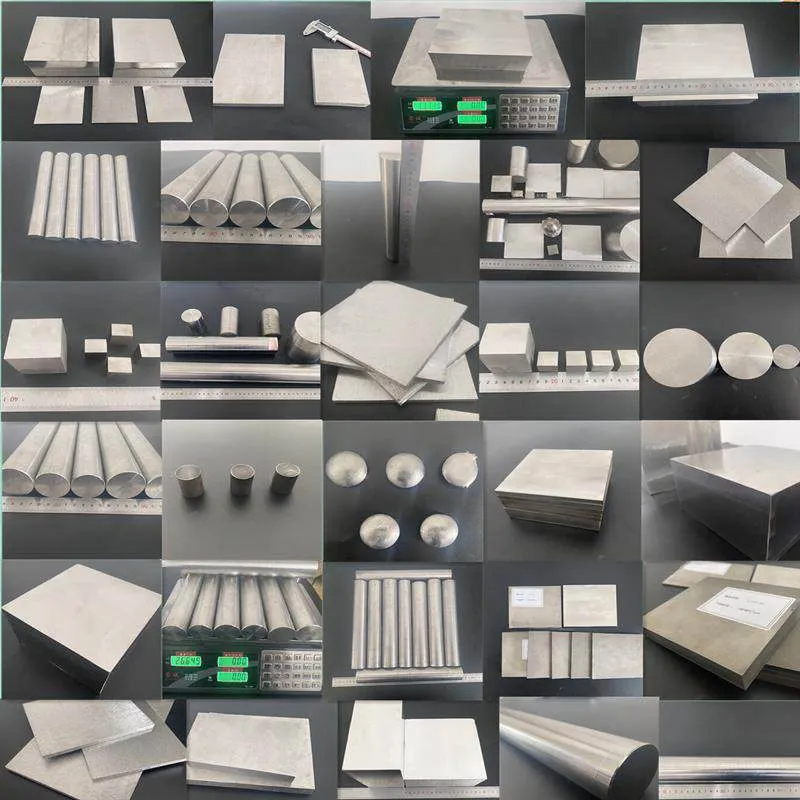
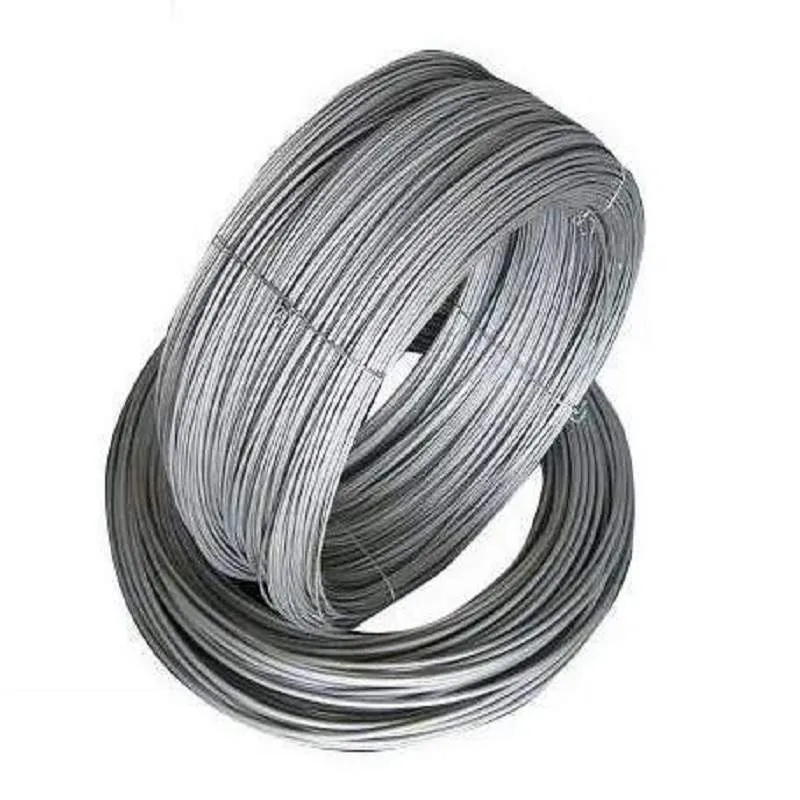
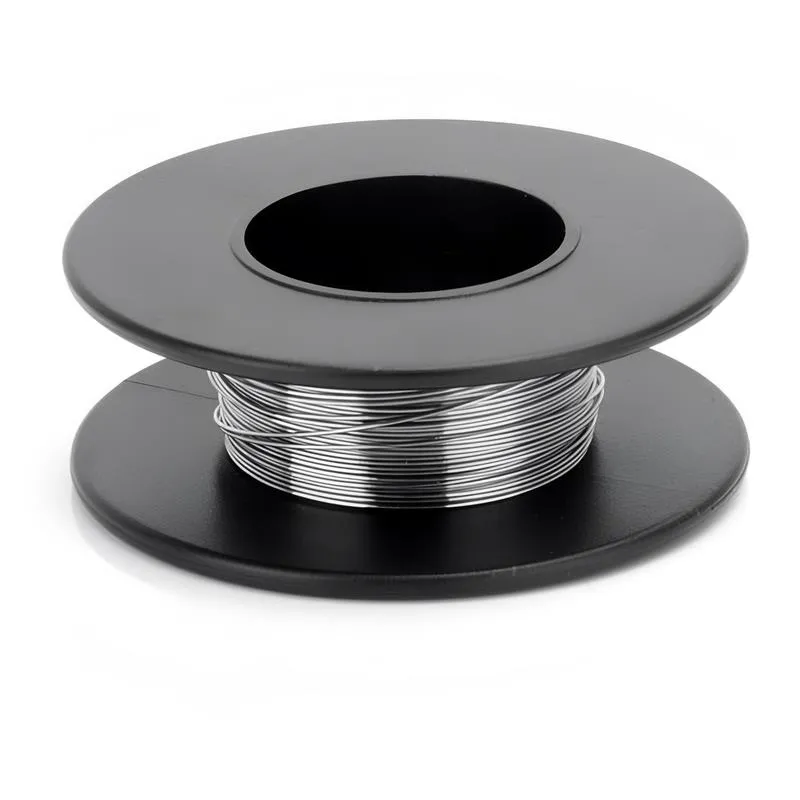
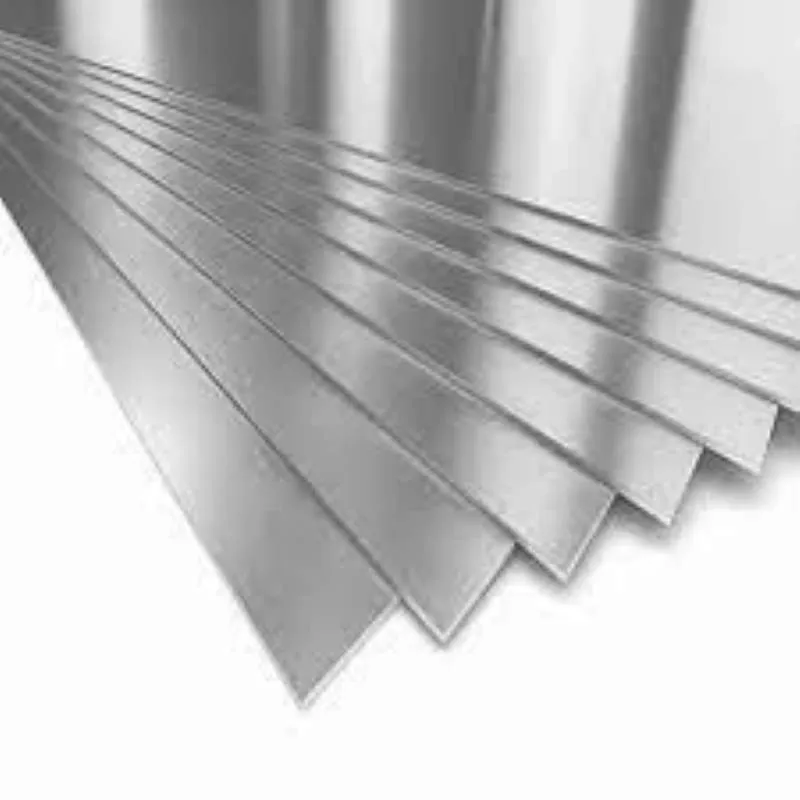
We provide AISI 8620 Steel, mock carburized, reheated and oil quenched is available in Bar (Round bar, Flat bar), Ribbon, Wire, Rods, Tube,Seamless Tube,Pipe, Ingots, Plate, Sheet, Strip and Forging Stock.,Purity, chemical composition, size, etc. can all be customized to meet specific requirements.
Please contact us if you need customized services. We will contact you with the price and availability in 24 hours.
AISI 8620 Steel, mock carburized, reheated and oil quenched Product Information
-:-
For detailed product information, please contact sales.
-:
AISI 8620 Steel, mock carburized, reheated and oil quenched Synonyms
-:-
For detailed product information, please contact sales.
-:
AISI 8620 Steel, mock carburized, reheated and oil quenched Product Information
-:-
For detailed product information, please contact sales.
-:
### **Product Introduction: AISI 8620 Steel, Mock Carburized, Reheated and Oil Quenched**
#### **1. Overview**
This specification defines AISI 8620 alloy steel subjected to a specialized **process simulation and core property development heat treatment** known as **mock carburizing**. The complete sequence comprises:
1. **Mock Carburizing**: The component undergoes the exact **thermal cycle** of a carburizing process (typically 900-930°C for the required time) but in a **neutral or inert atmosphere** that prevents carbon enrichment of the surface. This simulates the thermal history without altering surface chemistry.
2. **Reheating and Oil Quenching**: Following the mock carburizing cycle, the part is **reheated to a lower austenitizing temperature (800-850°C)** and subsequently **oil quenched** to develop the desired core microstructure and hardness.
3. **Tempering**: A subsequent tempering operation (typically 150-300°C) is performed to achieve final properties.
This process is a **critical quality control and development tool**, used to precisely evaluate and optimize the **core microstructure, hardenability, and dimensional stability** of components prior to committing to full-scale carburized production. It produces parts with uniform, through-hardened properties that simulate the core condition of a finished carburized component.
#### **2. International Standards & Designations**
This processing route is governed by standards focusing on heat treatment simulation and material testing.
| Region/System | Standard Designation | Title / Purpose |
| :--- | :--- | :--- |
| **Material Standard** | **AISI 8620, SAE J404** | Standard Chemical Composition |
| **Material Specification** | **ASTM A322** | Steel Bars, Alloy, Standard Grades |
| **UNS Number** | **G86200** | Unified Numbering System |
| **Heat Treatment Process** | **SAE AMS-H-6875** | Heat Treatment of Steel, General Requirements |
| **Test Method Reference** | **ASTM A255** | Standard Test Methods for Determining Hardenability of Steel |
| **Simulation Practice** | **Common Industry Practice** (e.g., Aerospace PSDs) | Process Specification Documents often detail mock carburizing requirements |
| **Europe (EN)** | **1.6523 (20NiCrMo2-2)** | Equivalent Material Designation |
#### **3. Chemical Composition (Uniform Throughout)**
Unlike carburized parts, the chemical composition remains homogeneous from surface to core.
**Uniform Composition (% by Weight, AISI 8620):**
| Element | Content Range | Metallurgical Role in This Process |
| :--- | :--- | :--- |
| **Carbon (C)** | 0.18 - 0.23 | Determines final core hardness and hardenability after quenching. |
| **Manganese (Mn)** | 0.70 - 0.90 | Enhances hardenability, ensuring full martensitic transformation in the core after oil quenching from the reheat temperature. |
| **Silicon (Si)** | 0.15 - 0.35 | Deoxidizer; provides solid solution strengthening. |
| **Nickel (Ni)** | 0.40 - 0.70 | Significantly improves core toughness and hardenability. |
| **Chromium (Cr)** | 0.40 - 0.60 | Increases hardenability and provides moderate temper resistance. |
| **Molybdenum (Mo)** | 0.15 - 0.25 | Inhibits grain growth during the extended high-temperature mock carburizing cycle; improves hardenability and tempering resistance. |
| **Impurities** | P≤0.035, S≤0.040 | Standard controlled levels. |
**Key Process Distinction:** The surface carbon remains at the core level (~0.20%) rather than being enriched to >0.70%.
#### **4. Mechanical & Physical Properties (Final Condition)**
The properties are uniform throughout the cross-section, representing the **core properties** of a potential carburized part.
**Final Component Properties (Typical for Oil Quenched & Tempered State):**
* **Uniform Hardness:** **35 - 45 HRC** (Dependent on exact reheat temperature, quench severity, and tempering).
* **Tensile Strength:** **1000 - 1300 MPa** (145 - 189 ksi)
* **Yield Strength (0.2% Offset):** **850 - 1150 MPa** (123 - 167 ksi)
* **Elongation:** **10% - 15%**
* **Reduction of Area:** **45% - 55%**
* **Charpy Impact Toughness (Room Temp):** **40 - 70 J** (30 - 52 ft-lbf)
* **Microstructure:** Fine, tempered martensite (or lower bainite, depending on cooling rate) throughout. Prior austenite grain size is refined by the reheating step after the potential coarsening from the mock carburizing cycle.
* **Physical Properties:**
* Density: 7.85 g/cm³
* Modulus of Elasticity: 205 GPa
* Thermal Conductivity: ~45 W/m·K
#### **5. Product Applications**
This process is primarily an **engineering and quality assurance tool**, not a final product state for in-service components.
* **Process Development & Validation:** Test coupons and prototype components used to establish the optimal reheating temperature, quench parameters, and fixturing to control distortion for a new part design or material lot.
* **Hardenability Verification:** Confirming that a specific heat of AISI 8620 steel will achieve the required core properties in the actual part geometry after undergoing the full carburizing thermal cycle.
* **Distortion Analysis and Fixture Design:** Evaluating and minimizing the dimensional changes and warpage resulting from the thermal cycles, enabling the design of effective quenching fixtures for production.
* **Microstructure & Grain Size Studies:** Assessing the risk of austenite grain coarsening during the prolonged high-temperature carburizing cycle and the effectiveness of the subsequent reheat in refining the grain structure.
* **Core Property Qualification for Critical Parts:** For aerospace or automotive safety-critical components, this process may be mandated on sample parts from each production batch to qualify the core properties before the batch proceeds to carburizing.
#### **6. Key Characteristics & Advantages of the Mock Carburizing Process**
* **Predictive Power:** Allows for the accurate prediction of final core properties and dimensional behavior **before** committing valuable parts to the irreversible carburizing process.
* **Cost-Effective Troubleshooting:** Identifies potential issues with hardenability, distortion, or fixturing using low-cost test blanks instead of fully processed, high-value components.
* **Material Qualification:** Essential for qualifying new material suppliers or heats of steel for critical applications, ensuring consistent core performance.
* **Distortion Control Development:** The single most important application. Enables engineers to measure distortion from the simulated process and design corrective fixtures or modify processes accordingly.
* **Surface Integrity Preservation:** Since no carbon is added, the surface remains machinable, allowing for detailed metallographic sectioning and analysis without the extreme hardness of a carburized case.
**Conclusion:**
**AISI 8620 processed via "Mock Carburized, Reheated and Oil Quenched" is not a finished product but a vital **metallurgical simulation and development platform**. It represents a proactive engineering approach to **guarantee quality, optimize processes, and mitigate risk** in the production of high-value, case-hardened components. By decoupling the thermal effects from the chemical effects of carburizing, this method provides unparalleled insight into the core behavior of the steel, enabling the production of parts with superior consistency, minimal distortion, and guaranteed mechanical properties. Its use is a hallmark of advanced manufacturing in the aerospace, automotive, and bearing industries, where first-pass success and absolute reliability are paramount.
-:-
For detailed product information, please contact sales.
-:
AISI 8620 Steel, mock carburized, reheated and oil quenched Specification
Dimensions
Size:
Diameter 20-1000 mm Length <5723 mm
Size:We can customized as required
Standard:
Per your request or drawing
We can customized as required
Properties(Theoretical)
Chemical Composition
-:-
For detailed product information, please contact sales.
-:
AISI 8620 Steel, mock carburized, reheated and oil quenched Properties
-:-
For detailed product information, please contact sales.
-:
Applications of AISI 8620 Steel, mock carburized, reheated and oil quenched
-:-
For detailed product information, please contact sales.
-:
Chemical Identifiers AISI 8620 Steel, mock carburized, reheated and oil quenched
-:-
For detailed product information, please contact sales.
-:
Packing of AISI 8620 Steel, mock carburized, reheated and oil quenched
-:-
For detailed product information, please contact sales.
-:
Standard Packing:
-:-
For detailed product information, please contact sales.
-:
Typical bulk packaging includes palletized plastic 5 gallon/25 kg. pails, fiber and steel drums to 1 ton super sacks in full container (FCL) or truck load (T/L) quantities. Research and sample quantities and hygroscopic, oxidizing or other air sensitive materials may be packaged under argon or vacuum. Solutions are packaged in polypropylene, plastic or glass jars up to palletized 2194 gallon liquid totes Special package is available on request. E FORUs’ is carefully handled to minimize damage during storage and transportation and to preserve the quality of our products in their original condition