AISI 8630 Steel, quenched
Product Code : STI-CSTI-1590-CU
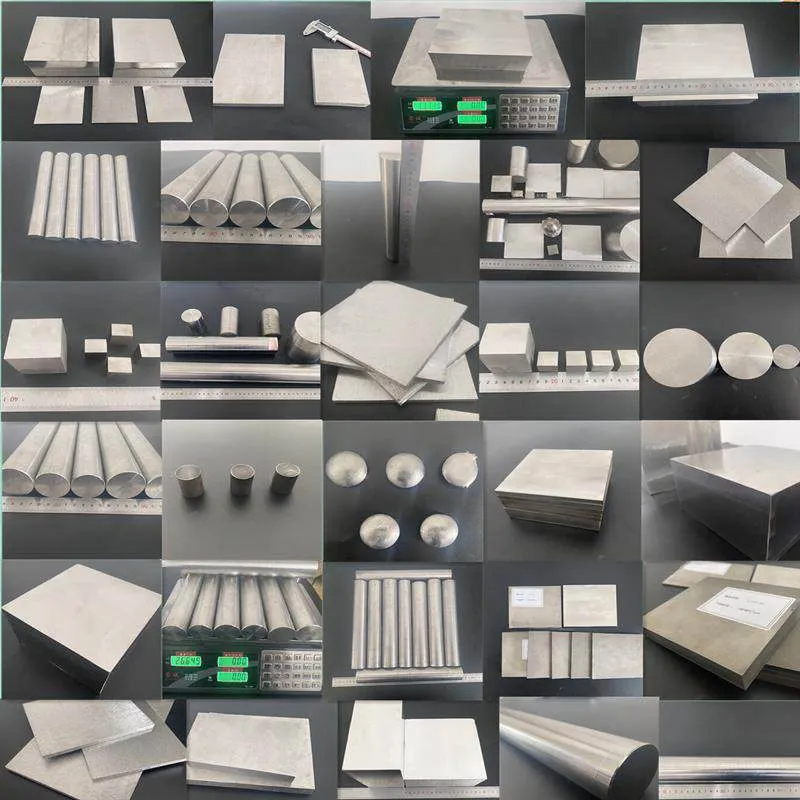
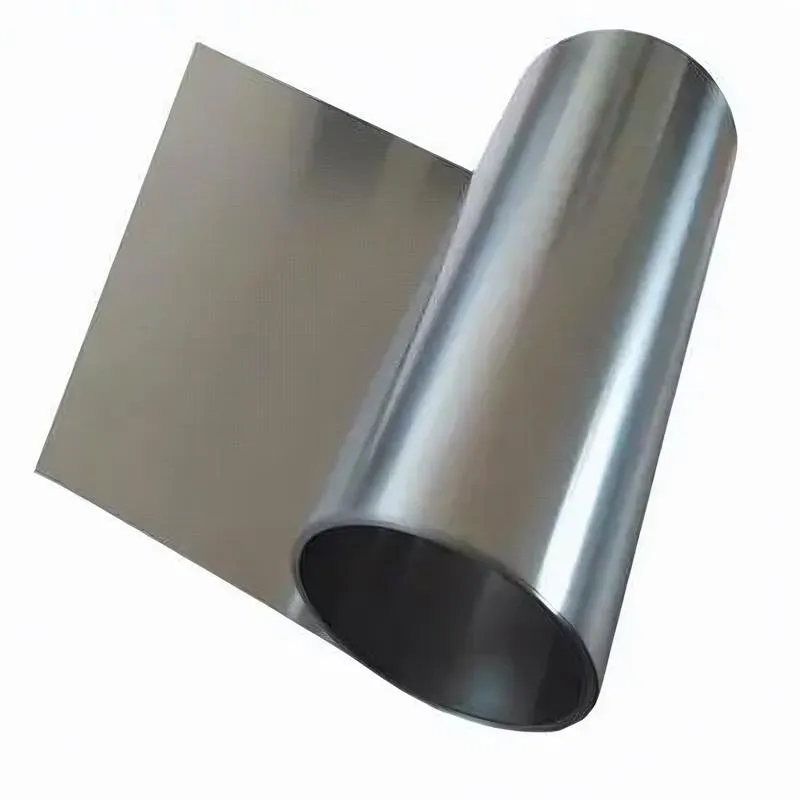
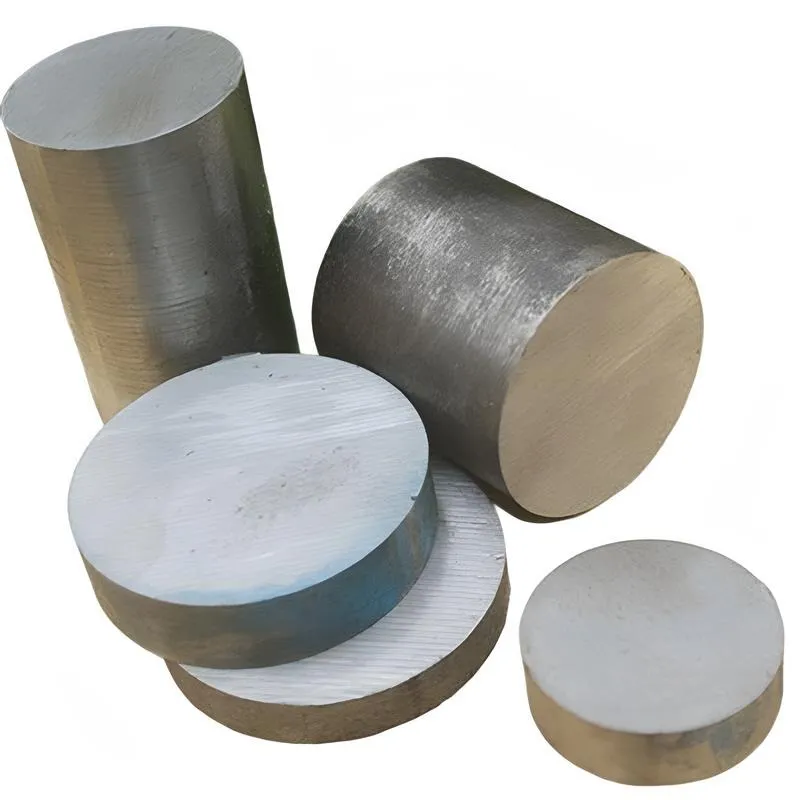
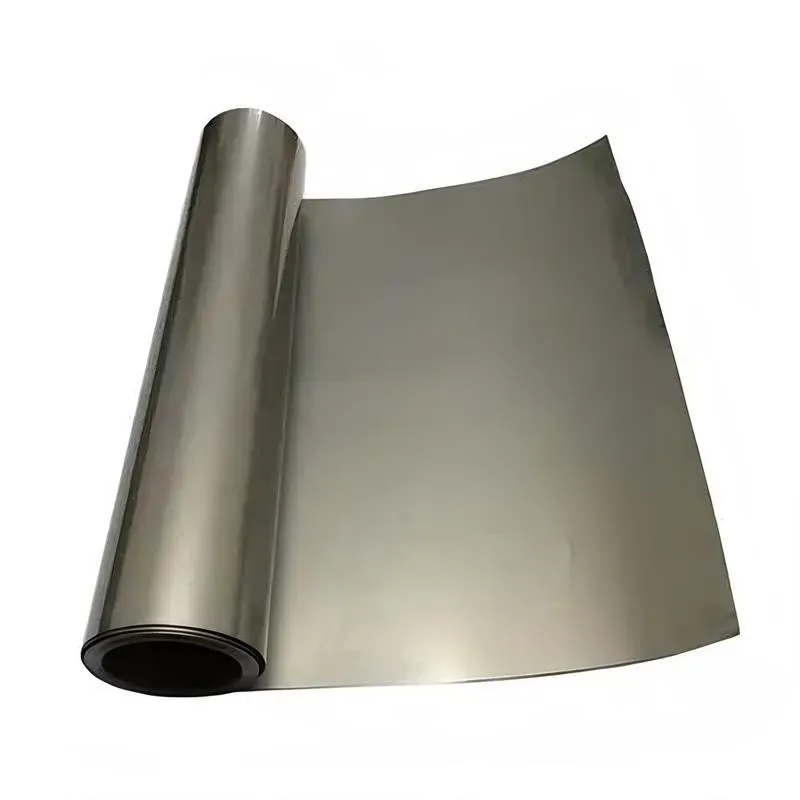
We provide AISI 8630 Steel, quenched 855°C (1570°F), 425°C (800°F) temper is available in Bar (Round bar, Flat bar), Ribbon, Wire, Rods, Tube,Seamless Tube,Pipe, Ingots, Plate, Sheet, Strip and Forging Stock.,Purity, chemical composition, size, etc. can all be customized to meet specific requirements.
Please contact us if you need customized services. We will contact you with the price and availability in 24 hours.
AISI 8630 Steel, quenched 855°C (1570°F), 425°C (800°F) temper Product Information
-:-
For detailed product information, please contact sales.
-:
AISI 8630 Steel, quenched 855°C (1570°F), 425°C (800°F) temper Synonyms
-:-
For detailed product information, please contact sales.
-:
AISI 8630 Steel, quenched 855°C (1570°F), 425°C (800°F) temper Product Information
-:-
For detailed product information, please contact sales.
-:
**Product Introduction: AISI 8630 Steel, Quenched & Tempered (855°C / 425°C)**
AISI 8630 is a nickel-chromium-molybdenum low-alloy steel renowned for its excellent hardenability, strength, and toughness balance. When subjected to the specific heat treatment of quenching from 855°C (1570°F) followed by tempering at 425°C (800°F), it achieves an **ultra-high strength and hardness profile** while maintaining measurable toughness. This combination places it at the higher end of the strength spectrum for this alloy and is typically reserved for components demanding exceptional resistance to deformation, wear, and fatigue under heavy static and dynamic loads, where moderate impact resistance is sufficient.
**1. Chemical Composition (Typical Weight %, AISI/SAE Standard)**
The composition is optimized for deep hardenability and secondary hardening response during tempering.
* **Carbon (C):** 0.28 - 0.33
* **Manganese (Mn):** 0.70 - 0.90
* **Phosphorus (P):** ≤ 0.035
* **Sulfur (S):** ≤ 0.040
* **Silicon (Si):** 0.20 - 0.35
* **Nickel (Ni):** 0.40 - 0.70
* **Chromium (Cr):** 0.40 - 0.60
* **Molybdenum (Mo):** 0.15 - 0.25
* *Note:* The combination of Cr and Mo contributes to secondary hardening and tempering resistance at this temperature range.
**2. Physical & Mechanical Properties (Quenched & Tempered @ 425°C)**
*Important: Quench medium (oil or water) significantly impacts final values. Below are typical ranges for a standard oil quench.*
* **Typical Hardness:** **Rockwell C 40 - 47 HRC** (Approx. Brinell 375 - 448 HBW)
* **Tensile Strength:** **1380 - 1650 MPa** (200 - 240 ksi)
* **Yield Strength (0.2% Offset):** **1240 - 1520 MPa** (180 - 220 ksi)
* **Elongation (in 50 mm):** **10 - 14%**
* **Reduction of Area:** **35 - 50%**
* **Impact Toughness (Charpy V-Notch):** **20 - 34 J (15 - 25 ft-lb)** at room temperature. Toughness is the trade-off for the very high strength.
* **Fatigue Strength (Rotating Beam):** **~620 - 720 MPa** (90 - 105 ksi)
* **Density:** **7.85 g/cm³**
* **Modulus of Elasticity:** **205 GPa** (29,700 ksi)
**3. Key Features & Performance Characteristics**
* **Ultra-High Strength-to-Weight Ratio:** Provides exceptional yield and tensile strength, enabling lighter or more compact designs for a given load.
* **Good Wear and Galling Resistance:** The high base hardness offers good resistance to abrasive and adhesive wear.
* **Secondary Hardening Peak:** Tempering at 425°C coincides with the peak of secondary hardening for this alloy due to fine Mo and Cr carbide precipitation, maximizing strength for this tempering range.
* **High Fatigue Endurance Limit:** The high tensile strength directly correlates to a high fatigue strength, ideal for components under cyclic loading.
* **Quench Sensitivity:** The 855°C austenitizing temperature is at the higher end of the range (typically 830-870°C), promoting full solution of carbides but requiring careful control to prevent excessive grain growth. The choice of quenchant (oil vs. water) is critical for final properties and distortion control.
**4. Primary Applications**
This condition is specified for **highly stressed, critical components** where resistance to permanent deformation and fatigue are primary design drivers.
* **Aerospace:** **Landing gear components** (e.g., trunnions, links), high-strength airframe bolts and fittings, and engine mount parts.
* **Oil & Gas:** **High-pressure valve stems**, tool joints for demanding drilling applications, and components for fracturing (fracking) equipment.
* **High-Performance Automotive:** **Racing suspension components** (torsion bars, anti-roll bars), heavily loaded transmission gears (through-hardened), and high-grade fasteners.
* **Tooling & Machinery:** **Heavy-duty punches**, die components for cold forming, and machine tool spindles requiring high stiffness and wear resistance.
* **Defense:** Components for firearms and vehicle systems where high strength under limited section size is required.
**5. Relevant International Standards & Specifications**
* **USA – Primary Standards:**
* **ASTM A322:** Standard Specification for Steel Bars, Alloy, Standard Grades.
* **ASTM A434:** Standard Specification for Steel Bars, Alloy, Hot-Wrought or Cold-Finished, Quenched and Tempered.
* **SAE J404:** Chemical Compositions of SAE Alloy Steels.
* **AMS 6320:** Steel Bars, 0.30C - 0.60Cr - 0.55Ni - 0.25Mo (8630), Consumable Electrode Melted, Normalized and Tempered.
* **UNS Designation:** **G86300**
* **International Equivalents:**
* **Europe (DIN / EN):** **34CrNiMo6** (1.6582). The tempering condition is specified by required mechanical properties (e.g., YS > 1100 MPa).
* **International (ISO):** **ISO 683-18** (Heat-treatable steels, alloy steels).
* **Japan (JIS):** **SNCM630**.
**6. Heat Treatment Process Notes**
* **Austenitizing:** **855°C ± 10°C (1570°F ± 20°F)**. Control of atmosphere to prevent decarburization is critical. Soak time must be sufficient for homogenization but limited to control grain growth.
* **Quenching:** Typically in **agitated fast oil** for most sections to balance hardness and distortion. **Water or polymer quench** may be used for very thick sections or where maximum hardness is needed, but with significantly higher risk of cracking.
* **Tempering:** **Immediately** after quenching. **425°C ± 10°C (800°F ± 20°F)** for 1-2 hours per inch of thickness, followed by air cooling. **Double tempering is highly recommended** to ensure complete transformation of any retained austenite and to maximize toughness and dimensional stability.
* **Caution:** This tempering range may be near the "temper embrittlement" range for some alloy steels; careful control of cooling rate after tempering (air cool, not furnace cool) is advised.
**Conclusion**
**AISI 8630 steel, quenched from 855°C and tempered at 425°C, represents a high-strength, wear-resistant condition** that pushes the alloy towards its maximum strength capability. It is an engineered solution for applications where **load-bearing capacity and resistance to deformation are paramount**, and where some reduction in impact toughness is an acceptable trade-off. The choice of the 855°C austenitizing temperature seeks to maximize strength, but requires precise process control. This condition is a staple for critical structural components in aerospace, high-performance vehicles, and heavy machinery, where its excellent strength, good fatigue resistance, and respectable hardness deliver reliable performance under extreme stresses.
-:-
For detailed product information, please contact sales.
-:
AISI 8630 Steel, quenched 855°C (1570°F), 425°C (800°F) temper Specification
Dimensions
Size:
Diameter 20-1000 mm Length <6322 mm
Size:We can customized as required
Standard:
Per your request or drawing
We can customized as required
Properties(Theoretical)
Chemical Composition
-:-
For detailed product information, please contact sales.
-:
AISI 8630 Steel, quenched 855°C (1570°F), 425°C (800°F) temper Properties
-:-
For detailed product information, please contact sales.
-:
Applications of AISI 8630 Steel, quenched 855°C (1570°F), 425°C (800°F) temper
-:-
For detailed product information, please contact sales.
-:
Chemical Identifiers AISI 8630 Steel, quenched 855°C (1570°F), 425°C (800°F) temper
-:-
For detailed product information, please contact sales.
-:
Packing of AISI 8630 Steel, quenched 855°C (1570°F), 425°C (800°F) temper
-:-
For detailed product information, please contact sales.
-:
Standard Packing:
-:-
For detailed product information, please contact sales.
-:
Typical bulk packaging includes palletized plastic 5 gallon/25 kg. pails, fiber and steel drums to 1 ton super sacks in full container (FCL) or truck load (T/L) quantities. Research and sample quantities and hygroscopic, oxidizing or other air sensitive materials may be packaged under argon or vacuum. Solutions are packaged in polypropylene, plastic or glass jars up to palletized 2793 gallon liquid totes Special package is available on request. E FORUs’ is carefully handled to minimize damage during storage and transportation and to preserve the quality of our products in their original condition