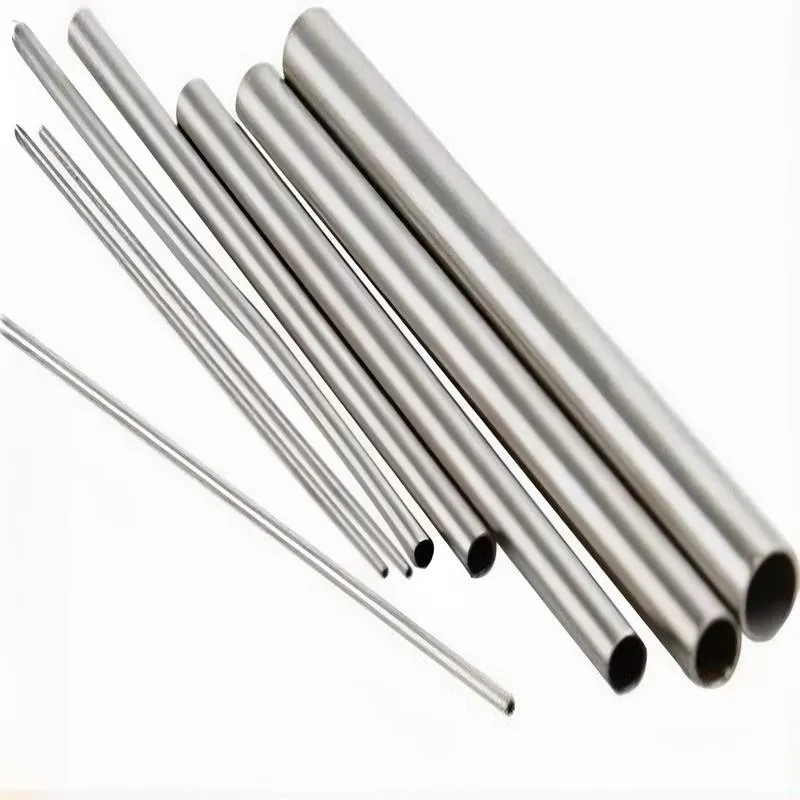
AISI 8650 Steel, normalized
Product Code : STI-CSTI-1633-CU
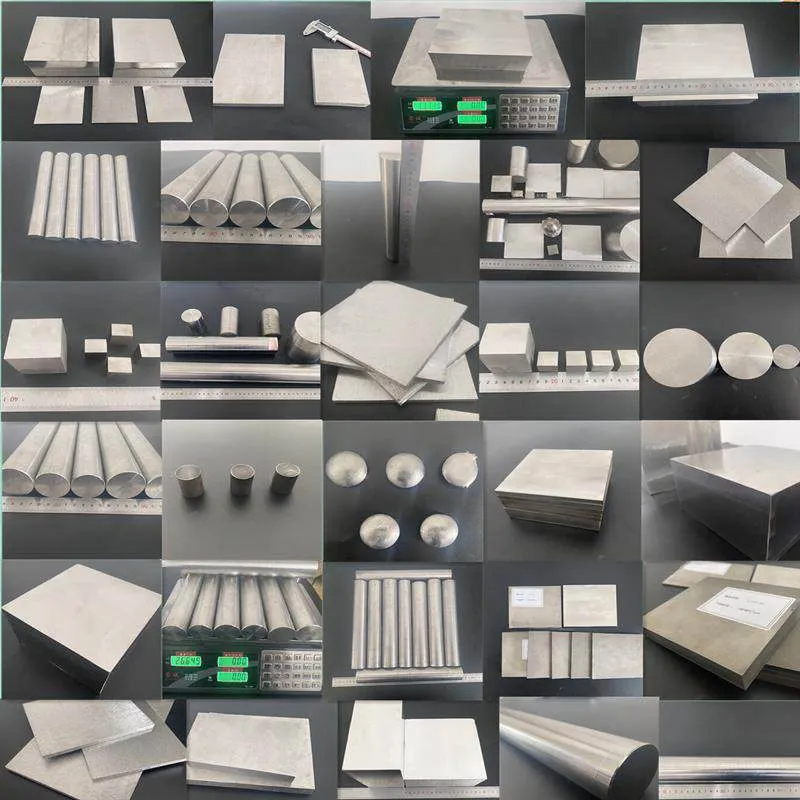
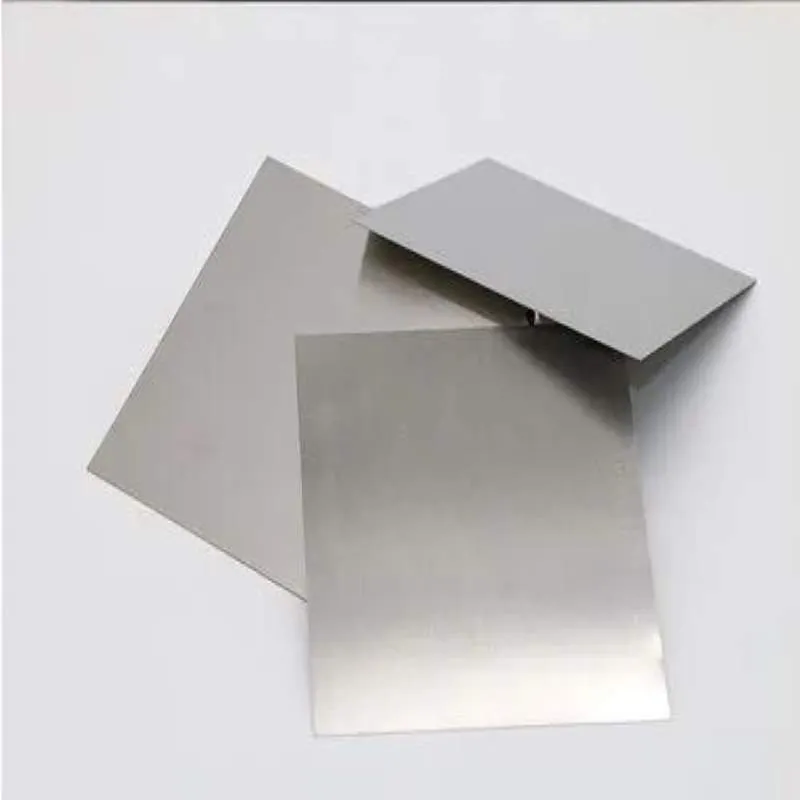
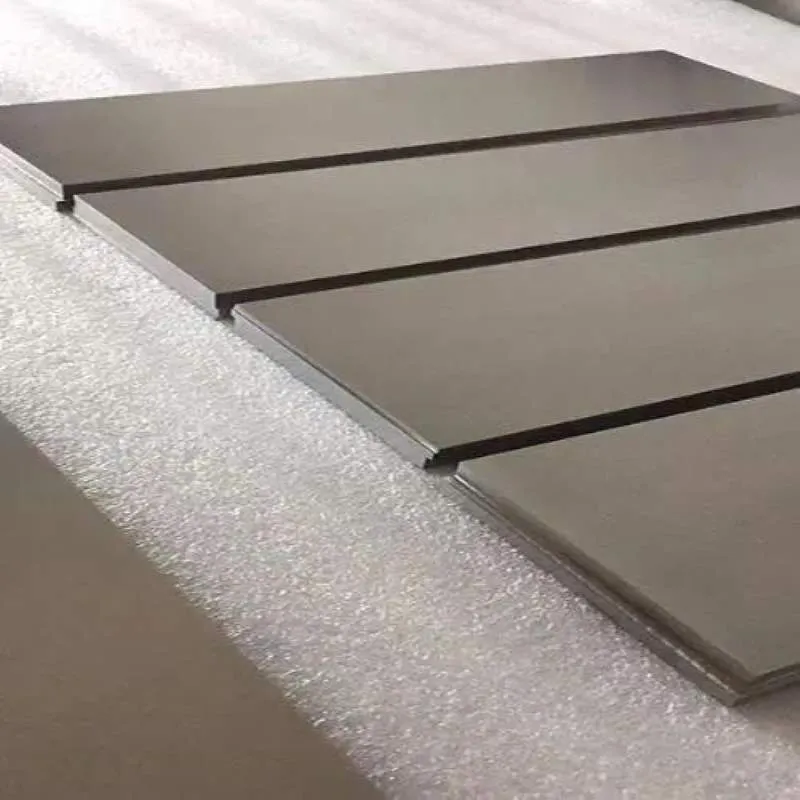
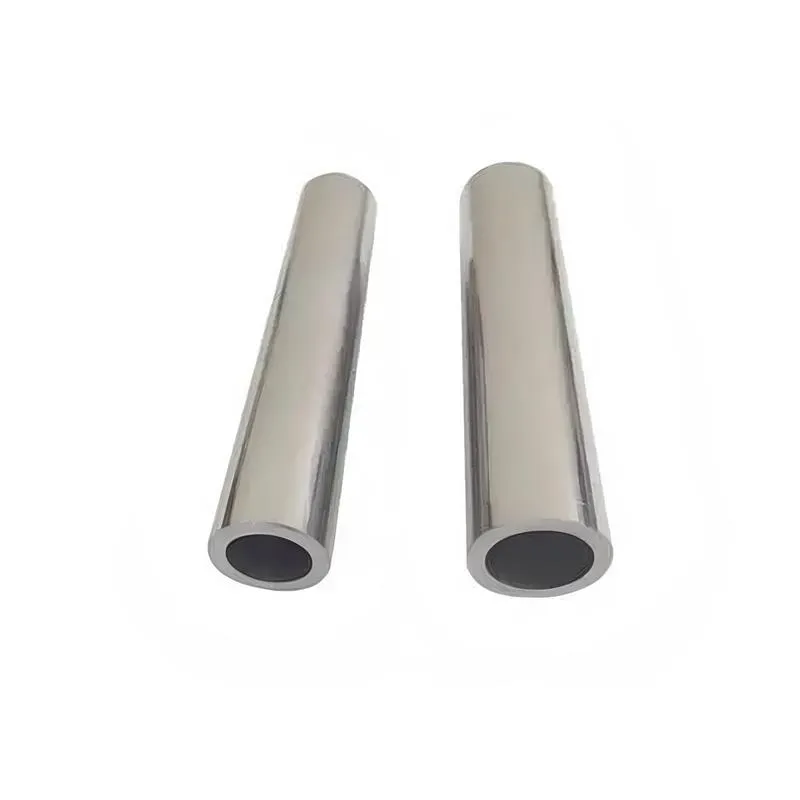
We provide AISI 8650 Steel, normalized is available in Bar (Round bar, Flat bar), Ribbon, Wire, Rods, Tube,Seamless Tube,Pipe, Ingots, Plate, Sheet, Strip and Forging Stock.,Purity, chemical composition, size, etc. can all be customized to meet specific requirements.
Please contact us if you need customized services. We will contact you with the price and availability in 24 hours.
AISI 8650 Steel, normalized Product Information
-:-
For detailed product information, please contact sales.
-:
AISI 8650 Steel, normalized Synonyms
-:-
For detailed product information, please contact sales.
-:
AISI 8650 Steel, normalized Product Information
-:-
For detailed product information, please contact sales.
-:
# Technical Data Sheet: AISI 8650 Alloy Steel
## Normalized Condition
---
### 1. Material Overview
**Designation:** AISI 8650 / UNS G86500
**Condition:** Normalized
**Material Classification:** Nickel-Chromium-Molybdenum Medium-High Carbon Alloy Steel
**Key Characteristics:** AISI 8650 in the normalized condition is a heat-treated state produced by heating above the austenitizing temperature followed by air cooling. This treatment refines the grain structure, improves mechanical properties over the as-rolled or annealed conditions, and provides a more uniform microstructure for subsequent operations. With a carbon content of 0.48-0.53% - the highest in the 86xx series - normalized 8650 offers a balanced combination of strength, hardness, and machinability, making it suitable for components that require moderate strength without final hardening and tempering, or as a preparatory treatment for further heat treatment processes.
---
### 2. International Standards Compliance
**Primary Specifications:**
- **UNS:** G86500
- **ASTM Standards:**
- **A29/A29M:** Steel Bars, Carbon and Alloy, Hot-Wrought and Cold-Finished (Normalized Condition)
- **A322:** Standard Specification for Steel Bars, Alloy, Standard Grades
- **A519:** Seamless Carbon and Alloy Steel Mechanical Tubing
- **SAE/AISI Standards:**
- **SAE J404:** Chemical Compositions of SAE Alloy Steels
- **SAE J412:** Alloy Steel Bars
- **ISO Standards:**
- **ISO 683-11:** Heat-treatable steels, alloy steels and free-cutting steels
- **European Standards:**
- **EN 10083-3:** Steels for quenching and tempering
- Similar to normalized condition of 1.6546 (34CrNiMo6) with higher carbon
- **Japanese Standards:**
- **JIS G4105:** Chromium molybdenum steels (SCM440 similar with higher carbon)
- **German Standards:**
- **DIN 17200:** Heat-treatable steels
**Normalizing Specifications:**
- Typically supplied to ASTM A29 "normalized" condition requirements
- Hardness typically in the range of 207-255 HB (Brinell)
- Microstructural requirements: Uniform fine-grained structure
---
### 3. Chemical Composition
**Standard Composition Ranges (Weight %):**
| Element | Standard Range | Typical Value | Effect on Normalizing Response |
|---------|---------------|---------------|--------------------------------|
| **Carbon (C)** | 0.48 - 0.53% | 0.50% | Highest in 86xx series; promotes pearlite formation during air cooling |
| **Manganese (Mn)** | 0.75 - 1.00% | 0.85% | Enhances hardenability; slows transformation during cooling |
| **Silicon (Si)** | 0.15 - 0.30% | 0.25% | Deoxidizer; increases strength through solid solution strengthening |
| **Nickel (Ni)** | 0.40 - 0.70% | 0.55% | Improves toughness; refines grain structure during normalizing |
| **Chromium (Cr)** | 0.40 - 0.60% | 0.50% | Increases hardenability; promotes finer microstructure |
| **Molybdenum (Mo)** | 0.15 - 0.25% | 0.20% | Enhances hardenability; contributes to grain refinement |
| **Phosphorus (P)** | ≤ 0.035% | 0.020% | Residual element (minimized) |
| **Sulfur (S)** | ≤ 0.040% | 0.025% | Residual element; controlled for optimal properties |
| **Iron (Fe)** | Balance | Balance | Matrix element |
**Composition Impact on Normalizing:**
- Higher carbon content results in higher normalized hardness compared to lower-carbon steels
- Nickel content contributes to finer grain size after normalizing
- Molybdenum helps prevent grain growth during heating
- Balanced alloying ensures uniform transformation during air cooling
**Comparison with Other Conditions:**
- **vs. Annealed:** Higher strength and hardness, finer grain structure
- **vs. As-rolled:** More uniform properties, stress relief, better machinability
- **vs. Quenched & Tempered:** Lower strength but better machinability and dimensional stability
---
### 4. Normalizing Process & Microstructure
**Standard Normalizing Procedure:**
**Heating Cycle:**
- **Temperature:** 870-900°C (1600-1650°F) - typically 885°C (1625°F)
- **Soaking Time:** 30-60 minutes per inch of thickness minimum
- **Atmosphere:** Air or protective atmosphere to limit decarburization (<0.25 mm)
- **Heating Rate:** Controlled to ensure uniform temperature throughout section
**Cooling Cycle:**
- **Medium:** Still air or controlled air circulation
- **Cooling Rate:** Approximately 20-50°C/minute (36-90°F/minute) through transformation range
- **Cooling Uniformity:** Important for consistent microstructure
- **Final Temperature:** Cool to room temperature
**Microstructural Characteristics After Normalizing:**
- **Primary Constituents:** Fine pearlite with proeutectoid ferrite at grain boundaries
- **Grain Size:** ASTM 6-8 (typical) - refined from as-rolled condition
- **Carbide Distribution:** Fine, uniform lamellar carbides in pearlite colonies
- **Banding:** Reduced compared to as-rolled condition
- **Inclusion Morphology:** More rounded and less elongated than as-rolled state
**Section Size Effects:**
- **Small Sections (<25 mm):** Primarily fine pearlite with some ferrite
- **Medium Sections (25-75 mm):** Mixed pearlite-ferrite structure, uniform
- **Large Sections (>75 mm):** Coarser structure near center, potential for bainite
**Normalizing Objectives Achieved:**
1. Grain refinement for improved toughness
2. Homogenization of microstructure
3. Stress relief from previous processing
4. Improvement of machinability compared to as-rolled
5. Preparation for subsequent heat treatment
---
### 5. Mechanical Properties (Normalized Condition)
**Typical Properties in Normalized State:**
| Property | Typical Range | Test Standard | Notes |
|----------|---------------|---------------|-------|
| **Hardness** | 207-255 HB | ASTM E10 | Most common: 217-235 HB |
| | 95-105 HRB | ASTM E18 | Rockwell B scale |
| | 15-25 HRC | ASTM E18 | Rockwell C scale |
| **Tensile Strength** | 690-860 MPa | ASTM A370 | 100-125 ksi |
| **Yield Strength (0.2%)** | 415-620 MPa | ASTM A370 | 60-90 ksi |
| **Elongation (in 50 mm)** | 18-25% | ASTM A370 | Good ductility |
| **Reduction of Area** | 45-60% | ASTM A370 | Good for forming |
| **Charpy V-Notch Impact** | 35-70 J | ASTM E23 | At room temperature |
| **Machinability Rating** | 50-55% | - | Compared to 100% for B1112 steel |
**Property Variation by Section Size:**
| Diameter | Hardness Range | Tensile Strength | Yield Strength | Impact Toughness |
|----------|----------------|-----------------|----------------|------------------|
| **25 mm (1")** | 217-241 HB | 760-830 MPa | 515-585 MPa | 45-65 J |
| **50 mm (2")** | 207-235 HB | 690-760 MPa | 415-515 MPa | 35-55 J |
| **75 mm (3")** | 197-229 HB | 620-690 MPa | 380-450 MPa | 25-45 J |
| **100 mm (4")** | 187-217 HB | 550-620 MPa | 345-415 MPa | 20-40 J |
**Physical Properties (Normalized):**
| Property | Value | Units | Conditions |
|----------|-------|-------|------------|
| **Density** | 7.85 | g/cm³ | At 20°C |
| **Melting Range** | 1410-1455 | °C | Liquidus to solidus |
| **Thermal Conductivity** | 41.0 | W/m·K | At 100°C |
| **Specific Heat Capacity** | 460 | J/kg·K | At 100°C |
| **Coefficient of Thermal Expansion** | 11.5 × 10⁻⁶ | /°C | 20-100°C range |
| **Modulus of Elasticity** | 205 | GPa | At 20°C |
| **Shear Modulus** | 80 | GPa | At 20°C |
| **Poisson's Ratio** | 0.29 | - | - |
| **Electrical Resistivity** | 0.24 | μΩ·m | At 20°C |
**Fatigue Properties:**
- **Endurance Limit:** Approximately 40-45% of tensile strength
- **Notch Sensitivity:** Moderate to high
- **Surface Finish Effect:** Significant on fatigue performance
---
### 6. Machinability & Formability
**Machinability Characteristics:**
- **Rating:** 50-55% of B1112 free-machining steel
- **Tool Materials:** Carbide recommended for production; HSS suitable for toolroom
- **Recommended Cutting Parameters:**
- **Turning:** 60-100 m/min (200-330 SFM) with carbide
- **Turning:** 30-50 m/min (100-165 SFM) with HSS
- **Drilling:** 20-30 m/min (65-100 SFM) with HSS drills
- **Milling:** 40-60 m/min (130-200 SFM) with carbide
- **Feed Rates:** 0.15-0.30 mm/rev (0.006-0.012 ipr) for turning
- **Depth of Cut:** Up to 5 mm (0.200") depending on setup rigidity
- **Chip Formation:** Continuous chips; chip breakers strongly recommended
- **Surface Finish:** Can achieve Ra 1.6-3.2 μm (63-125 μin) with proper technique
- **Coolant:** Recommended for heat dissipation and chip control
**Forming & Fabrication:**
- **Cold Bending:** Fair for moderate bends (minimum bend radius ~3t)
- **Hot Forming:** Recommended for significant deformation
- **Welding:** Possible with precautions; preheat and post-heat treatment recommended
- **Machining Allowances:** Standard allowances apply; consider stress relief if heavy machining
**Comparison with Other Conditions:**
- **vs. Annealed:** Slightly lower machinability but better dimensional stability
- **vs. As-rolled:** Better machinability and more consistent properties
- **vs. Hardened:** Much better machinability but lower strength
---
### 7. Material Characteristics in Normalized State
**Advantages of Normalized AISI 8650:**
1. **Improved Mechanical Properties:** Higher strength and hardness than annealed condition
2. **Refined Grain Structure:** Better toughness and more uniform properties
3. **Stress Relief:** Reduced residual stresses from previous processing
4. **Good Machinability:** Balanced hardness allows efficient machining
5. **Dimensional Stability:** More stable than annealed material during machining
6. **Consistent Microstructure:** Uniform properties throughout cross-section
7. **Preparation for Hardening:** Excellent condition for subsequent heat treatment
**Limitations:**
1. **Limited Strength:** Not suitable for high-stress applications without further heat treatment
2. **Wear Resistance:** Moderate at best; lower than hardened conditions
3. **Not Final Condition:** Typically requires additional processing for final use
4. **Property Variations:** Can occur with different cooling rates in large sections
**Special Characteristics:**
- **Hardenability Potential:** Good base for subsequent quenching and tempering
- **Response to Surface Hardening:** Good candidate for induction or flame hardening
- **Weldability:** Fair with proper procedures
- **Fatigue Performance:** Adequate for many non-critical applications
---
### 8. Applications
**Components Used in Normalized Condition:**
**Automotive & Transportation:**
- Non-critical gears and shafts
- Brackets and mounting components
- Linkages and lever arms
- Bushings and spacers
- General structural components
**Industrial Machinery:**
- Machine bases and frames
- Gear blanks (to be heat treated later)
- Shafts for moderate loads
- Bearing housings and supports
- General machinery components
**Construction Equipment:**
- Non-critical structural members
- Brackets and supports
- Linkage components
- General hardware
**Agricultural Equipment:**
- Implement frames
- Support brackets
- Non-critical driveline components
- General structural parts
**General Manufacturing:**
- Jigs and fixtures
- Tool holders (non-cutting)
- Machine tool components
- General fabrication components
**Applications Requiring Further Processing:**
- **Pre-hardening Stock:** Components to be carburized, induction hardened, or through-hardened
- **Forging Stock:** Normalized condition ideal for subsequent hot working
- **Machining Stock:** For components requiring extensive machining before final heat treatment
**Typical Service Conditions Suitable for Normalized State:**
- Static loads up to 50% of yield strength
- Moderate wear conditions with lubrication
- Non-critical fatigue applications
- Ambient temperature service (-40°C to +200°C)
---
### 9. Subsequent Processing Options
**Further Heat Treatment from Normalized State:**
**Direct Hardening & Tempering:**
- **Advantage:** Normalized structure provides uniform starting point
- **Procedure:** Re-austenitize, quench, and temper
- **Result:** More consistent final properties than from annealed state
**Case Hardening (Carburizing or Carbonitriding):**
- **Suitability:** Excellent due to moderate core hardness
- **Process:** Normalized material often preferred over annealed for case hardening
- **Result:** Hard case (55-65 HRC) with tough core
**Induction or Flame Hardening:**
- **Base Condition:** Normalized provides consistent response
- **Advantage:** Predictable hardness patterns
- **Application:** Selective surface hardening
**Stress Relieving:**
- **After Machining:** Often performed on normalized material
- **Temperature:** 595-650°C (1100-1200°F)
- **Purpose:** Dimensional stability for precision components
**Expected Properties After Hardening (Example):**
| Subsequent Treatment | Surface Hardness | Core Hardness | Tensile Strength | Applications |
|---------------------|-----------------|---------------|-----------------|-------------|
| **Quench & Temper** | 50-55 HRC | 50-55 HRC | 1550-1725 MPa | High strength components |
| **Carburize** | 58-63 HRC | 30-40 HRC | 1035-1240 MPa | Wear surfaces |
| **Induction Harden** | 55-60 HRC | 25-35 HRC | 860-1035 MPa | Selective hardening |
---
### 10. Quality Assurance & Testing
**Standard Testing for Normalized Material:**
- **Hardness Testing:** Brinell or Rockwell at multiple locations
- **Tensile Testing:** If specified per ASTM A370
- **Chemical Analysis:** Spectrographic verification
- **Microstructural Examination:**
- Grain size per ASTM E112
- Inclusion rating per ASTM E45
- Microstructure verification
- **Dimensional Verification:** Per purchase requirements
- **Surface Inspection:** Visual or enhanced methods
**Acceptance Criteria:**
- **Hardness:** Within specified range (typically 207-255 HB)
- **Microstructure:** Uniform fine-grained structure
- **Decarburization:** ≤0.25 mm maximum
- **Surface Condition:** Free of excessive scale or defects
**Certification Requirements:**
- **Mill Test Certificate:** EN 10204 3.1 or 3.2 typically
- **Chemical Analysis Certificate:** Full composition report
- **Mechanical Test Reports:** If specified
- **Heat Treatment Records:** Normalizing parameters
- **Traceability:** Complete from melt to final product
**Special Testing (if specified):**
- Ultrasonic testing for internal quality
- Magnetic particle inspection
- Macroscopic examination (etch testing)
- Impact testing at various temperatures
---
### 11. Storage & Handling
**Storage Conditions:**
- **Environment:** Dry, covered storage recommended
- **Temperature:** Ambient conditions acceptable
- **Humidity:** <60% relative humidity preferred
- **Duration:** 6-12 months without special protection
- **Stacking:** Proper support to prevent bending
**Surface Protection:**
- **As-Normalized:** Typically has light mill scale
- **Additional Protection:** Oil or rust preventive may be applied
- **Packaging:** Appropriate for transport and storage
- **Identification:** Clear marking of grade and condition
**Handling Guidelines:**
- **Lifting Equipment:** Proper for weight and length
- **Transportation:** Secured to prevent damage
- **Surface Care:** Avoid impacts that could cause damage
- **Cleaning:** Scale removal may be required before use
**Shelf Life & Maintenance:**
- **Indoor Storage:** 12-18 months with basic protection
- **Outdoor Storage:** Not recommended without special protection
- **Inspection:** Regular checks for corrosion
- **Re-protection:** As needed based on storage conditions
---
### 12. Technical Recommendations
**Design Considerations:**
- **Allowable Stresses:** Based on normalized properties, not hardened
- **Fatigue Design:** Consider normalized material's endurance limits
- **Wear Applications:** Not recommended without surface treatment
- **Temperature Limits:** Maximum continuous service ~300°C (570°F)
**Manufacturing Recommendations:**
- **Machining:** Use sharp tools and adequate coolant
- **Welding:** Preheat 150-200°C, post-weld heat treat if required
- **Forming:** Hot forming preferred for significant deformation
- **Finishing:** Consider final heat treatment requirements
**Procurement Specification Example:**
```plaintext
MATERIAL: AISI 8650 Alloy Steel
CONDITION: Normalized per ASTM A29
HARDNESS: 207-241 HB
CHEMISTRY: Per AISI 8650 requirements
MICROSTRUCTURE: Uniform fine-grained, grain size ASTM 6-8 minimum
FORM: Round bar, 50 mm diameter, 3-6 meter lengths
SURFACE: Free of excessive scale, light rust preventive
CERTIFICATION: EN 10204 3.1 with chemical and hardness reports
TESTING: Hardness test each end and middle; microstructure sample
```
**Safety Factors for Design:**
- **Static Loading:** 2.5-3.0 (based on yield strength)
- **Fatigue Loading:** 2.0-2.5 (based on endurance limit)
- **Impact Loading:** 3.0-4.0 (consider temperature and notch effects)
- **Combined Loading:** 3.0 minimum
**Environmental & Safety:**
- **Normalizing Process:** Standard industrial heat treatment
- **Machining:** Standard steel machining precautions
- **Disposal:** Recyclable as steel scrap
- **Safety Data:** Available from suppliers
---
### 13. Comparative Analysis
**vs. Other Conditions of AISI 8650:**
- **Annealed:** Lower strength (620-760 MPa vs 690-860 MPa), better machinability
- **As-rolled:** Less uniform properties, potential residual stresses
- **Quenched & Tempered:** Much higher strength (1035-1725 MPa), lower machinability
**vs. Other Steels in Normalized Condition:**
- **1045 Normalized:** Lower alloy cost, lower hardenability, similar strength
- **4140 Normalized:** Similar strength, different alloy balance, better hardenability
- **4340 Normalized:** Higher strength potential, higher cost
**Selection Guidelines:**
- **Choose Normalized 8650 when:**
- Moderate strength is sufficient
- Good machinability is required
- Further heat treatment is planned
- Uniform properties are important
- **Consider alternatives when:**
- Maximum strength is required (choose hardened)
- Lowest cost is critical (choose lower alloy steel)
- Maximum machinability needed (choose annealed)
---
**Disclaimer:** This technical data sheet provides information about AISI 8650 alloy steel in the normalized condition. Properties are typical and may vary based on specific processing parameters and section size. This material is often an intermediate condition and may require additional processing for final applications. Always consult with materials engineering professionals for specific application requirements.
---
**Document Control**
- **Document:** TDS-8650-NORM
- **Revision:** 1.0
- **Date:** March 2024
- **Prepared By:** Materials Engineering Department
- **Approved By:** Technical Manager
- **Quality System:** ISO 9001:2015 Certified
-:-
For detailed product information, please contact sales.
-:
AISI 8650 Steel, normalized Specification
Dimensions
Size:
Diameter 20-1000 mm Length <6365 mm
Size:We can customized as required
Standard:
Per your request or drawing
We can customized as required
Properties(Theoretical)
Chemical Composition
-:-
For detailed product information, please contact sales.
-:
AISI 8650 Steel, normalized Properties
-:-
For detailed product information, please contact sales.
-:
Applications of AISI 8650 Steel, normalized
-:-
For detailed product information, please contact sales.
-:
Chemical Identifiers AISI 8650 Steel, normalized
-:-
For detailed product information, please contact sales.
-:
Packing of AISI 8650 Steel, normalized
-:-
For detailed product information, please contact sales.
-:
Standard Packing:
-:-
For detailed product information, please contact sales.
-:
Typical bulk packaging includes palletized plastic 5 gallon/25 kg. pails, fiber and steel drums to 1 ton super sacks in full container (FCL) or truck load (T/L) quantities. Research and sample quantities and hygroscopic, oxidizing or other air sensitive materials may be packaged under argon or vacuum. Solutions are packaged in polypropylene, plastic or glass jars up to palletized 2836 gallon liquid totes Special package is available on request. E FORUs’ is carefully handled to minimize damage during storage and transportation and to preserve the quality of our products in their original condition