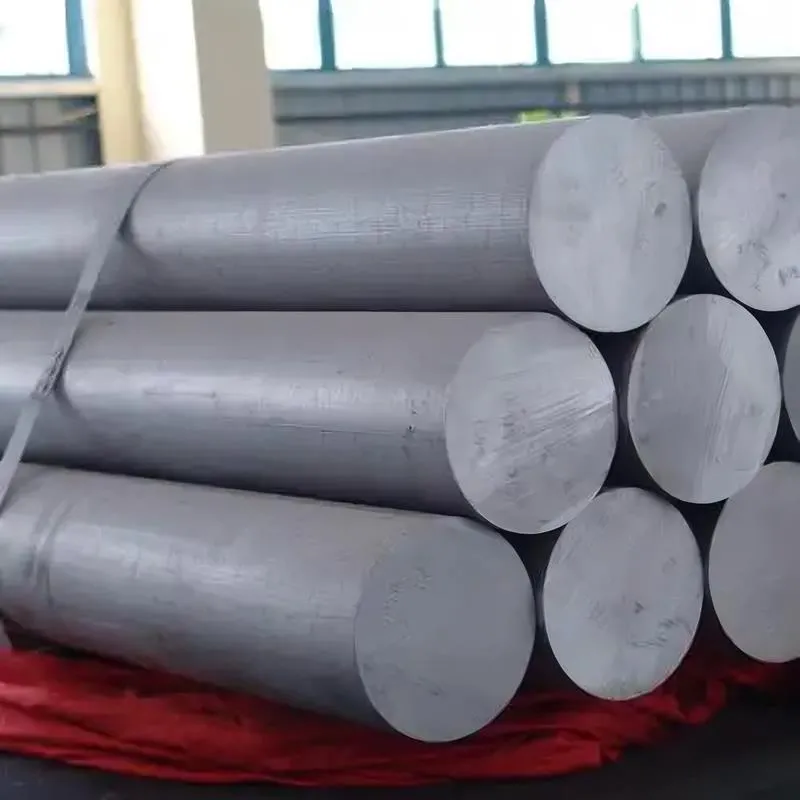
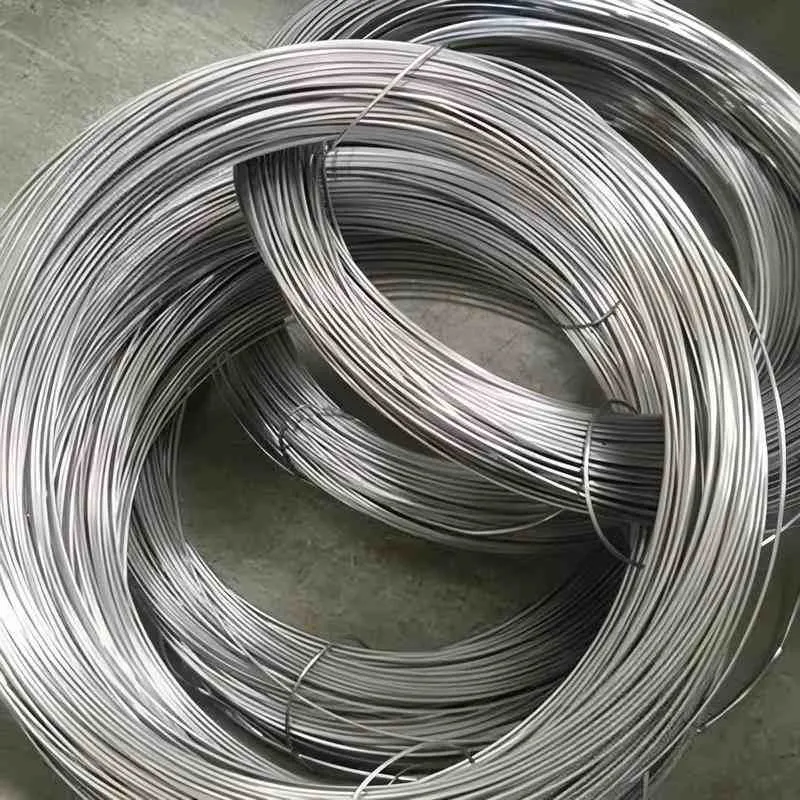
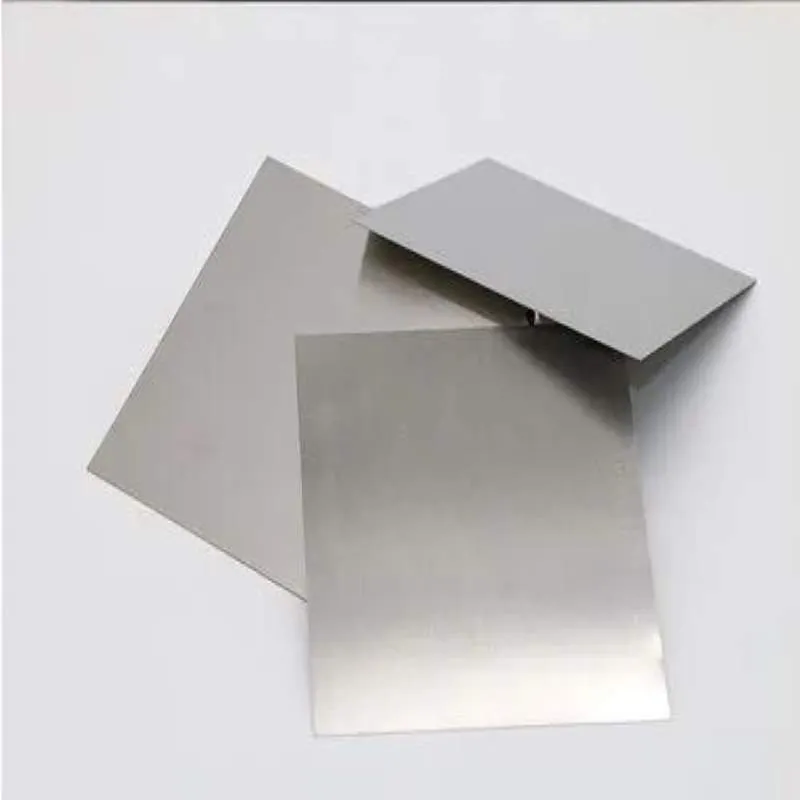
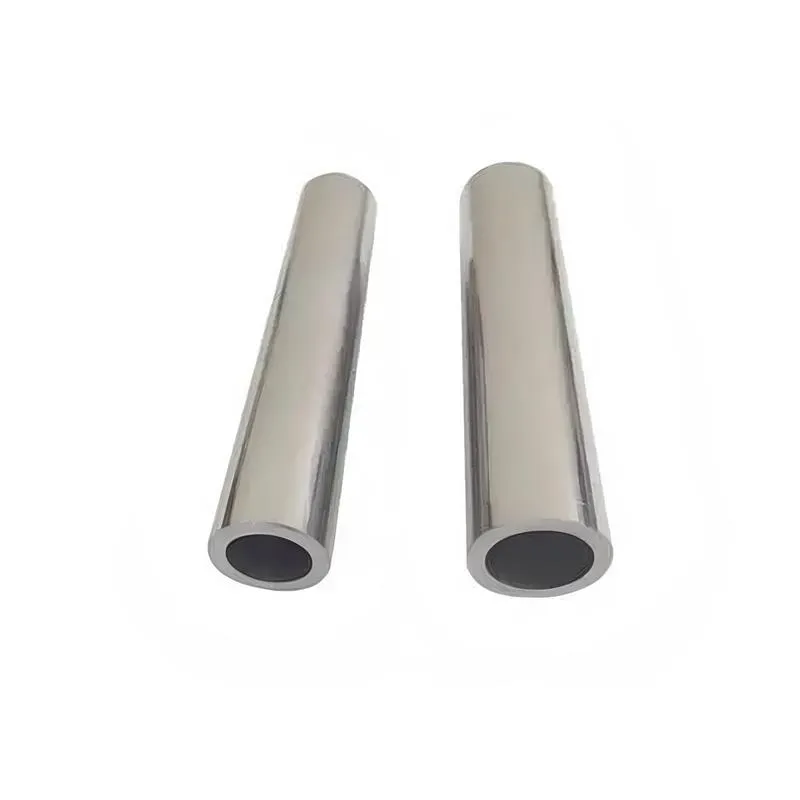
AISI 8660H Steel Rod/Bar
Product Code : STI-CSTI-458-CU
We provide AISI 8660H Steel Rod/Bar, quenched 800°C (1470°F), 650°C (1200°F) temper is available in Bar (Round bar, Flat bar), Ribbon, Wire, Rod/Bars, Tube,Seamless Tube,Pipe, Ingots, Plate, Sheet, Strip and Forging Stock.,Purity, chemical composition, size, etc. can all be customized to meet specific requirements.
Please contact us if you need customized services. We will contact you with the price and availability in 24 hours.
AISI 8660H Steel Rod, quenched 800°C (1470°F), 650°C (1200°F) temper Product Information
-:-
For detailed product information, please contact sales.
-:
AISI 8660H Steel Rod, quenched 800°C (1470°F), 650°C (1200°F) temper Synonyms
-:-
For detailed product information, please contact sales.
-:
AISI 8660H Steel, quenched 800°C (1470°F), 650°C (1200°F) temper Product Information
-:-
For detailed product information, please contact sales.
-:
### **Product Datasheet: AISI 8660H Steel, Quenched & Tempered Condition**
---
#### **1. Product & Heat Treatment Overview**
This specification defines **AISI 8660H hardenability-controlled alloy steel** that has undergone a specific **final heat treatment cycle**: **quenching from 800°C (1470°F)** followed by **tempering at 650°C (1200°F)**. This treatment produces a **highly stress-relieved, exceptionally tough, and machinable condition** that approaches the mechanical properties of a premium spheroidize anneal. The "H" designation guarantees uniform hardenability, ensuring the starting martensitic structure prior to tempering is consistent, which in turn yields predictable final properties. This condition is optimized for **maximum dimensional stability, fracture resistance, and machinability**, serving as an ideal intermediate or final state for complex, high-precision components.
#### **2. Material & Specific Heat Treatment Rationale**
- **Base Material (AISI 8660H):** A **hardenability-certified** Ni-Cr-Mo steel. The "H" band (SAE J1268) ensures that the initial quench produces a uniform martensitic structure to a defined depth, providing a consistent starting point for the high-temperature tempering transformation.
- **Heat Treatment Cycle Significance:**
1. **Austenitizing/Quenching at 800°C (1470°F):** This **lower-end austenitizing temperature** is selected for **grain refinement**.
- Produces a fine-grained austenitic structure, which transforms into a fine, uniform martensite upon oil quenching.
- The **guaranteed hardenability** ensures that even in moderate sections, the core achieves this martensitic transformation, eliminating soft spots that would lead to non-uniform tempering.
2. **Tempering at 650°C (1200°F):** This **very high tempering temperature** drives the microstructure into the **extensive softening and spheroidization range**.
- Promotes **near-complete recovery, recrystallization, and extensive carbide coagulation**. The resulting microstructure of spheroidal carbides in a soft ferrite matrix is similar to a high-quality anneal but with superior uniformity.
- Provides **profound stress relief**, achieving a state of exceptional dimensional stability.
- The **Molybdenum (Mo)** content is crucial to prevent excessive grain growth and ensure the spheroidized carbides remain finely dispersed, retaining slightly better strength than a plain carbon steel at equivalent hardness.
#### **3. International Standard & Specifications**
- **Governing Standard (Raw Material):** **ASTM A304** - Standard Specification for Carbon and Alloy Steel Bars Subject to End-Quench Hardenability Requirements.
- **Heat Treatment Reference:** This is a specialized conditioning treatment, often specified on component drawings for specific applications.
- **Material Reference:** **SAE J404** (Compositions) & **SAE J1268** (Hardenability Bands for 8660H).
- **UNS Designation:** **H86600**
- **Common Procurement Spec:** "AISI 8660H, Condition: Quenched from 800°C / Oil, Tempered at 650°C. Hardness: [e.g., 22-25 HRC]."
#### **4. Chemical Composition (% by Weight, per SAE J1268 for 8660H)**
*Ranges are managed to guarantee the hardenability band, ensuring uniform response to the initial quench.*
| Element | Content Range (%) | Role in this High-Temperature "H" Treatment |
| :--- | :--- | :--- |
| **Carbon (C)** | **0.55 – 0.65** | Forms stable, spheroidal carbides during tempering; determines the final equilibrium hardness of the ferritic matrix. |
| **Manganese (Mn)** | **0.70 – 1.05** | Ensures the hardenability necessary to achieve a fully martensitic starting structure for uniform tempering. |
| **Silicon (Si)** | **0.15 – 0.35** | Provides solid solution strengthening to the ferrite. |
| **Nickel (Ni)** | **0.35 – 0.75** | **Enhances the toughness** of the soft ferritic matrix, contributing to high impact resistance even in this soft state. |
| **Chromium (Cr)** | **0.35 – 0.65** | Forms stable alloy carbides that spheroidize effectively. |
| **Molybdenum (Mo)** | **0.15 – 0.25** | **Critical.** Retards grain growth during high-temperature tempering and ensures a fine, stable dispersion of spheroidal carbides. |
| **Iron (Fe)** | **Balance** | Base metal. |
#### **5. Resulting Microstructure & Guaranteed Mechanical Properties**
**A. Microstructural Outcome:**
- **Structure:** **Extensively Tempered Martensite / Spheroidized Carbides in Ferrite**. A uniform, fine dispersion of coarse spheroidal carbides within a soft, equiaxed ferrite matrix.
- **Consistency Guarantee:** The "H" certification ensures this uniform softened structure is achieved consistently from surface to core within the qualified section size.
**B. Typical Achieved Mechanical Properties:**
*(For sections within the guaranteed hardenability limits)*
- **Hardness:** **20 – 26 HRC** (Approx. **223 – 269 HBW**) *Very low lot-to-lot variation.*
- **Tensile Strength:** **700 – 850 MPa** (102 – 123 ksi)
- **Yield Strength (0.2% Offset):** **550 – 700 MPa** (80 – 102 ksi)
- **Elongation in 50mm:** **18% – 24%**
- **Reduction of Area:** **55% – 70%**
- **Impact Toughness (Charpy V-notch):** **120 – 180+ J** (89 – 133+ ft-lb) at room temperature. **Exceptionally high due to the combined soft matrix and Ni content.**
- **Machinability:** **Excellent.** Superior to standard annealed 8660 due to more uniform carbide distribution. Allows for high metal removal rates and excellent surface finish.
#### **6. Key Characteristics of this Condition**
- **Optimal Machinability with Certification:** Provides the **best possible machining condition** for AISI 8660H, with guaranteed consistency that simplifies CNC programming, predicts tool life, and ensures part-to-part dimensional repeatability.
- **Maximum Dimensional Stability & Stress Relief:** The 650°C temper effectively eliminates >95% of residual stresses, making it ideal for **precision components, master gauges, and fixture plates** that must remain dimensionally stable over time and under light load.
- **Exceptional Ductility and Fracture Resistance:** Possesses near-maximum toughness for the grade, suitable for components that may undergo significant plastic deformation without cracking.
- **Superior Prepared State for Re-hardening:** Offers a more consistent and uniform starting microstructure than a conventional anneal for parts destined for subsequent case hardening or through-hardening, leading to more predictable final results.
#### **7. Typical Applications**
This specialized condition is specified for:
- **Complex Preforms for Secondary Processing:** Intricately **machined gear blanks, large die/mold bases, and aerospace structural preforms** that are machined in this state and later carburized or through-hardened.
- **High-Precision, Stable Components:** **Machine tool beds, coordinate measuring machine (CMM) structures, granite surface plate bases, and ultra-precision spindle housings.**
- **Heavy Machinery Weldments:** As a **pre- and post-weld condition** for large, complex fabrications requiring extreme dimensional stability after stress relief.
- **Prototype & Development Parts:** Where easy machinability for rapid iteration is critical before finalizing a high-strength heat treatment.
- **Fastener Stock for Severe Cold Forming:** Wire or bar for **high-integrity bolts** that undergo aggressive cold heading and thread rolling before final heat treatment.
#### **8. Comparison: "H" vs. Standard Grade at 650°C Temper**
| Aspect | Standard 8660 (Annealed/Q&T) | **AISI 8660H (This Spec)** |
| :--- | :--- | :--- |
| **Microstructural Uniformity** | Can exhibit banding or inconsistent carbide distribution. | **Guaranteed uniform spheroidized structure** due to consistent martensitic start. |
| **Machining Consistency** | Tool wear and part dimensions may vary between lots. | **Predictable machining performance** and dimensional outcomes. |
| **Prepared State for Re-Hardening** | Variable response to subsequent austenitizing. | **Predictable and uniform response** to final hardening due to consistent starting condition. |
| **Property Guarantees** | Only chemistry is certified. | **Certified hardenability ensures consistent final softened properties.** |
#### **9. Ordering, Certification & Further Notes**
- **Ordering Specification:** Must explicitly define the "H" grade and this specific condition: "AISI 8660H, Heat Treated: Quench 800°C / Oil, Temper 650°C. Final Hardness: 22-24 HRC."
- **Mandatory Certification:** The **CMTR for the raw material must include the Jominy Hardenability Test Report** (SAE J1268).
- **Application Note:** This is **primarily an intermediate processing condition**. Parts in this state are typically **not for high-stress service** unless specifically designed for very low loads. Their purpose is to be machined and then **re-austenitized and quenched** to a standard, higher-strength temper (e.g., 425°C or 540°C) for final use.
- **Cost Justification:** The premium cost of the "H" grade and this double heat treatment is justified for complex, high-value components where machining costs dwarf material costs, and where first-pass success and dimensional accuracy are critical.
---
**Disclaimer:** This treatment produces a **soft, ductile condition**. It is **not a high-strength service condition**. The properties assume the initial quench achieved full martensite. For sections at the limit of the hardenability band, core properties may differ. This is a **specialized, process-oriented specification** for maximizing manufacturing efficiency and part quality in high-value applications. It is not a substitute for standard annealed or normalized stock in cost-sensitive applications.
-:-
For detailed product information, please contact sales.
-:
AISI 8660H Steel, quenched 800°C (1470°F), 650°C (1200°F) temper Specification
Dimensions
Size:
Diameter 20-1000 mm Length <5190 mm
Size:We can customized as required
Standard:
Per your request or drawing
We can customized as required
Properties(Theoretical)
Chemical Composition
-:-
For detailed product information, please contact sales.
-:
AISI 8660H Steel, quenched 800°C (1470°F), 650°C (1200°F) temper Properties
-:-
For detailed product information, please contact sales.
-:
Applications of AISI 8660H Steel Rod, quenched 800°C (1470°F), 650°C (1200°F) temper
-:-
For detailed product information, please contact sales.
-:
Chemical Identifiers AISI 8660H Steel Rod, quenched 800°C (1470°F), 650°C (1200°F) temper
-:-
For detailed product information, please contact sales.
-:
Packing of AISI 8660H Steel Rod, quenched 800°C (1470°F), 650°C (1200°F) temper
-:-
For detailed product information, please contact sales.
-:
Standard Packing:
-:-
For detailed product information, please contact sales.
-:
Typical bulk packaging includes palletized plastic 5 gallon/25 kg. pails, fiber and Steel Rod drums to 1 ton super sacks in full container (FCL) or truck load (T/L) quantities. Research and sample quantities and hygroscopic, oxidizing or other air sensitive materials may be packaged under argon or vacuum. Solutions are packaged in polypropylene, plastic or glass jars up to palletized 1661 gallon liquid totes Special package is available on request. E FORUs’ is carefully handled to minimize damage during storage and transportation and to preserve the quality of our products in their original condition