AISI 86B30H Steel, normalized
Product Code : STI-CSTI-1599-CU
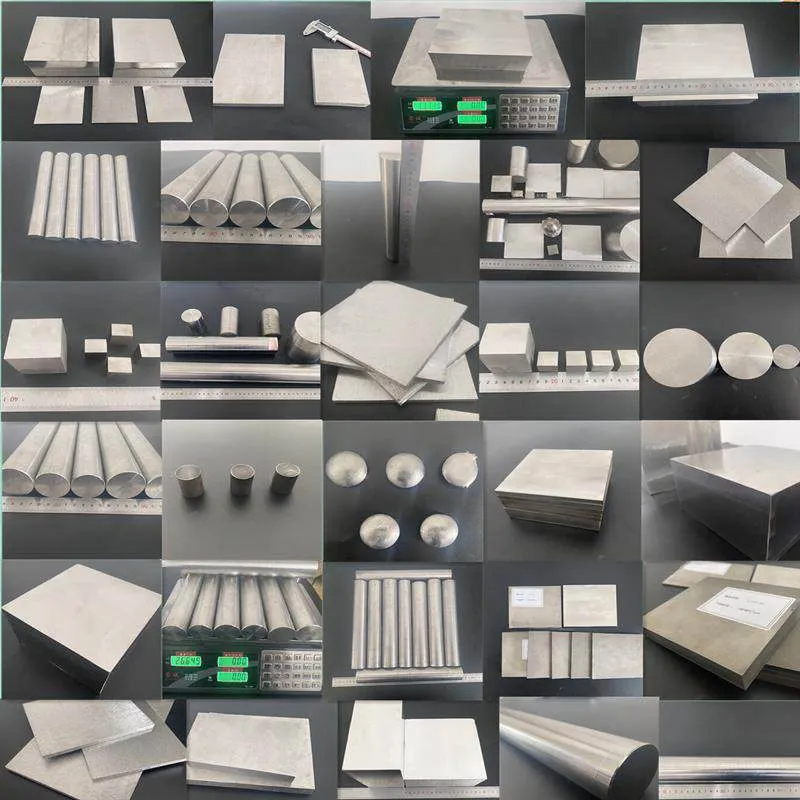
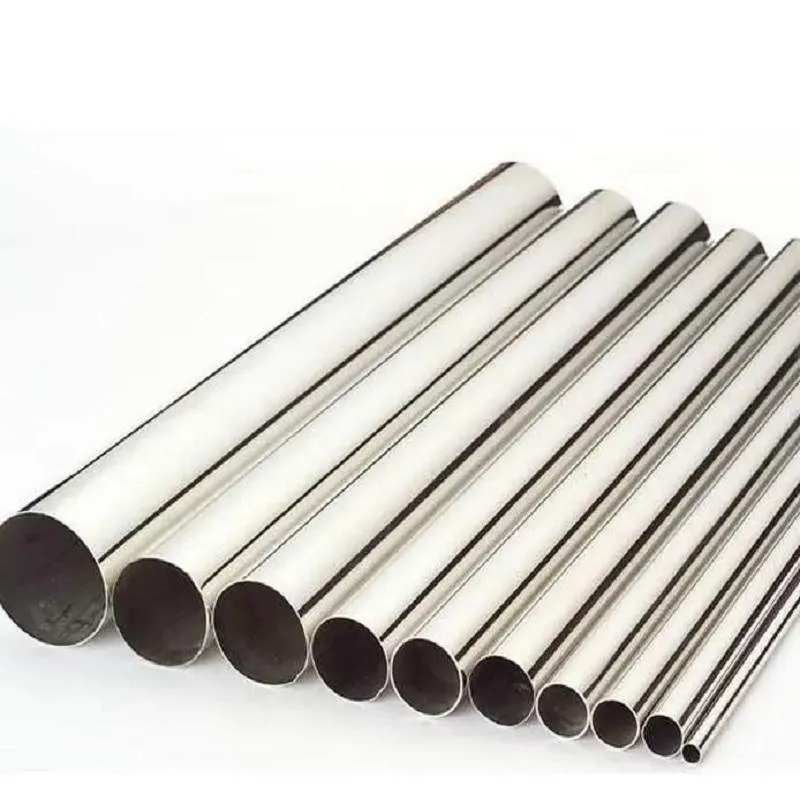
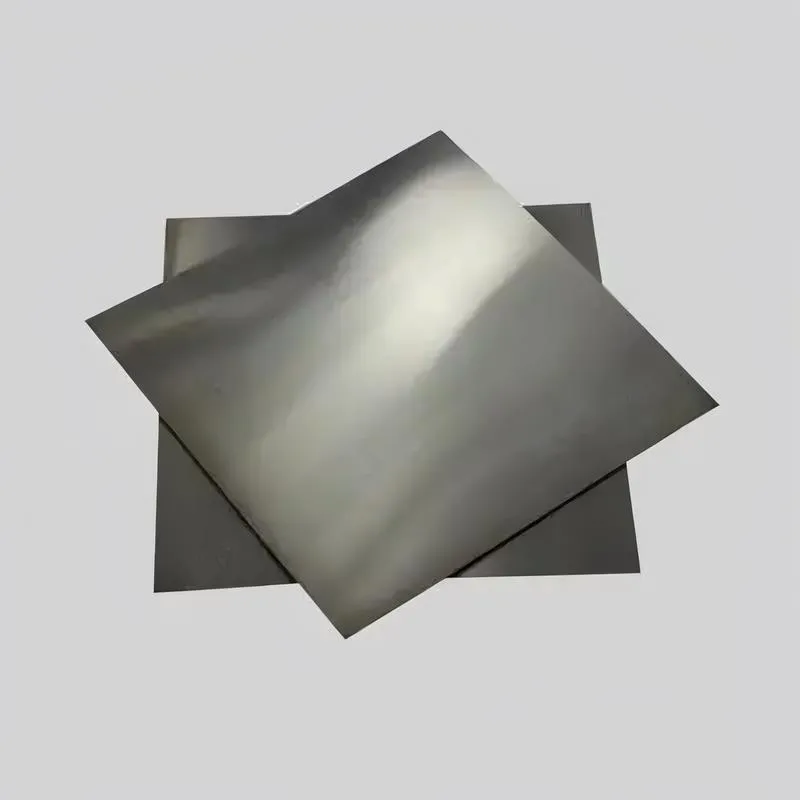
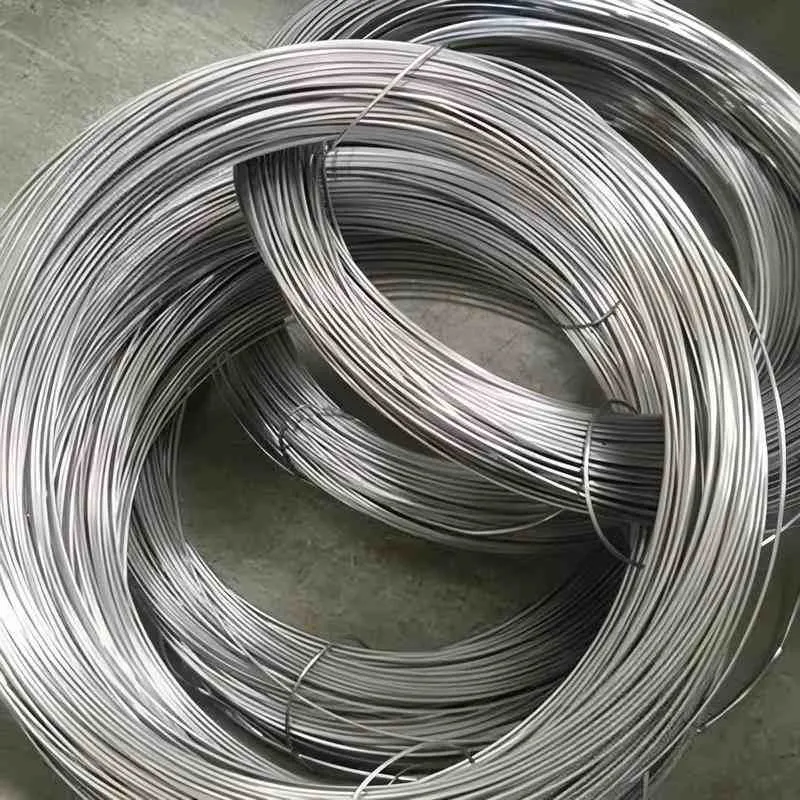
We provide AISI 86B30H Steel, normalized is available in Bar (Round bar, Flat bar), Ribbon, Wire, Rods, Tube,Seamless Tube,Pipe, Ingots, Plate, Sheet, Strip and Forging Stock.,Purity, chemical composition, size, etc. can all be customized to meet specific requirements.
Please contact us if you need customized services. We will contact you with the price and availability in 24 hours.
AISI 86B30H Steel, normalized Product Information
-:-
For detailed product information, please contact sales.
-:
AISI 86B30H Steel, normalized Synonyms
-:-
For detailed product information, please contact sales.
-:
AISI 86B30H Steel, normalized Product Information
-:-
For detailed product information, please contact sales.
-:
### **Product Introduction: AISI 86B30H Steel, Normalized Condition**
AISI 86B30H is a **boron-treated, hardenability-controlled** variant of the nickel-chromium-molybdenum alloy steel system. The "B" indicates the intentional addition of boron, a potent hardenability enhancer, while the "H" designation guarantees that the steel meets specific end-quench hardenability band requirements. Supplied in the **normalized condition**, this material undergoes austenitizing followed by air cooling to refine its grain structure. This state provides an optimal balance of strength, toughness, and uniformity, serving as an excellent preparatory microstructure for components that will undergo final machining and subsequent heat treatment, such as carburizing or through-hardening. The combination of boron addition and hardenability control makes 86B30H a **highly cost-effective** alternative to more heavily alloyed steels, offering deep hardenability at a lower material cost.
---
### **1. Chemical Composition (Typical Weight %, AISI/SAE Standard)**
The composition leverages boron to achieve superior hardenability with leaner alloying content.
* **Carbon (C):** 0.28 - 0.33
* **Manganese (Mn):** 0.70 - 0.90
* **Phosphorus (P):** ≤ 0.035
* **Sulfur (S):** ≤ 0.040
* **Silicon (Si):** 0.20 - 0.35
* **Nickel (Ni):** 0.40 - 0.70
* **Chromium (Cr):** 0.40 - 0.60
* **Molybdenum (Mo):** 0.15 - 0.25
* **Boron (B):** 0.0005 - 0.003
**Key Distinction:** The **boron (B)** addition is the defining feature. It dramatically increases hardenability by segregating to austenite grain boundaries, delaying the formation of soft transformation products (like ferrite and pearlite) during quenching. This allows the steel to achieve through-hardening in larger sections than standard 8630H with the same core alloy content. The "H" grade further ensures that despite permissible chemical variations, the steel consistently falls within a guaranteed hardenability band (SAE J1268).
---
### **2. Physical & Mechanical Properties (Normalized Condition)**
Normalization produces a fine, uniform ferrite-pearlite microstructure ideal for machining and a consistent base for final heat treatment.
* **Hardness:** **187 - 217 HBW** (Brinell)
* **Tensile Strength:** **620 - 760 MPa** (90 - 110 ksi)
* **Yield Strength (0.2% Offset):** **415 - 550 MPa** (60 - 80 ksi)
* **Elongation (in 50 mm):** **22 - 28%**
* **Reduction of Area:** **50 - 60%**
* **Impact Toughness (Charpy V-Notch):** Typically **41 - 68 J** (30 - 50 ft-lb) at room temperature
* **Machinability:** **Good** (approximately 65% of a 1% carbon steel standard). The uniform normalized structure ensures predictable tool wear and chip formation.
* **Guaranteed Hardenability:** Conforms to a specific band on the Jominy end-quench test. The boron effect significantly flattens the Jominy curve, ensuring high hardness is maintained at greater distances from the quenched end compared to non-boron grades.
* **Density:** **7.85 g/cm³**
* **Modulus of Elasticity:** **205 GPa** (29,700 ksi)
---
### **3. Key Features & Advantages**
* **Superior & Cost-Effective Hardenability:** The synergistic effect of boron with the Ni-Cr-Mo base provides hardenability comparable to more expensive, higher-alloy steels (e.g., 4340H) at a significantly lower cost. This is the primary reason for selecting 86B30H.
* **Guaranteed Consistency ("H" Grade):** Provides engineers and heat treaters with predictable and repeatable depth of hardening, reducing scrap rates and ensuring performance uniformity across production batches, even in heavy sections.
* **Excellent Microstructural Uniformity:** Normalization refines the grain structure from prior hot working, resulting in isotropic mechanical properties and improved toughness.
* **Ideal "Blank" for Final Heat Treatment:** The normalized state offers the perfect combination of machinability and a homogeneous, stress-relieved structure for subsequent processes like carburizing or through-hardening. The boron ensures excellent core hardenability after carburizing.
* **Good Weldability (with strict procedures):** Can be welded with proper pre-heat (150-260°C / 300-500°F) and mandatory post-weld heat treatment (PWHT) to restore the heat-affected zone (HAZ) properties, as boron can make the HAZ prone to cracking.
---
### **4. Primary Applications**
86B30H normalized is specified for medium to heavy-section components requiring deep, consistent hardening where cost optimization is critical.
* **Automotive Gearing:** **Transmission gears**, differential carriers, and ring gears that will be **case carburized**. The boron ensures a hard, deep case and a strong, tough core.
* **Heavy-Duty Axles & Shafts:** **Axle shafts**, power take-off (PTO) shafts, and drive shafts for trucks and agricultural equipment destined for through-hardening.
* **Off-Highway & Construction Equipment:** **Track links, rollers**, and undercarriage components requiring good wear resistance and toughness.
* **Industrial Machinery:** **Large gear blanks**, sprockets, and heavy-duty connecting rods.
* **General High-Strength Forgings:** Where the cost-to-performance ratio of boron steel is advantageous.
---
### **5. Relevant International Standards & Specifications**
* **USA – Governing Standards for Boron H-Steels:**
* **ASTM A304:** *Standard Specification for Steel Bars Subject to End-Quench Hardenability Requirements* (Primary spec).
* **SAE J1268:** *Hardenability Bands for H-Steels* (Defines the bands).
* **SAE J770:** *Boron H Steels - Chemical Compositions, Hardenability Requirements, and Mechanical Property Limits*.
* **UNS Designation:** **G86301H**
* **International Equivalents & Concepts:**
* The boron-treated, hardenability-controlled concept is prominent in North America. Other regions often use different approaches.
* **Europe (DIN / EN):** While not a direct equivalent, the concept of using boron for hardenability is found in steels like **30MnB5** or **38MnB5**, though these are typically lower in nickel and chromium. A closer compositional match with boron would be a proprietary or specially agreed grade.
* **International (ISO):** **ISO 683-18** includes boron-treated engineering steels.
* **Japan (JIS):** Boron-treated variants of alloy steels exist but follow different designation rules (e.g., SCM435-B).
---
### **6. Typical Processing Route**
* **Material State:** Received as normalized bar or forged blank.
* **Step 1 – Machining:** Perform all roughing and finishing operations. The normalized condition offers optimal machinability.
* **Step 2 – Final Heat Treatment:**
* **For Gears/Bearings:** Carburize at 900-930°C, then quench and temper. Boron ensures excellent core strength.
* **For Shafts/Structural Parts:** Through-harden by austenitizing (~845-870°C), quenching (oil), and tempering to desired strength.
* **Step 3 – Finishing:** Final grinding or shot peening as required.
**Important Note:** Due to boron's effect, the heat treatment temperature and time must be carefully controlled to prevent boron nitride formation, which can reduce hardenability.
---
### **Conclusion**
**AISI 86B30H steel in the normalized condition** is a **strategically engineered, value-optimized material**. It combines the **microstructural benefits of normalization** with the **dual performance guarantees of boron addition and hardenability control**. This makes it an exceptionally cost-effective choice for manufacturers who require **deep, consistent hardening in medium to large sections** but wish to avoid the expense of high-nickel or high-chromium alloys. By specifying 86B30H normalized, engineers secure a reliable, predictable, and economically advantageous starting material for high-performance components in automotive, agricultural, and heavy machinery sectors.
-:-
For detailed product information, please contact sales.
-:
AISI 86B30H Steel, normalized Specification
Dimensions
Size:
Diameter 20-1000 mm Length <6331 mm
Size:We can customized as required
Standard:
Per your request or drawing
We can customized as required
Properties(Theoretical)
Chemical Composition
-:-
For detailed product information, please contact sales.
-:
AISI 86B30H Steel, normalized Properties
-:-
For detailed product information, please contact sales.
-:
Applications of AISI 86B30H Steel, normalized
-:-
For detailed product information, please contact sales.
-:
Chemical Identifiers AISI 86B30H Steel, normalized
-:-
For detailed product information, please contact sales.
-:
Packing of AISI 86B30H Steel, normalized
-:-
For detailed product information, please contact sales.
-:
Standard Packing:
-:-
For detailed product information, please contact sales.
-:
Typical bulk packaging includes palletized plastic 5 gallon/25 kg. pails, fiber and steel drums to 1 ton super sacks in full container (FCL) or truck load (T/L) quantities. Research and sample quantities and hygroscopic, oxidizing or other air sensitive materials may be packaged under argon or vacuum. Solutions are packaged in polypropylene, plastic or glass jars up to palletized 2802 gallon liquid totes Special package is available on request. E FORUs’ is carefully handled to minimize damage during storage and transportation and to preserve the quality of our products in their original condition