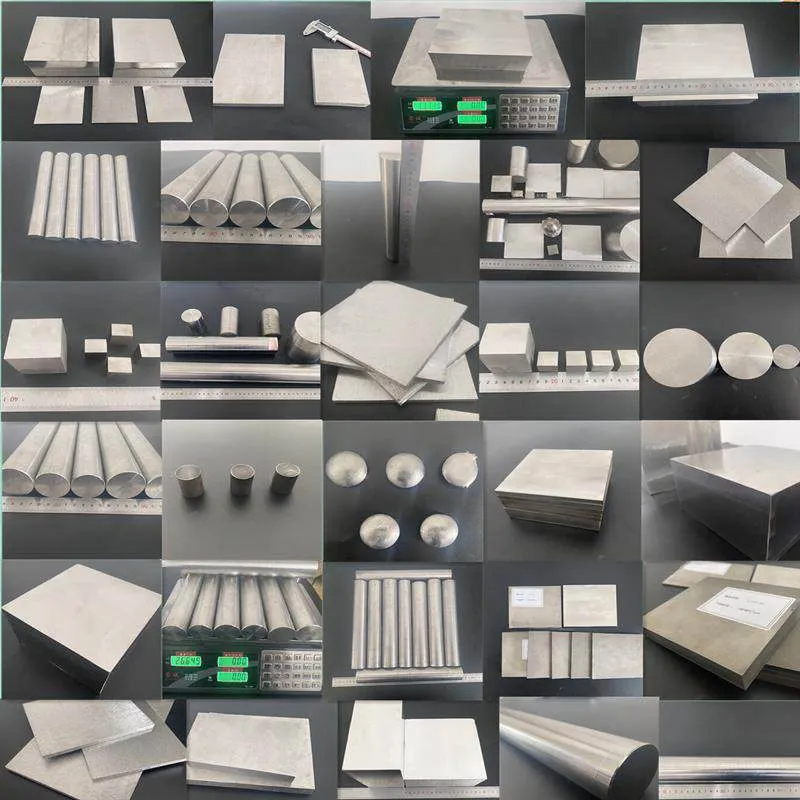
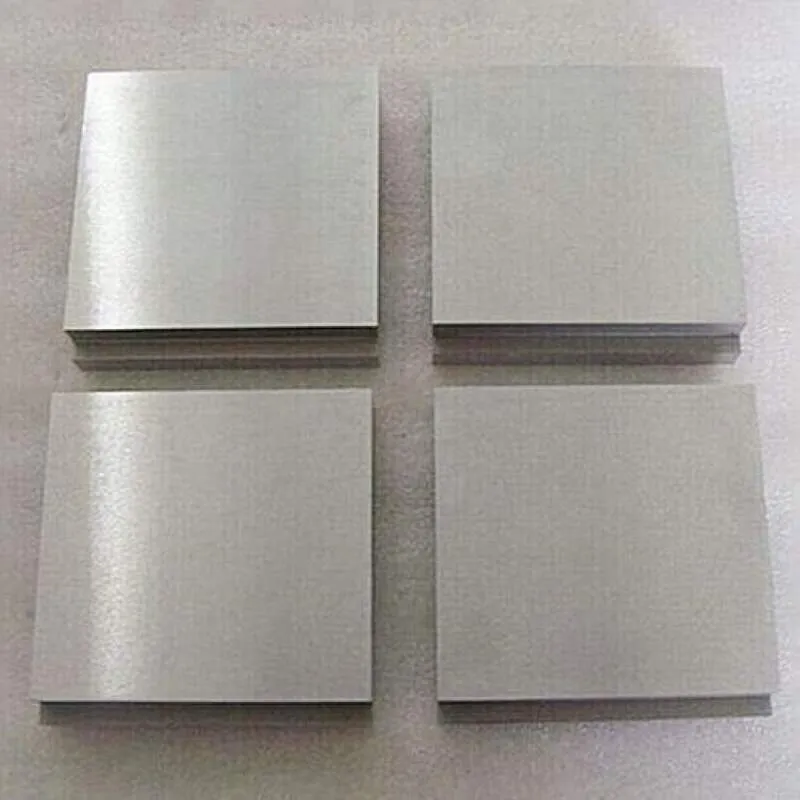
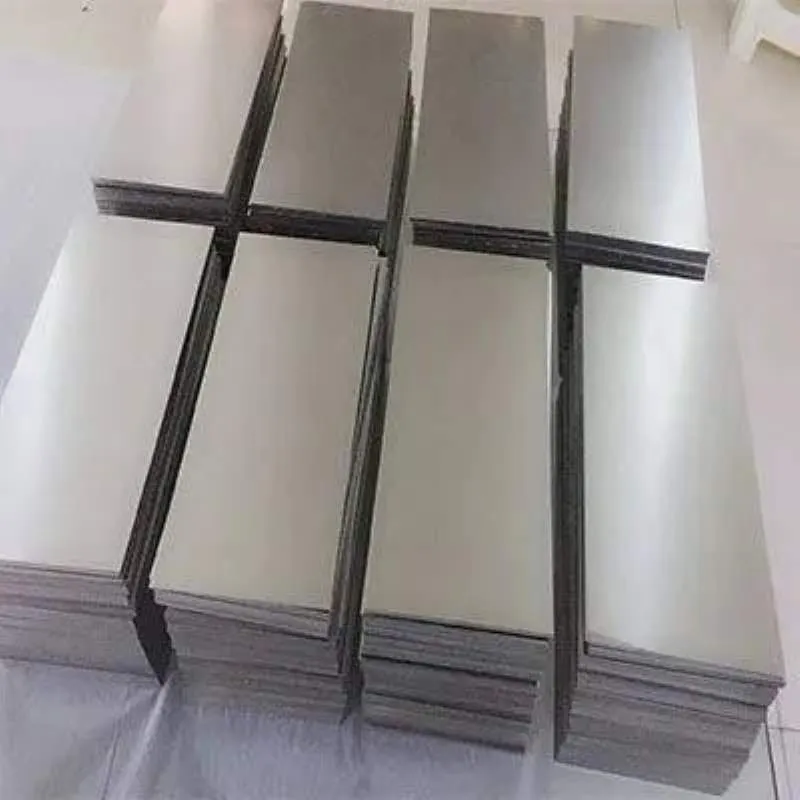
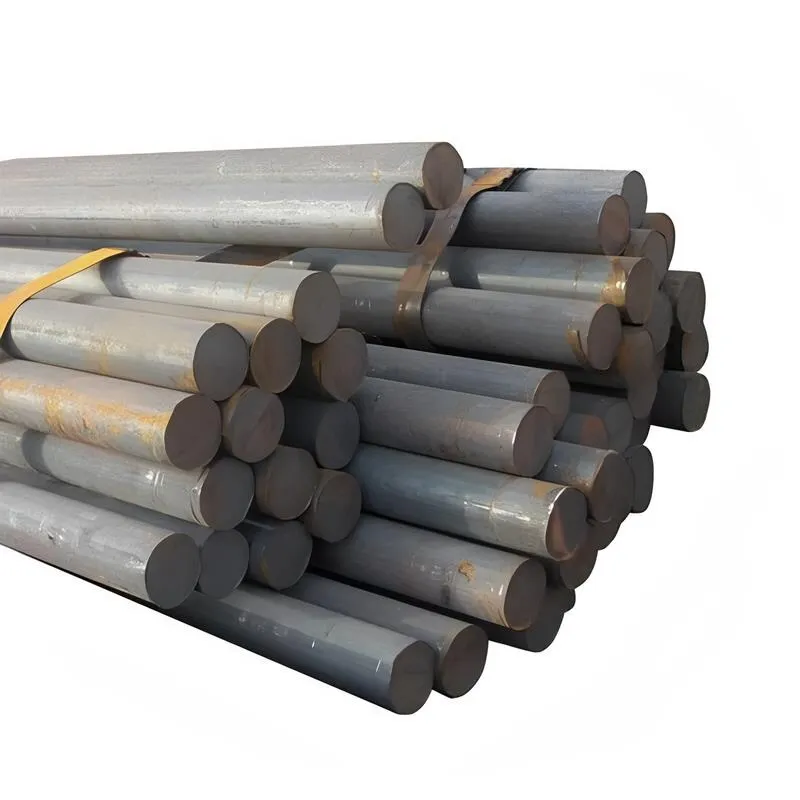
ASTM A709 Steel, grade 36, carbon steel
Product Code : STI-CSTI-1225-CU
We provide ASTM A709 Steel, grade 36, carbon steel bar (diam ≤ 200 mm) is available in Bar (Round bar, Flat bar), Ribbon, Wire, Rods, Tube,Seamless Tube,Pipe, Ingots, Plate, Sheet, Strip and Forging Stock.,Purity, chemical composition, size, etc. can all be customized to meet specific requirements.
Please contact us if you need customized services. We will contact you with the price and availability in 24 hours.
ASTM A709 Steel, grade 36, carbon steel bar (diam ≤ 200 mm) Product Information
-:-
For detailed product information, please contact sales.
-:
ASTM A709 Steel, grade 36, carbon steel bar (diam ≤ 200 mm) Synonyms
-:-
For detailed product information, please contact sales.
-:
ASTM A709 Steel, grade 36, carbon steel bar (diam ≤ 200 mm) Product Information
-:-
For detailed product information, please contact sales.
-:
# Technical Data Sheet: ASTM A709 Grade 36 Carbon Steel Bar
**Diameter Range: ≤200 mm (≤8 inches)**
---
## 1. PRODUCT OVERVIEW
**Standard Designation:** ASTM A709/A709M
**Full Title:** *Standard Specification for Structural Steel for Bridges*
**Grade:** 36 (Carbon Steel)
**Product Form:** Steel Bar (Hot-Rolled)
**Diameter Range:** ≤200 mm (≤8 inches)
**International Standard:** ASTM International
**Material Type:** Carbon steel for structural bridge applications
**Key Feature:** Specifically engineered and tested for bridge construction with enhanced quality requirements
---
## 2. MATERIAL CHARACTERISTICS & MANUFACTURING
### 2.1 Manufacturing Process
ASTM A709 Grade 36 bars (≤200 mm) are produced with specialized controls for bridge applications:
**Production Sequence:**
1. **Steelmaking:** Basic oxygen or electric arc furnace processes
2. **Secondary Refining:** Ladle metallurgy for composition control
3. **Continuous Casting:** For sound internal structure
4. **Hot Rolling:** Controlled rolling to final dimensions
5. **Cooling:** Controlled cooling rate
6. **Testing & Certification:** Enhanced testing per bridge requirements
### 2.2 Quality Requirements for Bridge Applications
**Enhanced Quality Features:**
- **Toughness Requirements:** Mandatory Charpy V-notch impact testing
- **Internal Soundness:** Strict requirements for internal discontinuities
- **Surface Quality:** Enhanced surface inspection requirements
- **Traceability:** Complete traceability from melt to finished product
- **Certification:** Comprehensive mill test certification
---
## 3. CHEMICAL COMPOSITION (≤200 mm diameter)
### 3.1 Base Composition Requirements
| Element | Composition (% by weight, maximum) | Bridge-Specific Considerations |
|---------|------------------------------------|--------------------------------|
| **Carbon (C)** | 0.25% max | Controlled for weldability and toughness |
| **Manganese (Mn)** | 1.20% max | Enhanced for strength and toughness |
| **Phosphorus (P)** | 0.040% max | Strict control for improved toughness |
| **Sulfur (S)** | 0.050% max | Controlled for improved properties |
| **Silicon (Si)** | 0.40% max | Deoxidizer, typically 0.15-0.30% |
| **Copper (Cu)** | 0.20% min* | *When specified for atmospheric corrosion resistance |
**Optional Chemical Requirements:**
- **Weathering Steel Option:** A709 Grade 36W available with enhanced corrosion resistance
- **Low-Alloy Option:** A709 Grade 36 with additional alloying elements available
### 3.2 Carbon Equivalent Formula
For weldability assessment:
**CE = C + Mn/6 + (Cr+Mo+V)/5 + (Ni+Cu)/15**
- **Typical CE for Grade 36:** 0.35-0.42
- **Maximum Recommended CE:** 0.45 for most welding applications
### 3.3 Heat Analysis Requirements
- **Full Melt Analysis Required:** For each heat of steel
- **Product Analysis Permitted:** Limited verification testing allowed
- **Report Requirements:** All elements must be reported
---
## 4. MECHANICAL PROPERTIES (≤200 mm diameter)
### 4.1 Minimum Required Properties (ASTM A709)
| Property | Requirement | Test Standard | Notes for ≤200 mm Bars |
|----------|-------------|---------------|-------------------------|
| **Yield Strength (min)** | 250 MPa (36 ksi) | ASTM A370 | Measured at 0.2% offset |
| **Tensile Strength** | 400-550 MPa (58-80 ksi) | ASTM A370 | Must fall within range |
| **Elongation in 200 mm** | 20% min | ASTM A370 | Minimum requirement |
| **Elongation in 50 mm** | 23% min | ASTM A370 | Alternative measurement |
| **Charpy V-Notch Impact** | 20 J (15 ft-lbf) min @ 21°C | ASTM A673 | Bridge requirement |
### 4.2 Typical Property Distribution
**For ≤200 mm Diameter Bars:**
| Property | Typical Range | Through-Section Consistency |
|----------|---------------|-----------------------------|
| **Yield Strength** | 275-350 MPa (40-51 ksi) | Excellent in ≤200 mm range |
| **Tensile Strength** | 450-500 MPa (65-73 ksi) | Consistent through cross-section |
| **Yield-to-Tensile Ratio** | 0.60-0.70 | Good for seismic applications |
| **Elongation** | 24-30% | Excellent ductility |
| **Reduction of Area** | 45-55% | Good fracture resistance |
### 4.3 Impact Toughness Requirements
**Charpy V-Notch Testing (Mandatory for A709):**
- **Test Temperature:** +21°C (70°F) standard
- **Minimum Energy:** 20 J (15 ft-lbf) average of three tests
- **Minimum Single Value:** 16 J (12 ft-lbf)
- **Test Location:** Mid-radius position for bars ≤200 mm
**Optional Lower Temperatures:**
- Can be specified for cold climate applications
- Common test temperatures: 0°C, -18°C, -29°C, -40°C
- Corresponding energy requirements may vary
---
## 5. PHYSICAL PROPERTIES
| Property | Value | Conditions/Notes |
|----------|-------|------------------|
| **Density** | 7.85 g/cm³ (0.284 lb/in³) | Standard for carbon steel |
| **Modulus of Elasticity** | 200 GPa (29,000 ksi) | Design value for structural calculations |
| **Shear Modulus** | 77 GPa (11,200 ksi) | For torsion calculations |
| **Poisson's Ratio** | 0.29 | Elastic range |
| **Coefficient of Thermal Expansion** | 11.7 × 10⁻⁶/°C (6.5 × 10⁻⁶/°F) | 20-100°C range |
| **Thermal Conductivity** | 51 W/(m·K) | At 100°C |
| **Specific Heat** | 0.46 kJ/(kg·K) | At 20°C |
| **Electrical Resistivity** | 0.17 μΩ·m | At 20°C |
---
## 6. FABRICATION CHARACTERISTICS
### 6.1 Forming & Bending
**For ≤200 mm Diameter Bars:**
| Operation | Guidelines | Limitations |
|-----------|------------|-------------|
| **Cold Bending** | Minimum radius 2.5×diameter | Standard practice for rebar |
| **Hot Bending** | 850-1100°C (1560-2010°F) | For tight radius bends |
| **Straightening** | Cold straightening permitted | Limited to minor corrections |
| **Threading** | Excellent for mechanical threads | Standard threading practices |
### 6.2 Welding Characteristics
**Excellent Weldability:**
- **Carbon Equivalent:** Typically 0.35-0.42 (very favorable)
- **Preheat Requirements:** Generally not required for ≤50 mm thickness
- **Recommended Processes:** SMAW, GMAW, FCAW, SAW
- **Filler Metals:** E70XX series or equivalent
**Welding Guidelines for Bridge Applications:**
- **Procedure Qualification:** Required per AWS D1.5
- **Weld Inspections:** Stringent requirements for bridge structures
- **Repair Welding:** Strictly controlled procedures
- **Post-Weld Treatment:** Generally not required
### 6.3 Machining
**Good Machinability:**
- **Relative Rating:** 70-75% (compared to B1112 steel)
- **Recommended Tools:** High-speed steel or carbide
- **Cutting Speeds:** 60-120 m/min for turning operations
- **Surface Finish:** Good to excellent achievable
---
## 7. PRIMARY APPLICATIONS
### 7.1 Bridge Construction Applications
| Component Type | Specific Uses | Why A709 Grade 36 is Specified |
|----------------|---------------|---------------------------------|
| **Primary Structural Members** | Truss members, arches, girders | Certified for bridge applications |
| **Connection Elements** | Gusset plates, splice plates, connection angles | Reliable, tested material |
| **Bracing Systems** | Lateral bracing, wind bracing, portal bracing | Meets bridge code requirements |
| **Bearings & Expansion Joints** | Support components, bearing plates | Consistent quality |
### 7.2 Reinforcement Applications
- **Rebar Anchors:** Large diameter anchor bars
- **Post-Tensioning:** Anchorages and components
- **Shear Connectors:** Headed stud bases
- **Embedded Parts:** Bridge deck anchors
### 7.3 Secondary Bridge Components
- **Safety Barriers:** Bridge rail supports
- **Lighting Standards:** Pole foundations and bases
- **Drainage Systems:** Support structures
- **Walkway Supports:** Pedestrian bridge components
### 7.4 Non-Bridge Structural Applications
- **Heavy Construction:** Building columns, crane rails
- **Industrial Structures:** Mill buildings, heavy supports
- **Marine Structures:** Piers, docks, waterfront structures
- **Transportation:** Railway structures, tunnel supports
---
## 8. QUALITY ASSURANCE & TESTING
### 8.1 Mandatory Testing (A709 Requirements)
| Test | Frequency | Specification | Acceptance Criteria |
|------|-----------|---------------|---------------------|
| **Chemical Analysis** | Each heat | Heat analysis | Meets Grade 36 requirements |
| **Tensile Test** | Each heat/thickness combination | ASTM A370 | All properties within limits |
| **Charpy Impact Test** | Each heat/thickness | ASTM A673 | Minimum 20 J @ 21°C |
| **Bend Test** | When specified | ASTM A370 | No cracking at specified radius |
### 8.2 Dimensional Tolerances (≤200 mm Bars)
**Per ASTM A6/A6M:**
| Parameter | Tolerance | Measurement Method |
|-----------|-----------|-------------------|
| **Diameter** | ±0.8% of nominal or ±1.6 mm, whichever is greater | Multiple measurements |
| **Out-of-Round** | 1.0% of nominal diameter max | Cross-section measurement |
| **Length** | +25 mm / -0 mm for cut lengths | End-to-end measurement |
| **Straightness** | 1.5 mm per meter maximum | Sweep measurement |
### 8.3 Surface Quality Requirements
- **Surface Condition:** Free from injurious defects
- **Permissible Imperfections:** Minor seams, rolls, or surface irregularities allowed within limits
- **Repair:** Defects may be repaired by grinding or welding with approval
- **Inspection:** Visual inspection of 100% of material
---
## 9. COMPARATIVE ANALYSIS
### 9.1 Within ASTM A709 Family (≤200 mm)
| Property | Grade 36 | Grade 50 | Grade 50W |
|----------|----------|----------|-----------|
| **Min Yield Strength** | 250 MPa | 345 MPa | 345 MPa |
| **Tensile Range** | 400-550 MPa | 450-620 MPa | 485-650 MPa |
| **Carbon Max** | 0.25% | 0.23% | 0.19% |
| **Copper Requirement** | Optional | Optional | 0.20% min |
| **Relative Cost** | 1.00 | 1.10-1.15 | 1.15-1.25 |
### 9.2 Comparison with Similar Standards
| Standard | Grade | Key Differences from A709 Grade 36 |
|----------|-------|-------------------------------------|
| **ASTM A36** | - | No mandatory impact testing, general structural use |
| **ASTM A572** | 50 | Higher strength, different chemical requirements |
| **ASTM A992** | - | Building construction focus, different requirements |
| **EN 10025-2** | S235 | European equivalent, slightly different properties |
---
## 10. DESIGN CONSIDERATIONS
### 10.1 Structural Design Values
**Allowable Stresses (Per AASHTO/AISC):**
- **Tension:** 0.55 × Fy = 138 MPa (20 ksi)
- **Compression:** Varies with slenderness ratio
- **Shear:** 0.33 × Fy = 83 MPa (12 ksi)
- **Bearing:** 0.90 × Fy = 225 MPa (32.5 ksi)
**Fatigue Considerations:**
- **Detail Categories:** Defined in AASHTO/AISC specifications
- **Fatigue Life:** Good for properly detailed connections
- **Stress Range:** Design based on expected stress ranges
### 10.2 Bridge-Specific Design Requirements
**AASHTO LRFD Requirements:**
- **Load Combinations:** Specific to bridge design
- **Service Limit States:** Deflection and vibration considerations
- **Strength Limit States:** Ultimate capacity calculations
- **Fatigue Limit States:** For cyclic loading conditions
**Connection Design:**
- **Bolted Connections:** ASTM A325 or A490 bolts typically used
- **Welded Connections:** Full penetration or fillet welds per AWS D1.5
- **Shear Connections:** Design per established procedures
---
## 11. ORDERING INFORMATION
### 11.1 Specification Format
```
ASTM A709/A709M Grade 36
Product Form: Bar
Dimensions: Diameter ______ mm (≤200 mm), Length ______ mm
Condition: Hot-rolled
Test Requirements: Charpy V-notch @ 21°C (70°F) min 20 J
Supplementary Requirements: [List if applicable]
Certification: Mill Test Certificate per EN 10204 3.1 or equivalent
Quantity: ______ metric tons
```
### 11.2 Supplementary Requirements
**Common Supplementary Requirements for Bridge Applications:**
- **S1. Ultrasonic Examination:** For critical applications
- **S2. Maximum Carbon Equivalent:** For enhanced weldability
- **S3. Charpy Impact Lower Temperature:** For cold climate applications
- **S5. Fine Austenitic Grain Size:** For improved toughness
- **S8. Maximum Tensile Strength:** Upper limit specification
### 11.3 Marking & Identification
- **Heat/Lot Number:** Clearly marked on each piece or bundle
- **Grade Identification:** "A709 Grade 36" or equivalent marking
- **Size Identification:** Diameter and length markings
- **Certification:** Accompanying documentation with complete traceability
---
## 12. INTERNATIONAL EQUIVALENTS
| Region/Standard | Equivalent Grade | Comparison Notes |
|-----------------|------------------|------------------|
| **European (EN)** | EN 10025-2 S235JR | Similar strength, different testing |
| **Japanese (JIS)** | JIS G3101 SS400 | Similar mechanical properties |
| **Chinese (GB)** | GB/T 700 Q235 | Similar carbon steel grade |
| **Canadian (CSA)** | CSA G40.21 300W | Similar bridge application steel |
| **International (ISO)** | ISO 630-2 E235 | International structural steel |
---
## 13. FABRICATION BEST PRACTICES
### 13.1 Handling & Storage
- **Lifting:** Use appropriate lifting equipment for ≤200 mm bars
- **Storage:** Stack on level supports to prevent bending
- **Protection:** Protect from excessive moisture and contamination
- **Identification:** Maintain heat/lot segregation
### 13.2 Fabrication Quality Control
- **Cutting:** Plasma, flame, or saw cutting all acceptable
- **Fit-up:** Ensure proper fit-up before welding
- **Welding Control:** Monitor preheat and interpass temperatures
- **Inspection:** Regular inspection during fabrication
### 13.3 Bridge-Specific Fabrication
- **Quality Documentation:** Maintain complete fabrication records
- **Inspection Points:** Plan for inspector access
- **Repair Procedures:** Establish approved repair methods
- **Final Inspection:** Comprehensive before shipment
---
## SUMMARY
**ASTM A709 Grade 36 steel bars (≤200 mm diameter)** represent a **bridge-quality carbon steel** specifically engineered and certified for structural bridge applications. With mandatory impact testing and enhanced quality requirements, this material provides reliable performance for critical bridge components.
**Key Advantages for Bridge Applications:**
1. **Certified Quality:** Specifically tested and certified for bridge use
2. **Excellent Weldability:** Low carbon equivalent ensures good weldability
3. **Good Toughness:** Mandatory impact testing ensures adequate toughness
4. **Proven Performance:** Extensive history in bridge construction
5. **Code Compliance:** Meets all major bridge design code requirements
**Bridge-Specific Benefits:**
- **AASHTO Compliance:** Fully compliant with bridge specifications
- **Quality Assurance:** Enhanced testing and certification
- **Design Confidence:** Established design properties and factors
- **Fabrication Friendly:** Good formability and weldability
**Optimal Application Scenarios:**
- Primary structural members in small to medium span bridges
- Connection elements requiring certified material
- Components subject to dynamic or impact loading
- Applications where material traceability is critical
**Selection Considerations:**
1. Verify that A709 requirements are necessary vs. general structural steels
2. Consider the specific bridge design code requirements
3. Evaluate total project requirements including testing and certification
4. Confirm availability in required sizes and quantities
5. Plan for appropriate quality control during fabrication
**Final Recommendation:** ASTM A709 Grade 36 bars are recommended for bridge applications where certified material properties, impact toughness, and traceability are required. For general structural applications not requiring bridge certification, ASTM A36 may be more cost-effective while providing similar mechanical properties.
---
**IMPORTANT BRIDGE CONSIDERATIONS:**
1. A709 Grade 36 is specifically for bridge applications
2. All material must be properly certified and traceable
3. Fabrication should follow AWS D1.5 or applicable bridge welding code
4. Inspection and testing should be planned throughout fabrication
5. Documentation must be complete and maintained
**DISCLAIMER:** This technical information is provided for general guidance. For specific bridge applications, consult the latest edition of ASTM A709/A709M, relevant bridge design codes (AASHTO, etc.), and qualified bridge engineering professionals. Material properties may vary by manufacturer. Always review certified mill test reports and ensure compliance with project specifications and applicable codes.
-:-
For detailed product information, please contact sales.
-:
ASTM A709 Steel, grade 36, carbon steel bar (diam ≤ 200 mm) Specification
Dimensions
Size:
Diameter 20-1000 mm Length <5957 mm
Size:We can customized as required
Standard:
Per your request or drawing
We can customized as required
Properties(Theoretical)
Chemical Composition
-:-
For detailed product information, please contact sales.
-:
ASTM A709 Steel, grade 36, carbon steel bar (diam ≤ 200 mm) Properties
-:-
For detailed product information, please contact sales.
-:
Applications of ASTM A709 Steel, grade 36, carbon steel bar (diam ≤ 200 mm)
-:-
For detailed product information, please contact sales.
-:
Chemical Identifiers ASTM A709 Steel, grade 36, carbon steel bar (diam ≤ 200 mm)
-:-
For detailed product information, please contact sales.
-:
Packing of ASTM A709 Steel, grade 36, carbon steel bar (diam ≤ 200 mm)
-:-
For detailed product information, please contact sales.
-:
Standard Packing:
-:-
For detailed product information, please contact sales.
-:
Typical bulk packaging includes palletized plastic 5 gallon/25 kg. pails, fiber and steel drums to 1 ton super sacks in full container (FCL) or truck load (T/L) quantities. Research and sample quantities and hygroscopic, oxidizing or other air sensitive materials may be packaged under argon or vacuum. Solutions are packaged in polypropylene, plastic or glass jars up to palletized 2428 gallon liquid totes Special package is available on request. E FORUs’ is carefully handled to minimize damage during storage and transportation and to preserve the quality of our products in their original condition