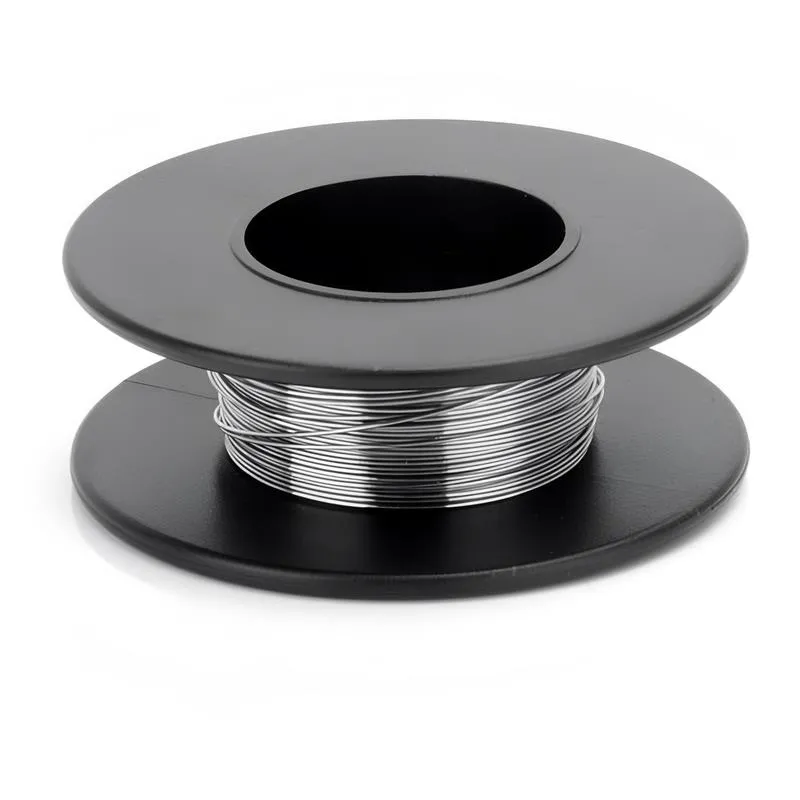
JIS S55C Steel, Normalized
Product Code : STI-CSTI-327-CU
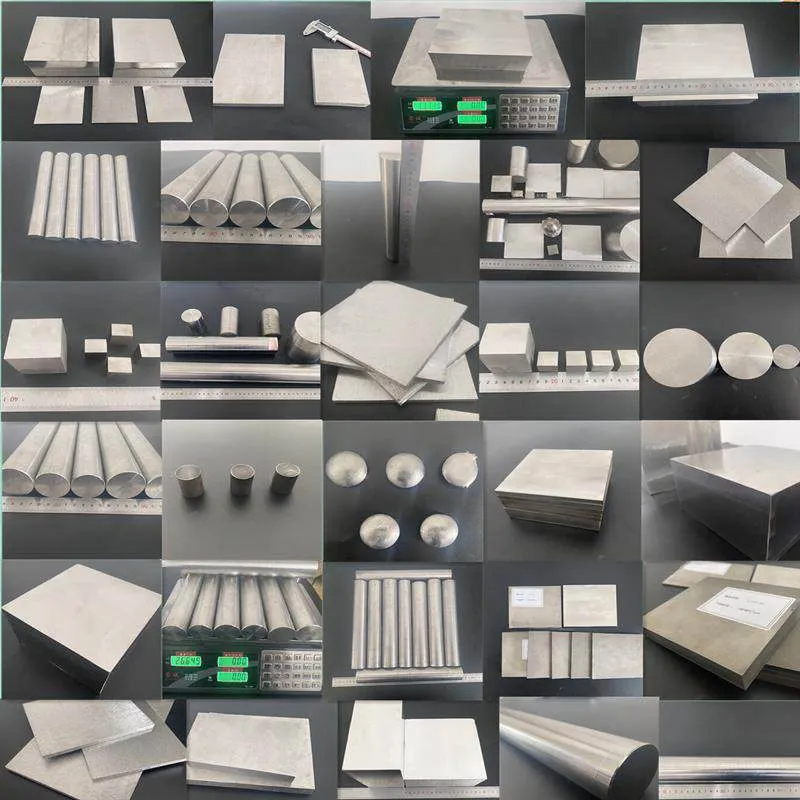
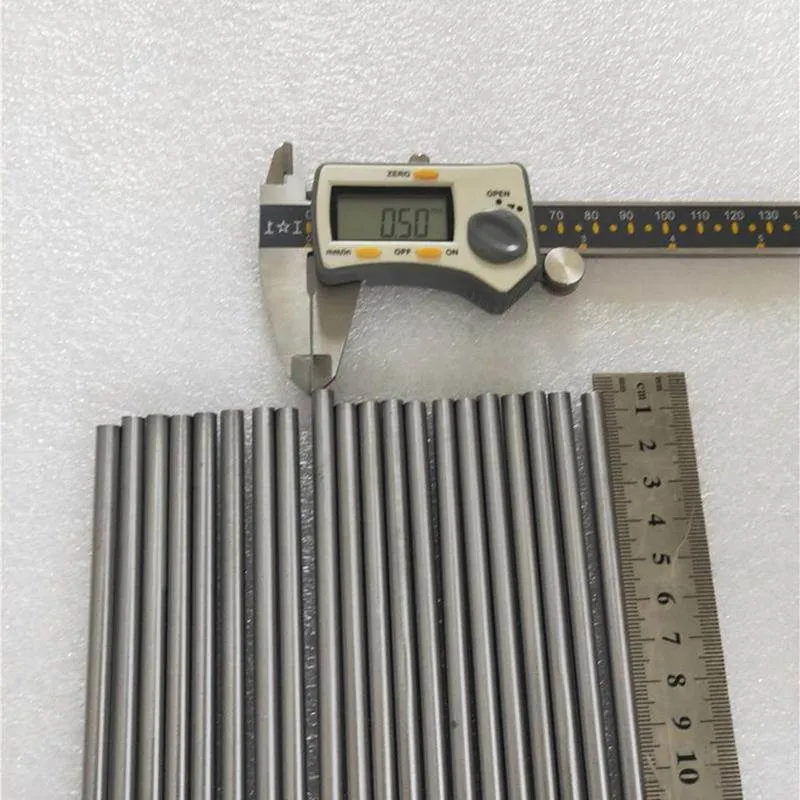
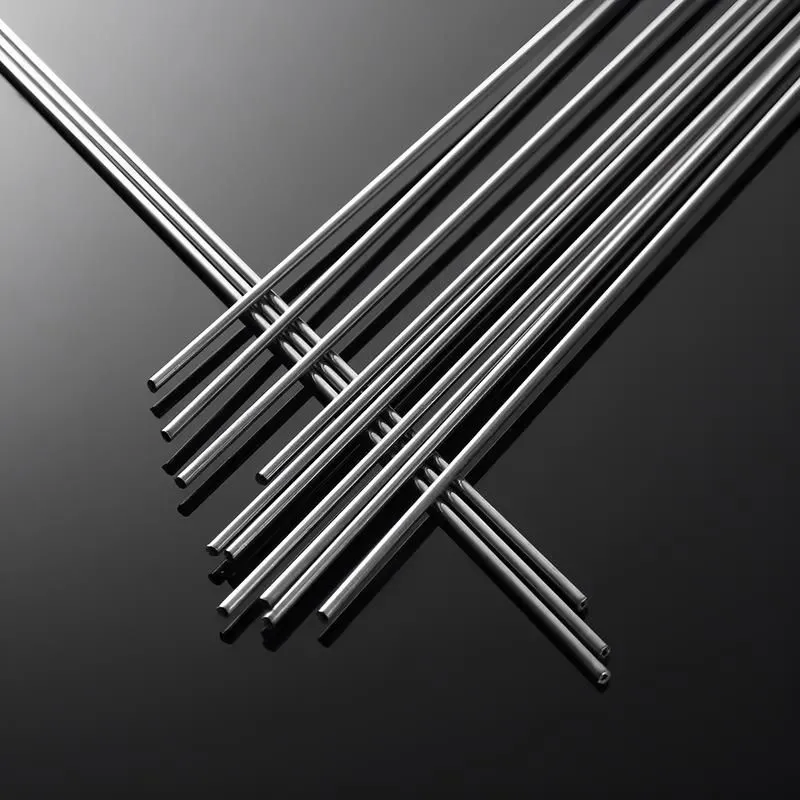
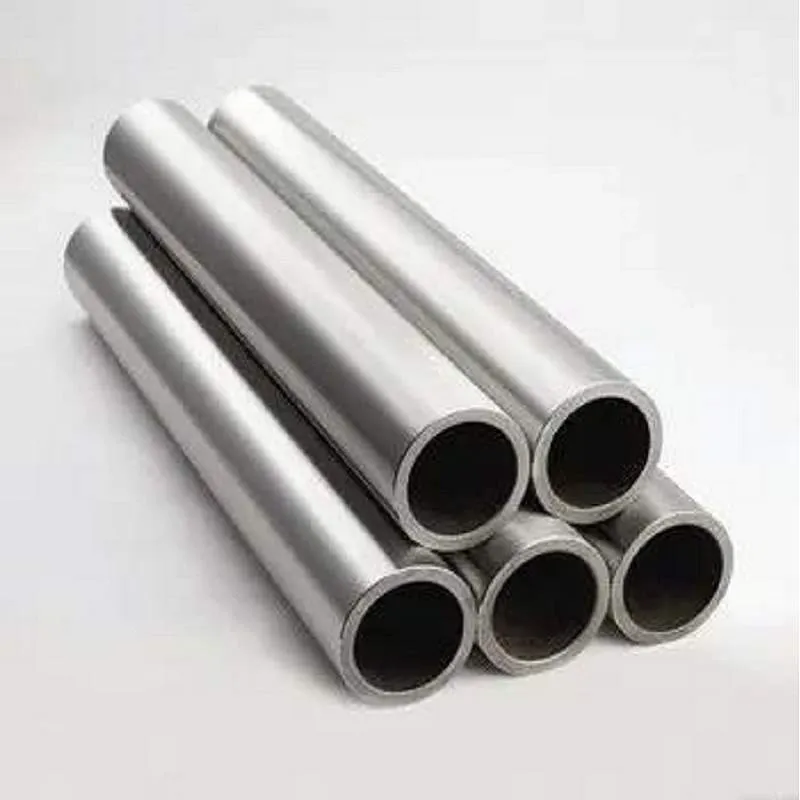
We provide JIS S55C Steel, Normalized is available in Bar (Round bar, Flat bar), Ribbon, Wire, Rods, Tube,Seamless Tube,Pipe, Ingots, Plate, Sheet, Strip and Forging Stock.,Purity, chemical composition, size, etc. can all be customized to meet specific requirements.
Please contact us if you need customized services. We will contact you with the price and availability in 24 hours.
JIS S55C Steel, Normalized Product Information
-:-
For detailed product information, please contact sales.
-:
JIS S55C Steel, Normalized Synonyms
-:-
For detailed product information, please contact sales.
-:
JIS S55C Steel, Normalized Product Information
-:-
For detailed product information, please contact sales.
-:
# **Technical Specification: JIS S55C Steel (Normalized Condition)**
## **1. Product Overview**
**JIS S55C** is a **high-carbon manganese steel** standardized by the Japanese Industrial Standards (JIS) under **JIS G4051: "Carbon steels for machine structural use."** The designation follows the JIS naming convention where **"S"** denotes structural carbon steel, **"55"** indicates a nominal carbon content of 0.55%, and **"C"** signifies its grade classification.
In the **Normalized (焼ならし)** condition, S55C steel has been heat-treated by heating to an austenitizing temperature above its upper critical point, followed by uniform air cooling. This process refines the grain structure, homogenizes the material, and enhances mechanical properties to achieve an optimal balance of strength, hardness, and toughness for its carbon content. Normalized S55C is widely used for components requiring higher strength and wear resistance than S45C, but where good machinability and dimensional stability are still required.
---
## **2. Chemical Composition (Weight %)**
The chemical composition is specified in JIS G4051. For normalized quality, tighter control is often maintained to ensure consistent hardenability and microstructure.
| Element | JIS G4051 Standard Range | Typical Aim/Control for Normalized Stock |
|----------------|--------------------------|------------------------------------------|
| **Carbon (C)** | 0.52 - 0.58 | 0.54 - 0.56 |
| **Silicon (Si)** | 0.15 - 0.35 | 0.20 - 0.30 |
| **Manganese (Mn)** | 0.60 - 0.90 | 0.70 - 0.85 |
| **Phosphorus (P)** | ≤ 0.030 | ≤ 0.025 |
| **Sulfur (S)** | ≤ 0.035 | ≤ 0.025 |
| **Iron (Fe)** | Balance | Balance |
**Key Composition Notes:**
* **High Carbon Content:** Provides the basis for high strength and hardness after normalizing and enables effective surface hardening.
* **Manganese Range:** Enhances hardenability and solid solution strengthening, allowing for better property uniformity in moderate sections.
* **Non-Resulphurized:** Lower sulfur content improves transverse ductility and toughness compared to free-cutting grades, making it more suitable for dynamically loaded parts.
---
## **3. Mechanical & Physical Properties (Normalized Condition)**
### **A. Typical Mechanical Properties**
*Properties are for normalized bars with diameters approximately 25mm. Variations occur with section size.*
| Property | Value Range | Remarks / Test Standard |
|-----------------------------------|---------------------------|-----------------------------------|
| **Tensile Strength (Rm)** | 650 - 800 MPa | JIS Z 2241 |
| **Yield Strength (Rp0.2)** | 380 - 500 MPa | JIS Z 2241 |
| **Elongation (A)** | 14% - 20% | JIS Z 2241 (on 5.65√So gauge) |
| **Reduction of Area (Z)** | 40% - 55% | |
| **Hardness** | 190 - 240 HB | Approx. 90 - 100 HRB (JIS Z 2245) |
| **Impact Value (Charpy V-Notch)** | 25 - 45 J (at 20°C) | Lower than lower-carbon steels due to higher carbon content. |
| **Modulus of Elasticity (E)** | 205 - 210 GPa | |
### **B. Physical Properties**
| Property | Typical Value |
|------------------------------------|---------------------------|
| **Density** | 7.85 g/cm³ |
| **Thermal Conductivity** | 48 - 52 W/m·K (at 100°C) |
| **Specific Heat Capacity** | 465 - 475 J/kg·K |
| **Coefficient of Thermal Expansion** | 11.3 × 10⁻⁶/K (20-100°C) |
| **Electrical Resistivity** | 0.18 - 0.22 μΩ·m |
| **Magnetic Properties** | Ferromagnetic |
### **C. Microstructural Characteristics**
* **Structure:** Fine, uniformly distributed lamellar pearlite in a ferrite matrix. The pearlite fraction is significantly higher (~65-75%) than in S45C due to the higher carbon content.
* **Grain Size:** ASTM 7-9 (Fine), resulting from the normalizing process.
* **Band Structure:** Normalizing minimizes the banded structure common in as-rolled material, promoting isotropic properties.
---
## **4. Product Applications**
Normalized JIS S55C is specified for components requiring **higher strength, stiffness, and wear resistance** than provided by S45C, but where the full hardening of a quenched & tempered state is not required or is to be performed later by the end-user.
* **Automotive & Machinery:**
* **Heavy-duty shafts and axles** requiring good wear resistance.
* **Gear blanks** intended for subsequent carburizing or induction hardening.
* **Camshafts** and crankshafts (medium-duty applications).
* **Piston rods** and cylinder components for hydraulic systems.
* **Machine tool parts:** Lead screws, guide rods, spindles.
* **Construction & Agricultural Equipment:**
* **High-strength pins, bushings, and couplings.**
* **Track links and rollers** for heavy machinery.
* **Forged components** like levers and yokes.
* **General Engineering & Tools:**
* **Base plates and frames** requiring rigidity.
* **Dies and molds** for non-ferrous metal forming or plastic injection.
* **High-strength fasteners and studs.**
* **Hand tools** such as wrenches and pry bars (often forged and normalized).
---
## **5. International Standards & Cross-References**
| Standard System | Equivalent Grade / Condition | Key Specification / Remarks |
|-----------------|------------------------------|-----------------------------|
| **JIS** | **S55C, Normalized** | JIS G4051 (Primary Standard) |
| **ISO** | **C55E** | ISO 683-18: Heat-treatable steels. Condition must be specified separately. |
| **DIN / EN** | **1.0535 (C55) + N** | EN 10083-2. "+N" denotes normalized delivery condition. |
| **ASTM / SAE** | **1055, Normalized** | ASTM A29 / SAE J403. Slightly different Mn range. |
| **AISI** | 1055 | |
| **UNS** | G10550 | Unified Numbering System. Condition not implied by number. |
| **GB (China)** | **55# (Normalized)** | GB/T 699 |
| **BS** | **070M55, Normalized** | BS 970 (Historical) / BS EN 10083-2 (Current) |
**Important Procurement Note:** When ordering, it is essential to specify both the material grade **and** the condition, e.g., "JIS S55C, Normalized" or "EN 10083-2 1.0535, delivery condition +N".
---
## **6. Manufacturing & Processing Characteristics**
* **Machinability:** **Fair.** Relative machinability rating is approximately **55-60%** (compared to 100% for free-cutting steel). The higher carbon/hardness requires more power and reduces tool life compared to S45C. Machining is best performed in the normalized state using sharp carbide tools with adequate cooling.
* **Weldability:** **Poor.** The high carbon content increases susceptibility to **cold cracking (hydrogen-induced cracking)**. Welding is generally **not recommended**. If absolutely necessary, it requires strict procedures:
* **High preheat (250-350°C)** and **interpass temperature** control.
* Use of **low-hydrogen electrodes (E7018 type)**.
* **Post-weld heat treatment (stress relieving at ~600°C)** is mandatory.
* **Forging/Hot Working:** Excellent within the temperature range of **1150°C to 850°C**. It should be cooled slowly after forging (e.g., in a furnace or insulating material) to prevent cracking, followed by normalizing.
* **Further Heat Treatment:**
* **Excellent candidate for Quenching & Tempering** to achieve very high strength (tensile >1000 MPa).
* **Excellent response to Surface Hardening** processes like **induction hardening** and **flame hardening**, achieving very high surface hardness (55-60 HRC) for wear resistance while maintaining a tough core.
---
## **7. Advantages and Limitations**
### **Advantages:**
1. **High Strength & Hardness:** Provides greater load-bearing capacity and wear resistance than lower-carbon grades like S45C in the normalized state.
2. **Good Base for Hardening:** The normalized structure is ideal for subsequent through-hardening or surface hardening treatments.
3. **Good Dimensional Stability:** Normalizing relieves internal stresses from prior rolling or forging.
4. **Cost-Effective Strength:** Provides a significant strength increase over S45C without the cost of alloying elements.
### **Limitations:**
1. **Lower Ductility & Toughness:** Compared to S45C, it has lower elongation and impact resistance due to its higher carbon content.
2. **Poor Weldability:** Generally unsuitable for welded fabrication.
3. **Moderate Machinability:** More challenging to machine than lower-carbon or resulphurized steels.
4. **Limited Hardenability:** As a plain carbon steel, its ability to harden fully is limited to relatively thin sections (typically < ~20-30mm in oil).
---
## **Conclusion**
**JIS S55C in the normalized condition** is a fundamental high-carbon engineering steel that fills the critical niche between medium-carbon steels (like S45C) and low-alloy steels. It delivers a robust combination of strength, hardness, and stability directly from the mill, making it a **"ready-to-machine"** material for demanding components.
Its primary value is often as a **precursor material** for parts that will undergo final heat treatment (quenching & tempering or surface hardening) by the manufacturer. For applications where its as-normalized properties are sufficient, it offers a reliable and economical high-strength solution. Engineers and purchasers should be mindful of its welding limitations and specify the normalized condition explicitly to ensure consistent performance.
-:-
For detailed product information, please contact sales.
-:
JIS S55C Steel, Normalized Specification
Dimensions
Size:
Diameter 20-1000 mm Length <5059 mm
Size:We can customized as required
Standard:
Per your request or drawing
We can customized as required
Properties(Theoretical)
Chemical Composition
-:-
For detailed product information, please contact sales.
-:
JIS S55C Steel, Normalized Properties
-:-
For detailed product information, please contact sales.
-:
Applications of JIS S55C Steel, Normalized
-:-
For detailed product information, please contact sales.
-:
Chemical Identifiers JIS S55C Steel, Normalized
-:-
For detailed product information, please contact sales.
-:
Packing of JIS S55C Steel, Normalized
-:-
For detailed product information, please contact sales.
-:
Standard Packing:
-:-
For detailed product information, please contact sales.
-:
Typical bulk packaging includes palletized plastic 5 gallon/25 kg. pails, fiber and steel drums to 1 ton super sacks in full container (FCL) or truck load (T/L) quantities. Research and sample quantities and hygroscopic, oxidizing or other air sensitive materials may be packaged under argon or vacuum. Solutions are packaged in polypropylene, plastic or glass jars up to palletized 1530 gallon liquid totes Special package is available on request. E FORUs’ is carefully handled to minimize damage during storage and transportation and to preserve the quality of our products in their original condition