Crucible Steel Sheet,Plate,HALCOMB® 425 Tool Steel Sheet,Plate, AISI H19
Product Code : STI-GSTI-342-CU
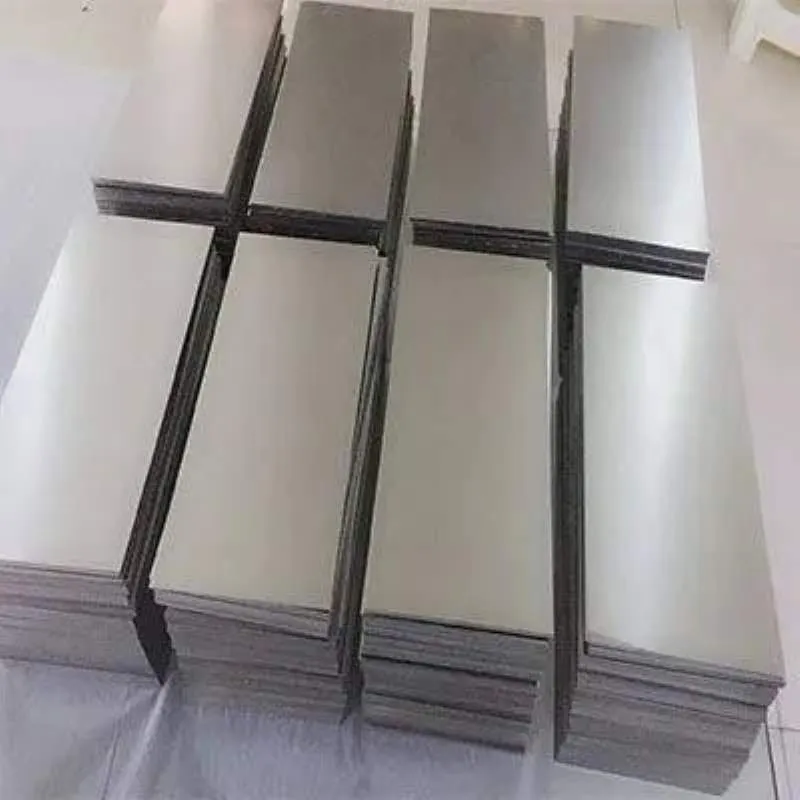
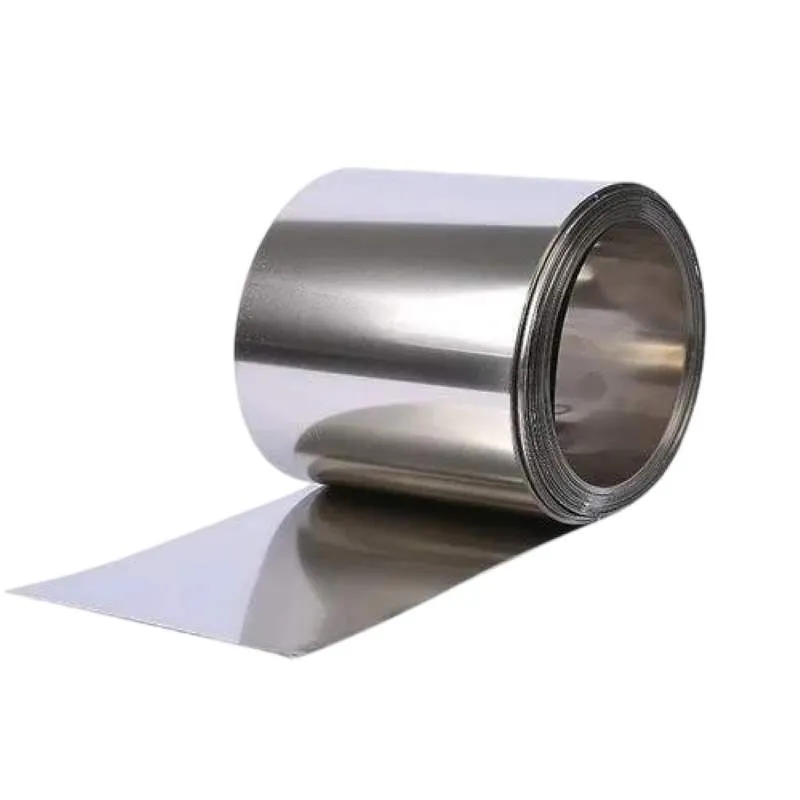
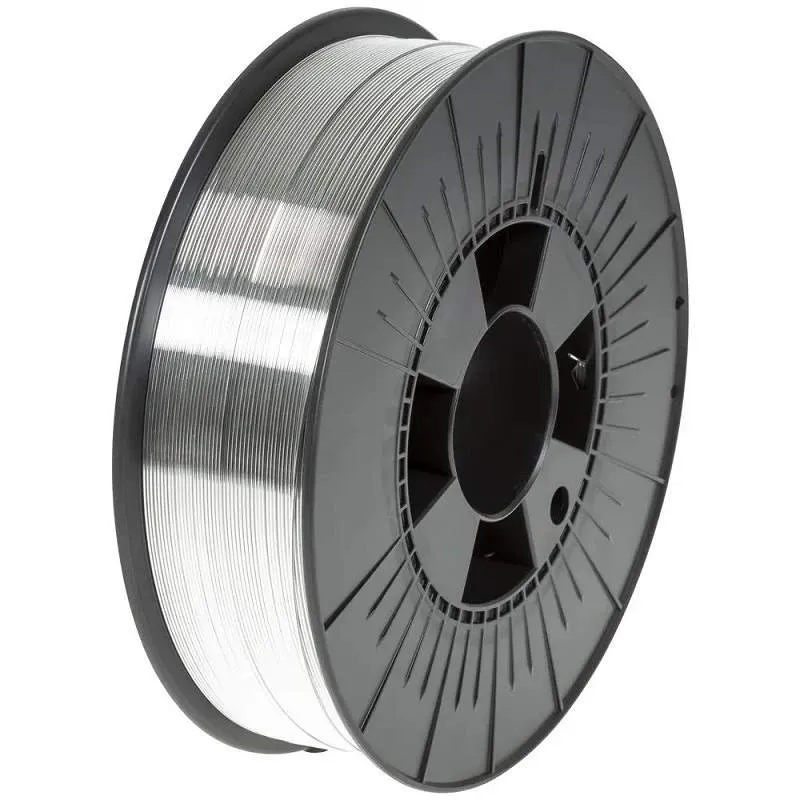
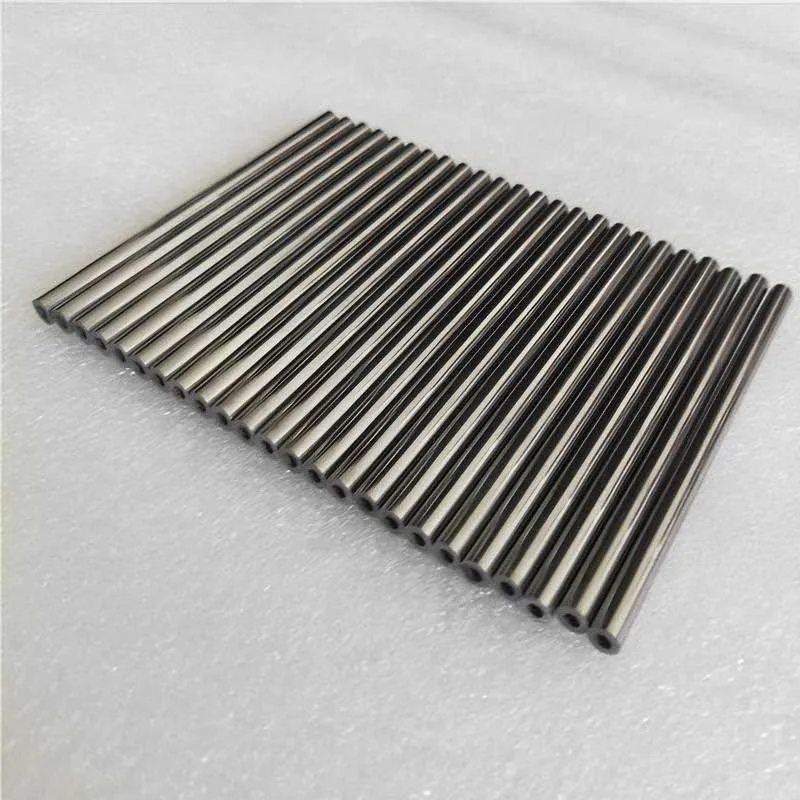
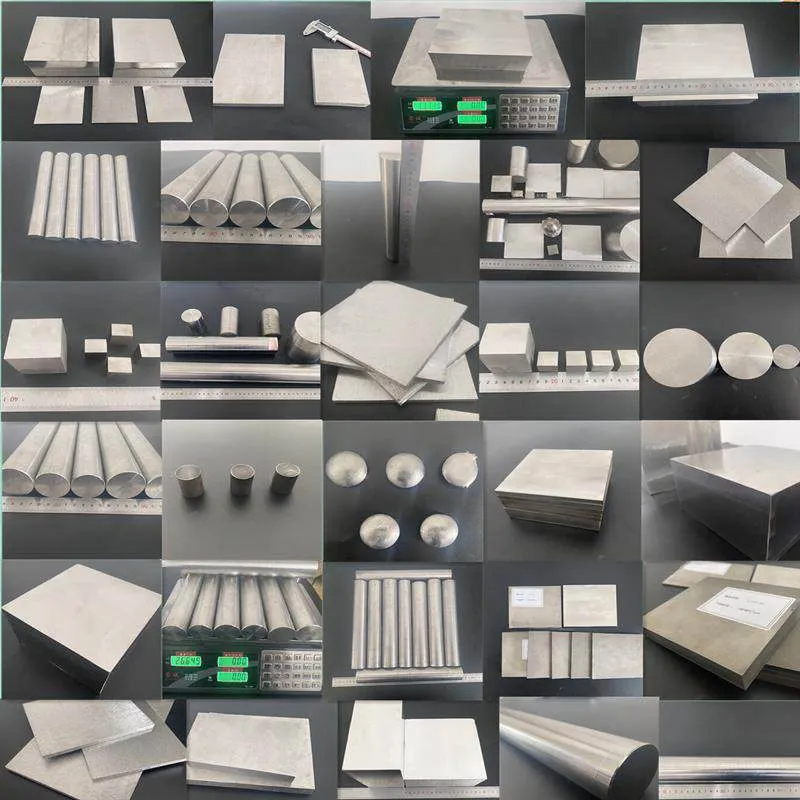
We provide Crucible Steel Sheet/Plate HALCOMB® 425 Tool Steel Sheet/Plate, AISI H19 is available in Bar (Round bar, Flat bar), Ribbon, Wire, Rods, Tube,Seamless Tube,Pipe, Ingots, Plate, Sheet/Plate, Strip and Forging Stock.,Purity, chemical composition, size, etc. can all be customized to meet specific requirements.
Please contact us if you need customized services. We will contact you with the price and availability in 24 hours.
Crucible Steel Sheet/Plate HALCOMB® 425 Tool Steel Sheet/Plate, AISI H19 Product Information
-:-
For detailed product information, please contact sales.
-:
Crucible Steel Sheet/Plate HALCOMB® 425 Tool Steel Sheet/Plate, AISI H19 Synonyms
-:-
For detailed product information, please contact sales.
-:
Crucible Steel HALCOMB® 425 Tool Steel, AISI H19 Product Information
-:-
For detailed product information, please contact sales.
-:
# **Product Introduction: Crucible Steel HALCOMB® 425 (AISI H19) Tool Steel**
Crucible Steel HALCOMB® 425 is a premium, tungsten-based, air-hardening hot work tool steel conforming to the AISI H19 specification. It represents the high-temperature, high-wear-resistance end of the standard hot work steel spectrum, engineered for applications demanding **exceptional hot hardness (red hardness), outstanding resistance to deformation under load at elevated temperatures, and good wear resistance**. Unlike the more common chromium-based H13, H19 leverages a high tungsten content (typically ~4%) to provide superior performance in the most thermally severe environments.
HALCOMB® 425 is specifically designed for hot work applications where operating temperatures exceed the optimal range of H13, typically in the range of **540°C to 650°C (1000°F to 1200°F)**. Its balanced composition of tungsten, chromium, and vanadium provides a unique combination of high-temperature strength, resistance to thermal softening, and good thermal shock resistance. This makes it the material of choice for tooling that must maintain dimensional accuracy and resist wear under intense and sustained heat, such as in brass forging, steel extrusion, and high-temperature die casting.
---
## **1. Chemical Composition (Weight %)**
The composition of H19 is defined by a significant tungsten content combined with chromium and vanadium for a balanced high-temperature performance.
| **Element** | **Tungsten (W)** | **Chromium (Cr)** | **Vanadium (V)** | **Molybdenum (Mo)** | **Carbon (C)** | **Silicon (Si)** |
| :--- | :--- | :--- | :--- | :--- | :--- | :--- |
| **Content** | **3.75 - 4.50** | **4.00 - 4.75** | **1.75 - 2.20** | **0.30 - 0.55** | **0.32 - 0.45** | **0.15 - 0.40** |
| **Role** | **Primary alloy.** Imparts exceptional **hot hardness and resistance to deformation** at high temperatures through solid solution strengthening and stable carbide formation. | Provides essential hardenability, oxidation resistance, and contributes to hot hardness. | Forms hard, stable vanadium carbides (VC) that provide excellent wear resistance and refine grain structure at high temperatures. | Enhances hardenability and contributes to tempering resistance. | Provides base hardness and strength; balanced to maintain adequate toughness at high operating temperatures. | Deoxidizer and solid solution strengthener; kept lower than in H13 to optimize high-temperature toughness. |
*Note: Iron (Fe) constitutes the remainder. The high tungsten-to-molybdenum ratio is the defining characteristic of the H19 grade.*
---
## **2. Physical & Mechanical Properties**
*Optimized for service at high temperatures, commonly heat treated to a hardness of 44-50 HRC.*
* **Density:** ~8.10 g/cm³ (0.293 lb/in³) – Higher than H13 due to tungsten content.
* **Modulus of Elasticity:** ~210 GPa (30.5 x 10⁶ psi)
* **Thermal Conductivity:** Good; tungsten contributes to heat dissipation.
* **Hot Hardness (Red Hardness):** **Exceptional.** The key property. Maintains hardness and strength significantly better than H13 at temperatures above **600°C (1110°F)**, making it suitable for the hottest hot work applications.
* **Temper Resistance:** **Outstanding.** Highly resistant to softening during prolonged exposure to high operating temperatures.
* **Wear Resistance at Temperature:** **Excellent.** The combination of tungsten and vanadium carbides provides very good resistance to abrasive and adhesive wear under hot working conditions.
* **Thermal Fatigue Resistance:** **Good.** While its high hardness can make it slightly more susceptible to crack initiation than tougher grades like H11, its excellent high-temperature strength often prevents the plastic deformation that leads to crack propagation.
* **Toughness:** **Moderate.** Lower than H11 and H13 at room temperature, but it retains its toughness better at high temperatures. Suitable for applications with controlled mechanical shock.
* **Dimensional Stability:** **Excellent.** Air hardening provides good dimensional control.
---
## **3. Heat Treatment**
Heat treatment requires higher temperatures than H13 to fully utilize the tungsten content.
* **Annealing:** Heat to 870-900°C (1600-1650°F), slow cool. Annealed hardness: 207-255 HB.
* **Stress Relieving:** 650-700°C (1200-1290°F), hold, then slow cool.
* **Preheating:** **Critical.** Thorough double preheat: First at 540-650°C (1000-1200°F), then at 815-870°C (1500-1600°F).
* **Austenitizing:** **1095-1130°C (2000-2065°F).** A common range is **1105-1120°C (2025-2045°F)**. The high temperature is necessary to put tungsten and vanadium into solution.
* **Quenching:** **Air quench** (forced air) or high-pressure gas quench.
* **Tempering:** **Mandatory Double or Triple Temper.** Temper immediately after quenching. **Must be tempered at high temperatures.**
* **Typical Tempering Range:** **565-620°C (1050-1150°F)** for a working hardness of 44-50 HRC. Often requires tempering at the higher end of this range.
* **Multiple tempers (2-3)** are essential for stability and to develop optimal properties.
* **Never use in the as-quenched state.**
---
## **4. Key Applications**
HALCOMB® 425 (H19) is specified for the most thermally demanding hot work applications.
* **Brass, Bronze, and Copper Alloy Forging & Extrusion:** Dies, mandrels, and liners where working temperatures are extremely high and wear is a major factor.
* **Hot Extrusion Dies for Steel:** Particularly for stainless steels and high-temperature alloys.
* **Aluminum Die Casting:** For high-wear components like **shot sleeves and goosenecks** in hot chamber machines, and inserts in areas of extreme heat and erosion.
* **Die Casting of Copper-Based Alloys.**
* **Hot Piercing Punches and Mandrels.**
* **High-Temperature Structural Components** in furnaces and presses.
---
## **5. International Standards & Cross-References**
Crucible HALCOMB® 425 conforms to the AISI H19 specification.
* **AISI/SAE:** **H19**
* **UNS:** T20819
* **European (EN):** A close equivalent is **1.2881** (X35WCrV9-3). Other designations like **1.2606** (X30WCrV9-3) are also similar.
* **Japanese (JIS):** **SKD8**.
* **ISO:** HS 9-2-2 (approximate classification, similar to H12 but with higher V).
* **Common Trade Names:** H19 Tool Steel, Tungsten Hot Work Steel.
---
## **6. Advantages & Limitations**
**Advantages:**
* **Superior Hot Hardness & Strength:** Unmatched resistance to deformation at very high temperatures (>600°C/1110°F) among standard hot work steels.
* **Excellent Wear Resistance at Temperature:** Performs well in abrasive high-temperature environments.
* **Outstanding Temper Resistance:** Maintains properties during long production runs.
* **Good Thermal Conductivity:** Aids in heat dissipation from the die surface.
**Limitations:**
* **Lower Toughness:** More susceptible to chipping or cracking under mechanical or thermal shock compared to H11 or H13.
* **Higher Cost:** Tungsten content increases material cost.
* **More Difficult to Machine:** Higher annealed hardness and abrasiveness affect machinability.
* **Complex Heat Treatment:** Requires higher austenitizing temperatures with careful control.
* **Not a General-Purpose Hot Work Steel:** Its capabilities are best utilized only in specific high-temperature applications.
---
## **7. Summary**
**Crucible Steel HALCOMB® 425 (AISI H19) is the high-temperature specialist of the hot work tool steel family.** When the heat is too intense for H13, H19 provides the necessary thermal armor to maintain die integrity and productivity. Its tungsten-based chemistry delivers unwavering strength and wear resistance in the fiery environments of brass forging, steel extrusion, and high-pressure die casting of high-melting-point alloys. For engineers and tooling designers facing extreme thermal challenges, H19 offers a proven, reliable solution that extends tool life, reduces downtime, and enables the processing of materials at the upper limits of hot work technology. It is the definitive choice when the primary enemy is not just thermal cycling, but sustained, intense heat.
-:-
For detailed product information, please contact sales.
-:
Crucible Steel HALCOMB® 425 Tool Steel, AISI H19 Specification
Dimensions
Size:
Diameter 20-1000 mm Length <6998 mm
Size:We can customized as required
Standard:
Per your request or drawing
We can customized as required
Properties(Theoretical)
Chemical Composition
-:-
For detailed product information, please contact sales.
-:
Crucible Steel HALCOMB® 425 Tool Steel, AISI H19 Properties
-:-
For detailed product information, please contact sales.
-:
Applications of Crucible Steel Sheet,Plate HALCOMB® 425 Tool Steel Sheet,Plate, AISI H19
-:-
For detailed product information, please contact sales.
-:
Chemical Identifiers Crucible Steel Sheet,Plate HALCOMB® 425 Tool Steel Sheet,Plate, AISI H19
-:-
For detailed product information, please contact sales.
-:
Packing of Crucible Steel Sheet/Plate HALCOMB® 425 Tool Steel Sheet/Plate, AISI H19
-:-
For detailed product information, please contact sales.
-:
Standard Packing:
-:-
For detailed product information, please contact sales.
-:
Typical bulk packaging includes palletized plastic 5 gallon/25 kg. pails, fiber and Steel Sheet/Plate drums to 1 ton super sacks in full container (FCL) or truck load (T/L) quantities. Research and sample quantities and hygroscopic, oxidizing or other air sensitive materials may be packaged under argon or vacuum. Solutions are packaged in polypropylene, plastic or glass jars up to palletized 3469 gallon liquid totes Special package is available on request. E FORUs’ is carefully handled to minimize damage during storage and transportation and to preserve the quality of our products in their original condition