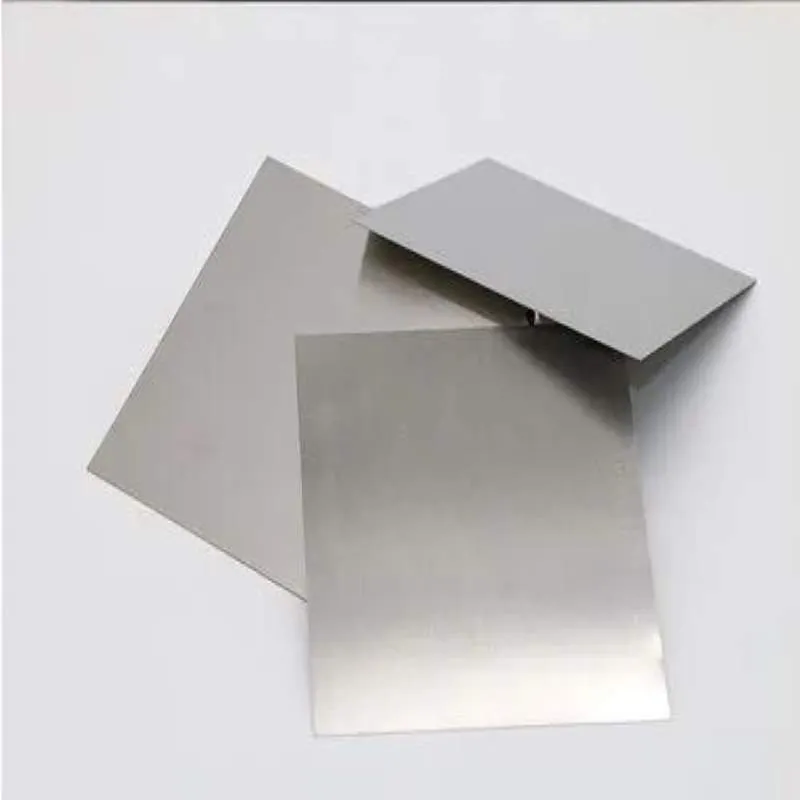
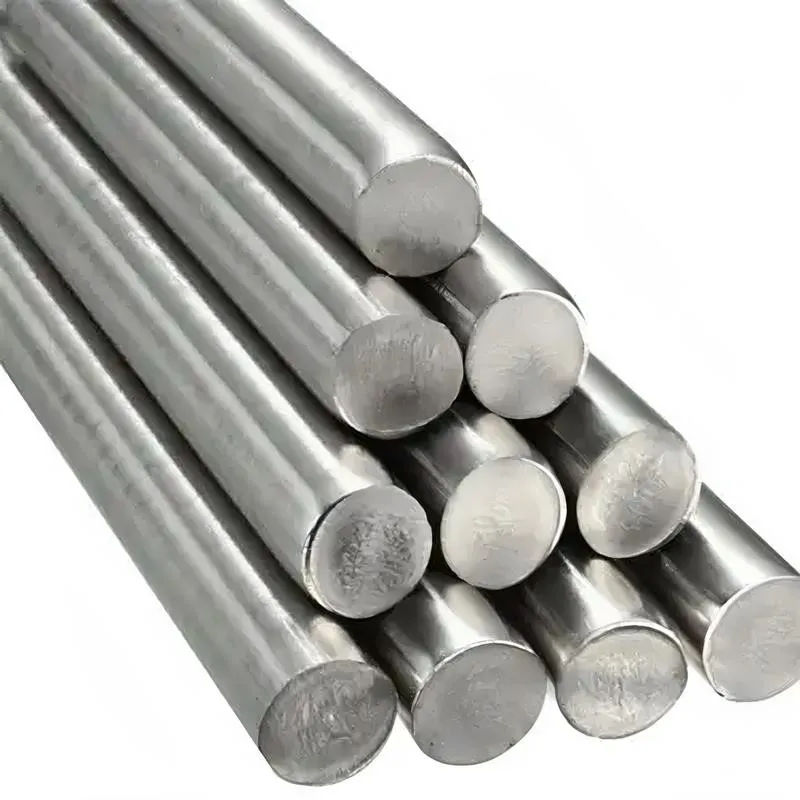
Latrobe,LSS™ H21 Hot Work Tool Steel Sheet,Plate (ASTM H21)
Product Code : STI-GSTI-520-CU
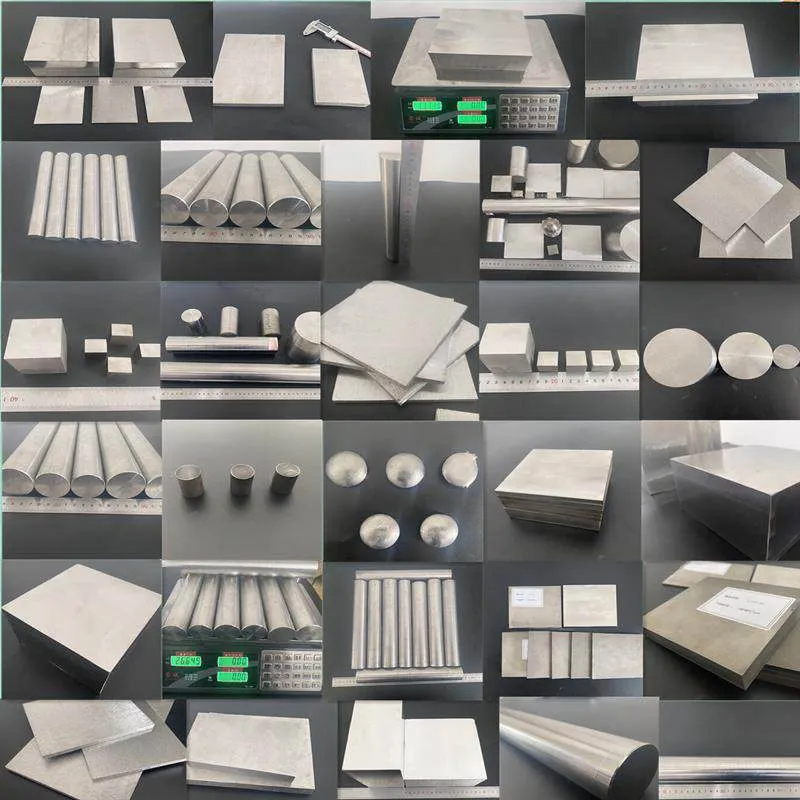
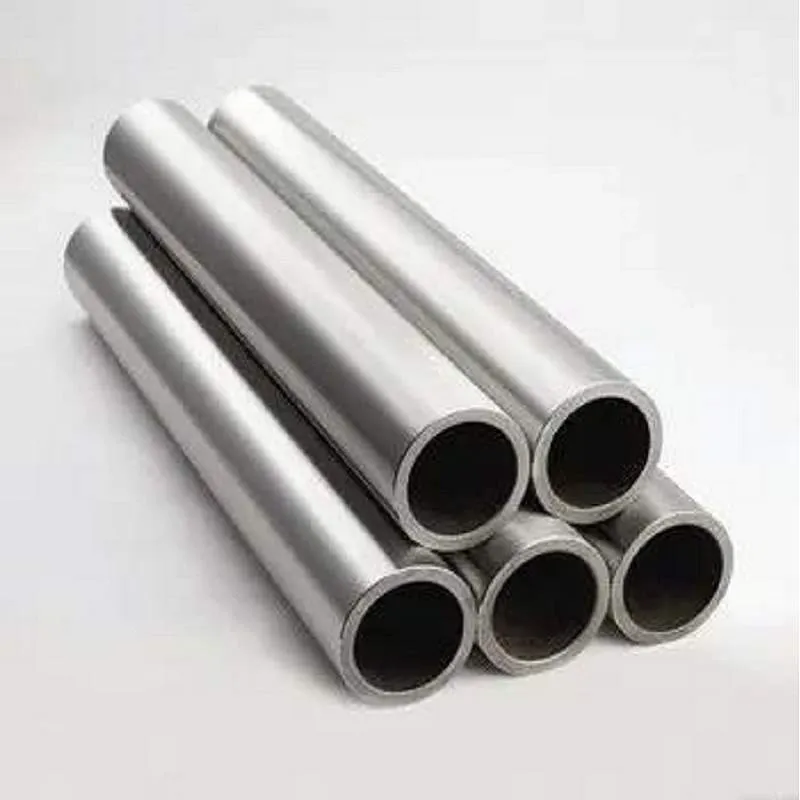
We provide Latrobe LSS™ H21 Hot Work Tool Steel Sheet/Plate (ASTM H21) is available in Bar (Round bar, Flat bar), Ribbon, Wire, Rods, Tube,Seamless Tube,Pipe, Ingots, Plate, Sheet/Plate, Strip and Forging Stock.,Purity, chemical composition, size, etc. can all be customized to meet specific requirements.
Please contact us if you need customized services. We will contact you with the price and availability in 24 hours.
Latrobe LSS™ H21 Hot Work Tool Steel Sheet/Plate (ASTM H21) Product Information
-:-
For detailed product information, please contact sales.
-:
Latrobe LSS™ H21 Hot Work Tool Steel Sheet/Plate (ASTM H21) Synonyms
-:-
For detailed product information, please contact sales.
-:
Latrobe LSS™ H21 Hot Work Tool Steel (ASTM H21) Product Information
-:-
For detailed product information, please contact sales.
-:
# **Latrobe LSS™ H21 Hot Work Tool Steel**
## **High-Tungsten Chromium Hot Work Steel for Extreme Hot Hardness Applications**
Latrobe LSS™ H21 is a premium high-tungsten chromium hot work tool steel renowned for its exceptional hot hardness and resistance to softening at elevated temperatures. As an ASTM H21 grade, it represents one of the most heat-resistant hot work steels, maintaining hardness and strength under extreme thermal conditions where other steels would rapidly soften. This specialized grade is engineered for applications involving sustained high temperatures, such as hot forging, piercing, and extrusion of challenging high-temperature alloys.
---
### **Key Features & Benefits**
- **Exceptional Hot Hardness**: Maintains hardness at temperatures up to 650°C (1200°F) – among the highest of hot work steels
- **Excellent Resistance to Softening**: Superior ability to retain hardness during prolonged high-temperature exposure
- **Good Wear Resistance**: High tungsten content provides substantial abrasion resistance in hot working conditions
- **High-Temperature Strength**: Maintains mechanical properties under severe thermal loading
- **Moderate Toughness**: Acceptable impact resistance for high-temperature applications
- **Specialized Thermal Performance**: Optimized for applications where temperature resistance is the primary concern
---
### **Chemical Composition (Typical %, ASTM A681 H21)**
| Element | Carbon (C) | Tungsten (W) | Chromium (Cr) | Vanadium (V) | Silicon (Si) | Manganese (Mn) |
|---------|------------|--------------|---------------|--------------|--------------|----------------|
| **Content** | 0.26 - 0.36 | 8.50 - 10.00 | 3.00 - 3.75 | 0.30 - 0.60 | 0.15 - 0.40 | 0.15 - 0.40 |
*Note: LSS™ H21 features a distinctive high-tungsten, moderate-chromium composition that provides exceptional hot hardness. The significant tungsten content (8.5-10.0%) is primarily responsible for its outstanding resistance to softening at elevated temperatures, while controlled carbon and vanadium levels balance wear resistance with toughness.*
---
### **Physical & Mechanical Properties**
| Property | Value / Description |
|----------|---------------------|
| **Density** | 8.30 g/cm³ |
| **Thermal Conductivity** | 21-25 W/m·K at 20°C |
| **Specific Heat Capacity** | 0.44 kJ/kg·K at 20°C |
| **Coefficient of Thermal Expansion** | 10.2 × 10⁻⁶/K (20-400°C) |
| **Hardness (Annealed)** | 207-235 HB |
| **Hardness (Heat Treated)** | **46-52 HRC** (typical working range) |
| **Hot Hardness Retention** | Maintains excellent hardness up to 650°C (1200°F) |
| **Tensile Strength** | 1,650-2,000 MPa (at 49 HRC) |
| **Yield Strength** | 1,450-1,800 MPa (at 49 HRC) |
| **Modulus of Elasticity** | 215-225 GPa |
| **Impact Toughness** | Moderate – optimized for high-temperature strength |
| **Thermal Conductivity at 500°C** | 26-30 W/m·K (improves with temperature) |
---
### **Heat Treatment Guidelines**
#### **Annealing**
- **Temperature**: 870-900°C (1600-1650°F)
- **Method**: Slow furnace cool at ≤15°C (27°F) per hour to 600°C (1110°F), then air cool
- **Resultant Hardness**: 207-235 HB
- **Special Note**: Higher annealing temperature required due to high tungsten content
#### **Stress Relieving**
- **Temperature**: 680-710°C (1255-1310°F)
- **Hold Time**: 1.5-2.5 hours per inch of thickness
- **Cooling**: Slow furnace cool to 500°C (930°F), then air cool
#### **Hardening (Requires Careful Control)**
1. **Preheating**: **Double preheat essential**
• First: 650-750°C (1200-1380°F)
• Second: 850-900°C (1560-1650°F)
2. **Austenitizing**: **1150-1200°C (2100-2190°F)** – high temperature critical for tungsten solution
3. **Soak Time**: 20-40 minutes per inch of thickness
4. **Quenching**: Oil quenching required; air cooling generally insufficient
5. **Immediate Handling**: Cool to 50-65°C (120-150°F) before tempering
#### **Tempering (Critical for Optimal Performance)**
- **Temperature Range**: 560-650°C (1040-1200°F)
- **Cycles**: Double or triple tempering recommended
- **Duration**: 2 hours per cycle minimum, air cool between cycles
- **Target Hardness**: 46-52 HRC typically achieved at 580-620°C (1075-1150°F)
- **Special Characteristic**: Excellent tempering resistance due to tungsten content
---
### **International Standards & Equivalent Grades**
| Standard | Grade Designation | Notes |
|----------|-------------------|-------|
| **ASTM** | A681 H21 | Primary specification (UNS T20821) |
| **ISO** | 30WCrV9 | ISO 4957 designation |
| **DIN** | 1.2581 / X30WCrV9-3 | German standard |
| **JIS** | SKD5 | Japanese industrial standard |
| **AFNOR** | 30WCrV9 | French association standard |
| **GB** | 3Cr2W8V | Chinese equivalent (classic composition) |
| **UNS** | T20821 | Unified Numbering System |
---
### **Typical Applications**
#### **Hot Forging and Piercing**
- **Hot Piercing Punches and Mandrels**: For steel tube and shell manufacturing
- **Forging Dies for High-Temperature Alloys**: Nickel-based superalloys, titanium alloys
- **Hot Trimming and Punching Dies**: For high-temperature materials
- **Forging Press Tools**: Where sustained high temperatures are encountered
#### **Extrusion Applications**
- **Copper and Brass Extrusion Dies**: Particularly for high-temperature alloys
- **Steel Extrusion Components**: Dies, mandrels, and containers for steel extrusion
- **High-Temperature Alloy Extrusion**: For aerospace and special alloy applications
- **Extrusion Tooling for Refractory Metals**: Tungsten, molybdenum, and related alloys
#### **Die Casting (Specialized Applications)**
- **Copper and Brass Die Casting Dies**: High-temperature die casting applications
- **Die Casting Cores and Inserts**: For high-melting-point alloys
- **Hot Chamber Components**: For non-ferrous die casting at elevated temperatures
#### **Specialized Hot Work Applications**
- **Hot Shear Blades**: For cutting high-temperature materials
- **Hot Forming Tools and Dies**: For sustained high-temperature forming
- **Glass Molding Tools**: For high-temperature glass forming processes
- **Powder Metal Compaction Tools**: For high-temperature powder compaction
#### **Aerospace and Power Generation**
- **Turbine Component Manufacturing Tools**: For high-temperature alloy processing
- **Nuclear Component Tooling**: For specialized high-temperature applications
- **Rocket Component Manufacturing**: For aerospace propulsion systems
---
### **Machining & Fabrication Notes**
#### **Machinability (Annealed Condition)**
- **Rating**: 35-45% of B1112 free-machining steel – **difficult to machine**
- **Recommended Tools**: **Carbide tools essential** – premium grades recommended
- **Cutting Speeds**: 8-15 m/min (25-50 SFM) for turning operations
- **Feed Rates**: Light to moderate feeds with sharp, positive geometries
- **Coolant**: Heavy-duty synthetic coolant essential
- **Special Consideration**: High tungsten content increases work hardening tendency
#### **Grindability**
- **Relative Rating**: 40-50 (vs. 100 for annealed O1 tool steel) – **difficult to grind**
- **Abrasive Requirements**: Premium aluminum oxide or ceramic alumina wheels
- **Wheel Maintenance**: Frequent dressing required
- **Coolant**: High-volume flood coolant essential
- **Special Note**: High tungsten content significantly increases grinding difficulty
#### **EDM Machining**
- Suitable but challenging due to high tungsten content
- Generates significant recast layer requiring additional processing
- Specialized parameters often required for optimal results
- Stress relief after roughing operations strongly recommended
#### **Welding and Repair**
- Difficult weldability requiring specialized procedures
- Preheating to 400-500°C (750-930°F) essential
- Post-weld heat treatment critical
- Generally limited to emergency repairs by specialists
---
### **Quality Assurance & Metallurgical Standards**
#### **Microstructural Requirements**
- **Carbide Distribution**: Uniform distribution of tungsten-rich carbides (M₆C type)
- **Grain Size**: ASTM 6 or finer
- **Decarburization**: ≤0.25 mm per side on rough stock
- **Non-Metallic Inclusions**: ASTM E45 Method A, ≤2.0 total rating
- **Special Requirement**: Homogeneous carbide distribution critical for thermal performance
#### **Testing & Certification**
- Full chemical analysis with emphasis on tungsten verification
- Hardness testing throughout production
- Microstructural evaluation recommended for critical applications
- Elevated temperature hardness testing available
- Standard material test reports with enhanced data for critical elements
---
### **Available Product Forms**
| Form | Standard Sizes | Condition | Surface Finish |
|------|---------------|-----------|---------------|
| **Round Bars** | 10mm - 300mm diameter | Annealed | Black, Peeled, Ground |
| **Flat Bars and Plate** | 10-150mm thickness | Annealed | Mill, Ground |
| **Blocks** | Various dimensions | Annealed | Rough or finish machined |
| **Forged Blanks** | Custom dimensions | Annealed | As-forged, Machined |
---
### **Technical Comparison**
| Property | LSS™ H21 | H13 | H11 | H19 |
|----------|-----------|-----|-----|-----|
| **Hot Hardness** | **Exceptional** | Good | Good | **Exceptional** |
| **Maximum Service Temperature** | **650°C** | 540°C | 540°C | **700°C** |
| **Wear Resistance** | Excellent | Very Good | Good | **Exceptional** |
| **Toughness** | Moderate | Very Good | Excellent | Moderate |
| **Thermal Fatigue Resistance** | Fair | Excellent | Very Good | Fair |
| **Machinability** | Difficult | Excellent | Excellent | Difficult |
| **Cost** | High | Moderate | Moderate | Very High |
| **Primary Advantage** | Hot hardness | Balanced | Toughness | Extreme temperature |
---
### **Surface Treatment Compatibility**
LSS™ H21 presents challenges but is compatible with select surface treatments:
- **Nitriding**: Possible with specialized high-temperature procedures
- **PVD Coatings**: Suitable with proper surface preparation and parameters
- **Specialized High-Temp Coatings**: Various proprietary coatings available
- **Surface Engineering**: Limited options due to high tungsten content
---
### **Economic Considerations**
1. **Material Cost**: High – premium grade with specialized tungsten content
2. **Tool Life**: Exceptional in appropriate high-temperature applications
3. **Fabrication Cost**: High machining and grinding costs
4. **Application Specificity**: Only justified where extreme hot hardness is required
5. **Overall Value**: Excellent for specific applications where alternatives fail
---
### **Technical Support**
Latrobe provides specialized technical support for LSS™ H21:
- **Application Engineering**: Expert guidance for extreme temperature applications
- **Heat Treatment Support**: Specialized protocols for this challenging grade
- **Troubleshooting**: Assistance with performance and fabrication issues
- **Field Support**: Specialized support for critical high-temperature applications
---
**Select Latrobe LSS™ H21 Hot Work Tool Steel** for applications demanding exceptional hot hardness and resistance to softening at sustained high temperatures. This high-tungsten chromium hot work steel provides reliable performance in the most thermally demanding applications such as hot piercing, high-temperature extrusion, and forging of challenging alloys. LSS™ H21 represents a specialized solution where temperature resistance outweighs other considerations, offering performance that bridges conventional hot work steels and more exotic materials. When operating conditions involve sustained temperatures that would rapidly degrade other tool steels, LSS™ H21 delivers the thermal stability and hardness retention necessary for success in extreme thermal environments.
-:-
For detailed product information, please contact sales.
-:
Latrobe LSS™ H21 Hot Work Tool Steel (ASTM H21) Specification
Dimensions
Size:
Diameter 20-1000 mm Length <7176 mm
Size:We can customized as required
Standard:
Per your request or drawing
We can customized as required
Properties(Theoretical)
Chemical Composition
-:-
For detailed product information, please contact sales.
-:
Latrobe LSS™ H21 Hot Work Tool Steel (ASTM H21) Properties
-:-
For detailed product information, please contact sales.
-:
Applications of Latrobe LSS™ H21 Hot Work Tool Steel Sheet,Plate (ASTM H21)
-:-
For detailed product information, please contact sales.
-:
Chemical Identifiers Latrobe LSS™ H21 Hot Work Tool Steel Sheet,Plate (ASTM H21)
-:-
For detailed product information, please contact sales.
-:
Packing of Latrobe LSS™ H21 Hot Work Tool Steel Sheet/Plate (ASTM H21)
-:-
For detailed product information, please contact sales.
-:
Standard Packing:
-:-
For detailed product information, please contact sales.
-:
Typical bulk packaging includes palletized plastic 5 gallon/25 kg. pails, fiber and Steel Sheet/Plate drums to 1 ton super sacks in full container (FCL) or truck load (T/L) quantities. Research and sample quantities and hygroscopic, oxidizing or other air sensitive materials may be packaged under argon or vacuum. Solutions are packaged in polypropylene, plastic or glass jars up to palletized 3647 gallon liquid totes Special package is available on request. E FORUs’ is carefully handled to minimize damage during storage and transportation and to preserve the quality of our products in their original condition