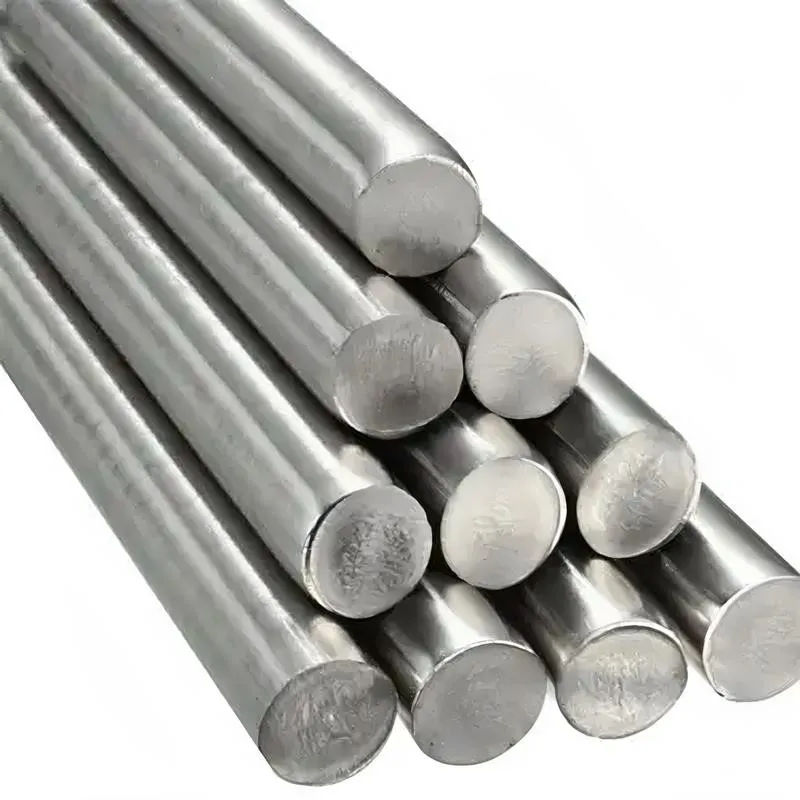
Sandvik Kanthal SW 030
Product Code : STI-GSTI-772-CU
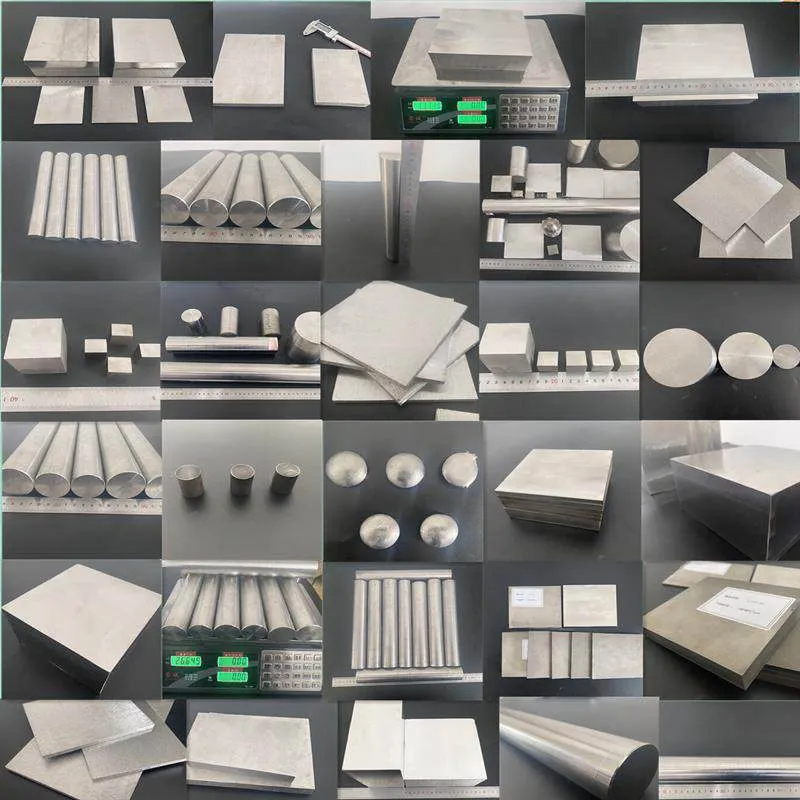
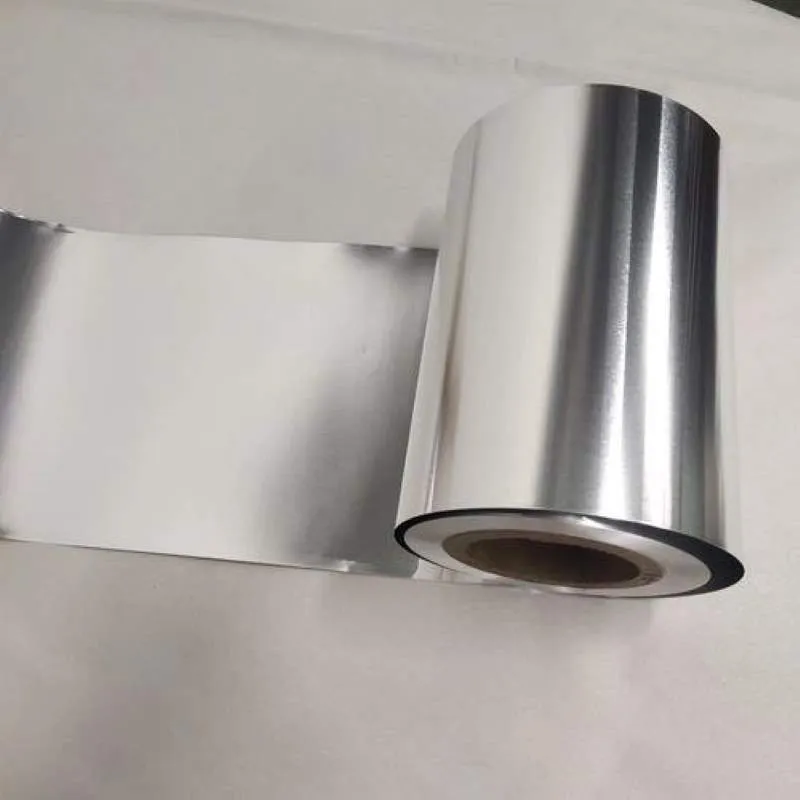
We provide Sandvik Kanthal SW 030 Spray Wire is available in Bar (Round bar, Flat bar), Ribbon, Wire, Rods, Tube,Seamless Tube,Pipe, Ingots, Plate, Sheet, Strip and Forging Stock.,Purity, chemical composition, size, etc. can all be customized to meet specific requirements.
Please contact us if you need customized services. We will contact you with the price and availability in 24 hours.
Sandvik Kanthal SW 030 Spray Wire Product Information
-:-
For detailed product information, please contact sales.
-:
Sandvik Kanthal SW 030 Spray Wire Synonyms
-:-
For detailed product information, please contact sales.
-:
Sandvik Kanthal SW 030 Spray Wire Product Information
-:-
For detailed product information, please contact sales.
-:
# Sandvik Kanthal® SW 030 Spray Wire
## Overview
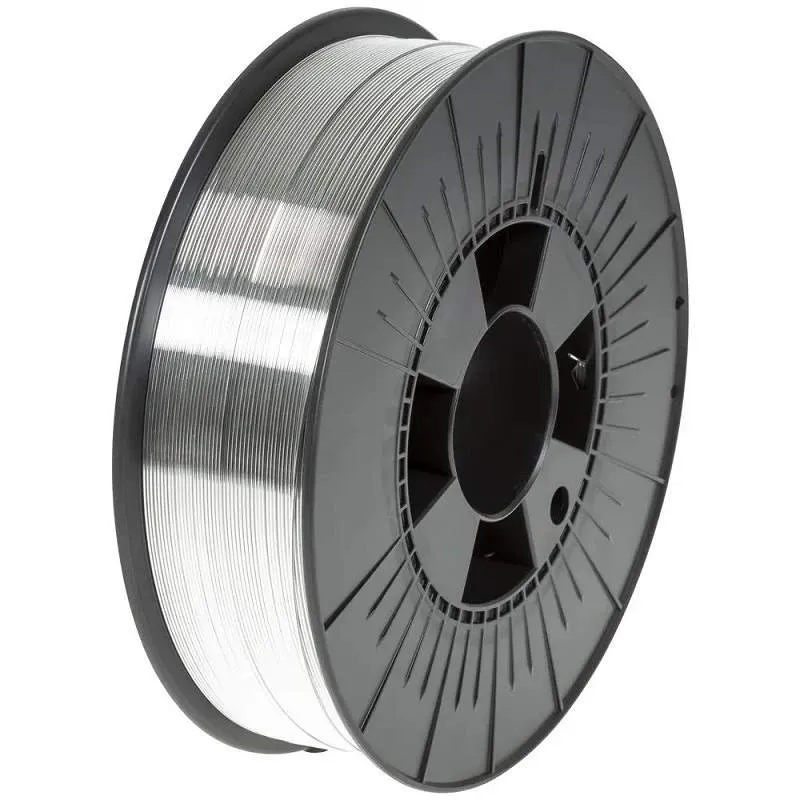
Sandvik Kanthal® SW 030 is a nickel-chromium-aluminum-molybdenum (NiCrAlMo) alloy spray wire designed specifically for thermal spray applications requiring superior corrosion resistance and enhanced mechanical properties. This advanced cored wire builds upon the success of the SW 010 series with optimized molybdenum content and refined alloy chemistry to deliver coatings with exceptional performance in aggressive environments, particularly those involving chloride-induced corrosion, high-temperature oxidation, and erosive wear conditions. SW 030 represents a premium-grade thermal spray material suitable for demanding applications in chemical processing, marine environments, and specialized industrial equipment.
## International Standards & Designations
| Standard System | Designation | Equivalent/Synonyms |
|----------------|-------------|-------------------|
| **Sandvik Proprietary** | Kanthal® SW 030 | Primary commercial name |
| **ISO** | ISO 14919:2015 | Thermal spraying wires classification |
| **AWS** | AWS A5.14 ERNiCrMo-3 (similar) | Welding/thermal spray reference |
| **UNS** | UNS N06625 (similar alloy concept) | Nickel alloy classification |
| **Trade Names** | "High-Mo Spray Wire", "Corrosion-Grade NiCrAl" | Industry terminology |
## Chemical Composition (Typical, % by weight)
| Element | Composition Range (%) | Key Characteristics | Functional Purpose |
|---------|----------------------|---------------------|-------------------|
| **Nickel (Ni)** | Balance (~60-65%) | Matrix former, base element | Provides ductility, corrosion resistance foundation |
| **Chromium (Cr)** | 20.0 - 24.0 | Higher than SW 010 | Enhanced oxidation and corrosion resistance, particularly against sulfur compounds |
| **Molybdenum (Mo)** | 8.0 - 10.0 | Key differentiator from SW 010 | Dramatically improves pitting/crevice corrosion resistance, enhances strength |
| **Aluminum (Al)** | 3.0 - 5.0 | Reactive element | Forms protective alumina scale, improves coating adhesion |
| **Iron (Fe)** | ≤ 2.5 | Controlled impurity | Minimized to prevent galvanic corrosion in certain environments |
| **Niobium (Nb)** | 3.0 - 4.0 | Important alloying element | Forms stable carbides, prevents sensitization, improves strength |
| **Carbon (C)** | ≤ 0.10 | Controlled | Lower than SW 010 for improved corrosion resistance |
| **Silicon (Si)** | ≤ 0.50 | Fluxing agent | Lower than SW 010 for cleaner coatings |
| **Manganese (Mn)** | ≤ 0.50 | Deoxidizer | Controlled for optimal coating properties |
| **Cobalt (Co)** | ≤ 0.10 | Trace impurity | Naturally occurring in nickel |
**Special Composition Features:**
- **High Molybdenum (8-10%)**: Primary advantage over SW 010 for chloride resistance
- **Niobium Addition (3-4%)**: Unique to SW 030 for stabilization and strengthening
- **Reduced Silicon & Manganese**: Cleaner coatings with fewer oxides
- **Optimized Cr/Al Ratio**: Balanced for both high-temperature and aqueous corrosion
- **Cored Wire Technology**: Precise control of reactive elements (Al) and alloy distribution
**Wire Specifications:**
- **Type**: Cored wire with metallic sheath and alloy powder core
- **Standard Diameters**: 1.6 mm (1/16"), 2.4 mm (3/32"), 3.2 mm (1/8")
- **Core Fill Ratio**: 15-25% (optimized for spraying characteristics)
- **Surface Finish**: Clean, smooth, free from contamination
- **Spool Dimensions**: Standard industrial spools (100-300 kg capacity)
## Physical & Mechanical Properties
### **Base Wire Properties:**
| Property | Typical Value | Test Conditions | Notes |
|----------|---------------|-----------------|-------|
| **Density (Solid Alloy)** | 8.3 - 8.5 g/cm³ | 20°C | Higher than SW 010 due to Mo/Nb additions |
| **Melting Point Range** | 1300 - 1350°C | - | Slightly lower than SW 010 |
| **Thermal Conductivity** | 10 - 13 W/m·K | 20°C | Lower than SW 010 due to alloying |
| **Electrical Resistivity** | 1.25 - 1.40 μΩ·m | 20°C | Higher than SW 010 |
| **Coefficient of Thermal Expansion** | 12.5 - 13.5 × 10⁻⁶/K | 20-100°C | Better match to many substrate materials |
| **Wire Tensile Strength** | 650 - 850 MPa | As-drawn condition | Higher than SW 010 |
| **Wire Elongation** | 20 - 30% | As-drawn condition | Good ductility for feeding reliability |
### **Sprayed Coating Properties:**
| Property | Typical Range | Test Standard | Key Influencing Factors |
|----------|---------------|---------------|------------------------|
| **As-Sprayed Density** | 88 - 94% theoretical | Metallographic analysis | Process parameters, substrate preparation |
| **Porosity Level** | 2 - 6% | ASTM E2109 | Spray process, parameters, surface prep |
| **Oxide Content** | 1 - 2.5% | Chemical/metallographic | Lower than SW 010 due to composition |
| **Adhesion Strength** | 50 - 80 MPa | ASTM C633 | Substrate, preparation, spray parameters |
| **Coating Hardness** | 300 - 400 HV | ASTM E384 | Higher than SW 010 due to Mo/Nb |
| **Surface Roughness (As-Sprayed)** | 4 - 12 μm Ra | ISO 4287 | Spray parameters, post-processing |
| **Deposition Efficiency** | 75 - 85% | Weight measurement | Process dependent, typically arc spray |
## Thermal Spray Process Parameters
### **Arc Spray (Primary Recommended Process):**
| Parameter | Recommended Range | Effect on Coating | Notes |
|-----------|-------------------|-------------------|-------|
| **Voltage** | 30 - 38 V | Higher than SW 010 due to resistivity | Ensures proper melting |
| **Current** | 180 - 320 A | Deposition rate and particle temperature | Adjust for wire diameter |
| **Atomizing Air Pressure** | 5 - 7 bar | Particle size and velocity | Higher than SW 010 for Mo-rich alloy |
| **Spray Distance** | 100 - 180 mm | Particle temperature and velocity | Critical for dense coatings |
| **Wire Feed Speed** | 4 - 8 m/min | Deposition rate | Machine dependent |
| **Deposition Rate** | 6 - 12 kg/hour | Production efficiency | Typically lower than SW 010 |
| **Substrate Temperature** | < 200°C | Residual stresses, adhesion | Critical control parameter |
### **Comparative Process Parameters (vs SW 010):**
| Parameter | SW 030 vs SW 010 | Reason |
|-----------|------------------|--------|
| **Voltage** | 5-10% higher | Higher alloy resistivity |
| **Air Pressure** | 10-20% higher | Better atomization of higher viscosity melt |
| **Spray Distance** | 10-15% shorter | Optimized for Mo-containing particles |
| **Deposition Rate** | 10-20% lower | More energy required for melting |
### **Alternative Processes:**
1. **Flame Spray**: Possible but not optimal - lower particle temperatures
2. **Plasma Spray**: Excellent results but higher cost
3. **HVOF**: Premium option for highest density coatings
## Coating Performance Characteristics
### **Corrosion Resistance (Primary Advantage):**
| Environment | Performance Rating | Comparison to SW 010 | Key Mechanism |
|-------------|-------------------|----------------------|---------------|
| **Chloride Solutions** | **Excellent** | **Significantly better** | Mo provides pitting resistance |
| **Sulfuric Acid** | Very Good | Better | Mo/Cr synergy |
| **Phosphoric Acid** | Excellent | Similar | Chromium oxide protection |
| **Nitric Acid** | Good | Slightly better | Niobium stabilization |
| **Alkaline Solutions** | Excellent | Similar | Nickel base resistance |
| **High-Temperature Oxidation** | Outstanding | Better | Al/Cr dual protection |
| **Crevice Corrosion** | **Excellent** | **Much better** | Mo prevents localized attack |
**Quantitative Corrosion Data:**
- **Critical Pitting Temperature (CPT)**: >80°C in 6% FeCl₃
- **Critical Crevice Temperature (CCT)**: >60°C in 6% FeCl₃
- **Corrosion Rate in 3.5% NaCl**: <0.01 mm/year
- **Breakdown Potential**: >1000 mV vs. SCE in chloride solutions
### **Mechanical & Wear Properties:**
| Property | SW 030 Range | vs SW 010 | Application Significance |
|----------|--------------|-----------|-------------------------|
| **Hardness** | 300-400 HV | 20-30% higher | Better wear resistance |
| **Compressive Strength** | 700-1000 MPa | 15-25% higher | Load-bearing capability |
| **Elastic Modulus** | 140-180 GPa | Similar | Stiffness contribution |
| **Abrasive Wear Resistance** | Good to Very Good | Better | Erosion protection |
| **Adhesive Wear Resistance** | Very Good | Better | Galling prevention |
| **Impact Resistance** | Good | Similar | Damage tolerance |
### **Thermal Properties:**
- **Maximum Continuous Service**: 1000-1100°C
- **Maximum Intermittent Service**: 1150°C
- **Thermal Conductivity (coating)**: 4-7 W/m·K
- **Thermal Shock Resistance**: Excellent
- **Oxidation Rate at 1000°C**: <0.1 mm/1000 hours
## Product Applications
### **Primary Industrial Applications:**
1. **Chemical & Petrochemical Industry:**
- Reactor vessels and linings
- Heat exchanger tubes
- Pump components and shafts
- Valve bodies and trim
- Distillation column internals
2. **Marine & Offshore:**
- Seawater pump components
- Desalination plant equipment
- Offshore platform components
- Ship engine exhaust systems
- Ballast tank protection
3. **Power Generation:**
- Flue gas desulfurization systems
- Boiler tube protection
- Turbine components
- Heat recovery systems
4. **Pulp & Paper Industry:**
- Digester vessels
- Bleach plant equipment
- Paper machine rolls
- Chemical recovery boilers
### **Specialized Applications:**
1. **Pollution Control Equipment:**
- Scrubbers and absorbers
- Chimney linings
- Waste incineration systems
2. **Food & Pharmaceutical:**
- Process equipment requiring corrosion resistance
- High-purity water systems
- Cleaning-in-place (CIP) systems
3. **Mining & Mineral Processing:**
- Acid leaching equipment
- Slurry pumps and piping
- Smelter components
### **Medical & Healthcare Applications (Limited but Specialized):**
- **Sterilization Equipment**: Components exposed to aggressive sterilants
- **Pharmaceutical Manufacturing**: Reactors and vessels requiring corrosion resistance
- **Laboratory Equipment**: Specialized research apparatus
- **Dental Equipment**: Certain high-wear components
## Processing Guidelines
### **Surface Preparation (Critical for Performance):**
| Step | Method | Parameters for SW 030 | Purpose |
|------|--------|----------------------|---------|
| **Degreasing** | Solvent cleaning | Acetone, followed by alkaline cleaner | Remove organic contaminants |
| **Grit Blasting** | Aluminum oxide | 60-80 mesh, 5-7 bar pressure | Create anchor profile (Ra 5-8 μm) |
| **Cleaning** | Oil-free air blast | Immediately after blasting | Remove residual grit |
| **Masking** | High-temp tape | Silicone-based adhesives | Protect adjacent areas |
| **Preheating** | Controlled heating | 80-120°C | Remove moisture, improve adhesion |
### **Spraying Best Practices:**
1. **Parameter Optimization**: Essential - conduct test sprays
2. **Interpass Temperature Control**: <200°C maximum
3. **Overlap Pattern**: 30-50% overlap for uniform coverage
4. **Thickness Control**: Build up in multiple layers (0.1-0.2 mm per pass)
5. **In-Process Inspection**: Regular checks for defects
### **Post-Spray Treatments:**
| Treatment | Purpose | Typical Parameters |
|-----------|---------|-------------------|
| **Sealing** | Reduce porosity | Epoxy, silicone, or inorganic sealers |
| **Heat Treatment** | Stress relief, improved cohesion | 600-800°C, 1-2 hours (optional) |
| **Machining** | Dimensional accuracy | Grinding, turning, polishing |
| **Finishing** | Surface quality | Final Ra to specification |
| **Inspection** | Quality verification | NDT methods as required |
## Quality Control & Testing
### **In-Process Controls:**
| Control Parameter | Method | Acceptance Criteria |
|------------------|--------|-------------------|
| **Wire Feed Consistency** | Digital monitoring | ±3% variation |
| **Spray Parameters** | Continuous monitoring | Within specified ranges |
| **Substrate Temperature** | Infrared monitoring | <200°C |
| **Coating Thickness** | Ultrasonic gauge | As specified ±10% |
| **Visual Inspection** | Regular checks | No cracks, peeling, or inclusions |
### **Coating Characterization:**
| Test | Standard | Typical SW 030 Requirements |
|------|----------|---------------------------|
| **Adhesion Strength** | ASTM C633 | Minimum 50 MPa |
| **Porosity Measurement** | ASTM E2109 | Maximum 6% |
| **Hardness Testing** | ASTM E384 | 300-400 HV |
| **Thickness Measurement** | ASTM B499 | As specified ±10% |
| **Metallographic Examination** | ASTM E1920 | Uniform, well-bonded structure |
| **Composition Analysis** | EDS/XRF | Within specified ranges |
| **Corrosion Testing** | ASTM G48 | Pass Method A (ferric chloride) |
### **Sandvik-Specific Quality Features:**
- **Batch-to-Batch Consistency**: Tight composition control
- **Wire Geometry**: Precise diameter and concentricity
- **Surface Quality**: Clean, contamination-free surface
- **Packaging**: Protective packaging to prevent damage
- **Traceability**: Complete lot traceability
## Technical Advantages
### **Material Advantages over SW 010:**
1. **Superior Corrosion Resistance**: Especially in chloride environments
2. **Higher Mechanical Strength**: Due to Mo and Nb additions
3. **Better High-Temperature Stability**: Up to 1150°C intermittent
4. **Improved Coating Density**: Typically 2-4% higher porosity
5. **Enhanced Wear Resistance**: Higher hardness and toughness
### **Process Advantages:**
1. **Good Sprayability**: Despite higher alloy content
2. **Consistent Performance**: Reliable coating properties
3. **Broad Process Window**: Forgiving to parameter variations
4. **Good Deposition Efficiency**: Typically 75-85%
### **Application-Specific Advantages:**
1. **Chemical Processing**: Unmatched corrosion resistance
2. **Marine Environments**: Excellent seawater resistance
3. **High-Temperature Service**: Dual oxidation protection
4. **Wear Applications**: Harder, more durable coatings
## Limitations & Considerations
### **Technical Limitations:**
1. **Higher Cost**: Significant premium over SW 010
2. **More Difficult Spraying**: Requires optimized parameters
3. **Lower Deposition Rate**: Typically 10-20% lower than SW 010
4. **Post-Spray Machining**: Can be more difficult due to hardness
5. **Specialized Application**: Not always justified over SW 010
### **Application-Specific Considerations:**
1. **Economic Justification**: Higher performance must justify cost
2. **Process Development**: May require parameter optimization
3. **Operator Skill**: Requires experienced thermal spray operators
4. **Equipment Requirements**: May need equipment upgrades
5. **Substrate Compatibility**: Thermal expansion matching important
### **Safety & Environmental:**
- **Ventilation**: Required due to fine metallic/oxide particles
- **Respiratory Protection**: NIOSH-approved respirators
- **Fire Safety**: Sparks and hot particles hazard
- **Waste Management**: Collected overspray as metallic waste
## Economic Analysis
### **Cost Factors:**
| Factor | Impact Level | Comparison to SW 010 |
|--------|--------------|---------------------|
| **Material Cost** | High | 1.5-2.0× higher |
| **Equipment Cost** | Medium | Similar equipment |
| **Labor Cost** | Medium | Similar skill level |
| **Preparation Cost** | Similar | Same surface prep |
| **Processing Cost** | Higher | Slower deposition rate |
| **Post-Processing** | Similar | Similar finishing |
### **Cost-Benefit Justification:**
- **Service Life Extension**: 3-8× in corrosive environments
- **Reduced Maintenance**: Dramatic reduction in aggressive service
- **Equipment Reliability**: Improved uptime and performance
- **Overall ROI**: Favorable in appropriate applications
## Technical Support & Services
### **Sandvik Support:**
- **Application Engineering**: Process optimization support
- **Technical Training**: Operator and technician training
- **Troubleshooting**: Expert assistance for issues
- **Process Development**: New application development
### **Available Resources:**
- **Technical Data Sheets**: Comprehensive property data
- **Application Guidelines**: Process parameter recommendations
- **Case Studies**: Real-world application examples
- **Safety Data Sheets**: Handling and safety information
## Future Developments
### **Technology Trends:**
1. **Automated Spray Systems**: Increased use of robotics
2. **Real-Time Monitoring**: Advanced process control
3. **Hybrid Processes**: Combined with other surface technologies
4. **Environmental Improvements**: Reduced waste and energy consumption
### **Material Developments:**
1. **Optimized Alloys**: Further refinement of composition
2. **Alternative Formats**: Different wire diameters and formats
3. **Specialty Variants**: Application-specific versions
4. **Composite Wires**: Combined with other materials
## Conclusion
Sandvik Kanthal® SW 030 represents a **premium-grade thermal spray wire** specifically engineered for applications requiring **exceptional corrosion resistance, particularly in chloride-containing environments**. With its **high molybdenum content (8-10%) and niobium addition**, it offers **significantly improved performance** over standard nickel-chromium-aluminum alloys like SW 010, making it the **material of choice** for demanding applications in chemical processing, marine environments, and other aggressive service conditions.
The **key advantages** of SW 030 include:
1. **Superior pitting and crevice corrosion resistance** - ideal for chloride environments
2. **Enhanced mechanical properties** - higher hardness and strength
3. **Excellent high-temperature performance** - up to 1150°C intermittent service
4. **Good sprayability** - despite its high alloy content
5. **Proven reliability** - in demanding industrial applications
**Primary application areas** where SW 030 provides exceptional value include:
- Chemical and petrochemical processing equipment
- Marine and offshore components
- Power generation systems in aggressive environments
- Pollution control equipment
- Specialized industrial applications requiring premium corrosion resistance
However, potential users should consider:
1. **Higher material cost** compared to standard alloys
2. **Need for parameter optimization** for best results
3. **Economic justification** required for the performance premium
4. **Specialized application knowledge** for optimal implementation
For applications where **corrosion resistance is paramount** and where **equipment failure has significant consequences**, Sandvik Kanthal® SW 030 offers a **technologically advanced, reliable solution** that can dramatically extend component life and improve operational reliability. When properly applied with appropriate surface preparation and optimized spray parameters, it delivers **coating performance** that justifies its premium position in the thermal spray materials market.
As with all premium materials, **successful implementation requires** careful consideration of application requirements, proper process development, and skilled application. Sandvik's technical support and the proven performance of SW 030 provide a solid foundation for achieving excellent results in the most demanding corrosion-resistant coating applications.
-:-
For detailed product information, please contact sales.
-:
Sandvik Kanthal SW 030 Spray Wire Specification
Dimensions
Size:
Diameter 20-1000 mm Length <7428 mm
Size:We can customized as required
Standard:
Per your request or drawing
We can customized as required
Properties(Theoretical)
Chemical Composition
-:-
For detailed product information, please contact sales.
-:
Sandvik Kanthal SW 030 Spray Wire Properties
-:-
For detailed product information, please contact sales.
-:
Applications of Sandvik Kanthal SW 030 Spray Wire
-:-
For detailed product information, please contact sales.
-:
Chemical Identifiers Sandvik Kanthal SW 030 Spray Wire
-:-
For detailed product information, please contact sales.
-:
Packing of Sandvik Kanthal SW 030 Spray Wire
-:-
For detailed product information, please contact sales.
-:
Standard Packing:
-:-
For detailed product information, please contact sales.
-:
Typical bulk packaging includes palletized plastic 5 gallon/25 kg. pails, fiber and steel drums to 1 ton super sacks in full container (FCL) or truck load (T/L) quantities. Research and sample quantities and hygroscopic, oxidizing or other air sensitive materials may be packaged under argon or vacuum. Solutions are packaged in polypropylene, plastic or glass jars up to palletized 3899 gallon liquid totes Special package is available on request. E FORUs’ is carefully handled to minimize damage during storage and transportation and to preserve the quality of our products in their original condition