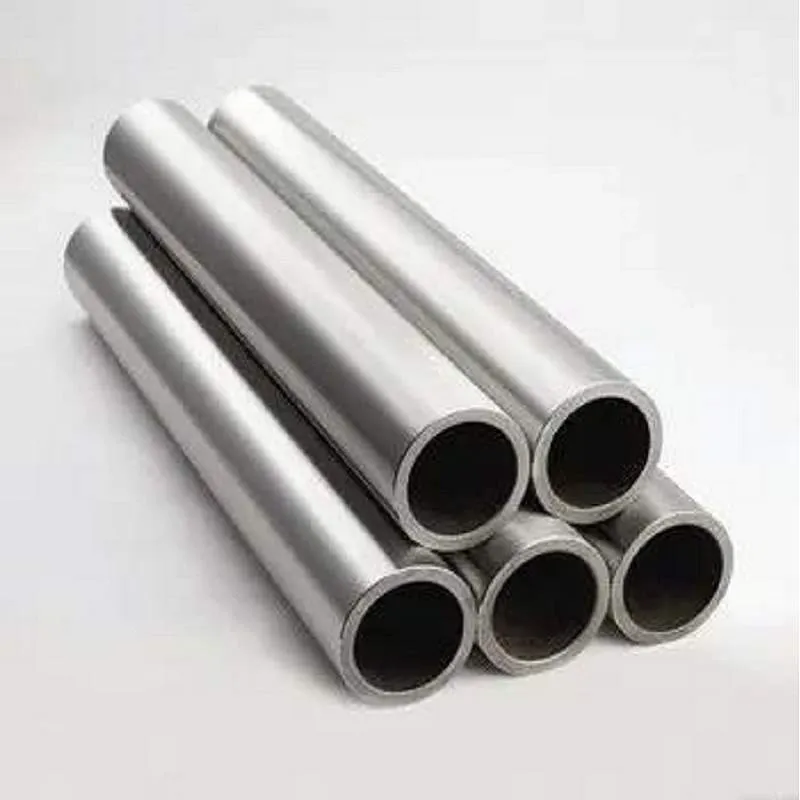
Carpenter AerMet® 340
Product Code : STI-GSTI-260-CU
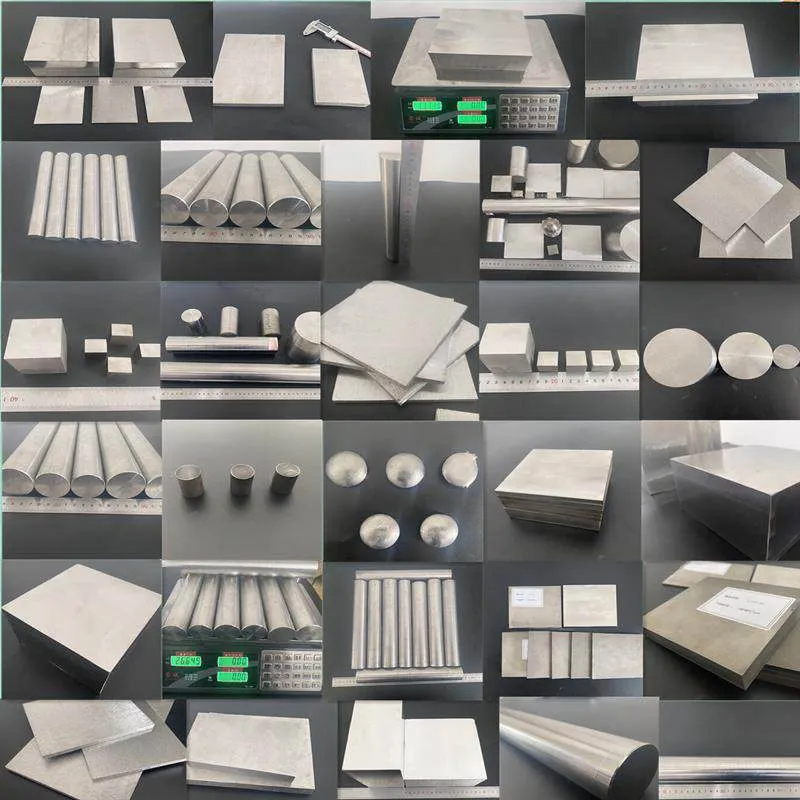
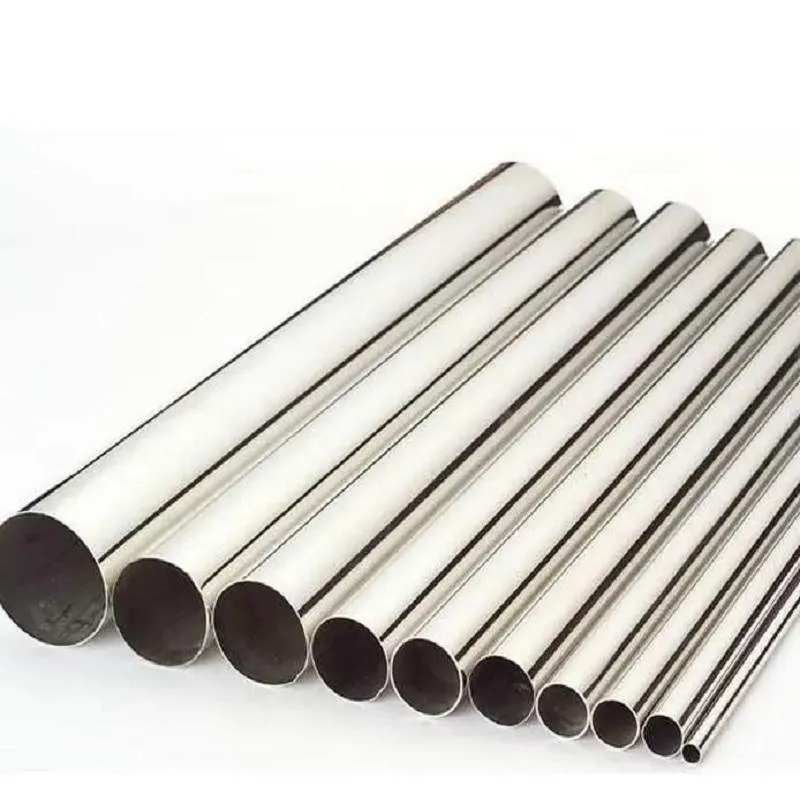
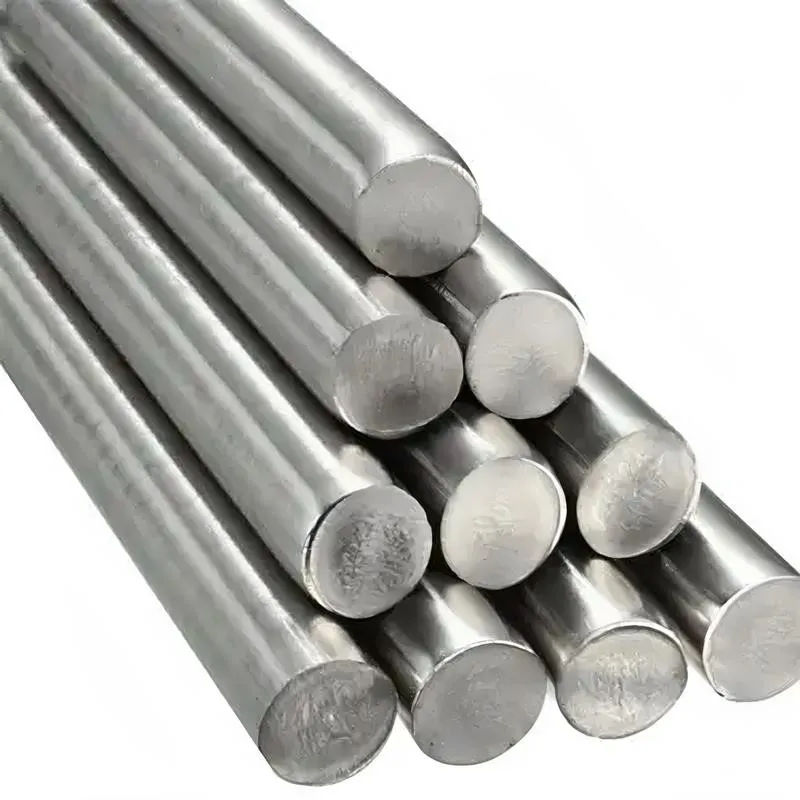
We provide Carpenter AerMet® 340 is available in Bar (Round bar, Flat bar), Ribbon, Wire, Rods, Tube,Seamless Tube,Pipe, Ingots, Plate, Sheet, Strip and Forging Stock.,Purity, chemical composition, size, etc. can all be customized to meet specific requirements.
Please contact us if you need customized services. We will contact you with the price and availability in 24 hours.
Carpenter AerMet® 340 Product Information
-:-
For detailed product information, please contact sales.
-:
Carpenter AerMet® 340 Synonyms
-:-
For detailed product information, please contact sales.
-:
Carpenter AerMet® 340 Product Information
-:-
For detailed product information, please contact sales.
-:
# **Carpenter AerMet® 340 Alloy**
## **Product Overview**
**Carpenter AerMet® 340** represents a **significant evolution in ultra-high-strength secondary-hardening martensitic steel technology**, specifically engineered to achieve an **unprecedented combination of strength and toughness** for the most demanding aerospace and defense applications. As the highest-performance member of the AerMet® alloy family, this material is designed to **push the boundaries of material performance** while maintaining the processing heritage and reliability established by its predecessors. AerMet® 340 delivers **exceptional damage tolerance, fatigue resistance, and strength retention** in critical applications where conventional ultra-high-strength alloys reach their performance limits.
---
## **1. Key Characteristics & Advantages**
* **Ultimate Strength-Toughness Balance:** Achieves industry-leading tensile strength (>2400 MPa) while maintaining fracture toughness (>90 MPa√m), representing a 20-30% improvement over AerMet® 100 in key metrics.
* **Enhanced Fatigue Performance:** Superior resistance to fatigue crack initiation and propagation, particularly under high mean stress conditions and spectrum loading.
* **Optimized Microstructural Control:** Advanced alloy design enables refined carbide distribution and optimized grain boundary chemistry for maximum property consistency.
* **Improved Environmental Resistance:** Enhanced resistance to stress corrosion cracking and hydrogen embrittlement compared to previous AerMet® generations.
* **Exceptional Through-Thickness Properties:** Maintains uniform mechanical characteristics in thick sections with minimal property degradation.
* **Higher Temperature Capability:** Better retention of mechanical properties at moderately elevated temperatures (up to 425°C/800°F).
* **Proven Processing Compatibility:** Maintains the established AerMet® heat treatment methodology with optimized parameters.
---
## **2. Typical Chemical Composition (Weight %)**
| Element | Carbon (C) | Chromium (Cr) | Nickel (Ni) | Molybdenum (Mo) | Cobalt (Co) | Vanadium (V) | Titanium (Ti) | Tungsten (W) |
| :--- | :---: | :---: | :---: | :---: | :---: | :---: | :---: | :---: |
| **Content** | **0.28 - 0.34** | **2.50 - 3.00** | **10.5 - 11.5** | **1.25 - 1.75** | **15.0 - 16.0** | **0.08 - 0.18** | **0.03 - 0.07** | **0.30 - 0.70** |
**Metallurgical Advancements Over Previous Generations:**
* **Higher Carbon Content (0.31%):** Enables increased M₂C carbide volume for enhanced strength while maintaining refined carbide morphology.
* **Elevated Cobalt (15.5%):** Maximizes secondary hardening response and provides exceptional temper resistance.
* **Tungsten Addition (0.50%):** Forms stable carbides that complement molybdenum carbides and enhance high-temperature stability.
* **Optimized Vanadium/Titanium:** Refines grain structure and provides additional precipitation strengthening.
* **Balanced Nickel/Chromium:** Optimized for toughness and corrosion resistance while maintaining hardenability.
* **Triple Refined Melting:** Utilizes VIM + VAR + ESR processes for unparalleled cleanliness and chemical homogeneity.
---
## **3. Physical & Mechanical Properties**
### **Physical Properties:**
* **Density:** 7.88 g/cm³ (0.285 lb/in³)
* **Thermal Conductivity:** 19.2 W/(m·K) at 20°C
* **Modulus of Elasticity:** 198 GPa (28.7 × 10⁶ psi)
* **Shear Modulus:** 77 GPa (11.2 × 10⁶ psi)
* **Poisson's Ratio:** 0.29
* **Coefficient of Thermal Expansion:** 10.8 × 10⁻⁶/K (20-100°C)
* **Specific Heat Capacity:** 455 J/(kg·K)
* **Magnetic Properties:** Ferromagnetic in all conditions
### **Recommended Heat Treatment:**
1. **Austenitizing:** 870-900°C (1600-1650°F) for 1 hour/25mm, rapid air or oil quench
2. **Cryogenic Treatment:** -73°C (-100°F) minimum for 2 hours (essential)
3. **Aging:** 475-490°C (885-915°F) for 5-8 hours, air cool
### **Mechanical Properties (Aged Condition):**
| Property | Typical Value | Minimum Guaranteed | Test Standard |
| :--- | :---: | :---: | :---: |
| **Ultimate Tensile Strength** | **2400-2550 MPa (348-370 ksi)** | 2280 MPa (331 ksi) | ASTM E8 |
| **Yield Strength (0.2% offset)** | **2150-2300 MPa (312-334 ksi)** | 2070 MPa (300 ksi) | ASTM E8 |
| **Elongation** | **10-13%** | 8% | ASTM E8 |
| **Reduction of Area** | **55-60%** | 50% | ASTM E8 |
| **Hardness** | **57-60 HRC** | 56 HRC | ASTM E18 |
| **Fracture Toughness (K₁c)** | **90-110 MPa√m (82-100 ksi√in)** | 80 MPa√m (73 ksi√in) | ASTM E399 |
| **Charpy V-Notch Impact** | **35-45 J (26-33 ft-lb)** | 30 J (22 ft-lb) | ASTM E23 |
| **Fatigue Strength (10⁷ cycles, R=0.1)** | **800-850 MPa (116-123 ksi)** | 750 MPa (109 ksi) | ASTM E466 |
### **Advanced Mechanical Characteristics:**
* **True Fracture Strength:** 2650-2850 MPa
* **Fatigue Crack Growth Threshold:** 7.0-7.5 MPa√m
* **Paris Law Exponent (m):** 2.7-2.9
* **Crack Tip Opening Displacement:** 0.15-0.22 mm
* **Stress Corrosion Threshold (K₁scc):** 80-90 MPa√m in 3.5% NaCl
* **Strain Hardening Exponent:** 0.04-0.06
---
## **4. Primary Applications**
### **Aerospace & Defense:**
* **Next-Generation Aircraft Components:** Landing gear for 6th-generation fighter aircraft and advanced commercial transports
* **Space Launch Systems:** Critical structural components for reusable launch vehicles
* **Hypersonic Vehicle Structures:** Airframe components requiring exceptional strength-to-weight ratios
* **Military Vehicle Armor:** Structural elements for lightweight armored vehicles
* **Missile & Defense Systems:** Airframes, motor cases, and guidance sections for next-generation systems
### **High-Performance Industrial:**
* **Oil & Gas Extreme Service:** Downhole tools and completion equipment for ultra-deep wells
* **Power Generation:** Turbine shafts and fasteners for advanced gas turbines
* **Precision Tooling:** Forming dies and molds for superalloy components
* **High-Performance Automotive:** Critical components for motorsports and performance vehicles
* **Heavy Industry:** Wear parts and structural components for extreme service conditions
### **Specialized Applications:**
* **Medical Devices:** High-strength surgical instruments and orthopedic implants
* **Research Equipment:** Components for synchrotrons, particle accelerators, and high-field magnets
* **Marine Technology:** Critical components for deep-sea exploration vehicles
* **Nuclear Applications:** Structural components for advanced reactor designs
---
## **5. Relevant International Standards & Specifications**
| Organization | Specification | Status | Description |
| :--- | :--- | :--- | :--- |
| **Carpenter Technology** | **AerMet® 340 TD** | Active | Primary technical data sheet and material specification |
| **AMS** | **In Development** | Pending | Aerospace Material Specification under development |
| **ASTM** | **Reference Standards** | Applicable | ASTM E8, E18, E23, E399 for testing |
| **ISO** | **ISO 683-13** | Related | Classification under heat-treatable alloy steels |
| **MIL Standards** | **Applicable** | Reference | MIL-DTL-32159 for fastener applications |
| **NADCAP** | **Compliant** | Certified | Meets aerospace heat treating and testing requirements |
### **AerMet® Family Performance Comparison:**
| Property | AerMet® 340 | AerMet® 310 | AerMet® 100 | Improvement (vs 100) |
| :--- | :---: | :---: | :---: | :---: |
| **Tensile Strength** | **2450 MPa** | 2250 MPa | 2000 MPa | **+22.5%** |
| **Yield Strength** | **2200 MPa** | 2000 MPa | 1725 MPa | **+27.5%** |
| **Fracture Toughness** | **100 MPa√m** | 115 MPa√m | 115 MPa√m | **-13%** |
| **Fatigue Strength** | **825 MPa** | 775 MPa | 690 MPa | **+19.6%** |
| **Fatigue Ratio** | **0.34** | 0.34 | 0.34 | **Equal** |
| **Hardness** | **58 HRC** | 56 HRC | 54 HRC | **+4 HRC** |
---
## **6. Processing & Manufacturing Guidelines**
### **Machining (Annealed Condition ~34 HRC):**
* **Machinability Rating:** 25-30% (relative to 1212 steel)
* **Turning:** Premium carbide inserts (C4-C6), 40-80 m/min, feed 0.08-0.15 mm/rev
* **Milling:** Fine-grained carbide or CBN tools, 30-60 m/min, feed 0.05-0.10 mm/tooth
* **Drilling:** Solid carbide drills, 6-12 m/min, extensive peck drilling required
* **Grinding:** CBN wheels recommended, aluminum oxide with frequent dressing
* **Special Considerations:** High work hardening requires aggressive chip loads and sharp tools
### **Critical Heat Treatment Parameters:**
1. **Austenitizing:** 885°C ±10°C in vacuum (<10⁻³ mbar) or high-purity inert atmosphere
2. **Quenching:** Forced air (≥8 m/s) or oil quench for sections >40mm
3. **Cryogenic Treatment:** -73°C for 2-4 hours minimum, slow warm to room temperature
4. **Aging:** 480°C ±3°C for 5-8 hours, precise temperature control critical
5. **Cooling Rates:** Controlled cooling after all thermal cycles to minimize residual stress
### **Welding & Joining:**
* **Weldability:** Difficult (requires specialized procedures and post-weld treatment)
* **Recommended Processes:** Electron beam welding (preferred), laser welding, or GTAW with trailing shield
* **Filler Materials:** Matching composition filler or IN718/IN625 for dissimilar joining
* **Preheat:** 250-300°C minimum, interpass temperature control critical
* **Post-Weld Treatment:** Full re-austenitize and age cycle required for structural welds
* **Inspection:** 100% NDT (PT and UT) required for all critical welds
### **Surface Engineering:**
* **Shot Peening:** Almen intensity 0.010-0.015A for maximum fatigue benefit
* **Nitriding:** Low-temperature plasma nitriding (450-480°C) produces 0.08-0.20mm case at 1100-1300 HV
* **PVD Coatings:** TiAlN, AlTiN, CrN with excellent adhesion to prepared surfaces
* **Surface Finishing:** Capable of achieving Ra < 0.2 μm with proper grinding/polishing
* **Corrosion Protection:** Cadmium-titanium plating preferred for aerospace applications
---
## **7. Technical Performance Data**
### **Fatigue & Fracture Mechanics:**
* **High-Cycle Fatigue Limit:** 825 MPa at 10⁷ cycles (R=0.1)
* **Fatigue Ratio (σ_fatigue/σ_UTS):** 0.34
* **Fatigue Crack Growth Threshold:** ΔK_th = 7.2 MPa√m
* **Paris Law Constants:** C = 6.5×10⁻¹¹, m = 2.8 (da/dN in m/cycle, ΔK in MPa√m)
* **Crack Growth at ΔK=25 MPa√m:** 5.0×10⁻⁷ mm/cycle
* **Fatigue Life under Spectrum Loading:** 3-4× improvement over 4340 steel
### **Temperature-Dependent Properties:**
| Temperature | UTS (MPa) | YS (MPa) | K₁c (MPa√m) | CVN (J) |
| :---: | :---: | :---: | :---: | :---: |
| **-73°C (-100°F)** | 2550 | 2350 | 85 | 25 |
| **-54°C (-65°F)** | 2500 | 2300 | 90 | 30 |
| **24°C (75°F)** | 2450 | 2200 | 100 | 40 |
| **100°C (212°F)** | 2380 | 2140 | 110 | 45 |
| **200°C (392°F)** | 2240 | 2000 | 115 | 50 |
| **300°C (572°F)** | 2070 | 1860 | 120 | 55 |
### **Environmental Performance:**
* **Salt Spray Resistance (ASTM B117):** 1000+ hours to red rust (unplated)
* **Stress Corrosion Threshold:** K₁scc = 85 MPa√m in 3.5% NaCl
* **Hydrogen Embrittlement Index:** 0.15 (excellent resistance)
* **Corrosion Fatigue Strength:** 740 MPa in saltwater environment (90% of air value)
* **Galvanic Compatibility:** Similar to 300M and 4340 steels
---
## **8. Design & Engineering Guidelines**
### **Optimal Application Conditions:**
1. **Extreme Strength Requirements:** Where yield strength >2000 MPa is mandatory
2. **Damage-Tolerant Structures:** Components with inspectable crack growth paths
3. **High Mean Stress Fatigue:** Applications with stress ratios R > 0.5
4. **Weight-Critical Designs:** Where high specific strength provides significant advantage
5. **Aggressive Environments:** Applications requiring strength in corrosive conditions
6. **High-Reliability Systems:** Where probability of failure must be minimized
### **Design Allowables (Recommended):**
| Property | A-Basis Value | B-Basis Value | Design Factor |
| :--- | :---: | :---: | :---: |
| **Tensile Ultimate (Ftu)** | 2280 MPa | 2350 MPa | 1.5 |
| **Tensile Yield (Fty)** | 2070 MPa | 2140 MPa | 1.5 |
| **Compressive Yield (Fcy)** | 2070 MPa | 2140 MPa | 1.5 |
| **Shear Ultimate (Fsu)** | 1310 MPa | 1380 MPa | 1.73 |
| **Bearing Ultimate (Fbru)** | 3420 MPa | 3520 MPa | 2.0 |
| **Fatigue (10⁷ cycles)** | 600 MPa | 650 MPa | 2.0 |
### **Failure Analysis & Prevention:**
* **Primary Failure Mechanisms:** High-cycle fatigue, stress corrosion, overload
* **Critical Defect Size:** 0.5-1.0 mm for high-stress applications
* **Inspection Intervals:** Based on damage tolerance analysis results
* **Life Management:** Retirement for cause approach recommended
---
## **9. Quality Assurance & Testing**
### **Standard Material Certification:**
* **Chemical Analysis:** Per heat using ICP-OES and combustion methods
* **Mechanical Testing:** Full matrix per AMS 2375 requirements
* **Microcleanliness:** Per AMS 2301, typically ≤0.3% total inclusions
* **Grain Size:** ASTM 10 or finer
* **Ultrasonic Inspection:** 100% per AMS 2630 Class AA requirements
* **Fracture Toughness:** K₁c testing on each heat for aerospace applications
### **Advanced Characterization:**
* **Fracture Mechanics Testing:** J-R curves, dynamic fracture, constraint effects
* **Fatigue Testing:** Spectrum loading, thermal-mechanical, corrosion fatigue
* **Microstructural Analysis:** TEM for carbide characterization, APT for chemistry
* **Residual Stress Analysis:** X-ray diffraction mapping, neutron diffraction
* **Non-Destructive Evaluation:** Phased array UT, eddy current, thermography
### **Certification Requirements:**
* **Heat Treating:** NADCAP accreditation for aerospace applications
* **Testing Laboratories:** ISO 17025 accreditation for mechanical testing
* **Traceability:** Full material and processing history documentation
* **First Article Inspection:** Comprehensive verification for initial production
---
## **10. Conclusion**
**Carpenter AerMet® 340** represents the **pinnacle of ultra-high-strength alloy development**, delivering **unprecedented combinations of mechanical properties** that enable next-generation aerospace and industrial applications. This advanced material successfully pushes strength boundaries while maintaining essential damage tolerance characteristics, making it ideally suited for applications where **performance requirements exceed the capabilities of existing materials**.
The alloy's **optimized chemistry and refined processing** provide tangible advantages over previous AerMet® generations, particularly for applications demanding **maximum strength with controlled toughness**. While presenting manufacturing challenges typical of advanced ultra-high-strength alloys, AerMet® 340 offers **transformational performance benefits** that justify its application in critical, high-value components.
For **next-generation aircraft programs, advanced space systems, and extreme-service industrial applications**, AerMet® 340 provides a technically superior solution that advances the state of the art in materials engineering. Its development represents a significant achievement in metallurgical science and continues the AerMet® family legacy of enabling technological advancement through material innovation.
-:-
For detailed product information, please contact sales.
-:
Carpenter AerMet® 340 Specification
Dimensions
Size:
Diameter 20-1000 mm Length <6916 mm
Size:We can customized as required
Standard:
Per your request or drawing
We can customized as required
Properties(Theoretical)
Chemical Composition
-:-
For detailed product information, please contact sales.
-:
Carpenter AerMet® 340 Properties
-:-
For detailed product information, please contact sales.
-:
Applications of Carpenter AerMet® 340
-:-
For detailed product information, please contact sales.
-:
Chemical Identifiers Carpenter AerMet® 340
-:-
For detailed product information, please contact sales.
-:
Packing of Carpenter AerMet® 340
-:-
For detailed product information, please contact sales.
-:
Standard Packing:
-:-
For detailed product information, please contact sales.
-:
Typical bulk packaging includes palletized plastic 5 gallon/25 kg. pails, fiber and steel drums to 1 ton super sacks in full container (FCL) or truck load (T/L) quantities. Research and sample quantities and hygroscopic, oxidizing or other air sensitive materials may be packaged under argon or vacuum. Solutions are packaged in polypropylene, plastic or glass jars up to palletized 3387 gallon liquid totes Special package is available on request. E FORUs’ is carefully handled to minimize damage during storage and transportation and to preserve the quality of our products in their original condition