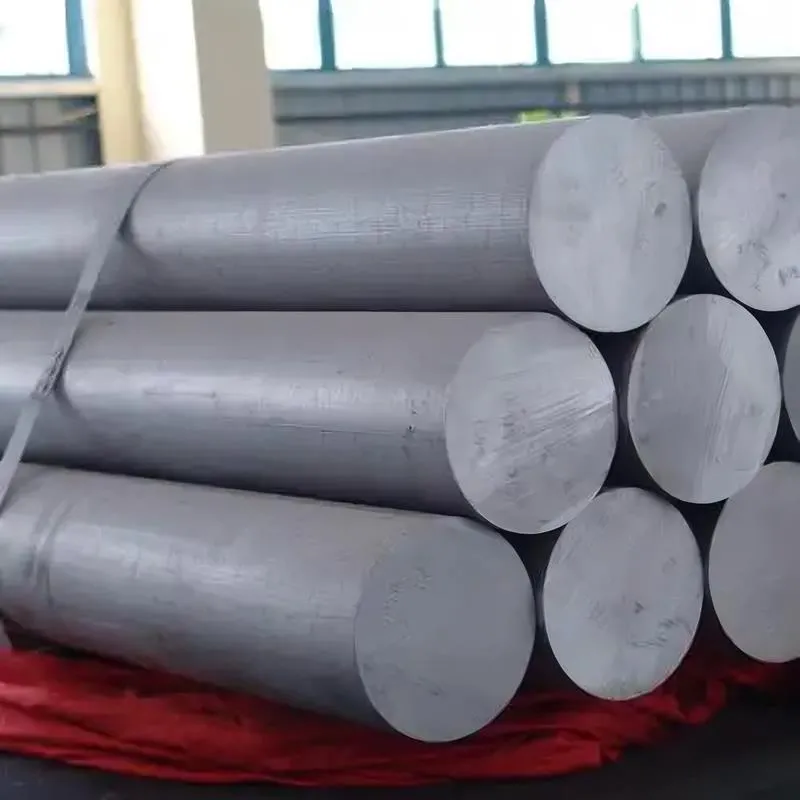
Carpenter Micro-Melt® 9 Wear Treated Tool Steel
Product Code : STI-GSTI-265-CU
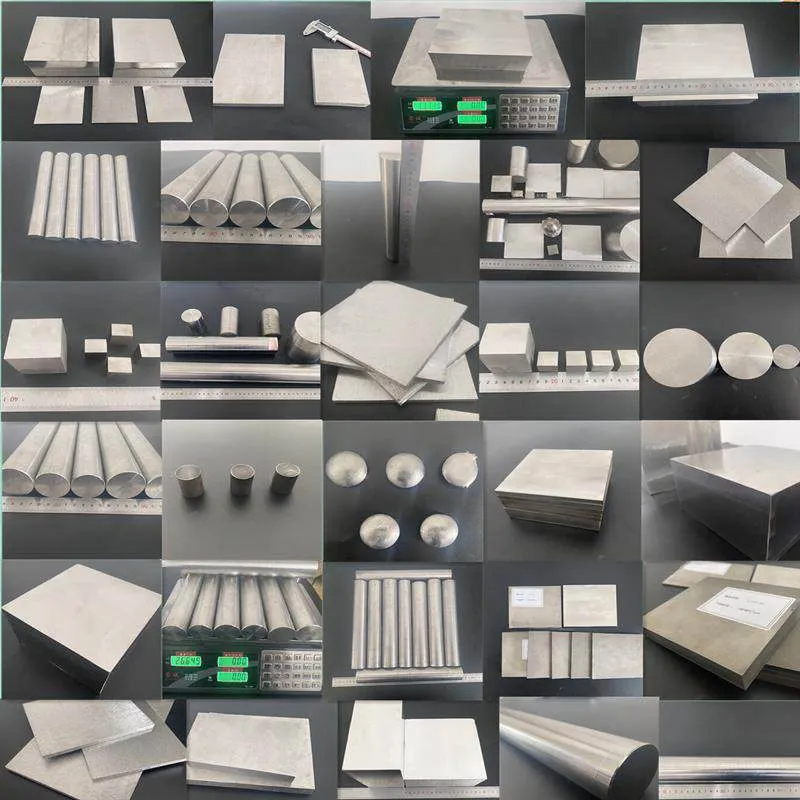
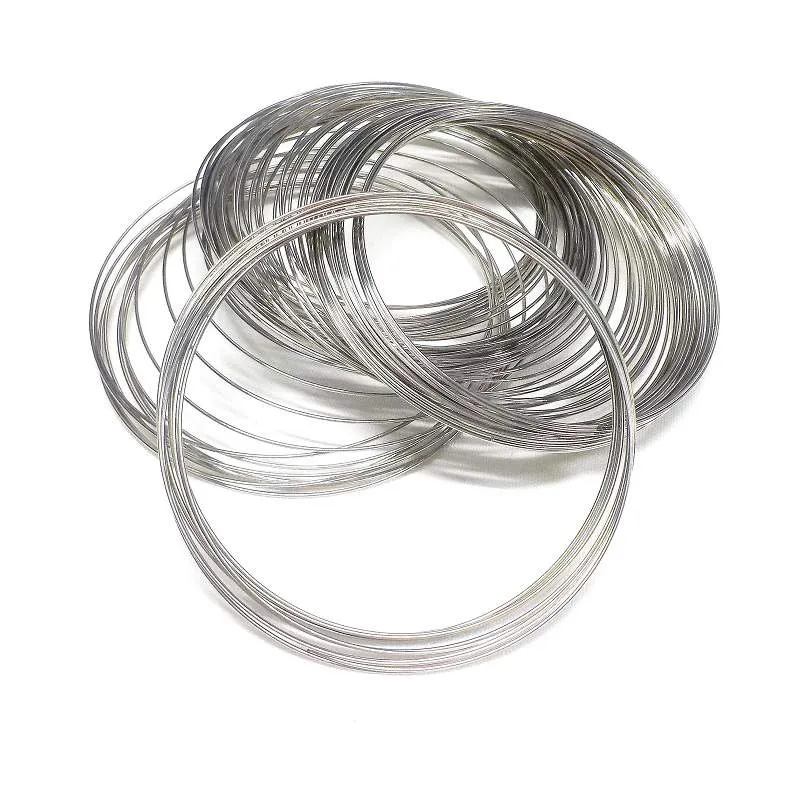
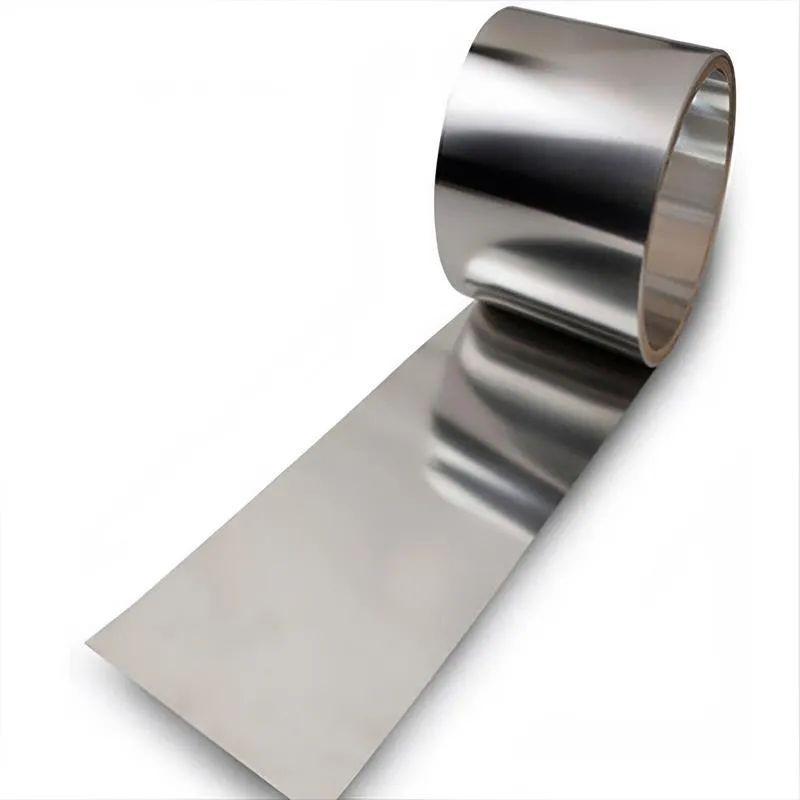
We provide Carpenter Micro-Melt® 9 Wear Treated Tool Steel is available in Bar (Round bar, Flat bar), Ribbon, Wire, Rods, Tube,Seamless Tube,Pipe, Ingots, Plate, Sheet, Strip and Forging Stock.,Purity, chemical composition, size, etc. can all be customized to meet specific requirements.
Please contact us if you need customized services. We will contact you with the price and availability in 24 hours.
Carpenter Micro-Melt® 9 Wear Treated Tool Steel Product Information
-:-
For detailed product information, please contact sales.
-:
Carpenter Micro-Melt® 9 Wear Treated Tool Steel Synonyms
-:-
For detailed product information, please contact sales.
-:
Carpenter Micro-Melt® 9 Wear Treated Tool Steel Product Information
-:-
For detailed product information, please contact sales.
-:
# **Carpenter Micro-Melt® 9 Wear Treated Tool Steel**
## **Product Overview**
**Carpenter Micro-Melt® 9 Wear Treated** is a premium **air-hardening, high-carbon, high-chromium cold work tool steel** manufactured using Carpenter Technology's proprietary **Micro-Melt® atomization powder metallurgy process**. This advanced manufacturing technology produces an exceptionally **homogeneous microstructure with fine, uniformly distributed carbides**, eliminating the segregation and coarse carbide networks inherent in conventional ingot metallurgy. The "Wear Treated" designation indicates that the material undergoes specialized thermal processing to optimize its **wear resistance, dimensional stability, and grindability**, making it an superior alternative to conventional D2-type tool steels for demanding applications where precision, longevity, and reliability are critical.
---
## **1. Key Characteristics & Advantages**
* **Exceptional Wear Resistance:** Superior to conventional D2 and similar high-chromium steels due to a homogeneous dispersion of very hard vanadium and chromium carbides, significantly extending tool life in abrasive applications.
* **Superior Microstructural Homogeneity:** The Micro-Melt® PM process ensures a uniform, isotropic structure free of carbide banding or segregation, leading to consistent performance in all directions.
* **Excellent Dimensional Stability:** Minimal and predictable distortion during heat treatment, crucial for maintaining precision in complex tool geometries.
* **Enhanced Grindability:** Despite its high hardness and wear resistance, it offers better grindability than conventionally produced steels of similar composition, reducing manufacturing time and cost.
* **High Toughness:** Provides better impact resistance than conventional D2 at equivalent hardness levels, thanks to its fine, uniform carbide structure.
* **Good Fatigue Resistance:** Improved resistance to fatigue failure under cyclic loading conditions.
* **Superior Polishability:** Capable of achieving very fine surface finishes, suitable for precision forming and molding applications.
* **Consistent Heat Treatment Response:** Batch-to-barty consistency in hardening behavior and final properties.
---
## **2. Typical Chemical Composition (Weight %)**
| Element | Carbon (C) | Chromium (Cr) | Molybdenum (Mo) | Vanadium (V) | Silicon (Si) | Manganese (Mn) |
| :--- | :---: | :---: | :---: | :---: | :---: | :---: |
| **Content** | **1.55 - 1.70** | **11.50 - 13.00** | **0.70 - 1.20** | **0.80 - 1.10** | **0.20 - 0.60** | **0.20 - 0.60** |
**Metallurgical Advantages of Micro-Melt® Process:**
* **Carbon & Chromium:** Form a high volume of hard, wear-resistant chromium carbides (M₇C₃). The PM process refines these carbides to 2-5 μm versus 10-30 μm in conventional steel.
* **Vanadium:** Contributes to secondary hardening and forms additional hard vanadium carbides (VC) for enhanced wear resistance. Its uniform distribution is key.
* **Micro-Melt® Atomization:** Gas atomization produces spherical powder particles which are then consolidated via Hot Isostatic Pressing (HIP). This results in:
* 100% density without porosity
* Extremely low oxygen content (< 50 ppm)
* No macro- or micro-segregation
* Fine, spherical carbides uniformly dispersed in the matrix
* **"Wear Treated" Processing:** Involves controlled thermal cycles after consolidation to further optimize the carbide-matrix interface and relieve internal stresses, enhancing stability and performance.
---
## **3. Physical & Mechanical Properties**
### **Physical Properties:**
* **Density:** ~7.70 g/cm³
* **Thermal Conductivity:** ~20 W/(m·K) at 20°C
* **Modulus of Elasticity:** ~210 GPa
* **Coefficient of Thermal Expansion:** ~10.3 × 10⁻⁶/K (20-100°C)
### **Heat Treatment & Mechanical Data:**
* **Annealed Hardness:** ~240 HBW
* **Austenitizing Temperature:** 1010 - 1040°C (1850 - 1905°F)
* **Quenching Medium:** Air (forced air for sections >75mm/3")
* **Tempering:** **Double or triple tempering is essential.** Temperature range: 180 - 550°C (355 - 1020°F).
* **Achievable Hardness:** **58 - 62 HRC**
* **60-62 HRC** (tempered at 180-250°C): For maximum wear resistance and compressive strength (blanking, punching).
* **58-60 HRC** (tempered at 400-500°C): For applications requiring higher toughness (forming, some molds).
* **Transverse Rupture Strength:** ~3000 - 3400 MPa
* **Compressive Strength:** > 3000 MPa (at 60 HRC)
* **Impact Toughness (Charpy C):** Typically 20-50% higher than conventional D2 at equivalent hardness.
---
## **4. Primary Applications**
Micro-Melt® 9 Wear Treated is designed for demanding cold work applications requiring extended tool life and precision.
* **Precision Blanking and Punching Dies:** Progressive dies for electrical steel laminations, high-strength automotive steel, and abrasive composites.
* **Forming, Drawing, and Coining Tools:** Where high wear resistance and good surface finish are required.
* **Shear Blades and Slitter Knives:** Industrial knives for cutting metals, plastics, and composites.
* **Powder Compaction Tools:** Punches and dies for compacting metal and ceramic powders.
* **Thread Rolling and Forming Dies:** For high-volume production of fasteners.
* **Precision Gauges and Rolls:** Calibration tools and forming rolls requiring dimensional stability.
* **Plastic Injection Molds and Inserts:** For abrasive filled plastics (glass, mineral, carbon fiber reinforced).
* **Cold Extrusion Punches and Dies:** For non-ferrous metals and alloys.
---
## **5. Relevant International Standards & Comparable Grades**
As a proprietary PM grade, Micro-Melt® 9 does not have a direct standardized equivalent. Its performance benchmarks against premium versions of conventional grades.
| Category | Standard / Supplier | Comparable Grade | Key Difference |
| :--- | :--- | :--- | :--- |
| **PM Tool Steel** | **Carpenter Proprietary** | **Micro-Melt® 9 Wear Treated** | Reference premium PM D2-type steel. |
| **Conventional Steel** | **AISI / ASTM A681** | **D2 (Premium Quality)** | Micro-Melt® 9 offers superior homogeneity, toughness, and grindability. |
| **Conventional Steel** | **DIN / Werkstoff** | **1.2379 (X155CrVMo12-1)** | The PM process eliminates the large carbides and banding of conventional 1.2379. |
| **PM Tool Steel** | **Uddeholm / Böhler** | **VANADIS 4 Extra** | Similar application space; different alloy philosophy (higher V in Vanadis). |
| **PM Tool Steel** | **Crucible (CPM)** | **CPM D2** | Similar PM concept; Micro-Melt® 9 includes the proprietary "Wear Treated" process. |
**Important Note:** The "Micro-Melt®" designation is Carpenter's trademark for its gas atomization and HIP PM process, guaranteeing a specific quality level. The "Wear Treated" suffix indicates additional thermal processing.
---
## **6. Processing & Fabrication Guidelines**
* **Supply Forms:** Round and square bars, precision ground flat stock, near-net-shape blanks.
* **Machining:** Perform all heavy machining in the **soft-annealed condition**. Use sharp carbide tools. The homogeneous structure provides predictable tool wear but is abrasive.
* **Grinding:** **Good grindability for its performance class.** Use aluminum oxide or CBN wheels with ample coolant. The fine carbide structure reduces the risk of grinding burns compared to conventional D2.
* **EDM:** Suitable. A stress-relieving temper (~500-550°C) after EDM is recommended to relieve the transformed surface layer, especially before final polishing.
* **Heat Treatment:** Requires precise, controlled atmosphere or vacuum heat treatment.
1. **Preheating:** 750-800°C and 900-950°C is recommended for complex parts.
2. **Austenitizing:** Precise temperature control is key.
3. **Quenching:** Still or forced air. For complex shapes, high-pressure gas quenching minimizes distortion.
4. **Tempering:** **Immediate double tempering is mandatory.** A third temper improves dimensional stability. Cryogenic treatment (-75°C to -185°C) between tempers can be used to maximize hardness and stability.
* **Surface Treatments:** An excellent substrate for PVD coatings (TiN, TiCN, AlCrN) to further enhance performance in severe applications.
---
## **7. Conclusion**
**Carpenter Micro-Melt® 9 Wear Treated** exemplifies the **performance advantages achievable through advanced powder metallurgy** applied to a classic tool steel composition. It overcomes the primary limitations of conventional D2—carbide segregation, inconsistent properties, and challenging grindability—while enhancing its inherent strengths in wear resistance and hardness.
For toolmakers and manufacturers facing the limitations of conventional high-chromium steels—whether due to unpredictable performance, premature wear, or high grinding costs—Micro-Melt® 9 offers a reliable, high-performance upgrade. The investment in this premium PM material is justified by **extended tool life, reduced unplanned downtime, more predictable manufacturing processes, and the ability to produce more complex and precise tools** with greater confidence.
It is the material of choice when application demands exceed the capabilities of standard D2/SKD11 and where the superior consistency and properties of powder metallurgy provide a clear return on investment through improved productivity and part quality.
-:-
For detailed product information, please contact sales.
-:
Carpenter Micro-Melt® 9 Wear Treated Tool Steel Specification
Dimensions
Size:
Diameter 20-1000 mm Length <6921 mm
Size:We can customized as required
Standard:
Per your request or drawing
We can customized as required
Properties(Theoretical)
Chemical Composition
-:-
For detailed product information, please contact sales.
-:
Carpenter Micro-Melt® 9 Wear Treated Tool Steel Properties
-:-
For detailed product information, please contact sales.
-:
Applications of Carpenter Micro-Melt® 9 Wear Treated Tool Steel
-:-
For detailed product information, please contact sales.
-:
Chemical Identifiers Carpenter Micro-Melt® 9 Wear Treated Tool Steel
-:-
For detailed product information, please contact sales.
-:
Packing of Carpenter Micro-Melt® 9 Wear Treated Tool Steel
-:-
For detailed product information, please contact sales.
-:
Standard Packing:
-:-
For detailed product information, please contact sales.
-:
Typical bulk packaging includes palletized plastic 5 gallon/25 kg. pails, fiber and steel drums to 1 ton super sacks in full container (FCL) or truck load (T/L) quantities. Research and sample quantities and hygroscopic, oxidizing or other air sensitive materials may be packaged under argon or vacuum. Solutions are packaged in polypropylene, plastic or glass jars up to palletized 3392 gallon liquid totes Special package is available on request. E FORUs’ is carefully handled to minimize damage during storage and transportation and to preserve the quality of our products in their original condition