Carpenter Pyrotough® 78 Hot Work Die Steel
Product Code : STI-GSTI-278-CU
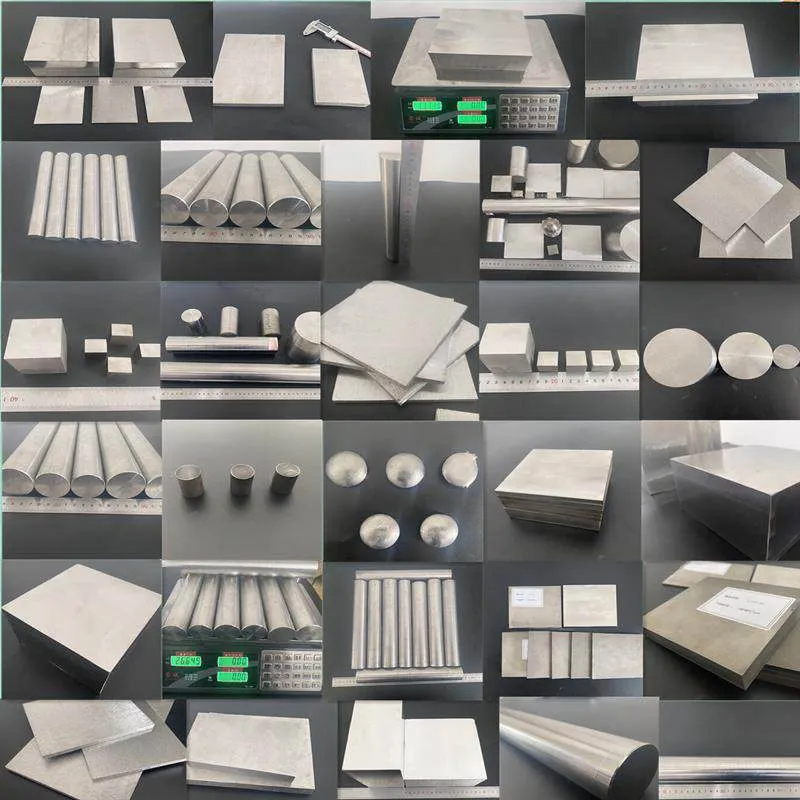
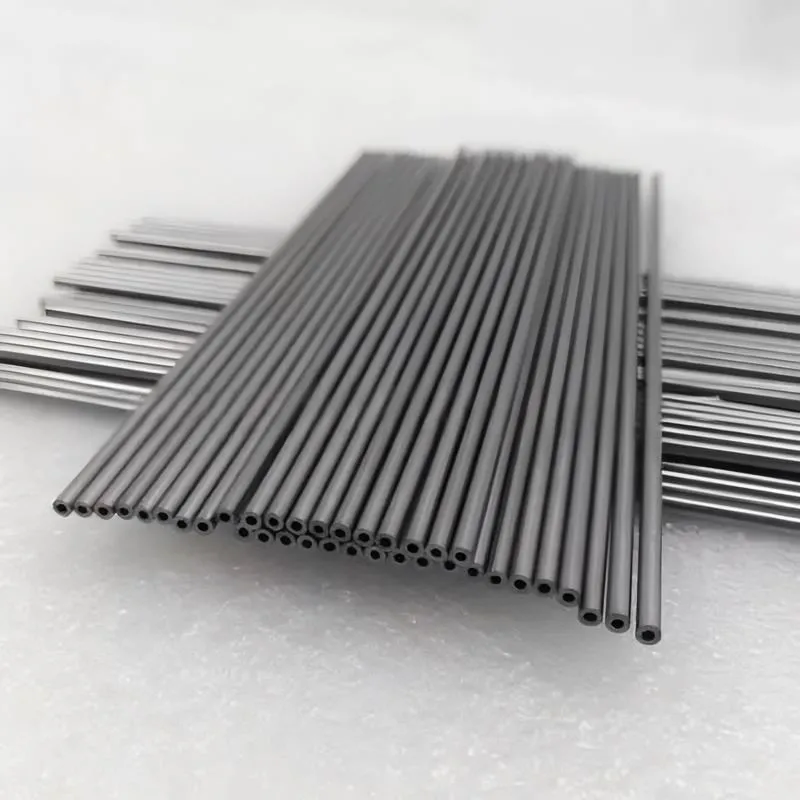
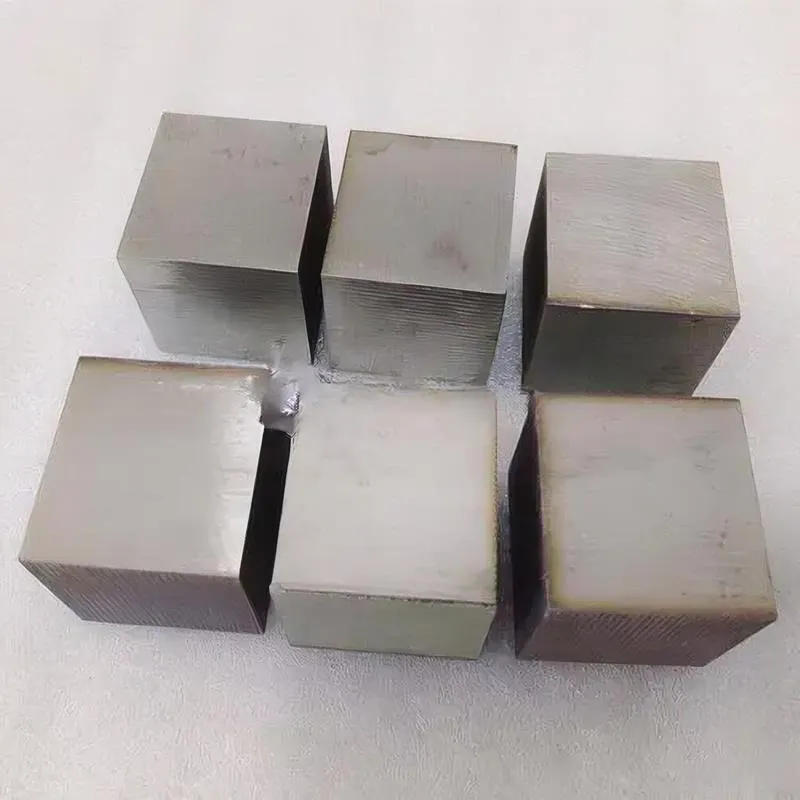
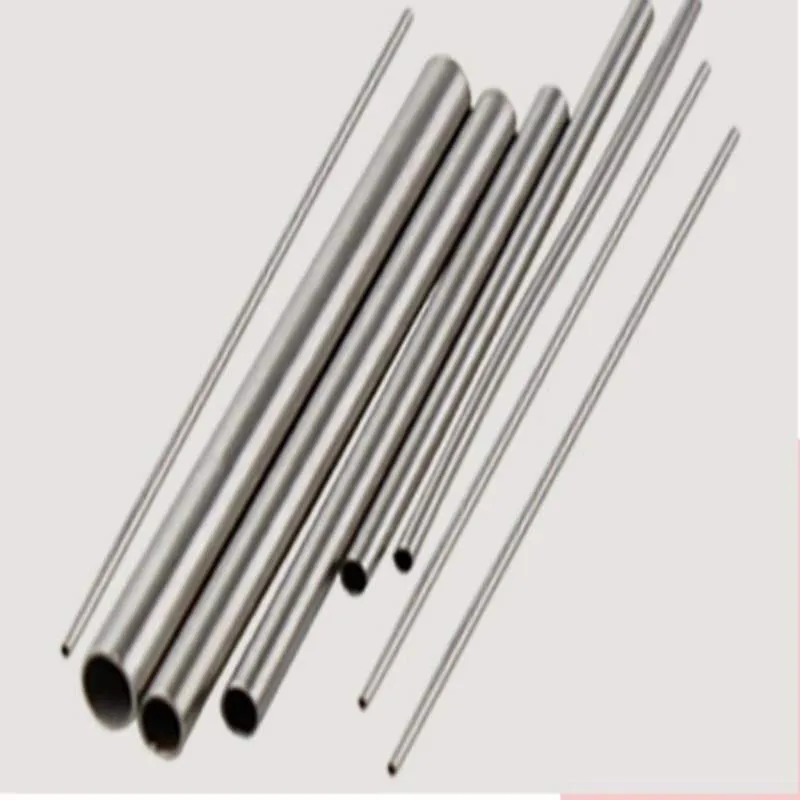
We provide Carpenter Pyrotough® 78 Hot Work Die Steel is available in Bar (Round bar, Flat bar), Ribbon, Wire, Rods, Tube,Seamless Tube,Pipe, Ingots, Plate, Sheet, Strip and Forging Stock.,Purity, chemical composition, size, etc. can all be customized to meet specific requirements.
Please contact us if you need customized services. We will contact you with the price and availability in 24 hours.
Carpenter Pyrotough® 78 Hot Work Die Steel Product Information
-:-
For detailed product information, please contact sales.
-:
Carpenter Pyrotough® 78 Hot Work Die Steel Synonyms
-:-
For detailed product information, please contact sales.
-:
Carpenter Pyrotough® 78 Hot Work Die Steel Product Information
-:-
For detailed product information, please contact sales.
-:
# **Carpenter Pyrotough® 78 Hot Work Die Steel**
## **Premium 5% Chromium Hot Work Steel for High-Temperature Toughness and Thermal Fatigue Resistance**
---
### **Product Overview**
Carpenter Pyrotough® 78 is a premium 5% chromium hot work die steel specifically engineered to deliver **exceptional toughness and outstanding thermal fatigue resistance** in demanding high-temperature applications. Operating effectively in the temperature range of 540-650°C (1000-1200°F), this steel is characterized by its unique combination of high-temperature strength, thermal shock resistance, and resistance to heat checking. Unlike conventional H13-type steels, Pyrotough 78 incorporates a balanced chemical composition and optimized manufacturing process to provide superior performance in aluminum die casting, hot forging, and extrusion applications where thermal cycling and mechanical stress are severe.
---
### **Key Advantages**
- **Superior Thermal Fatigue Resistance**: Excellent resistance to heat checking and thermal cracking during repeated heating and cooling cycles
- **High Toughness at Elevated Temperatures**: Maintains exceptional impact strength and fracture toughness at operating temperatures up to 650°C (1200°F)
- **Excellent Thermal Conductivity**: Faster heat dissipation reduces thermal gradients and minimizes stress buildup in dies
- **Good Dimensional Stability**: Minimal distortion during heat treatment and in service
- **Superior Machinability**: Better than conventional H13-type steels in both annealed and pre-hardened conditions
- **Enhanced Polishability**: Produces excellent surface finishes for critical casting applications
- **Good Hardenability**: Through-hardening capability for large cross-sections
---
### **Chemical Composition (%)**
| Element | Carbon (C) | Chromium (Cr) | Molybdenum (Mo) | Vanadium (V) | Silicon (Si) | Manganese (Mn) |
|---------|------------|---------------|-----------------|--------------|--------------|----------------|
| **Content** | 0.35-0.45 | 4.75-5.25 | 1.25-1.75 | 0.80-1.20 | 0.80-1.20 | 0.25-0.50 |
*Additional Elements:*
- Nickel (Ni): ≤0.25%
- Sulfur (S): ≤0.010%
- Phosphorus (P): ≤0.020%
- Copper (Cu): ≤0.15%
*Note: The balanced composition provides optimal carbide formation for thermal fatigue resistance while maintaining high toughness.*
---
### **Physical & Mechanical Properties**
#### **Physical Properties**
- **Density**: 7.80 g/cm³ (0.282 lb/in³)
- **Melting Point**: 1427°C (2600°F)
- **Thermal Conductivity**: 28.5 W/m·K at 20°C (increases with temperature)
- **Coefficient of Thermal Expansion**: 11.5 × 10⁻⁶/°C (20-600°C)
- **Modulus of Elasticity**: 210 GPa (30.5 × 10⁶ psi) at 20°C
- **Specific Heat**: 460 J/kg·K at 20°C
#### **Mechanical Properties (Typical)**
**Annealed Condition:**
- Hardness: 180-220 HB
- Ultimate Tensile Strength: 620-700 MPa (90-102 ksi)
- Yield Strength: 380-450 MPa (55-65 ksi)
- Elongation: 20-25%
**Hardened and Tempered (to 44-48 HRC):**
- Hardness: 44-48 HRC (typical service hardness)
- Ultimate Tensile Strength: 1450-1650 MPa (210-240 ksi)
- Yield Strength: 1300-1500 MPa (188-218 ksi)
- Elongation: 10-15%
- Reduction of Area: 35-45%
- Impact Toughness (Charpy V-notch): 25-35 J (18-26 ft-lb) at room temperature
**Elevated Temperature Properties (at 540°C/1000°F):**
- Tensile Strength: 550-650 MPa (80-94 ksi)
- Yield Strength: 450-550 MPa (65-80 ksi)
- Creep Resistance: Excellent for hot work applications
- Thermal Fatigue Life: 2-3× conventional H13 steel
#### **Heat Treatment Parameters**
1. **Annealing:**
- Temperature: 845-870°C (1550-1600°F)
- Cooling: Slow furnace cool to 480°C (900°F) at 15°C (25°F)/hour, then air cool
- Resulting hardness: 180-220 HB
2. **Stress Relieving:**
- Temperature: 650-675°C (1200-1250°F) for 2 hours
- Air cool
3. **Preheating:**
- First stage: 550-650°C (1025-1200°F)
- Second stage: 815-870°C (1500-1600°F)
4. **Austenitizing:**
- Temperature: 995-1025°C (1825-1875°F)
- Soak time: 20-45 minutes per inch of thickness
5. **Quenching:**
- Air quench or high-pressure gas quench (preferred for minimal distortion)
- Oil quench possible for maximum hardness
- Salt bath quenching for complex shapes
6. **Tempering:**
- **Double temper required**
- Temperature: 540-650°C (1000-1200°F) for 2+ hours each
- Cool to room temperature between tempers
- Typical service hardness achieved: 44-48 HRC
---
### **International Standards & Cross-References**
| Standard System | Designation | Notes |
|----------------|-------------|-------|
| **Carpenter** | Pyrotough 78 | Proprietary premium grade |
| **AISI** | H13 Modified | Enhanced version of H13 |
| **UNS** | T20813 | Similar to H13 with improved properties |
| **ISO** | 1.2344 | Hot work tool steel |
| **European (EN)** | X40CrMoV5-1 | 1.2344 equivalent |
| **Japanese (JIS)** | SKD61 | Similar application category |
| **DIN** | 1.2344 | Standard hot work steel |
| **Common Equivalents** | H13, W302, Orvar Supreme | Similar but not identical performance |
*Note: Pyrotough 78 offers superior properties compared to standard H13-type steels.*
---
### **Typical Applications**
#### **1. Aluminum Die Casting**
- **Cavity Inserts and Cores**: For automotive components, electronics housings, and structural parts
- **Ejector Pins and Cores**: Where high temperature and abrasion resistance are required
- **Shot Sleeves and Nozzles**: For molten aluminum handling
- **Die Casting Dies**: Complete die sets for high-volume production
- **Overflow Wells and Runners**: Components subjected to extreme thermal cycling
#### **2. Hot Forging and Forming**
- **Forging Dies**: For aluminum, brass, and steel components
- **Punches and Mandrels**: For hot extrusion and piercing operations
- **Die Inserts**: For hammer and press forging equipment
- **Hot Trimming Dies**: For flash removal from forged parts
- **Hot Press Forming Tools**: For aerospace and automotive components
#### **3. Extrusion Tooling**
- **Aluminum Extrusion Dies**: For profiles, rods, and tubes
- **Dummy Blocks and Backers**: For high-pressure extrusion
- **Container Liners**: For indirect extrusion processes
- **Extrusion Press Components**: Rams, stems, and pressure rings
#### **4. Plastic Injection Molding**
- **Hot Runner Components**: Manifolds, nozzles, and tips
- **Mold Inserts**: For high-temperature engineering plastics
- **Three-Plate Mold Components**: Subject to thermal cycling
#### **5. Other High-Temperature Applications**
- **Glass Molding Tools**: For container and specialty glass
- **Hot Stamping Dies**: For automotive high-strength steel parts
- **Powder Metal Compaction Tools**: For high-temperature alloys
---
### **Machining & Fabrication Guidelines**
#### **In Annealed Condition (180-220 HB)**
- **Machinability**: Good (approximately 60% of 1% carbon steel)
- **Recommended Cutting Tools**: High-speed steel or coated carbide
- **Cutting Speeds**: 40-60 SFM for turning operations
- **Feed Rates**: Moderate
- **Coolant**: Recommended for extended tool life
- **Formability**: Can be cold formed with proper tooling
#### **In Pre-hardened/Hardened Condition**
- **Machining**: Difficult - requires carbide or CBN tools
- **Grinding**: Aluminum oxide or CBN wheels with light passes
- **EDM**: Suitable with proper parameters; stress relieve after
- **Polishing**: Excellent results achievable with diamond compounds
- **Nitriding/Tufftriding**: Commonly applied for enhanced surface properties
---
### **Coating and Surface Treatment Compatibility**
#### **Recommended Surface Treatments**
- **Nitriding**: Gas or plasma nitriding to achieve 65-70 HRC surface hardness
- **Physical Vapor Deposition (PVD)**: TiN, TiCN, CrN coatings for aluminum die casting
- **Thermal Spray Coatings**: For specialized wear applications
- **Electroless Nickel**: For corrosion protection in certain applications
#### **Benefits of Surface Treatments**
- **Extended Die Life**: 2-4× improvement with proper coatings
- **Reduced Soldering**: In aluminum die casting applications
- **Improved Release Properties**: For plastic and metal molding
- **Enhanced Corrosion Resistance**: For moisture-rich environments
---
### **Performance Comparison with Conventional H13**
| Property | Pyrotough 78 | Standard H13 | Improvement |
|----------|--------------|--------------|-------------|
| **Thermal Fatigue Life** | Excellent | Good | 200-300% |
| **Toughness at 540°C** | Excellent | Good | 30-50% |
| **Thermal Conductivity** | Very Good | Good | 10-15% |
| **Machinability** | Good | Fair | 20-30% |
| **Polishability** | Excellent | Good | Significant |
| **Dimensional Stability** | Excellent | Good | Improved |
---
### **Die Design and Maintenance Considerations**
#### **Optimal Design Practices**
- **Uniform Wall Thickness**: To minimize thermal gradients
- **Generous Radii**: To reduce stress concentrations
- **Proper Venting**: For die casting applications
- **Adequate Cooling**: Optimized cooling channel design
- **Stress Relief Features**: To accommodate thermal expansion
#### **Maintenance Best Practices**
1. **Regular Inspection**: Check for heat checking and wear patterns
2. **Proper Cleaning**: Remove aluminum buildup and oxides
3. **Controlled Heating/Cooling**: Avoid thermal shock during die changes
4. **Timely Repairs**: Address minor damage before catastrophic failure
5. **Proper Storage**: Protect from corrosion during downtime
#### **Common Failure Modes and Prevention**
- **Heat Checking**: Controlled preheating and optimized cooling
- **Thermal Fatigue**: Proper die design and operating parameters
- **Erosion**: Surface treatments and proper gate design
- **Soldering**: Coatings and proper die surface preparation
- **Mechanical Fatigue**: Adequate die support and alignment
---
### **Economic Justification**
#### **Cost-Benefit Analysis**
- **Extended Die Life**: 30-100% longer than conventional H13
- **Reduced Downtime**: Fewer die changes and repairs
- **Higher Productivity**: Ability to run at higher temperatures and speeds
- **Improved Part Quality**: Better surface finish and dimensional consistency
- **Lower Maintenance Costs**: Reduced polishing and repair frequency
**Typical ROI**: 3-9 months in high-volume die casting or forging operations
#### **Total Cost of Ownership Factors**
1. **Initial Tooling Cost**: Higher than standard H13
2. **Manufacturing Cost**: Lower due to better machinability
3. **Operating Cost**: Reduced due to extended service life
4. **Maintenance Cost**: Lower repair and refurbishment costs
5. **Production Losses**: Minimized downtime and scrap rates
---
### **Industry-Specific Applications**
#### **Automotive Industry**
- **Engine Components**: Cylinder heads, intake manifolds, transmission cases
- **Structural Parts**: Cross members, brackets, housings
- **Heat Management Components**: Heat sinks, cooling system parts
#### **Aerospace Industry**
- **Airframe Components**: Brackets, fittings, housings
- **Engine Parts**: Casing components, mounts
- **Interior Components**: Seat frames, overhead bins
#### **Consumer Electronics**
- **Device Housings**: Laptops, tablets, smartphones
- **Heat Dissipation Components**: Heat spreaders, enclosures
- **Structural Frames**: Internal supports and chassis
#### **Industrial Equipment**
- **Pump and Valve Components**: Housings, bodies
- **Power Tool Components**: Housings, gear cases
- **Machinery Parts**: Frames, covers, bases
---
### **Technical Specifications & Quality Assurance**
#### **Quality Standards**
- **Micro-Cleanliness**: Meets or exceeds ASTM E45 requirements
- **Grain Size**: ASTM 7-9 (fine)
- **Decarburization**: Controlled to ≤0.25mm (0.010") per side
- **Ultrasonic Testing**: Available for critical applications
- **Hardness Uniformity**: Consistent throughout cross-section
#### **Available Forms**
- **Blocks and Plates**: Up to 600mm thickness
- **Round Bars**: 25mm to 500mm diameter
- **Custom Forgings**: To customer specifications
- **Pre-finished Blanks**: Machined and stress relieved
- **Die Sets**: Complete ready-to-use assemblies
#### **Certification**
- Material test certificates with full traceability
- Chemical analysis and mechanical test reports
- Heat treatment certifications available
- Compliance with international quality standards
---
### **Environmental & Safety Considerations**
#### **Material Safety**
- Contains chromium - follow appropriate handling procedures
- Grinding dust requires proper ventilation and collection
- Recycling programs available for scrap material
#### **Regulatory Compliance**
- RoHS compliant
- REACH registered
- Meets international environmental and safety standards
- Compatible with food contact applications (with proper surface treatment)
---
### **Conclusion**
Carpenter Pyrotough® 78 represents the evolution of hot work die steel technology, offering a significant performance upgrade over conventional H13-type steels. Its balanced chemical composition, combined with Carpenter's manufacturing expertise, delivers:
1. **Unmatched Thermal Fatigue Resistance**: For extended die life in severe thermal cycling applications
2. **Superior High-Temperature Toughness**: Maintains structural integrity under extreme operating conditions
3. **Excellent Machinability and Polishability**: Reduces manufacturing time and improves surface quality
4. **Proven Economic Benefits**: Lower total cost of ownership through extended service life
**Key Benefits Summary:**
- 30-100% longer die life compared to standard H13
- Reduced downtime and maintenance costs
- Improved part quality and production consistency
- Versatile application across multiple hot work processes
- Excellent return on investment in demanding applications
For die casting, forging, and extrusion applications where thermal fatigue and mechanical stress limit tool life, Pyrotough 78 provides the engineered solution that bridges the gap between standard hot work steels and more expensive specialized alloys. When productivity, quality, and tooling reliability are critical to competitive manufacturing, Pyrotough 78 delivers the performance edge needed to excel in today's demanding production environments.
Whether producing automotive components, consumer electronics, or aerospace parts, this premium hot work steel offers the reliability and performance consistency that modern manufacturing demands.
---
*For specific application engineering support, heat treatment guidelines, or technical assistance, consult with Carpenter Technology's technical services team. Always refer to the latest technical data sheets for current specifications and processing recommendations.*
-:-
For detailed product information, please contact sales.
-:
Carpenter Pyrotough® 78 Hot Work Die Steel Specification
Dimensions
Size:
Diameter 20-1000 mm Length <6934 mm
Size:We can customized as required
Standard:
Per your request or drawing
We can customized as required
Properties(Theoretical)
Chemical Composition
-:-
For detailed product information, please contact sales.
-:
Carpenter Pyrotough® 78 Hot Work Die Steel Properties
-:-
For detailed product information, please contact sales.
-:
Applications of Carpenter Pyrotough® 78 Hot Work Die Steel
-:-
For detailed product information, please contact sales.
-:
Chemical Identifiers Carpenter Pyrotough® 78 Hot Work Die Steel
-:-
For detailed product information, please contact sales.
-:
Packing of Carpenter Pyrotough® 78 Hot Work Die Steel
-:-
For detailed product information, please contact sales.
-:
Standard Packing:
-:-
For detailed product information, please contact sales.
-:
Typical bulk packaging includes palletized plastic 5 gallon/25 kg. pails, fiber and steel drums to 1 ton super sacks in full container (FCL) or truck load (T/L) quantities. Research and sample quantities and hygroscopic, oxidizing or other air sensitive materials may be packaged under argon or vacuum. Solutions are packaged in polypropylene, plastic or glass jars up to palletized 3405 gallon liquid totes Special package is available on request. E FORUs’ is carefully handled to minimize damage during storage and transportation and to preserve the quality of our products in their original condition