Carpenter No. 484® (Carpenter Air-Hard; AISI A2)
Product Code : STI-GSTI-282-CU
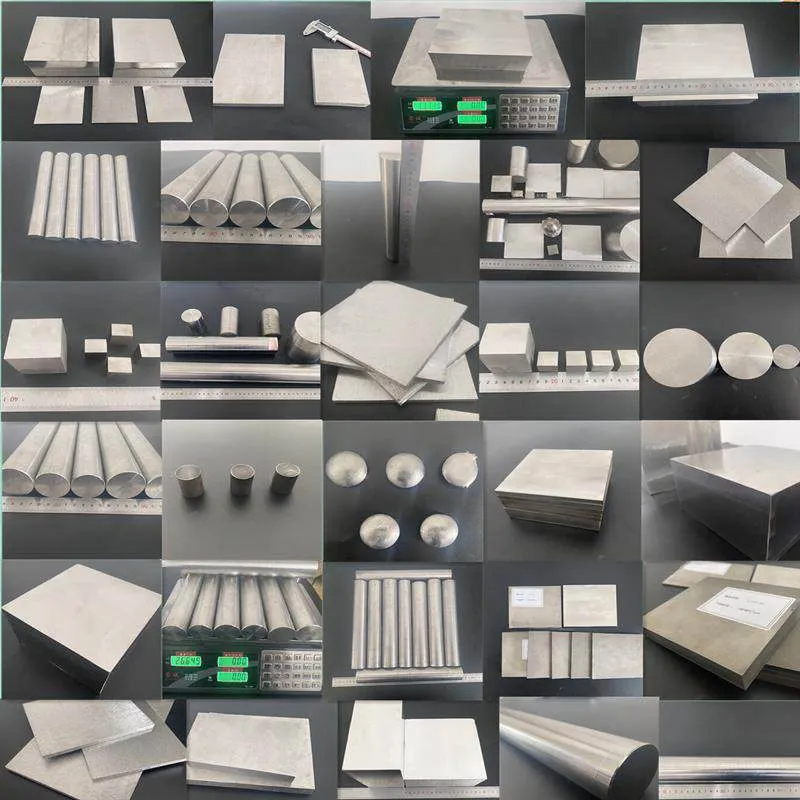
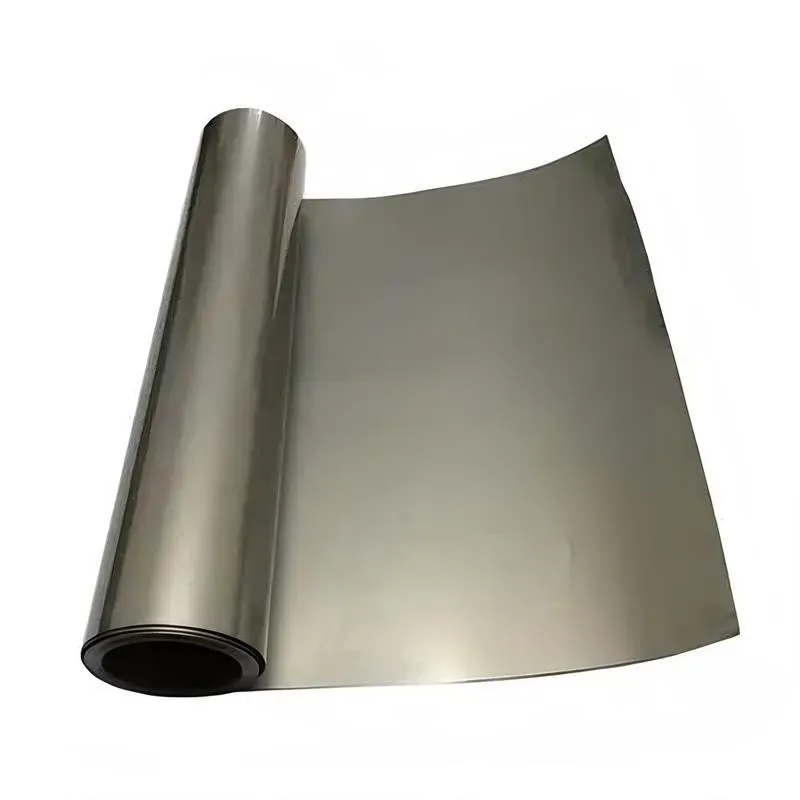
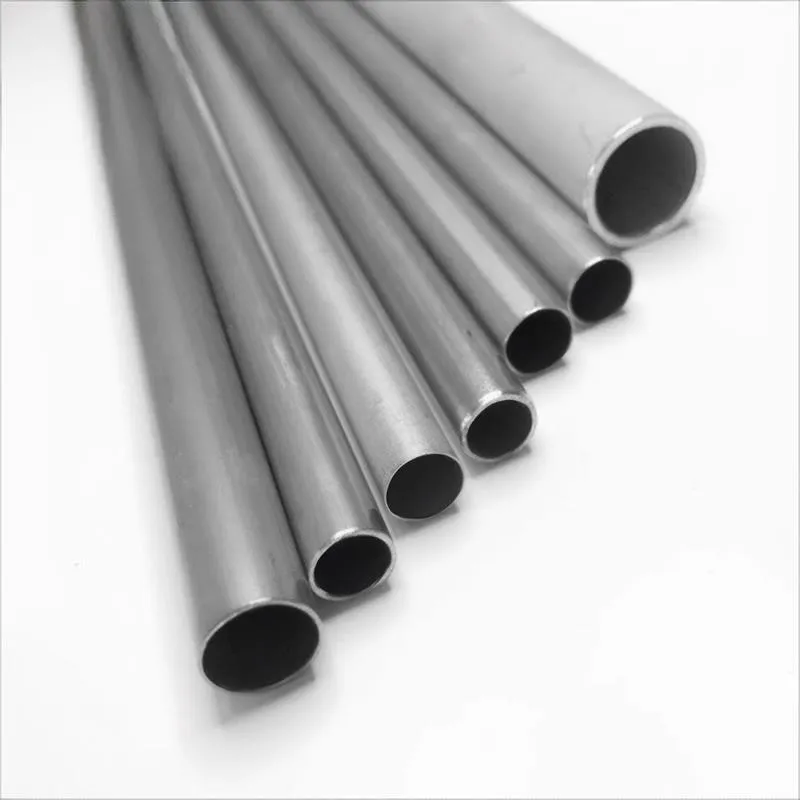
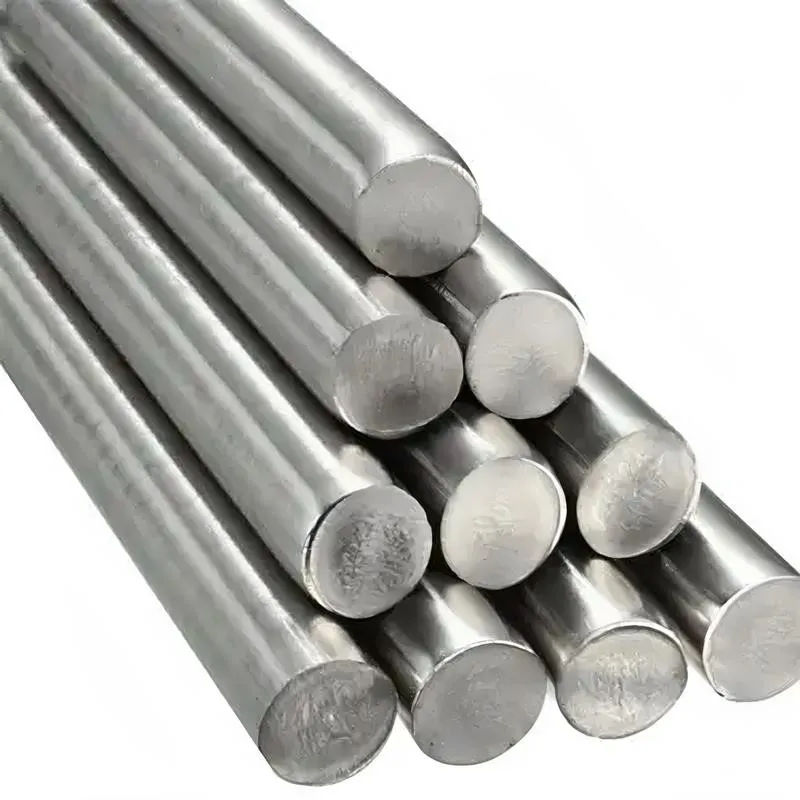
We provide Carpenter No. 484® (Carpenter Air-Hard; AISI A2) is available in Bar (Round bar, Flat bar), Ribbon, Wire, Rods, Tube,Seamless Tube,Pipe, Ingots, Plate, Sheet, Strip and Forging Stock.,Purity, chemical composition, size, etc. can all be customized to meet specific requirements.
Please contact us if you need customized services. We will contact you with the price and availability in 24 hours.
Carpenter No. 484® (Carpenter Air-Hard; AISI A2) Product Information
-:-
For detailed product information, please contact sales.
-:
Carpenter No. 484® (Carpenter Air-Hard; AISI A2) Synonyms
-:-
For detailed product information, please contact sales.
-:
Carpenter No. 484® (Carpenter Air-Hard; AISI A2) Product Information
-:-
For detailed product information, please contact sales.
-:
# **Carpenter No. 484® (Carpenter Air-Hard; AISI A2)**
## **Premium Medium-Alloy, Air-Hardening Cold Work Tool Steel for Superior Dimensional Stability**
---
### **Product Overview**
Carpenter No. 484® (commonly known as Carpenter Air-Hard) is a premium medium-alloy, air-hardening cold work tool steel corresponding to the AISI A2 classification. Renowned for its **excellent dimensional stability during heat treatment, good toughness, and balanced wear resistance**, this chromium-molybdenum-vanadium alloy represents the industry benchmark for general-purpose air-hardening tool steels. Characterized by minimal distortion during air quenching, No. 484 offers a versatile combination of properties that makes it suitable for a wide range of tooling applications, from precision gauges to production dies. Its predictable behavior and forgiving heat treatment response have established it as one of the most widely used and trusted tool steels in manufacturing.
---
### **Key Advantages**
- **Exceptional Dimensional Stability**: Minimal distortion and size change during air hardening
- **Good Toughness and Wear Resistance Balance**: Optimal combination for general tooling applications
- **Excellent Machinability in Annealed State**: Superior to many high-alloy tool steels
- **Deep Hardening Characteristics**: Through-hardens in air up to 125mm (5") sections
- **Good Resistance to Tempering**: Maintains hardness at elevated temperatures
- **Versatile Performance**: Suitable for a broad spectrum of cold work applications
- **Reliable Heat Treatment Response**: Forgiving and predictable hardening behavior
- **Cost-Effective Performance**: Provides premium characteristics at reasonable cost
---
### **Chemical Composition (%)**
| Element | Carbon (C) | Chromium (Cr) | Molybdenum (Mo) | Vanadium (V) | Manganese (Mn) | Silicon (Si) |
|---------|------------|---------------|-----------------|--------------|----------------|--------------|
| **Content** | 0.95-1.05 | 4.75-5.50 | 0.90-1.40 | 0.15-0.50 | 0.40-0.80 | 0.10-0.40 |
*Additional Elements:*
- Nickel (Ni): ≤0.30%
- Copper (Cu): ≤0.25%
- Phosphorus (P): ≤0.030%
- Sulfur (S): ≤0.030%
- Tungsten (W): ≤0.50%
*Note: The balanced composition provides optimal hardenability with minimal distortion and good wear resistance through moderate carbide formation.*
---
### **Physical & Mechanical Properties**
#### **Physical Properties**
- **Density**: 7.86 g/cm³ (0.284 lb/in³)
- **Melting Point**: 1425-1475°C (2600-2690°F)
- **Thermal Conductivity**: 24.0 W/m·K at 20°C
- **Coefficient of Thermal Expansion**: 11.5 × 10⁻⁶/°C (20-100°C)
- **Modulus of Elasticity**: 210 GPa (30.5 × 10⁶ psi)
- **Specific Heat**: 460 J/kg·K at 20°C
- **Electrical Resistivity**: 0.32 μΩ·m at 20°C
#### **Mechanical Properties**
**Annealed Condition (typical):**
- Hardness: 200-230 HB
- Ultimate Tensile Strength: 690-760 MPa (100-110 ksi)
- Yield Strength: 415-550 MPa (60-80 ksi)
- Elongation: 18-22%
- Reduction of Area: 35-45%
- Machinability Rating: 75% (relative to 1% carbon steel, 100%)
**Hardened and Tempered Condition:**
- **Typical Hardness Range**: **57-62 HRC** (optimal 59-61 HRC for most applications)
- Ultimate Tensile Strength: 1900-2100 MPa (275-305 ksi)
- Yield Strength: 1600-1800 MPa (232-261 ksi)
- Elongation: 5-8%
- Reduction of Area: 20-30%
- **Impact Toughness (Charpy V-notch)**: 18-25 J (13-18 ft-lb) at 60 HRC
- Compressive Strength: 2300-2600 MPa (334-377 ksi)
- Transverse Rupture Strength: 3000-3500 MPa (435-508 ksi)
- **Abrasion Resistance**: 2× better than O1 steel at equivalent hardness
**Hardenability Characteristics:**
- Fully hardenable in air up to 125mm (5 inches) diameter
- Surface hardness of 62-64 HRC achievable on hardening
- Through-hardness typically 1-2 HRC points lower than surface
- Dimensional change: typically +0.02% to +0.05% on hardening (excellent stability)
- Minimal distortion even in complex shapes
#### **Heat Treatment Parameters**
1. **Annealing:**
- Temperature: 845-870°C (1550-1600°F)
- Cooling: Slow furnace cool to 540°C (1000°F) at 15°C (25°F)/hour, then air cool
- Resulting hardness: 200-230 HB
- *For best machinability: Spheroidize anneal at 790-815°C (1450-1500°F)*
2. **Stress Relieving (after rough machining):**
- Temperature: 650-675°C (1200-1250°F) for 1-2 hours
- Air cool
3. **Preheating:**
- Temperature: 650-700°C (1200-1290°F)
- Soak time: 30-45 minutes per inch of thickness
4. **Austenitizing:**
- Temperature: 925-955°C (1700-1750°F)
- Soak time: 20-40 minutes per inch of thickness
- *Critical: Avoid temperatures above 980°C (1800°F) to prevent grain growth*
5. **Quenching:**
- Medium: Still air or forced air (air hardening)
- Cooling rate: Approximately 10-20°C (18-36°F) per minute
- *For minimal distortion: Use interrupted quenching (450-550°C / 840-1020°F) for complex shapes*
- Cool to below 65°C (150°F) before tempering
6. **Tempering:**
- **Tempering required within 2 hours of quenching**
- Temperature range: 175-540°C (350-1000°F)
- Double tempering recommended for maximum dimensional stability
- Typical tempering response:
- 175°C (350°F): 61-63 HRC
- 205°C (400°F): 60-62 HRC
- 260°C (500°F): 59-61 HRC
- 315°C (600°F): 57-59 HRC
- 425°C (800°F): 55-57 HRC
- 540°C (1000°F): 48-50 HRC
- Duration: 1-2 hours per inch of thickness, minimum 2 hours
- Between tempers: Cool to room temperature
- Secondary hardening peak: 510-540°C (950-1000°F)
---
### **International Standards & Cross-References**
| Standard System | Designation | Notes |
|----------------|-------------|-------|
| **Carpenter** | No. 484®, Air-Hard | Proprietary name for premium A2 steel |
| **AISI** | A2 | Standard medium-alloy air-hardening cold work steel |
| **UNS** | T30102 | Unified Numbering System |
| **ISO** | 1.2363 | Air-hardening cold work tool steel |
| **European (EN)** | X100CrMoV5-1 | Equivalent designation |
| **German (DIN)** | 1.2363 | Standard designation |
| **British (BS)** | BA2 | British specification |
| **Japanese (JIS)** | SKD12 | Equivalent air-hardening steel |
| **French (AFNOR)** | X100CrMoV5 | French equivalent |
| **Swedish (SS)** | 2260 | Swedish standard |
| **Common Equivalents** | Finkl A2, Uddeholm Arne, AISI Type A2 | Premium commercial equivalents |
---
### **Typical Applications**
#### **1. Cutting and Blanking Tools**
- **Blanking and Piercing Dies**: For medium to heavy gauge materials
- **Shear Blades**: Industrial scissors, slitters, and trim knives
- **Metal Cutting Tools**: Lathe tools, form tools, and shaper cutters
- **Saw Blades**: Band saw and circular saw blades for tough materials
- **Punching Tools**: For hole punching in various materials
- **Thread Cutting Dies**: For precision threading operations
#### **2. Forming and Stamping Tools**
- **Forming Dies**: For bending, folding, and shaping operations
- **Stamping Dies**: For medium to high production runs
- **Drawing Dies**: For deep drawing of non-ferrous metals
- **Embossing and Coining Dies**: For decorative and functional patterns
- **Progressive Die Components**: Punches, dies, strippers, and guides
#### **3. Precision Tools and Gauges**
- **Measuring Instruments**: Calipers, micrometers, height gauges
- **Inspection Fixtures**: Go/no-go gauges, master gauges, fixture plates
- **Jigs and Fixtures**: Precision locating and holding devices
- **Toolmakers' Items**: Surface plates, angle plates, V-blocks, parallels
- **Optical and Instrument Parts**: Precision mechanical components
#### **4. Plastic and Rubber Molds**
- **Injection Mold Components**: Cavities, cores, and ejector pins
- **Compression Molds**: For thermoset plastics and rubber
- **Blow Mold Components**: For container manufacturing
- **Extrusion Dies**: For plastic profile extrusion
- **Mold Bases and Plates**: Core plates, cavity plates, support plates
#### **5. Specialized Industrial Applications**
- **Rolls and Cylinders**: For printing, paper converting, and textiles
- **Machine Tool Components**: Slides, gibs, wear plates, and ways
- **Gears and Cams**: For low to medium speed applications
- **Bushings and Bearings**: For high-load applications
- **Cutlery and Hand Tools**: Professional knives, chisels, and tools
---
### **Machining & Fabrication Guidelines**
#### **In Annealed Condition (200-230 HB)**
- **Machinability**: Good to very good (75% of 1% carbon steel)
- **Recommended Cutting Tools**: High-speed steel or carbide
- **Turning Speeds**: 60-80 SFM with HSS, 180-250 SFM with carbide
- **Milling Speeds**: 50-70 SFM with HSS, 150-220 SFM with carbide
- **Drilling Speeds**: 35-50 SFM with HSS drills
- **Coolant**: Recommended for extended tool life and better finishes
- **Chip Characteristics**: Produces manageable chips with proper tool geometry
#### **Grinding and Finishing**
- **Hardened State Grinding**: Good grindability for hardened steel
- **Wheel Selection**: Use aluminum oxide (46-60 grit, J-K hardness)
- **Grinding Parameters**: Medium to light passes with ample coolant
- **Surface Finish**: Capable of achieving 0.4μm (16μin) Ra or better
- **Polishing**: Responds well to conventional polishing techniques
- **Electrical Discharge Machining (EDM)**: Excellent results; stress relieve after
---
### **Surface Treatment Compatibility**
#### **Recommended Treatments**
- **Nitriding**: Gas, plasma, or salt bath nitriding for increased surface hardness (65-70 HRC)
- **Hard Chrome Plating**: For improved wear and corrosion resistance
- **Titanium Nitride (TiN) Coating**: PVD coating for cutting and forming applications
- **Black Oxide**: For corrosion resistance and appearance
- **Phosphate Coating**: For improved lubrication in forming applications
#### **Benefits of Surface Treatments**
- **Extended Tool Life**: 50-200% improvement with appropriate treatments
- **Enhanced Wear Resistance**: Surface hardness up to 70 HRC with nitriding
- **Corrosion Protection**: Improved resistance to rust and chemical attack
- **Reduced Friction**: Better material flow in forming applications
- **Improved Release Properties**: For molding applications
---
### **Comparison with Similar Tool Steels**
| Property | No. 484 (A2) | D2 (High-Cr) | O1 (Oil-Hard) | S7 (Shock) |
|----------|--------------|--------------|---------------|------------|
| **Wear Resistance** | Very Good | Excellent | Good | Fair |
| **Toughness** | Good | Fair | Good | Excellent |
| **Dimensional Stability** | Excellent | Very Good | Excellent | Good |
| **Machinability** | Good | Fair | Excellent | Fair |
| **Maximum Hardness (HRC)** | 62-64 | 58-62 | 64-66 | 58-60 |
| **Distortion Control** | Excellent | Very Good | Excellent | Good |
| **Primary Application** | General tooling | High-wear tools | Precision tools | Impact tools |
| **Heat Treatment** | Air-hardening | Air-hardening | Oil-hardening | Air-hardening |
| **Cost Factor** | Medium | Medium | Low | Medium |
---
### **Design and Manufacturing Considerations**
#### **Optimal Design Practices**
- **Generous Radii**: Minimum 1.5mm (1/16") on internal corners
- **Uniform Sections**: To ensure even hardening and minimize distortion
- **Avoid Extreme Thickness Variations**: Gradual transitions preferred
- **Stress Relief Features**: Proper reliefs and chamfers
- **Symmetrical Designs**: To balance stresses during heat treatment
#### **Heat Treatment Best Practices**
1. **Adequate Preheating**: Essential for complex shapes
2. **Controlled Austenitizing**: Maintain temperatures within recommended range
3. **Uniform Heating**: Ensure even temperature throughout the part
4. **Proper Quenching**: Still air for simple shapes, forced air for complex shapes
5. **Timely Tempering**: Within 2 hours of quenching
6. **Multiple Tempers**: Recommended for maximum dimensional stability
#### **Common Pitfalls to Avoid**
- Overheating during austenitizing (causes grain growth and retained austenite)
- Insufficient preheating for complex shapes
- Quenching in moving air that causes uneven cooling
- Delayed tempering (though less critical than with oil-hardening steels)
- Using contaminated or oxidizing atmosphere during heating
---
### **Economic Justification**
#### **Cost-Benefit Analysis**
- **Reduced Distortion Scrap**: Excellent dimensional stability minimizes rework
- **Versatile Application**: One material suitable for multiple tool types
- **Good Machinability**: Lower manufacturing costs compared to many tool steels
- **Predictable Performance**: Reliable heat treatment response reduces processing issues
- **Long Tool Life**: Good wear resistance extends service intervals
**Typical ROI**: 2-6 months in general tooling and manufacturing applications
#### **Total Cost Factors**
1. **Material Cost**: Moderate and competitive
2. **Manufacturing Cost**: Lower due to good machinability
3. **Heat Treatment Cost**: Simple air hardening (low energy and equipment costs)
4. **Tool Performance**: Excellent for general-purpose applications
5. **Maintenance**: Easy to repair and rework compared to oil-hardening grades
---
### **Industry-Specific Applications**
#### **Tool and Die Industry**
- **Master Tooling**: Patterns, models, and prototypes
- **Production Dies**: For automotive, appliance, and consumer goods
- **Jigs and Fixtures**: Production tooling and workholders
- **Gauge Making**: Precision measurement standards
#### **Manufacturing Sector**
- **Machine Components**: Custom cams, linkages, and wear parts
- **Assembly Fixtures**: Precision locating and clamping devices
- **Inspection Equipment**: Custom gauges and measuring devices
- **Maintenance Tools**: Specialized repair and maintenance tooling
#### **Plastics and Rubber Processing**
- **Production Molds**: For consumer products, containers, and components
- **Prototype Tooling**: For product development and testing
- **Specialty Molds**: For medical, electronic, and automotive parts
#### **Precision Engineering**
- **Scientific Instruments**: Precision mechanical components
- **Optical Equipment**: Mounts, fixtures, and adjustment mechanisms
- **Testing Equipment**: Fixtures and components for quality control
---
### **Technical Specifications & Quality Assurance**
#### **Quality Standards**
- **Micro-Cleanliness**: Meets or exceeds ASTM E45 requirements
- **Grain Size**: ASTM 7-9 (fine)
- **Decarburization**: Controlled to ≤0.25mm (0.010") per side
- **Hardness Uniformity**: Consistent through specified sections
- **Ultrasonic Testing**: Available for critical applications
#### **Available Forms**
- **Round Bars**: 5mm to 400mm diameter
- **Flat Bars and Plates**: Various thicknesses up to 300mm
- **Forgings**: Custom shapes and sizes
- **Blocks**: Up to 500mm thickness
- **Pre-finished Blanks**: Ground, stress-relieved, or rough machined
- **Sheets**: For thin gauge applications
#### **Certification**
- Mill test certificates with full chemical analysis
- Hardness and mechanical test reports
- Microstructure and grain size reports
- Full traceability to heat and melt numbers
- Compliance with international standards and customer specifications
---
### **Safety and Environmental Considerations**
#### **Material Safety**
- Standard steel handling precautions apply
- Grinding dust requires proper ventilation
- No special handling requirements beyond normal steel precautions
#### **Regulatory Compliance**
- ROHS compliant
- REACH registered
- Conforms to international environmental standards
- Suitable for food contact applications with proper surface treatment
---
### **Conclusion**
Carpenter No. 484® (AISI A2) represents the ideal balance of performance, manufacturability, and reliability in the air-hardening tool steel category. Its well-established reputation as a versatile, predictable material stems from decades of proven performance across countless industrial applications. As Carpenter's premium A2 offering, it provides consistent quality and superior metallurgical characteristics.
**Key Advantages Summary:**
1. **Exceptional Dimensional Stability**: Minimal distortion for precision applications
2. **Balanced Performance**: Optimal combination of wear resistance and toughness
3. **Excellent Machinability**: Reduced manufacturing time and cost
4. **Versatile Application**: Suitable for the broadest range of tooling applications
5. **Proven Reliability**: Time-tested performance with predictable results
For toolmakers, machinists, and manufacturers seeking a reliable, all-purpose tool steel that performs consistently across diverse applications, No. 484 offers an unparalleled combination of characteristics. It serves as the "workhorse" of air-hardening tool steels – not necessarily the best at any single property, but excellent across all properties that matter for general tooling applications.
When the application calls for a versatile, stable, and economical air-hardening tool steel that can be precision-machined and reliably hardened with minimal distortion, Carpenter No. 484 provides the engineered solution backed by Carpenter's century of metallurgical expertise and quality assurance. Its position as an industry standard is well-earned through consistent performance and reliable results in demanding manufacturing environments worldwide.
---
*For specific application recommendations, heat treatment guidelines, or technical assistance, consult with Carpenter Technology's technical services team. Always refer to the latest technical data sheets for current specifications and processing recommendations.*
-:-
For detailed product information, please contact sales.
-:
Carpenter No. 484® (Carpenter Air-Hard; AISI A2) Specification
Dimensions
Size:
Diameter 20-1000 mm Length <6938 mm
Size:We can customized as required
Standard:
Per your request or drawing
We can customized as required
Properties(Theoretical)
Chemical Composition
-:-
For detailed product information, please contact sales.
-:
Carpenter No. 484® (Carpenter Air-Hard; AISI A2) Properties
-:-
For detailed product information, please contact sales.
-:
Applications of Carpenter No. 484® (Carpenter Air-Hard; AISI A2)
-:-
For detailed product information, please contact sales.
-:
Chemical Identifiers Carpenter No. 484® (Carpenter Air-Hard; AISI A2)
-:-
For detailed product information, please contact sales.
-:
Packing of Carpenter No. 484® (Carpenter Air-Hard; AISI A2)
-:-
For detailed product information, please contact sales.
-:
Standard Packing:
-:-
For detailed product information, please contact sales.
-:
Typical bulk packaging includes palletized plastic 5 gallon/25 kg. pails, fiber and steel drums to 1 ton super sacks in full container (FCL) or truck load (T/L) quantities. Research and sample quantities and hygroscopic, oxidizing or other air sensitive materials may be packaged under argon or vacuum. Solutions are packaged in polypropylene, plastic or glass jars up to palletized 3409 gallon liquid totes Special package is available on request. E FORUs’ is carefully handled to minimize damage during storage and transportation and to preserve the quality of our products in their original condition