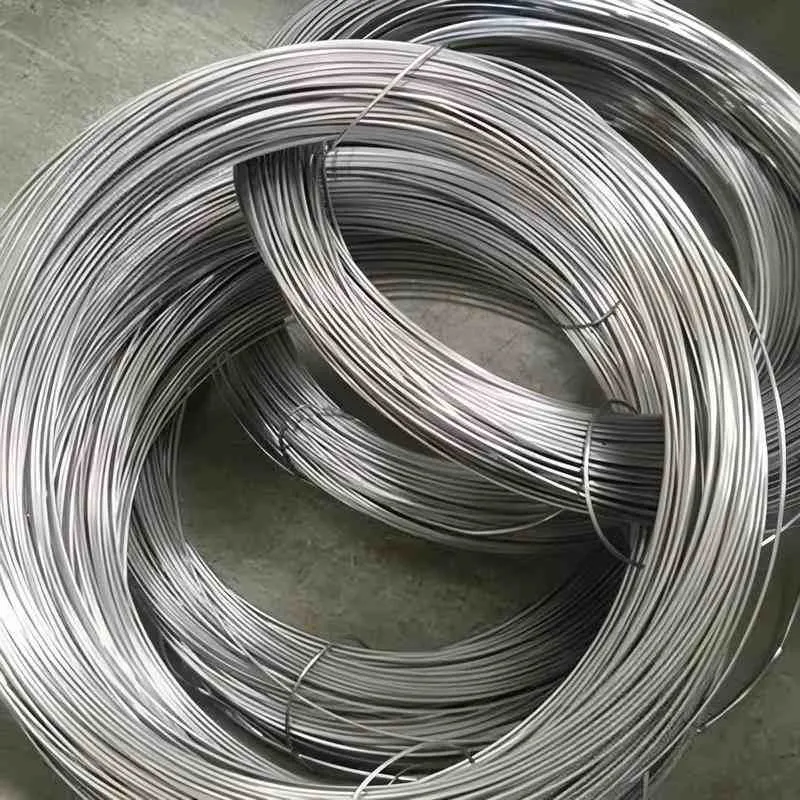
Crucible Steel LABELLE® Silicon #2 Tool Steel
Product Code : STI-GSTI-325-CU
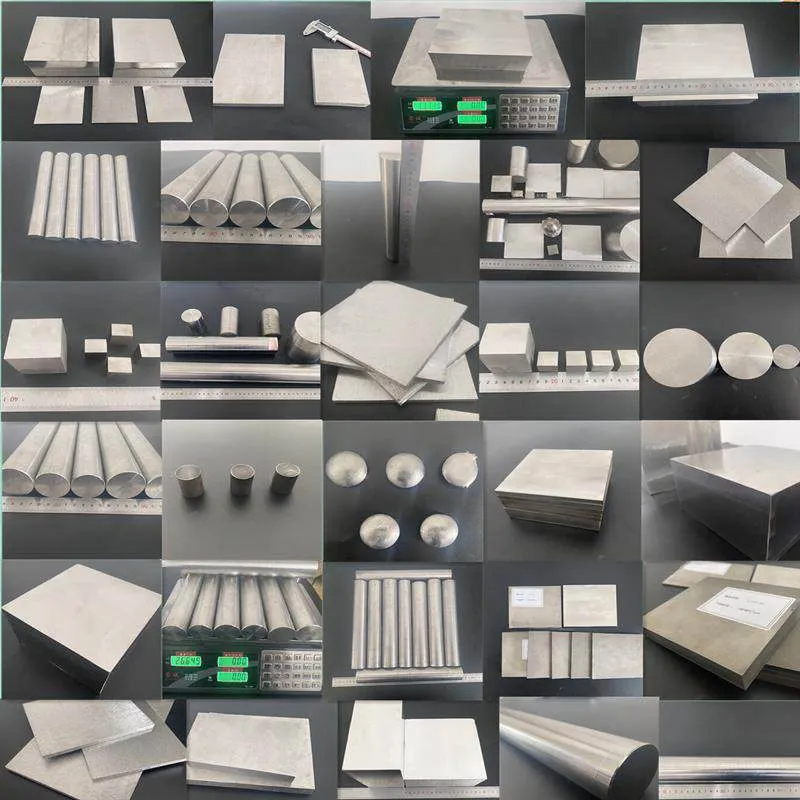
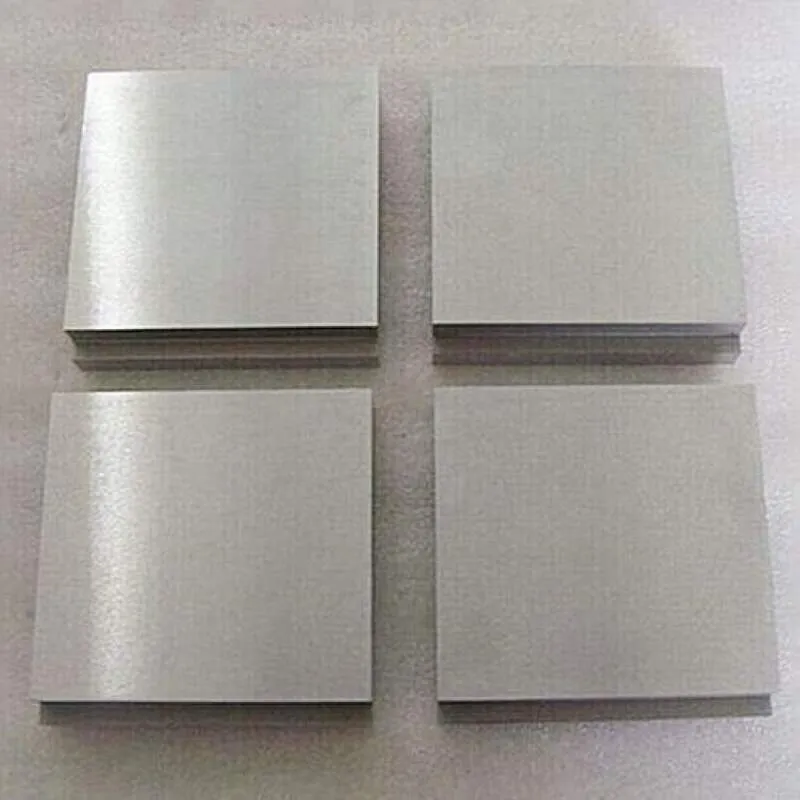
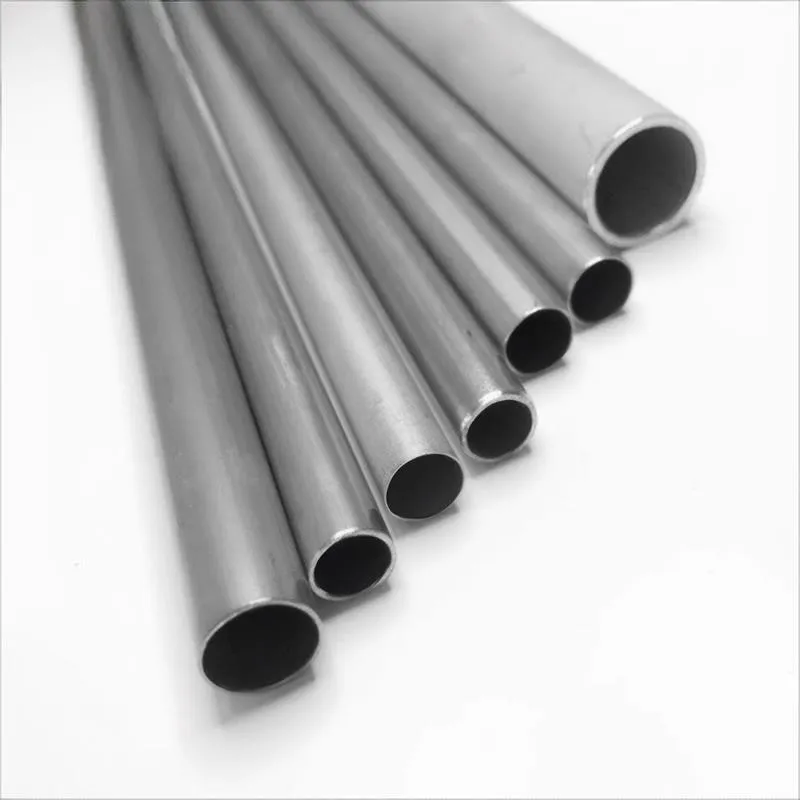
We provide Crucible Steel LABELLE® Silicon #2 Tool Steel is available in Bar (Round bar, Flat bar), Ribbon, Wire, Rods, Tube,Seamless Tube,Pipe, Ingots, Plate, Sheet, Strip and Forging Stock.,Purity, chemical composition, size, etc. can all be customized to meet specific requirements.
Please contact us if you need customized services. We will contact you with the price and availability in 24 hours.
Crucible Steel LABELLE® Silicon #2 Tool Steel Product Information
-:-
For detailed product information, please contact sales.
-:
Crucible Steel LABELLE® Silicon #2 Tool Steel Synonyms
-:-
For detailed product information, please contact sales.
-:
Crucible Steel LABELLE® Silicon #2 Tool Steel Product Information
-:-
For detailed product information, please contact sales.
-:
# **Product Introduction: Crucible Steel LABELLE® Silicon #2 Tool Steel**
Crucible Steel LABELLE® Silicon #2 represents a specialized, water-hardening tool steel distinguished by its **exceptionally high silicon content and low alloy composition**. As a member of the classic water-hardening (W-grade) family, it is engineered for applications requiring **maximum surface hardness, good wear resistance, and a very hard, durable cutting edge at a relatively low cost**. The high silicon content (approximately 2.00%) is its defining characteristic, providing enhanced strength and toughness to the hardened surface layer while improving resistance to softening during tempering.
LABELLE® Silicon #2 is a shallow-hardening steel, meaning it develops an extremely hard case with a tough, shock-absorbing core when properly water quenched. This property profile makes it particularly suitable for tools that require a sharp, hard edge but must also withstand impact or bending stress without catastrophic fracture. Its simplicity and effectiveness have made it a traditional choice for a range of cutting and striking tools where sophisticated alloy steels are not required or cost-effective.
---
## **1. Chemical Composition (Weight %)**
The composition is characterized by high carbon, very high silicon, and minimal other alloys, classifying it as a non-alloy or carbon tool steel.
| **Element** | **Carbon (C)** | **Silicon (Si)** | **Manganese (Mn)** | **Chromium (Cr)** | **Vanadium (V)** | **Sulfur (S) / Phosphorus (P)** |
| :--- | :--- | :--- | :--- | :--- | :--- | :--- |
| **Content** | 0.95 - 1.10 | **1.80 - 2.20** | 0.20 - 0.40 | 0.20 - 0.40 | 0.15 - 0.25 | ≤ 0.030 (each) |
| **Role** | Provides the essential element for high surface hardness. Forms hard iron carbides for wear resistance. | **Key alloy.** Significantly increases strength and toughness of the hardened case, improves resistance to tempering (hot hardness), and acts as a potent deoxidizer. | Contributes to hardenability and strength. Helps control the effects of sulfur. | Trace amounts slightly increase hardenability and wear resistance. | Refines grain size, improving toughness and wear resistance of the hardened case. | Impurities kept low to ensure cleanliness and toughness. |
*Note: Iron (Fe) constitutes the remainder. This is essentially a high-carbon steel modified with silicon, falling under the AISI W2 specification range with elevated silicon.*
---
## **2. Physical & Mechanical Properties**
*Properties are highly dependent on section size and quenching practice. Typical for properly water-quenched tools.*
* **Density:** ~7.85 g/cm³ (0.284 lb/in³)
* **Modulus of Elasticity:** ~205 GPa (29.7 x 10⁶ psi)
* **Thermal Conductivity:** Moderate.
* **Hardenability:** **Shallow (Water-Hardening).** Develops a very hard surface layer (up to ~66 HRC) with a rapidly decreasing hardness gradient towards a softer, tougher core. Effective case depth is limited (a few millimeters).
* **Surface Hardness (Quenched):** **Up to 66-67 HRC.** Can achieve extreme hardness, providing excellent sharpness and wear resistance at the edge.
* **Core Hardness & Toughness:** **Much lower (~35-45 HRC) but Very Tough.** The unhardened or partially hardened core provides exceptional shock absorption, preventing the tool from shattering under impact.
* **Wear Resistance (at the surface):** **Very Good.** The high-carbon martensite at the surface provides excellent resistance to abrasion.
* **Resistance to Softening:** **Good (for a carbon steel).** The high silicon content provides better resistance to tempering than plain carbon steels, allowing it to maintain hardness slightly better if heated during use.
* **Distortion & Cracking Risk:** **High.** Water quenching is severe and can cause significant distortion, warping, or cracking, especially in parts with non-uniform cross-sections or sharp corners. Requires skilled heat treatment.
---
## **3. Heat Treatment**
Heat treatment is critical and requires careful control due to the severe water quench.
* **Annealing:** Heat to 760-790°C (1400-1450°F), slow cool in furnace. Annealed hardness: 187-229 HB.
* **Preheating:** **Highly Recommended.** Preheat at 650-700°C (1200-1290°F) to reduce thermal shock.
* **Austenitizing:** **770-800°C (1420-1475°F).** A common temperature is **790°C (1450°F)**. Precise temperature control is needed to avoid grain growth.
* **Quenching:** **Water quench** or **brine quench.** This is a severe quench. Agitate vigorously. For simple shapes (like chisels), quench only the cutting end. The risk of cracking is high.
* **Tempering:** **Mandatory and Immediate.** Temper **immediately** after quenching, while the tool is still warm to the touch (50-100°C / 120-212°F).
* **Typical Tempering Range:** **150-230°C (300-450°F).**
* Tempering relieves quenching stresses and tailors the final hardness/toughness balance. A common temper for striking tools is **205-220°C (400-430°F)** for 1-2 hours.
* **Avoid tempering above ~260°C (500°F)** for extended periods, as it will rapidly soften the hard case.
---
## **4. Key Applications**
LABELLE® Silicon #2 is traditionally used for tools that benefit from a hard edge and a tough body.
* **Hand Striking & Cutting Tools:** Cold chisels, rock drills, masonary tools, and blacksmith's tools where a hard edge must withstand impact.
* **Woodworking Tools:** Planer blades, chisels, and drawknives that are hand-forged or require a keen, durable edge.
* **Metal Cutting Tools:** Some lathe tools, punches, and dies for low-volume or specialized work.
* **Springs and High-Strength Parts:** Flat springs or components where high elastic limit and fatigue resistance from the silicon content are beneficial.
* **Agricultural and Mining Tools:** Wear parts and blades subject to abrasion and shock.
---
## **5. International Standards & Cross-References**
LABELLE® Silicon #2 is Crucible's branded version of a high-silicon water-hardening tool steel, closely aligned with the AISI W2 variant.
* **AISI/SAE:** **W2** (with high Silicon specification). Often referred to as "Silicon W2" or "W1-Si".
* **UNS:** T72301 (for W1/W2 general classification)
* **European (EN):** No direct equivalent. Similar in application to some simple carbon tool steels.
* **Japanese (JIS):** **SK2** or **SKS 2** might be used for similar applications, though compositions differ.
* **Common Trade Names:** Silicon Steel, High-Silicon Tool Steel, Water-Hardening Silicon Steel.
---
## **6. Advantages & Limitations**
**Advantages:**
* **High Surface Hardness:** Capable of achieving a very hard, wear-resistant cutting edge.
* **Tough, Shock-Absorbing Core:** The soft core prevents catastrophic failure under impact.
* **Good Hot Hardness (for a carbon steel):** Silicon improves resistance to tempering during use.
* **Low Cost:** Inexpensive compared to alloy and high-speed tool steels.
* **Simple Composition:** Easy to forge and heat treat with basic equipment (though skill is required).
**Limitations:**
* **High Distortion and Cracking Risk:** Water quenching is unforgiving; complex shapes are difficult to process successfully.
* **Shallow Hardness Depth:** Not suitable for large parts requiring deep or uniform hardness.
* **Poor Hardenability:** Properties are highly section-sensitive; thick sections will not harden through.
* **Low Corrosion Resistance:** Rusts easily if not protected.
* **Requires Skill to Heat Treat:** Not a "foolproof" material; success depends heavily on the heat treater's expertise.
---
## **7. Summary**
**Crucible Steel LABELLE® Silicon #2 is a classic, no-frills tool steel that delivers exceptional performance for specific, traditional applications through a simple but effective principle: an ultra-hard surface backed by a tough core.** It is the steel of choice for blacksmiths, toolmakers, and artisans who understand and can master the art of water quenching. While modern alloy steels offer easier processing and more consistent properties, LABELLE® Silicon #2 remains unmatched for creating certain types of durable, hand-crafted striking and cutting tools where its unique property gradient is a design feature, not a limitation. It represents a foundational piece of tool steel technology that continues to be relevant where simplicity, cost, and a specific performance characteristic are paramount.
-:-
For detailed product information, please contact sales.
-:
Crucible Steel LABELLE® Silicon #2 Tool Steel Specification
Dimensions
Size:
Diameter 20-1000 mm Length <6981 mm
Size:We can customized as required
Standard:
Per your request or drawing
We can customized as required
Properties(Theoretical)
Chemical Composition
-:-
For detailed product information, please contact sales.
-:
Crucible Steel LABELLE® Silicon #2 Tool Steel Properties
-:-
For detailed product information, please contact sales.
-:
Applications of Crucible Steel LABELLE® Silicon #2 Tool Steel
-:-
For detailed product information, please contact sales.
-:
Chemical Identifiers Crucible Steel LABELLE® Silicon #2 Tool Steel
-:-
For detailed product information, please contact sales.
-:
Packing of Crucible Steel LABELLE® Silicon #2 Tool Steel
-:-
For detailed product information, please contact sales.
-:
Standard Packing:
-:-
For detailed product information, please contact sales.
-:
Typical bulk packaging includes palletized plastic 5 gallon/25 kg. pails, fiber and steel drums to 1 ton super sacks in full container (FCL) or truck load (T/L) quantities. Research and sample quantities and hygroscopic, oxidizing or other air sensitive materials may be packaged under argon or vacuum. Solutions are packaged in polypropylene, plastic or glass jars up to palletized 3452 gallon liquid totes Special package is available on request. E FORUs’ is carefully handled to minimize damage during storage and transportation and to preserve the quality of our products in their original condition