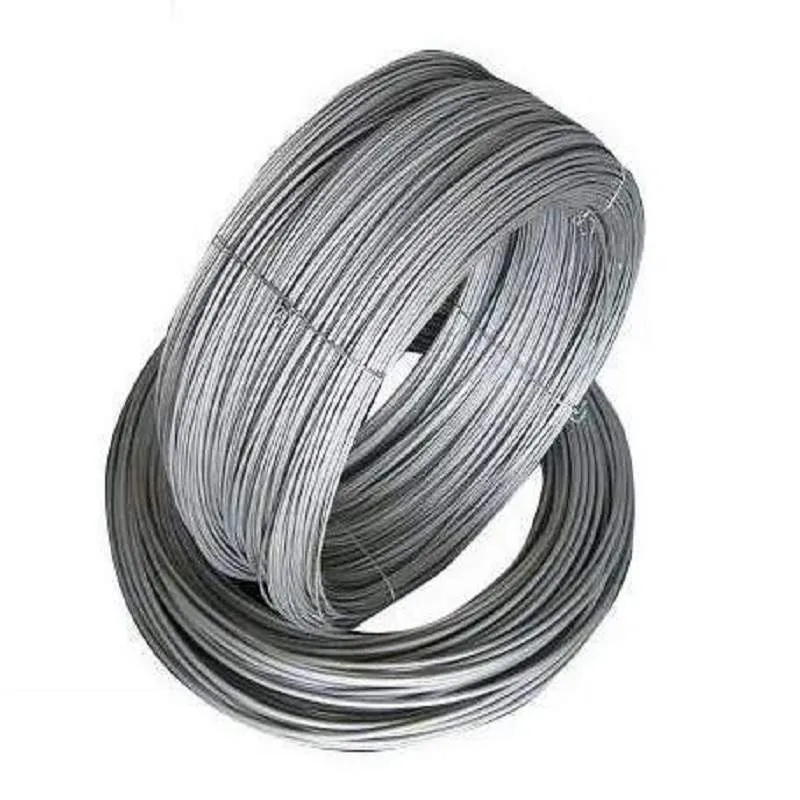
AISI Grade 18Ni (350) Maraging Steel nominal annealed
Product Code : STI-GSTI-695-CU
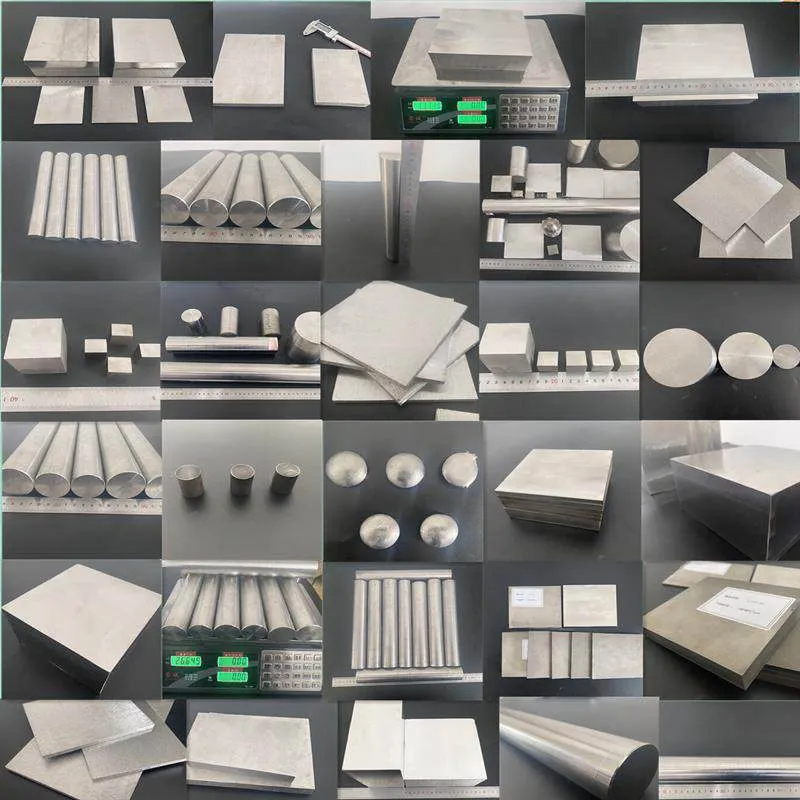
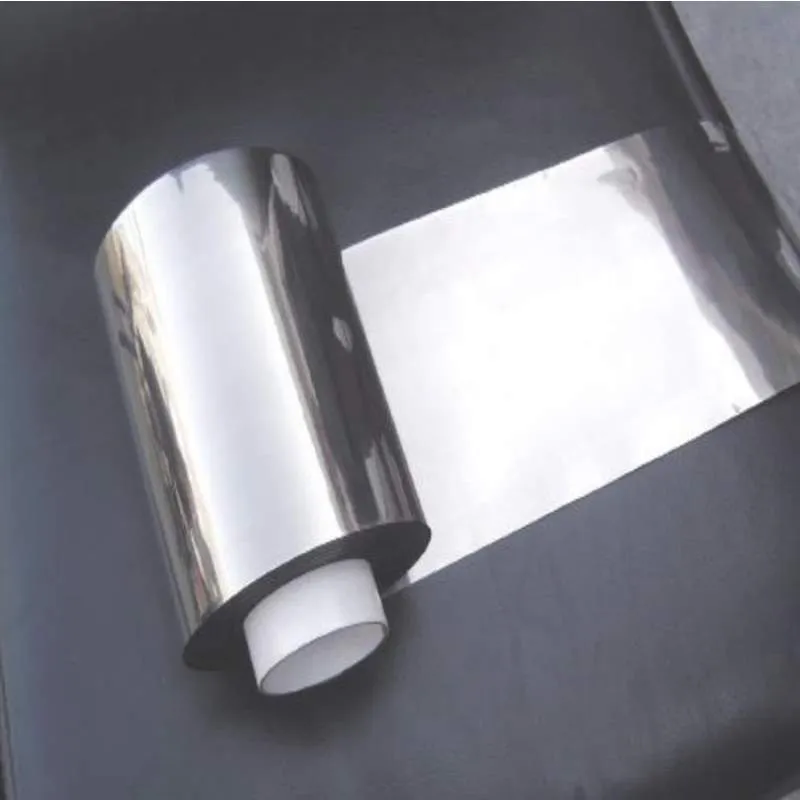
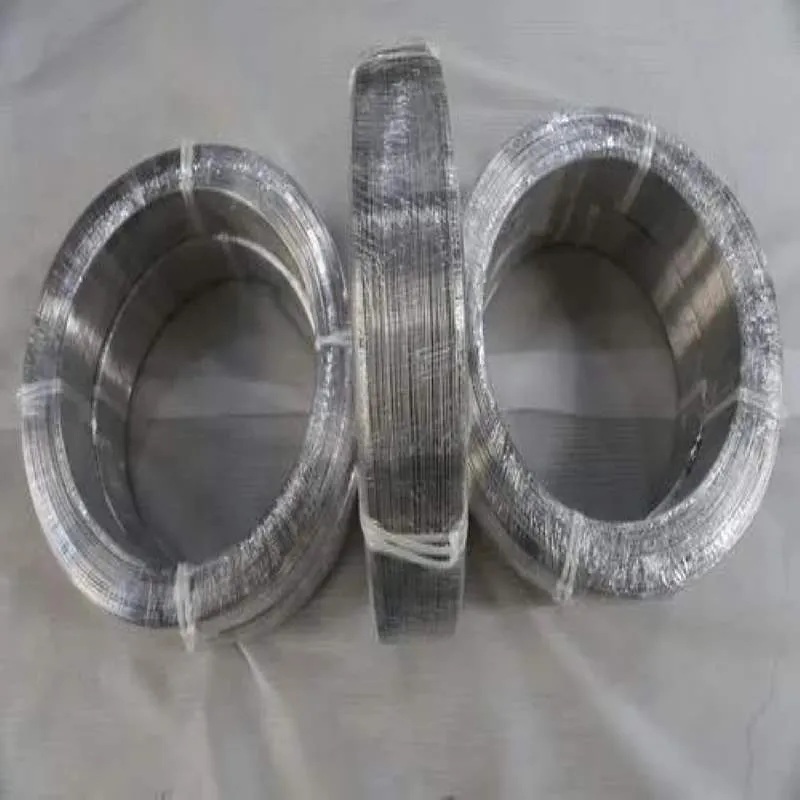
We provide AISI Grade 18Ni (350) Maraging Steel nominal annealed properties is available in Bar (Round bar, Flat bar), Ribbon, Wire, Rods, Tube,Seamless Tube,Pipe, Ingots, Plate, Sheet, Strip and Forging Stock.,Purity, chemical composition, size, etc. can all be customized to meet specific requirements.
Please contact us if you need customized services. We will contact you with the price and availability in 24 hours.
AISI Grade 18Ni (350) Maraging Steel nominal annealed properties Product Information
-:-
For detailed product information, please contact sales.
-:
AISI Grade 18Ni (350) Maraging Steel nominal annealed properties Synonyms
-:-
For detailed product information, please contact sales.
-:
AISI Grade 18Ni (350) Maraging Steel nominal annealed properties Product Information
-:-
For detailed product information, please contact sales.
-:
# AISI Grade 18Ni (350) Maraging Steel - Nominal Annealed Properties
## **Product Overview**
AISI Grade 18Ni (350), commonly known as **Maraging 350**, is an ultra-high-strength maraging steel designed to achieve the highest yield strength in the standard 18% nickel maraging steel family. When supplied in the **nominal annealed condition** (typically solution annealed at 815-830°C/1500-1525°F), the material is in a soft, ductile, and machinable state, serving as the essential precursor for subsequent age hardening. This intermediate condition features a low-carbon martensitic structure with minimal hardness, enabling extensive machining, forming, and welding operations before final precipitation hardening to ultimate tensile strengths exceeding 2400 MPa (350 ksi).
---
## **Chemical Composition (Weight %)**
| Element | Min (%) | Max (%) | Typical (%) | Primary Function |
|---------|---------|---------|-------------|------------------|
| **Nickel (Ni)** | 18.00 | 19.00 | 18.5 | Forms tough, ductile martensitic matrix |
| **Cobalt (Co)** | 11.50 | 12.50 | 12.0 | Increases supersaturation, enhances Mo precipitation |
| **Molybdenum (Mo)** | 4.60 | 5.20 | 4.9 | Primary precipitation hardener (forms Ni₃Mo) |
| **Titanium (Ti)** | 1.20 | 1.45 | 1.35 | Key precipitation hardener (forms Ni₃Ti) |
| **Aluminum (Al)** | 0.05 | 0.15 | 0.10 | Deoxidizer, minor precipitation contributor |
| **Carbon (C)** | — | 0.030 | 0.01 | Kept minimal for toughness and weldability |
| **Manganese (Mn)** | — | 0.10 | 0.05 | Residual element |
| **Silicon (Si)** | — | 0.10 | 0.05 | Residual element |
| **Boron (B)** | — | 0.005 | 0.003 | Enhances hardenability |
| **Zirconium (Zr)** | — | 0.02 | 0.01 | Grain refiner |
| **Sulfur (S)** | — | 0.010 | 0.003 | Impurity control |
| **Phosphorus (P)** | — | 0.010 | 0.005 | Impurity control |
| **Iron (Fe)** | Balance | — | — | Base element |
**Key Distinction from 18Ni (300):** Significantly higher **Cobalt (12% vs. 9%)** and **Titanium (1.35% vs. 0.65%)** content. This enhanced chemistry provides greater driving force for precipitation hardening, enabling higher final strength.
---
## **Standard Annealing Treatment**
- **Process:** Solution Annealing
- **Temperature:** 815-830°C (1500-1525°F) ± 10°C
- **Time:** 1 hour per inch of thickness (minimum 1 hour)
- **Cooling:** Air cool to ambient temperature
- **Resulting Microstructure:** Soft, low-carbon lath martensite with alloying elements in solid solution
- **Purpose:** Produces uniform, stress-relieved material optimal for fabrication; dissolves all prior precipitates
---
## **Mechanical Properties (Annealed Condition)**
| Property | Typical Value Range | Notes |
|----------|-------------------|-------|
| **Ultimate Tensile Strength (UTS)** | 1050-1150 MPa (152-167 ksi) | |
| **0.2% Yield Strength (YS)** | 1000-1100 MPa (145-160 ksi) | |
| **Elongation (% in 50 mm)** | 15-18% | Excellent for pre-hardening forming |
| **Reduction of Area** | 65-75% | |
| **Hardness** | 30-34 HRC (typical: 32 HRC) | Softer than annealed 18Ni(300) due to higher alloy content |
| **Modulus of Elasticity** | 180-185 GPa (26-27 × 10⁶ psi) | |
| **Poisson's Ratio** | 0.30-0.32 | |
| **Machinability Index** | 40-45% (relative to 1% C steel) | Good machinability for an ultra-high-strength alloy |
---
## **Physical Properties (Annealed Condition)**
| Property | Value | Condition/Notes |
|----------|-------|----------------|
| **Density** | 8.03 g/cm³ (0.290 lb/in³) | Slightly higher than 18Ni(300) due to increased Co/Ti |
| **Melting Range** | 1400-1430°C (2550-2610°F) | |
| **Thermal Conductivity** | 18-20 W/m·K | At 20°C |
| **Electrical Resistivity** | 0.65-0.70 μΩ·m | At 20°C |
| **Specific Heat** | 460 J/kg·K | At 20°C |
| **Coefficient of Thermal Expansion** | 10.5 × 10⁻⁶/°C | 20-100°C range |
| **Magnetic Properties** | Ferromagnetic | Martensitic structure |
---
## **Key Characteristics in Annealed Condition**
- **Excellent Fabricability:** Superior to the aged condition for all manufacturing operations
- **Uniform Microstructure:** Homogeneous martensite ensures consistent machining and forming behavior
- **Good Weldability:** All conventional welding methods applicable without preheat
- **Minimal Distortion:** Subsequent aging causes predictable dimensional growth (~0.06-0.08%)
- **Stress-Free State:** Annealing eliminates residual stresses from prior processing
- **Stable Storage:** Can be stored indefinitely without property degradation
---
## **Fabrication Advantages**
### **Machining**
- 25-35% faster machining rates compared to aged condition
- Produces continuous chips with good surface finish
- Reduced tool wear compared to machining aged material
- Suitable for complex, high-precision components
### **Forming**
- Can be cold formed with moderate deformation
- Hot forming possible at 700-925°C (1290-1700°F)
- Suitable for bending, punching, and shallow drawing operations
### **Welding**
- No preheat required for most thicknesses
- All major welding processes applicable (GTAW, GMAW, PAW)
- Best welded in fully annealed condition
- Requires post-weld solution annealing and aging for full properties
### **Heat Treatment Response**
- Fully responsive to standard maraging aging treatments
- Aging at 480°C (900°F) for 3-6 hours develops peak strength
- Achieves ultimate tensile strength > 2400 MPa (350 ksi) after aging
---
## **International Standards & Designations**
| Standard | Designation | Condition Specification |
|----------|-------------|------------------------|
| **ASTM (USA)** | — | Typically proprietary; no specific ASTM for 350 grade |
| **AMS (Aerospace)** | AMS 6518 | Maraging Steel, 18Ni 11.5Co 4.8Mo 1.4Ti (0.10Al) (0.020C) |
| **AMS (Aerospace)** | AMS 6521 (Note) | Sometimes referenced but primarily for 300 grade |
| **UNS** | K92890 (shared with 300) | May require additional specification |
| **Proprietary** | Maraging 350, 18Ni350, VascoMax 350 | Common industry names |
| **Military** | MIL-S-46850 | May include 350 grade specifications |
*Note: 18Ni(350) is often covered under proprietary or customer-specific specifications rather than general industry standards.*
---
## **Typical Applications for Annealed Material**
### **Aerospace & Defense**
- **Rocket motor cases and nozzles**
- **Missile structural components**
- **Aircraft landing gear components** (forgings/forms)
- **Helicopter rotor components**
- **Ordnance and armor applications**
### **Tooling & Industrial**
- **High-performance injection mold bases and cores**
- **Extrusion dies for high-strength materials**
- **Die-casting tooling**
- **Precision gauges and fixtures**
- **High-load bearing components**
### **Specialized Applications**
- **High-pressure vessel components**
- **Nuclear tooling and components**
- **High-performance automotive racing components**
- **Critical fasteners and connectors**
- **Research and development prototypes**
---
## **Aging Treatment for Final Properties**
### **Standard Aging Cycle (after fabrication)**
- **Temperature:** 480°C (900°F) ± 5°C
- **Time:** 3-6 hours (depending on section size)
- **Cooling:** Air cool
- **Resulting Properties after Aging:**
- Ultimate Tensile Strength: 2400-2450 MPa (348-355 ksi)
- Yield Strength: 2300-2350 MPa (334-341 ksi)
- Hardness: 54-57 HRC
- Fracture Toughness: 35-50 MPa√m
---
## **Quality Assurance & Certification**
### **Standard Deliverables**
1. **Material Test Certificate 3.1** per EN 10204
2. **Chemical Analysis Certificate** (ladle and product analysis)
3. **Mechanical Test Results** from annealed condition
4. **Hardness Test Report** (typically Brale C scale)
5. **Ultrasonic Testing Certificate** (when specified)
6. **Traceability Documentation** (heat number, processing history)
### **Testing Requirements**
- Tensile testing from longitudinal specimen
- Hardness testing (surface and mid-thickness)
- Macro and microstructural examination
- Non-destructive testing as specified
---
## **Comparison with 18Ni(300) in Annealed State**
| Property | 18Ni(350) Annealed | 18Ni(300) Annealed | Difference |
|----------|-------------------|-------------------|------------|
| **Yield Strength** | 1000-1100 MPa | 950-1050 MPa | ~5% higher |
| **Hardness** | 30-34 HRC | 28-32 HRC | 2 HRC points higher |
| **Machinability** | Slightly lower | Slightly better | Due to higher alloy content |
| **Aging Response** | Much stronger | Standard | 350 achieves ~15% higher final strength |
| **Cost** | Significantly higher | High | Due to high Co content |
---
## **Storage & Handling Guidelines**
- Store in clean, dry environment to prevent corrosion
- Protect machined surfaces with appropriate coatings or papers
- Use proper lifting equipment to prevent bending or distortion
- Maintain traceability tags and markings throughout processing
- Shelf life: Indefinite when properly stored and protected
---
## **Processing Recommendations**
### **Optimal Manufacturing Sequence**
1. **Receive material** in annealed condition
2. **Rough machine** to near-net shape
3. **Stress relieve** if heavy machining performed (650°C/1200°F, 2 hours)
4. **Finish machine** to final dimensions (allow for aging growth)
5. **Age harden** at 480°C (900°F) for 3-6 hours
6. **Final grind/Polish** if required (minimal stock removal)
### **Critical Considerations**
- **Aging growth:** Allow 0.06-0.08% linear expansion in dimensions
- **Distortion:** Complex parts may require fixturing during aging
- **Surface protection:** Prevent decarburization during heat treatment
- **Quality control:** Verify properties after aging with hardness tests
---
## **Economic & Technical Considerations**
### **Advantages**
- Enables fabrication of ultra-high-strength components with complex geometries
- Reduces manufacturing costs compared to machining aged material
- Allows for weld repairs and modifications before final hardening
- Provides predictable and consistent final properties after aging
### **Limitations**
- Higher material cost than 18Ni(300) due to cobalt content
- Requires careful control of aging process for optimal properties
- Final machining after aging is difficult and expensive
- Limited availability compared to more common grades
---
## **Technical Notes**
### **Metallurgical Characteristics**
- Higher alloy content provides greater hardenability than 18Ni(300)
- More pronounced aging response due to increased Ti and Co
- Slightly lower toughness in aged state compared to 18Ni(300)
- Excellent resistance to stress corrosion cracking in aged condition
### **Special Processing Requirements**
- May require extended solution annealing times for heavy sections
- Aging time may need adjustment based on specific chemistry
- Critical applications may require double aging treatments
- Thermal cycling below aging temperature has minimal effect
---
## **Summary**
AISI Grade 18Ni (350) Maraging Steel in the nominal annealed condition represents the optimal starting point for manufacturing components requiring the ultimate in strength-to-weight ratio. Its soft, ductile state enables conventional fabrication techniques to be employed, while its sophisticated chemistry ensures transformation to exceptional strength levels (2400+ MPa) through a simple, low-distortion aging process. This material is specified for the most demanding applications where performance justifies its premium cost, particularly in aerospace, defense, and high-performance tooling sectors where maximum strength is non-negotiable. Proper handling and processing in the annealed condition are essential to achieving the full performance potential of this elite engineering material.
-:-
For detailed product information, please contact sales.
-:
AISI Grade 18Ni (350) Maraging Steel nominal annealed properties Specification
Dimensions
Size:
Diameter 20-1000 mm Length <7351 mm
Size:We can customized as required
Standard:
Per your request or drawing
We can customized as required
Properties(Theoretical)
Chemical Composition
-:-
For detailed product information, please contact sales.
-:
AISI Grade 18Ni (350) Maraging Steel nominal annealed properties Properties
-:-
For detailed product information, please contact sales.
-:
Applications of AISI Grade 18Ni (350) Maraging Steel nominal annealed properties
-:-
For detailed product information, please contact sales.
-:
Chemical Identifiers AISI Grade 18Ni (350) Maraging Steel nominal annealed properties
-:-
For detailed product information, please contact sales.
-:
Packing of AISI Grade 18Ni (350) Maraging Steel nominal annealed properties
-:-
For detailed product information, please contact sales.
-:
Standard Packing:
-:-
For detailed product information, please contact sales.
-:
Typical bulk packaging includes palletized plastic 5 gallon/25 kg. pails, fiber and steel drums to 1 ton super sacks in full container (FCL) or truck load (T/L) quantities. Research and sample quantities and hygroscopic, oxidizing or other air sensitive materials may be packaged under argon or vacuum. Solutions are packaged in polypropylene, plastic or glass jars up to palletized 3822 gallon liquid totes Special package is available on request. E FORUs’ is carefully handled to minimize damage during storage and transportation and to preserve the quality of our products in their original condition