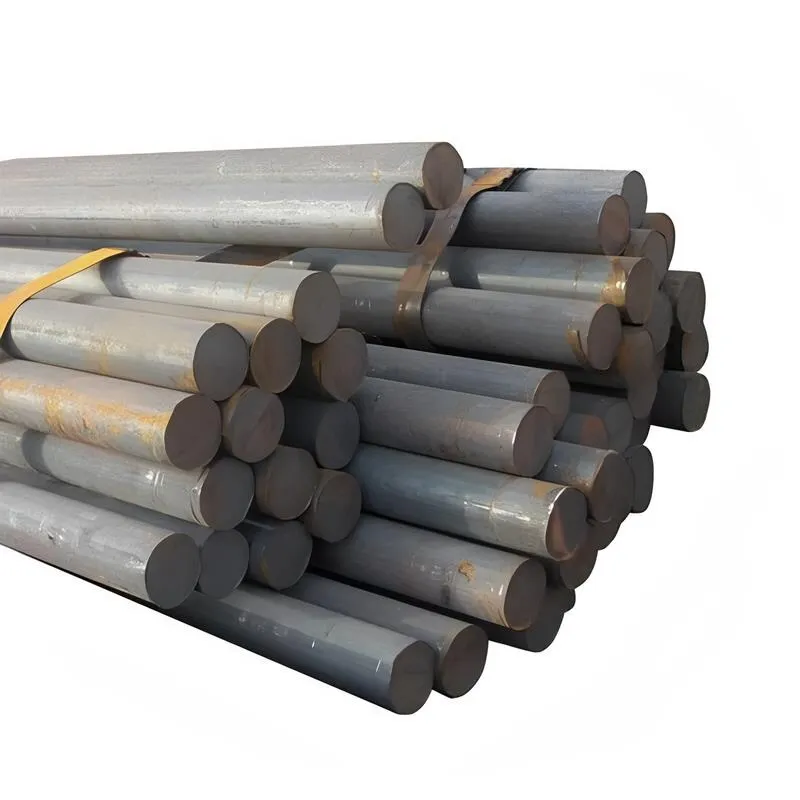
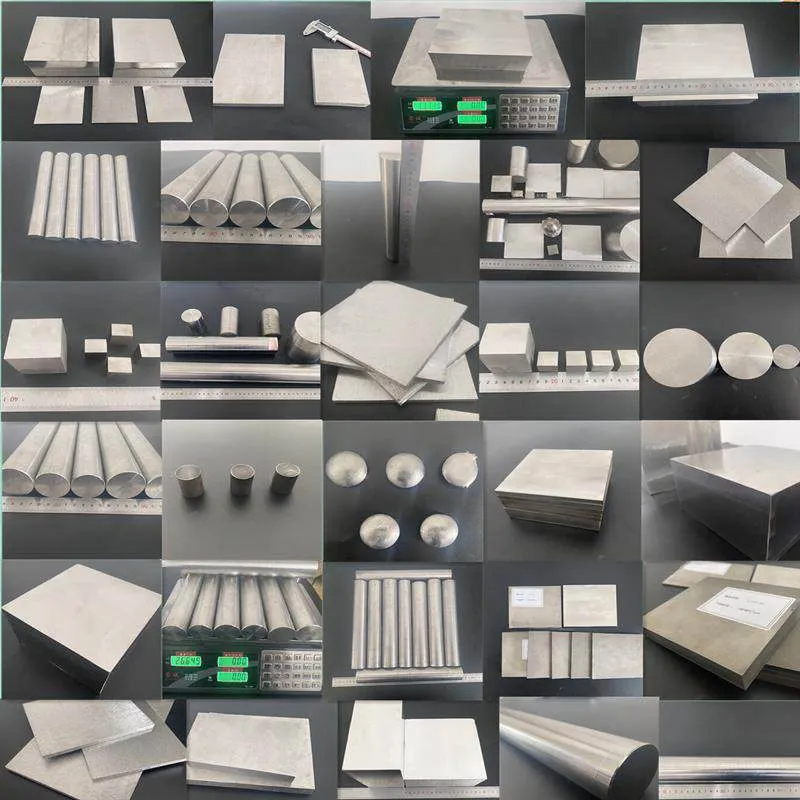
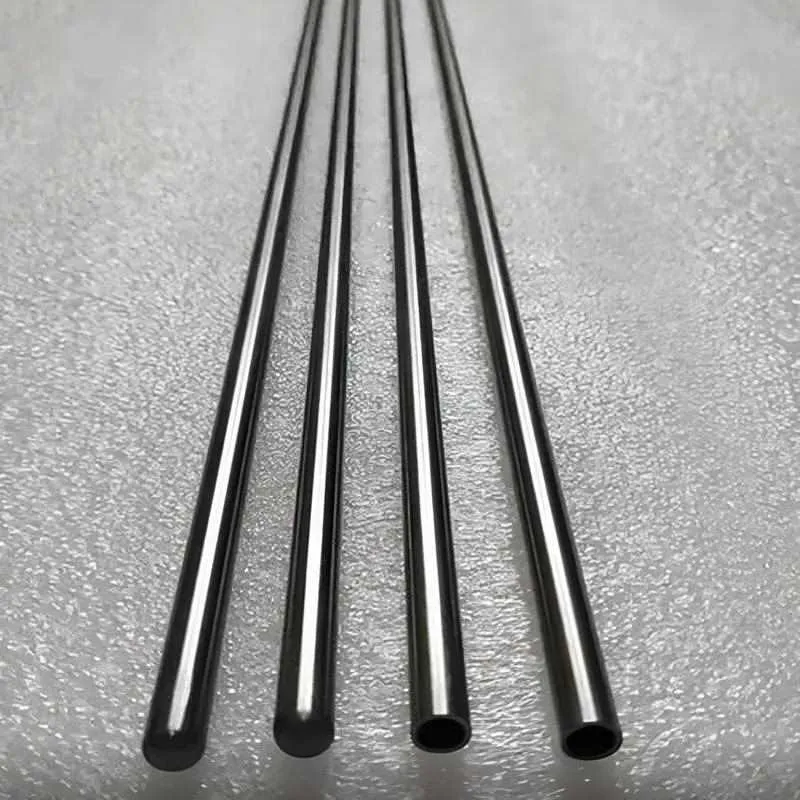
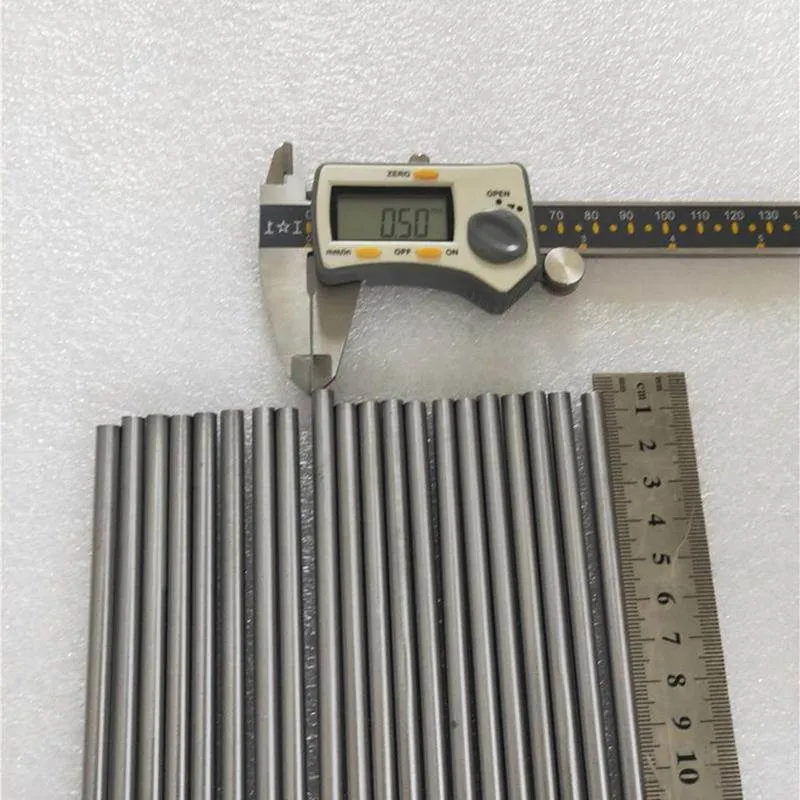
AISI Type H15 Hot Work Tool Steel Rod/Bar
Product Code : STI-GSTI-034-CU
We provide AISI Type H15 Hot Work Tool Steel Rod/Bar is available in Bar (Round bar, Flat bar), Ribbon, Wire, Rod/Bars, Tube,Seamless Tube,Pipe, Ingots, Plate, Sheet, Strip and Forging Stock.,Purity, chemical composition, size, etc. can all be customized to meet specific requirements.
Please contact us if you need customized services. We will contact you with the price and availability in 24 hours.
AISI Type H15 Hot Work Tool Steel Rod Product Information
-:-
For detailed product information, please contact sales.
-:
AISI Type H15 Hot Work Tool Steel Rod Synonyms
-:-
For detailed product information, please contact sales.
-:
AISI Type H15 Hot Work Tool Steel Product Information
-:-
For detailed product information, please contact sales.
-:
# **Product Introduction: AISI Type H15 Hot Work Tool Steel**
## **Overview**
**AISI Type H15** is a **medium-carbon, chromium-molybdenum hot work tool steel** distinguished by its **elevated molybdenum content and balanced chromium composition**. As part of the chromium-based H-series hot work steels, H15 is engineered to provide **excellent high-temperature strength, good toughness, and superior hardenability** for demanding hot forming applications. With a higher molybdenum content than H13 but without the vanadium addition of more specialized grades, H15 offers a unique property profile that makes it particularly suitable for applications requiring **good resistance to thermal softening and creep at elevated temperatures**.
---
## **Chemical Composition (Typical Weight %)**
H15 features a distinctive chromium-molybdenum composition with minimal vanadium.
| Element | Content (%) | Role in Hot Work Performance |
| :--- | :--- | :--- |
| **Carbon (C)** | 0.35 - 0.45 | Provides base hardness and strength while maintaining good toughness at elevated temperatures. |
| **Chromium (Cr)** | 4.00 - 4.75 | Provides oxidation resistance, moderate hardenability, and contributes to hot strength. |
| **Molybdenum (Mo)** | **3.50 - 4.00** | **Elevated molybdenum content.** Enhances high-temperature strength, creep resistance, hardenability, and promotes fine grain structure. Primary strengthening element in H15. |
| **Vanadium (V)** | **≤ 0.25** | Minimal content; H15 relies primarily on molybdenum rather than vanadium for elevated temperature properties. |
| **Silicon (Si)** | 0.80 - 1.20 | Increases resistance to thermal fatigue and oxidation. |
| **Manganese (Mn)** | 0.20 - 0.50 | Aids hardenability and deoxidization. |
| **Sulfur (S)** | ≤ 0.03 | - |
| **Phosphorus (P)** | ≤ 0.03 | - |
| **Iron (Fe)** | **Balance** | Base metal. |
**Key Distinction:** H15's **elevated molybdenum content (3.50-4.00%)** combined with **minimal vanadium (≤0.25%)** distinguishes it from other chromium hot work steels. This composition prioritizes molybdenum's benefits—excellent hardenability and high-temperature strength—while minimizing the potential brittleness associated with high vanadium carbides.
---
## **Physical & Mechanical Properties**
*Properties are for material in the hardened and tempered condition.*
| Property | Typical Value / Description |
| :--- | :--- |
| **Density** | ~7.82 g/cm³ (0.283 lb/in³) |
| **Hardness (Annealed)** | 200 - 230 HB |
| **Hardness (Hardened & Tempered)** | **42 - 52 HRC** (Typically operated at 45-48 HRC for hot work applications) |
| **Hot Hardness (at 540°C / 1000°F)** | **~36-40 HRC** (Good retention of hardness at elevated temperature due to high molybdenum content) |
| **Tensile Strength** | 1500 - 1750 MPa (at 46 HRC) |
| **Yield Strength (0.2%)** | 1300 - 1550 MPa (at 46 HRC) |
| **Elongation** | 8 - 12% (at 46 HRC) |
| **Impact Toughness (Charpy)** | 20 - 35 J (at 46 HRC) |
| **Thermal Fatigue Resistance** | **Good.** Adequate resistance to heat checking, though slightly inferior to vanadium-containing grades like H13 in severe thermal cycling. |
| **Thermal Conductivity** | **~27.5 W/m·K** at 20°C |
| **Coefficient of Thermal Expansion** | ~12.2 × 10⁻⁶/°C (20-500°C) |
| **Maximum Continuous Service Temperature** | **~550°C (1020°F)** |
| **Deep Hardenability** | **Excellent.** High molybdenum content provides superior through-hardening in thick sections. |
| **Machinability (Annealed)** | **Fair to Good** (~60% of 1% carbon steel). |
| **Grindability** | **Good.** Absence of hard vanadium carbides makes grinding easier than vanadium-containing grades. |
---
## **Heat Treatment Guidelines**
Proper heat treatment is essential to develop H15's optimal properties.
| Process | Parameters | Special Considerations for H15 |
| :--- | :--- | :--- |
| **Annealing** | Heat to 845-870°C (1550-1600°F), slow furnace cool to 480°C (900°F) at ≤15°C/hr, then air cool. | Results in ~215 HB for machining. |
| **Stress Relieving** | 650-675°C (1200-1250°F) for 2 hrs, air cool. | Recommended after rough machining. |
| **Preheating** | **Preheat at 650-760°C (1200-1400°F).** | Essential for minimizing thermal shock. |
| **Austenitizing** | **1000-1030°C (1830-1885°F).** Soak: 20-30 min/inch. | Use protective atmosphere to prevent decarburization. |
| **Quenching** | **Air quench** (preferred) or oil quench for maximum hardness in thick sections. | High molybdenum content provides excellent air hardenability even in substantial sections. |
| **Tempering** | **Double temper at 550-600°C (1020-1110°F)** for 2+ hours each. | Higher tempering temperatures develop optimal secondary hardening response. |
---
## **Product Applications**
H15 is particularly suitable for applications where high hardenability and good high-temperature strength are required.
### **Primary Hot Work Applications:**
1. **Hot Extrusion Tooling:** Mandrels, liners, and die holders for aluminum and copper extrusion, especially for thick sections requiring deep hardenability.
2. **Hot Forging Dies & Inserts:** For forging of non-ferrous metals and lower-temperature steel forging where high hardenability is beneficial.
3. **Die Casting Components:** Core pins, ejector pins, and inserts for aluminum and zinc die casting, particularly in thick sections.
4. **Hot Work Punches & Piercers:** Subject to high pressure in thick cross-sections.
5. **Plastic Injection Molds:** For high-temperature engineering plastics, especially in large molds requiring uniform hardness.
6. **Hot Shear Blades & Cutting Tools:** For cutting hot metals.
7. **Tools for Isothermal Forging:** Where uniform properties through thick sections are critical.
### **Industry Usage:**
- **Metal Extrusion** (particularly for large profiles)
- **Hot Forging**
- **Die Casting**
- **Heavy Equipment Manufacturing**
- **Plastics Processing**
---
## **International Standards & Cross-Reference**
AISI H15 is a specialized grade with limited direct international equivalents.
| Standard | Designation | Equivalent / Similar Grade |
| :--- | :--- | :--- |
| **AISI/SAE (USA)** | **H15** | - |
| **UNS (USA)** | **T20815** | - |
| **ASTM (USA)** | A681 | Grade H15 |
| **Europe (EN)** | **No direct equivalent** | - |
| **Germany (DIN)** | **~1.2885** (Approximate) | 45CrMoV6-7 (Different composition) |
| **Japan (JIS)** | **Not standard** | - |
| **ISO** | **No direct equivalent** | - |
**Important Note:** AISI H15 is a relatively uncommon grade with **no exact equivalents** in major international standards. Its high molybdenum, low vanadium composition makes it unique among standard hot work steels. Some European grades with similar chromium-molybdenum ratios exist but typically contain different alloying balances.
---
## **Technical Comparison: H15 vs. Other Hot Work Steels**
| Property | **H15 (UNS T20815)** | **H13 (UNS T20813)** | **H10 (UNS T20810)** |
| :--- | :--- | :--- | :--- |
| **Molybdenum Content** | **3.50-4.00%** | 1.25-1.75% | 2.50-3.00% |
| **Vanadium Content** | **≤ 0.25%** | **0.80-1.20%** | 0.25-0.50% |
| **Chromium Content** | 4.00-4.75% | **4.75-5.50%** | 3.00-3.75% |
| **Primary Characteristic** | **High Hardenability** | **Balanced Performance** | **Toughness & Thermal Fatigue** |
| **Hot Hardness** | Good | Very Good | Good |
| **Deep Hardenability** | **Excellent** | Very Good | Very Good |
| **Wear Resistance** | Fair (low vanadium) | **Good** | Fair |
| **Typical Applications** | **Thick sections, extrusion** | **General-purpose** | **Thermal fatigue applications** |
---
## **Advantages & Considerations**
### **Advantages:**
1. **Excellent Deep Hardenability:** Superior through-hardening in thick sections due to high molybdenum content.
2. **Good High-Temperature Strength:** Maintains mechanical properties at elevated temperatures suitable for most hot work applications.
3. **Good Toughness:** Absence of hard vanadium carbides contributes to better impact resistance than high-vanadium grades at equivalent hardness.
4. **Good Machinability & Grindability:** Easier to fabricate than vanadium-containing hot work steels.
5. **Resistance to Thermal Softening:** High molybdenum content provides good resistance to tempering effects during high-temperature service.
### **Considerations:**
1. **Lower Wear Resistance:** Minimal vanadium content reduces abrasion resistance compared to vanadium-containing grades.
2. **Reduced Thermal Fatigue Resistance:** May be more susceptible to heat checking than vanadium-containing grades in severe thermal cycling.
3. **Limited Availability:** Much less common than H13; often requires special ordering.
4. **Higher Cost:** Elevated molybdenum content increases material cost compared to standard hot work grades.
5. **Specific Application Focus:** Best suited for applications leveraging its high hardenability; over-specified for general-purpose use.
---
## **Metallurgical Characteristics**
### **Molybdenum Strengthening Mechanism:**
1. **Solid Solution Strengthening:** Molybdenum atoms in the ferrite/martensite matrix impede dislocation movement.
2. **Carbide Formation:** Forms Mo₂C carbides that contribute to secondary hardening during tempering.
3. **Grain Refinement:** Molybdenum inhibits austenite grain growth during high-temperature processing.
4. **Hardenability Enhancement:** Molybdenum significantly increases hardenability, allowing air hardening of thick sections.
### **Microstructural Stability:**
The high molybdenum content promotes formation of fine, stable carbides that resist coarsening during prolonged exposure to elevated temperatures, maintaining strength over extended service periods.
---
## **Specialized Applications**
### **Thick-Section Tooling:**
H15 is particularly valuable for:
- **Large extrusion dies** for aluminum and copper
- **Thick forging dies** requiring uniform hardness through the cross-section
- **Large die casting inserts** where through-hardening is critical
- **Massive hot work tools** where conventional steels might not harden fully
### **Applications Benefiting from High Hardenability:**
- **Tools with varying cross-sections** requiring uniform properties
- **Components subject to high compressive loads** throughout their thickness
- **Tools where oil quenching is impractical** but full hardness is required
---
## **Processing & Fabrication**
### **Machining Recommendations:**
- Use carbide tools for optimal productivity
- Moderate cutting speeds with generous feeds
- High-pressure coolant recommended for deep hole drilling or heavy milling
- Stress relieve after rough machining (650°C for 2 hours)
### **Heat Treatment Best Practices:**
1. **For maximum hardenability in thick sections:** Oil quench from 1020°C
2. **For complex shapes with distortion concerns:** Air quench from 1000°C
3. **For optimal toughness:** Temper at 580-600°C to achieve 44-46 HRC
4. **For maximum high-temperature strength:** Temper at 550-570°C to achieve 48-50 HRC
---
## **Modern Relevance & Niche Applications**
While H15 is not as widely used as H13, it maintains relevance in specific applications:
1. **Legacy Tooling:** Where original specifications call for H15 and retooling is impractical.
2. **Specialized Extrusion Tooling:** Particularly for large aluminum profiles.
3. **Custom Tooling for Unique Applications:** Where its specific combination of high hardenability and good toughness is advantageous.
4. **Research & Development:** As a reference material for studying molybdenum's effects in hot work steels.
---
## **Conclusion**
**AISI Type H15 Hot Work Tool Steel** represents a **specialized, high-molybdenum variant** within the chromium hot work steel family, engineered to provide **exceptional hardenability and good high-temperature strength** through its elevated molybdenum content. While its **limited wear resistance (due to low vanadium) and reduced availability** restrict its use compared to mainstream grades like H13, H15 offers **unique advantages for specific applications** requiring deep hardenability in thick sections or where the grinding difficulties of vanadium-containing steels are problematic.
For tooling engineers working with **large extrusion dies, thick forging tools, or massive hot work components** where uniform through-hardening is critical, H15 provides a **targeted material solution** that leverages molybdenum's potent hardenability effects. It serves as a reminder of the diverse alloying approaches available in hot work steel design and maintains a niche position for applications where its specific property profile aligns with demanding technical requirements. In an era of increasing specialization, H15 exemplifies how tailored alloy compositions can address specific performance challenges in high-temperature tooling applications.
-:-
For detailed product information, please contact sales.
-:
AISI Type H15 Hot Work Tool Steel Specification
Dimensions
Size:
Diameter 20-1000 mm Length <6690 mm
Size:We can customized as required
Standard:
Per your request or drawing
We can customized as required
Properties(Theoretical)
Chemical Composition
-:-
For detailed product information, please contact sales.
-:
AISI Type H15 Hot Work Tool Steel Properties
-:-
For detailed product information, please contact sales.
-:
Applications of AISI Type H15 Hot Work Tool Steel Rod
-:-
For detailed product information, please contact sales.
-:
Chemical Identifiers AISI Type H15 Hot Work Tool Steel Rod
-:-
For detailed product information, please contact sales.
-:
Packing of AISI Type H15 Hot Work Tool Steel Rod
-:-
For detailed product information, please contact sales.
-:
Standard Packing:
-:-
For detailed product information, please contact sales.
-:
Typical bulk packaging includes palletized plastic 5 gallon/25 kg. pails, fiber and Steel Rod drums to 1 ton super sacks in full container (FCL) or truck load (T/L) quantities. Research and sample quantities and hygroscopic, oxidizing or other air sensitive materials may be packaged under argon or vacuum. Solutions are packaged in polypropylene, plastic or glass jars up to palletized 3161 gallon liquid totes Special package is available on request. E FORUs’ is carefully handled to minimize damage during storage and transportation and to preserve the quality of our products in their original condition