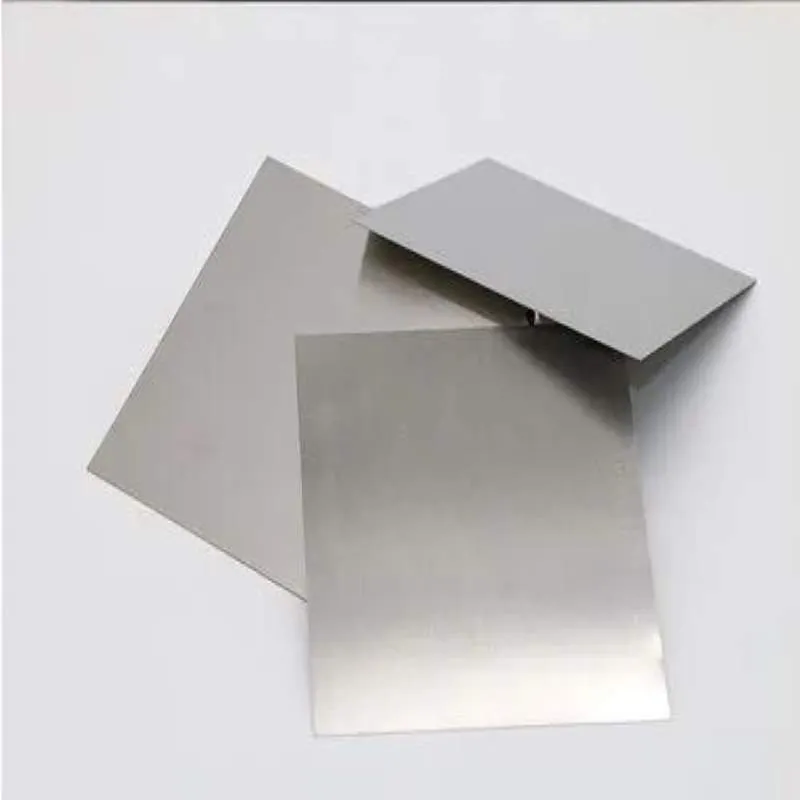
AISI Type H41 Hot Work Tool Steel Sheet,Plate
Product Code : STI-GSTI-045-CU
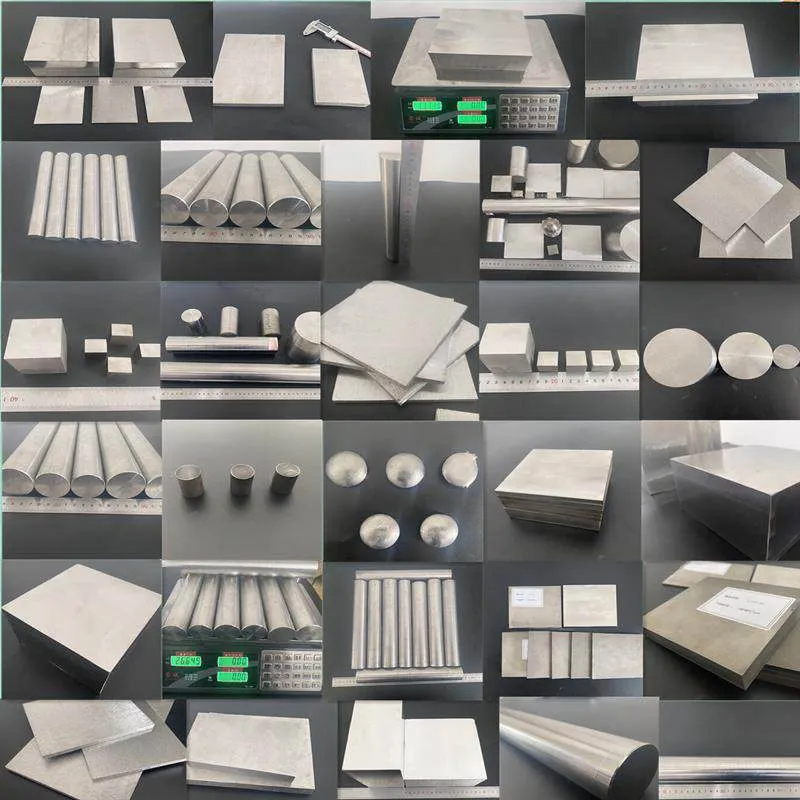
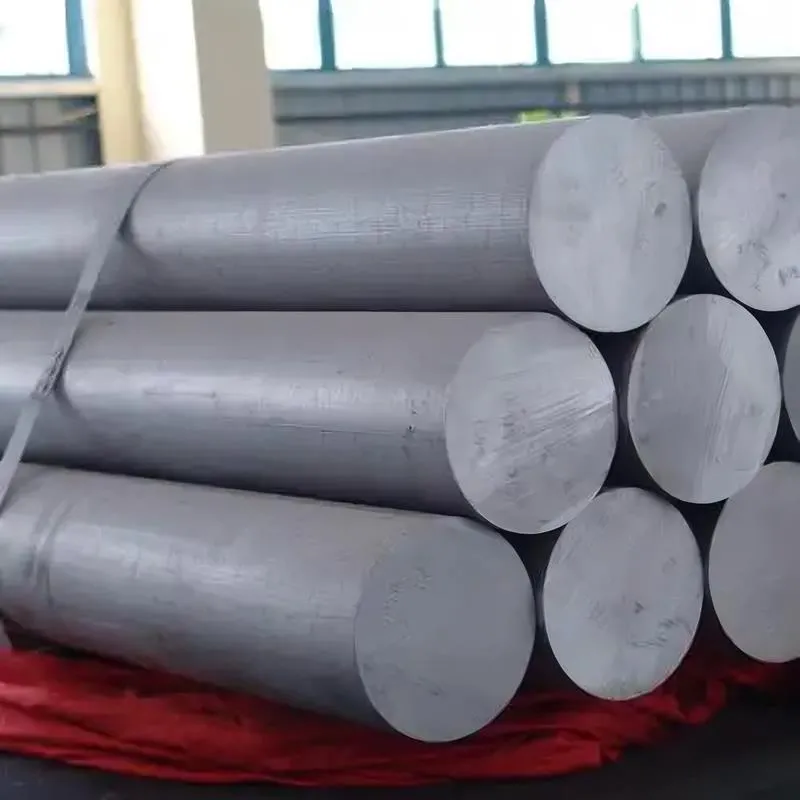
We provide AISI Type H41 Hot Work Tool Steel Sheet/Plate is available in Bar (Round bar, Flat bar), Ribbon, Wire, Rods, Tube,Seamless Tube,Pipe, Ingots, Plate, Sheet/Plate, Strip and Forging Stock.,Purity, chemical composition, size, etc. can all be customized to meet specific requirements.
Please contact us if you need customized services. We will contact you with the price and availability in 24 hours.
AISI Type H41 Hot Work Tool Steel Sheet/Plate Product Information
-:-
For detailed product information, please contact sales.
-:
AISI Type H41 Hot Work Tool Steel Sheet/Plate Synonyms
-:-
For detailed product information, please contact sales.
-:
AISI Type H41 Hot Work Tool Steel Product Information
-:-
For detailed product information, please contact sales.
-:
# **Product Introduction: AISI Type H41 Hot Work Tool Steel**
## **Overview**
**AISI Type H41** is a **specialized molybdenum-based hot work tool steel** that represents a unique compositional approach within the H-series. Characterized by its **significant molybdenum content with balanced tungsten and chromium**, H41 is engineered to provide **enhanced hot hardness, good thermal fatigue resistance, and moderate toughness** for specific high-temperature applications. As part of the less common molybdenum-tungsten hot work steel series, H41 offers a distinctive property profile that bridges characteristics between mainstream chromium-molybdenum steels and specialized tungsten grades, making it suitable for niche applications requiring a specific balance of high-temperature performance and fabricability.
---
## **Chemical Composition (Typical Weight %)**
H41 features a distinctive molybdenum-tungsten-chromium balance optimized for specific high-temperature performance.
| Element | Content (%) | Role in Hot Work Performance |
| :--- | :--- | :--- |
| **Molybdenum (Mo)** | **7.00 - 8.00** | **Primary high-temperature strengthening element.** Provides excellent hot hardness, enhances hardenability significantly, and improves creep resistance at elevated temperatures. Higher than most other hot work steels. |
| **Tungsten (W)** | **1.50 - 2.00** | **Complementary element.** Works synergistically with molybdenum to enhance hot hardness and thermal stability without the excessive brittleness of high-tungsten steels. |
| **Chromium (Cr)** | **3.75 - 4.50** | Provides oxidation resistance, contributes to hardenability, and forms chromium carbides for additional hot strength. |
| **Vanadium (V)** | **1.80 - 2.20** | **High vanadium content.** Forms substantial vanadium carbides (VC) for excellent wear resistance at elevated temperatures and significantly refines grain structure. |
| **Carbon (C)** | **0.60 - 0.70** | **Relatively high carbon content.** Provides good hardness and wear resistance while maintaining reasonable toughness through balanced alloying. |
| **Silicon (Si)** | 0.80 - 1.20 | Improves oxidation and thermal fatigue resistance. |
| **Manganese (Mn)** | 0.20 - 0.50 | Aids hardenability and deoxidization. |
| **Sulfur (S)** | ≤ 0.03 | - |
| **Phosphorus (P)** | ≤ 0.03 | - |
| **Cobalt (Co)** | **0%** | Notably absent, distinguishing H41 from cobalt-enhanced grades. |
| **Iron (Fe)** | **Balance** | Base metal. |
**Key Distinction:** H41's **high molybdenum content (7-8%) with moderate tungsten (1.5-2%) and substantial vanadium (1.8-2.2%)** creates a unique material that emphasizes molybdenum as the primary strengthener while using tungsten as a complementary element. This differs fundamentally from both the chromium-molybdenum series (H10-H13) and the tungsten series (H20-H26), representing a molybdenum-dominant approach with supporting tungsten.
---
## **Physical & Mechanical Properties**
*Properties are for material in the hardened and tempered condition (typical operating hardness 50-54 HRC).*
| Property | Typical Value / Description |
| :--- | :--- |
| **Density** | ~8.00 g/cm³ |
| **Hardness (Annealed)** | 230 - 260 HB |
| **Hardness (Hardened & Tempered)** | **50 - 58 HRC** (Typically operated at 52-56 HRC) |
| **Hot Hardness (at 600°C / 1110°F)** | **~44-48 HRC** (Excellent retention at elevated temperatures) |
| **Tensile Strength** | 1750 - 2100 MPa (at 54 HRC) |
| **Yield Strength (0.2%)** | 1550 - 1900 MPa (at 54 HRC) |
| **Elongation** | **3 - 7%** (at 54 HRC) |
| **Impact Toughness (Charpy)** | **8 - 15 J** (at 54 HRC; moderate for its hardness level) |
| **Thermal Fatigue Resistance** | **Good.** Molybdenum contributes to reasonable resistance to heat checking. |
| **Thermal Conductivity** | **~25.5 W/m·K** at 20°C |
| **Coefficient of Thermal Expansion** | ~11.9 × 10⁻⁶/°C (20-500°C) |
| **Maximum Continuous Service Temperature** | **~620°C (1150°F)** |
| **Specific Heat Capacity** | 460 J/kg·K |
| **Deep Hardenability** | **Excellent.** High molybdenum content provides exceptional through-hardening. |
| **Machinability (Annealed)** | **Poor** (~35% of 1% carbon steel). Difficult due to high alloy and vanadium carbide content. |
| **Grindability** | **Very Poor.** High vanadium content makes grinding particularly challenging. |
---
## **Heat Treatment Guidelines**
Precise heat treatment is essential for H41's optimal performance due to its high alloy content.
| Process | Parameters | Special Considerations for H41 |
| :--- | :--- | :--- |
| **Annealing** | Heat to 870-900°C (1600-1650°F), slow furnace cool to 480°C (900°F) at ≤15°C/hr, then air cool. | Results in ~245 HB; essential for any machining. |
| **Stress Relieving** | 650-700°C (1200-1290°F) for 2-3 hrs, air cool. | Recommended after rough machining. |
| **Preheating** | **Double preheat:** 650°C (1200°F) and 850°C (1560°F). | Important due to high alloy content and thermal sensitivity. |
| **Austenitizing** | **1080-1130°C (1975-2065°F).** Soak: 20-30 min/inch. | High temperature required; protective atmosphere essential. |
| **Quenching** | **Oil quench** (preferred) or air quench for complex shapes. | Vigorous agitation recommended; high-pressure gas quenching optimal. |
| **Tempering** | **Double or triple temper at 580-640°C (1075-1185°F)** for 2+ hours each. | High tempering temperatures develop optimal secondary hardening; cryogenic treatment beneficial. |
---
## **Product Applications**
H41 is specialized for applications requiring excellent hot hardness with good wear resistance at elevated temperatures.
### **Primary Hot Work Applications:**
#### **1. High-Temperature, High-Wear Forming:**
- **Hot forging dies** for abrasive high-temperature alloys
- **Extrusion tooling** for materials requiring both temperature resistance and wear resistance
- **Hot stamping dies** for advanced high-strength steels
#### **2. Specialized Die Casting Applications:**
- **Die casting components** for high-melting-point or abrasive alloys
- **Cores and inserts** subject to severe thermal cycling and wear
- **Nozzles and goosenecks** for specialized casting operations
#### **3. Advanced Material Processing:**
- **Tools for powder metallurgy** hot isostatic pressing
- **Hot isostatic pressing (HIP) tooling** for advanced materials
- **Tools for superplastic forming** of aerospace alloys
### **Specific Industry Usage:**
- **Aerospace Component Manufacturing** (specialized forming operations)
- **Advanced Automotive** (hot stamping of ultra-high-strength steels)
- **Specialty Metal Processing** (exotic alloys, metal matrix composites)
- **Research & Development** in advanced forming technologies
- **Power Generation** (specialized high-temperature tooling)
---
## **International Standards & Cross-Reference**
H41 is an extremely specialized grade with essentially no direct international equivalents.
| Standard | Designation | Equivalent / Similar Grade |
| :--- | :--- | :--- |
| **AISI/SAE (USA)** | **H41** | - |
| **UNS (USA)** | **T20841** (Presumed) | - |
| **ASTM (USA)** | A681 | Likely included but rarely specified |
| **Europe (EN)** | **No direct equivalent** | - |
| **Germany (DIN)** | **No direct equivalent** | - |
| **Japan (JIS)** | **No standard equivalent** | - |
| **ISO** | **No direct equivalent** | - |
| **UK (BS)** | **No equivalent** | - |
**Critical Note:** **AISI H41 is an exceptionally rare and specialized grade** with **no direct international equivalents**. Its unique high-molybdenum, moderate-tungsten, high-vanadium composition places it completely outside standard international tool steel classifications. It represents one of the most niche compositions within the entire AISI tool steel system, developed for highly specific applications that never gained broader adoption.
---
## **Technical Comparison: H41 vs. Other Hot Work Steels**
| Property | **H41** | **H13 (UNS T20813)** | **H21 (UNS T20821)** | **H10 (UNS T20810)** |
| :--- | :--- | :--- | :--- | :--- |
| **Molybdenum** | **7.00-8.00%** | 1.25-1.75% | 0% | 2.50-3.00% |
| **Tungsten** | 1.50-2.00% | 0% | **8.00-10.00%** | 0% |
| **Vanadium** | **1.80-2.20%** | 0.80-1.20% | 0.30-0.60% | 0.25-0.50% |
| **Carbon** | **0.60-0.70%** | 0.32-0.45% | 0.25-0.35% | 0.35-0.45% |
| **Hot Hardness (600°C)** | **~44-48 HRC** | ~36-40 HRC | ~40-44 HRC | ~38-42 HRC |
| **Wear Resistance** | **Best** (high C + V) | Good | Very Good | Fair |
| **Toughness (54 HRC)** | 8-15 J | **18-28 J** | 12-20 J | 15-25 J |
| **Max Service Temp** | **~620°C (1150°F)** | ~540°C (1000°F) | ~650°C (1200°F) | ~540°C (1000°F) |
| **Primary Characteristic** | **High temp wear resistance** | **Balanced general-purpose** | **High-temperature forging** | **Thermal fatigue resistance** |
---
## **Advantages & Considerations**
### **Advantages:**
1. **Excellent Hot Hardness:** Superior resistance to softening at elevated temperatures due to high molybdenum content.
2. **Exceptional Wear Resistance:** High vanadium and carbon content provides outstanding abrasion resistance at temperature.
3. **Good High-Temperature Stability:** Maintains mechanical properties well during prolonged high-temperature exposure.
4. **Excellent Hardenability:** Very deep hardening characteristics due to high molybdenum.
5. **Unique Property Balance:** Offers a specific combination of properties not easily achieved with mainstream grades.
### **Considerations & Limitations:**
1. **Very Low Toughness:** Limited impact resistance even for hot work steel standards.
2. **Extremely Limited Availability:** Essentially obsolete; would require custom production.
3. **High Cost:** Significant molybdenum and vanadium content makes it expensive.
4. **Poor Fabricability:** Very difficult to machine and grind.
5. **Complex Heat Treatment:** Requires precise control and specialized equipment.
6. **Minimal Application History:** Very limited documented successful applications.
7. **Essentially Obsolete:** Superseded by more modern, available alternatives.
---
## **Historical Context & Evolution**
### **Development Rationale:**
H41 was likely developed during the mid-20th century as metallurgists explored various alloy combinations to address specific industrial challenges. Its composition suggests it was designed for applications requiring:
1. **Better hot hardness than H13** but without tungsten's brittleness
2. **Superior wear resistance** at elevated temperatures
3. **Deep hardenability** for thick sections
4. **Specific thermal fatigue characteristics**
### **Why It Never Gained Traction:**
1. **Commercial Factors:** High cost of molybdenum and vanadium
2. **Practical Issues:** Difficult fabrication limited widespread adoption
3. **Performance Trade-offs:** Toughness limitations restricted application range
4. **Market Consolidation:** Industry standardized on fewer, more versatile grades
5. **Technological Evolution:** Newer materials and surface engineering reduced need for such specialized bulk compositions
### **Modern Status:**
In contemporary tool steel practice, H41 is considered essentially **historical/obsolete**. Its theoretical applications are now addressed by:
1. **Premium H13 variants** with optimized heat treatment
2. **Surface-engineered solutions** using advanced coatings on standard substrates
3. **Specialized tungsten steels** for higher temperature needs
4. **Alternative material systems** including nickel-based alloys
5. **Process improvements** that reduce tooling demands
---
## **Metallurgical Analysis**
### **Microstructural Characteristics:**
1. **High Carbide Volume:** Significant volume fraction of Mo-rich, V-rich, and Cr-rich carbides
2. **Complex Carbide System:** Multiple carbide types (Mo₂C, VC, Cr₇C₃) in sophisticated distribution
3. **Matrix Composition:** High alloy content in solid solution provides exceptional high-temperature strength
4. **Grain Structure:** Extremely fine due to vanadium's potent grain-refining effects
### **Strengthening Mechanisms:**
1. **Carbide Strengthening:** Primary mechanism from molybdenum and vanadium carbides
2. **Solid Solution Strengthening:** Significant molybdenum and tungsten in matrix
3. **Grain Boundary Strengthening:** Fine grain structure from vanadium
4. **Secondary Hardening:** Strong precipitation hardening during tempering
---
## **Practical Recommendations for Modern Engineers**
### **If Considering H41-Type Properties:**
1. **First evaluate premium H13** with appropriate hardness (50-54 HRC) and advanced heat treatment
2. **Consider H11** if better toughness is needed at slightly lower hardness
3. **Investigate surface engineering:** Nitriding, PVD/CVD coatings on H13 or H11 substrates
4. **Evaluate H10** for better thermal fatigue resistance if that's a priority
5. **For higher temperatures,** consider H21 or modified tungsten grades
### **If Legacy System Requires H41:**
1. **Document the requirement thoroughly** including all historical specifications
2. **Work with specialty steel producers** capable of custom melts
3. **Consider material substitution** with proper engineering analysis and testing
4. **Plan for extended lead times** and significantly higher costs
5. **Implement rigorous quality control** throughout the supply chain
### **Modern Alternatives Offering Similar Performance:**
1. **ESR/VAR H13** at 50-52 HRC with optimized tempering
2. **H13 with advanced PVD coatings** (TiAlN, AlCrN) for wear resistance
3. **Modified H11/H13 grades** with micro-alloying enhancements
4. **Powder metallurgy tool steels** for better toughness at high hardness
5. **Alternative material systems** for extreme conditions
---
## **Economic & Commercial Perspective**
### **Cost Analysis (Historical Context):**
- **Material Cost:** 3-5× higher than H13 due to high Mo and V
- **Fabrication Cost:** 2-3× higher due to machining difficulty
- **Heat Treatment Cost:** 1.5-2× higher with specialized requirements
- **Total Cost:** Prohibitive for all but most specialized applications
### **Why H41 Failed Commercially:**
1. **Diminishing Returns:** Incremental performance gains didn't justify substantial cost increases
2. **Application Limitations:** Narrow property window restricted use cases
3. **Supply Chain Challenges:** Required specialized production and processing
4. **Risk Aversion:** Industry preferred proven, widely available materials
5. **Technological Disruption:** New approaches reduced need for such specialized bulk materials
---
## **Conclusion**
**AISI Type H41 Hot Work Tool Steel** represents one of the most specialized and ultimately unsuccessful compositional experiments in the history of hot work steel development. Its **high-molybdenum, moderate-tungsten, high-vanadium composition** was theoretically designed to offer a **unique balance of hot hardness, wear resistance, and hardenability**, but practical limitations prevented its widespread adoption.
Today, H41 serves primarily as a **metallurgical case study** in the evolution of tool steel technology. It illustrates several important principles:
1. **Technical innovation must align with commercial realities**
2. **Extreme specialization often leads to commercial failure**
3. **Industry tends to consolidate around optimal, versatile solutions**
4. **Materials evolution is path-dependent and influenced by many factors**
For contemporary engineers, H41's legacy is not as a practical material choice, but as a reminder to:
- **Seek balanced solutions** rather than single-property optimization
- **Consider total system costs** including fabrication and processing
- **Evaluate modern alternatives** including surface engineering
- **Understand that material selection** involves technical, economic, and practical considerations
In the modern manufacturing landscape, the theoretical applications that might have justified H41 are now addressed through **more sophisticated approaches** including advanced grades of mainstream materials, surface engineering technologies, improved process controls, and alternative material systems. H41 remains as a historical footnote—a technically interesting but commercially impractical solution that highlights the complex interplay between metallurgical innovation and industrial adoption.
-:-
For detailed product information, please contact sales.
-:
AISI Type H41 Hot Work Tool Steel Specification
Dimensions
Size:
Diameter 20-1000 mm Length <6701 mm
Size:We can customized as required
Standard:
Per your request or drawing
We can customized as required
Properties(Theoretical)
Chemical Composition
-:-
For detailed product information, please contact sales.
-:
AISI Type H41 Hot Work Tool Steel Properties
-:-
For detailed product information, please contact sales.
-:
Applications of AISI Type H41 Hot Work Tool Steel Sheet,Plate
-:-
For detailed product information, please contact sales.
-:
Chemical Identifiers AISI Type H41 Hot Work Tool Steel Sheet,Plate
-:-
For detailed product information, please contact sales.
-:
Packing of AISI Type H41 Hot Work Tool Steel Sheet/Plate
-:-
For detailed product information, please contact sales.
-:
Standard Packing:
-:-
For detailed product information, please contact sales.
-:
Typical bulk packaging includes palletized plastic 5 gallon/25 kg. pails, fiber and Steel Sheet/Plate drums to 1 ton super sacks in full container (FCL) or truck load (T/L) quantities. Research and sample quantities and hygroscopic, oxidizing or other air sensitive materials may be packaged under argon or vacuum. Solutions are packaged in polypropylene, plastic or glass jars up to palletized 3172 gallon liquid totes Special package is available on request. E FORUs’ is carefully handled to minimize damage during storage and transportation and to preserve the quality of our products in their original condition