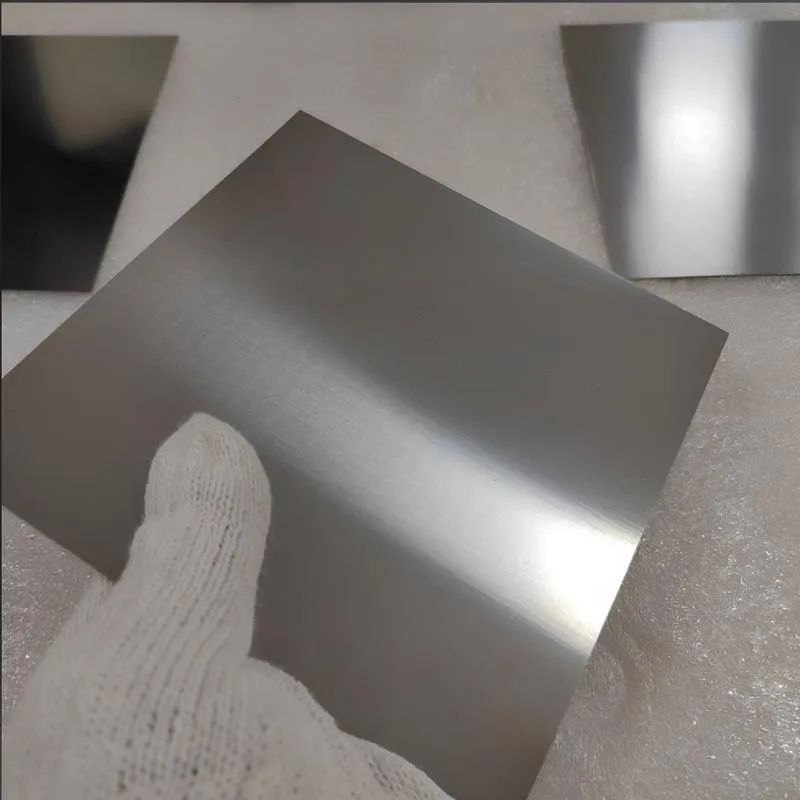
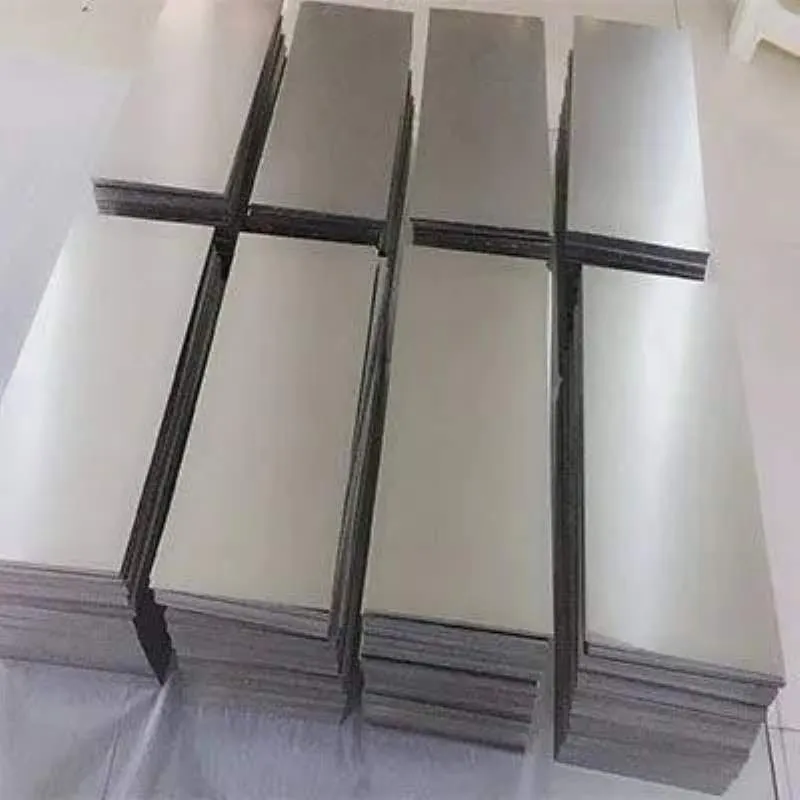
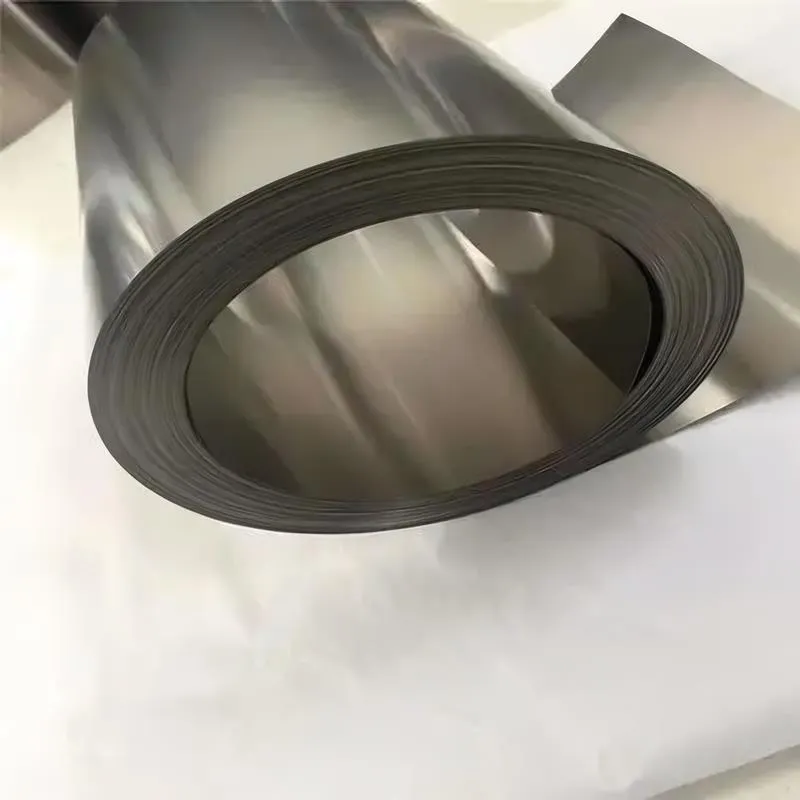
X2CrNiMoN18154 Stainless Steel Sheet,Plate,for implant surgery
Product Code : STI-GSTI-768-CU
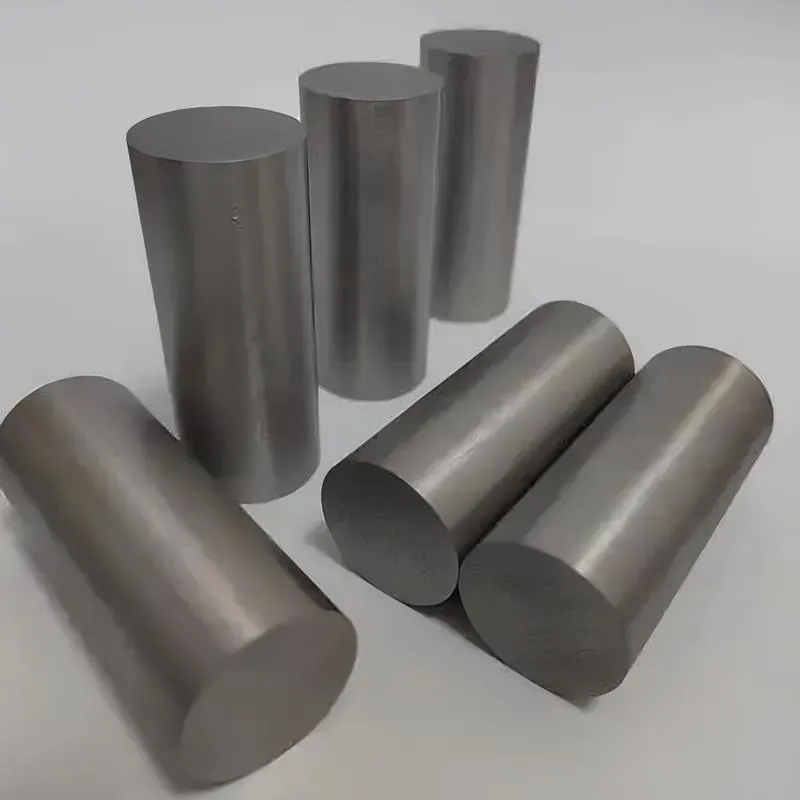
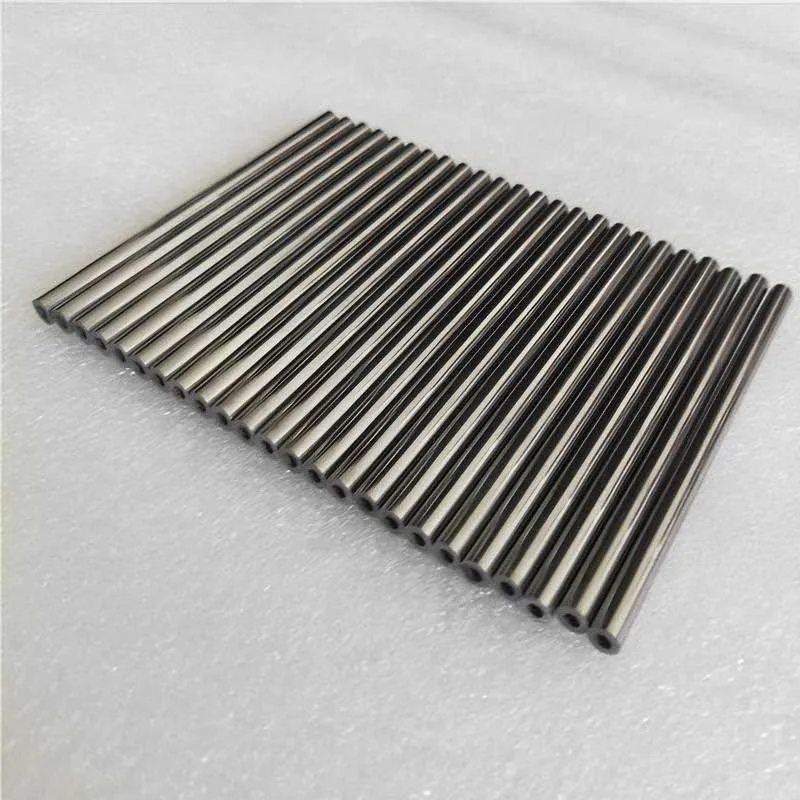
We provide X2CrNiMoN18154 Stainless Steel Sheet/Plate for implant surgery is available in Bar (Round bar, Flat bar), Ribbon, Wire, Rods, Tube,Seamless Tube,Pipe, Ingots, Plate, Sheet/Plate, Strip and Forging Stock.,Purity, chemical composition, size, etc. can all be customized to meet specific requirements.
Please contact us if you need customized services. We will contact you with the price and availability in 24 hours.
X2CrNiMoN18154 Stainless Steel Sheet/Plate for implant surgery Product Information
-:-
For detailed product information, please contact sales.
-:
X2CrNiMoN18154 Stainless Steel Sheet/Plate for implant surgery Synonyms
-:-
For detailed product information, please contact sales.
-:
X2CrNiMoN18154 Stainless Steel for implant surgery Product Information
-:-
For detailed product information, please contact sales.
-:
# X2CrNiMoN18-15-4 Super-Austenitic Stainless Steel for Implant Surgery
## Overview
X2CrNiMoN18-15-4 is an advanced super-austenitic stainless steel specifically engineered for demanding long-term implant applications, particularly in aggressive physiological environments. Characterized by exceptionally high nickel content, elevated molybdenum levels, controlled nitrogen addition, and ultra-low carbon, this alloy represents the pinnacle of corrosion-resistant stainless steels for implant surgery. Designed to provide outstanding biocompatibility, exceptional mechanical properties, and unparalleled resistance to corrosion in chloride-rich bodily fluids, it serves as a premium alternative to conventional 316L stainless steel and offers competitive advantages compared to titanium and cobalt-chromium alloys in specific applications.
## International Standards & Designations
| Standard System | Designation | Notes |
|----------------|-------------|-------|
| **ISO** | X2CrNiMoN18-15-4 | Primary material designation |
| **European (EN)** | 1.4456 (modified) | Similar composition with variations |
| **ASTM** | F2229 / F2634 (philosophically similar) | Nitrogen-strengthened stainless steels |
| **ISO 5832-9** | Applicable | Wrought high nitrogen stainless steel |
| **ISO 5832-1** | Extended range | For stainless steel surgical implants |
| **Proprietary Names** | Various | Often marketed as "Ultra-High Nitrogen" or "UHNS" steels |
## Chemical Composition (Typical, % by weight)
| Element | Minimum (%) | Maximum (%) | Optimal Range (%) | Functional Significance |
|---------|-------------|-------------|-------------------|-------------------------|
| **Carbon (C)** | - | 0.030 | 0.008-0.018 | Ultra-low for maximum sensitization resistance |
| **Chromium (Cr)** | 17.00 | 19.00 | 17.5-18.5 | Passive film formation, corrosion resistance |
| **Nickel (Ni)** | 14.00 | 16.00 | 14.5-15.5 | Austenite stabilization, ductility, biocompatibility |
| **Molybdenum (Mo)** | 3.50 | 4.50 | 3.8-4.2 | Exceptional pitting/crevice corrosion resistance |
| **Nitrogen (N)** | 0.18 | 0.28 | 0.20-0.25 | Solid solution strengthening, enhanced corrosion resistance |
| **Manganese (Mn)** | 1.80 | 2.50 | 2.0-2.3 | Austenite stabilizer, nitrogen solubility enhancer |
| **Silicon (Si)** | - | 0.40 | 0.10-0.25 | Deoxidizer |
| **Phosphorus (P)** | - | 0.018 | ≤0.012 | Impurity control (minimize for fatigue resistance) |
| **Sulfur (S)** | - | 0.006 | ≤0.003 | Impurity control (minimize for ductility) |
| **Copper (Cu)** | - | 0.30 | ≤0.15 | Optional for improved corrosion in specific environments |
| **Vanadium (V)** | - | 0.10 | 0.05-0.08 | Optional for grain refinement |
| **Iron (Fe)** | Balance | Balance | Balance | Base element |
**Critical Composition Features:**
- **Ultra-low carbon** (<0.03%) combined with high Cr/Mo ensures exceptional resistance to sensitization
- **High nitrogen** (0.18-0.28%) provides significant solid solution strengthening without compromising ductility
- **Elevated molybdenum** (3.5-4.5%) offers superior resistance to pitting and crevice corrosion in physiological chloride environments
- **High nickel** (14-16%) ensures excellent austenite stability and reduces nickel ion release rates
- **Stringent impurity control** (P, S) optimizes fatigue resistance and ductility
- **Balanced Mn content** (1.8-2.5%) maximizes nitrogen solubility without compromising other properties
## Physical Properties (Solution Annealed Condition)
| Property | Value | Test Condition | Clinical Relevance |
|----------|-------|----------------|-------------------|
| **Density** | 7.99 g/cm³ | 20°C | Intermediate between Ti alloys and CoCr alloys |
| **Melting Point** | 1370-1410°C | - | Compatible with standard implant manufacturing |
| **Thermal Conductivity** | 14.2 W/m·K | 20°C | Heat management during machining/processing |
| **Specific Heat Capacity** | 500 J/kg·K | 20°C | Thermal behavior during sterilization |
| **Electrical Resistivity** | 0.86 μΩ·m | 20°C | Electrosurgical considerations |
| **Modulus of Elasticity** | 200 GPa | 20°C | Stiffer than titanium, closer to CoCr alloys |
| **Magnetic Permeability** | ≤1.02 | Annealed | Excellent MRI compatibility (effectively non-magnetic) |
| **Coefficient of Thermal Expansion** | 15.5 × 10⁻⁶/K | 20-100°C | Thermal compatibility with bone tissue |
| **Thermal Diffusivity** | 3.5 mm²/s | 20°C | Heat transfer characteristics |
## Mechanical Properties (Implant Grade)
### **Solution Annealed Condition (Minimum Requirements for Implants):**
| Property | Minimum Value | Typical Range | Test Standard |
|----------|---------------|---------------|---------------|
| **Tensile Strength (Rm)** | 850 MPa | 900-1050 MPa | ISO 6892-1 |
| **Yield Strength (Rp0.2)** | 500 MPa | 550-700 MPa | ISO 6892-1 |
| **Elongation at Break (A)** | 35% | 40-55% | ISO 6892-1 |
| **Reduction of Area (Z)** | 55% | 60-75% | ISO 6892-1 |
| **Hardness (HV)** | 280 HV | 300-360 HV | ISO 6507-1 |
| **Fatigue Strength** | 500 MPa | 520-600 MPa (10⁷ cycles, R=-1) | ISO 1099 |
| **Impact Toughness** | 120 J | 140-200 J (Charpy V, 20°C) | ISO 148-1 |
| **Fracture Toughness (KIC)** | 120 MPa√m | 130-160 MPa√m | ASTM E399 |
### **Cold Worked Properties (For Enhanced Performance):**
| Cold Work Level | Tensile Strength | Yield Strength | Hardness | Fatigue Strength |
|-----------------|------------------|----------------|----------|------------------|
| **20% Cold Work** | 1050-1200 MPa | 900-1050 MPa | 340-400 HV | 550-630 MPa |
| **30% Cold Work** | 1150-1300 MPa | 1000-1150 MPa | 370-430 HV | 580-660 MPa |
| **40% Cold Work** | 1250-1400 MPa | 1100-1250 MPa | 400-470 HV | 600-680 MPa |
### **Mechanical Performance Advantages:**
- **80-100% higher yield strength** compared to conventional 316L implant steel
- **Exceptional fatigue resistance** critical for load-bearing spinal and trauma implants
- **High fracture toughness** minimizes risk of catastrophic failure
- **Excellent strength-ductility balance** allows for complex implant designs
- **Superior wear resistance** compared to lower-alloy stainless steels
## Corrosion Resistance in Physiological Environments
### **Quantitative Corrosion Metrics:**
- **Pitting Resistance Equivalent Number (PREN):** PREN = %Cr + 3.3×%Mo + 16×%N
- **Typical PREN:** 38-44 (among the highest for stainless steels)
- **Critical Pitting Temperature (CPT):** >60°C in 6% FeCl₃ (often exceeds test limits)
- **Critical Crevice Temperature (CCT):** >40°C in 6% FeCl₃
- **Clinical significance:** Exceptional resistance to localized corrosion in aggressive physiological environments
### **In-Vivo Corrosion Performance:**
| Environment | Performance | Test Method | Key Metrics |
|-------------|-------------|-------------|-------------|
| **Physiological Saline (0.9% NaCl)** | Outstanding | ASTM F2129 | Ebreakdown >850 mV vs. SCE |
| **Simulated Inflammatory Conditions** | Excellent | Custom protocols | Corrosion rate <0.02 μm/year |
| **Crevice Corrosion** | Superior | ASTM G48 | CCT >40°C |
| **Fretting Corrosion** | Excellent | Custom test methods | Metal release <5 ng/cm²/cycle |
### **Metal Ion Release Profile:**
- **Nickel release:** <0.03 μg/cm²/week (extremely low due to high nickel content stability)
- **Chromium release:** <0.02 μg/cm²/week
- **Molybdenum release:** <0.008 μg/cm²/week
- **Total metal ion release:** 60-80% lower than conventional 316L implants
- **Clinical benefit:** Reduced risk of metal sensitivity reactions and local tissue response
### **Special Corrosion Mechanisms:**
1. **Galvanic Corrosion:** Excellent compatibility with titanium alloys; limited coupling effects
2. **Stress Corrosion Cracking:** Exceptionally resistant in physiological environments
3. **Intergranular Attack:** Negligible risk due to ultra-low carbon and proper heat treatment
4. **Fretting Corrosion at Modular Junctions:** Superior performance in modular orthopedic systems
## Heat Treatment & Microstructural Control
### **Solution Annealing (Critical Process):**
- **Temperature Range:** 1070-1130°C (1960-2070°F)
- **Soak Time:** 60-120 minutes (dependent on section thickness)
- **Cooling Method:** Rapid water quenching (essential for corrosion resistance)
- **Atmosphere Control:** Inert or reducing atmosphere to prevent oxidation
- **Purpose:** Complete dissolution of secondary phases, homogenization, optimization of corrosion resistance
### **Microstructural Requirements for Implants:**
- **Fully austenitic structure** with <0.1% delta ferrite
- **Grain size:** ASTM 7-9 (fine) for optimal mechanical properties
- **Inclusion control:** Extremely stringent - ASTM E45 rating A, B, C, D ≤0.3 thin series
- **Secondary phases:** No sigma, chi, or Laves phases permitted
- **Carbides/nitrides:** Fine, evenly distributed (not at grain boundaries)
### **Advanced Manufacturing Requirements:**
- **Melting Process:** Typically Vacuum Induction Melting (VIM) + Vacuum Arc Remelting (VAR) or ElectroSlag Remelting (ESR)
- **Hot Working:** Controlled thermomechanical processing for optimal microstructure
- **Clean Room Processing:** For final implant manufacturing stages
- **Traceability:** Complete documentation from raw material to finished implant
## Biocompatibility & Biological Response
### **ISO 10993 Compliance (Typical Results):**
| Test Category | Standard | Result | Clinical Implication |
|---------------|----------|--------|----------------------|
| **Cytotoxicity** | ISO 10993-5 | Non-cytotoxic (Grade 0) | Excellent cell compatibility |
| **Sensitization** | ISO 10993-10 | Minimal to no reaction | Suitable for most patient populations |
| **Irritation** | ISO 10993-10 | Non-irritating | Minimal tissue inflammation |
| **Systemic Toxicity** | ISO 10993-11 | Non-toxic | Safe for systemic exposure |
| **Genotoxicity** | ISO 10993-3 | Non-genotoxic | No mutagenic risk |
| **Implantation (180+ days)** | ISO 10993-6 | Minimal fibrous encapsulation | Excellent tissue integration |
### **Nickel Sensitivity Considerations:**
- **Low sensitization risk** despite high nickel content due to:
- Exceptionally stable passive film
- Extremely low nickel ion release rates
- Optimized alloy microstructure minimizing nickel exposure
- **Clinical management:**
- Suitable for most patients with mild to moderate nickel sensitivity
- Alternative materials recommended for patients with severe, documented nickel allergy
- Pre-operative testing may be considered for high-risk patients
### **Osteocompatibility & Tissue Integration:**
- **Direct bone apposition** observed in animal studies with appropriate surface preparation
- **Surface modifications** significantly enhance biological response:
- **Hydroxyapatite coatings:** Excellent adhesion and promotion of bone formation
- **Porous structures:** Support substantial bone ingrowth (30-50% porosity optimal)
- **Bioactive surface treatments:** Enhanced osteoblast activity and mineralization
- **Nanostructured surfaces:** Improved protein adsorption and cell response
## Product Applications in Implant Surgery
### **Primary Orthopedic Applications:**
1. **Advanced Spinal Implant Systems:**
- **Long-segment pedicle screw/rod constructs:** High fatigue strength for deformity correction
- **Interbody fusion devices:** Corrosion resistance in disc space environment with low pH
- **Cervical and thoracolumbar plating systems:** Excellent MRI compatibility
- **Dynamic stabilization systems:** Fatigue resistance for motion-preserving constructs
- **Sacral fixation systems:** High strength for pelvic fixation
2. **Complex Trauma Implants:**
- **Periarticular locking plates:** High strength for complex fractures near joints
- **Intramedullary nails:** Long-term corrosion resistance in medullary environment
- **Polyaxial locking systems:** Stability at screw-plate interfaces under cyclic loading
- **Cannulated screw systems:** For fracture fixation in weight-bearing areas
- **External fixation components:** High strength-to-weight ratio
3. **Revision Joint Arthroplasty:**
- **Revision stems and sleeves (non-articulating):** High fatigue resistance
- **Augments, wedges, and cones:** For bone defect management
- **Metaphyseal fixation components:** Strength in compromised bone
- **Note:** Not recommended for bearing surfaces due to wear considerations
### **Specialized Applications:**
1. **Craniomaxillofacial Reconstruction:**
- Custom cranial reconstruction plates and meshes
- Complex mandibular reconstruction systems
- Orbital floor and wall implants
- Midface fracture fixation systems
2. **Dental Implantology:**
- Implant abutments (subgingival)
- Temporary healing components
- Bone augmentation mesh
- **Note:** Aesthetic considerations limit supra-gingival use
3. **Cardiovascular and Other Specialties:**
- Pacemaker cases (for specific patient populations)
- Guide wire and introducer components
- Specialty surgical instruments requiring MRI compatibility
### **Advantages for Specific Clinical Scenarios:**
| Clinical Scenario | Key Advantage | Clinical Benefit |
|-------------------|---------------|------------------|
| **Active/Young Patients** | High fatigue strength | Reduced risk of implant failure |
| **Revision Surgery** | Exceptional corrosion resistance | Less tissue reaction to metal ions |
| **Long-Segment Spinal Fusion** | High yield strength | Maintains correction under high loads |
| **MRI Follow-up Required** | Excellent MRI compatibility | Safe imaging with minimal artifacts |
| **Infection-prone Cases** | Potential for antimicrobial surfaces | Reduced infection risk with coatings |
## Manufacturing & Processing for Implants
### **Implant-Specific Fabrication Requirements:**
**Machinability Characteristics:**
- **Rating:** Difficult (20-30% of free-machining steel)
- **Primary Challenges:**
- High work hardening rate
- Abrasive nitrides/carbides causing rapid tool wear
- High cutting forces required
- **Recommended Tooling:**
- Premium carbide grades with advanced coatings (AlTiN, AlCrN, diamond-like carbon)
- Positive rake angles and sharp cutting edges
- Rigid tool holders and machine setups
- **Cutting Parameters:**
- **Turning:** 15-25 m/min, feed 0.15-0.25 mm/rev
- **Milling:** 10-20 m/min, feed 0.10-0.20 mm/tooth
- **Drilling:** 5-12 m/min, peck drilling recommended
- **Coolants:** Biocompatible, easily removable coolants required
**Forming & Forging Capabilities:**
- **Hot Working Range:** 1100-900°C with rapid cooling below 850°C
- **Cold Forming:** Limited; intermediate annealing required for significant deformation
- **Precision Forging:** Suitable for complex near-net-shape components
- **Superplastic Forming:** Possible under specific conditions for complex geometries
**Critical Surface Finishes for Implants:**
1. **Electropolished Finish:**
- **Typical Ra:** 0.05-0.2 μm
- **Benefits:** Maximum corrosion resistance, optimal cleanability, reduced bacterial adhesion
- **Process:** Controlled electrolyte composition, temperature, and current density
2. **Grit-Blasted Finish:**
- **Typical Ra:** 2.0-5.0 μm
- **Applications:** Cemented implant surfaces, porous coating substrates
- **Media:** Alumina or zirconia particles of controlled size
3. **Specialized Coatings for Enhanced Performance:**
- **Hydroxyapatite (HA):** 50-150 μm thickness, plasma spray or electrochemical deposition
- **Porous Coatings:** Titanium or tantalum for bone ingrowth (30-50% porosity)
- **Antimicrobial Coatings:** Silver-doped, antibiotic-loaded, or surface-modifying treatments
- **Bioactive Glass Coatings:** For enhanced osteointegration
**Joining Technologies for Implant Assembly:**
- **Laser Welding:** Preferred for precision joining with minimal heat-affected zone
- **Electron Beam Welding:** For critical, high-integrity connections in vacuum environment
- **Diffusion Bonding:** For creating complex porous structures and composite materials
- **Mechanical Fastening:** For modular systems requiring disassembly
## Quality Assurance & Regulatory Requirements
### **Implant-Grade Material Certification:**
- **EN 10204 3.2 Certificate:** Comprehensive certification including full traceability
- **Heat Traceability:** Complete documentation from melt to finished implant
- **Additional Required Certifications:**
- **Chemical Analysis Certificate:** Ladle and product analysis
- **Mechanical Property Report:** Tensile, hardness, impact data
- **Corrosion Test Reports:** ASTM F2129, ASTM G61, ASTM G48
- **Fatigue Data:** S-N curves for relevant loading conditions (axial, bending, torsion)
- **Microcleanliness Reports:** Quantitative inclusion analysis per ASTM E45
- **Grain Size Certification:** ASTM E112 compliance
### **Comprehensive Testing Protocol for Implants:**
| Test Category | Frequency | Standard | Acceptance Criteria |
|---------------|-----------|----------|-------------------|
| **Full Chemical Analysis** | Per heat | ISO 5725 | All elements within specified ranges |
| **Complete Mechanical Testing** | Per heat/lot | ISO 6892-1 | All properties meet/exceed minimums |
| **Microstructural Examination** | Per heat | ASTM E112, E45 | Fully austenitic, clean microstructure |
| **Comprehensive Corrosion Testing** | Per batch | ASTM F2129, G61 | Ebreakdown >750 mV, no localized corrosion |
| **Fatigue Testing** | Representative batches | ISO 1099 | Meets or exceeds design life requirements |
| **Surface Characterization** | Per manufacturing batch | ISO 25178, 4287 | Meets specified roughness and texture |
| **Cleanliness Testing** | Per batch | ISO 19227 | Below specified particulate contamination levels |
### **Global Regulatory Pathways:**
- **FDA (USA):** Typically 510(k) with substantial equivalence demonstration or PMA for novel applications
- **EU MDR (Europe):** Technical documentation per Annex II, clinical evaluation required
- **Japan (PMDA):** Submission with comprehensive material and clinical data
- **China (NMPA):** Registration with complete testing and clinical evaluation
- **Other Markets:** Country-specific requirements with increasing harmonization
- **Quality Systems:** ISO 13485 compliance mandatory with potential FDA 21 CFR 820 alignment
## Clinical Performance & Comparative Analysis
### **vs. Conventional 316L (ISO 5832-1):**
| Parameter | X2CrNiMoN18-15-4 | 316L | Clinical Advantage |
|-----------|-----------------|------|-------------------|
| **Yield Strength** | 550-700 MPa | 250-350 MPa | **~100% higher** - enables thinner, lighter implants |
| **Fatigue Limit** | 520-600 MPa | 280-350 MPa | **~80% higher** - significantly extended fatigue life |
| **Corrosion Resistance** | PREN 38-44 | PREN 24-26 | **Far superior** - minimal metal ion release |
| **Nickel Release Rate** | Extremely Low | Moderate | **Reduced sensitivity risk** |
| **Potential Implant Longevity** | Potentially extended | Standard | **Potential for fewer revision surgeries** |
### **vs. Titanium Alloys (Ti-6Al-4V, Ti-6Al-7Nb):**
| Parameter | X2CrNiMoN18-15-4 | Ti-6Al-4V | Clinical Considerations |
|-----------|-----------------|-----------|----------------|
| **Elastic Modulus** | 200 GPa | 110 GPa | Stainless steel stiffer, potential for stress shielding |
| **Density** | 7.99 g/cm³ | 4.43 g/cm³ | Titanium significantly lighter |
| **Corrosion Resistance** | Exceptional | Outstanding | Both excellent in physiological environments |
| **MRI Compatibility** | Excellent | Excellent | Both non-magnetic with minimal artifacts |
| **Cost** | Moderate | Higher | Stainless steel more cost-effective at similar performance |
| **Wear Resistance** | Good | Fair to Good | Stainless steel superior in some applications |
### **vs. CoCr Alloys (ISO 5832-12):**
| Parameter | X2CrNiMoN18-15-4 | CoCrMo | Clinical Implications |
|-----------|-----------------|--------|---------------------|
| **Wear Resistance** | Good | Excellent | CoCr preferred for bearing surfaces |
| **Ductility** | Excellent (40-55%) | Limited (8-15%) | Stainless steel more forgiving during implantation |
| **MRI Artifacts** | Minimal | Significant | Stainless steel superior for post-operative imaging |
| **Manufacturing Complexity** | Moderate | High | Stainless steel offers greater design flexibility |
| **Biocompatibility** | Excellent | Excellent | Both well-established with specific advantages |
| **Cost** | Moderate | High | Stainless steel more cost-effective |
### **vs. Other High-Performance Stainless Steels:**
| Parameter | X2CrNiMoN18-15-4 | X2CrNiMo18-15-3 | X2CrNiMoN17-13-3 | Advantage |
|-----------|-----------------|-----------------|-----------------|-----------|
| **Molybdenum Content** | 3.5-4.5% | 2.8-3.5% | 2.5-3.0% | **Highest** - best pitting resistance |
| **Nitrogen Content** | 0.18-0.28% | 0.15-0.25% | 0.12-0.22% | **Highest** - maximum strengthening |
| **PREN Value** | 38-44 | 34-40 | 29-34 | **Highest** - superior corrosion resistance |
| **Yield Strength** | 550-700 MPa | 500-650 MPa | 320-400 MPa | **Highest** - greatest load capacity |
## Limitations & Contraindications
### **Clinical Limitations:**
1. **Not for Bearing Surfaces:** Inferior wear resistance compared to CoCr alloys or ceramics
2. **Relative Contraindications:**
- Patients with severe, documented nickel allergy (despite low release rates)
- Applications requiring lowest possible modulus to minimize stress shielding
- Pediatric growing skeletons (relative, depending on application)
3. **MRI Considerations:** Although non-magnetic, may cause minor artifacts in some imaging sequences
### **Manufacturing & Economic Considerations:**
1. **Higher Material Cost:** 2.5-3.5× conventional 316L implant steel
2. **Specialized Processing Required:** Demands implant-specific manufacturing capabilities
3. **Limited Global Suppliers:** Few producers of true implant-grade material
4. **Machining Challenges:** Higher tool wear and slower machining rates increase manufacturing costs
### **Design & Application Limitations:**
1. **Stress Concentration Management:** Critical in design due to high strength
2. **Galvanic Compatibility:** Must be carefully considered in mixed-metal constructs
3. **Surface Finish Requirements:** Extremely important for performance - adds complexity
4. **Size Limitations:** Through-hardening considerations for large cross-sections
## Future Developments & Research Directions
### **Material Innovations:**
- **Additive Manufacturing:** Development of optimized powder characteristics for 3D-printed patient-specific implants
- **Surface Nano-engineering:** Creation of nanostructured surfaces for enhanced osseointegration and antimicrobial properties
- **Composite Materials:** Development of stainless steel matrix composites with ceramic reinforcements for specific applications
- **Biodegradable/Bioresorbable Variants:** Research into controlled degradation profiles for temporary implants
### **Clinical Research Needs:**
- **Long-term Retrieval Studies:** Collection of >15-20 year implantation data
- **Prospective Comparative Trials:** Direct comparison with titanium and CoCr alloys in specific applications
- **Pediatric Applications:** Comprehensive evaluation in growing skeletons
- **Infection Resistance Studies:** Clinical evaluation of antimicrobial surface modifications
- **Wear Performance:** Evaluation in limited bearing applications
### **Regulatory & Standardization Advancements:**
- **New ISO Standard Development:** Specific standard for super-austenitic implant steels
- **Global Testing Harmonization:** Consensus on test methods and acceptance criteria
- **Enhanced Post-Market Surveillance:** Improved tracking of long-term performance
- **Material Database Development:** Comprehensive database of material properties and clinical outcomes
## Economic & Healthcare System Impact
### **Cost-Benefit Analysis:**
- **Direct Material Costs:** 2.5-3.5× 316L stainless steel
- **Manufacturing Costs:** 1.8-2.5× conventional stainless steel implants
- **Potential Clinical Savings:**
- Reduced revision rates
- Fewer complications related to corrosion or mechanical failure
- Extended implant longevity
- **Healthcare Economics:** Particularly favorable for:
- Young, active patients requiring long-term implant performance
- Complex reconstructions where implant failure would be catastrophic
- Revision scenarios where enhanced performance is critical
### **Sustainability Considerations:**
- **Recyclability:** Fully recyclable through standard stainless steel channels
- **Manufacturing Energy Requirements:** Lower than titanium alloy production
- **Life Cycle Assessment:** Favorable compared to more energy-intensive materials
- **Resource Efficiency:** Extends implant life, reduces need for replacement surgeries
- **Environmental Impact:** Lower overall environmental footprint than many alternative materials
## Conclusion
X2CrNiMoN18-15-4 represents the pinnacle of stainless steel technology for implant surgery, offering an unprecedented combination of exceptional corrosion resistance, outstanding mechanical properties, and excellent biocompatibility. This super-austenitic alloy, with its carefully optimized composition featuring high nickel and molybdenum content coupled with controlled nitrogen addition, addresses the limitations of conventional implant stainless steels while offering competitive advantages compared to titanium and cobalt-chromium alloys in specific applications.
The alloy's exceptionally high pitting resistance equivalent number (PREN 38-44), combined with ultra-low carbon content and stringent impurity control, provides corrosion resistance in physiological environments that approaches or exceeds that of titanium alloys, while its mechanical properties significantly surpass those of conventional stainless steels. This makes it particularly suitable for demanding applications such as complex spinal constructs, periarticular fracture fixation, revision arthroplasty components, and other situations where strength, corrosion resistance, and long-term stability are paramount.
While not intended to replace titanium or cobalt-chromium alloys in all applications, X2CrNiMoN18-15-4 fills a critical niche in the orthopedic implant materials spectrum. It offers surgeons, engineers, and healthcare systems an advanced material option that balances premium performance with reasonable cost, particularly for applications where the enhanced properties of this alloy can translate to improved clinical outcomes and reduced long-term complications.
The successful clinical implementation of this advanced alloy requires strict adherence to implant-grade manufacturing protocols, appropriate surface treatments, and careful patient selection. When properly applied, it offers the potential for improved clinical outcomes through enhanced implant performance, significantly reduced metal ion release, and potentially extended service life—factors that are increasingly important as patient demographics shift toward more active and longer-lived individuals.
As healthcare systems worldwide seek to optimize patient outcomes while managing economic constraints, and as implant technology continues to advance toward more complex and demanding applications, materials like X2CrNiMoN18-15-4 will play an increasingly important role in meeting the evolving needs of modern implant surgery. Continued research, clinical experience, and technological innovation will further define and expand its role in improving patient care through advanced materials science.
-:-
For detailed product information, please contact sales.
-:
X2CrNiMoN18154 Stainless Steel for implant surgery Specification
Dimensions
Size:
Diameter 20-1000 mm Length <7424 mm
Size:We can customized as required
Standard:
Per your request or drawing
We can customized as required
Properties(Theoretical)
Chemical Composition
-:-
For detailed product information, please contact sales.
-:
X2CrNiMoN18154 Stainless Steel for implant surgery Properties
-:-
For detailed product information, please contact sales.
-:
Applications of X2CrNiMoN18154 Stainless Steel Sheet,Plate for implant surgery
-:-
For detailed product information, please contact sales.
-:
Chemical Identifiers X2CrNiMoN18154 Stainless Steel Sheet,Plate for implant surgery
-:-
For detailed product information, please contact sales.
-:
Packing of X2CrNiMoN18154 Stainless Steel Sheet/Plate for implant surgery
-:-
For detailed product information, please contact sales.
-:
Standard Packing:
-:-
For detailed product information, please contact sales.
-:
Typical bulk packaging includes palletized plastic 5 gallon/25 kg. pails, fiber and Steel Sheet/Plate drums to 1 ton super sacks in full container (FCL) or truck load (T/L) quantities. Research and sample quantities and hygroscopic, oxidizing or other air sensitive materials may be packaged under argon or vacuum. Solutions are packaged in polypropylene, plastic or glass jars up to palletized 3895 gallon liquid totes Special package is available on request. E FORUs’ is carefully handled to minimize damage during storage and transportation and to preserve the quality of our products in their original condition