AISI Type L7 Tool Steel
Product Code : STI-GSTI-055-CU
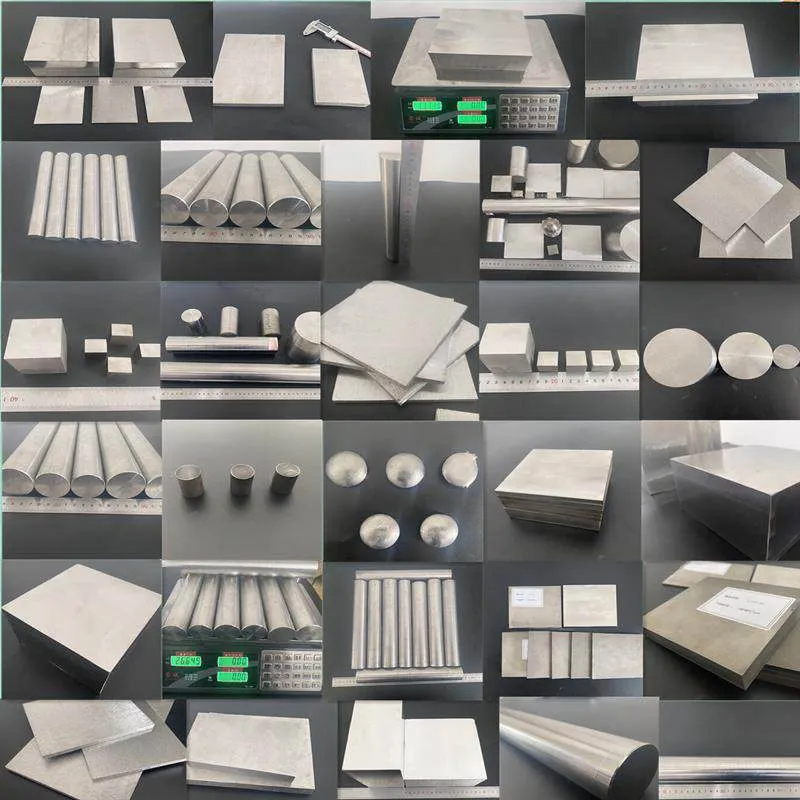
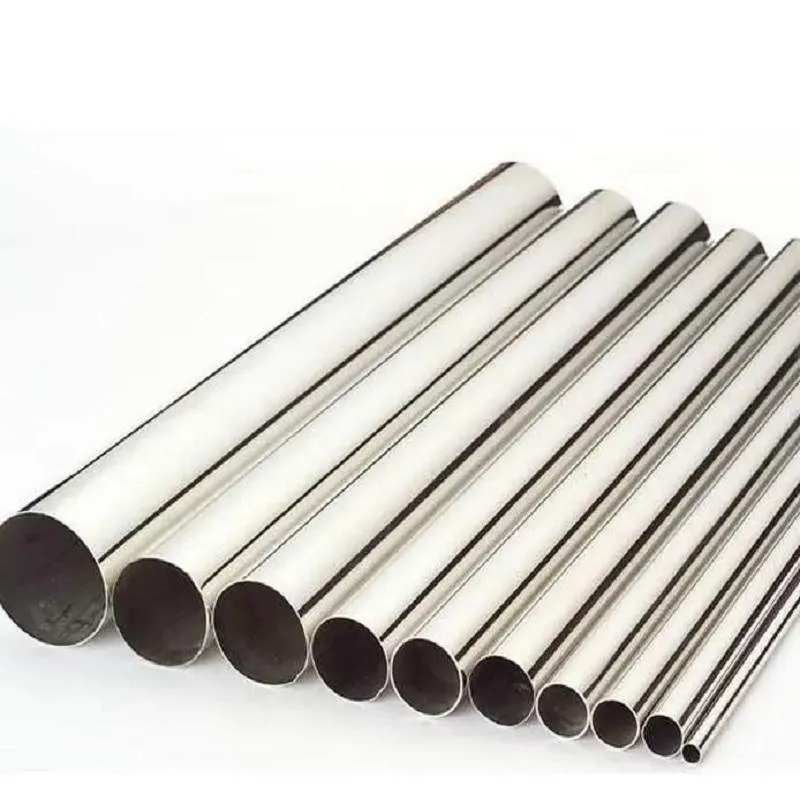
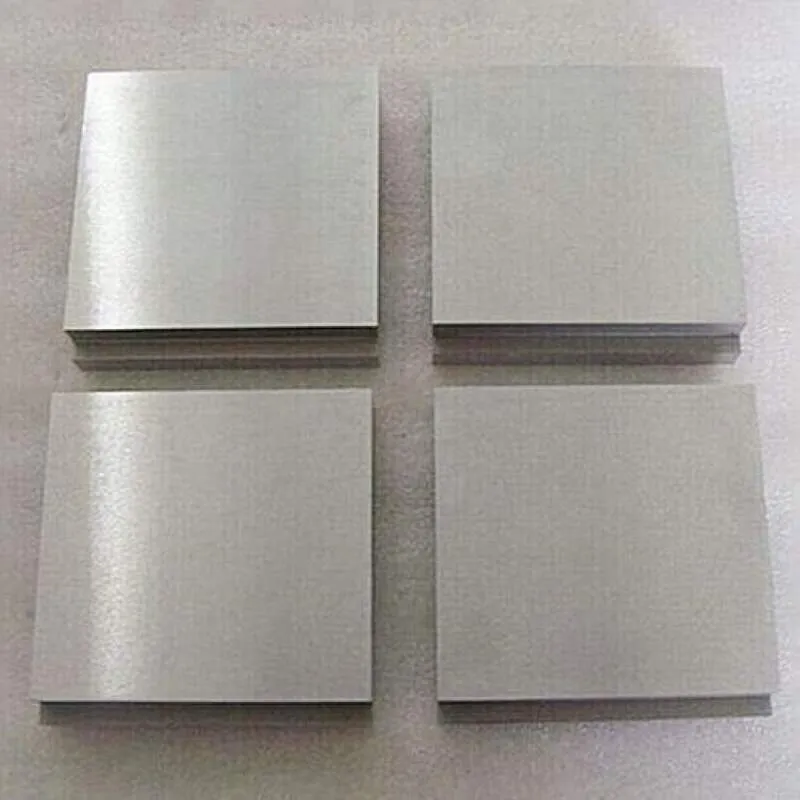
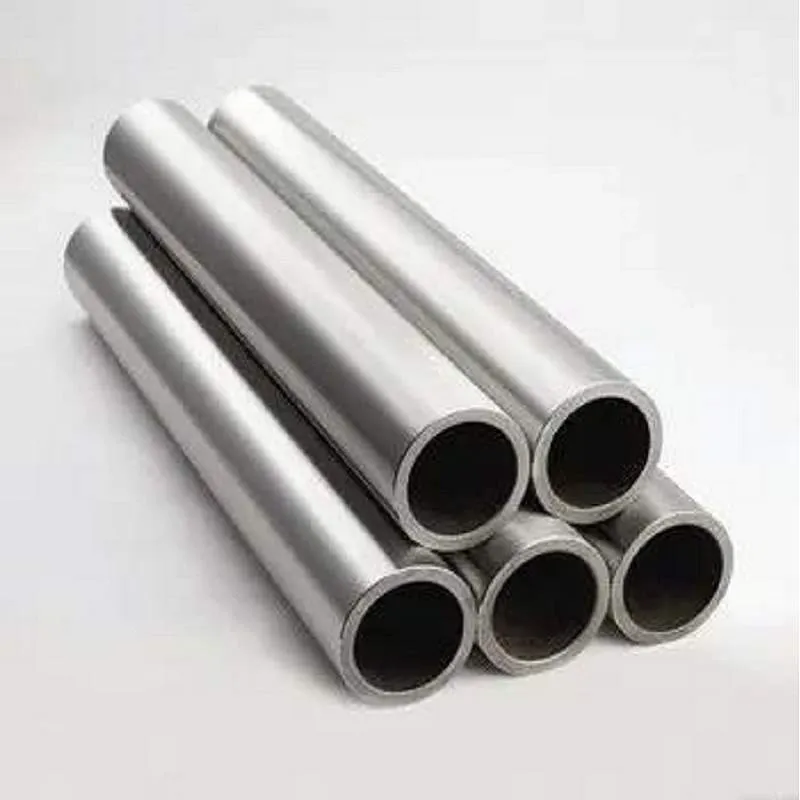
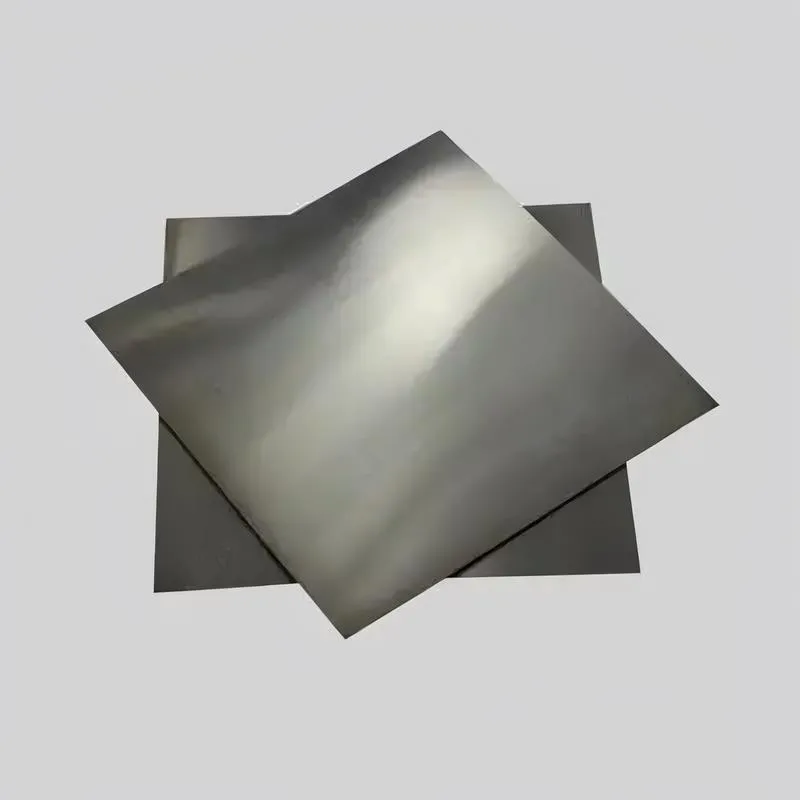
We provide AISI Type L7 Tool Steel is available in Bar (Round bar, Flat bar), Ribbon, Wire, Rods, Tube,Seamless Tube,Pipe, Ingots, Plate, Sheet, Strip and Forging Stock.,Purity, chemical composition, size, etc. can all be customized to meet specific requirements.
Please contact us if you need customized services. We will contact you with the price and availability in 24 hours.
AISI Type L7 Tool Steel Product Information
-:-
For detailed product information, please contact sales.
-:
AISI Type L7 Tool Steel Synonyms
-:-
For detailed product information, please contact sales.
-:
AISI Type L7 Tool Steel Product Information
-:-
For detailed product information, please contact sales.
-:
# **Product Introduction: AISI Type L7 (UNS T61207) High-Carbon, High-Chromium Tool Steel**
## **Overview**
AISI Type L7 is a **high-carbon, chromium-vanadium** alloyed tool steel within the AISI "L-series" (Low-Alloy, Special Purpose). Characterized by its **significantly higher carbon content combined with substantial chromium and vanadium**, L7 offers exceptional **wear resistance and hardness retention** while maintaining good dimensional stability. This grade bridges the gap between standard oil-hardening steels and high-alloy air-hardening grades, providing superior abrasion resistance for demanding cold work applications.
**Key Advantages:**
- **Exceptional Wear Resistance:** High carbide volume provides outstanding resistance to abrasive wear
- **Good Toughness Profile:** Maintains reasonable toughness at high hardness levels
- **Excellent Dimensional Stability:** Minimal distortion during oil quenching
- **Deep Hardenability:** Through-hardening capability in substantial sections
- **Good Grindability:** Favorable characteristics for precision grinding operations
**Primary Considerations:**
- Requires precise heat treatment control to optimize properties
- Higher alloy content increases cost compared to standard L-series grades
- Limited high-temperature performance (best below 200°C/400°F)
- May exhibit reduced machinability in annealed condition compared to simpler grades
## **International Designations & Standards**
| Standard System | Designation | Note |
|----------------|-------------|------|
| **AISI/SAE (USA)** | L7 | Primary specification |
| **UNS (USA)** | T61207 | Unified numbering system |
| **ASTM (USA)** | A681 | Governing material standard |
| **DIN (Germany)** | ~1.2601 | Similar high-carbon, high-chromium grade |
| **BS (UK)** | ~**BH13** | Related high-carbon tool steel |
| **JIS (Japan)** | ~SKS43 | Similar special purpose tool steel |
| **ISO (International)** | ~**105WCr6** | Closest functional equivalent |
*Note: AISI L7 occupies a unique position with its high carbon and chromium balance. International equivalents may vary in specific alloying approaches.*
---
## **1. Chemical Composition (Typical, Weight %)**
The composition features high carbon with substantial chromium and vanadium for enhanced carbide formation.
| Element | Content (%) | Role & Metallurgical Effect |
|---------|-------------|-----------------------------|
| **Carbon (C)** | 1.00 - 1.15 | **Primary element.** Provides high hardness and forms extensive chromium carbides for exceptional wear resistance. Near the upper limit for oil-hardening steels. |
| **Chromium (Cr)** | 1.30 - 1.80 | **Key alloying element.** Significantly enhances hardenability, promotes fine carbide distribution (Cr₇C₃, Cr₂₃C₆), and improves wear resistance. |
| **Vanadium (V)** | 0.15 - 0.30 | **Important addition.** Refines grain structure, forms hard vanadium carbides (VC, V₄C₃) that resist grain growth during hardening and improve wear properties. |
| **Manganese (Mn)** | 0.20 - 0.50 | Supports hardenability and aids in deoxidation. |
| **Silicon (Si)** | 0.10 - 0.30 | Deoxidizer, provides solid solution strengthening, improves tempering resistance. |
| **Molybdenum (Mo)**| 0.20 - 0.40 (Optional) | When present, enhances hardenability, improves toughness, and refines microstructure. |
| **Phosphorus (P)** | ≤0.025 | Harmful impurity; minimized to prevent embrittlement. |
| **Sulfur (S)** | ≤0.025 | Impurity; controlled levels may improve machinability in some variants. |
| **Iron (Fe)** | Balance | Matrix element. |
**Metallurgical Note:** The carbon-chromium balance in L7 results in approximately 8-12% carbide volume in the hardened microstructure, contributing to its excellent wear resistance.
---
## **2. Physical & Mechanical Properties**
### **Physical Properties**
| Property | Typical Value | Conditions/Notes |
|----------|---------------|------------------|
| **Density** | 7.80 - 7.82 g/cm³ | At 20°C (68°F) |
| **Melting Range** | 1410 - 1430°C (2570 - 2610°F) | Liquidus to solidus range |
| **Thermal Conductivity** | 41 - 45 W/m·K | At 20°C (68°F) |
| **Specific Heat Capacity** | 450 - 470 J/kg·K | At 20°C (68°F) |
| **Coefficient of Thermal Expansion** | 11.3 - 11.8 × 10⁻⁶/K | 20-200°C (68-392°F) range |
| **Electrical Resistivity** | 0.30 - 0.35 μΩ·m | At 20°C (68°F) |
| **Elastic Modulus** | 205 - 210 GPa (29.7 - 30.5 × 10⁶ psi) | At room temperature |
### **Mechanical Properties (Heat-Treated Condition)**
| Property | Value Range | Heat Treatment Condition |
|----------|-------------|--------------------------|
| **Hardness (Annealed)** | 201 - 235 HB | Spheroidize annealed condition |
| **Hardness (Hardened)** | 61 - 64 HRC | Oil quenched from 800-830°C, tempered at 150-250°C |
| **Tensile Strength** | 1950 - 2200 MPa (283 - 319 ksi) | At 62-64 HRC |
| **Yield Strength (0.2% offset)** | 1650 - 1850 MPa (239 - 268 ksi) | At 62-64 HRC |
| **Compressive Strength** | 2500 - 2800 MPa (363 - 406 ksi) | At 62-64 HRC – **Excellent compressive strength** |
| **Transverse Rupture Strength** | 2100 - 2400 MPa (305 - 348 ksi) | At 62-64 HRC |
| **Impact Toughness (Charpy)** | 6 - 12 J (4.4 - 8.8 ft·lb) | At 62-64 HRC, unnotched – **Lower due to high hardness** |
| **Fatigue Endurance Limit** | 600 - 700 MPa (87 - 102 ksi) | Rotating bending, 10⁷ cycles |
| **Young's Modulus** | 205 - 210 GPa (29.7 - 30.5 × 10⁶ psi) | At room temperature |
### **Hardenability Data (Jominy Test Typical)**
| Distance from Quenched End (1/16 in) | 1 | 4 | 8 | 12 | 16 | 20 |
|--------------------------------------|---|---|---|---|---|---|
| **Hardness (HRC)** | 64-66 | 63-65 | 61-63 | 59-61 | 57-59 | 55-57 |
*Through-hardening capability: Approximately 75-100mm (3-4 inches) diameter in oil quench. Effective case depth for surface hardening applications.*
---
## **3. Product Applications**
### **Primary Application Areas**
**1. High-Wear Cutting Tools:**
- Precision blanking and piercing dies for hard materials
- Thread rolling dies and knurling tools
- Forming rolls for abrasive materials
- Shear blades for high-strength alloys
**2. Wear-Resistant Components:**
- Gauge blocks and precision measurement masters
- Jigs and fixtures for production tooling
- Wear plates and guide rails in high-abrasion environments
- Machine tool components requiring dimensional stability
**3. Specialized Tooling:**
- Cold heading dies for high-volume production
- Broaches and reamers for precision hole finishing
- Milling cutters and gear shaping tools
- Woodworking knives for abrasive composites
**4. Mold Applications:**
- Plastic injection molds for filled or abrasive resins
- Compression molds for rubber and composite materials
- Zinc die casting inserts and cores
- Glass mold components
### **Industry-Specific Applications**
| Industry | Typical L7 Components |
|----------|-----------------------|
| **Metal Stamping** | Progressive die inserts, precision punches, wear strips |
| **Fastener Manufacturing** | High-production thread rolling dies, cold forming punches |
| **Precision Machining** | Collets, arbors, precision boring tools |
| **Cutlery Manufacturing** | High-end knife blades, industrial cutting tools |
| **Gauge Manufacturing** | Thread plugs, ring gauges, setting masters |
### **Service Performance Characteristics**
| Application Condition | L7 Performance | Recommended Hardness |
|----------------------|----------------|----------------------|
| **Severe Abrasive Wear** | Excellent | 62-64 HRC |
| **Adhesive/Galling Wear** | Very Good | 60-62 HRC |
| **Precision Dimension** | Excellent | 61-63 HRC |
| **Moderate Impact** | Fair to Good | 58-60 HRC |
| **Fatigue Loading** | Good | 60-62 HRC |
---
## **4. Heat Treatment Guidelines**
### **Annealing (Preparation for Machining)**
- **Process:** Full annealing or spheroidize annealing
- **Temperature:** 790-810°C (1455-1490°F)
- **Cooling:** Slow furnace cool at ≤15°C/hr (≤27°F/hr) to 540°C (1000°F), then air cool
- **Resulting Hardness:** 201-235 HB (Brinell)
- **Microstructure:** Uniform spheroidized carbides in ferrite matrix – **critical for machinability**
### **Hardening (Austenitizing & Quenching)**
1. **Preheating:** Essential due to high alloy content
- Stage 1: 400-500°C (750-930°F)
- Stage 2: 700-750°C (1290-1380°F)
2. **Austenitizing:**
- **Temperature:** 800-830°C (1475-1525°F) – **Critical range**
- **Soaking Time:** 20-30 minutes per inch of thickness
- **Atmosphere:** Neutral or slightly carburizing to prevent decarburization
- **Target Grain Size:** ASTM 8-10 (fine)
3. **Quenching:**
- **Medium:** Warm oil (40-80°C / 100-175°F)
- **Agitation:** Moderate to vigorous for uniform cooling
- **Quench to:** 50-70°C (120-160°F) before tempering
- **Note:** Polymer quenchants may be used for complex shapes
### **Tempering (Critical Process)**
- **Time to Temper:** Within 1-2 hours of quenching
- **Standard Practice:** Double tempering **required**
- First temper: 150-250°C (300-480°F) for 2+ hours
- Second temper: Same or slightly higher temperature, 2+ hours
- **Temperature-Hardness Relationship:**
- 150°C (300°F): 63-65 HRC
- 175°C (350°F): 62-64 HRC
- 200°C (400°F): 61-63 HRC
- 225°C (440°F): 60-62 HRC
- 250°C (480°F): 59-61 HRC
- 300°C (570°F): 56-58 HRC
### **Stress Relieving**
- **When:** After rough machining, before final hardening
- **Temperature:** 600-650°C (1110-1200°F)
- **Hold Time:** 1-2 hours per inch of thickness
- **Cooling:** Slow furnace cool
### **Sub-Zero Treatment (Optional)**
- For maximum dimensional stability
- **Temperature:** -70 to -100°C (-95 to -150°F)
- **Duration:** 2-4 hours after quenching, before tempering
- **Benefits:** Converts retained austenite, increases hardness by 1-2 HRC
---
## **5. Machining & Fabrication**
### **Machinability (Annealed Condition)**
- **Relative Machinability:** 60-65% (compared to 1% carbon steel = 100%)
- **Cutting Tool Recommendations:**
- **Carbide Grades:** C2/C6 for roughing, C5/C7 for finishing
- **HSS:** M2 or M42 for complex shapes
- **Cutting Parameters:**
- **Turning:** 35-55 m/min (115-180 SFM) with carbide
- **Milling:** 20-35 m/min (65-115 SFM) with carbide
- **Drilling:** 10-20 m/min (33-65 SFM) with HSS
- **Coolant:** Heavy-duty soluble oil or semi-synthetic
### **Grinding Characteristics**
- **Wheel Selection:** Aluminum oxide (A46-K8-V) or CBN for precision work
- **Parameters:** Light cuts (0.01-0.02mm/pass), moderate feed rates
- **Coolant:** Copious flow to prevent thermal damage
- **Dressing:** Frequent to maintain wheel sharpness – **important due to high hardness**
### **Electrical Discharge Machining (EDM)**
- Suitable with proper parameters
- **Finishing:** Multiple skim cuts to minimize white layer
- **Post-EDM:** Stress relief temper recommended
- **Wire EDM:** Preferred for complex geometries
---
## **6. Comparative Analysis**
### **vs. Other High-Carbon Tool Steels**
| Property | L7 | L3 | D2 | O1 |
|----------|----|----|----|----|
| **Carbon Content** | Very High (1.00-1.15%) | High (0.95-1.10%) | Very High (1.40-1.60%) | High (0.85-1.00%) |
| **Chromium Content** | High (1.30-1.80%) | High (1.00-1.80%) | Very High (11.00-13.00%) | Low (0.40-0.60%) |
| **Primary Strength** | Wear resistance | Wear resistance | Extreme wear | General purpose |
| **Typical Hardness** | 61-64 HRC | 60-64 HRC | 58-62 HRC | 58-62 HRC |
| **Toughness** | Moderate | Moderate | Low | Good |
| **Distortion Control** | Very Good | Good | Excellent | Good |
| **Relative Cost** | 1.1x | 1.0x | 1.3x | 0.9x |
### **Application Selection Matrix**
| Application Requirement | L7 Suitability | Alternative Considerations |
|------------------------|----------------|---------------------------|
| **Maximum Wear Resistance** | Excellent | Consider D2 for extreme wear |
| **Precision Dimension** | Excellent | A2 for better dimensional stability |
| **Moderate Impact** | Fair | L6 or S7 for better toughness |
| **Complex Shapes** | Good | Consider pre-hardened grades |
| **Cost Sensitivity** | Moderate | O1 or L3 for lower cost |
---
## **7. Quality Control & Inspection**
### **Material Specifications**
- **Decarburization:** Maximum 0.10mm per side on finished stock
- **Non-Metallic Inclusions:** ASTM E45 Method A, Max Thin Series 2.0
- **Surface Quality:** Free from seams, laps, and scale
- **Straightness:** Typically 1mm per meter maximum
### **Testing Requirements**
- **Chemical Analysis:** Full spectrographic analysis with traceability
- **Hardness Testing:** Brinell for annealed, Rockwell C for hardened
- **Microstructural Examination:** Carbide distribution and grain size
- **Dimensional Inspection:** Per drawing requirements with GD&T
### **Certification**
- Mill test certificates per ASTM A681
- Heat number traceability throughout processing
- Certificates of conformity for finished tools
---
## **8. Technical Recommendations**
### **Design Guidelines**
1. **Section Thickness:** Maintain uniformity where possible
2. **Radii:** Minimum 1.0mm on internal corners
3. **Surface Finish:** Critical surfaces 0.8-1.6μm Ra
4. **Tolerances:** Consider heat treatment expansion/contraction
### **Storage & Handling**
- **Storage:** Dry environment with rust preventive
- **Identification:** Clear marking of grade and heat number
- **Handling:** Protect finished surfaces from damage
- **Safety:** Use appropriate PPE for machining and grinding
### **Troubleshooting Guide**
| Problem | Possible Cause | Solution |
|---------|---------------|----------|
| **Excessive Wear** | Insufficient hardness | Verify heat treatment, check tempering temperature |
| **Chipping** | Too high hardness | Increase tempering temperature |
| **Distortion** | Uneven heating/cooling | Improve fixturing, consider stress relief |
| **Grinding Cracks** | Thermal overload | Reduce grinding pressure, increase coolant |
---
## **Disclaimer**
This technical datasheet provides comprehensive information about AISI Type L7 tool steel based on industry standards and typical manufacturing practices. Actual properties and performance may vary depending on:
1. **Manufacturing variations** between different steel producers
2. **Specific heat treatment parameters** and equipment used
3. **Application conditions** and service environment
4. **Design factors** and manufacturing quality
**For Critical Applications:**
- Consult with material engineers and steel suppliers
- Conduct application-specific testing and qualification
- Develop detailed heat treatment specifications
- Consider alternative materials for extreme conditions
This information is subject to technical revisions as material science advances. Always refer to the most current standards and supplier specifications for your specific requirements.
-:-
For detailed product information, please contact sales.
-:
AISI Type L7 Tool Steel Specification
Dimensions
Size:
Diameter 20-1000 mm Length <6711 mm
Size:We can customized as required
Standard:
Per your request or drawing
We can customized as required
Properties(Theoretical)
Chemical Composition
-:-
For detailed product information, please contact sales.
-:
AISI Type L7 Tool Steel Properties
-:-
For detailed product information, please contact sales.
-:
Applications of AISI Type L7 Tool Steel
-:-
For detailed product information, please contact sales.
-:
Chemical Identifiers AISI Type L7 Tool Steel
-:-
For detailed product information, please contact sales.
-:
Packing of AISI Type L7 Tool Steel
-:-
For detailed product information, please contact sales.
-:
Standard Packing:
-:-
For detailed product information, please contact sales.
-:
Typical bulk packaging includes palletized plastic 5 gallon/25 kg. pails, fiber and steel drums to 1 ton super sacks in full container (FCL) or truck load (T/L) quantities. Research and sample quantities and hygroscopic, oxidizing or other air sensitive materials may be packaged under argon or vacuum. Solutions are packaged in polypropylene, plastic or glass jars up to palletized 3182 gallon liquid totes Special package is available on request. E FORUs’ is carefully handled to minimize damage during storage and transportation and to preserve the quality of our products in their original condition