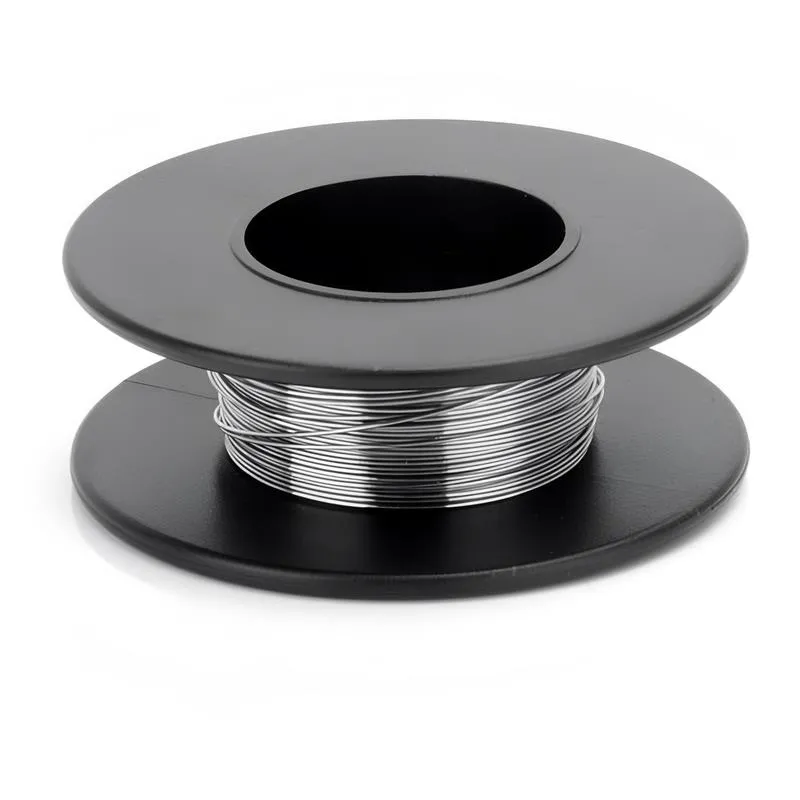
Dura-Bar,100-70-03 Continuously Cast Ductile Iron Tube,Pipe ASTM A536
Product Code : STI-IFe-129-CU
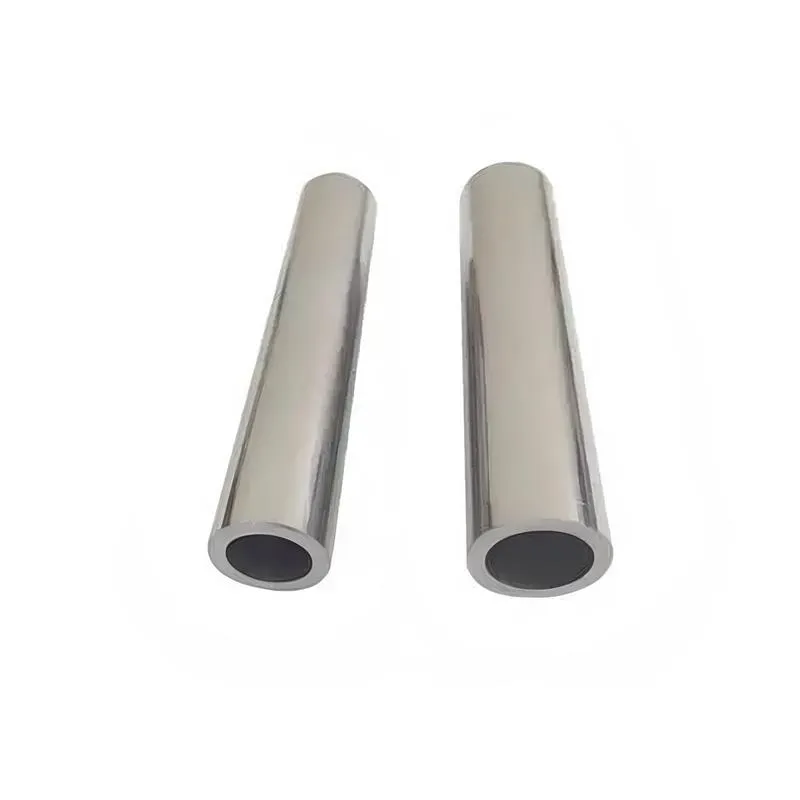
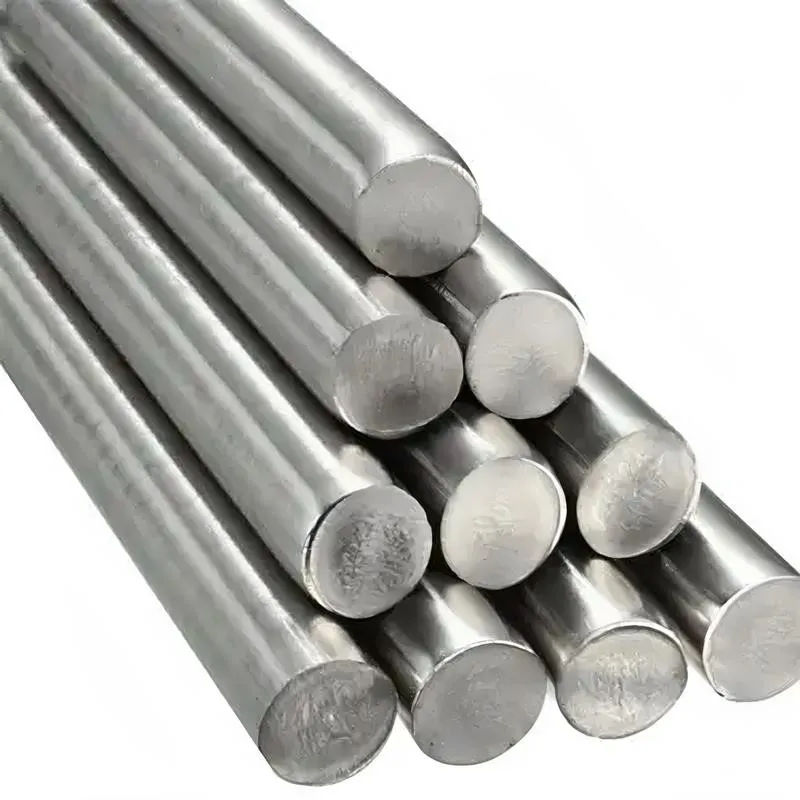
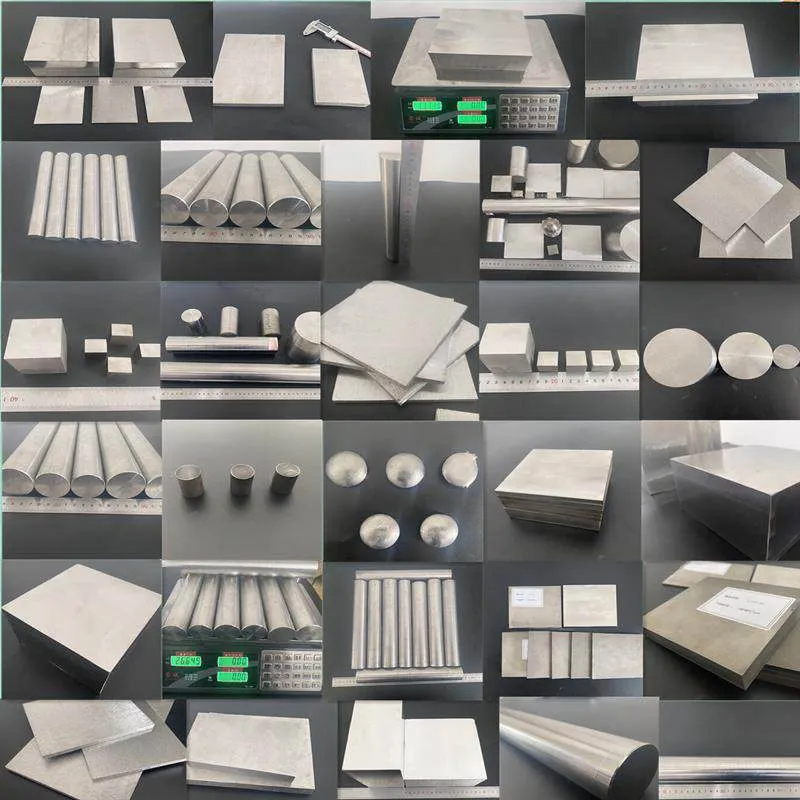
We provide Dura-Bar 100-70-03 Continuously Cast Ductile Iron Tube Bar Stock ASTM A536 is available in Bar (Round bar, Flat bar), Ribbon, Wire, Rods, Tube,Seamless Tube,Pipe, Ingots, Plate, Sheet, Strip and Forging Stock.,Purity, chemical composition, size, etc. can all be customized to meet specific requirements.Dura-Bar,100-70-03 Continuously Cast Ductile Iron Pipe ASTM A536
Please contact us if you need customized services. We will contact you with the price and availability in 24 hours.
Dura-Bar 100-70-03 Continuously Cast Ductile Iron Tube Bar Stock ASTM A536 Product Information
-:-
For detailed product information, please contact sales.
-:
Dura-Bar 100-70-03 Continuously Cast Ductile Iron Tube Bar Stock ASTM A536 Synonyms
-:-
For detailed product information, please contact sales.
-:
Dura-Bar 100-70-03 Continuously Cast Ductile Iron Bar Stock ASTM A536 Product Information
-:-
For detailed product information, please contact sales.
-:
# **Dura-Bar® 100-70-03 Continuously Cast Ductile Iron Bar Stock**
## **Product Overview**
**Dura-Bar 100-70-03** is a premium-grade **pearlitic/heat-treated ductile iron** manufactured through an advanced continuous casting process that produces dense, homogeneous, defect-free bar stock. This material conforms to **ASTM A536 Grade 100-70-03** specification, representing the **highest strength class** of standard ductile irons with a unique combination of **exceptional strength, good wear resistance, and retained machinability**.
The "100-70-03" designation indicates minimum mechanical properties: **100 ksi (690 MPa) Tensile Strength, 70 ksi (483 MPa) Yield Strength, and 3% Elongation**. Unlike conventional castings, Dura-Bar's continuous casting process eliminates porosity, slag inclusions, and microstructural variations, ensuring predictable performance throughout the entire bar cross-section and length.
---
## **1. International Standards & Specifications**
| **Standard System** | **Designation** | **Application/Region** | **Notes** |
|---------------------|-----------------|------------------------|-----------|
| **ASTM (Primary)** | **A536 Grade 100-70-03** | North America, International | Governs mechanical requirements |
| **SAE Automotive** | **J434 D7003** (Approximate) | Automotive industry | Similar performance grade |
| **ISO** | **EN-GJS-700-2** (ISO 1083) | European/International | Rough equivalent; properties may vary |
| **UNS** | **F34800** (Typical) | Unified Numbering System | For pearlitic ductile irons |
| **Manufacturer** | **Dura-Bar 100-70-03** | Global distribution | Proprietary continuous cast process |
| **Common Names** | High-Strength Ductile Iron, Heat-Treated Ductile Iron, Continuous Cast Grade 100-70-03 | Industry terminology | |
**Note:** While international equivalents exist, Dura-Bar's continuous casting process typically yields **superior and more consistent properties** compared to sand-cast equivalents of the same nominal grade.
---
## **2. Chemical Composition**
The chemistry is precisely controlled to achieve a **predominantly pearlitic/martensitic matrix** through alloying and subsequent heat treatment, while maintaining sufficient ductility and machinability.
| **Element** | **Typical Range (% Weight)** | **Functional Role** | **Effect on Properties** |
|-------------|------------------------------|---------------------|--------------------------|
| **Carbon (C)** | 3.3 - 3.6 | Graphite former, matrix strengthener | Lower carbon reduces graphite volume, increases matrix strength |
| **Silicon (Si)** | 1.8 - 2.4 | Ferritizer, deoxidizer | Controlled to limit ferrite, enhance hardenability |
| **Manganese (Mn)** | 0.5 - 0.8 | Pearlite stabilizer, hardenability agent | Key element for achieving high-strength matrix |
| **Phosphorus (P)** | ≤ 0.035 max | Impurity | Minimized to prevent brittle phosphides |
| **Sulfur (S)** | ≤ 0.015 max | Impurity | Critical control for successful nodularization |
| **Magnesium (Mg)** | 0.04 - 0.06 | **Nodularizing element** | Ensures Type I spheroidal graphite |
| **Copper (Cu)** | 0.8 - 1.2 | **Primary alloying element** | Strong pearlite promoter, solid solution strengthener |
| **Nickel (Ni)** | 0.5 - 1.0 (Optional) | Austenite stabilizer | Enhances hardenability, toughness in heavy sections |
| **Molybdenum (Mo)** | 0.2 - 0.4 | **Hardenability agent** | Refines structure, prevents pearlite transformation |
| **Tin (Sn)** | 0.05 - 0.10 | **Powerful pearlite stabilizer** | Ensures consistent high-strength matrix |
**Microstructural Characteristics:**
- **Graphite:** ASTM Type I, Size 6-7 (small, well-dispersed nodules)
- **Matrix:** 90-100% fine pearlite, acicular, or tempered martensite (depending on heat treatment)
- **Carbides:** Minimal (<1% typically)
- **Unique Feature:** Continuous casting produces finer, more uniform graphite distribution than sand casting
---
## **3. Mechanical Properties**
### **Minimum Requirements (ASTM A536 100-70-03):**
- **Tensile Strength:** 100 ksi min (690 MPa)
- **Yield Strength (0.2% offset):** 70 ksi min (483 MPa)
- **Elongation:** 3% min in 2 inches (50 mm)
### **Typical Achieved Properties (Dura-Bar Continuous Cast):**
| **Property** | **Typical Value** | **Range** | **Notes** |
|--------------|-------------------|-----------|-----------|
| **Tensile Strength** | 105 - 115 ksi (724 - 793 MPa) | Up to 120 ksi possible | 30-40% higher than 80-55-06 grade |
| **Yield Strength** | 75 - 85 ksi (517 - 586 MPa) | Consistent across section | Excellent for loaded components |
| **Elongation** | 4 - 6% | Typically exceeds minimum | Maintains useful ductility |
| **Hardness** | 269 - 302 HB (27 - 32 HRC) | Very consistent | Hardness varies <10% across diameter |
| **Modulus of Elasticity** | 24.5 × 10⁶ psi (169 GPa) | Similar to other ductile irons | |
| **Fatigue Strength** | 35 - 40 ksi (241 - 276 MPa) endurance limit | Good for cyclic loading | Superior to many steels at same hardness |
| **Impact Energy** | 7 - 15 ft-lb (9 - 20 J) Charpy V-notch | Lower than ferritic grades | Adequate for most industrial applications |
| **Poisson's Ratio** | 0.27 - 0.28 | Typical for ductile iron | |
---
## **4. Physical Properties**
| **Property** | **Value** | **Comparison/Advantage** |
|--------------|-----------|--------------------------|
| **Density** | 0.260 lb/in³ (7.19 g/cm³) | 10% lighter than steel |
| **Thermal Conductivity** | 21.6 Btu/(ft·hr·°F) @ 212°F (37.4 W/m·K) | Excellent heat dissipation |
| **Coefficient of Thermal Expansion** | 6.5 × 10⁻⁶/°F (11.7 × 10⁻⁶/°C) 68-212°F | Matches steel for assemblies |
| **Specific Heat** | 0.11 Btu/(lb·°F) (460 J/kg·K) | Typical for ferrous alloys |
| **Damping Capacity** | 4-6× greater than steel | Excellent vibration absorption |
| **Electrical Resistivity** | 45 μΩ·cm | Higher than steel, lower than cast iron |
| **Magnetic Properties** | Ferromagnetic | Suitable for electromagnetic applications |
---
## **5. Manufacturing & Processing Characteristics**
### **Machinability:**
- **Machinability Rating:** 50-60% (vs. 1212 steel = 100%)
- **Cutting Speed:** 300-500 SFPM for turning operations
- **Tool Materials:** Recommended C2/C3 carbide or coated inserts
- **Chip Formation:** Excellent - produces small, broken chips
- **Surface Finish:** 32-63 μin Ra readily achievable
- **Advantage:** Despite high hardness, machines 2-3× faster than through-hardened steel of equivalent strength
### **Heat Treatment:**
1. **As-Supplied Condition:** Already heat-treated to achieve specified properties
2. **Stress Relieving:** 900-1100°F (480-595°C) for 1 hour per inch, furnace cool
3. **Surface Hardening:** Flame/induction hardening to 50-55 HRC possible
4. **Nitriding/Carbonitriding:** Effective for extreme wear resistance
5. **Annealing:** Not typically required; would degrade mechanical properties
### **Joining & Fabrication:**
- **Welding:** Generally **not recommended** due to high carbon equivalent and alloy content
- **Adhesive Bonding:** Excellent with proper surface preparation
- **Mechanical Fastening:** Good thread strength (70-80% of tensile strength)
- **Plating/Coating:** Accepts most common treatments (chrome, nickel, zinc, etc.)
---
## **6. Application Areas**
### **Primary Industries & Applications:**
| **Industry** | **Specific Applications** | **Replacing** | **Advantage** |
|--------------|--------------------------|---------------|---------------|
| **Hydraulic & Pneumatic** | High-pressure (>3000 psi) pump bodies, valve blocks, manifold plates, cylinder barrels | 4140/4340 steel | Better damping, superior machinability |
| **Power Transmission** | Heavy-duty gears, sprockets, coupling hubs, drive shafts, worm gears | Forged steel | Cost-effective, excellent wear resistance |
| **Automotive** | Diesel engine components, turbo housings, transmission gears, bearing caps | Steel forgings | Weight reduction, NVH improvement |
| **Oil & Gas** | Valve components, compressor parts, wellhead equipment, tool joints | Alloy steels | Corrosion resistance in certain media |
| **Industrial Machinery** | Press frames, machine tool components, rolling mill guides, bearing housings | Fabricated steel | Dimensional stability, vibration damping |
| **Agricultural** | Combine components, gearbox housings, drive train parts | Cast steel | Better wear resistance, lower cost |
### **Specific Component Examples:**
1. **Gears & Sprockets:** Where high contact stresses are encountered
2. **Hydraulic Manifolds:** For ultra-high-pressure systems (5000+ psi)
3. **Compressor Crankshafts:** Combining strength with damping
4. **Tooling & Fixtures:** Requiring dimensional stability under load
5. **Rolling/Sliding Components:** Bushings, rollers, guides in high-load applications
---
## **7. Comparative Advantages**
### **vs. Competing Materials:**
| **Material** | **Relative Cost to Machine** | **Damping Capacity** | **Strength-to-Weight** | **Wear Resistance** |
|--------------|------------------------------|----------------------|------------------------|---------------------|
| **Dura-Bar 100-70-03** | **1.0 (Baseline)** | **Excellent** | **Very Good** | **Excellent** |
| **4140 Steel (Hardened)** | 1.8-2.5× | Poor | Excellent | Very Good |
| **4340 Steel** | 2.0-3.0× | Poor | Excellent | Very Good |
| **Ductile Iron 80-55-06** | 0.9-1.1× | Excellent | Good | Good |
| **Gray Iron** | 0.8-1.0× | Excellent | Poor | Fair |
| **Aluminum (T6)** | 0.6-0.8× | Good | Fair | Poor |
### **Key Differentiators:**
1. **Consistency:** Mechanical properties vary <5% within a bar, <8% bar-to-bar
2. **Soundness:** 100% ultrasonically testable, no internal defects
3. **Availability:** Immediate from stock in rounds 0.5"-17" diameter, squares, rectangles
4. **Traceability:** Full metallurgical certification with each shipment
---
## **8. Quality Assurance & Testing**
Dura-Bar maintains rigorous quality standards:
- **Chemical Analysis:** Spectrographic testing of every melt
- **Mechanical Testing:** Tensile tests from each production run
- **Microstructural Examination:** Verification of graphite shape and matrix
- **Hardness Testing:** Multiple points per bar for consistency
- **Non-Destructive Testing:** Ultrasonic testing available for critical applications
- **Certification:** Full traceability with heat numbers and test reports
---
## **Technical Summary**
**Dura-Bar 100-70-03 Continuous Cast Ductile Iron** represents the **pinnacle of high-strength cast iron technology**, offering:
1. **Exceptional Strength:** Equivalent to heat-treated alloy steels (100+ ksi UTS)
2. **Superior Manufacturability:** Machines 2-3× faster than through-hardened steels
3. **Excellent Damping:** 4-6× better vibration absorption than steel
4. **Consistent Quality:** Predictable properties throughout every bar
5. **Cost Effectiveness:** Lower total finished-part cost vs. steel alternatives
This material is ideally suited for **high-stress applications** where traditional ductile irons lack sufficient strength, but where the **machining advantages and damping characteristics** of cast iron are desired. It successfully bridges the gap between conventional ductile irons and high-strength steels, offering a unique combination of properties unavailable in any other single material.
---
## **Engineering Recommendations**
### **When to Specify 100-70-03:**
- Tensile requirements exceed 90 ksi (620 MPa)
- Wear resistance is critical but machinability must be maintained
- Vibration damping is important for performance or noise reduction
- Component is complex and would require extensive machining from steel
- Thermal conductivity is important for heat dissipation
### **Design Considerations:**
- Maintain minimum wall thickness of 0.25" (6 mm) for consistent properties
- Avoid sharp corners (use minimum 0.06" radii)
- Account for lower elongation than steel in highly stressed areas
- Consider stress concentrations in designs requiring >3% elongation
### **Availability:**
- **Rounds:** 0.5" to 17" diameter
- **Rectangles/Squares:** Up to 16" width
- **Lengths:** Standard 12', custom lengths available
- **Lead Time:** Most sizes available from stock
---
*Note: All values are typical; specific applications should be verified with Dura-Bar technical data sheets and application engineering support.*
-:-
For detailed product information, please contact sales.
-:
Dura-Bar 100-70-03 Continuously Cast Ductile Iron Bar Stock ASTM A536 Specification
Dimensions
Size:
Diameter 20-1000 mm Length <6605 mm
Size:We can customized as required
Standard:
Per your request or drawing
We can customized as required
Properties(Theoretical)
Chemical Composition
-:-
For detailed product information, please contact sales.
-:
Dura-Bar 100-70-03 Continuously Cast Ductile Iron Bar Stock ASTM A536 Properties
-:-
For detailed product information, please contact sales.
-:
Applications of Dura-Bar 100-70-03 Continuously Cast Ductile Iron Tube Bar Stock ASTM A536
-:-
For detailed product information, please contact sales.
-:
Chemical Identifiers Dura-Bar 100-70-03 Continuously Cast Ductile Iron Tube Bar Stock ASTM A536
-:-
For detailed product information, please contact sales.
-:
Packing of Dura-Bar 100-70-03 Continuously Cast Ductile Iron Tube Bar Stock ASTM A536
-:-
For detailed product information, please contact sales.
-:
Standard Packing:
-:-
For detailed product information, please contact sales.
-:
Typical bulk packaging includes palletized plastic 5 gallon/25 kg. pails, fiber and Steel Tube drums to 1 ton super sacks in full container (FCL) or truck load (T/L) quantities. Research and sample quantities and hygroscopic, oxidizing or other air sensitive materials may be packaged under argon or vacuum. Solutions are packaged in polypropylene, plastic or glass jars up to palletized 3076 gallon liquid totes Special package is available on request. E FORUs’ is carefully handled to minimize damage during storage and transportation and to preserve the quality of our products in their original condition