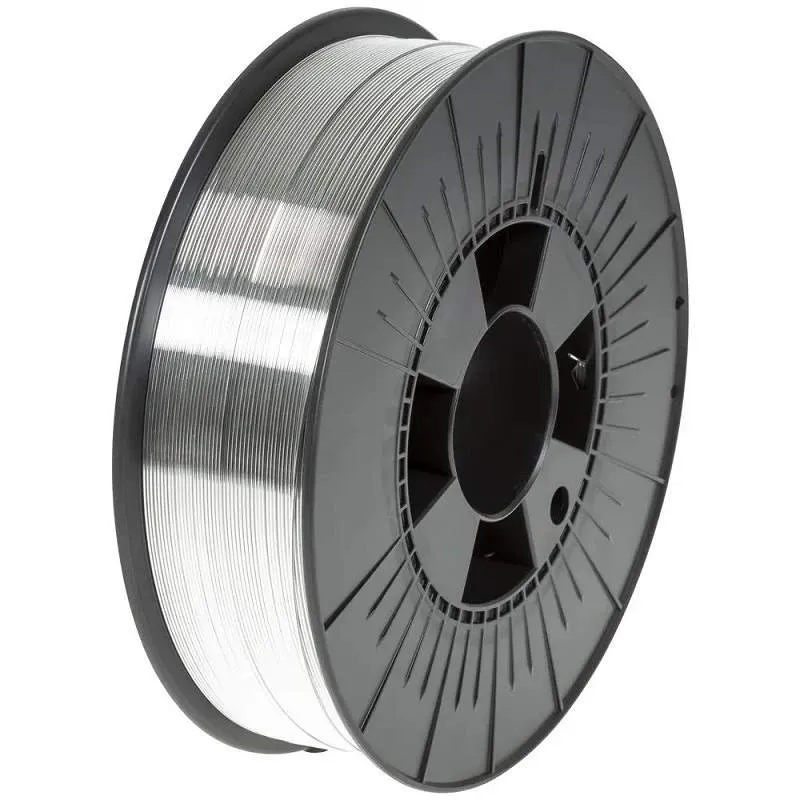
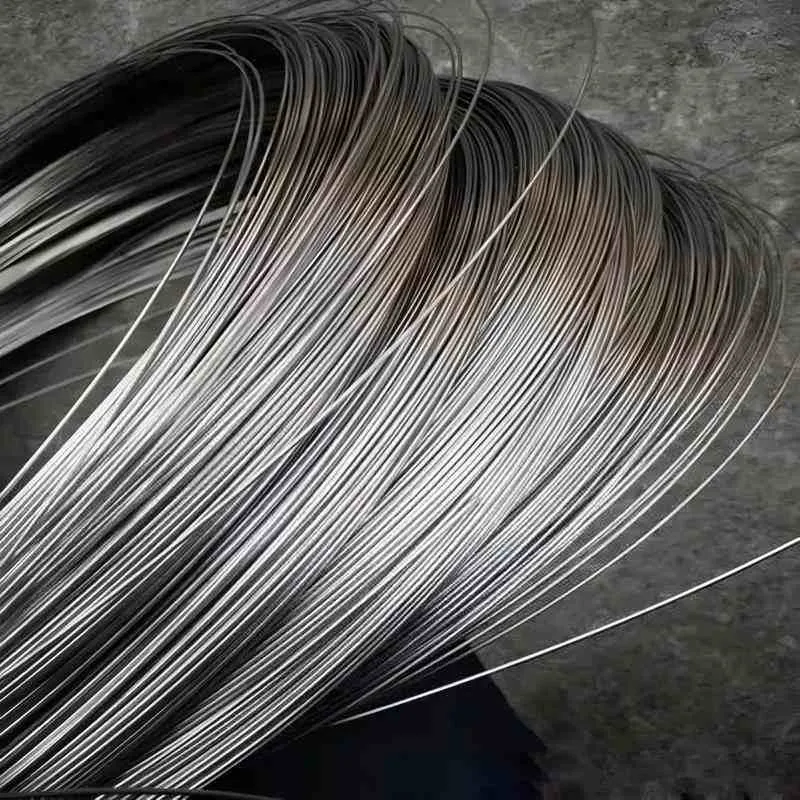
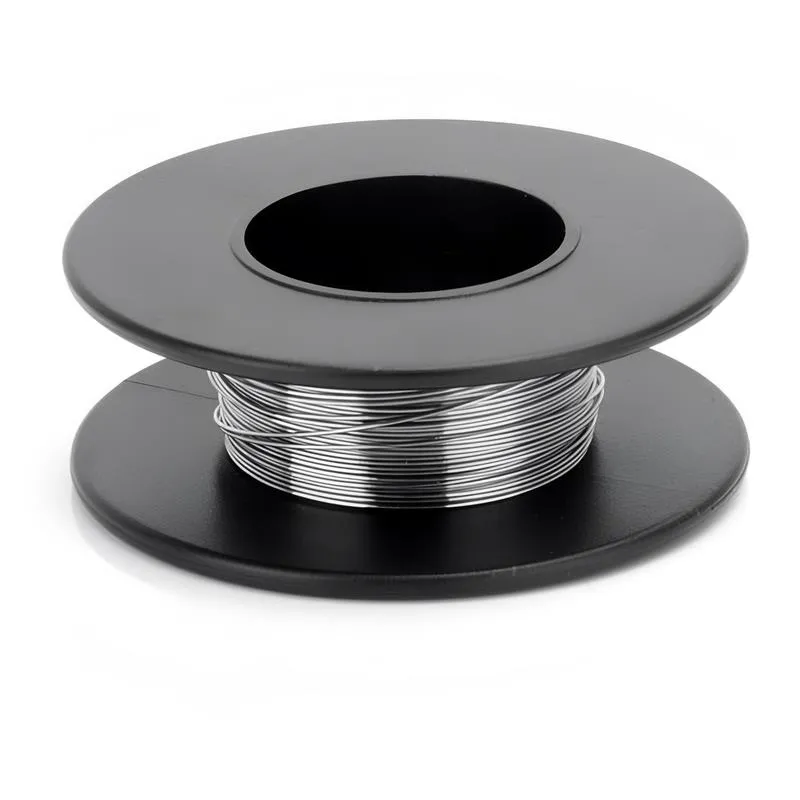
AISI Type P20 Mold Steel Wire (UNS T51620)
Product Code : STI-GSTI-091-CU
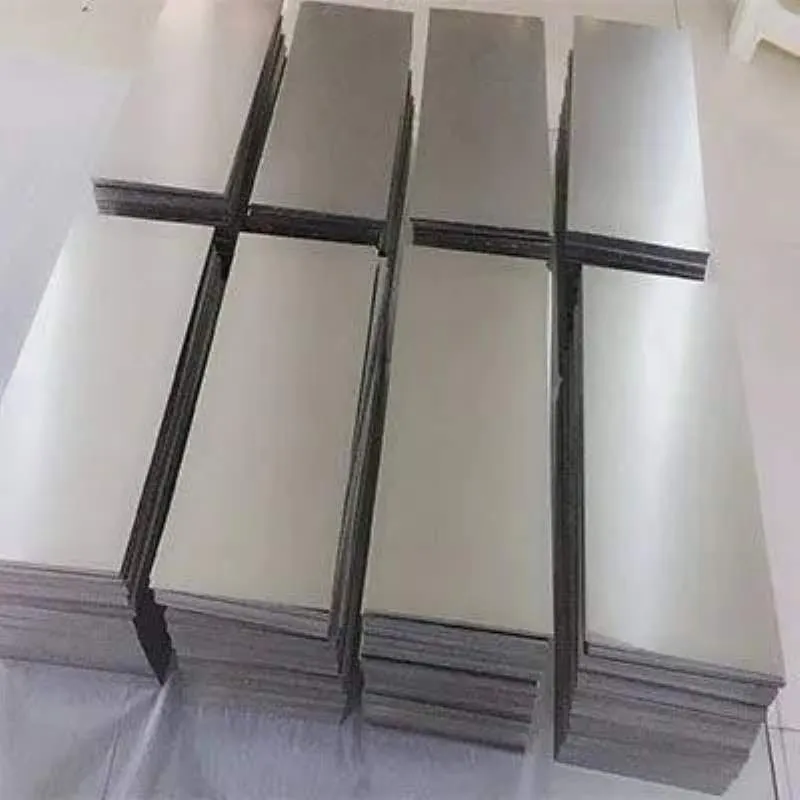
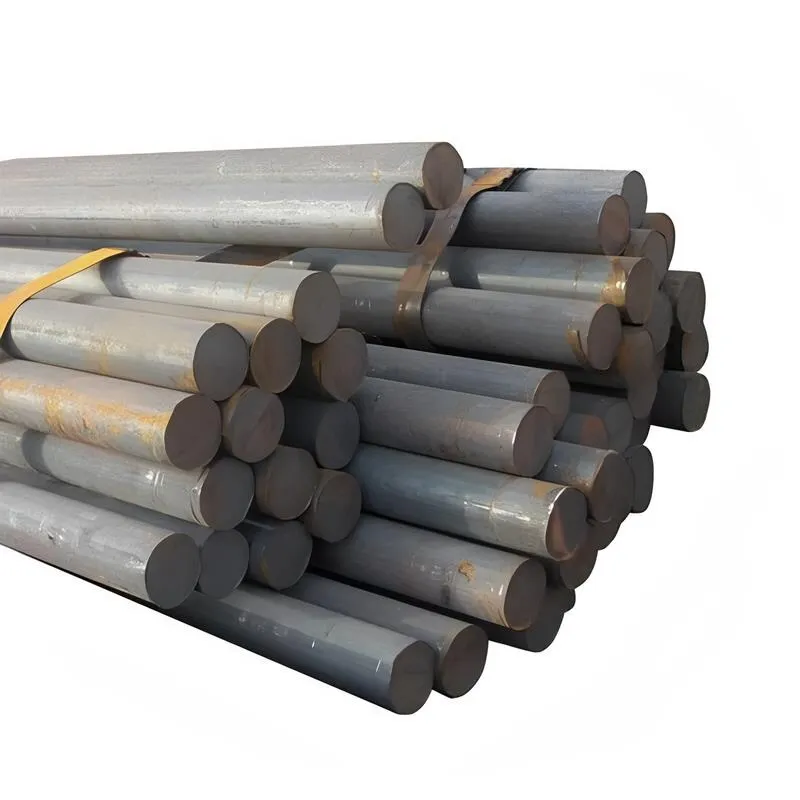
We provide AISI Type P20 Mold Steel Wire (UNS T51620) is available in Bar (Round bar, Flat bar), Ribbon, Wire, Rods, Tube,Seamless Tube,Pipe, Ingots, Plate, Sheet, Strip and Forging Stock.,Purity, chemical composition, size, etc. can all be customized to meet specific requirements.
Please contact us if you need customized services. We will contact you with the price and availability in 24 hours.
AISI Type P20 Mold Steel Wire (UNS T51620) Product Information
-:-
For detailed product information, please contact sales.
-:
AISI Type P20 Mold Steel Wire (UNS T51620) Synonyms
-:-
For detailed product information, please contact sales.
-:
AISI Type P20 Mold Steel (UNS T51620) Product Information
-:-
For detailed product information, please contact sales.
-:
# **Product Introduction: AISI Type P20 Mold Steel (UNS T51620)**
## **Overview**
**AISI P20 (UNS T51620)** is a **versatile, low-alloy, chromium-molybdenum mold steel** supplied in the **pre-hardened condition**. It is the **most widely used mold steel globally** for plastic injection molding and low-pressure die casting. Renowned for its excellent balance of machinability, polishability, weldability, and uniform hardness through thick sections, P20 eliminates the need for heat treatment by the mold maker, significantly reducing lead time and cost. Its consistent performance and reliability have made it the industry standard for a vast range of mold applications, from small precision components to large automotive panels.
## **1. Chemical Composition (Nominal %)**
The composition of P20 is optimized for good hardenability, toughness, and polishability in the pre-hardened state.
| Element | Content (%) | Primary Function |
|---------|------------|------------------|
| **Carbon (C)** | 0.28 - 0.40 | Provides core strength and hardness; balanced to ensure toughness and weldability. |
| **Manganese (Mn)** | 0.60 - 1.00 | Enhances hardenability and strength. |
| **Silicon (Si)** | 0.20 - 0.80 | Deoxidizer and strengthens the matrix. |
| **Chromium (Cr)** | 1.40 - 2.00 | **Key element.** Provides hardenability, improves wear resistance, and contributes to polishability. |
| **Molybdenum (Mo)** | 0.30 - 0.55 | **Key element.** Increases hardenability (especially in thick sections), improves toughness, and enhances tempering resistance. |
| **Sulfur (S)** | ≤ 0.030 | Typically low. Some modified versions (P20S) have added sulfur for improved machinability. |
| **Phosphorus (P)** | ≤ 0.030 | Residual impurity (kept low). |
| **Iron (Fe)** | Balance | Base metal. |
**Key Chemistry Note:** The **chromium-molybdenum synergy** provides deep and uniform hardening with air quenching or oil quenching at the mill, resulting in the uniform pre-hardened condition. The **moderate carbon content** is critical: high enough to achieve a useful working hardness (~30 HRC), but low enough to maintain good toughness, machinability, and, most importantly, **excellent weldability** for mold repairs and modifications.
## **2. Physical & Mechanical Properties (Pre-Hardened Condition)**
P20 is universally supplied pre-hardened to a specific hardness range, typically 28-32 HRC or 30-34 HRC.
| Property | Typical Value (Pre-Hardened @ ~30 HRC) |
|----------|----------------------------------------|
| **Density** | 7.82 g/cm³ |
| **Melting Point** | ~1490°C (2715°F) |
| **Thermal Conductivity** | ~36 W/m·K at 20°C |
| **Coefficient of Thermal Expansion** | 12.5 × 10⁻⁶/K (20-100°C) |
| **Modulus of Elasticity** | 205 GPa (29.7 × 10⁶ psi) |
| **Hardness (Supplied)** | **28-32 HRC** (Brinell 285-325 HB). Higher hardness variants (e.g., P20+Ni, ~35 HRC) are available. |
| **Tensile Strength** | ~1000-1100 MPa (145-160 ksi) |
| **Yield Strength (0.2% Offset)** | ~950-1050 MPa (138-152 ksi) |
| **Elongation** | ~12-15% |
| **Reduction of Area** | ~35-45% |
| **Impact Toughness (Charpy V-Notch)** | **~20-30 J (15-22 ft-lbf)** – Good toughness for a mold steel. |
| **Machinability** | **Very Good** (~80-90% of 1212 steel baseline). The pre-hardened state is ideal for machining. |
| **Polishability** | **Excellent.** Can achieve **SPI #1 (A-1) mirror finish** (≤ Ra 0.012 µm) with proper technique. |
| **Weldability** | **Excellent.** Can be welded with common techniques (SMAW, GTAW) without preheating for minor repairs; preheat to 150°C (300°F) for major welding. |
| **Texture & Etchability** | Excellent for photochemical etching (texturing) of mold surfaces. |
## **3. International Standards & Cross-References**
P20 is the foundational grade with numerous direct international equivalents. Modified versions (e.g., with Nickel, Sulfur) are common.
| Standard | Designation | Common Name / Notes |
|----------|------------|---------------------|
| **UNS** | T51620 | |
| **AISI/ASTM (USA)** | P20 (ASTM A681) | **Standard P20.** |
| **ISO (International)** | **35CrMo2** (ISO 4957) | Pre-hardened condition is implied. |
| **DIN (Germany)** | **1.2311** (GS-738 / 40CrMnMo7-6) | The most common European equivalent, often supplied at ~290-330 HB. |
| **DIN (Germany)** | **1.2312** (GS-738HH) | Free-machining variant with added sulfur (~0.06%). |
| **JIS (Japan)** | **HPM2** (Commercial brand), **PX4/PX5** | |
| **GB (China)** | **3Cr2Mo** (GB/T 1299) | The official Chinese standard equivalent. |
| **BS (UK)** | **420M36** (Hardened & Tempered) | |
| **Common Name** | **Pre-Hardened Plastic Mold Steel** | |
## **4. Product Applications**
P20's primary domain is **plastic injection molding**, but its versatility extends to other tooling.
**Primary Applications:**
* **Plastic Injection Molds (Core & Cavity):**
* The **#1 choice** for molds producing **consumer goods, automotive interior/exterior parts, electrical housings, medical devices, and toys**.
* Suitable for all major engineering and commodity plastics (ABS, PP, PE, PC, Nylon, etc.).
* **Low-Pressure Die Casting Dies** for zinc and aluminum.
* **Compression and Transfer Molds** for rubber and thermosets.
* **Blow Molds** for PET and other plastics.
* **Mold Bases, Support Plates, and Ejector Housings.**
* **Master Models and Patterns** for prototyping and soft tooling.
* **General Fixtures and Machine Components** requiring good strength and stability.
**Why Pre-Hardened?** Supplying P20 pre-hardened eliminates the risk, cost, and time associated with mold shop heat treatment (quenching/tempering), which can cause distortion and requires subsequent finish machining. Mold makers can **machine, polish, texture, and put the mold directly into service**.
## **5. Processing & Secondary Operations**
* **Machining:** Machine in the pre-hardened state using standard tooling. Carbide tools are recommended for optimal life. Use positive rake angles and adequate coolant.
* **Polishing:** Sequence: Start with coarse abrasives (e.g., 180 grit) and progress through finer grits (320, 400, 600, 800, 1200, diamond paste). The uniform microstructure allows for a flawless, pit-free mirror finish.
* **Texturing (Etching):** Excellent for photochemical etching. The uniform hardness ensures consistent etch depth and sharp pattern definition.
* **Welding:** For repair or modification:
* **Minor Repairs:** Use matching electrodes (e.g., AWS ER70S-6 for GTAW) without preheat.
* **Major Welds/Butt Welds:** Preheat to 150-200°C (300-390°F). Use low-hydrogen electrodes. Post-weld tempering at 250-300°C (480-570°F) is recommended for stress relief.
* **Nitriding/Coatings:** Can be surface hardened via gas nitriding or coated with TiN, CrN, etc., to enhance wear and release properties for abrasive or corrosive plastics.
## **6. Key Advantages & Limitations**
**Advantages:**
* **Industry Standard:** Predictable performance, readily available in all sizes and shapes.
* **Reduced Lead Time & Cost:** No heat treatment required by the mold maker.
* **Excellent Polishability and Textureability.**
* **Good Machinability and Weldability.**
* **Uniform Properties** through thick sections (up to 400-500mm).
* **Good Toughness** to withstand molding pressures and clamp forces.
**Limitations:**
* **Limited Wear Resistance:** Not suitable for highly abrasive plastics (e.g., fiberglass-filled) without surface hardening.
* **Low Corrosion Resistance:** Will rust; not suitable for molding PVC or other corrosive materials without plating (e.g., chrome, nickel).
* **Moderate Hot Hardness:** Not for high-temperature processes like hot runner systems or high-temperature thermosets; use H13 or hot work steels instead.
* **Hardness Limitation:** Maximum usable hardness is in the low 30s HRC; for harder molds (≥ 40 HRC), through-hardening steels like S7 or H13 are chosen.
---
**Disclaimer:** AISI P20 is supplied by numerous mills worldwide, and properties can vary slightly. Always specify the required hardness range (e.g., 29-31 HRC) and request mill certification. For corrosive or extremely abrasive molding applications, consider pre-hardened corrosion-resistant steels like 420SS (1.2083) or surface-treated P20. P20 remains the first and most logical choice for the majority of plastic injection molds due to its unparalleled balance of properties, processability, and economy.
-:-
For detailed product information, please contact sales.
-:
AISI Type P20 Mold Steel (UNS T51620) Specification
Dimensions
Size:
Diameter 20-1000 mm Length <6747 mm
Size:We can customized as required
Standard:
Per your request or drawing
We can customized as required
Properties(Theoretical)
Chemical Composition
-:-
For detailed product information, please contact sales.
-:
AISI Type P20 Mold Steel (UNS T51620) Properties
-:-
For detailed product information, please contact sales.
-:
Applications of AISI Type P20 Mold Steel Wire (UNS T51620)
-:-
For detailed product information, please contact sales.
-:
Chemical Identifiers AISI Type P20 Mold Steel Wire (UNS T51620)
-:-
For detailed product information, please contact sales.
-:
Packing of AISI Type P20 Mold Steel Wire (UNS T51620)
-:-
For detailed product information, please contact sales.
-:
Standard Packing:
-:-
For detailed product information, please contact sales.
-:
Typical bulk packaging includes palletized plastic 5 gallon/25 kg. pails, fiber and Steel Wire drums to 1 ton super sacks in full container (FCL) or truck load (T/L) quantities. Research and sample quantities and hygroscopic, oxidizing or other air sensitive materials may be packaged under argon or vacuum. Solutions are packaged in polypropylene, plastic or glass jars up to palletized 3218 gallon liquid totes Special package is available on request. E FORUs’ is carefully handled to minimize damage during storage and transportation and to preserve the quality of our products in their original condition