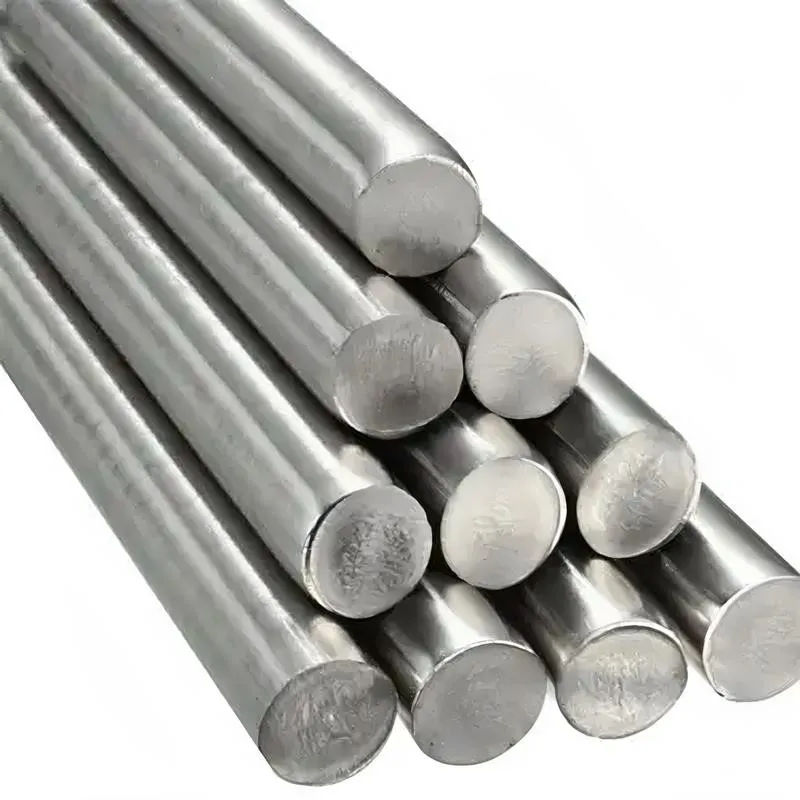
AISI Type P3 Low carbon Mold Steel Rod/Bar (UNS T51603)
Product Code : STI-GSTI-093-CU
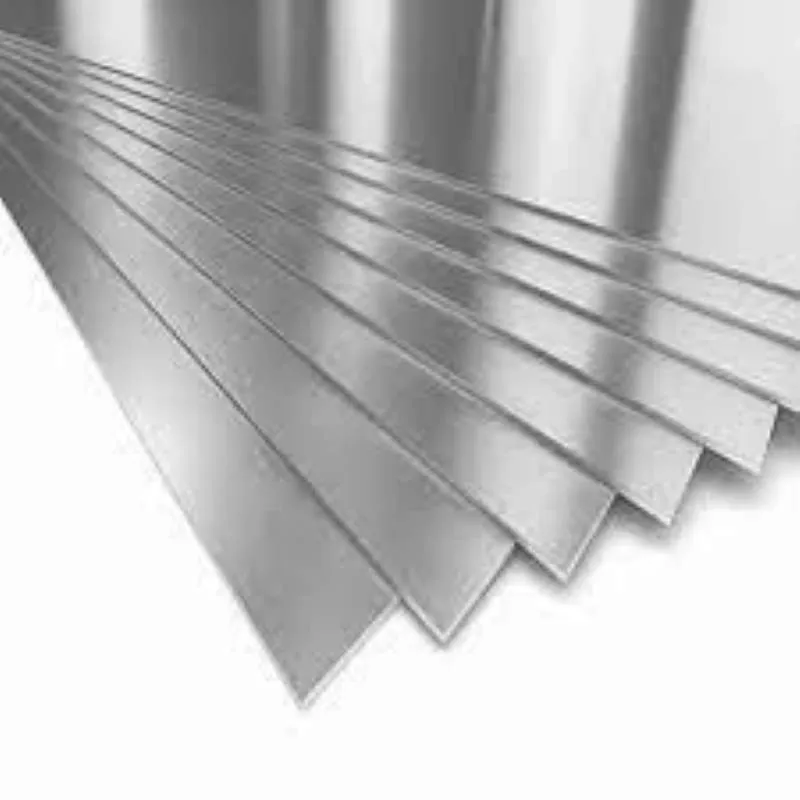
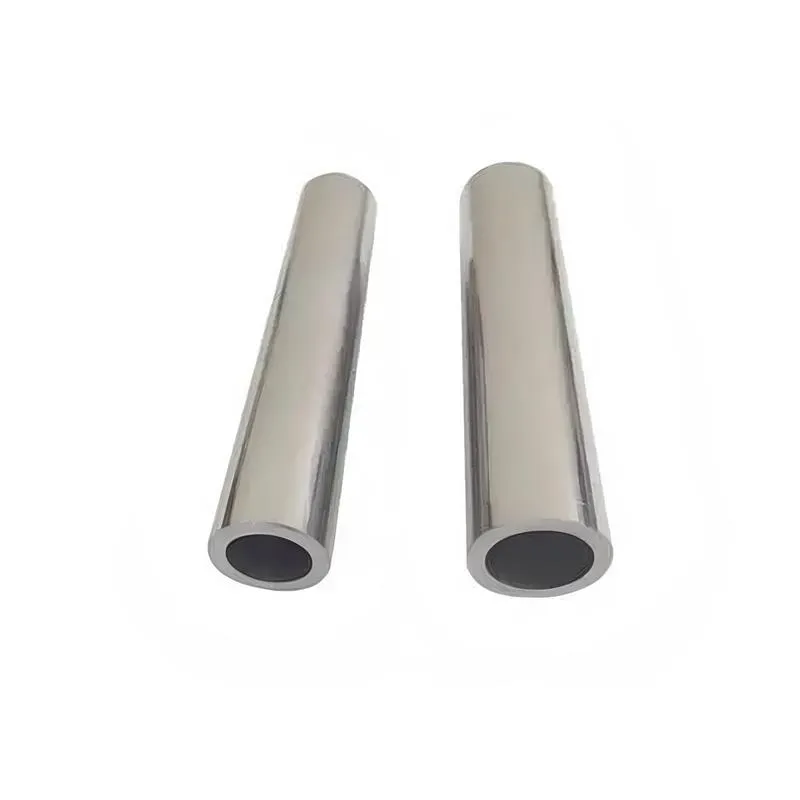
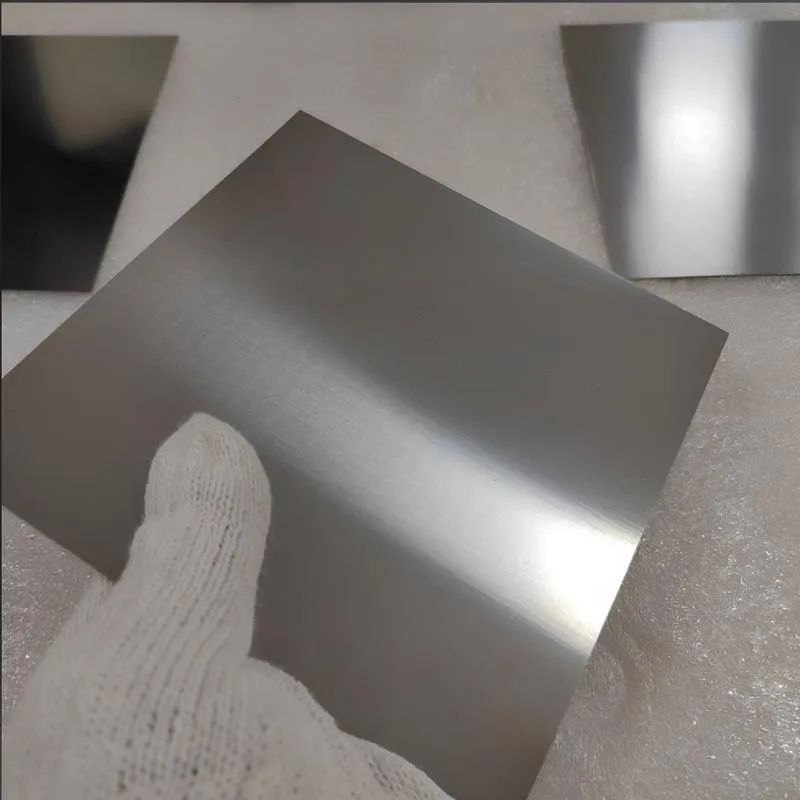
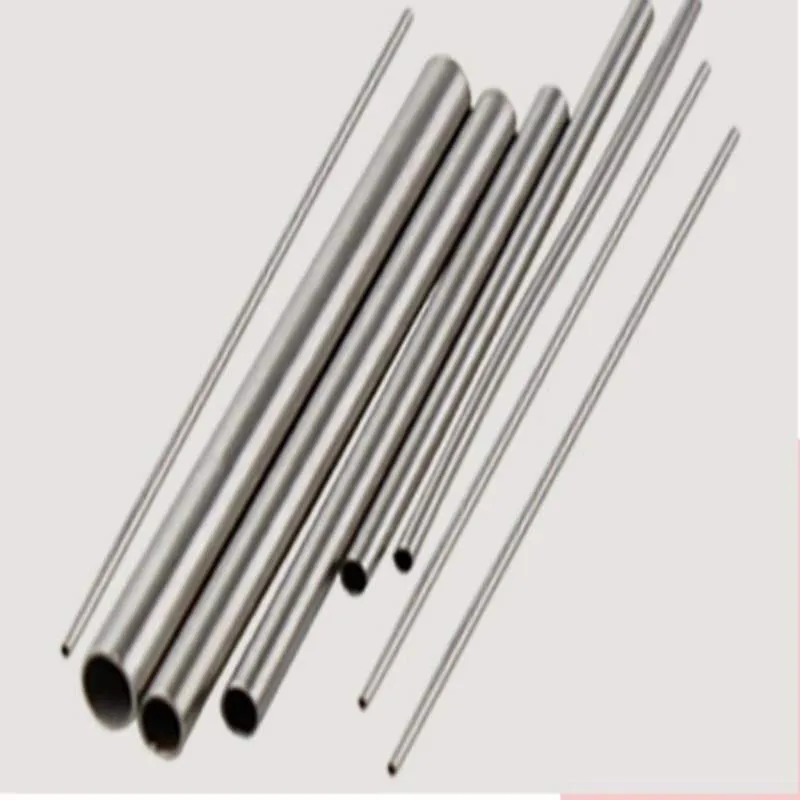
We provide AISI Type P3 Low carbon Mold Steel Rod/Bar (UNS T51603) is available in Bar (Round bar, Flat bar), Ribbon, Wire, Rod/Bars, Tube,Seamless Tube,Pipe, Ingots, Plate, Sheet, Strip and Forging Stock.,Purity, chemical composition, size, etc. can all be customized to meet specific requirements.
Please contact us if you need customized services. We will contact you with the price and availability in 24 hours.
AISI Type P3 Low carbon Mold Steel Rod (UNS T51603) Product Information
-:-
For detailed product information, please contact sales.
-:
AISI Type P3 Low carbon Mold Steel Rod (UNS T51603) Synonyms
-:-
For detailed product information, please contact sales.
-:
AISI Type P3 Low carbon Mold Steel (UNS T51603) Product Information
-:-
For detailed product information, please contact sales.
-:
# **Product Introduction: AISI Type P3 Low-Carbon Mold Steel (UNS T51603)**
## **Overview**
**AISI P3 (UNS T51603)** is a **very low-carbon, nickel-chromium carburizing mold steel** belonging to the traditional P-series. It is specifically designed for the manufacture of **high-precision, high-duty plastic injection molds and zinc die-casting dies** that require an **extremely hard, wear-resistant surface** combined with an **exceptionally tough and ductile core**. Like other early P-series grades (P1, P2), P3 is supplied in a soft, annealed condition for machining, with its final properties achieved through a **carburizing (case hardening) heat treatment**. Its higher nickel content compared to P2 provides superior core toughness, making it suitable for the most demanding mold applications subject to high stress and impact.
## **1. Chemical Composition (Nominal %)**
P3's composition is optimized for deep carburization and maximum core toughness.
| Element | Content (%) | Primary Function |
|---------|------------|------------------|
| **Carbon (C)** | ≤ 0.10 | **Exceptionally low.** Maximizes machinability in the annealed state and allows for deep, controlled carburization to create a high-carbon case. |
| **Nickel (Ni)** | 1.00 - 1.50 | **Key element.** Dramatically increases core toughness, ductility, and impact resistance. Also refines grain structure. |
| **Chromium (Cr)** | 0.40 - 0.80 | Enhances case hardenability, improves wear resistance of the carburized layer, and contributes to overall hardenability. |
| **Manganese (Mn)** | 0.20 - 0.60 | Provides basic hardenability and works as a deoxidizer. |
| **Silicon (Si)** | ≤ 0.30 | Deoxidizer. |
| **Molybdenum (Mo)** | 0.05 - 0.15 (Trace) | May be present in trace amounts to slightly enhance hardenability. |
| **Sulfur (S)** | ≤ 0.03 | Residual impurity (kept low). |
| **Phosphorus (P)** | ≤ 0.03 | Residual impurity (kept low). |
| **Iron (Fe)** | Balance | Base metal. |
**Key Chemistry Note:** P3 is characterized by its **low carbon and a deliberate nickel-chromium balance**. The **nickel content is the distinguishing feature**, providing a level of core toughness unmatched by P1 or P2. This steel is fundamentally a **carburizing-grade alloy steel** (similar to engineering steels like 33xx series), where the final "tool steel" properties are imparted entirely by the carburizing process. The core remains a tough, low-alloy steel, while the case becomes a high-carbon, high-hardness tool steel surface.
## **2. Physical & Mechanical Properties**
Final properties are defined by the carburizing process, resulting in a hard case over a tough core.
| Property | Typical Value / Condition |
|----------|--------------------------|
| **Density** | ~7.85 g/cm³ |
| **Melting Point** | ~1515°C (2760°F) |
| **Thermal Conductivity** | ~48 W/m·K (Good, due to low alloy content) |
| **Coefficient of Thermal Expansion** | ~11.8 × 10⁻⁶/K (20-100°C) |
| **Modulus of Elasticity** | 205 GPa (29.7 × 10⁶ psi) |
| **Supplied Condition (Annealed)** | **~100-125 HB** (Very soft, excellent machinability). |
| **Core Hardness (After Carburize & HT)** | **25-35 HRC** (Extremely tough and ductile low-alloy martensite/bainite). |
| **Case Hardness (After Carburize & HT)** | **58-64 HRC** (High-carbon martensite with fine carbides). |
| **Effective Case Depth** | Typically 0.75mm to 2.5mm (0.030" to 0.100"), controllable via carburizing cycle. |
| **Core Tensile Strength** | ~700-1000 MPa |
| **Core Toughness (Impact)** | **Outstanding.** The nickel content provides exceptional resistance to cracking under high clamping or impact loads. |
| **Wear Resistance (Case)** | **Very Good.** Suitable for long-run molding applications. |
| **Dimensional Stability During HT** | **Fair.** Carburizing and quenching inherently cause distortion, requiring significant finish machining allowances. More stable than water-hardening grades but less stable than pre-hardened steels. |
## **3. International Standards & Cross-References**
P3 is a defined but historically focused carburizing mold steel.
| Standard | Designation | Notes |
|----------|------------|-------|
| **UNS** | T51603 | |
| **AISI/ASTM (USA)** | P3 (ASTM A681) | |
| **ISO (International)** | **~10NiCr5-4** or similar carburizing steel designation (ISO 4957). | |
| **DIN (Germany)** | **~1.2721** (55NiCrMoV7) is a through-hardening mold steel and **not a direct equivalent**. A true carburizing equivalent would be a lower-carbon Ni-Cr steel like **1.5732** (14NiCr10). | |
| **JIS (Japan)** | No direct equivalent in modern JIS mold steel series. Similar to SNCM-type carburizing steels. | |
| **GB (China)** | No direct common equivalent in tool steel standards. | |
| **Common Name** | **Nickel-Chromium Carburizing Mold Steel (High-Toughness)** | |
## **4. Product Applications**
P3 was traditionally selected for the **largest, most complex, and heavily stressed molds** where core toughness was the paramount concern to prevent catastrophic failure.
**Historical & Specialized Applications:**
* **Large, Complex Plastic Injection Molds:** For automotive components, appliance housings, and other large parts where high injection pressures and clamp forces posed a risk of core cracking.
* **Zinc Die-Casting Dies:** Particularly for large cavity blocks and cores subject to thermal fatigue and mechanical shock.
* **Compression Molds** for rubber and thermosets under high pressure.
* **Extrusion Dies** and **Blow Molds** for complex profiles.
* **Critical Mold Bases and Support Plates** in massive molding tools.
**Application Process (Traditional):**
1. **Rough Machine** the soft P3 to shape.
2. **Carburize** using pack or gas carburizing over an extended period to achieve deep case depth.
3. **Heat Treat:** Harden from ~800-830°C (1470-1530°F) with an oil quench.
4. **Temper** to achieve the desired core toughness.
5. **Finish Machine/Grind** the hardened case to final dimensions – a difficult and expensive step due to the hardened surface.
**Modern Context:** The use of P3 has been largely **superseded by advanced pre-hardened mold steels**. The lengthy, distortion-prone carburizing process and required post-hardening machining are economically and technically disadvantageous compared to using readily machinable, dimensionally stable pre-hardened steels like **P20+Ni (e.g., 1.2738)** or high-toughness through-hardening steels like **H13 (pre-hardened)**.
## **5. Heat Treatment (Carburizing & Hardening)**
* **Carburizing:**
* **Method:** Traditionally pack carburizing; modern practice would use gas or vacuum carburizing for better control.
* **Temperature:** 900-925°C (1650-1700°F).
* **Goal:** Achieve a surface carbon content of 0.70-0.90% and a case depth suitable for the application (often >1.5mm).
* **Hardening:**
* **Austenitize:** **800-830°C (1470-1530°F).** This refines the core and fully hardens the high-carbon case.
* **Quench:** **Oil quench.** The alloy content provides sufficient hardenability for oil quenching, which minimizes distortion compared to water quenching.
* **Tempering & Sub-Zero:**
* **Temper immediately** at **150-200°C (300-390°F)** to achieve high case hardness while relieving some quenching stresses.
* **Cryogenic treatment** may be used to transform retained austenite in the case.
* **Double tempering** is recommended.
## **6. Key Advantages & Limitations**
**Advantages:**
* **Exceptional Core Toughness:** Arguably the toughest core among traditional carburizing mold steels due to its nickel content.
* **Very Hard, Wear-Resistant Case.**
* **Excellent Machinability** in the supplied annealed state.
**Limitations:**
* **Severe Distortion:** Carburizing and quenching cause significant, unpredictable dimensional changes.
* **Complex and Costly Heat Treatment:** Process is time-consuming and requires specialized expertise.
* **Difficult Post-Hardening Machining:** Finishing a hardened case is slow and expensive.
* **Obsolete for Most Applications:** The entire value proposition has been overtaken by modern pre-hardened steels that offer predictable machining, no heat treatment distortion, and faster lead times.
* **No Corrosion Resistance.**
---
**Disclaimer:** **AISI P3 is primarily of historical and metallurgical interest.** It represents an advanced solution for mold toughness in an era before the widespread adoption of vacuum-melted, pre-hardened mold steels. For any new mold project, materials such as **P20 (1.2311), P20+Ni (1.2738), H13 (1.2344) in pre-hardened condition, or maraging steels (e.g., 1.2709)** should be evaluated first, as they provide superior overall economics, reliability, and performance. Specifying P3 today would require a very specific justification and a highly skilled heat treater.
-:-
For detailed product information, please contact sales.
-:
AISI Type P3 Low carbon Mold Steel (UNS T51603) Specification
Dimensions
Size:
Diameter 20-1000 mm Length <6749 mm
Size:We can customized as required
Standard:
Per your request or drawing
We can customized as required
Properties(Theoretical)
Chemical Composition
-:-
For detailed product information, please contact sales.
-:
AISI Type P3 Low carbon Mold Steel (UNS T51603) Properties
-:-
For detailed product information, please contact sales.
-:
Applications of AISI Type P3 Low carbon Mold Steel Rod (UNS T51603)
-:-
For detailed product information, please contact sales.
-:
Chemical Identifiers AISI Type P3 Low carbon Mold Steel Rod (UNS T51603)
-:-
For detailed product information, please contact sales.
-:
Packing of AISI Type P3 Low carbon Mold Steel Rod (UNS T51603)
-:-
For detailed product information, please contact sales.
-:
Standard Packing:
-:-
For detailed product information, please contact sales.
-:
Typical bulk packaging includes palletized plastic 5 gallon/25 kg. pails, fiber and Steel Rod drums to 1 ton super sacks in full container (FCL) or truck load (T/L) quantities. Research and sample quantities and hygroscopic, oxidizing or other air sensitive materials may be packaged under argon or vacuum. Solutions are packaged in polypropylene, plastic or glass jars up to palletized 3220 gallon liquid totes Special package is available on request. E FORUs’ is carefully handled to minimize damage during storage and transportation and to preserve the quality of our products in their original condition