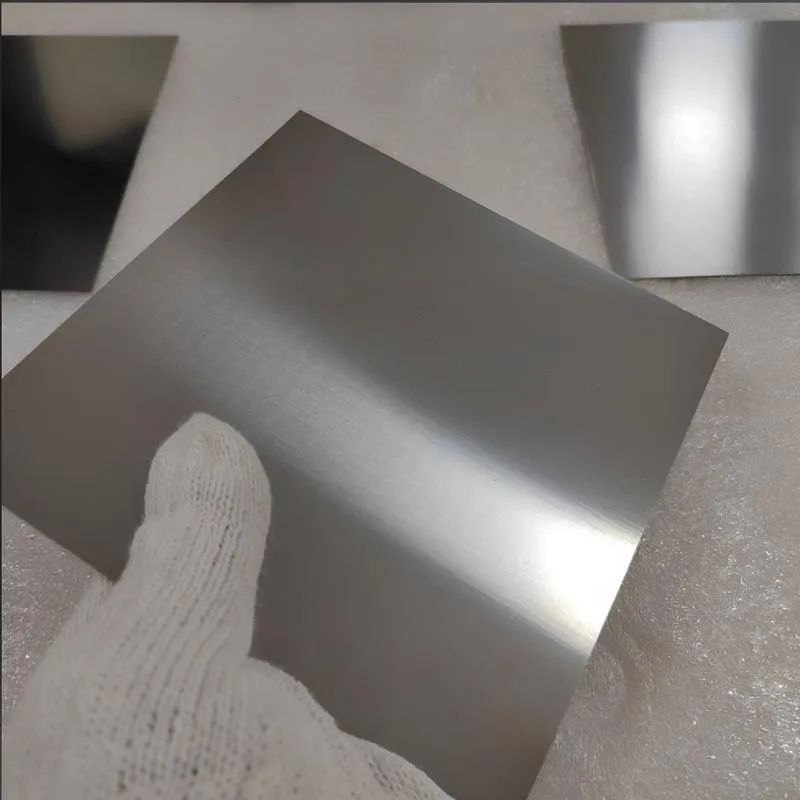
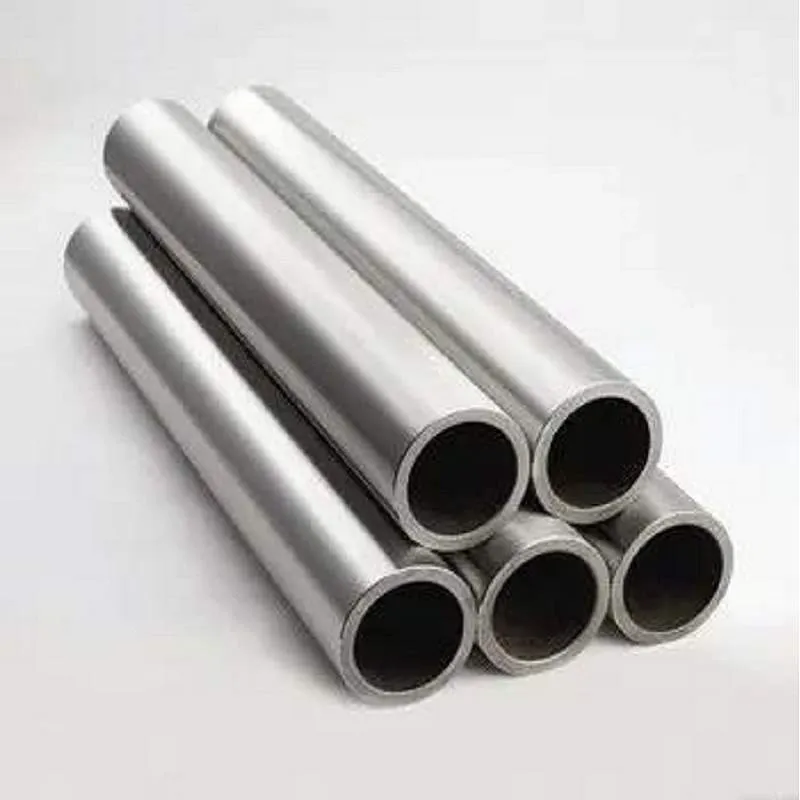
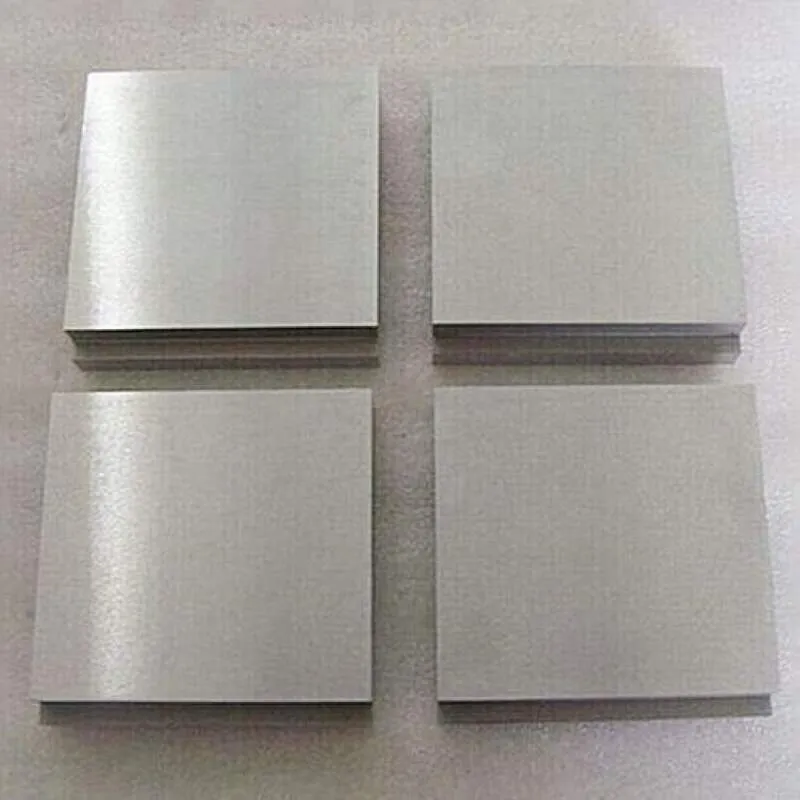
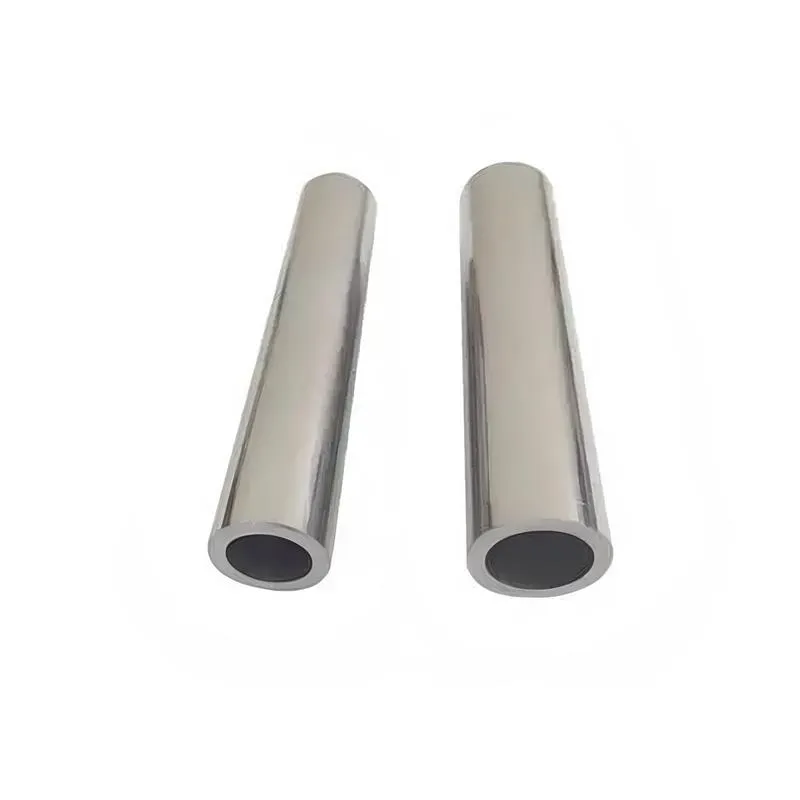
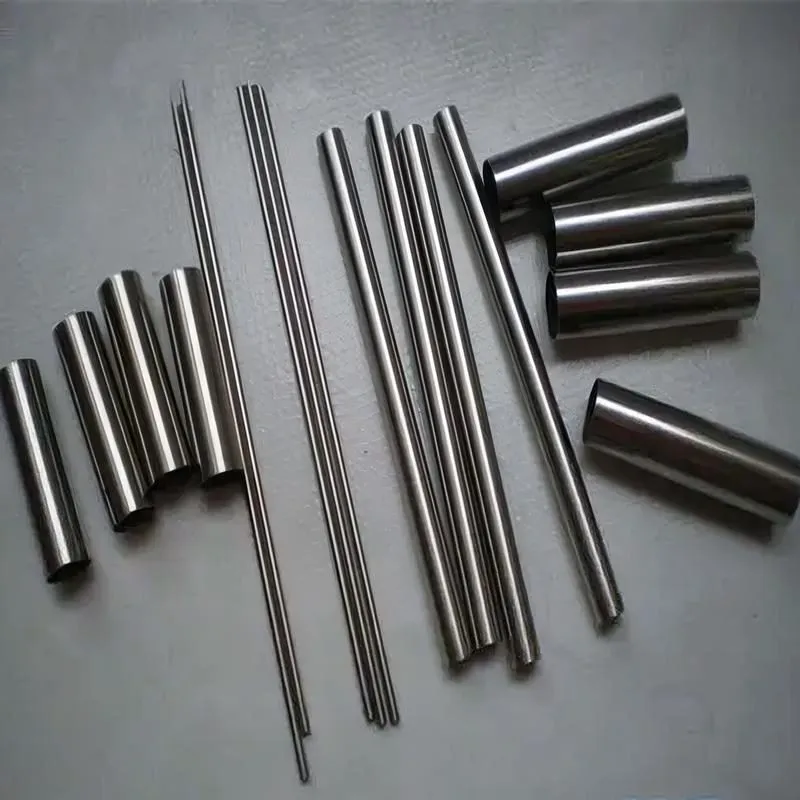
ASTM A159 Cast Iron Sheet,Plate
Product Code : STI-IFe-122-CU
We provide ASTM A159 Cast Iron Sheet/Plate is available in Bar (Round bar, Flat bar), Ribbon, Wire, Rods, Tube,Seamless Tube,Pipe, Ingots, Plate, Sheet/Plate, Strip and Forging Stock.,Purity, chemical composition, size, etc. can all be customized to meet specific requirements.
Please contact us if you need customized services. We will contact you with the price and availability in 24 hours.
ASTM A159 Cast Iron Sheet/Plate Product Information
-:-
For detailed product information, please contact sales.
-:
ASTM A159 Cast Iron Sheet/Plate Synonyms
-:-
For detailed product information, please contact sales.
-:
ASTM A159 Cast Iron Product Information
-:-
For detailed product information, please contact sales.
-:
### **Product Introduction: ASTM A159 Automotive Gray Cast Iron**
**ASTM A159** is a standard specification specifically for **gray cast iron castings used in automotive applications**. Unlike many material standards that define a single alloy, A159 establishes several grades of gray iron based on their tensile strength, which is directly correlated with the microstructure and cooling rate of the casting. It is the historical and foundational specification for engine blocks, cylinder heads, brake drums, and other critical automotive components.
The standard recognizes that the properties of gray iron are significantly influenced by the cross-sectional thickness of the casting (cooling rate). Therefore, it provides guidelines for qualifying a casting based on the tensile strength of separately cast test bars, which are designed to cool at a rate representative of a critical section of the actual casting.
---
### **1. Key International Standards & Designations**
* **Primary Standard:** **ASTM A159 - Standard Specification for Automotive Gray Iron Castings**
* **SAE Standard:** **J431** (Automotive Gray Iron Castings) is closely aligned and often referenced interchangeably in the automotive industry.
* **UNS Designation:** The grades typically correspond to UNS F-classifications for gray iron (e.g., F10006, F10007, etc.).
* **ISO Comparable Standard:** **ISO 185** (Gray cast irons - Classification) provides a similar classification by tensile strength, though not automotive-specific.
---
### **2. Chemical Composition (Typical Ranges)**
ASTM A159 does **not** mandate specific chemical composition ranges for each grade. Instead, composition is controlled by the foundry to achieve the required mechanical properties (primarily tensile strength) in the designated test bar. However, typical compositions for automotive gray iron are well-established.
| Element | General Range (%) | Purpose & Effect |
| :--- | :--- | :--- |
| **Carbon (C)** | 3.2 - 3.6 | Primary graphite former. High carbon promotes graphitization, machinability, and damping capacity. |
| **Silicon (Si)** | 1.8 - 2.4 | Strong graphitizer. Controls the matrix structure; higher Si promotes ferrite, lower Si promotes pearlite (stronger but harder). |
| **Manganese (Mn)** | 0.5 - 0.8 | Stabilizes pearlite and combines with sulfur to form harmless MnS inclusions. |
| **Phosphorus (P)** | 0.05 - 0.15 (Max often 0.25) | Improves fluidity for casting thin sections. High P (>0.2%) leads to hard, brittle phosphide eutectic. |
| **Sulfur (S)** | 0.06 - 0.12 | Combines with Mn. Excess sulfur inhibits graphitization and can promote chill (carbides). |
| **Alloying Additives** | (Optional/Trace) | **Chromium (Cr)**, **Molybdenum (Mo)**, **Copper (Cu)**, and **Tin (Sn)** may be added in small amounts (typically <0.5%) to increase strength, refine pearlite, and improve uniformity in heavy sections. |
---
### **3. Grades & Typical Mechanical Properties**
The standard defines grades by the **minimum tensile strength** (in ksi) required on a separately cast test bar. Properties in the actual casting will vary with section thickness.
| ASTM A159 Grade | Minimum Tensile Strength (ksi) | Minimum Tensile Strength (MPa) | Typical Hardness (HB) | **Key Characteristics & Typical Use** |
| :--- | :--- | :--- | :--- | :--- |
| **G1800** | 18 ksi | 124 MPa | 187 max | High machinability, good damping. **Less common now.** |
| **G2500** | 25 ksi | 172 MPa | 170 - 229 | Good balance of strength and machinability. **Historically for lighter-duty parts.** |
| **G3000** | 30 ksi | 207 MPa | 187 - 241 | **The classic, widely used grade for engine blocks and heads** for decades. |
| **G3500** | 35 ksi | 241 MPa | 207 - 255 | Higher strength. Used for **modern, higher-output engine blocks, brake drums/rotors**. |
| **G4000** | 40 ksi | 276 MPa | 217 - 269 | High-strength grade. Used for **heavy-duty diesel components, high-stress parts**. |
**General Physical & Foundry Properties:**
* **Density:** ~7.1 - 7.2 g/cm³
* **Melting Point:** ~1120 - 1250 °C
* **Excellent Castability:** High fluidity, low shrinkage.
* **Excellent Machinability:** Graphite flakes act as chip breakers and lubricants.
* **High Damping Capacity:** Superior at absorbing vibrational energy (critical for engine blocks).
* **Good Thermal Conductivity:** Graphite flakes aid in heat dissipation.
* **Low Ductility:** Gray iron is brittle and has negligible elongation (<1%).
---
### **4. Typical Applications**
As an automotive-specific standard, its applications are centered around powertrain, chassis, and braking systems.
* **Engine Powertrain:**
* **Cylinder Blocks and Cylinder Heads** (the most classic application)
* **Flywheels**
* **Transmission Housings and Cases**
* **Oil Pans**
* **Exhaust Manifolds** (though often now made from SiMo ductile iron)
* **Braking System:**
* **Brake Drums and Brake Rotors/Discs** (G3500 is common here for its strength and thermal fatigue resistance).
* **Suspension & Chassis:**
* **Steering Gear Housings**
* **Brackets and Supports**
---
### **5. Important Notes & Modern Context**
* **Section Sensitivity:** The core principle of A159 is that a casting is qualified by the strength of a test bar that cools at a rate similar to a **critical section** of the part. A part with varying wall thickness will have varying properties.
* **Microstructure:** The desired microstructure is a **pearlitic matrix with uniformly distributed, randomly oriented Type A graphite flakes**. This provides the optimal combination of strength, thermal conductivity, and damping.
* **Modern Evolution:** While ASTM A159 remains a vital historical and reference standard, many modern automotive components, especially high-performance engine blocks and heads, now use **compacted graphite iron (CGI - ASTM A842)** or **ductile iron (ASTM A536)** for their superior strength-to-weight ratio and fatigue resistance. However, traditional gray iron (to A159 grades) is still extensively used for many components due to its cost-effectiveness, castability, and excellent overall performance profile.
-:-
For detailed product information, please contact sales.
-:
ASTM A159 Cast Iron Specification
Dimensions
Size:
Diameter 20-1000 mm Length <6597 mm
Size:We can customized as required
Standard:
Per your request or drawing
We can customized as required
Properties(Theoretical)
Chemical Composition
-:-
For detailed product information, please contact sales.
-:
ASTM A159 Cast Iron Properties
-:-
For detailed product information, please contact sales.
-:
Applications of ASTM A159 Cast Iron Sheet,Plate
-:-
For detailed product information, please contact sales.
-:
Chemical Identifiers ASTM A159 Cast Iron Sheet,Plate
-:-
For detailed product information, please contact sales.
-:
Packing of ASTM A159 Cast Iron Sheet/Plate
-:-
For detailed product information, please contact sales.
-:
Standard Packing:
-:-
For detailed product information, please contact sales.
-:
Typical bulk packaging includes palletized plastic 5 gallon/25 kg. pails, fiber and Steel Sheet/Plate drums to 1 ton super sacks in full container (FCL) or truck load (T/L) quantities. Research and sample quantities and hygroscopic, oxidizing or other air sensitive materials may be packaged under argon or vacuum. Solutions are packaged in polypropylene, plastic or glass jars up to palletized 3068 gallon liquid totes Special package is available on request. E FORUs’ is carefully handled to minimize damage during storage and transportation and to preserve the quality of our products in their original condition