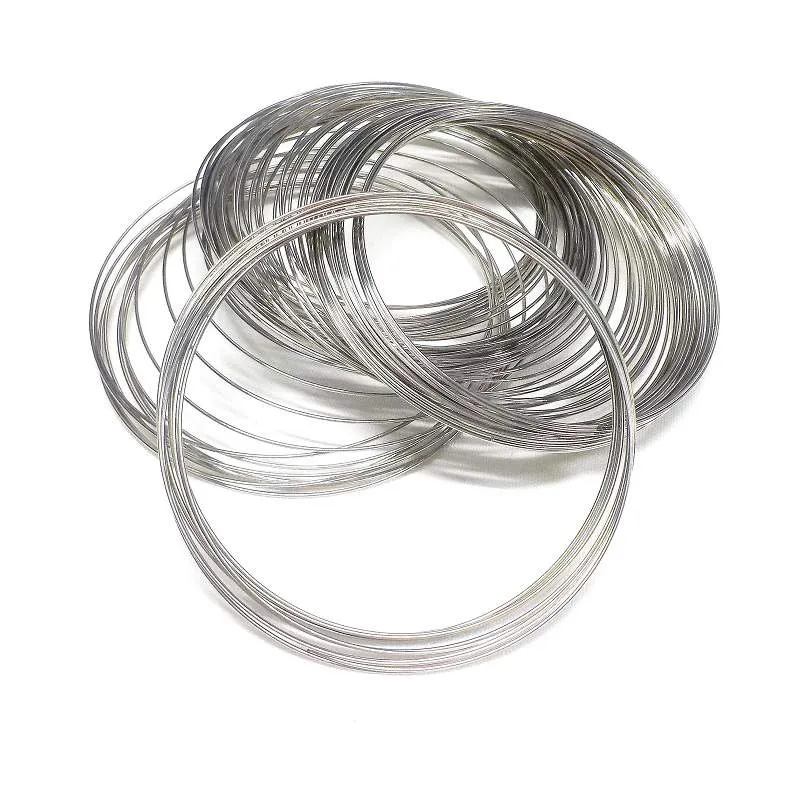
ASTM A414 Grade F Pressure Vessel Steel
Product Code : STI-GSTI-738-CU
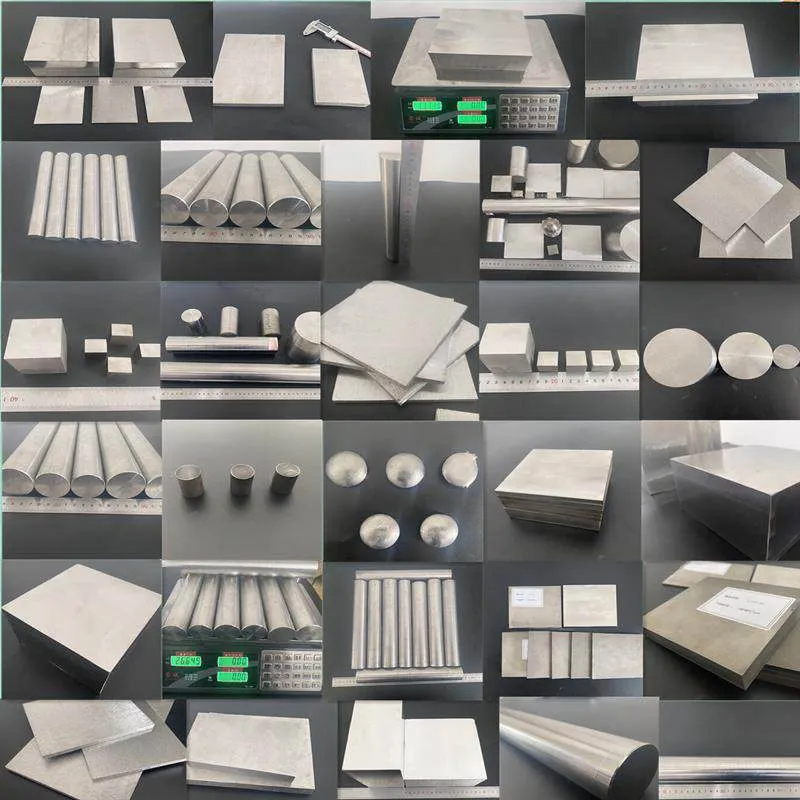
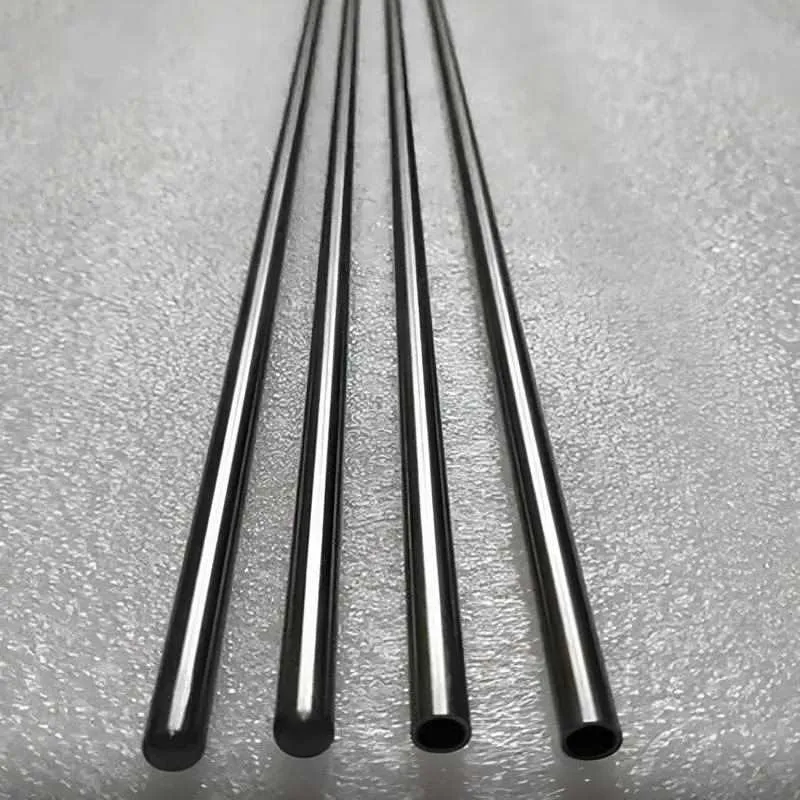
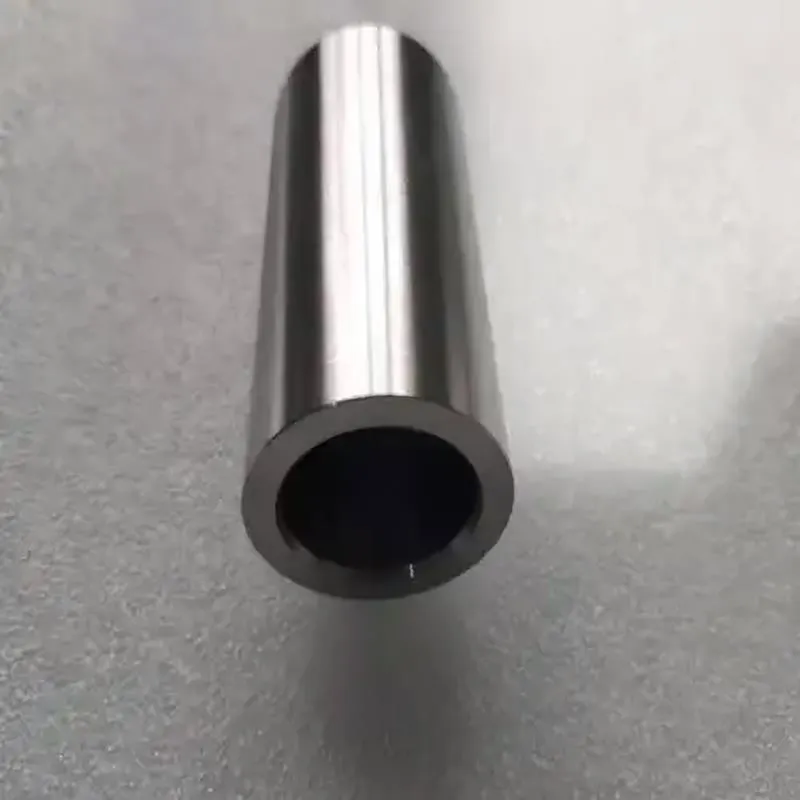
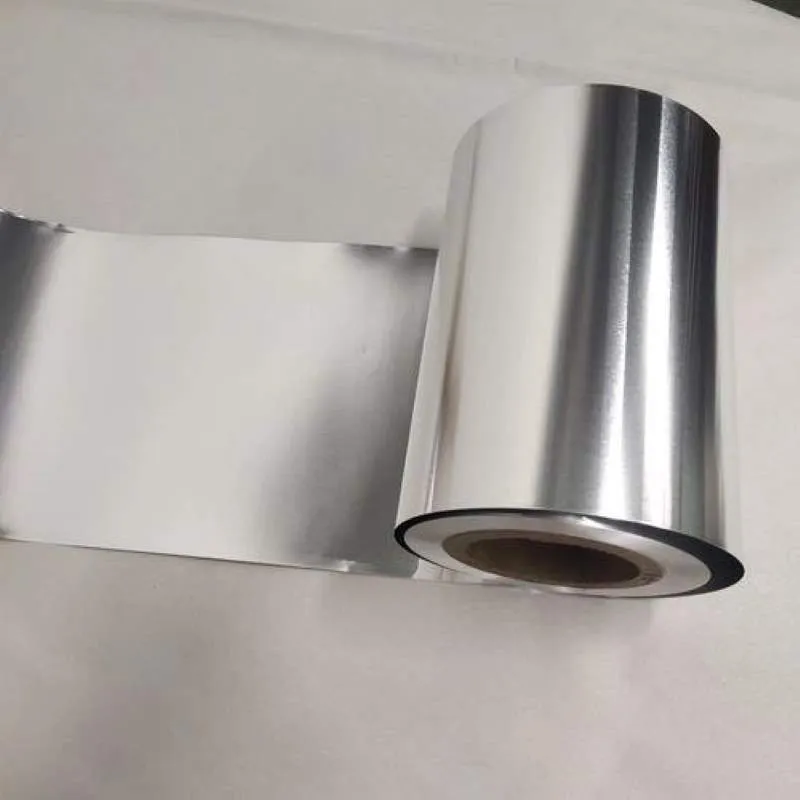
We provide ASTM A414 Grade F Pressure Vessel Steel, Composition Spec is available in Bar (Round bar, Flat bar), Ribbon, Wire, Rods, Tube,Seamless Tube,Pipe, Ingots, Plate, Sheet, Strip and Forging Stock.,Purity, chemical composition, size, etc. can all be customized to meet specific requirements.
Please contact us if you need customized services. We will contact you with the price and availability in 24 hours.
ASTM A414 Grade F Pressure Vessel Steel, Composition Spec Product Information
-:-
For detailed product information, please contact sales.
-:
ASTM A414 Grade F Pressure Vessel Steel, Composition Spec Synonyms
-:-
For detailed product information, please contact sales.
-:
ASTM A414 Grade F Pressure Vessel Steel, Composition Spec Product Information
-:-
For detailed product information, please contact sales.
-:
### **Product Name:** ASTM A414 Grade F Pressure Vessel Steel (Composition Specified)
**Classification:** Carbon-Manganese Steel Sheet for Pressure Vessels (Higher Carbon Variant)
---
### **1. Overview**
ASTM A414 Grade F (with composition specified) is a standardized carbon-manganese steel sheet intended for fusion-welded pressure vessel fabrication. Within the ASTM A414 family, Grade F is chemically defined by its **elevated carbon content**, representing a higher strength, non-alloyed sheet steel option. The **"Composition Specified"** ordering basis means the material is produced and accepted primarily on its conformance to strict chemical composition limits, with the resulting mechanical properties being characteristic of that chemistry but not mandated as minimum acceptance criteria. This grade is engineered for applications where higher load-bearing capacity from sheet material is required, utilizing carbon as the primary strengthening agent, albeit with increased attention needed during welding and forming.
### **2. Chemical Composition (Weight %, Heat Analysis)**
Per ASTM A414/A414M. Chemical composition is the definitive and controlling specification.
| Element | Minimum (%) | Maximum (%) | Notes |
|---------|------------|------------|-------|
| **Carbon (C)** | - | 0.30 | **The Key Distinguishing Feature.** The highest maximum carbon content among the common A414 grades (A-E), providing significant strength through increased pearlite content and solid solution hardening. Directly impacts weldability and formability. |
| **Manganese (Mn)** | 0.80 | 1.20 | A robust manganese range that complements the high carbon content for strength and hardenability, while also aiding in deoxidation and sulfide shape control. |
| **Phosphorus (P)** | - | 0.035 | Standard impurity control. |
| **Sulfur (S)** | - | 0.040 | Standard impurity control. |
| **Silicon (Si)** | 0.15 | 0.30 | Ensures a fully killed (deoxidized) steel, which is critical for achieving a sound, uniform microstructure capable of withstanding the higher stresses this grade is designed for. |
**Note:** Copper (Cu) may be specified as an optional element (min 0.20%) for enhanced atmospheric corrosion resistance, but it is not a defining feature of Grade F.
**Core Principle:** For "Composition Specified" Grade F, **chemical conformance is the mandatory acceptance criterion.** Mechanical properties (tensile, yield) are developed through thermomechanical processing of this specific high-carbon, medium-manganese chemistry and are reported as typical values, not as guaranteed minima.
### **3. Physical & Mechanical Properties**
*Typical properties for hot-rolled or normalized sheet produced to the Grade F chemistry.*
**Reported Mechanical Properties (Typical, for information):**
* **Tensile Strength (Rm):** 60,000 - 80,000 psi (415 - 550 MPa) [Reported Value]
* **Yield Strength (Re, 0.2% offset):** 33,000 - 45,000 psi (230 - 310 MPa) [Reported Value]
* **Elongation (A, min in 2 in.):** 18% min (Typical expectation)
**Impact Properties:**
* **Not Required:** ASTM A414 does **not** require Charpy V-notch impact testing. Consequently, it is **not suitable for low-temperature service** and is restricted to applications where the minimum design metal temperature is above 32°F (0°C). The high carbon content inherently reduces notch toughness.
**Physical Properties (Typical):**
* **Density:** 0.284 lb/in³ (7.85 g/cm³)
* **Modulus of Elasticity:** 29 x 10⁶ psi (200 GPa)
* **Thermal Conductivity:** ~ 48 W/m·K (at 20°C)
* **Coefficient of Thermal Expansion:** ~ 6.5 x 10⁻⁶ /°F (11.7 x 10⁻⁶ /K)
### **4. Key Characteristics**
* **High Carbon Strengthening:** Derives its strength primarily from its high maximum carbon content (0.30%), making it one of the strongest non-alloyed grades in the A414 sheet series.
* **Weldability Challenges:** The high carbon equivalent necessitates stringent welding procedure controls. Use of low-hydrogen electrodes, mandatory pre-heat, and strict control of interpass temperature are essential to prevent hydrogen-induced cold cracking and to manage hard, brittle heat-affected zones (HAZ). Post-weld heat treatment (PWHT) is often recommended.
* **Formability Considerations:** The high strength and reduced ductility compared to lower carbon grades mean it is less suitable for severe cold forming operations. Hot forming or careful design of bend radii is advised.
* **Fully Killed Steel:** Guaranteed silicon content ensures a homogeneous, dense microstructure, which is vital for integrity under higher stress.
* **Application-Specific Niche:** Serves a specific need for high-strength sheet where alloy steels are not specified or justified, and where fabrication challenges can be managed.
### **5. Product Applications**
ASTM A414 Grade F (Comp Spec) is used in specialized pressure vessel applications where high strength is required from sheet material, often for components that are not subjected to severe forming:
* **High-Pressure Shell Sections:** For vessels operating at pressures where wall thickness must be minimized, and the shell can be fabricated from rolled sheet with longitudinal seams.
* **Heads for High-Strength Vessels:** Dished or formed heads where the matching shell plate is a high-strength material like A516 Grade 70.
* **Heavy-Duty Receivers & Accumulators:** Air or gas storage vessels designed for very high working pressures.
* **Supporting Structural Rings & Saddles:** High-stress, non-pressure parts integrated with pressure vessels where the material specification is aligned for procurement simplicity.
* **Specialty Process Vessels:** Where internal pressure is the dominant load and material strength is the primary design driver.
### **6. International Standards & Specifications**
| Region | Standard & Designation | Scope / Notes |
|--------|----------------------|---------------|
| **USA / ASTM** | **ASTM A414/A414M** | Standard Specification for Carbon Steel Sheet for Pressure Vessels. **Grade F** is defined by its chemical limits: C max 0.30, Mn 0.80-1.20, Si 0.15-0.30. |
| **USA / ASME** | **ASME SA-414** | Identical adoption for construction under the ASME Boiler and Pressure Vessel Code. |
| **European Union (EU)** | **EN 10028-2** | No direct chemical equivalent. The nearest in terms of strength application would be grades like **P305GH** or **P310GH**, which are normalized fine-grain steels with guaranteed properties, not chemistry-defined sheets. |
| **International / ISO** | **ISO 9328-2** | Similar strength grades like **P305GH** serve as functional *performance* equivalents. |
| **Japan** | **JIS G3116 SPV 410** | May provide comparable tensile strength performance. |
**Critical Context:** ASTM A414 Grade F is a **sheet product**. Its use has diminished in favor of **normalized, fine-grain plate steels (A516)** which offer similar or better strength, guaranteed toughness, and often better overall weldability despite potentially higher initial cost. Grade F is typically specified for legacy designs or very specific applications.
### **7. Available Forms & Processing**
* **Standard Forms:** **Sheets** (cut lengths).
* **Condition:** Usually supplied as **hot-rolled**. Normalizing by the mill may be specified as an additional requirement to improve uniformity and somewhat enhance toughness.
* **Fabrication:**
* **Forming:** Limited cold formability. Hot forming is strongly preferred for any significant deformation.
* **Welding:** **Requires a rigorously qualified WPS.** Essential practices include: low-hydrogen processes (SMAW with E7018, SAW), pre-heat of 200-400°F (95-205°C) depending on thickness, and PWHT to temper the HAZ and relieve stresses.
* **Cutting:** Thermal cutting methods require care to prevent hard, crack-sensitive edges; grinding or machining of cut edges is often recommended.
### **8. Selection Guidance**
**Choose ASTM A414 Grade F (Comp Spec) with caution and only when:**
* A legacy design or explicit customer specification mandates this **specific chemistry-based grade**.
* The application absolutely requires the **highest strength available from a non-alloy A414 sheet** and fabrication constraints prohibit the use of plate.
* The fabricator possesses proven expertise in welding high-carbon-equivalent steels and has the procedures and controls in place.
**Strongly consider alternatives like ASTM A516 Grade 65 or 70 when:**
* **Notch toughness** is a concern (A516 requires impact testing).
* **Weldability and fabricability** are priorities.
* **Guaranteed minimum mechanical properties** are required for design and procurement.
* A **normalized, more reliable microstructure** is desired.
---
**Disclaimer:** This document is a technical overview. **ASTM A414 Grade F presents significant fabrication challenges, particularly in welding, and is not for low-temperature service.** The "Composition Specified" condition places the onus on the fabricator to qualify procedures and validate final component properties. Its use in modern pressure vessel construction is limited and should be undertaken only with full understanding of the implications, under strict adherence to the applicable Boiler and Pressure Vessel Code (e.g., ASME Section VIII). Always consult the latest **ASTM A414/A414M** specification and involve qualified welding and materials engineers.
-:-
For detailed product information, please contact sales.
-:
ASTM A414 Grade F Pressure Vessel Steel, Composition Spec Specification
Dimensions
Size:
Diameter 20-1000 mm Length <7394 mm
Size:We can customized as required
Standard:
Per your request or drawing
We can customized as required
Properties(Theoretical)
Chemical Composition
-:-
For detailed product information, please contact sales.
-:
ASTM A414 Grade F Pressure Vessel Steel, Composition Spec Properties
-:-
For detailed product information, please contact sales.
-:
Applications of ASTM A414 Grade F Pressure Vessel Steel, Composition Spec
-:-
For detailed product information, please contact sales.
-:
Chemical Identifiers ASTM A414 Grade F Pressure Vessel Steel, Composition Spec
-:-
For detailed product information, please contact sales.
-:
Packing of ASTM A414 Grade F Pressure Vessel Steel, Composition Spec
-:-
For detailed product information, please contact sales.
-:
Standard Packing:
-:-
For detailed product information, please contact sales.
-:
Typical bulk packaging includes palletized plastic 5 gallon/25 kg. pails, fiber and steel drums to 1 ton super sacks in full container (FCL) or truck load (T/L) quantities. Research and sample quantities and hygroscopic, oxidizing or other air sensitive materials may be packaged under argon or vacuum. Solutions are packaged in polypropylene, plastic or glass jars up to palletized 3865 gallon liquid totes Special package is available on request. E FORUs’ is carefully handled to minimize damage during storage and transportation and to preserve the quality of our products in their original condition