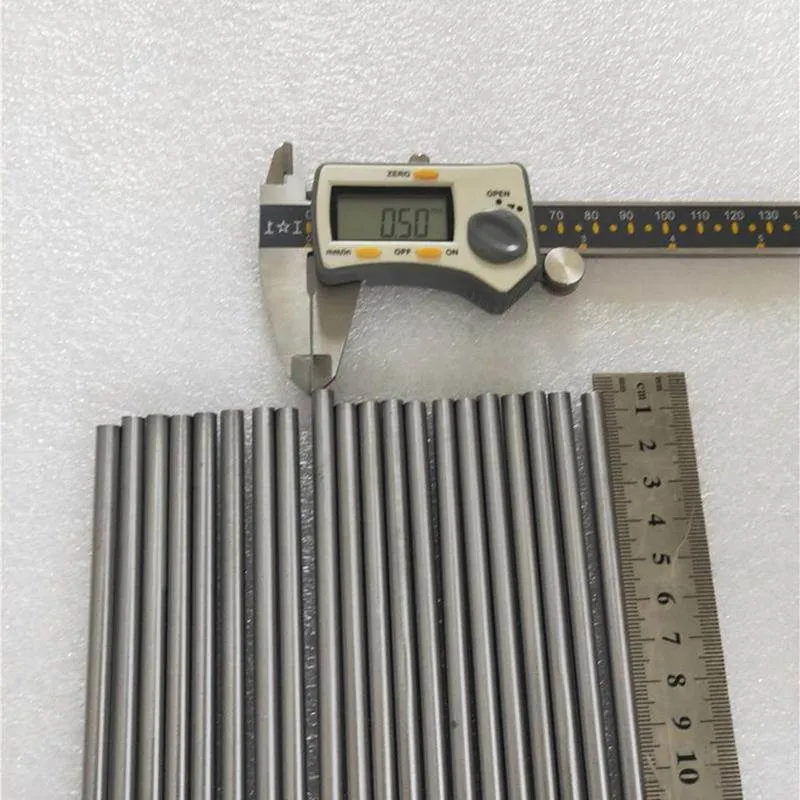
ASTM A414 Grade G Pressure Vessel Steel
Product Code : STI-GSTI-739-CU
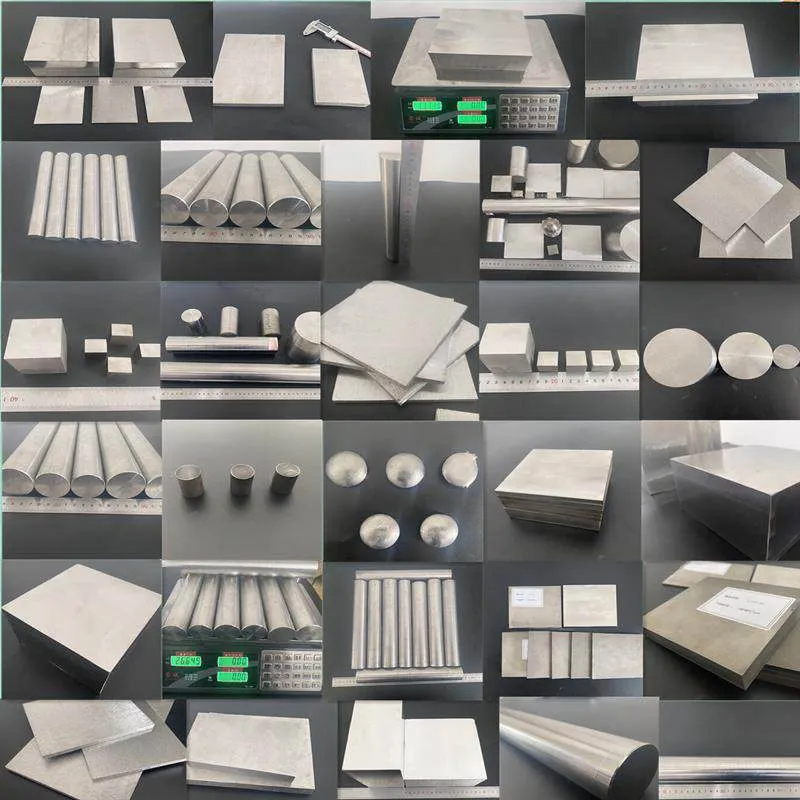
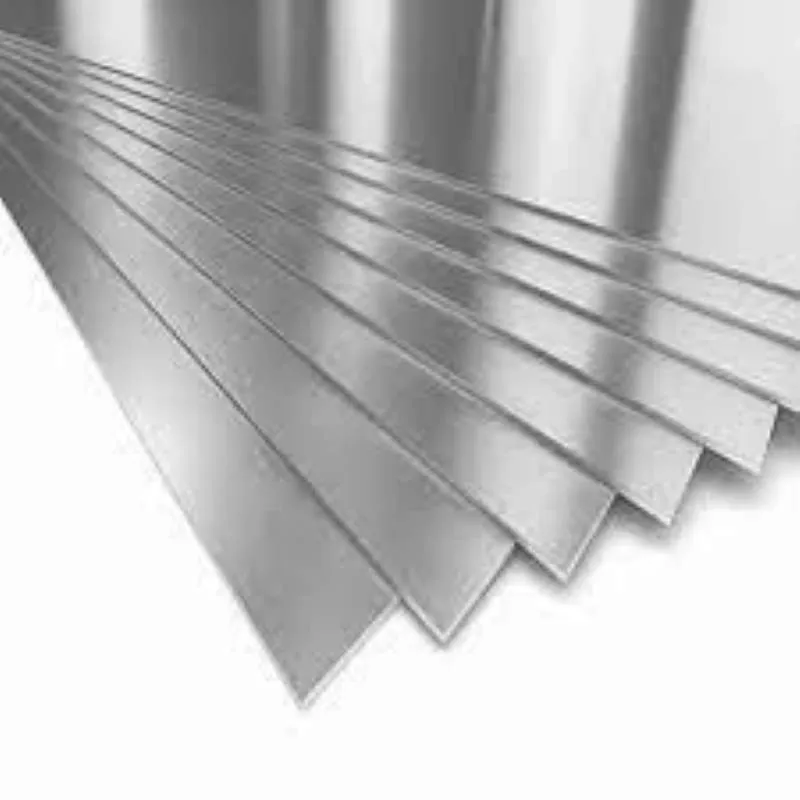
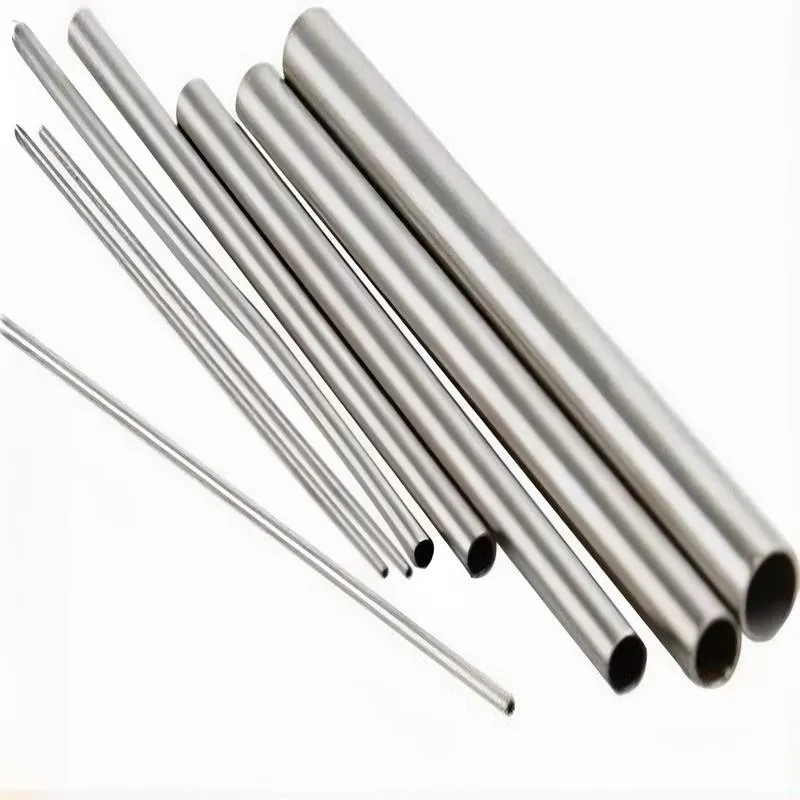
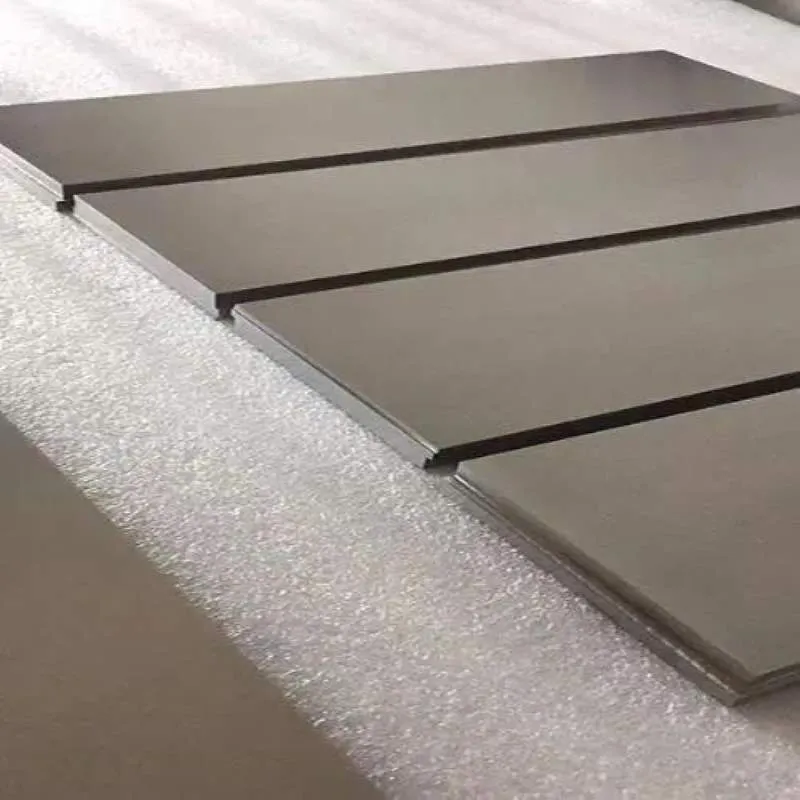
We provide ASTM A414 Grade G Pressure Vessel Steel, Composition Spec is available in Bar (Round bar, Flat bar), Ribbon, Wire, Rods, Tube,Seamless Tube,Pipe, Ingots, Plate, Sheet, Strip and Forging Stock.,Purity, chemical composition, size, etc. can all be customized to meet specific requirements.
Please contact us if you need customized services. We will contact you with the price and availability in 24 hours.
ASTM A414 Grade G Pressure Vessel Steel, Composition Spec Product Information
-:-
For detailed product information, please contact sales.
-:
ASTM A414 Grade G Pressure Vessel Steel, Composition Spec Synonyms
-:-
For detailed product information, please contact sales.
-:
ASTM A414 Grade G Pressure Vessel Steel, Composition Spec Product Information
-:-
For detailed product information, please contact sales.
-:
### **Product Name:** ASTM A414 Grade G Pressure Vessel Steel (Composition Specified)
**Classification:** Carbon-Manganese Steel Sheet for Pressure Vessels (Highest Manganese Content Variant)
---
### **1. Overview**
ASTM A414 Grade G (with composition specified) is a specialized carbon-manganese steel sheet designed for fusion-welded pressure vessel applications. It occupies a unique position within the ASTM A414 family as the **highest manganese-content grade**, specifically engineered to achieve elevated strength levels primarily through robust solid-solution strengthening. The **"Composition Specified"** designation signifies that the material's acceptance is fundamentally based on its conformance to precise chemical composition limits, with resulting mechanical properties being characteristic but not contractually guaranteed as minima. This grade serves a niche for designers seeking higher strength from sheet material using a manganese-based strengthening approach, offering an alternative to high-carbon grades with different fabrication characteristics.
### **2. Chemical Composition (Weight %, Heat Analysis)**
Per ASTM A414/A414M. Chemical composition is the principal and controlling specification.
| Element | Minimum (%) | Maximum (%) | Notes |
|---------|------------|------------|-------|
| **Carbon (C)** | - | 0.26 | Moderate carbon level, similar to Grade E, providing a base for strength without reaching the peak levels of Grade F. |
| **Manganese (Mn)** | 1.20 | 1.60 | **The Defining Characteristic.** This is the highest specified manganese range in the A414 series. The substantial Mn content (minimum 1.20%) is the primary driver for achieving high yield and tensile strength through potent solid-solution strengthening and increased hardenability. |
| **Phosphorus (P)** | - | 0.035 | Standard impurity control. |
| **Sulfur (S)** | - | 0.040 | Standard impurity control. |
| **Silicon (Si)** | 0.15 | 0.30 | Ensures a fully killed (deoxidized) steel, crucial for achieving a uniform and sound microstructure capable of withstanding the high stresses associated with this grade's strength. |
**Note:** Copper (Cu) may be specified as an optional element (min 0.20%) for enhanced atmospheric corrosion resistance.
**Core Principle:** For "Composition Specified" Grade G, **chemical conformance is the mandatory acceptance criterion.** Tensile strength, yield strength, and elongation are developed through the thermomechanical processing of this distinct high-manganese, moderate-carbon chemistry. These mechanical properties are reported as typical values, not as guaranteed minima.
### **3. Physical & Mechanical Properties**
*Typical properties for hot-rolled or normalized sheet produced to the Grade G chemistry.*
**Reported Mechanical Properties (Typical, for information):**
* **Tensile Strength (Rm):** 62,000 - 82,000 psi (430 - 565 MPa) [Reported Value]
* **Yield Strength (Re, 0.2% offset):** 35,000 - 48,000 psi (240 - 330 MPa) [Reported Value]
* **Elongation (A, min in 2 in.):** 18% min (Typical expectation)
**Impact Properties:**
* **Not Required:** ASTM A414 does **not** require Charpy V-notch impact testing. Consequently, it is **not suitable for low-temperature service** and is restricted to applications where the minimum design metal temperature is above 32°F (0°C). While high manganese can improve toughness relative to carbon at a given strength, it is not quantified or guaranteed by this specification.
**Physical Properties (Typical):**
* **Density:** 0.284 lb/in³ (7.85 g/cm³)
* **Modulus of Elasticity:** 29 x 10⁶ psi (200 GPa)
* **Thermal Conductivity:** ~ 47 W/m·K (at 20°C)
* **Coefficient of Thermal Expansion:** ~ 6.5 x 10⁻⁶ /°F (11.7 x 10⁻⁶ /K)
### **4. Key Characteristics**
* **Manganese-Dominant Strengthening:** Derives its high strength primarily from its exceptionally high manganese content (1.20-1.60%), offering a strengthening mechanism that can be more favorable for weldability and microstructural control compared to equivalent strength achieved through very high carbon.
* **High Hardenability:** The high manganese content significantly increases the hardenability of the steel, leading to a greater propensity for forming harder microstructures (e.g., martensite/bainite) in the heat-affected zone (HAZ) during welding. This necessitates careful thermal management.
* **Weldability Challenges:** The combination of moderate carbon and very high manganese results in a high carbon equivalent, presenting significant welding challenges. Stringent procedures involving low-hydrogen processes, mandatory and substantial pre-heat, controlled interpass temperature, and a strong likelihood of requiring Post-Weld Heat Treatment (PWHT) are essential to avoid cold cracking and manage HAZ hardness.
* **Formability Considerations:** The high strength and work hardening rate due to manganese may limit severe cold forming. Hot forming is often recommended for complex shapes.
* **Fully Killed Steel:** Guaranteed silicon content ensures a homogeneous internal structure.
### **5. Product Applications**
ASTM A414 Grade G (Comp Spec) is used in specialized, high-strength pressure vessel applications fabricated from sheet, often where its specific chemistry is called for:
* **High-Pressure Vessel Components:** Shell courses or heads for vessels operating at pressures where minimizing wall thickness from sheet stock is critical.
* **Heavy-Duty Accumulators & Receivers:** For industrial systems requiring very high operating pressures.
* **Specialty Process Equipment:** Components in chemical or petrochemical service where design codes allow its use and high strength is the paramount material selection factor.
* **Legacy Equipment Replacement:** For in-kind replacement of parts in existing vessels originally constructed with this grade.
* **Non-Pressure, High-Stress Attachments:** Support rings or skirts where the material spec aligns with the pressure shell for procurement simplicity, though this is not its primary intent.
### **6. International Standards & Specifications**
| Region | Standard & Designation | Scope / Notes |
|--------|----------------------|---------------|
| **USA / ASTM** | **ASTM A414/A414M** | Standard Specification for Carbon Steel Sheet for Pressure Vessels. **Grade G** is defined by its unique chemical limits: C max 0.26, Mn 1.20-1.60, Si 0.15-0.30. |
| **USA / ASME** | **ASME SA-414** | Identical adoption for construction under the ASME Boiler and Pressure Vessel Code. |
| **European Union (EU)** | **EN 10028-2** | No direct chemical equivalent. The nearest in terms of strength application might be grades like **P310GH** or **P320GH**, which are normalized fine-grain steels with guaranteed properties. |
| **International / ISO** | **ISO 9328-2** | Similar strength grades serve as functional *performance* equivalents but are not chemistry-based sheet specifications. |
| **Japan** | **JIS G3116 SPV 450** | May provide a comparable tensile strength range in sheet form. |
**Critical Context:** ASTM A414 Grade G is a highly specialized **sheet product** whose use in modern pressure vessel construction is rare. It has largely been supplanted by **normalized, fine-grain plate steels (e.g., ASTM A516 Grade 70 and higher)** or **quenched and tempered low-alloy steels**, which offer superior combinations of guaranteed strength, toughness, and more predictable weldability.
### **7. Available Forms & Processing**
* **Standard Forms:** **Sheets** (cut lengths).
* **Condition:** Typically supplied as **hot-rolled**. Normalizing can be specified as an additional requirement to improve microstructural uniformity.
* **Fabrication:**
* **Forming:** Poor cold formability for severe shapes. **Hot forming is strongly recommended.**
* **Welding:** **Requires an extensively qualified and controlled WPS.** Practices are critical: use ultra-low-hydrogen electrodes/processes, high pre-heat (250-400°F / 120-205°C), strict interpass temperature control, and **PWHT is virtually mandatory** to ensure safe service performance.
* **Cutting:** Thermal cutting edges must be ground or machined to remove the hard, crack-sensitive transformed zone.
### **8. Selection Guidance**
**Exercise extreme caution in selecting ASTM A414 Grade G (Comp Spec). It should only be considered when:**
* An existing, in-service vessel requires like-for-like replacement parts per its original construction specification.
* A very specific, historically justified design explicitly calls for this chemistry-based grade.
* The fabricator has unparalleled expertise in welding high-hardenability steels and can demonstrate qualified procedures with full NDE validation.
**In nearly all other cases, strongly preferred alternatives are:**
* **ASTM A516 Grade 70 (Normalized Plate):** Offers similar strength with guaranteed toughness and better weldability.
* **ASTM A537 Class 2 (Normalized Plate):** For higher strength with good low-temperature toughness.
* **ASTM A678 Grade A/B (Quenched & Tempered Plate):** For high strength and good toughness in plate form.
---
**Disclaimer:** This document is a technical overview. **ASTM A414 Grade G is a highly specialized, challenging-to-fabricate material not intended for low-temperature service or for use by fabricators without specific, proven expertise.** Its application carries significant welding and performance risks. The "Composition Specified" condition places full responsibility for final component integrity on the fabricator. Use in pressure vessel construction must be justified, with all aspects governed by the applicable Boiler and Pressure Vessel Code (e.g., ASME Section VIII), including special welding procedure and performance qualifications. Consultation with a senior materials and welding engineer is mandatory.
-:-
For detailed product information, please contact sales.
-:
ASTM A414 Grade G Pressure Vessel Steel, Composition Spec Specification
Dimensions
Size:
Diameter 20-1000 mm Length <7395 mm
Size:We can customized as required
Standard:
Per your request or drawing
We can customized as required
Properties(Theoretical)
Chemical Composition
-:-
For detailed product information, please contact sales.
-:
ASTM A414 Grade G Pressure Vessel Steel, Composition Spec Properties
-:-
For detailed product information, please contact sales.
-:
Applications of ASTM A414 Grade G Pressure Vessel Steel, Composition Spec
-:-
For detailed product information, please contact sales.
-:
Chemical Identifiers ASTM A414 Grade G Pressure Vessel Steel, Composition Spec
-:-
For detailed product information, please contact sales.
-:
Packing of ASTM A414 Grade G Pressure Vessel Steel, Composition Spec
-:-
For detailed product information, please contact sales.
-:
Standard Packing:
-:-
For detailed product information, please contact sales.
-:
Typical bulk packaging includes palletized plastic 5 gallon/25 kg. pails, fiber and steel drums to 1 ton super sacks in full container (FCL) or truck load (T/L) quantities. Research and sample quantities and hygroscopic, oxidizing or other air sensitive materials may be packaged under argon or vacuum. Solutions are packaged in polypropylene, plastic or glass jars up to palletized 3866 gallon liquid totes Special package is available on request. E FORUs’ is carefully handled to minimize damage during storage and transportation and to preserve the quality of our products in their original condition