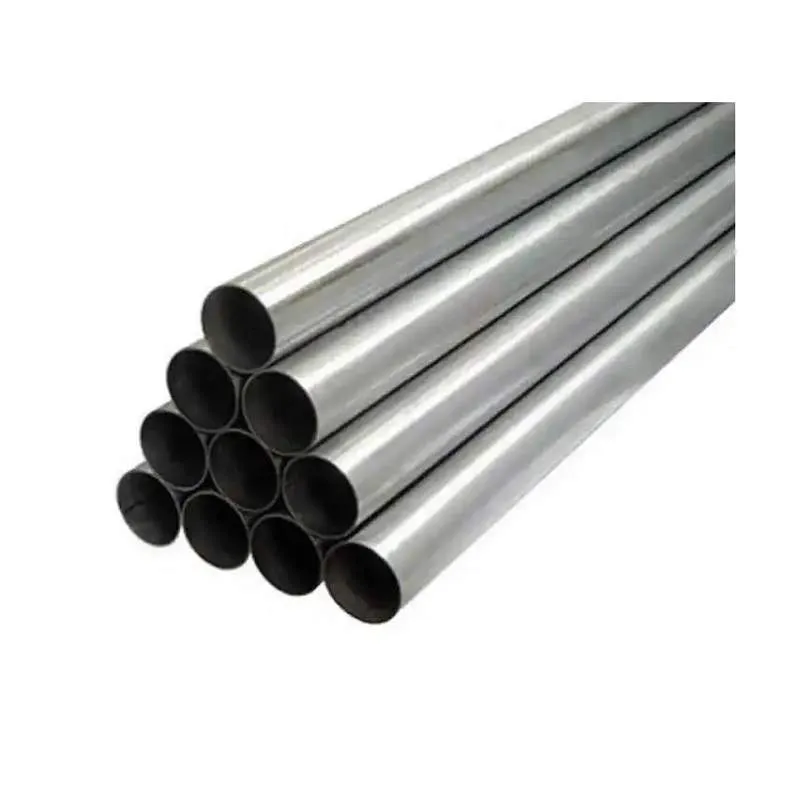
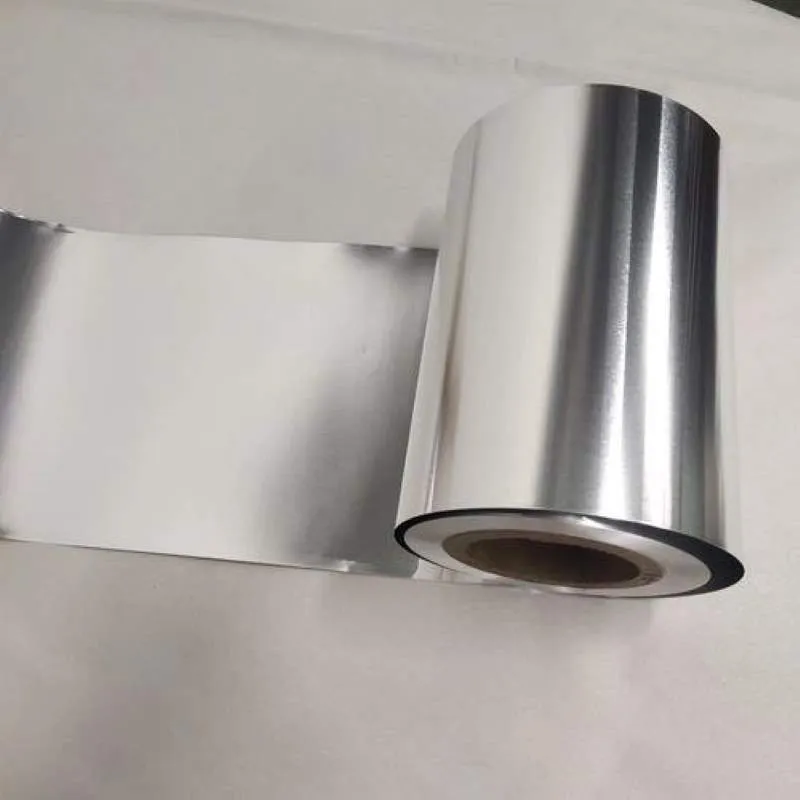
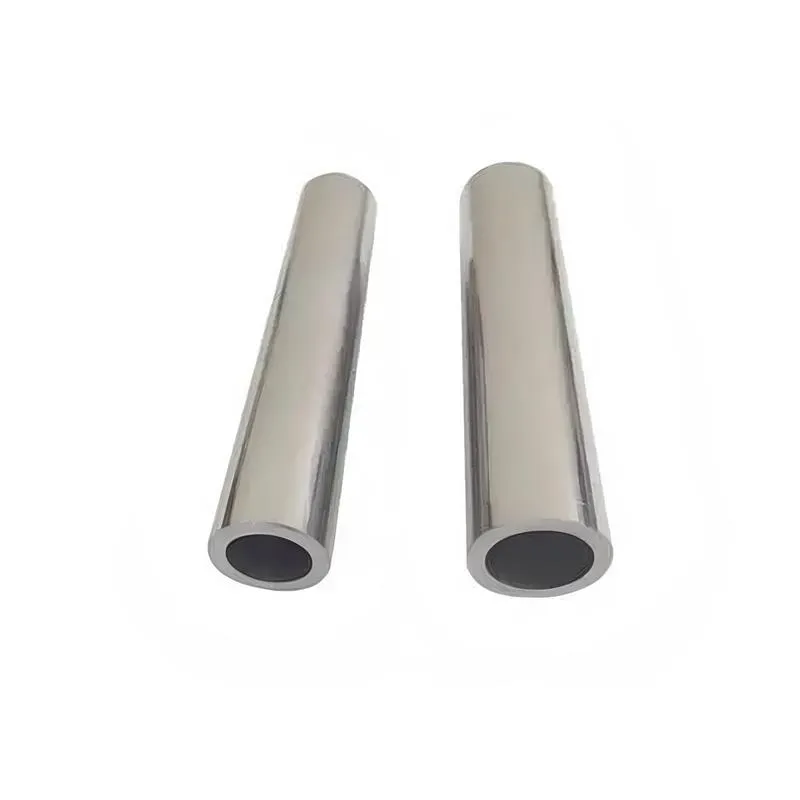
ATI Allegheny Ludlum A7 Tool Steel Tube,Pipe, UNS T30107
Product Code : STI-GSTI-399-CU
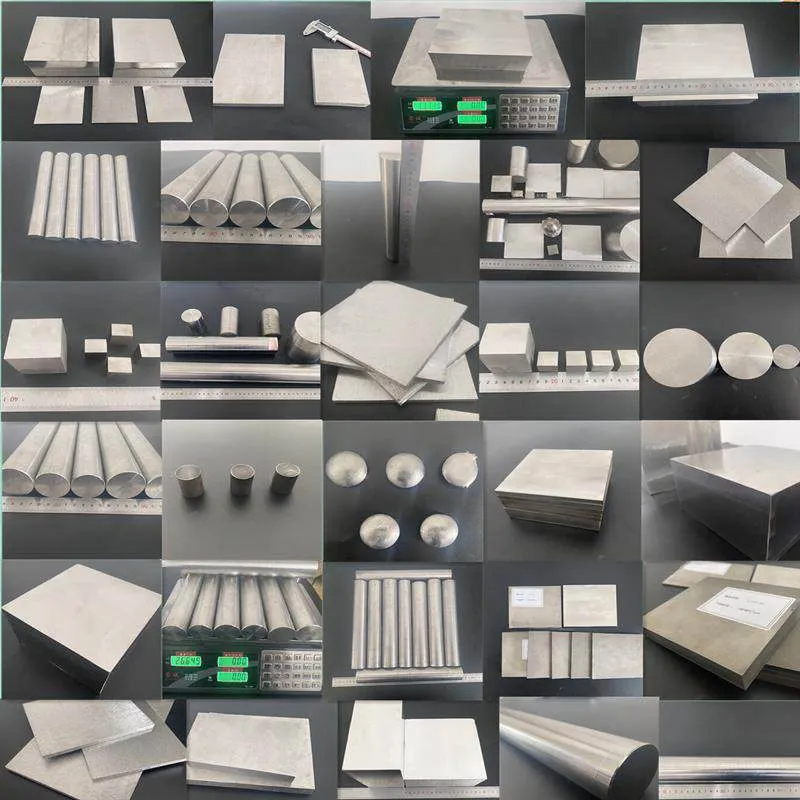
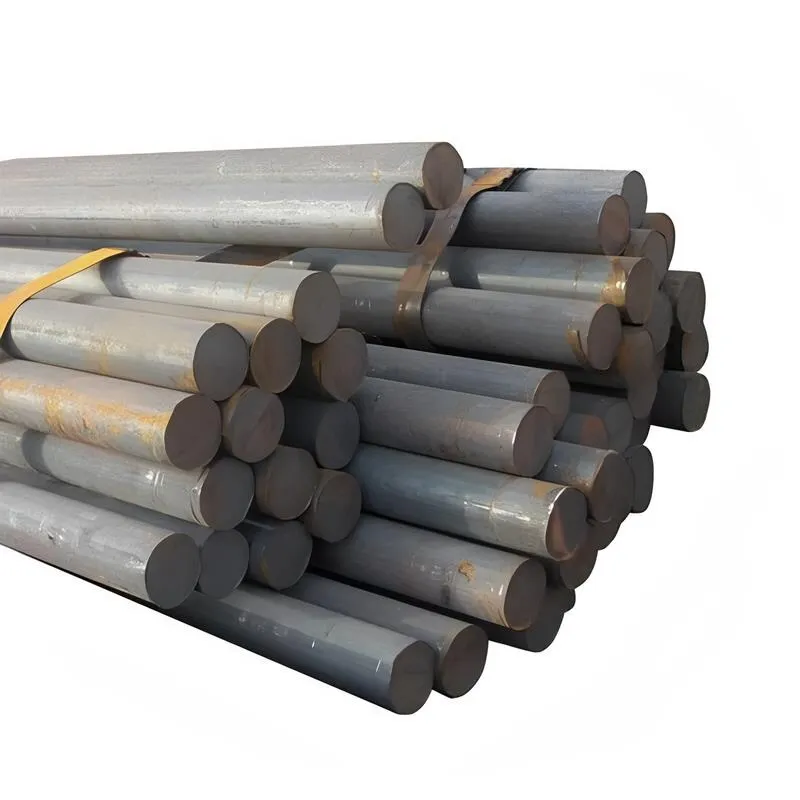
We provide ATI Allegheny Ludlum A7 Tool Steel Tube, UNS T30107 is available in Bar (Round bar, Flat bar), Ribbon, Wire, Rods, Tube,Seamless Tube,Pipe, Ingots, Plate, Sheet, Strip and Forging Stock.,Purity, chemical composition, size, etc. can all be customized to meet specific requirements.ATI Allegheny Ludlum A7 Tool Steel Pipe, UNS T30107
Please contact us if you need customized services. We will contact you with the price and availability in 24 hours.
ATI Allegheny Ludlum A7 Tool Steel Tube, UNS T30107 Product Information
-:-
For detailed product information, please contact sales.
-:
ATI Allegheny Ludlum A7 Tool Steel Tube, UNS T30107 Synonyms
-:-
For detailed product information, please contact sales.
-:
ATI Allegheny Ludlum A7 Tool Steel, UNS T30107 Product Information
-:-
For detailed product information, please contact sales.
-:
# **Product Introduction: ATI Allegheny Ludlum A7 Tool Steel (UNS T30107)**
## **1. Overview**
**ATI Allegheny Ludlum A7 Tool Steel** is a premium **high-carbon, high-chromium, air-hardening cold work tool steel** engineered for applications demanding **extreme wear resistance and high compressive strength**. Designated as **UNS T30107** and commonly known as **AISI A7**, this alloy represents one of the most wear-resistant grades in the standard cold work steel family, with performance characteristics approaching those of high-carbon, high-chromium D-series steels. Characterized by its **very high carbon and tungsten content**, A7 is specifically designed for severe abrasive applications, forming tools for hard materials, and wear parts where maximum service life between regrinds is the primary requirement. Its air-hardening nature provides good dimensional stability while delivering hardness levels that can exceed 64 HRC.
## **2. International Standards & Specifications**
A7 is a standardized, though less commonly used, member of the A-series air-hardening tool steels.
* **Primary Standard Designations:**
* **UNS T30107:** Unified Numbering System designation.
* **AISI A7:** American Iron and Steel Institute classification.
* **ASTM A681:** Standard Specification for Tool Steels Alloy.
* **Key International Equivalents:**
* **There is no direct European DIN equivalent.** Its composition places it between **DIN 1.2601 (X165CrMoV12)** and high-speed steel grades.
* **ISO 4957:** Would be classified under high-carbon, high-chromium cold work tool steels.
* **Common Trade Names:** Referred to as **A7 Tool Steel** or **High Carbon High Chromium Air-Hardening Steel**. It is often considered a specialized alternative to **D2 (AISI)** or **D3 (AISI)** for applications requiring even higher wear resistance.
## **3. Chemical Composition (Weight %, per ASTM A681)**
The composition is defined by exceptionally high carbon and significant tungsten, with high chromium.
| Element | Composition Range (%) | Role & Benefit |
|---------|----------------------|----------------|
| **Carbon (C)** | 2.00 – 2.30 | **Extremely high.** Provides the matrix for extreme hardness and forms a very high volume of hard carbides, primarily chromium and tungsten carbides, for **ultimate abrasion resistance**. |
| **Chromium (Cr)** | 5.00 – 5.75 | **High content.** Primarily forms hard chromium carbides (Cr₇C₃) for wear resistance and contributes to deep air hardenability. |
| **Tungsten (W)** | 0.90 – 1.40 | **Key wear element.** Forms extremely hard tungsten carbides, significantly boosting abrasion resistance and providing some "red hardness" (hot hardness). |
| **Vanadium (V)** | 0.50 – 1.00 | **Critical for grain refinement and wear.** Forms the hardest vanadium carbides (VC), which refine grain structure during heat treatment and add a secondary wear-resistant phase. |
| **Molybdenum (Mo)** | 0.90 – 1.40 | Enhances hardenability, refines grain, and improves toughness. |
| **Manganese (Mn)** | 0.30 – 0.70 | Aids in hardenability. |
| **Silicon (Si)** | 0.10 – 0.50 | Deoxidizer. |
| **Note:** The combined high levels of C, Cr, W, and V create one of the highest carbide volumes among standard cold work steels.
## **4. Typical Physical & Mechanical Properties (Heat Treated)**
* **Recommended Heat Treatment:**
* **Preheating:** **Mandatory and critical.** Use double preheat: ~650°C (1200°F) then ~850°C (1560°F) to prevent cracking due to high alloy content.
* **Austenitizing:** **955-980°C (1750-1800°F).** Precise temperature control is essential. High temperature is needed to dissolve sufficient carbon and alloying elements.
* **Quenching:** **Air cool.** The high alloy content ensures full air hardenability, even in moderately thick sections.
* **Tempering:** **Double or triple tempering is mandatory.** Temper immediately after quenching. Typical range: **175-540°C (350-1000°F).** It exhibits strong secondary hardening; tempering between 480-540°C (900-1000°F) often yields peak hardness and optimal stability.
* **Mechanical Properties (Hardened & Double Tempered):**
* **Hardness:** **62 – 66 HRC** (can achieve up to 66-67 HRC with proper heat treatment). One of the hardest standard tool steels.
* **Tensile Strength:** Very high, but material is very brittle.
* **Compressive Strength:** **Exceptional.** One of its key attributes, making it suitable for high-pressure forming and compaction.
* **Impact Toughness (Charpy):** **Low to Very Low.** This is the **primary trade-off** for its extreme wear resistance. It is brittle and susceptible to chipping or catastrophic fracture under impact or bending stress.
* **Dimensional Stability:** **Good.** Air hardening minimizes distortion, though the high hardening temperature can induce some stress.
* **Key Performance Features:**
* **Wear/Abrasion Resistance:** **Outstanding.** Among the highest of all standard cold work tool steels, comparable to premium D2 and D3 grades, due to the high volume of hard carbides.
* **Machinability (Annealed):** **Poor to Fair.** The high carbide content makes it abrasive and difficult to machine. Requires rigid setups and carbide tooling.
* **Grindability:** **Poor.** The hard carbides are abrasive to grinding wheels. Requires appropriate (e.g., CBN) wheels and careful technique.
* **Physical Properties:**
* **Density:** ~7.86 g/cm³
* **Thermal Conductivity:** Low.
* **Coefficient of Thermal Expansion:** ~11.0 × 10⁻⁶/°C
## **5. Product Application**
ATI A7 Tool Steel is selected for severe, abrasive applications where wear is the sole or dominant failure mode, and tools are designed to avoid impact loading.
* **Extreme Wear Applications:**
* **Brick and ceramic forming dies and liners.**
* **Shot blast nozzles and sand blasting equipment components.**
* **Wear plates and liners** for handling highly abrasive materials (ore, sand, gravel).
* **Forming and Cutting of Hard, Abrasive Materials:**
* **Cold forming rolls and dies** for hard wire and rod.
* **Shear blades and slitter knives** for abrasive sheet materials (e.g., fiberglass, composites).
* **Cutting tools** for fibrous or reinforced non-metallics.
* **Precision Tools (Under Pure Compression):**
* **Burnishing tools, gauges, and master forms** that operate under compressive load only.
* **Specialized Punches and Dies:**
* **Punches for powdered metal compaction.**
* **Fine blanking punches** for abrasive materials where edge wear is the limit.
## **6. Key Features & Advantages**
* **Extreme Wear and Abrasion Resistance:** The primary reason for selection. Delivers the longest service life in purely abrasive environments among standard A-series/D-series steels.
* **Very High Hardness and Compressive Strength:** Can achieve and maintain hardness above 64 HRC, withstanding extreme pressure without deformation.
* **Good Dimensional Stability (Air Hardening):** Benefits from the low-distortion advantage of air quenching, despite its high alloy content.
* **Good Resistance to Galling:** The hard, smooth surface resists material pickup in some sliding applications.
* **Retains Hardness at Moderate Temperatures:** The tungsten content provides some hot hardness benefit.
## **7. Processing Guidelines & Critical Considerations**
* **Machining:** **Challenging.** Use premium carbide or CBN tooling. Expect high tool wear. Perform all machining in the annealed state.
* **Heat Treatment:** **Complex and risky.** Requires precise furnace control and thorough preheating to avoid cracking. **Always double or triple temper.** Use protective atmosphere.
* **Grinding:** **Very Difficult.** Use diamond or CBN wheels. Low feed rates and ample coolant are essential to avoid thermal cracking and wheel glazing.
* **Design Philosophy:** **Tools must be designed to avoid tensile and impact stresses.** Use generous radii, support tooling properly, and design for pure compression or light shear loads.
* **Not Recommended for:** General-purpose tools, tools subject to shock, or tools with thin sections or sharp corners.
**Summary:**
ATI Allegheny Ludlum A7 Tool Steel is a specialist material representing the extreme end of the wear resistance spectrum in standard cold work steels. Its formidable composition translates into unparalleled performance against abrasion but at the severe cost of toughness and machinability. It is **not a general-purpose steel** but a strategic choice for a narrow range of applications where wear is so severe that tool life with other materials is unacceptably short, and where the tool design can completely mitigate brittle fracture risks. For the right application—handling highly abrasive materials under controlled conditions—A7 provides a cost-effective solution that outperforms many more expensive materials. Its use requires expert knowledge in both heat treatment and tool design.
-:-
For detailed product information, please contact sales.
-:
ATI Allegheny Ludlum A7 Tool Steel, UNS T30107 Specification
Dimensions
Size:
Diameter 20-1000 mm Length <7055 mm
Size:We can customized as required
Standard:
Per your request or drawing
We can customized as required
Properties(Theoretical)
Chemical Composition
-:-
For detailed product information, please contact sales.
-:
ATI Allegheny Ludlum A7 Tool Steel, UNS T30107 Properties
-:-
For detailed product information, please contact sales.
-:
Applications of ATI Allegheny Ludlum A7 Tool Steel Tube, UNS T30107
-:-
For detailed product information, please contact sales.
-:
Chemical Identifiers ATI Allegheny Ludlum A7 Tool Steel Tube, UNS T30107
-:-
For detailed product information, please contact sales.
-:
Packing of ATI Allegheny Ludlum A7 Tool Steel Tube, UNS T30107
-:-
For detailed product information, please contact sales.
-:
Standard Packing:
-:-
For detailed product information, please contact sales.
-:
Typical bulk packaging includes palletized plastic 5 gallon/25 kg. pails, fiber and Steel Tube drums to 1 ton super sacks in full container (FCL) or truck load (T/L) quantities. Research and sample quantities and hygroscopic, oxidizing or other air sensitive materials may be packaged under argon or vacuum. Solutions are packaged in polypropylene, plastic or glass jars up to palletized 3526 gallon liquid totes Special package is available on request. E FORUs’ is carefully handled to minimize damage during storage and transportation and to preserve the quality of our products in their original condition