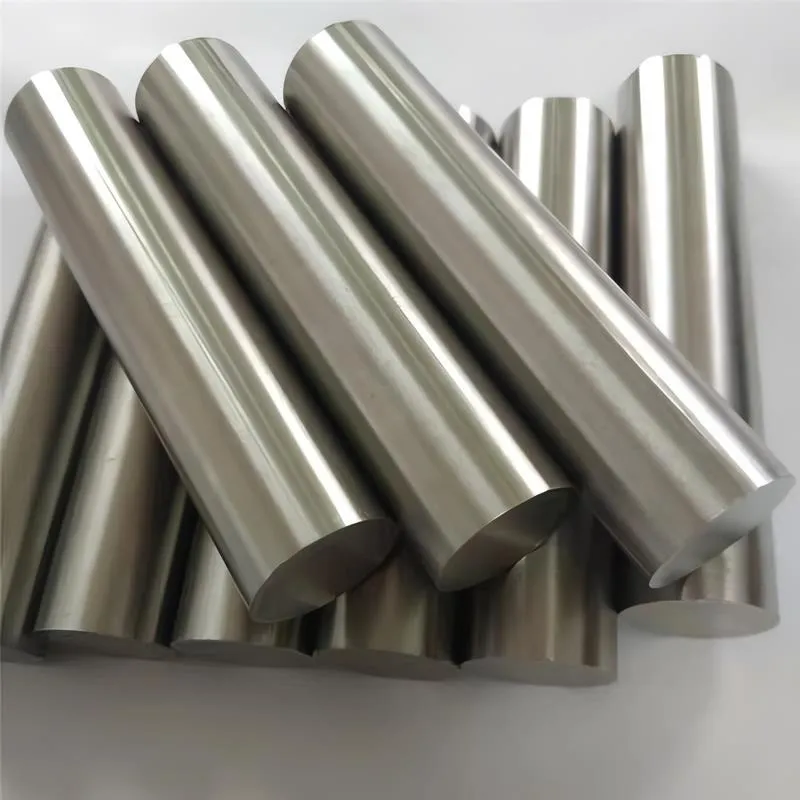
ATI Allegheny Ludlum S7 Tool Steel Rod/Bar, UNS T41907
Product Code : STI-GSTI-404-CU
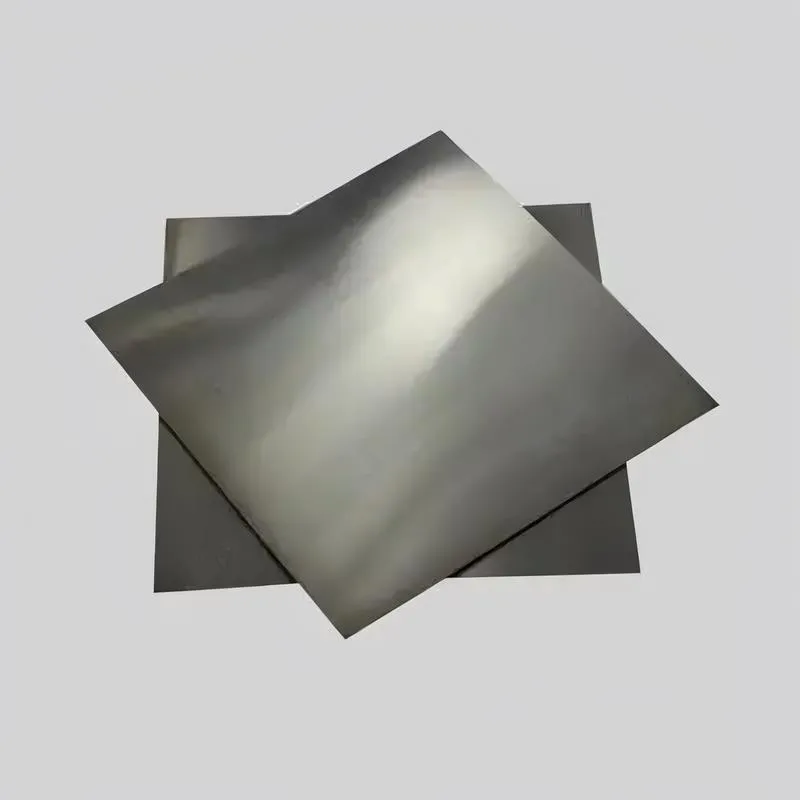
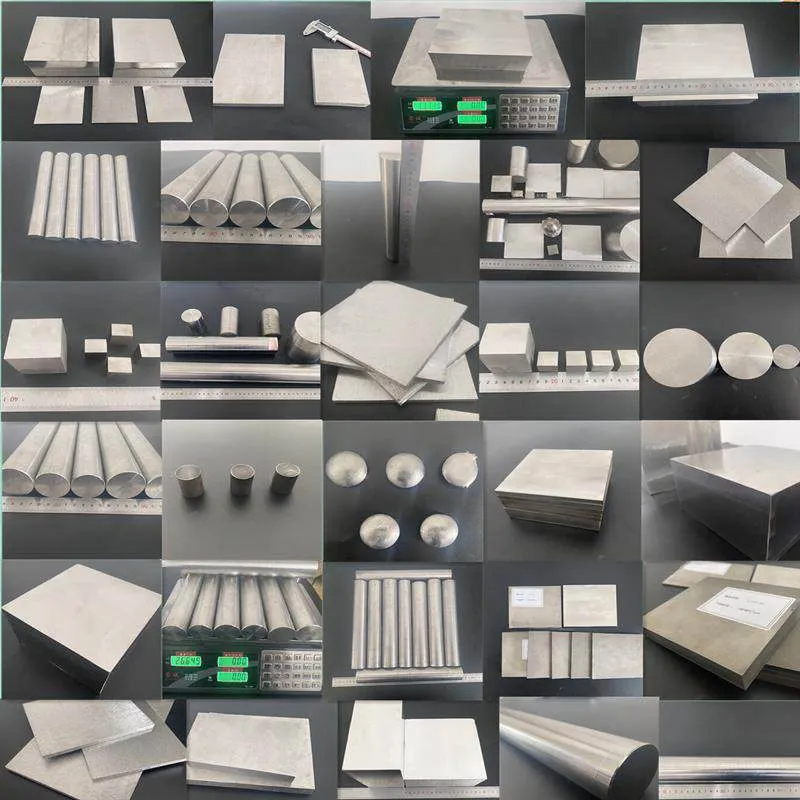
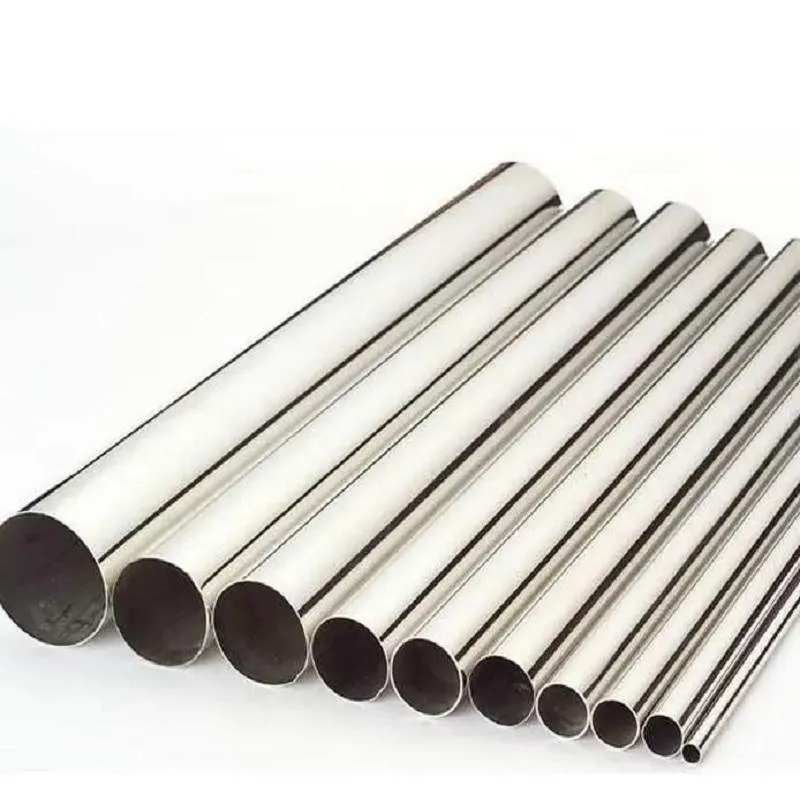
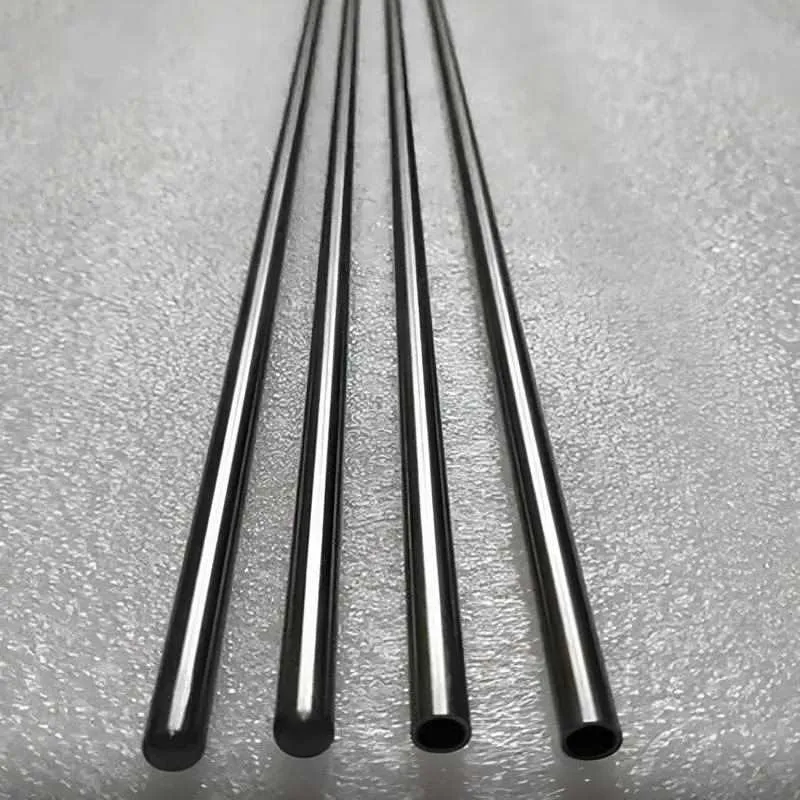
We provide ATI Allegheny Ludlum S7 Tool Steel Rod/Bar, UNS T41907 is available in Bar (Round bar, Flat bar), Ribbon, Wire, Rod/Bars, Tube,Seamless Tube,Pipe, Ingots, Plate, Sheet, Strip and Forging Stock.,Purity, chemical composition, size, etc. can all be customized to meet specific requirements.
Please contact us if you need customized services. We will contact you with the price and availability in 24 hours.
ATI Allegheny Ludlum S7 Tool Steel Rod, UNS T41907 Product Information
-:-
For detailed product information, please contact sales.
-:
ATI Allegheny Ludlum S7 Tool Steel Rod, UNS T41907 Synonyms
-:-
For detailed product information, please contact sales.
-:
ATI Allegheny Ludlum S7 Tool Steel, UNS T41907 Product Information
-:-
For detailed product information, please contact sales.
-:
# **Product Introduction: ATI Allegheny Ludlum S7 Tool Steel (UNS T41907)**
## **1. Overview**
**ATI Allegheny Ludlum S7 Tool Steel** is a premium **air-hardening, shock-resisting tool steel** renowned for its **exceptional toughness, high impact strength, and good wear resistance**. Designated as **UNS T41907** and commonly known as **AISI S7**, this alloy occupies a unique position in the tool steel spectrum, engineered specifically to withstand severe impact loading and shock without fracturing. Unlike many tool steels that prioritize hardness or wear resistance, S7 is formulated to deliver the **highest combination of toughness and hardness** among commonly available tool steels, making it the material of choice for applications involving high stress, repeated impact, and demanding forming operations. Its air-hardening characteristic ensures minimal distortion, while its balanced composition provides reliable performance under the most punishing conditions.
## **2. International Standards & Specifications**
S7 is a standardized grade recognized for its specialized shock-resisting properties.
* **Primary Standard Designations:**
* **UNS T41907:** Unified Numbering System designation.
* **AISI S7:** American Iron and Steel Institute classification.
* **ASTM A681:** Standard Specification for Tool Steels Alloy.
* **Key International Equivalents:**
* **DIN 1.2542:** The closest European standard for shock-resisting tool steel.
* **ISO 4957:** Classified under **55NiCrMoV7** type shock-resisting steels.
* **Common Trade Names:** Often referred to as **S7 Shock Steel**, **Air-Hardening Shock-Resisting Steel**, or simply **S7**.
## **3. Chemical Composition (Weight %, per ASTM A681)**
The composition is balanced with moderate carbon and significant chromium, molybdenum, and silicon to achieve high toughness and hardenability.
| Element | Composition Range (%) | Role & Benefit |
|---------|----------------------|----------------|
| **Carbon (C)** | 0.45 – 0.55 | Provides a balance of hardness and toughness. Lower than most cold work steels to prioritize ductility and impact resistance over extreme wear. |
| **Chromium (Cr)** | 3.00 – 3.50 | Provides good hardenability, contributes to wear resistance, and enhances toughness through microstructure refinement. |
| **Molybdenum (Mo)** | 1.30 – 1.80 | **Critical for hardenability and toughness.** Enhances deep hardening, increases toughness (especially at the core), and improves tempering resistance. |
| **Silicon (Si)** | 0.20 – 1.00 | A potent solid-solution strengthener that significantly increases the steel's yield strength and shock resistance without severely compromising toughness. |
| **Vanadium (V)** | ≤ 0.35 | Added in small amounts for grain refinement. |
| **Manganese (Mn)** | 0.20 – 0.90 | Aids in hardenability and deoxidation. |
## **4. Typical Physical & Mechanical Properties (Heat Treated)**
* **Recommended Heat Treatment:**
* **Preheating:** 650-700°C (1200-1290°F) to minimize stress.
* **Austenitizing:** **925-955°C (1700-1750°F).** A relatively low temperature that promotes a fine-grained, tough microstructure.
* **Quenching:** **Air cool.** The alloy content ensures full air hardenability with minimal distortion, even in moderate sections.
* **Tempering:** **Double tempering is recommended.** S7 has a wide tempering range. For maximum toughness: **540-595°C (1000-1100°F).** For higher hardness: **205-425°C (400-800°F).**
* **Mechanical Properties (Hardened & Double Tempered):**
* **Typical Operating Hardness Range:** **54 – 58 HRC.** Often used at **56-58 HRC** where an optimal balance of hardness and toughness is achieved.
* **Tensile Strength:** 1850 – 2050 MPa (268,000 – 297,000 psi) at 57 HRC.
* **Yield Strength (0.2% Offset):** Very high, contributing to its resistance to deformation under impact.
* **Impact Toughness (Charpy V-Notch):** **Exceptional.** Typically **40 – 60 J (30 – 44 ft-lb) or higher** at 57 HRC. This is **significantly higher (2-3x)** than tool steels like D2 or A2 at similar hardness levels. This is S7's defining property.
* **Wear Resistance:** **Good to Very Good.** Adequate for many applications, though less than high-carbon, high-chromium steels like D2. Its wear resistance is derived from its hardness and fine microstructure rather than a high volume of hard carbides.
* **Key Performance Features:**
* **Machinability (Annealed):** **Very Good.** Easier to machine than many tool steels due to its moderate carbon and alloy content.
* **Dimensional Stability:** **Excellent.** Air hardening results in minimal distortion, important for complex tools.
* **Resistance to Chipping and Cracking:** Unsurpassed among common tool steels, making it ideal for applications subject to shock and stress concentration.
* **Physical Properties:**
* **Density:** ~7.83 g/cm³
* **Modulus of Elasticity:** ~205 GPa
* **Thermal Conductivity:** Moderate.
## **5. Product Application**
ATI S7 Tool Steel is the premier choice for tools and dies that must survive severe impact, bending stress, or shock loading.
* **Punching, Blanking, and Shearing:**
* **Punches, dies, and shear blades** for heavy-duty applications and thick materials where edge chipping is a problem.
* **Cold shear blades** for bars and rods.
* **Chisels and Impact Tools:**
* **Cold chisels, pneumatic chisels, and jackhammer bits.**
* **Slugging wrenches and other striking tools.**
* **Forming and Forging:**
* **Hot and cold forming dies** subject to high impact.
* **Swaging dies, heading dies, and nut-forming tools.**
* **Machine Parts and Wear Components:**
* **Clutch parts, cam rolls, and gripper jaws.**
* **Liners and wear plates** in high-impact environments.
* **Plastic Molds:** Cavities and cores for abrasive plastics where toughness to resist cracking is more critical than ultimate wear resistance.
## **6. Key Features & Advantages**
* **Unmatched Toughness at Useful Hardness:** Provides the highest impact strength of any standard tool steel in the 54-58 HRC range, dramatically reducing failures from chipping and cracking.
* **Excellent Dimensional Stability:** Air hardening ensures minimal distortion for precision tools.
* **Good Wear Resistance:** Offers sufficient wear life for many demanding applications, striking a superior balance compared to brittle, high-wear steels.
* **Good Machinability and Grindability:** Relatively easy to fabricate compared to high-alloy steels.
* **Good Hardenability:** Through-hardens in air for moderate to large sections.
* **Versatile Tempering Response:** Can be tempered to a wide range of hardness levels to fine-tune the toughness/hardness balance for specific applications.
* **Resistance to Thermal Fatigue:** Better than many steels due to its good toughness and moderate alloy content.
## **7. Processing Guidelines**
* **Machining:** Machine in the annealed condition. Its good machinability allows for efficient fabrication.
* **Heat Treatment:** Straightforward for an air-hardening steel. Control austenitizing temperature to maintain fine grain. **Double temper** to achieve optimal properties and stress relief.
* **Grinding:** Grinds well with standard aluminum oxide wheels. Less prone to grinding cracks than more sensitive steels.
* **Welding:** Can be welded with proper preheat (315-425°C / 600-800°F) and post-weld tempering, using low-hydrogen electrodes.
* **Design:** Can be used in more aggressive geometries (sharper corners, thinner sections) than brittle tool steels because of its high fracture resistance.
**Summary:**
ATI Allegheny Ludlum S7 Tool Steel is the definitive solution for applications where **toughness is the primary concern**. It represents a fundamental design philosophy in tool steel metallurgy: sacrificing a degree of ultimate wear resistance to gain extraordinary resilience against impact and shock. When tool failure manifests as catastrophic cracking, chipping, or breakage—rather than gradual wear—S7 is very often the correct and most reliable material choice. Its robust combination of hardness, stability, and unparalleled impact strength makes it an indispensable grade for heavy-duty punching, shearing, forming, and any tooling application where survival under punishing conditions is the key to productivity and safety.
-:-
For detailed product information, please contact sales.
-:
ATI Allegheny Ludlum S7 Tool Steel, UNS T41907 Specification
Dimensions
Size:
Diameter 20-1000 mm Length <7060 mm
Size:We can customized as required
Standard:
Per your request or drawing
We can customized as required
Properties(Theoretical)
Chemical Composition
-:-
For detailed product information, please contact sales.
-:
ATI Allegheny Ludlum S7 Tool Steel, UNS T41907 Properties
-:-
For detailed product information, please contact sales.
-:
Applications of ATI Allegheny Ludlum S7 Tool Steel Rod, UNS T41907
-:-
For detailed product information, please contact sales.
-:
Chemical Identifiers ATI Allegheny Ludlum S7 Tool Steel Rod, UNS T41907
-:-
For detailed product information, please contact sales.
-:
Packing of ATI Allegheny Ludlum S7 Tool Steel Rod, UNS T41907
-:-
For detailed product information, please contact sales.
-:
Standard Packing:
-:-
For detailed product information, please contact sales.
-:
Typical bulk packaging includes palletized plastic 5 gallon/25 kg. pails, fiber and Steel Rod drums to 1 ton super sacks in full container (FCL) or truck load (T/L) quantities. Research and sample quantities and hygroscopic, oxidizing or other air sensitive materials may be packaged under argon or vacuum. Solutions are packaged in polypropylene, plastic or glass jars up to palletized 3531 gallon liquid totes Special package is available on request. E FORUs’ is carefully handled to minimize damage during storage and transportation and to preserve the quality of our products in their original condition