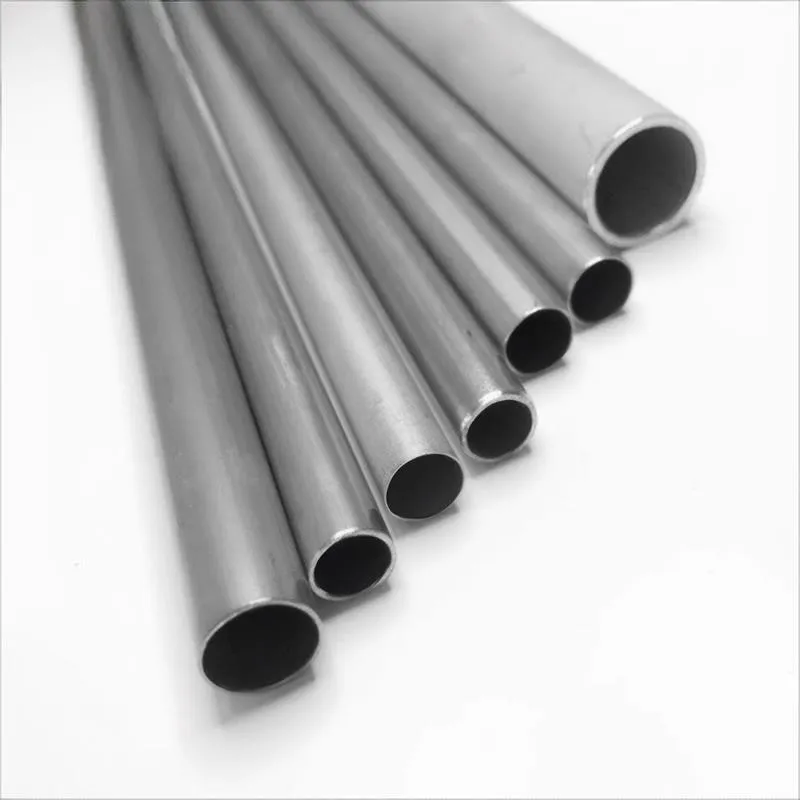
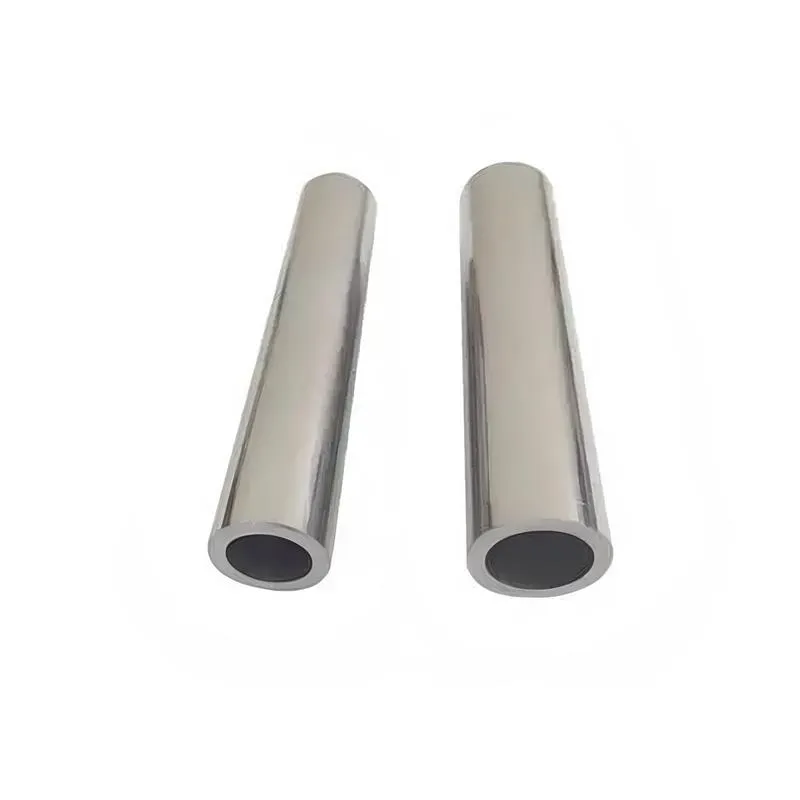
Class I Type B Ni-Cr-LC Martensitic White Cast Iron Tube,Pipe
Product Code : STI-IFe-016-CU
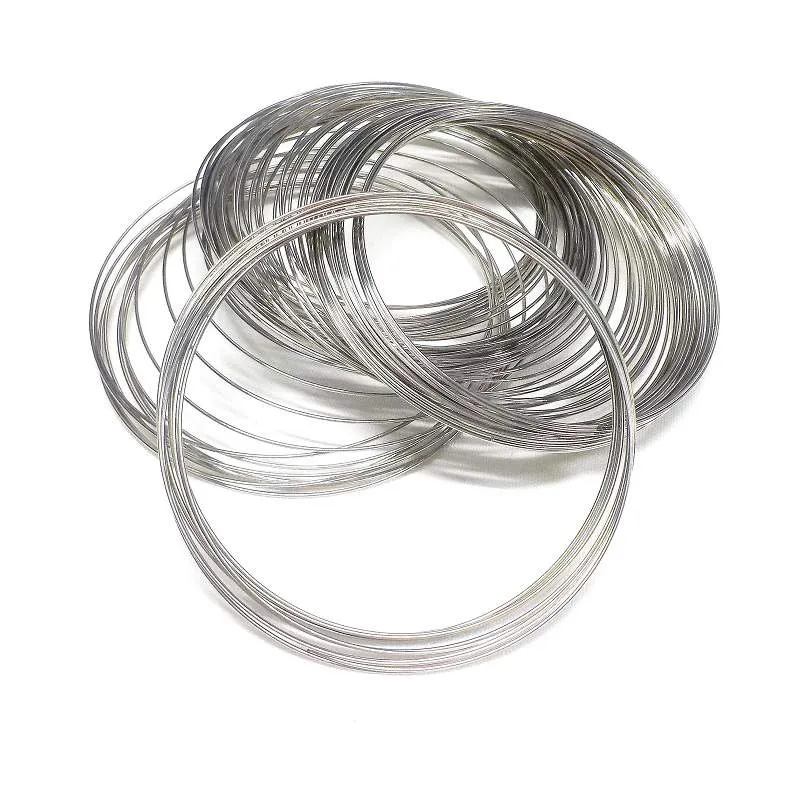
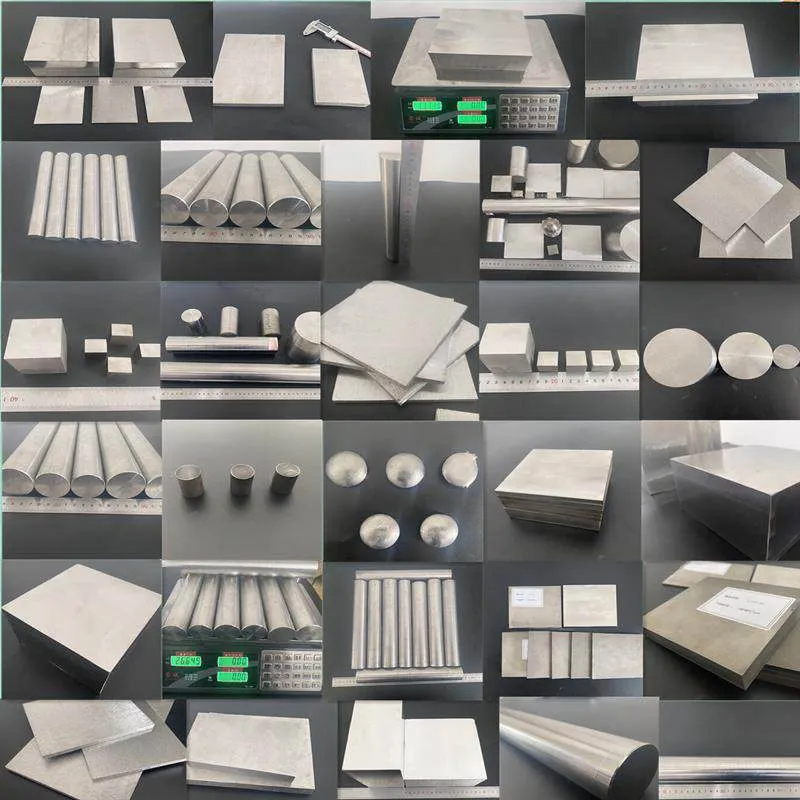
We provide Class I Type B Ni-Cr-LC Martensitic White Cast Iron Tube is available in Bar (Round bar, Flat bar), Ribbon, Wire, Rods, Tube,Seamless Tube,Pipe, Ingots, Plate, Sheet, Strip and Forging Stock.,Purity, chemical composition, size, etc. can all be customized to meet specific requirements.Class I Type B Ni-Cr-LC Martensitic White Cast Iron Pipe
Please contact us if you need customized services. We will contact you with the price and availability in 24 hours.
Class I Type B Ni-Cr-LC Martensitic White Cast Iron Tube Product Information
-:-
For detailed product information, please contact sales.
-:
Class I Type B Ni-Cr-LC Martensitic White Cast Iron Tube Synonyms
-:-
For detailed product information, please contact sales.
-:
Class I Type B Ni-Cr-LC Martensitic White Cast Iron Product Information
-:-
For detailed product information, please contact sales.
-:
## **Product Introduction: Class I Type B Ni-Cr-LC Martensitic White Cast Iron**
Class I Type B Ni-Cr-LC Martensitic White Cast Iron is a specialized abrasion-resistant alloy within the high-performance white iron family, standardized under ASTM A532. The "LC" designation signifies a **Low Carbon** composition relative to its Type A counterpart, engineered to prioritize improved fracture toughness and impact resistance while maintaining excellent wear performance. By reducing carbon content, the volume fraction of hard but brittle chromium carbides is decreased, resulting in a finer and more favorable microstructure. When combined with nickel for hardenability and proper heat treatment, this alloy achieves a fully martensitic matrix that provides superior resistance to spalling and cracking under severe impact conditions, making it the material of choice for applications where abrasive wear is accompanied by extreme mechanical shock.
This grade represents a critical optimization for service environments where the high hardness of Type A is advantageous, but the risk of component fracture due to heavy, repeated impact is unacceptable.
---
### **1. Chemical Composition**
The composition is meticulously balanced to lower carbide volume while ensuring sufficient hardenability to form a fully martensitic matrix upon air quenching.
**Typical Composition Range (ASTM A532 Class I Type B):**
| Element | Content (%) | Primary Function |
| :--- | :--- | :--- |
| **Chromium (Cr)** | **1.4 - 4.0** | **Carbide former and corrosion/oxidation enhancer.** Forms (Fe,Cr)₇C₃ and (Fe,Cr)₂₃C₆ carbides. The lower carbon content results in a reduced volume of these carbides compared to Type A. Improves matrix hardenability and provides moderate environmental resistance. |
| **Nickel (Ni)** | **3.3 - 5.0** | **Essential austenite stabilizer and hardenability agent.** Suppresses pearlite formation during cooling, ensuring the austenite transforms to martensite upon air quenching. This is critical for achieving high hardness in thicker sections without liquid quenching. |
| **Carbon (C)** | **2.4 - 3.0** | **Controlled carbide former.** The **Low Carbon ("LC")** content is the defining feature. It limits the volume and size of primary and eutectic carbides, enhancing the material's toughness and resistance to crack initiation/propagation. |
| **Manganese (Mn)** | 0.5 - 1.5 | Increases hardenability, aids in deoxidation, and works with Ni to stabilize austenite. |
| **Molybdenum (Mo)** | 0 - 1.0 (Optional) | Frequently added (typically 0.4-1.0%) to further enhance hardenability, particularly for ensuring martensite formation in heavy cross-sections, and to refine the martensitic matrix. |
| **Silicon (Si)** | 0.5 - 1.5 | Deoxidizer; kept low to prevent graphite formation which would compromise wear resistance. |
| **Copper (Cu)** | 0 - 1.2 (Optional) | May be used to partially substitute for nickel to improve hardenability and atmospheric corrosion resistance. |
| **Iron (Fe)** | Balance | Base metal. |
**Microstructural Note:** The as-cast structure is austenite + carbides. After a standard destabilization heat treatment (e.g., 760-980°C followed by air cooling), the microstructure transforms to a **hard martensitic matrix** with a **lower volume fraction (typically 15-25%) of finer, isolated chromium carbides (M₇C₃)** compared to Type A. The matrix is the dominant phase, contributing significantly to its improved toughness.
---
### **2. Physical & Mechanical Properties**
Properties reflect the trade-off: slightly lower maximum hardness for substantially improved toughness and impact resistance.
| Property | Typical Value / Description |
| :--- | :--- |
| **Microstructure (Heat-Treated)** | **Martensitic matrix with a reduced, refined dispersion of (Cr,Fe)₇C₃ carbides.** |
| **Density** | ~7.6 - 7.8 g/cm³ |
| **Macrohardness** | **500 - 600 HB** (52 - 58 HRC) – Slightly lower than Type A due to lower carbide volume, but still very high, providing excellent abrasion resistance. |
| **Compressive Strength** | **Very High** – Maintains excellent load-bearing capacity under crushing loads. |
| **Tensile Strength** | Low to Moderate (400 - 600 MPa) – Not a primary design criterion. |
| **Elongation** | **Negligible (< 0.5%)** – Remains a brittle material. |
| **Fracture Toughness (K_IC)** | **Improved (~20-30 MPa√m).** Significantly higher than Type A and higher-chromium white irons. The tougher martensitic matrix and reduced carbide volume allow it to absorb more energy before fracturing. |
| **Impact Resistance (Charpy Unnotched)** | **15 - 35 J** – Notably better than Type A, making it suitable for severe, repetitive impact service. |
| **Abrasion Resistance** | **Very Good to Excellent.** While its pure abrasion resistance may be slightly lower than Type A in pure sliding/scratching wear, it often performs comparably or better in high-stress, gouging abrasion coupled with impact due to its resistance to micro-cracking and spalling. |
| **Machinability** | **Extremely Poor.** Can only be finished by grinding. |
---
### **3. Key Product Advantages & Characteristics**
* **Optimized Toughness-Hardness Balance:** Provides the best combination of impact resistance and wear resistance among the standard Ni-Cr white iron grades.
* **Superior Resistance to Spalling & Crack Propagation:** The finer carbide distribution in a tough martensitic matrix minimizes stress concentration points, greatly reducing the tendency for large chunks of material to break off under impact.
* **Good Hardenability in Section Size:** The Ni-Cr-Mo alloying allows air hardening of substantial sections with minimal risk of cracking from quenching stresses.
* **Reliable Performance Under Impact-Abrasion:** Excels in the most punishing applications where materials are subjected to both cutting/gouging wear and heavy pounding.
---
### **4. Product Applications**
This material is specified for components where failure by fracture is a greater concern than pure, gradual wear loss.
* **Mining & Quarrying:** **Crusher rolls and jaws**, **hammer mill hammers**, **shredder tips**, impactor bars, and gyratory crusher mantles/concaves in secondary and tertiary crushing stages.
* **Cement & Aggregates:** Clinker crusher hammers, impact crusher blow bars, wear plates in high-impact zones.
* **Recycling & Scrap Processing:** Shredder hammers, anvils, and liners in ferrous and non-ferrous scrap processing.
* **Pulp & Paper:** Refiner plates and discs where abrasive fillers are present alongside mechanical impact.
* **Earth-Moving:** Teeth and adapters for excavators and dredgers in very rocky or abrasive ground conditions.
---
### **5. International Standards**
Like its Type A counterpart, it is dominantly specified under the ASTM A532 standard.
| Standard | Title / Scope | Common Designations / Notes |
| :--- | :--- | :--- |
| **ASTM A532/A532M** | *Standard Specification for Abrasion-Resistant Cast Irons* | **Class I Type B** is the definitive standard for Ni-Cr-LC martensitic white iron. |
| **ISO 21988** | *Abrasion-resistant cast irons* | Can be cross-referenced. Corresponding ISO grades will have similar C and Cr ranges. |
| **BS 4844** | *Abrasion resisting white cast irons* (British, historical) | **Grade 3B** is the equivalent low-carbon Ni-Cr grade. |
| **JIS G5511** | *Abrasion-resistant white cast irons* (Japanese) | No direct equivalent; ASTM A532 is commonly referenced for this specific grade. |
| **DIN EN 12513** | *Founding - Abrasion resistant cast irons* (European) | Grades such as **G-X 260 NiCr 4 2** may be similar, but exact equivalence to the ASTM-specified low-carbon Type B chemistry should be confirmed. |
**Specification Note:** Procurement is typically by specifying **"ASTM A532, Class I Type B"**. Additional requirements often include:
* **Minimum hardness** (e.g., 550 HB is a common specification).
* **Impact test requirements** (e.g., Charpy unnotched impact energy minimum) for critical impact applications.
* **Hardness uniformity** across specified section sizes.
* **Non-destructive testing** (NDT) to ensure sound castings free of major defects.
---
### **Conclusion**
Class I Type B Ni-Cr-LC Martensitic White Cast Iron is the **engineered solution for the intersection of severe abrasion and punishing impact**. Its **lower carbon content and refined microstructure** strategically sacrifice a small degree of maximum hardness to achieve a **dramatic improvement in fracture toughness and impact fatigue life**. This makes it the preferred and often essential material for dynamic, high-stress wear components like crusher hammers and shredder tips, where catastrophic failure is more costly than gradual wear. By optimizing the balance between its hard carbide phase and tough martensitic matrix under the rigorous framework of **ASTM A532**, it delivers predictable, reliable, and extended service life in the most demanding industrial environments.
-:-
For detailed product information, please contact sales.
-:
Class I Type B Ni-Cr-LC Martensitic White Cast Iron Specification
Dimensions
Size:
Diameter 20-1000 mm Length <6490 mm
Size:We can customized as required
Standard:
Per your request or drawing
We can customized as required
Properties(Theoretical)
Chemical Composition
-:-
For detailed product information, please contact sales.
-:
Class I Type B Ni-Cr-LC Martensitic White Cast Iron Properties
-:-
For detailed product information, please contact sales.
-:
Applications of Class I Type B Ni-Cr-LC Martensitic White Cast Iron Tube
-:-
For detailed product information, please contact sales.
-:
Chemical Identifiers Class I Type B Ni-Cr-LC Martensitic White Cast Iron Tube
-:-
For detailed product information, please contact sales.
-:
Packing of Class I Type B Ni-Cr-LC Martensitic White Cast Iron Tube
-:-
For detailed product information, please contact sales.
-:
Standard Packing:
-:-
For detailed product information, please contact sales.
-:
Typical bulk packaging includes palletized plastic 5 gallon/25 kg. pails, fiber and Steel Tube drums to 1 ton super sacks in full container (FCL) or truck load (T/L) quantities. Research and sample quantities and hygroscopic, oxidizing or other air sensitive materials may be packaged under argon or vacuum. Solutions are packaged in polypropylene, plastic or glass jars up to palletized 2961 gallon liquid totes Special package is available on request. E FORUs’ is carefully handled to minimize damage during storage and transportation and to preserve the quality of our products in their original condition